Cognitive Development Normal Building Vocabulary Worksheets for Ages 3-8
7 filtered results
-
From - To
Discover our engaging Cognitive Development Normal Building Vocabulary Worksheets designed for children aged 3 to 8! These carefully crafted resources enhance vocabulary and language skills through fun activities that stimulate cognitive growth. Featuring colorful illustrations and age-appropriate exercises, these worksheets encourage young learners to explore new words, phrases, and their meanings. Ideal for home or classroom use, our materials promote critical thinking and language comprehension while fostering a love for learning. Whether your child is looking to expand their vocabulary or strengthen their cognitive abilities, our worksheets provide the perfect blend of education and enjoyment. Get started today!
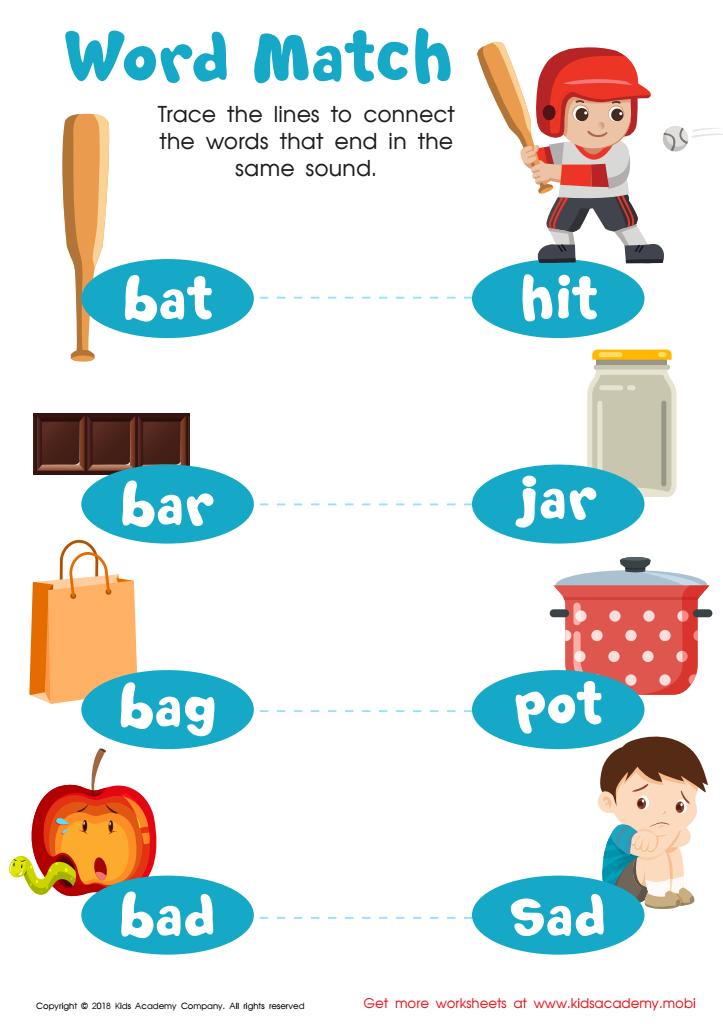
Word Match Reading Worksheet
 Assign to My Students











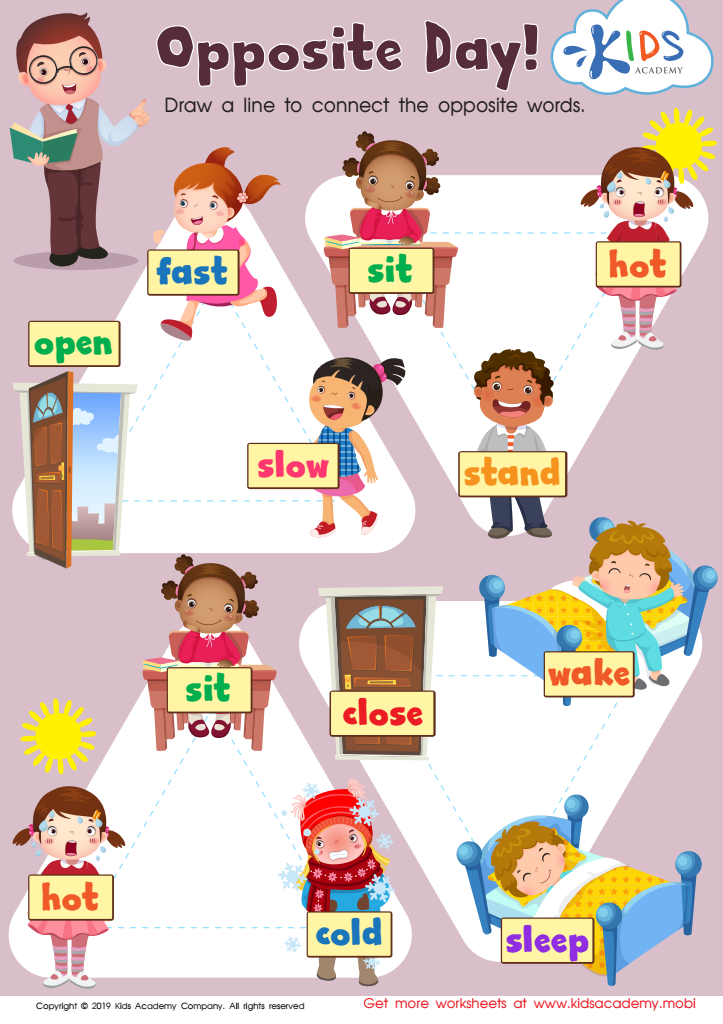
Opposite Day Worksheet
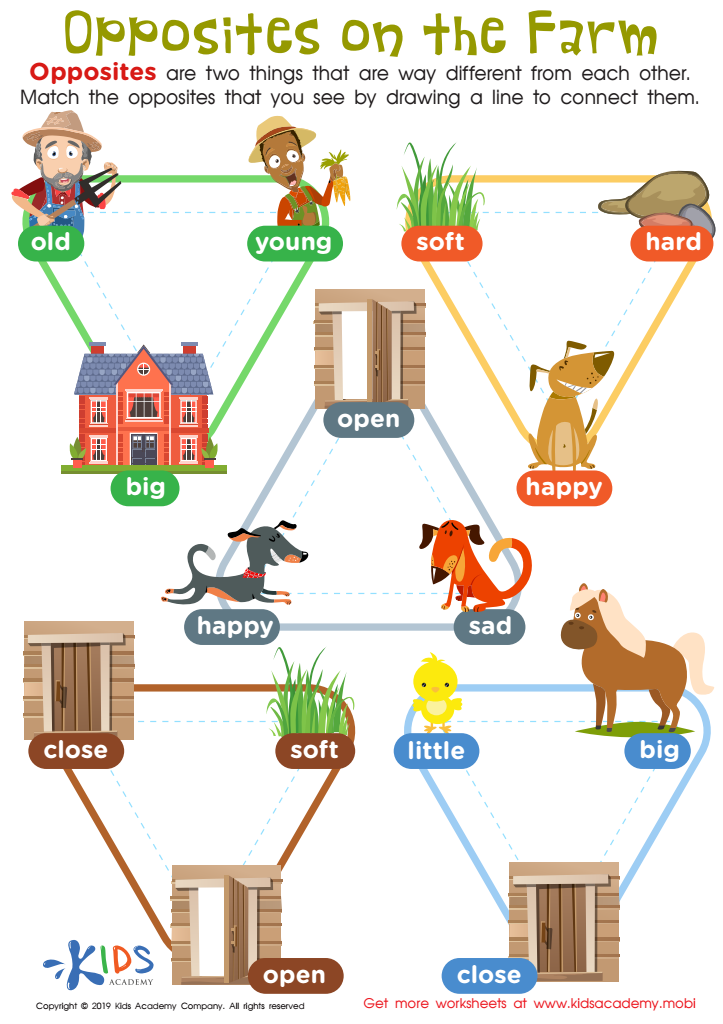
Opposites on the Farm Worksheet
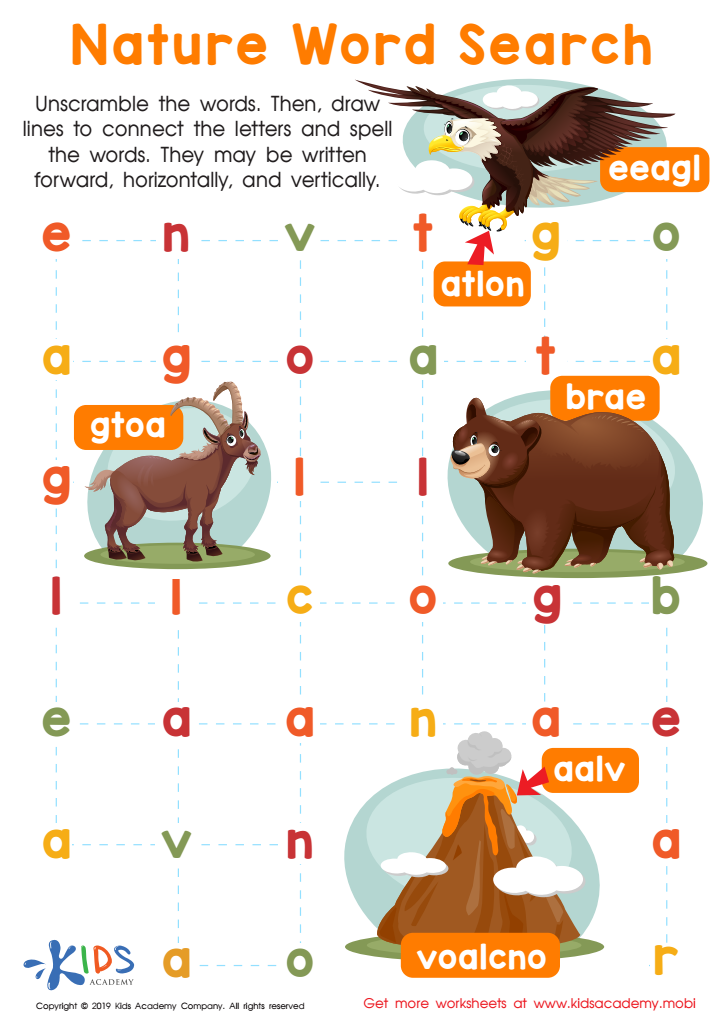
Nature Word Search Worksheet
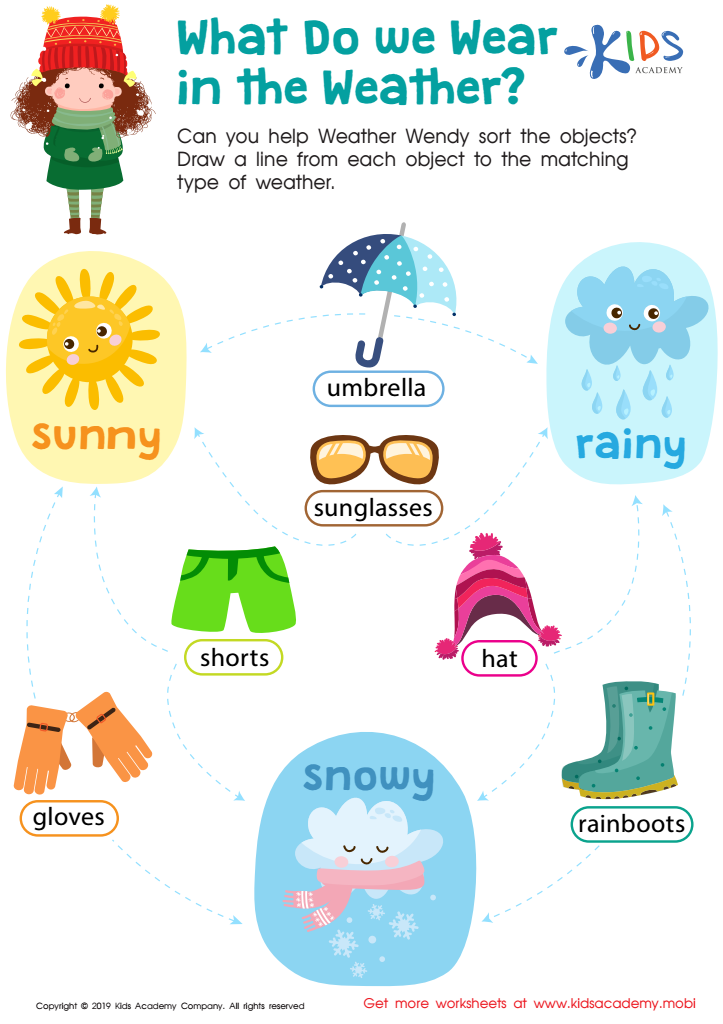
What Do We Wear in the Weather? Worksheet
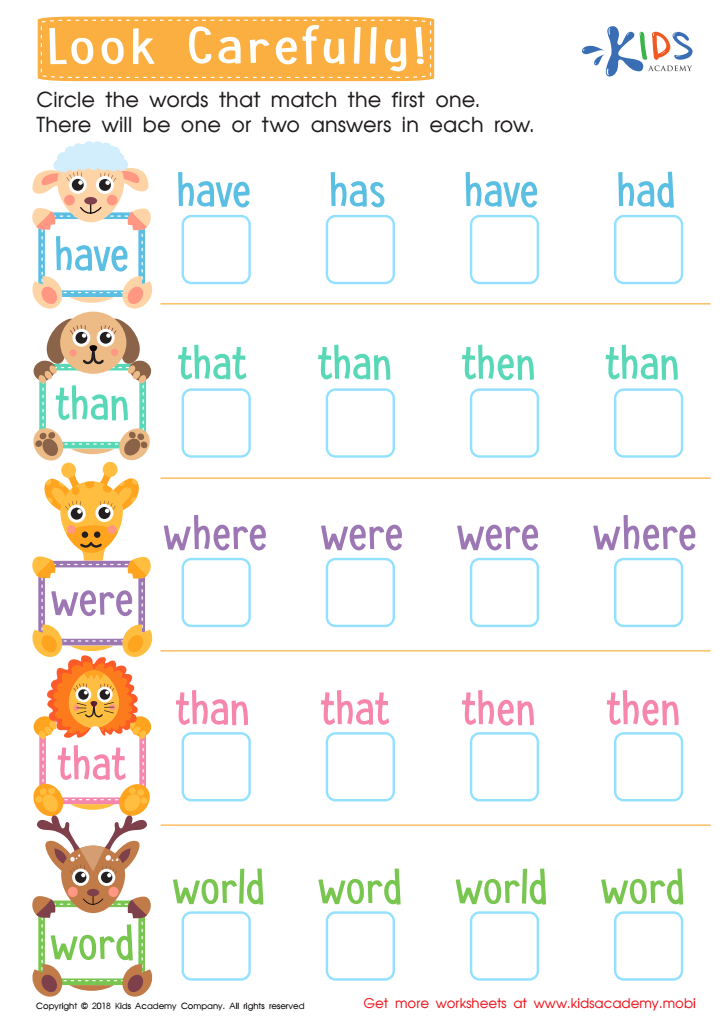
Look Carefully Worksheet
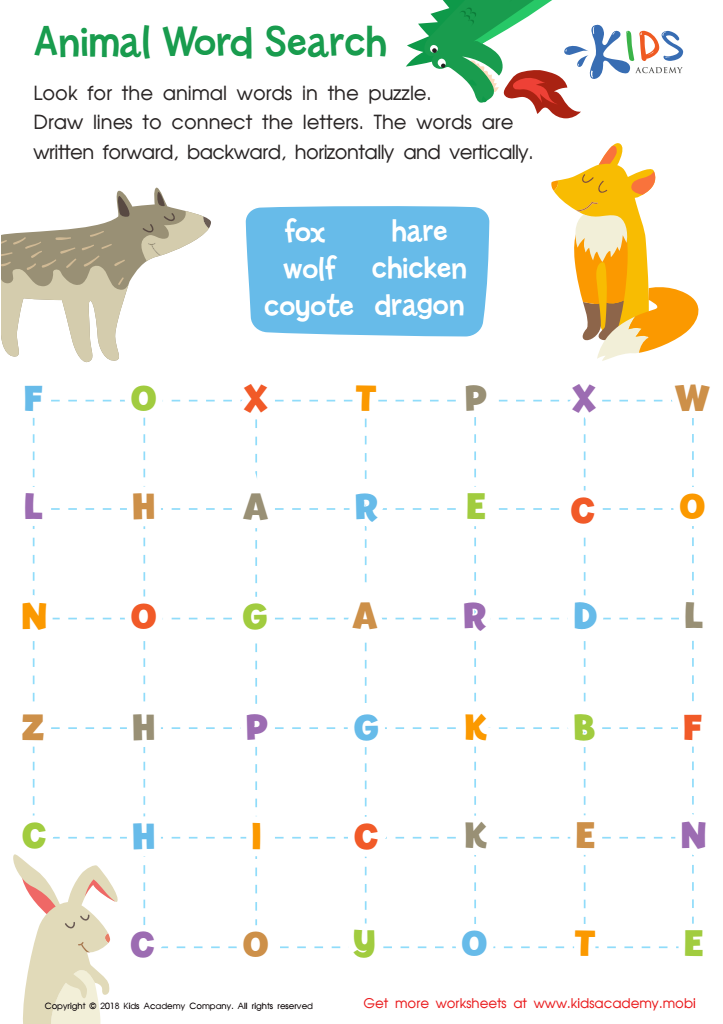
Animal Word Search Worksheet





.jpg)


Cognitive development in early childhood is crucial for a child’s overall growth, as it forms the foundation for critical thinking, problem-solving, and effective communication skills. Between ages 3-8, children undergo significant language acquisition, and vocabulary building plays a vital role in this developmental phase. Expanding vocabulary not only enhances a child’s ability to express thoughts and emotions but also aids in understanding complex concepts and engaging in meaningful discussions.
Parents and teachers should care about vocabulary development because it directly influences a child’s academic success and social interactions. A robust vocabulary allows children to become better readers, which is essential for academic learning. Furthermore, those with extensive vocabularies are often more confident communicators, which helps them form friendships and navigate social situations.
Additionally, promoting vocabulary development aligns with preparing children for future educational challenges. A strong vocabulary supports advanced literacy skills, which are essential in higher grades and lifelong learning. By nurturing vocabulary growth through conversation, storytelling, and interactive activities, adults can foster cognitive development and equip children with the skills needed to succeed in school and beyond. Prioritizing this aspect of cognitive growth ultimately benefits society by creating informed, articulate future citizens.








