
Hand-eye Coordination Normal Reading Worksheets for Ages 3-8
5 filtered results
Difficulty Level
Grade
Age
-
From - To
Subject
Activity
Standards
Enhance your child's reading journey with our Hand-eye Coordination Normal Reading Worksheets for ages 3-8. These expertly designed printables at Kids Academy foster essential learning skills crucial for developmental success. Incorporating engaging activities that blend fun with practice, the worksheets support kids in honing their hand-eye coordination in a structured way. Children will build fine motor skills while engaging in exciting reading exercises. Perfect for preschoolers to early elementary students, these resources are great for classrooms and home practice alike. Spark a love for reading and develop crucial skills with our thoughtfully crafted hand-eye coordination worksheets. Unlock your child's potential today at Kids Academy!
Favorites
With answer key
Interactive
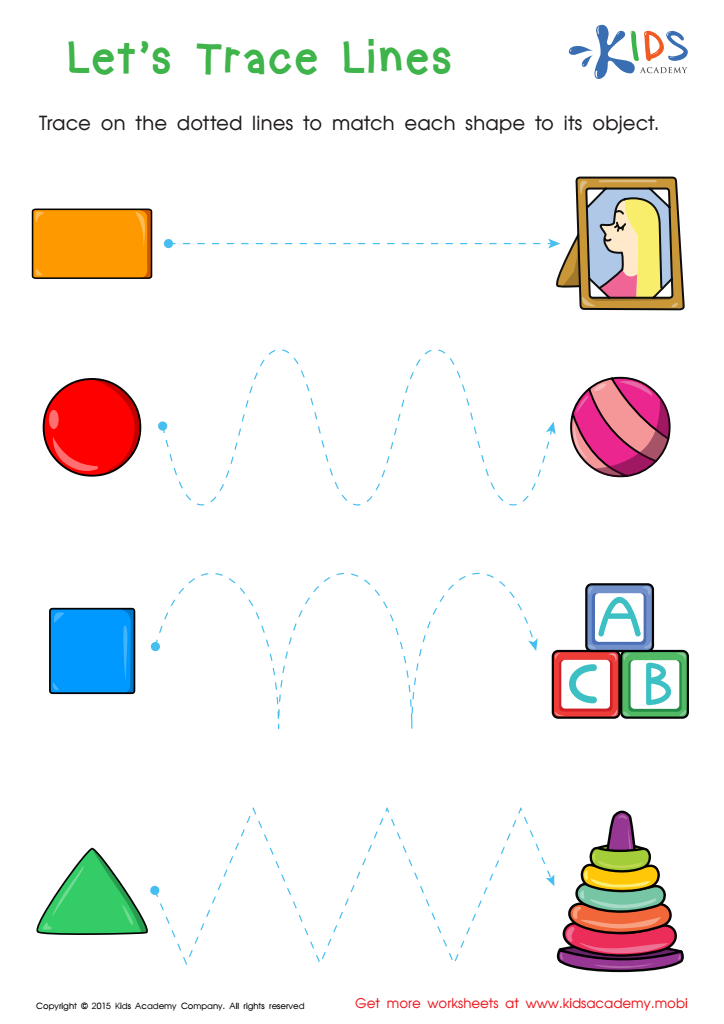
First Words: Let's Trace Lines Worksheet
Printable tracing lines for toddlers will provide your little one with the skills needed for future handwriting success. Proper grip, fine motor skills, and hand-to-eye coordination are key. Let's get their writing journey off to a great start!
First Words: Let's Trace Lines Worksheet
Worksheet
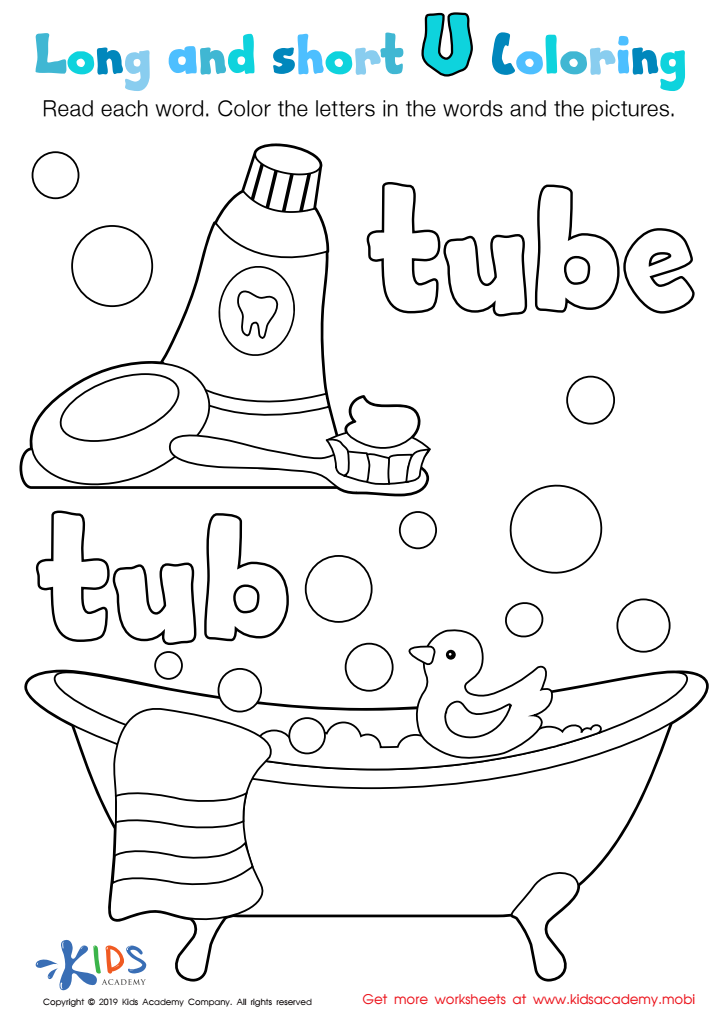
Long and Short U Worksheet
Revised: Spice up your lesson on long and short vowels with this fun printout! Kids read the words "tube" and "tub," then reinforce the sound by coloring in the words and pictures. It's a great way to make phonics class enjoyable!
Download (PDF)
 Assign to My Students
Assign to My Students
Long and Short U Worksheet
Worksheet
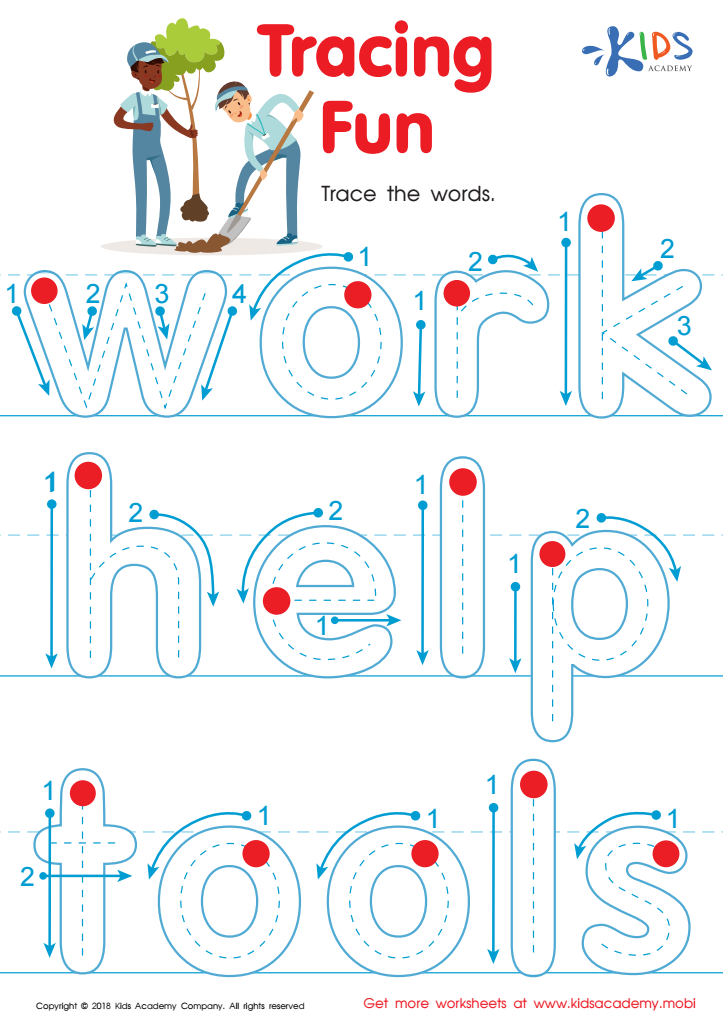
Tracing Fun Worksheet
Believe it or not, good handwriting helps with reading! Starting at the top left and writing legibly builds reading skills. This free worksheet helps little learners practice basic sight words. Red dots show them where to start and the words provide reinforcement without them realising. An enjoyable way to boost their reading and writing.
Tracing Fun Worksheet
Worksheet
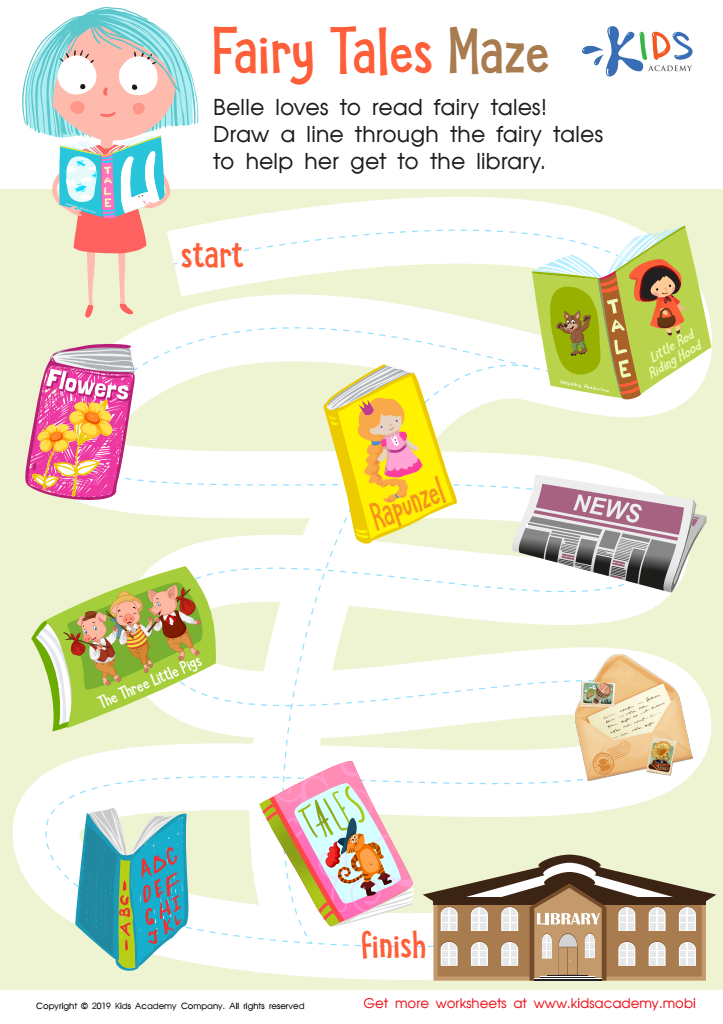
Fairy Tales Maze Worksheet
Kids love mazes and fairy tales, so this free worksheet is a great way to help teach young readers about familiar topics. They'll join Bella and use the traceable lines to travel through different reading genres, and find their way to the library for a nice reward!
Fairy Tales Maze Worksheet
Worksheet
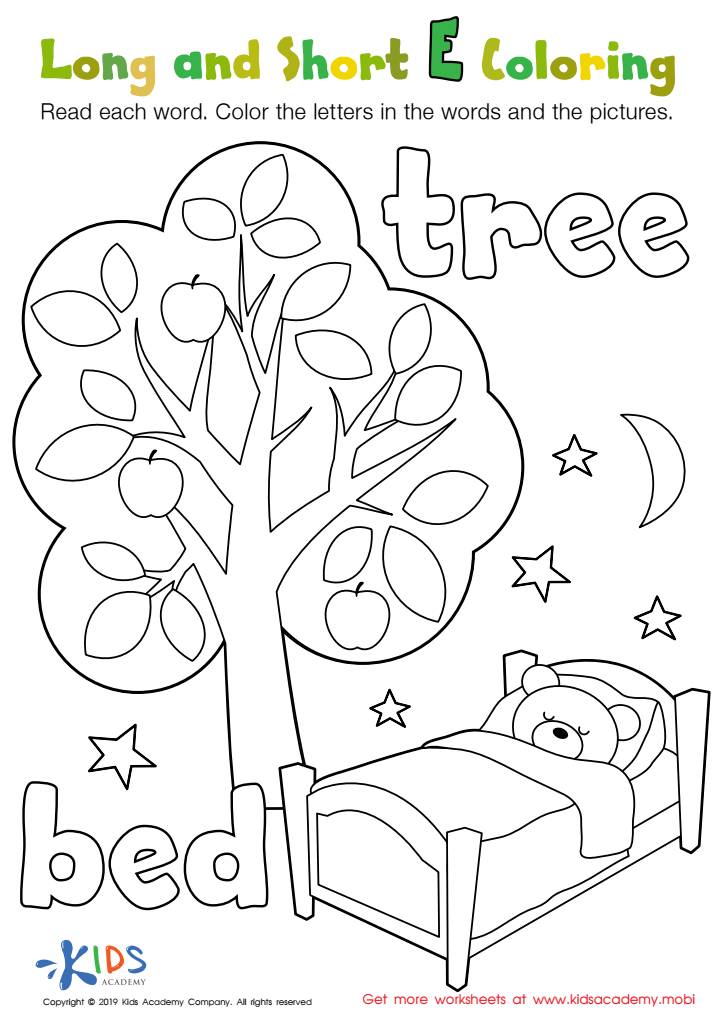
Long and Short E Worksheet
This fun printout makes learning phonics enjoyable for Grade 3 students. Get them to read the words “tree” and “bed” to recognize the different sounds of the letter “E”. After hearing the words they can color the words and the pictures to understand differences between long and short vowels.
Download (PDF)
Assign to My Students
Assign to My Students
Long and Short E Worksheet
Worksheet
Join Kids Academy for Free
Who is primarily going to use this learning content?



.jpg)


.jpg)

Hand-eye coordination and normal reading development in children ages 3-8 are integral to their overall growth and learning experiences. This coordination refers to the ability of the visual system to interpret and react to information sensed by the eyes, then control and direct the movements of the hands in response. Ideally developed early on, it is crucial for children’s success in various activities—tying shoes, cutting with scissors, writing, and even catching a ball.
Reading, on the other hand, is fundamental for cognitive development. Normal reading progression in these early years lays the groundwork for a child's ability to comprehend and interpret written text, enhancing vocabulary, language skills, and academic performance over time. For ages 3-8, normal reading ranges from recognizing letters and understanding simple picture books to fluently reading age-appropriate texts.
For parents and teachers, fostering both hand-eye coordination and reading skills means providing a well-rounded, supportive environment rich in activities that stimulate these abilities. Activities such as playing catch, coloring within lines, building with blocks, and engaging with books of various complexities will ensure that children develop these essential skills. Early intervention and appropriate stimulation can address potential issues before they become significant barriers to learning, ensuring that children have the foundational abilities they need for future success in both academics and daily life.








