Logical thinking Normal Reading Worksheets for Ages 3-8
6 filtered results
-
From - To
Enhance your child's logical thinking and reading skills with our specially designed Normal Reading Worksheets, perfect for ages 3-8. Our engaging resources help young learners develop critical thinking while strengthening their reading abilities. Each worksheet features age-appropriate activities that encourage problem-solving, pattern recognition, and comprehension, ensuring a fun and interactive learning experience. As children work through these exercises, they'll build essential skills that lay the foundation for academic success. Ideal for homeschooling, classroom use, or supplementary practice, our worksheets are perfect for every young learner eager to explore the world of logic and reading. Start nurturing your child's potential today!
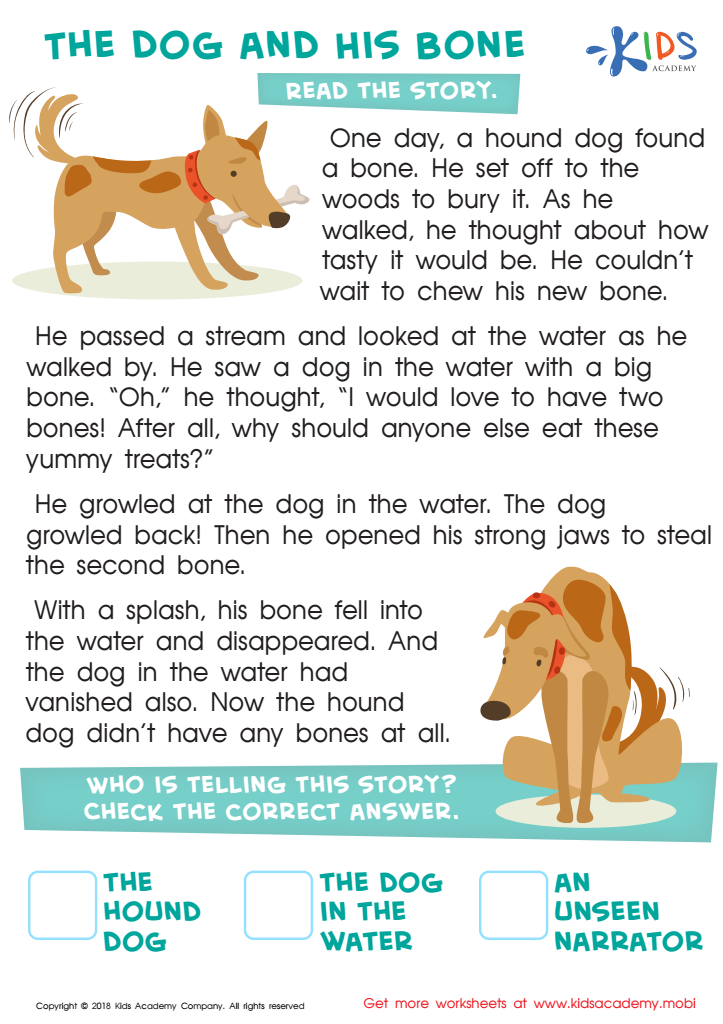
The Dog and His Bone Worksheet
 Assign to My Students
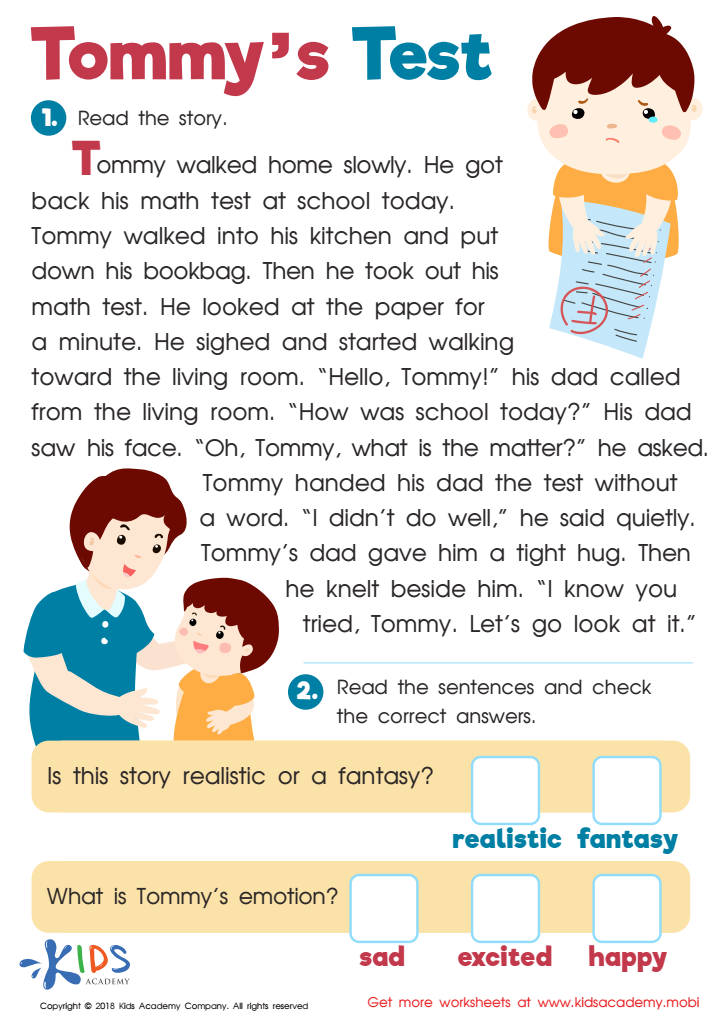
Tommys Test Worksheet
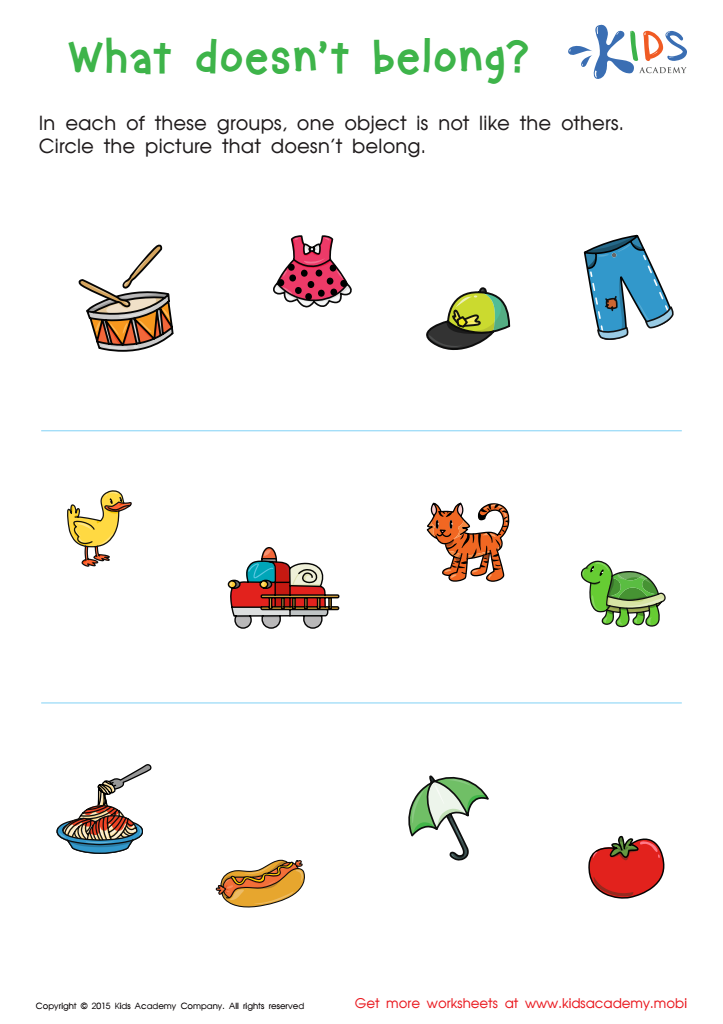
First Words: What Doesn't Belong Worksheet
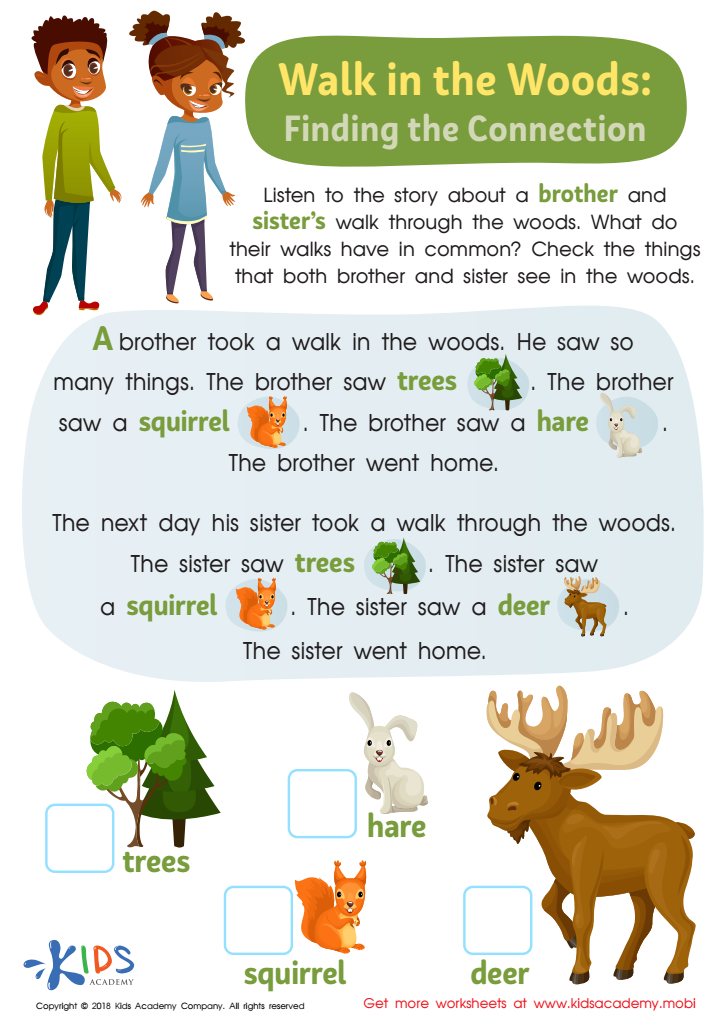
Walk In the Woods: Finding Connections Worksheet
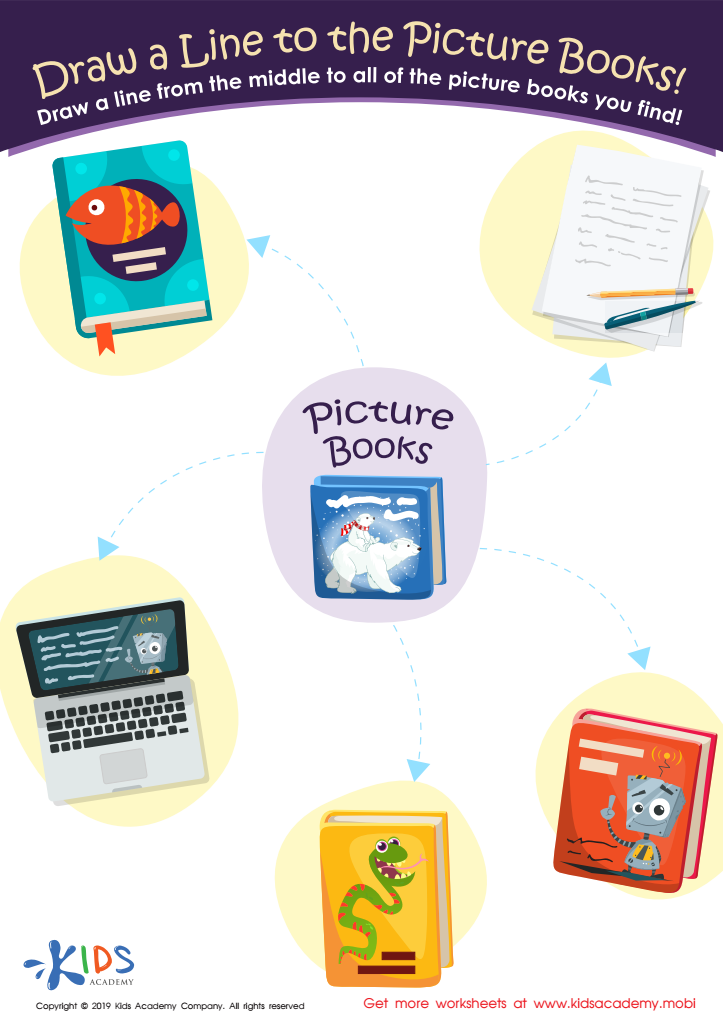
Draw a Line to the Picture Books Worksheet
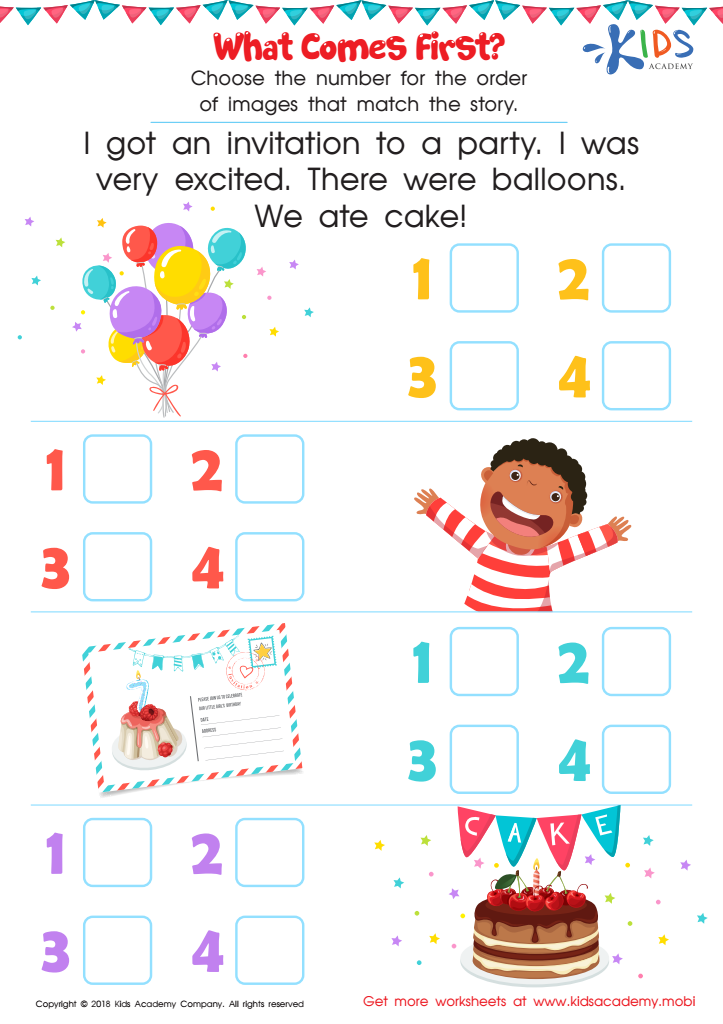
What Comes First Worksheet



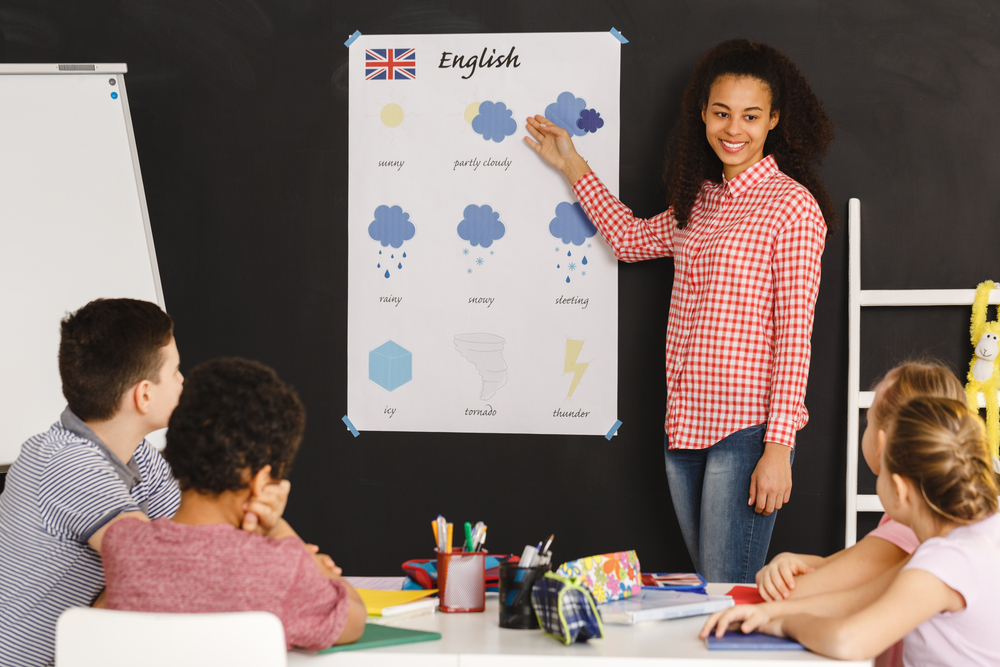



Logical thinking is crucial for young children, particularly those aged 3 to 8, as it forms the foundation for problem-solving and critical reasoning skills that will serve them throughout their lives. Incorporating logical thinking into reading activities enhances comprehension and fosters creativity. When parents and teachers focus on logical thinking in reading, children learn to analyze and synthesize information, enabling them to better understand stories and engage in discussions about them.
In this crucial developmental phase, reading selections often contain underlying patterns, sequences, and cause-and-effect relationships, which require logical thought for deeper understanding. By nurturing these skills through reading, adults help children make connections, draw conclusions, and predict outcomes, all vital aspects of effective communication and literacy.
Moreover, logical thinking promotes independence in thought, encouraging children to ask questions and seek solutions on their own. This confidence in their abilities helps develop a love for learning, leading to greater educational curiosity as they progress through school. Ultimately, fostering logical thinking during reading not only enhances literacy skills but also prepares children for academic success and everyday problem-solving in their lives. Therefore, parents and teachers should prioritize logical thinking alongside a love for reading in early childhood education.








