Reading Skills Normal Reading Worksheets for Ages 3-8
8 filtered results
-
From - To
Boost your child's reading confidence with our "Reading Skills Normal Reading Worksheets for Ages 3-8." Perfectly designed for young learners, these worksheets help develop essential reading abilities through engaging activities. From recognizing letters and sounds to early comprehension, each printable supports a step-by-step learning journey. These fun, age-appropriate exercises can be used at home or in the classroom, making reading practice easy and enjoyable. Build a strong reading foundation with resources tailored for your child’s success. Discover endless possibilities today. Explore now and watch your child’s literacy skills soar! Visit Kids Academy for more details.
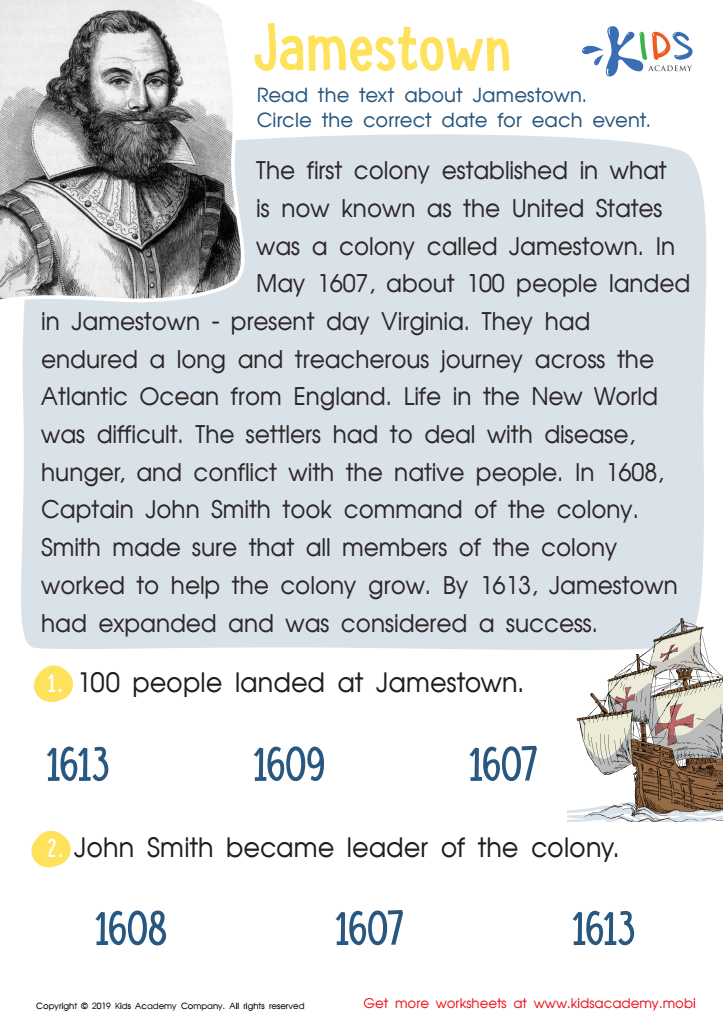
Jamestown Worksheet
 Assign to My Students
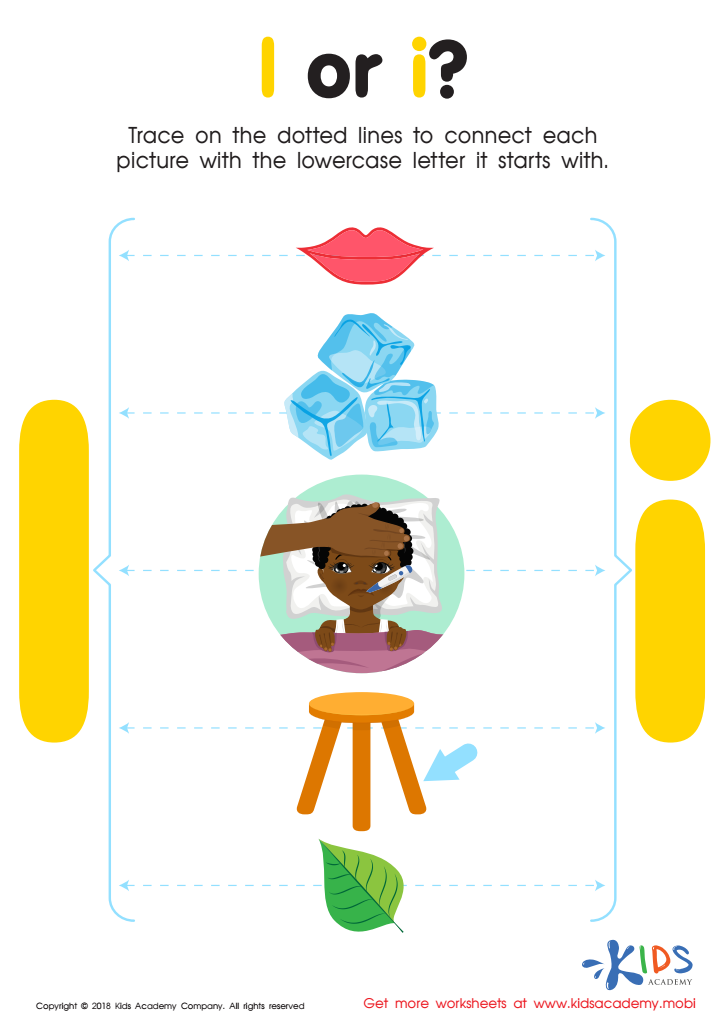
l or i? Worksheet
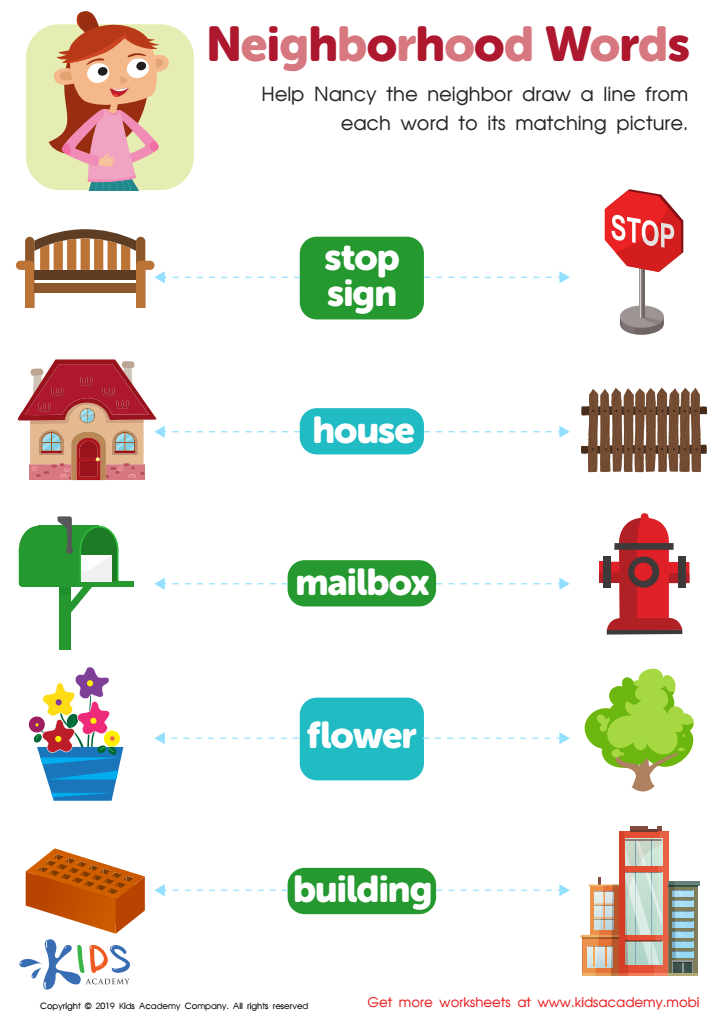
Neighborhood Words Worksheet
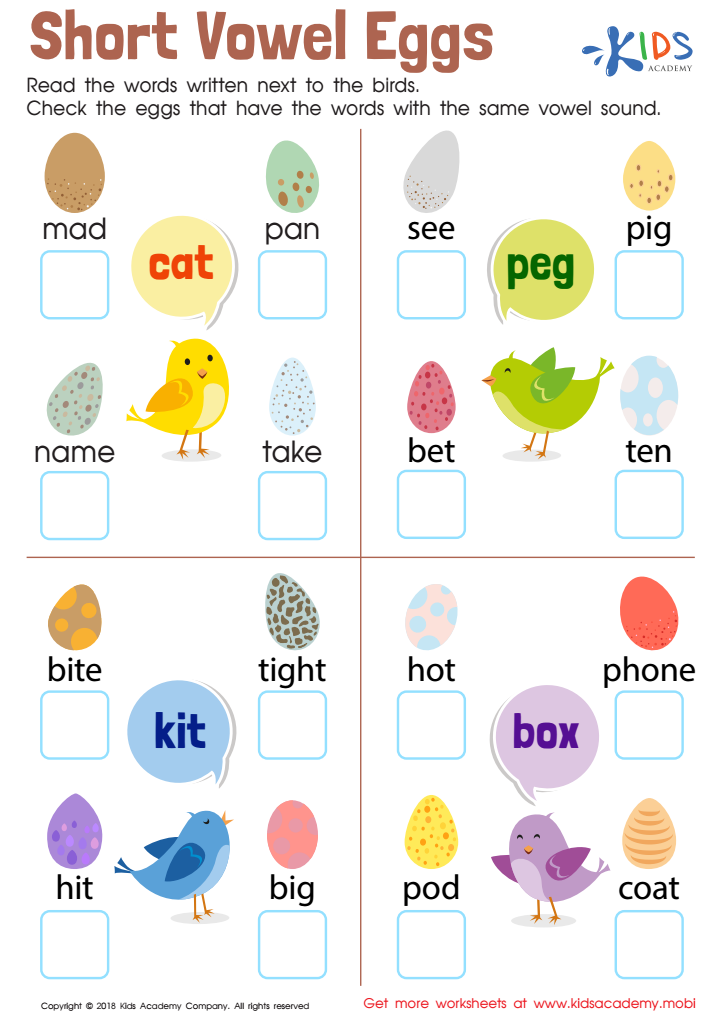
Short Vowel Eggs Worksheet
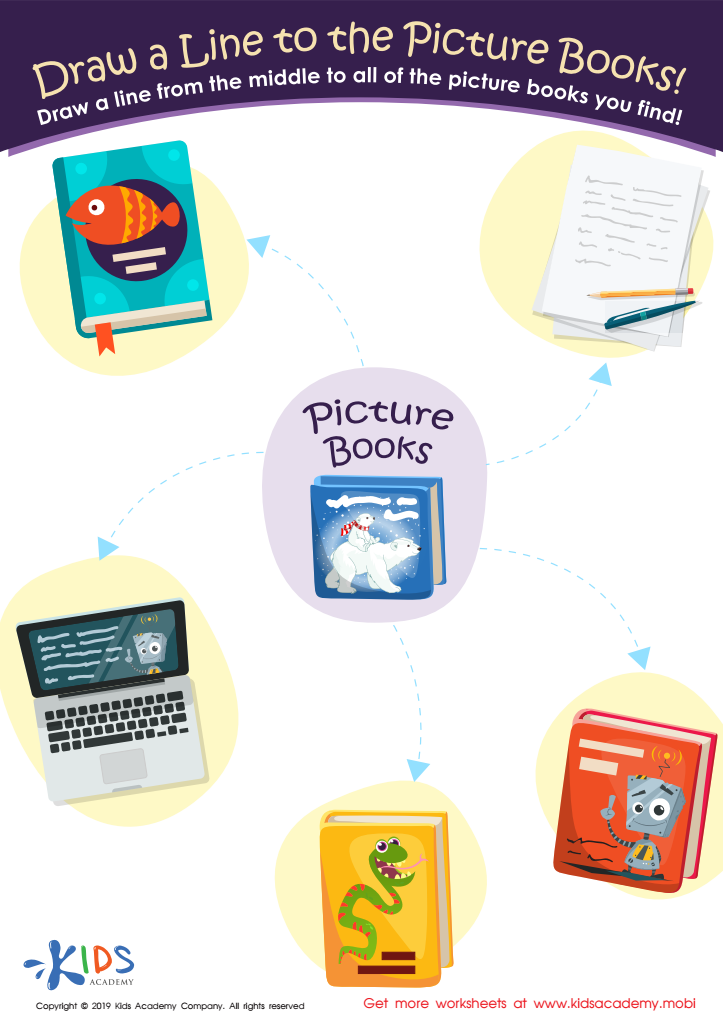
Draw a Line to the Picture Books Worksheet
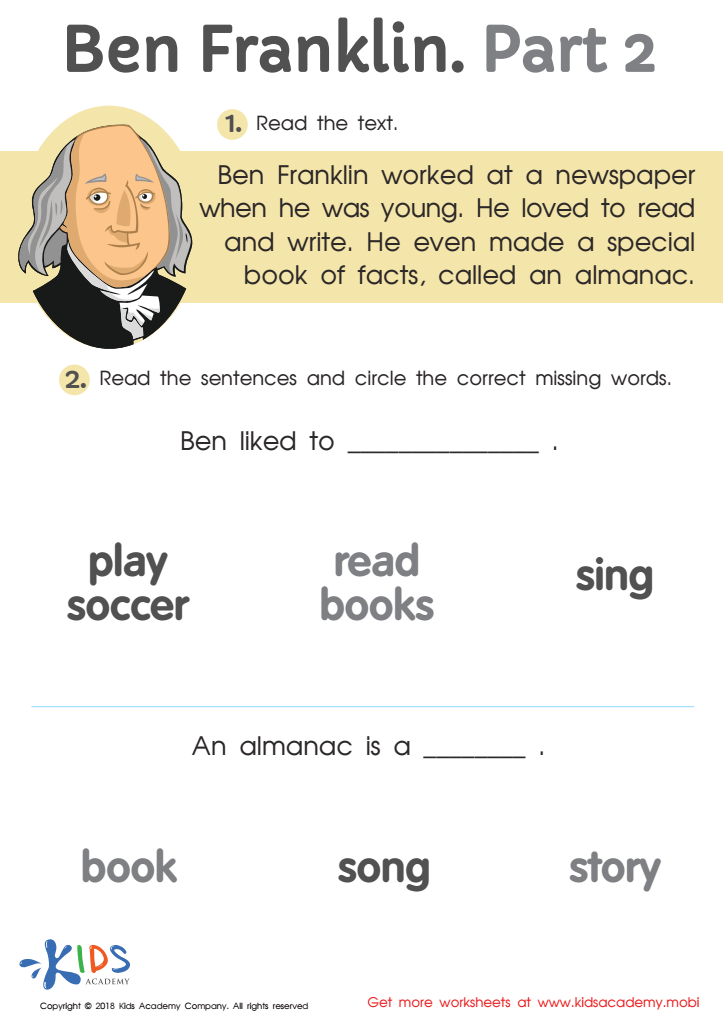
Ben Franklin Part 2 Worksheet
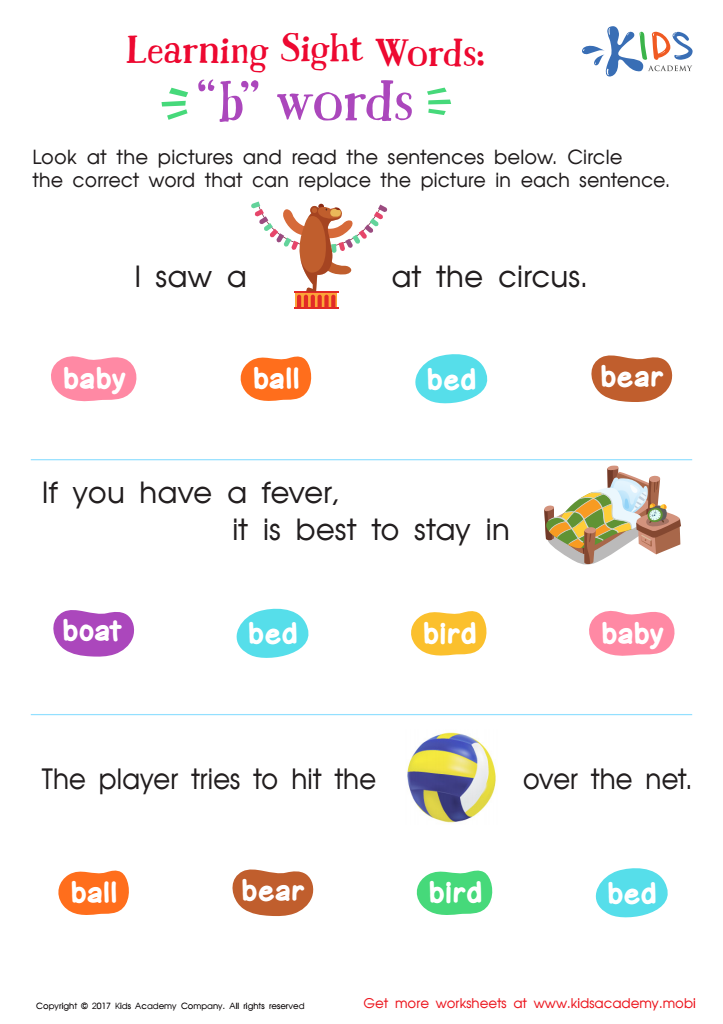
"B" Words Printable Sight Words Worksheet
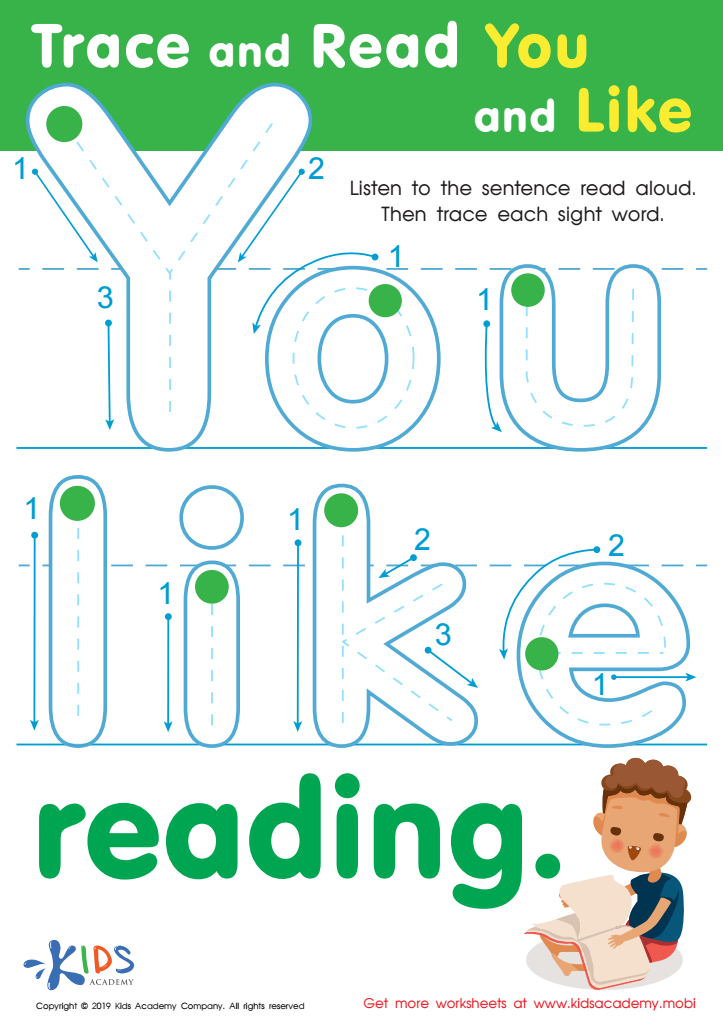
Trace Read You Like Worksheet






.jpg)

Reading skills form the cornerstone of a child's educational success, especially between the ages of 3-8. During this formative period, children rapidly develop their cognitive and language abilities. Early reading experiences lay the foundation for future learning. When parents and teachers prioritize reading, they foster a love for literature and learning that can last a lifetime.
For young children, being read to regularly enhances their vocabulary, comprehension, and critical thinking skills. It helps them understand complex concepts and ideas in a simple, engaging manner. Early reading exposure also strengthens listening skills, attention span, and stimulates imagination and creativity.
Academically, children who develop good reading habits early tend to perform better across all subjects. Reading proficiency by age 8 is strongly correlated with academic success in later years. Poor reading skills, on the other hand, can lead to difficulties in school, which can decrease a child's motivation and self-esteem.
Furthermore, reading together strengthens the bond between parents or teachers and children. It creates an emotional connection and a shared love for storytelling and knowledge.
In essence, fostering robust reading skills in early childhood is vital for lifelong learning, academic achievement, and personal development, making it imperative for parents and teachers to cultivate this essential skill.








