Spelling practice Normal Reading Worksheets for Ages 3-8 - Page 2
35 filtered results
-
From - To
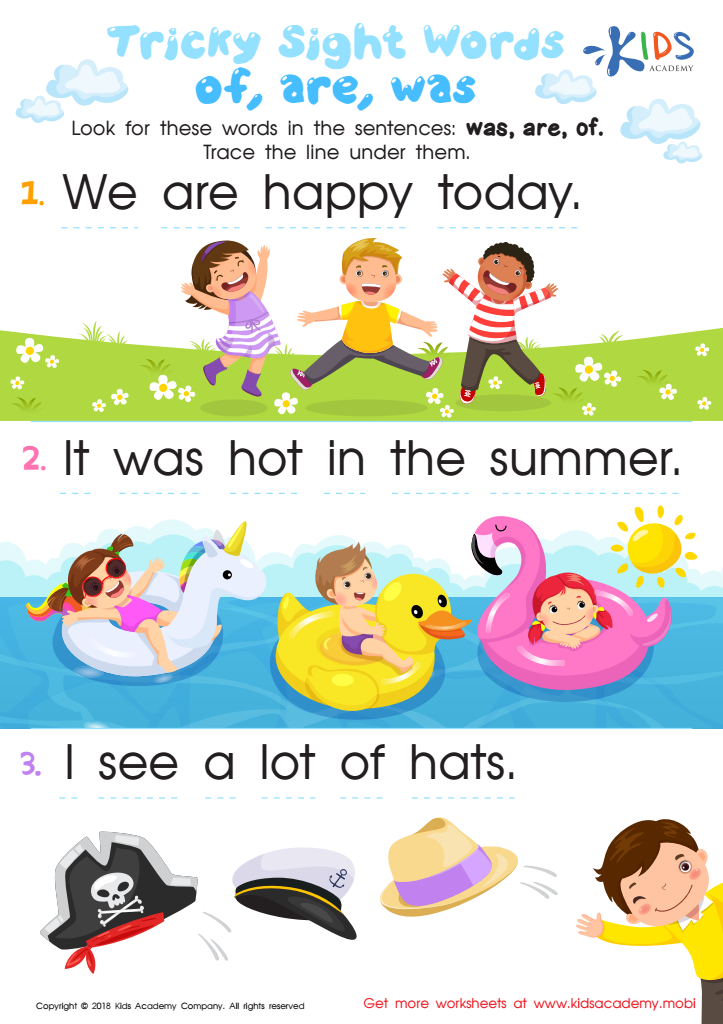
Tricky Sight Words Worksheet
 Assign to My Students
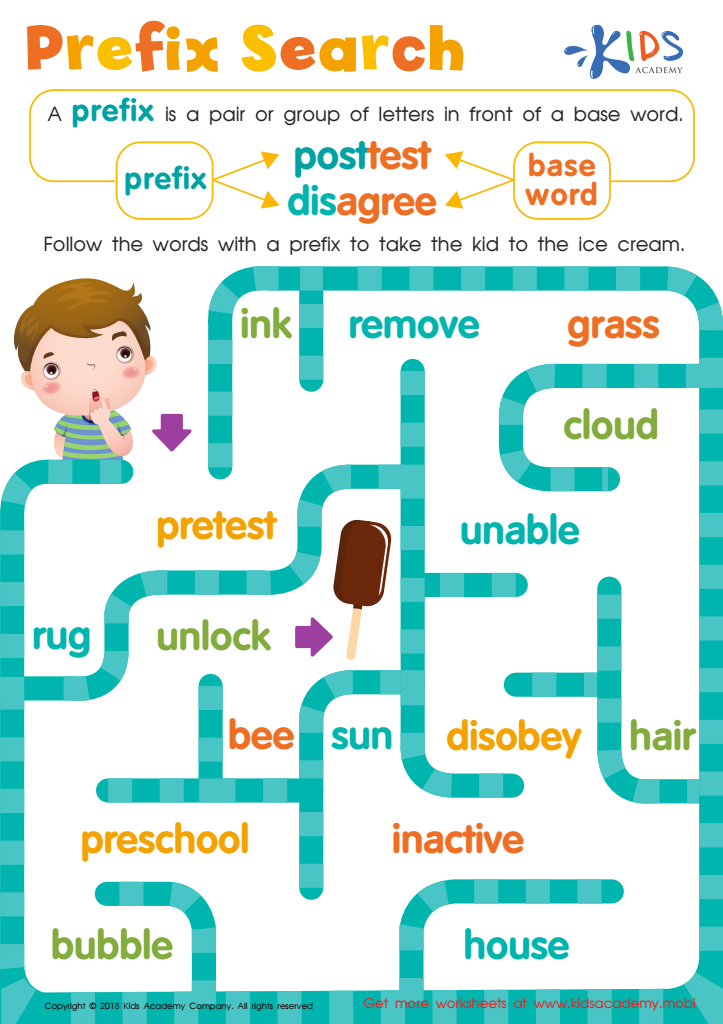
Reading: Prefix Search Worksheet
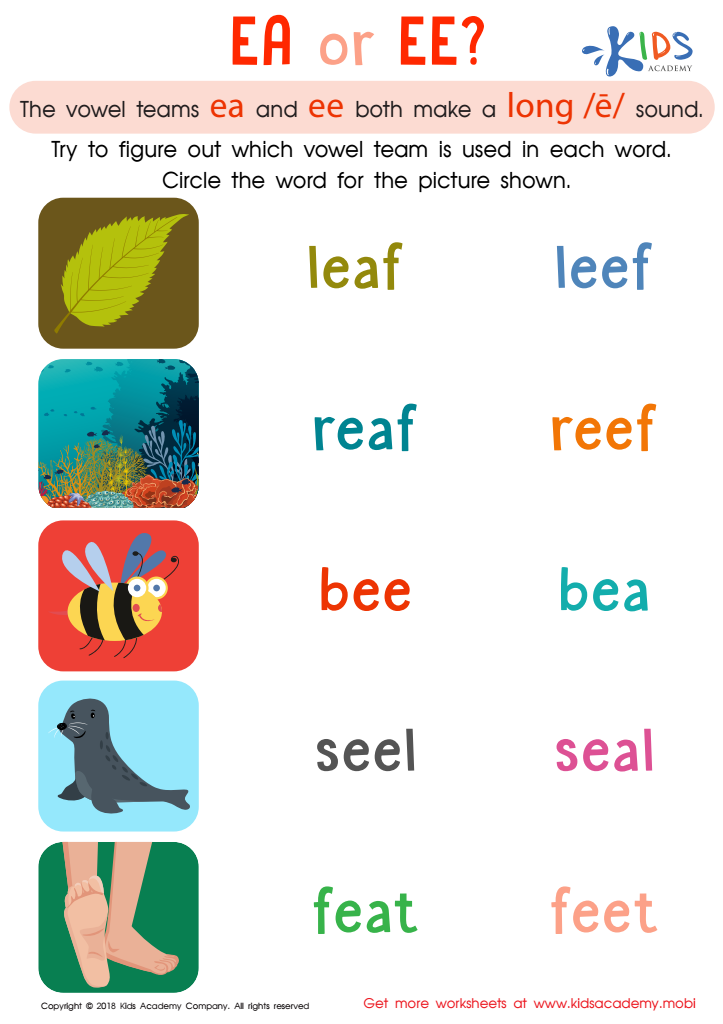
Reading: EA and EE Worksheet
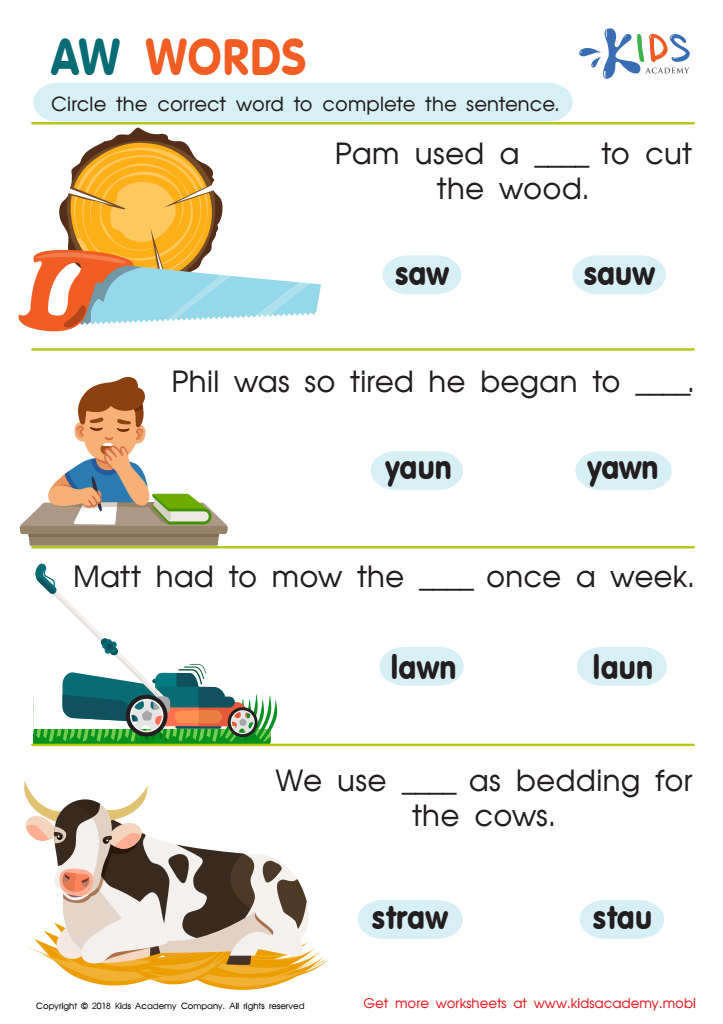
Reading: AW Words Worksheet
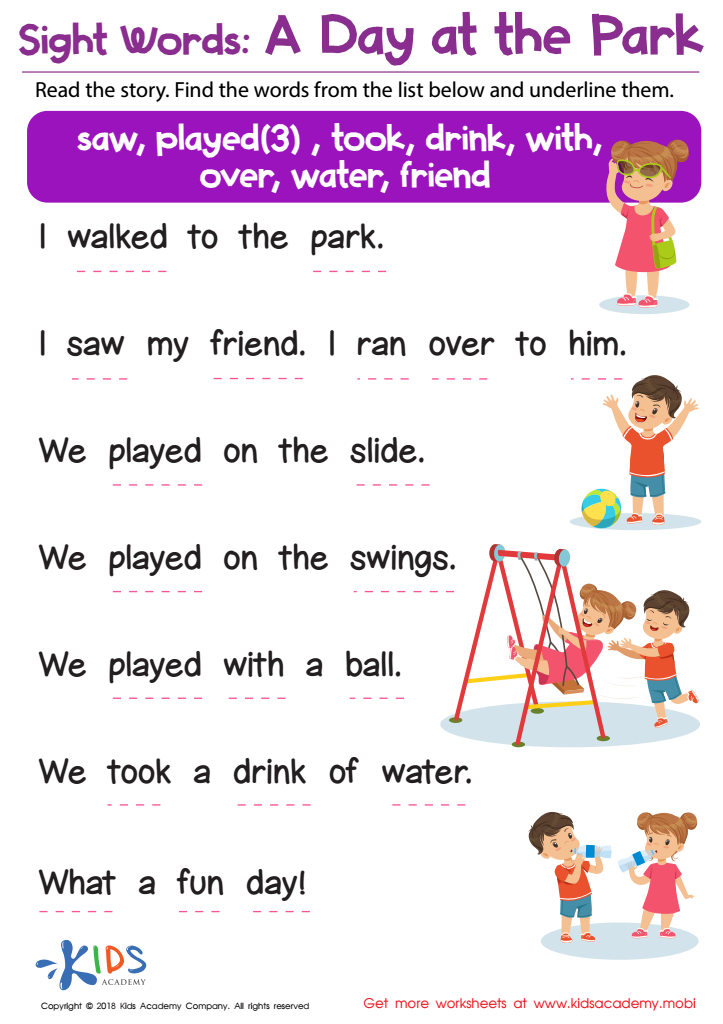
Sight Words: A Day at the Park Worksheet
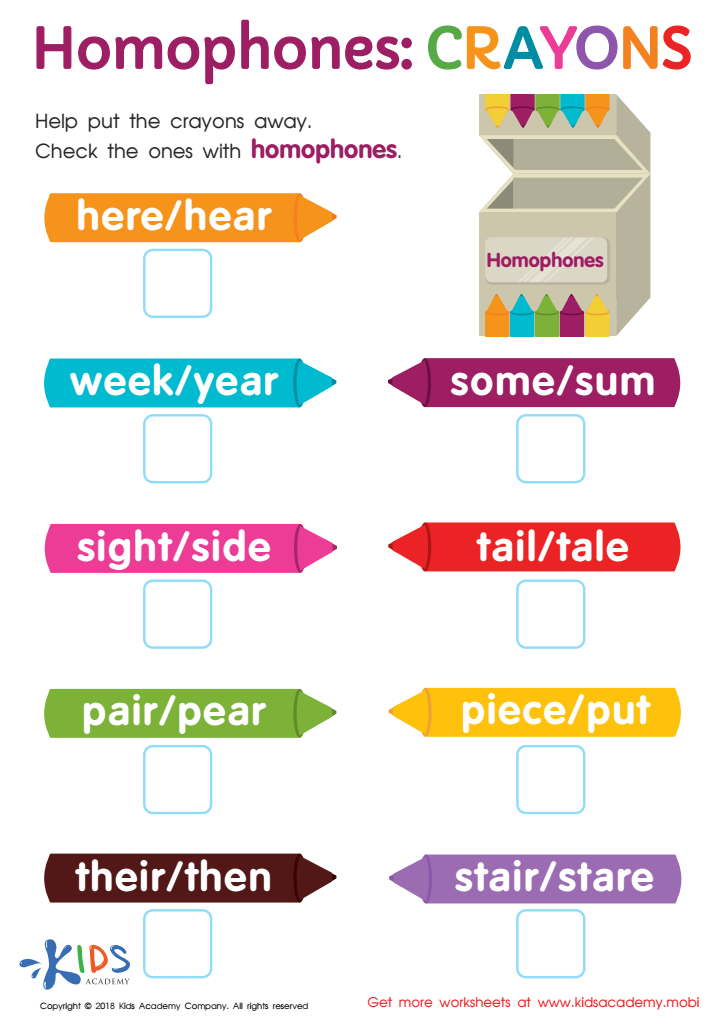
Homophones: Crayons Worksheet
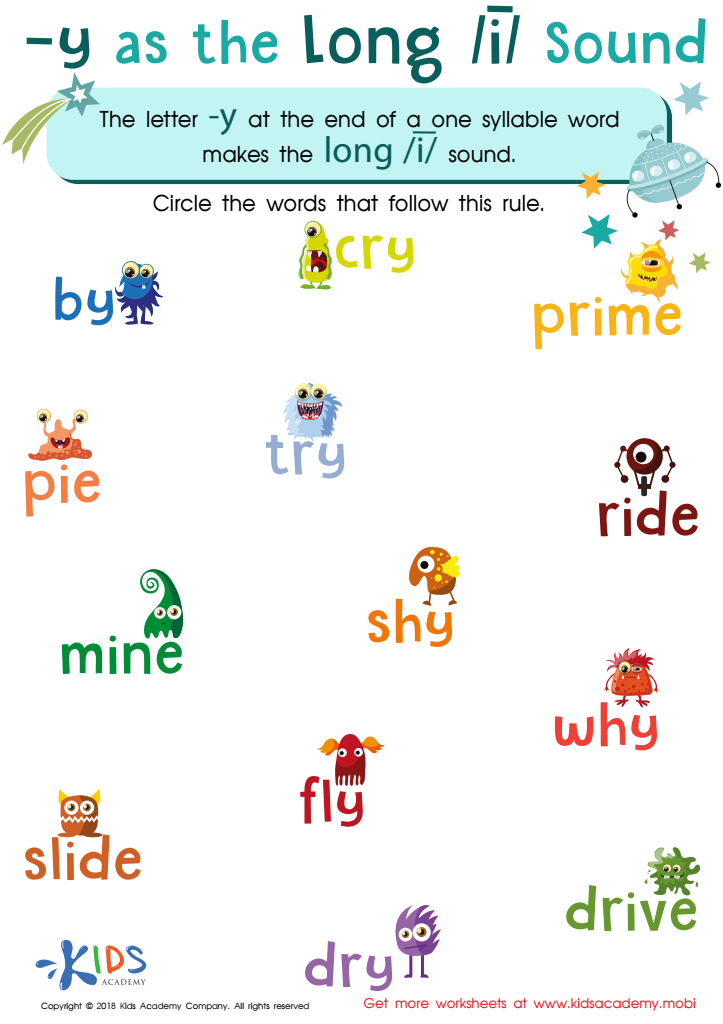
Reading: Y as Long I Worksheet
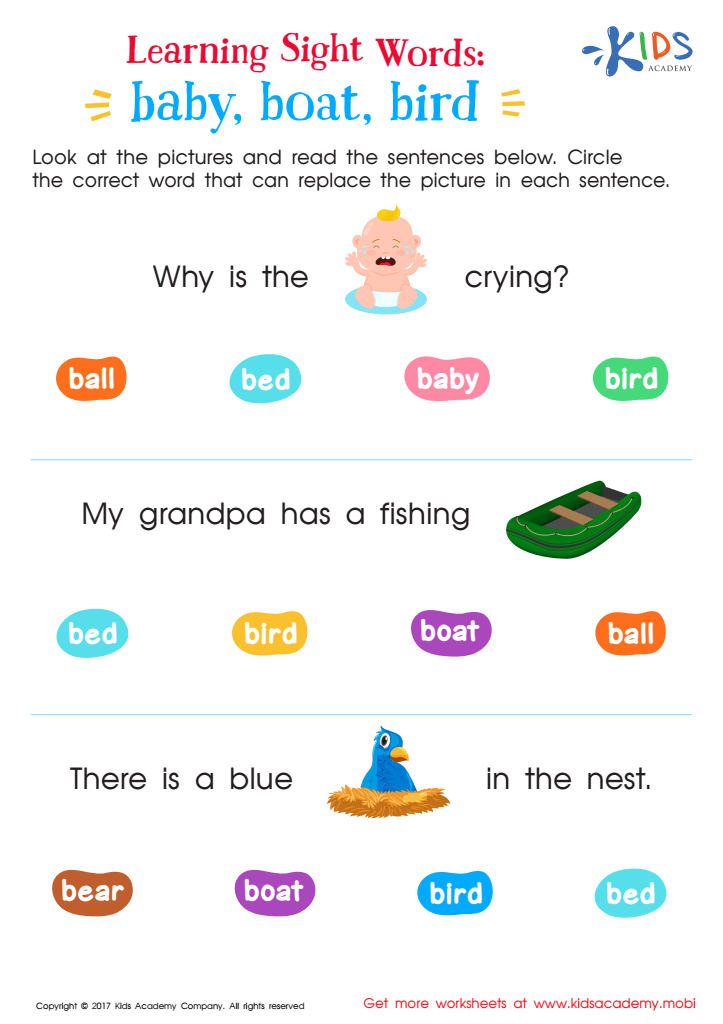
Baby, Boat, Bird Worksheet Sight Words Worksheet
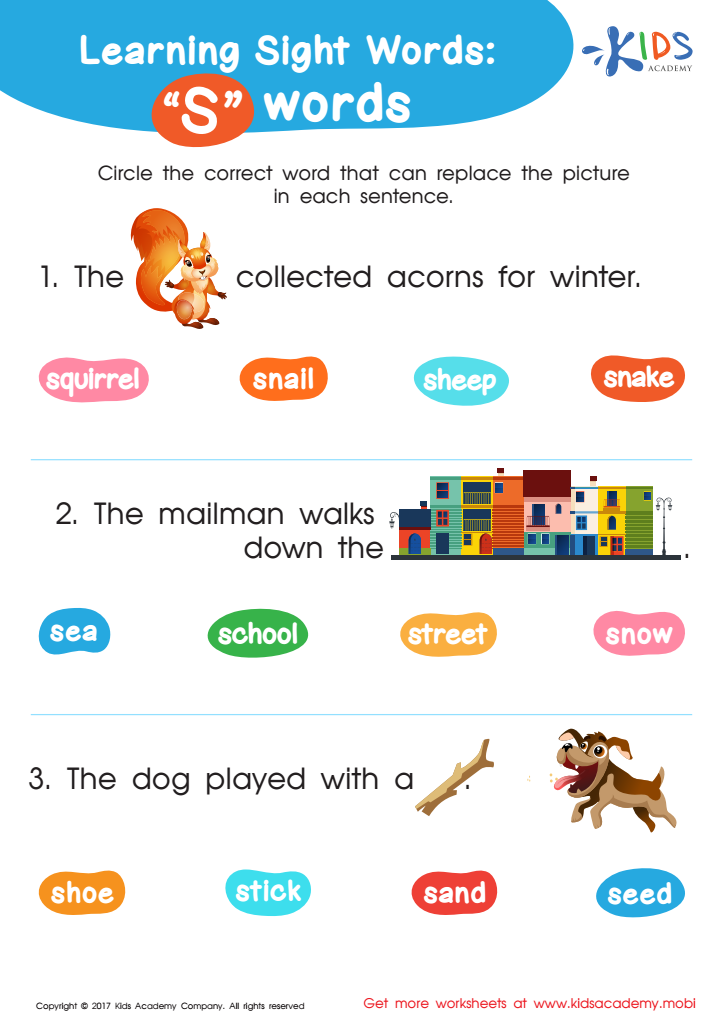
S Words Sight Words Worksheet
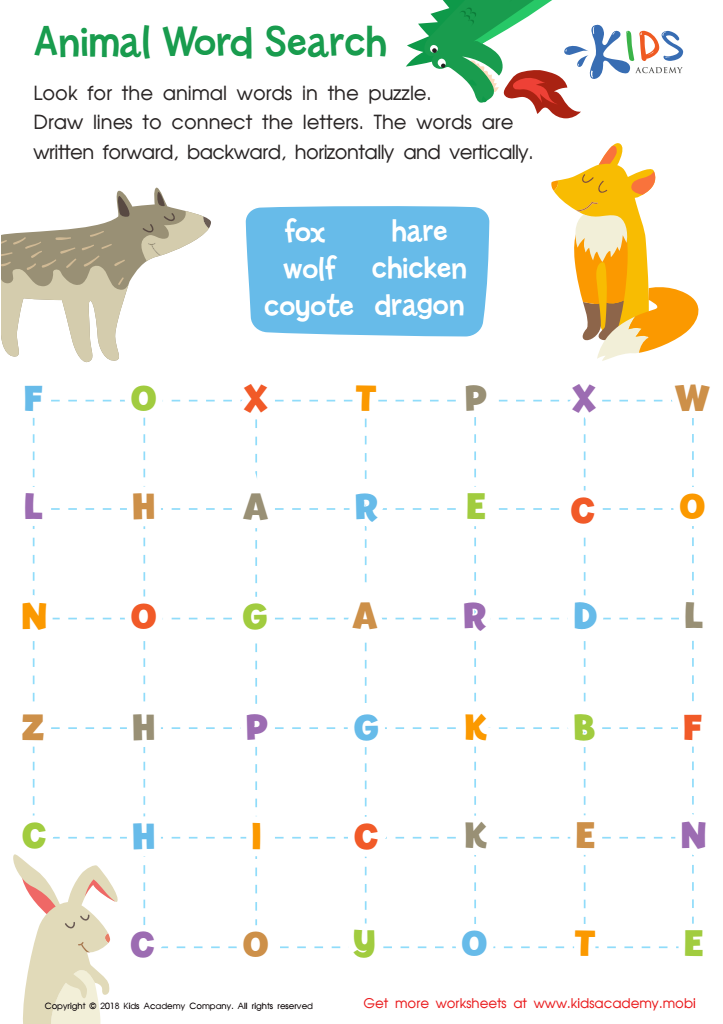
Animal Word Search Worksheet
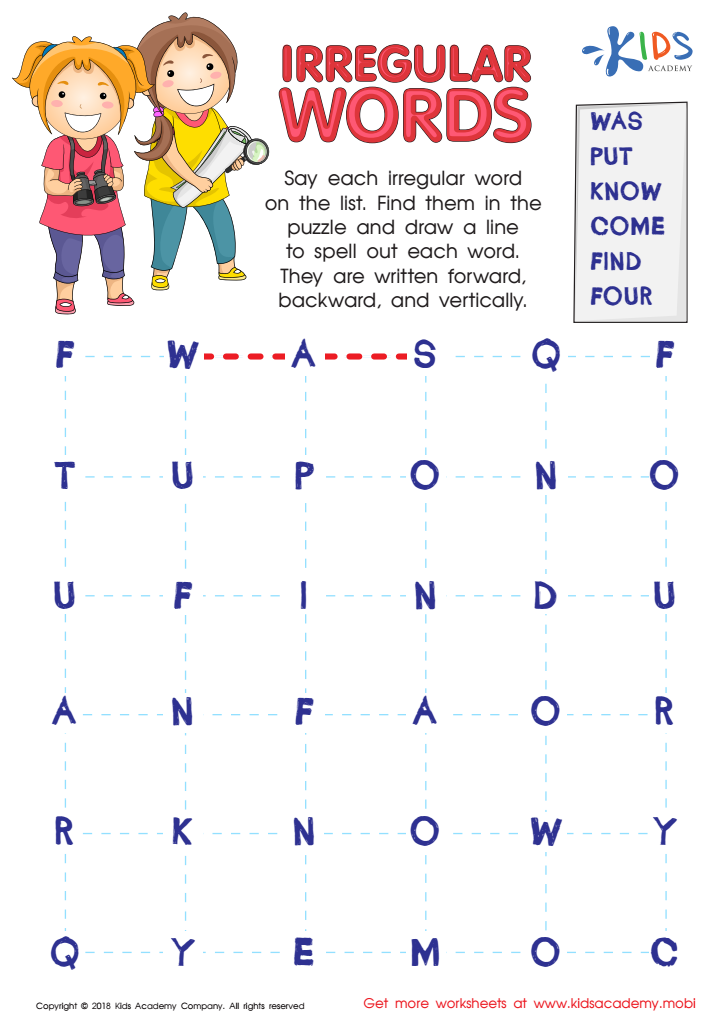
Irregular Words Worksheet








Spelling practice for children aged 3-8 is crucial for their overall literacy development and academic success. During these formative years, children are not only learning to read but also to write, which reinforces their understanding of language structure and phonetics. Engaging in spelling activities builds vocabulary, enhances decoding skills, and helps children recognize and produce words correctly. Strong spelling skills contribute to better reading comprehension and written expression, resulting in more effective communication.
Moreover, at these early stages, children are developing their cognitive skills and gaining confidence in their abilities. Regular spelling practice can boost their self-esteem as they achieve milestones and learn new words. Teachers and parents play a vital role in creating rich literacy environments, and incorporating fun, interactive spelling activities—like games and storytelling—can make learning engaging.
Furthermore, research indicates a correlation between spelling proficiency and overall academic performance. By prioritizing spelling exercises, parents and teachers can provide a solid foundation in language skills that supports future learning. Ensuring that children grasp spelling from an early age not only sets them up for success in school but also fosters a lifelong love of reading and writing.








