Spelling practice Normal Reading Comprehension Worksheets for Ages 3-8
9 filtered results
-
From - To
Unlock your child's reading potential with our Spelling Practice Reading Comprehension Worksheets designed for ages 3-8. Our expertly crafted worksheets enhance learning by combining engaging texts with effective spelling practice. These resources are perfect for developing essential reading skills, strengthening vocabulary, and boosting confidence. Each worksheet is age-appropriate, ensuring your child remains motivated and challenged as they progress. Explore fun and educational activities that make spelling practice enjoyable and rewarding. Ideal for parents and teachers alike, our worksheets provide a solid foundation for lifelong literacy success. Discover the benefits today on Kids Academy.
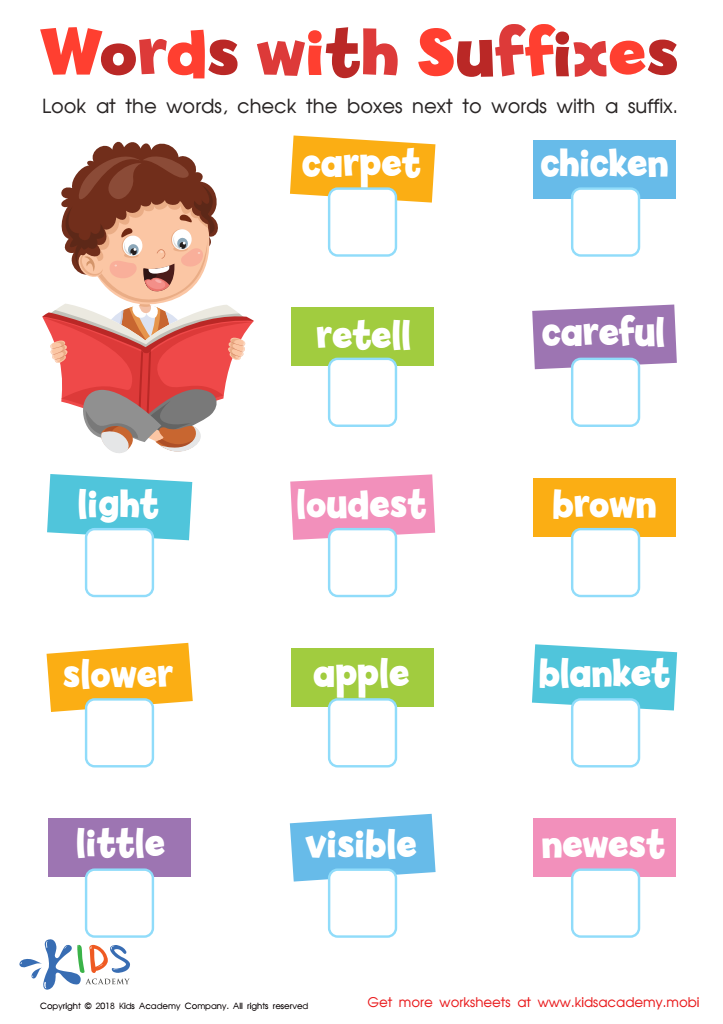
Reading: Words With Suffixes Worksheet
 Assign to My Students
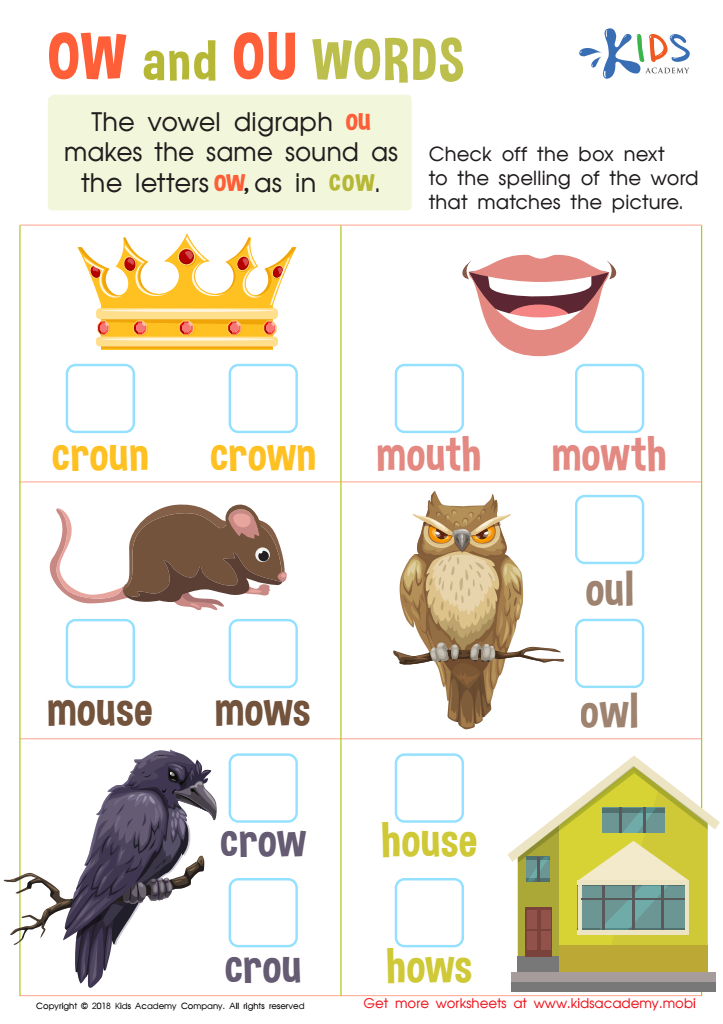
Reading: OW and OU Words Worksheet
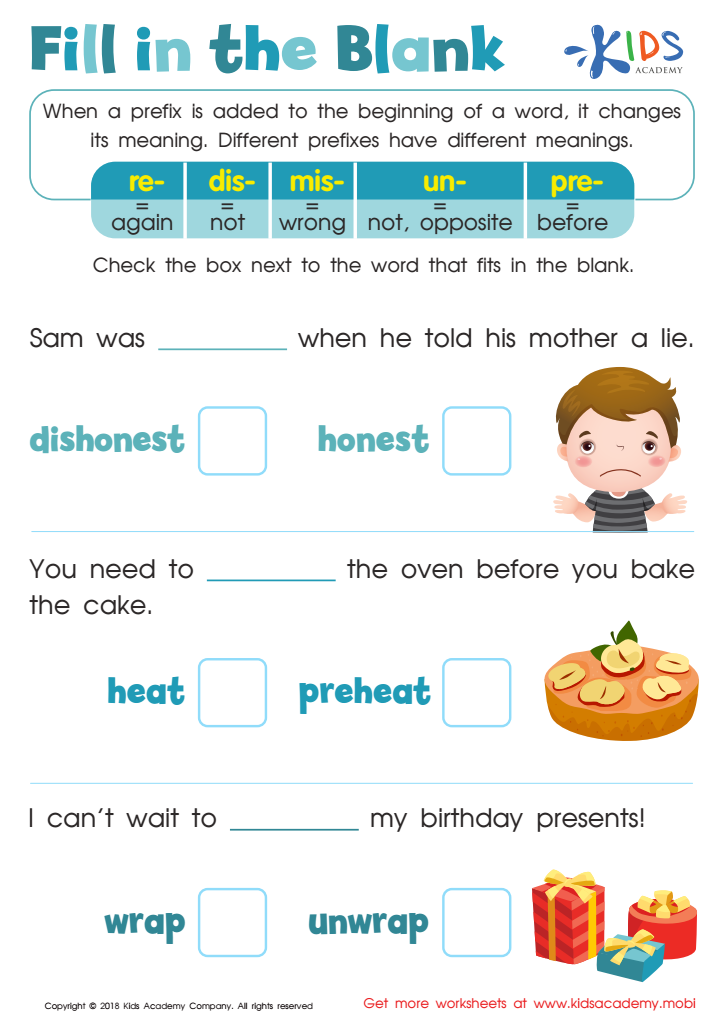
Reading: Fill in the Blank Worksheet
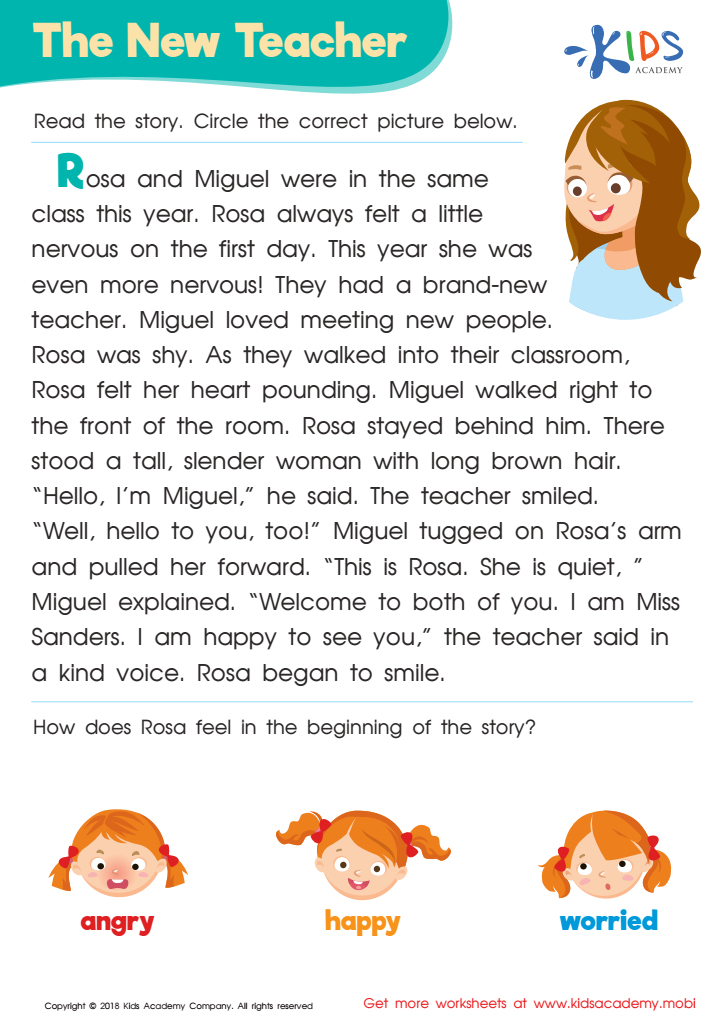
The New Teacher Worksheet
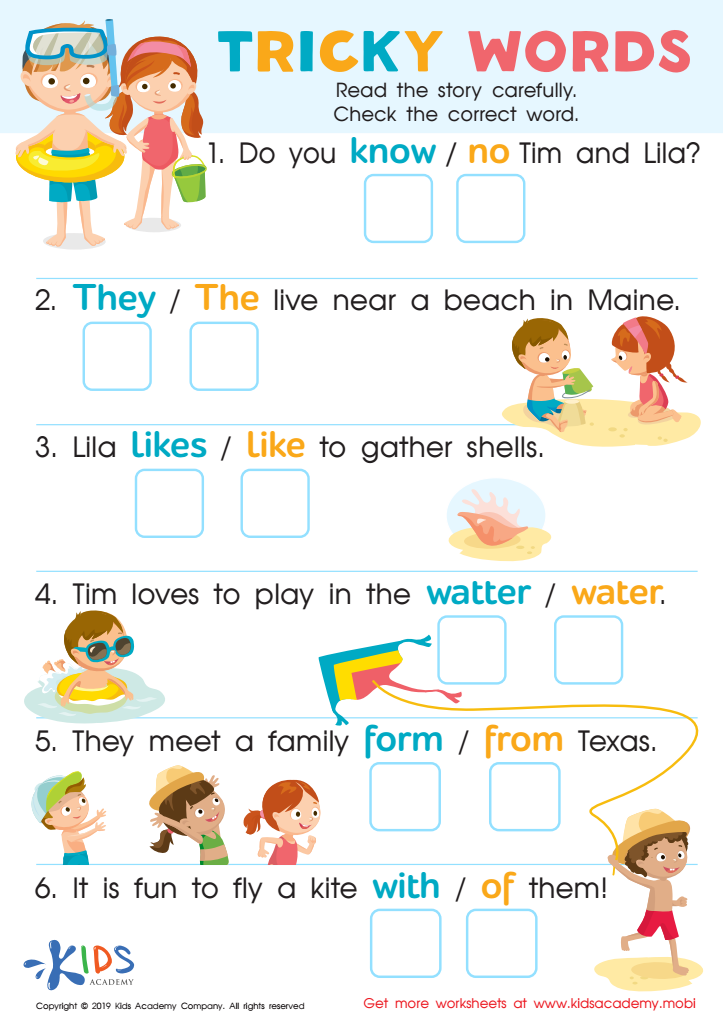
Tricky Words Worksheet
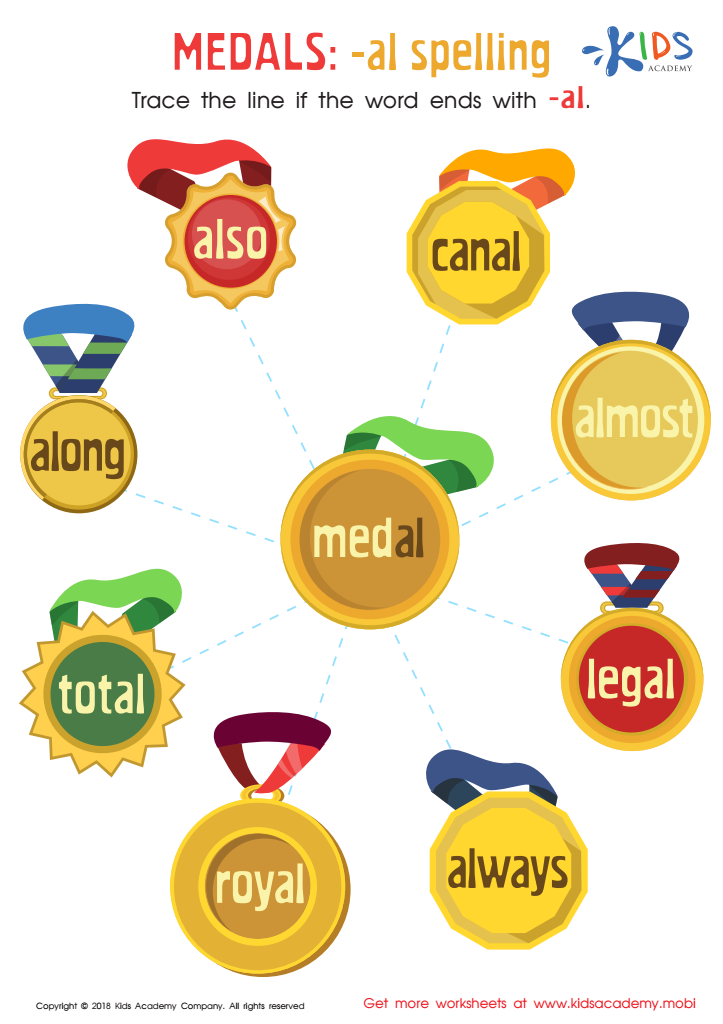
Medals: Al Spelling Worksheet
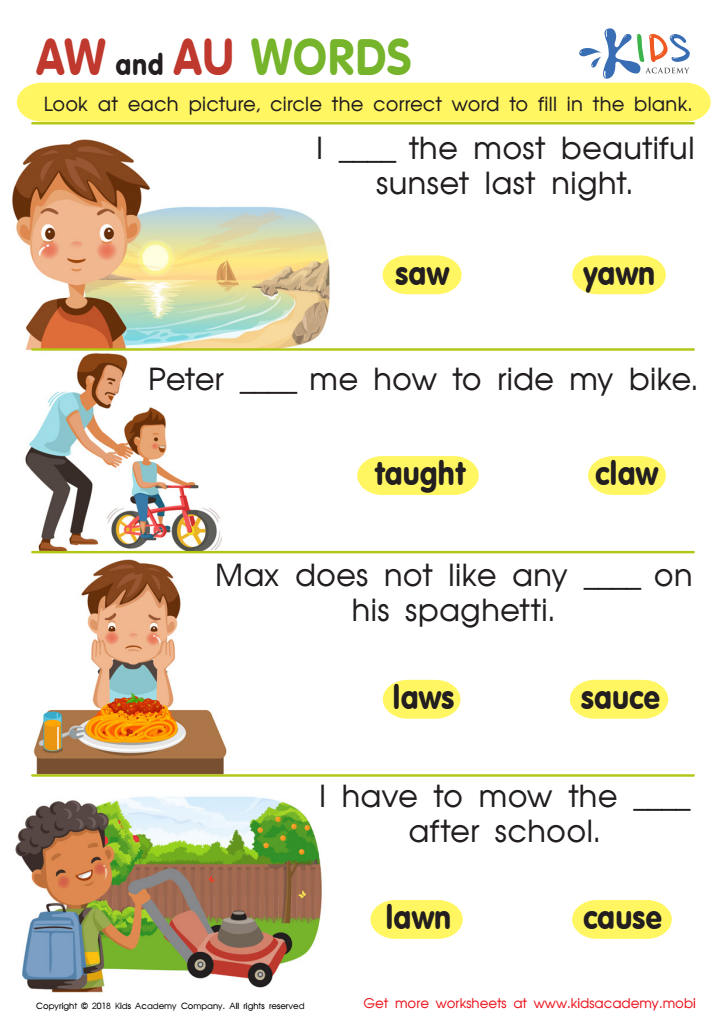
Reading: AW and AU Words Worksheet
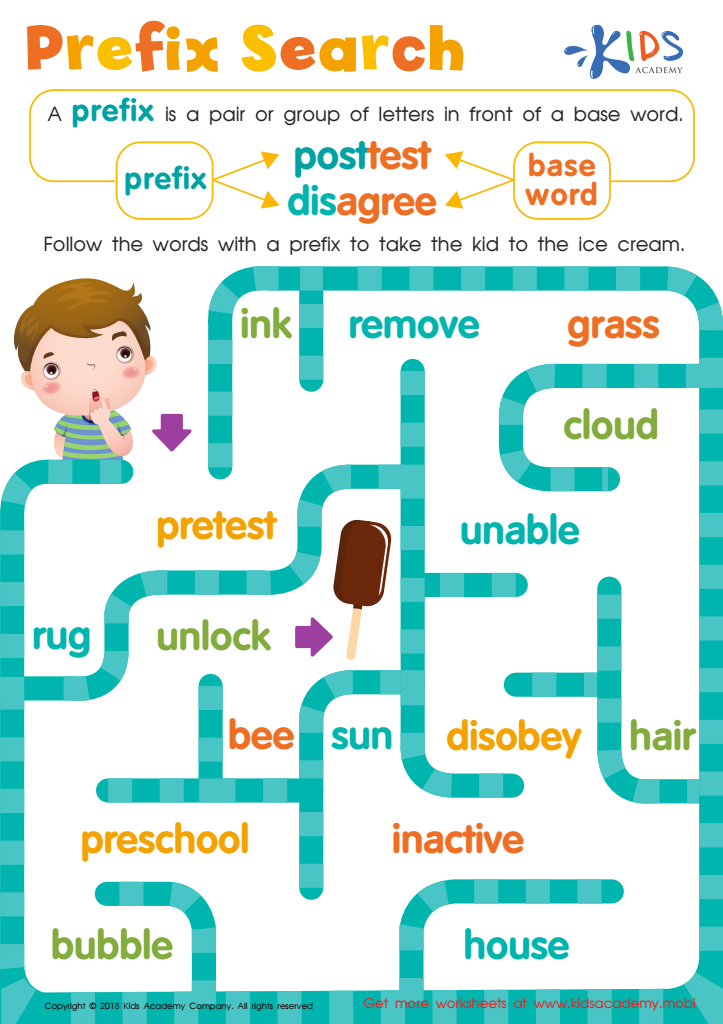
Reading: Prefix Search Worksheet
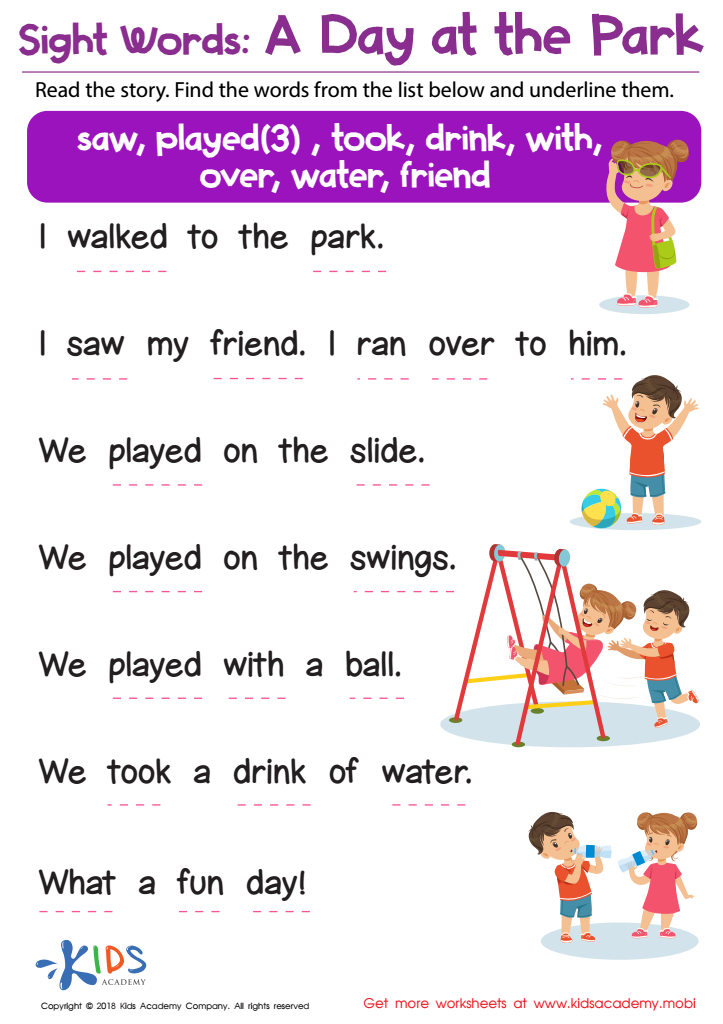
Sight Words: A Day at the Park Worksheet







.jpg)
Parents and teachers should prioritize spelling practice and normal reading comprehension for children aged 3-8 as these are foundational skills that pave the way for future academic success. During this period, children's brains are particularly receptive to language acquisition, making it an ideal time to build essential literacy skills. By engaging in regular spelling practice, children enhance their ability to decode words, which directly contributes to improved reading fluency. Accurate spelling also reinforces phonemic awareness—the understanding of sound and letter relationships—which is critical for both reading and writing proficiency.
Reading comprehension, on the other hand, is vital because it enables children to understand and interpret what they read, rather than just decoding words. Good comprehension skills help in developing critical thinking and the ability to connect ideas, making reading a more engaging and rewarding experience. Children who frequently engage in reading activities tend to have a broader vocabulary, better grammar, and enhanced cognitive skills, which are crucial for academic achievement in all subjects.
Moreover, early literacy skills set the stage for lifelong learning and curiosity. A strong foundation in spelling and reading comprehension developed at a young age boosts self-confidence and encourages a positive attitude towards learning, both in and out of the classroom. Therefore, investing effort and time in these areas can yield long-term educational and personal growth for children.








