Critical Thinking Normal Reading Fiction Worksheets for Ages 3-8 - Page 2
35 filtered results
-
From - To
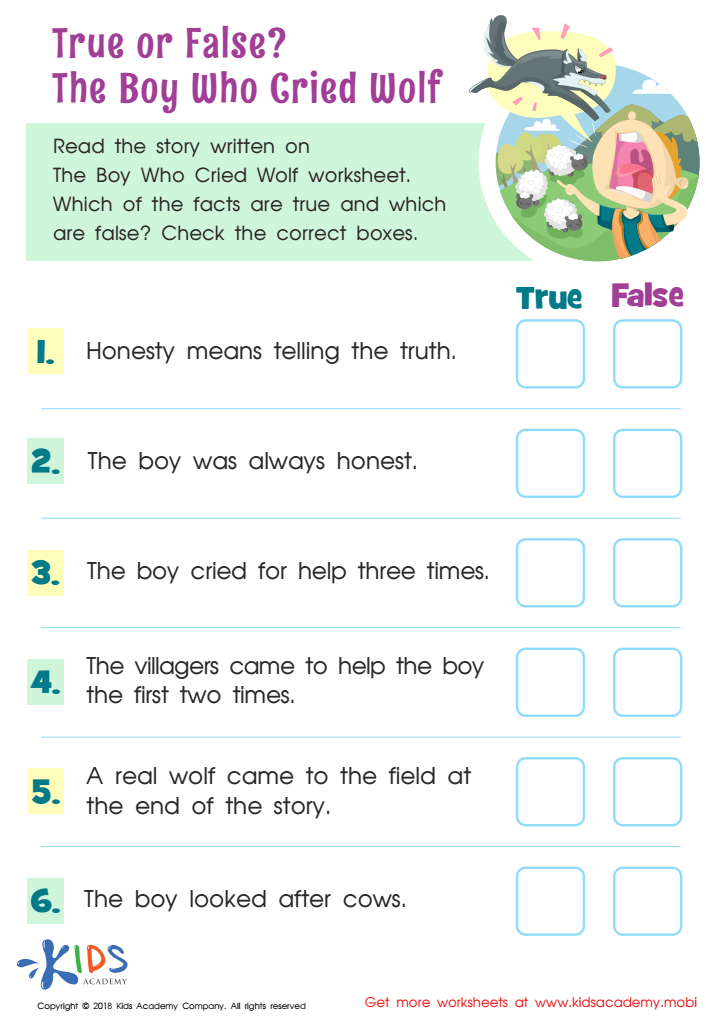
True or False? The Boy Who Cried Wolf Worksheet
 Assign to My Students
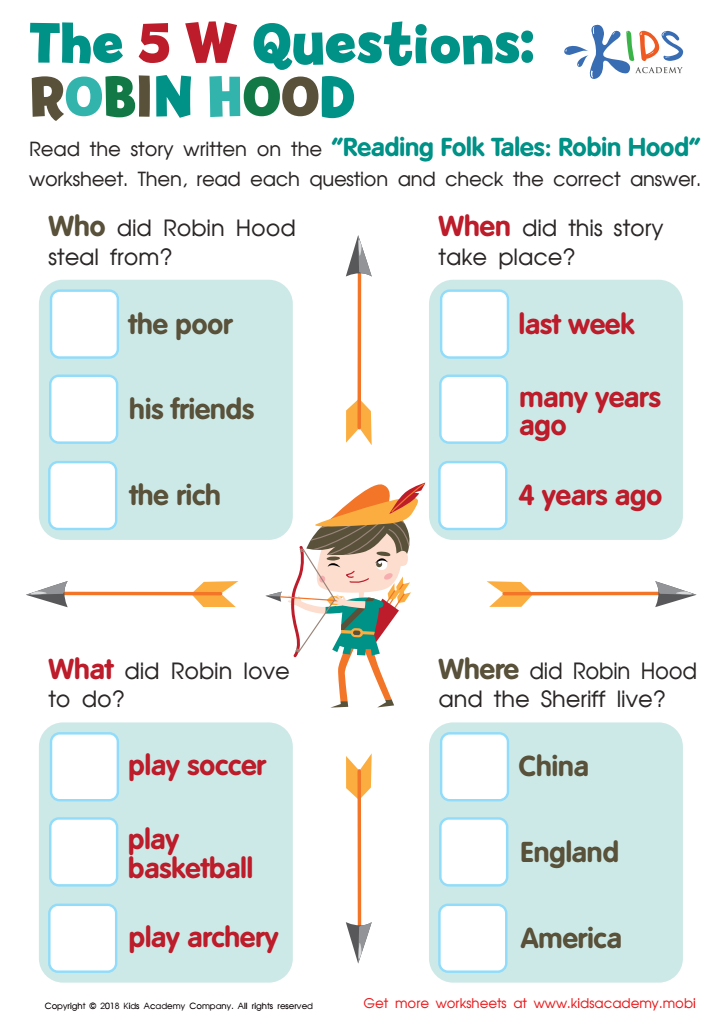
The 5 W Questions: Robin Hood Worksheet
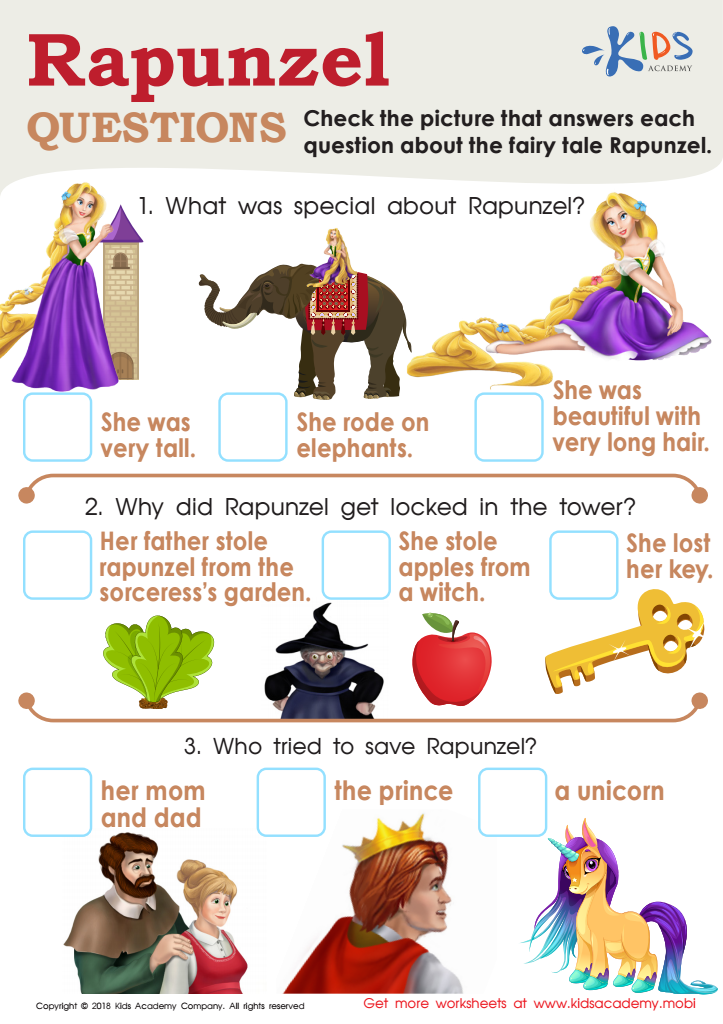
Rapunzel Questions Worksheet
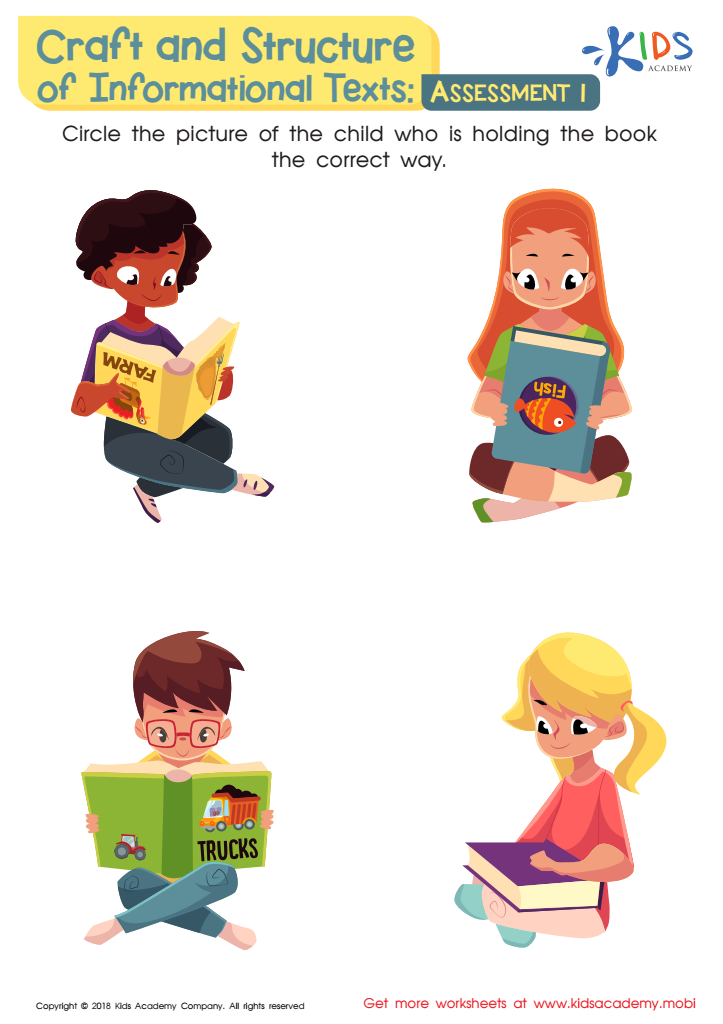
Craft and Structure of Informational Texts: Assessment 1 Worksheet
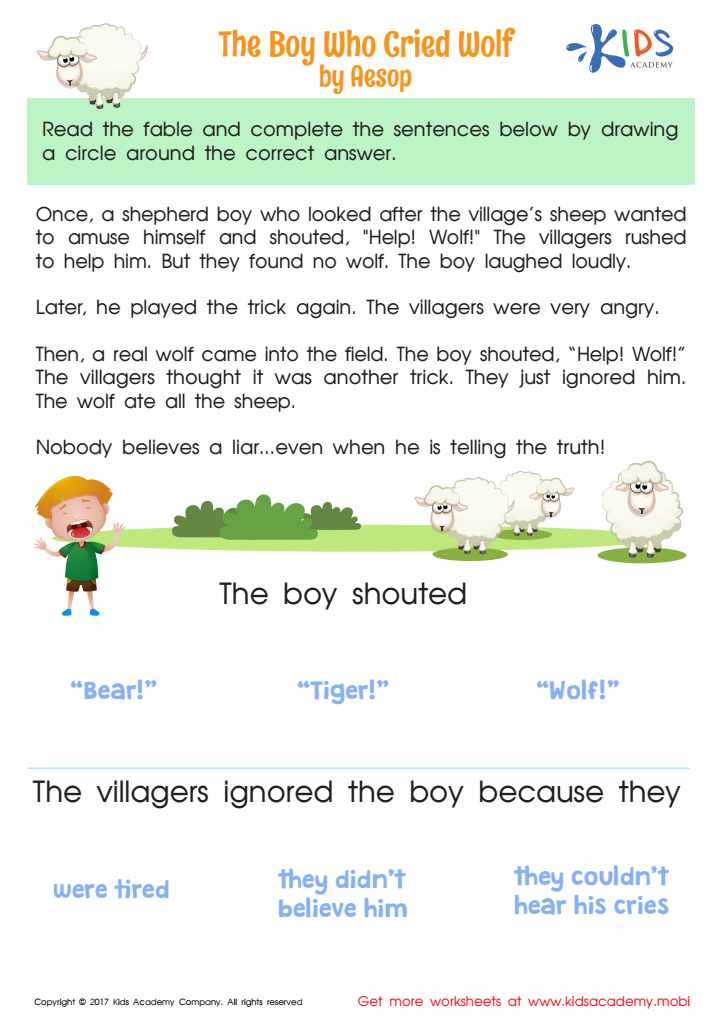
The Boy Who Cried Wolf Worksheet
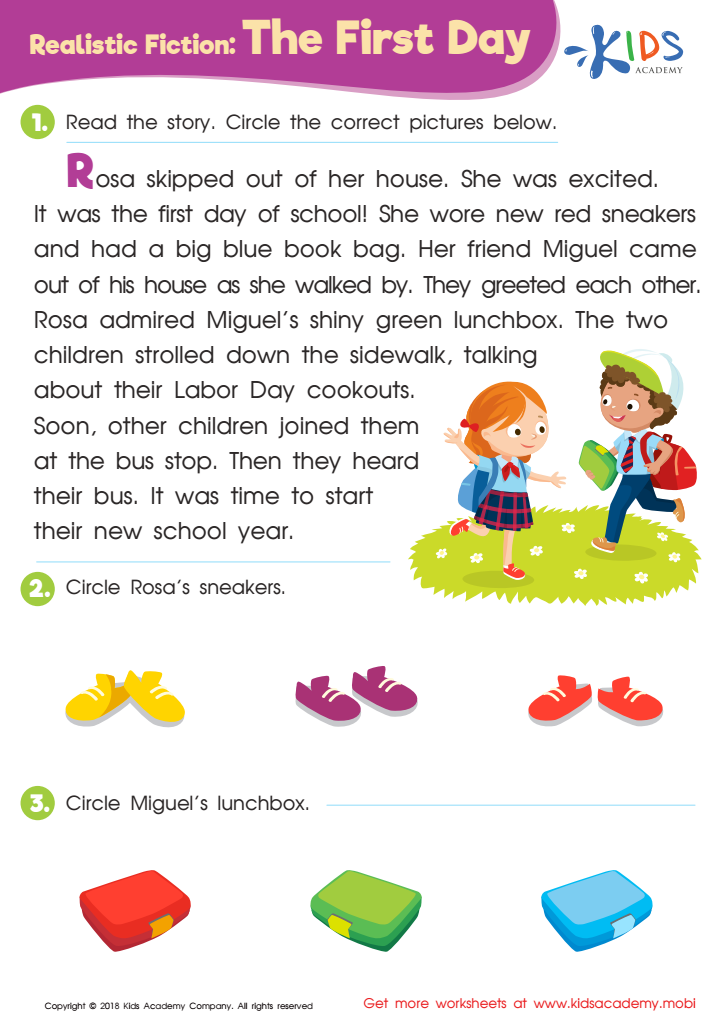
Realistic Fiction: The First Day Worksheet
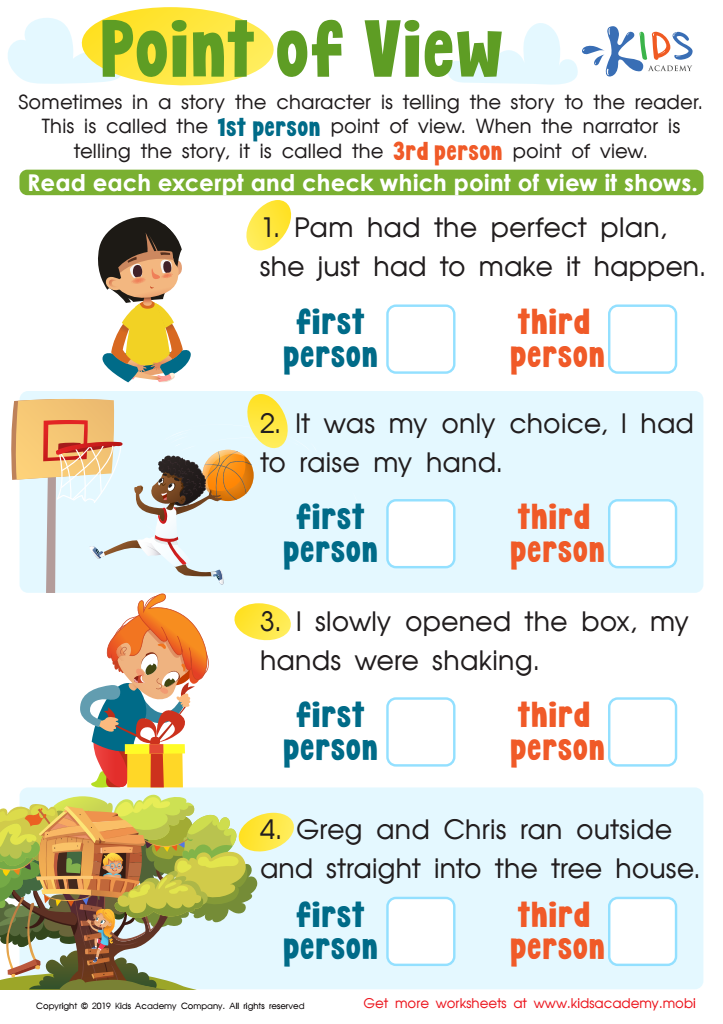
Point of View Printable
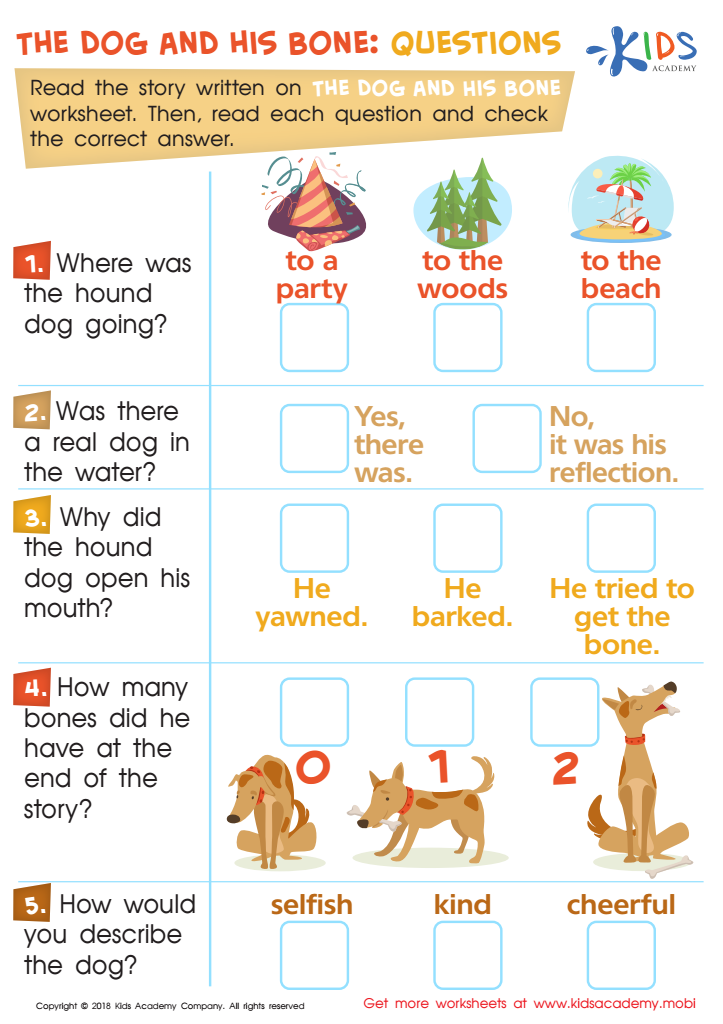
The Dog and His Bone: Questions Worksheet
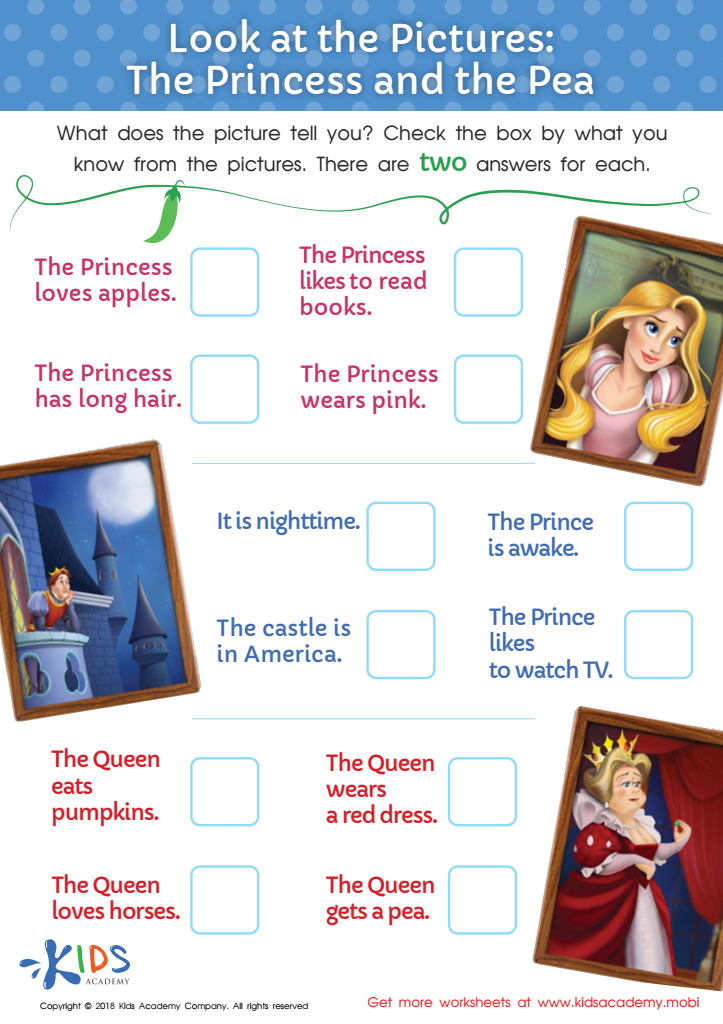
Look at the Pictures: The Princess and the Pea Worksheet
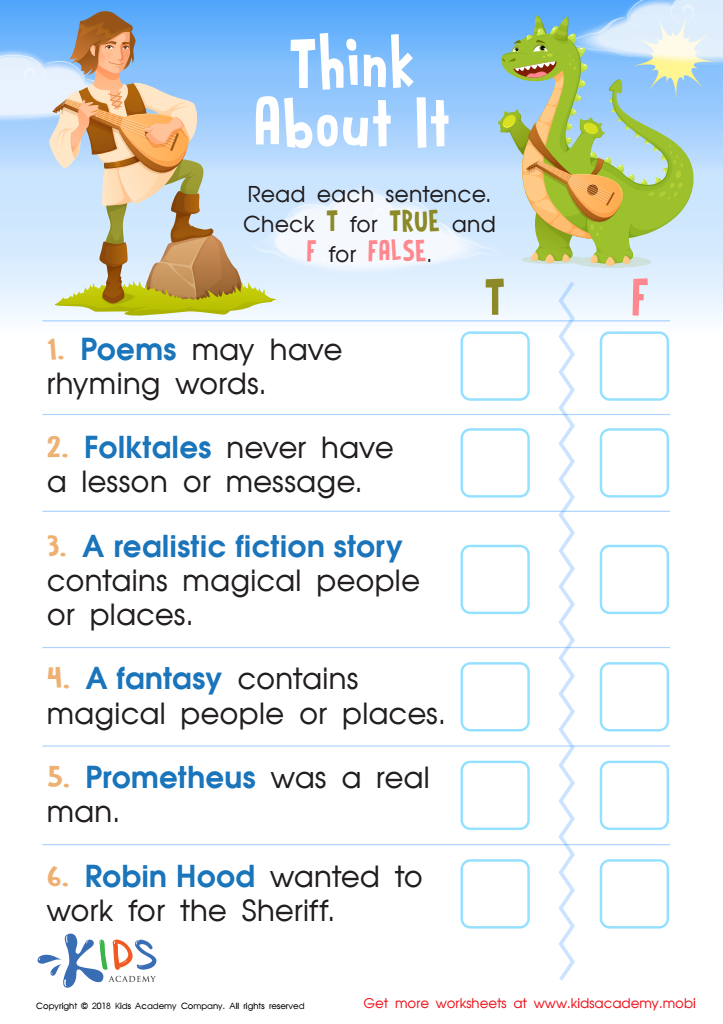
Think About It: Assessment Worksheet
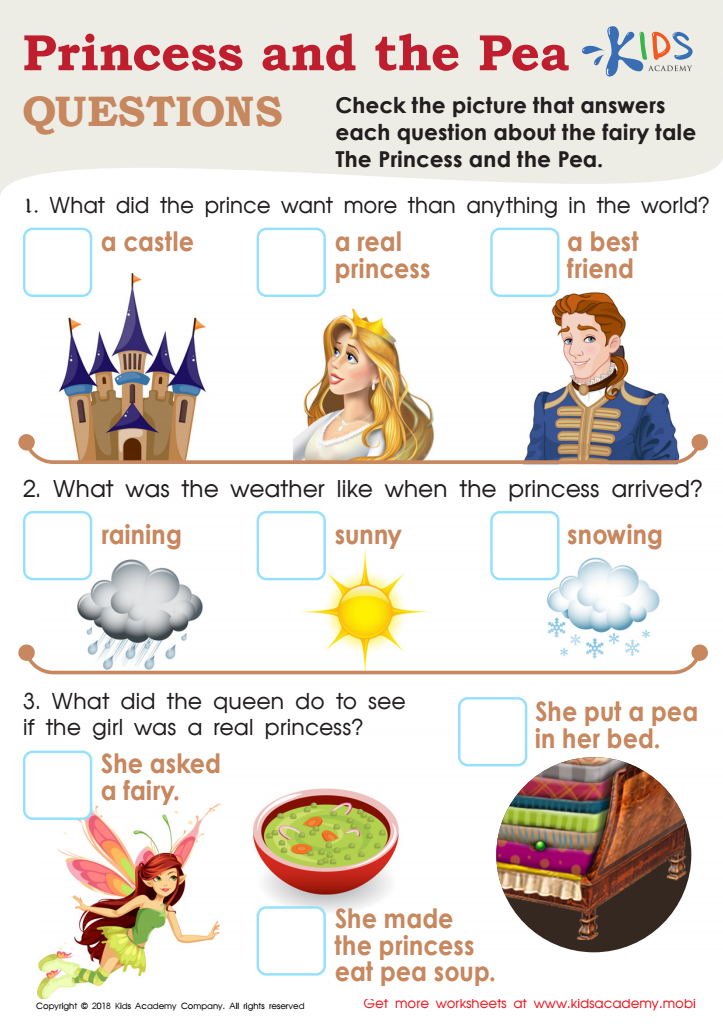
Princess and the Pea Questions Worksheet







Parents and teachers should prioritize critical thinking and normal reading fiction for children aged 3-8 because these formative years are crucial for development. Engaging in reading fiction stimulates a child's imagination and enhances language skills. Through stories, young children come to understand the structure of language, vocabulary, and grammar in a natural context. Fiction allows them to explore different worlds, ideas, and perspectives, fostering empathy and emotional intelligence.
Moreover, encouraging critical thinking from an early age equips children with vital cognitive skills. When children analyze story plots, make predictions, and discern characters' motivations and lessons, they practice decision-making and problem-solving. Critical thinking skills help children not only academically but also socially, as they learn to evaluate situations, think creatively, and communicate effectively.
As children delve into normal reading fiction, parental and teacher guidance can scaffold these processes, posing questions that stimulate deeper thinking and helping children connect story events to their own experiences. Ultimately, the combination of reading and critical thinking enriches a child’s intellectual and emotional growth, setting a solid foundation for lifelong learning and adaptability. This holistic development is essential for navigating an increasingly complex world and contributes to their overall academic success and personal development.







