Normal Reading Non-Fiction Worksheets for Ages 3-8
69 filtered results
-
From - To
Our "Normal Reading Non-Fiction Worksheets for Ages 3-8" are carefully curated to inspire young learners through engaging, age-appropriate content. These worksheets provide a variety of topics that pique curiosity and enhance comprehension skills, making reading an exciting adventure. Designed by educational experts, they focus on vocabulary development, critical thinking, and knowledge-building activities. Perfect for use at home or in the classroom, these resources offer a balanced introduction to the world of non-fiction. Watch your child foster a love for reading while meeting key learning milestones with our thoughtfully crafted materials.
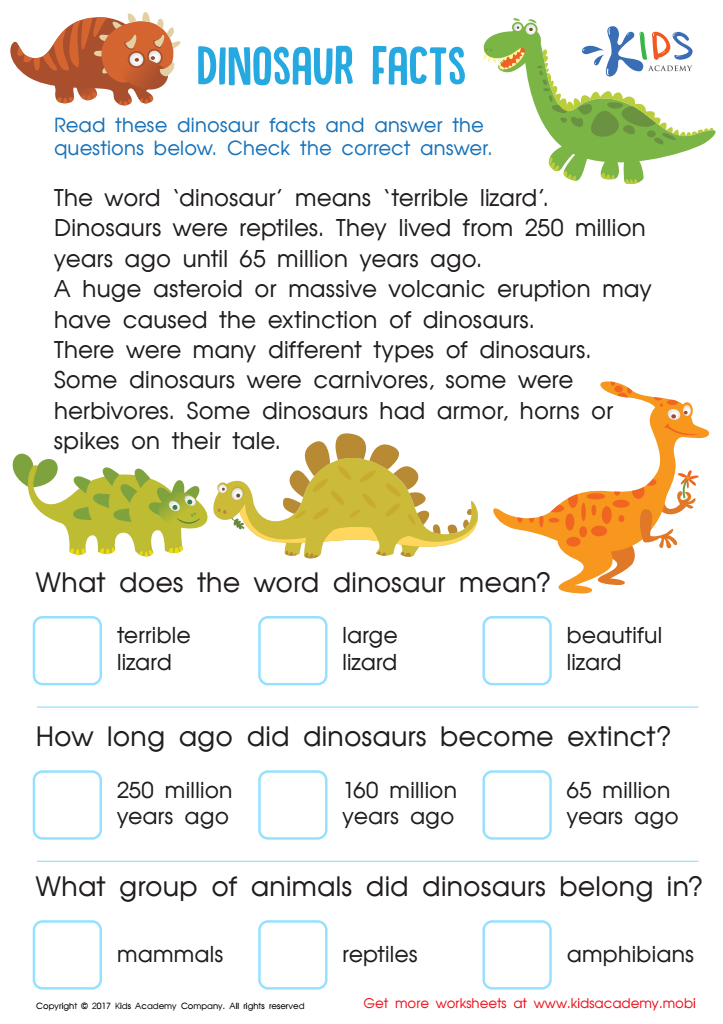
Dinosaur Facts Worksheet
 Assign to My Students
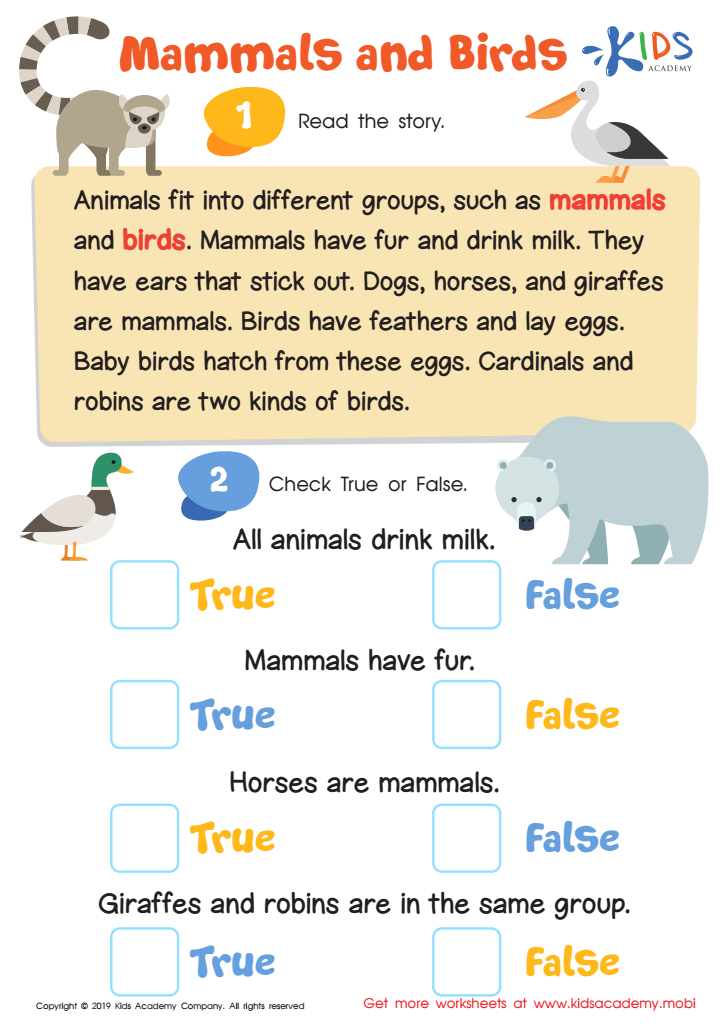
Mammals and Birds Worksheet
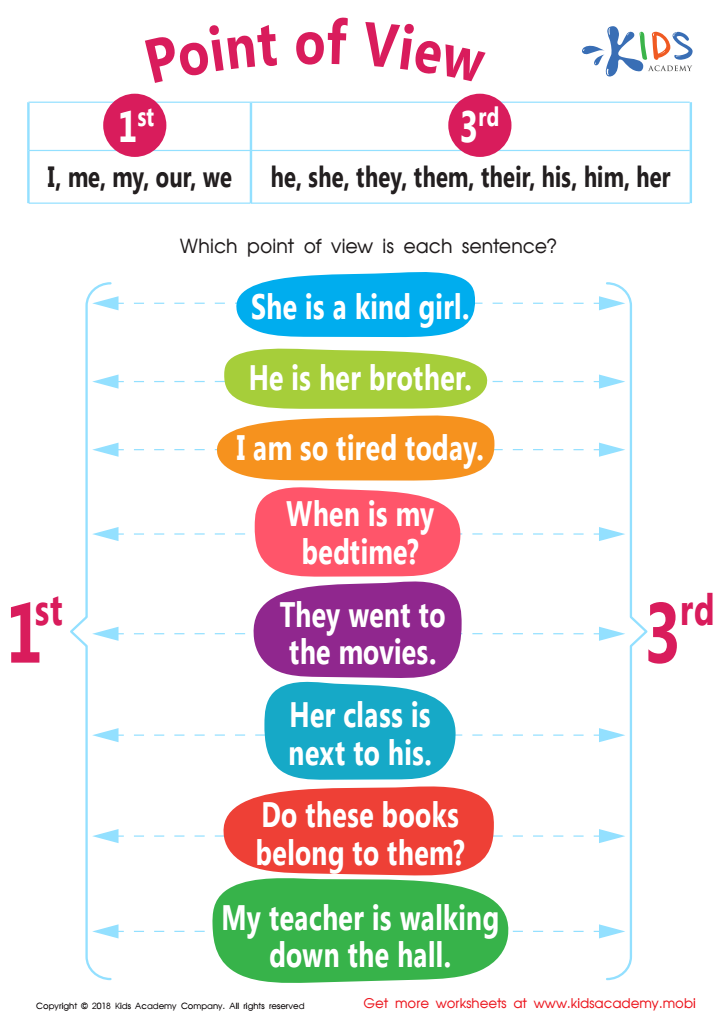
Point of View Worksheet
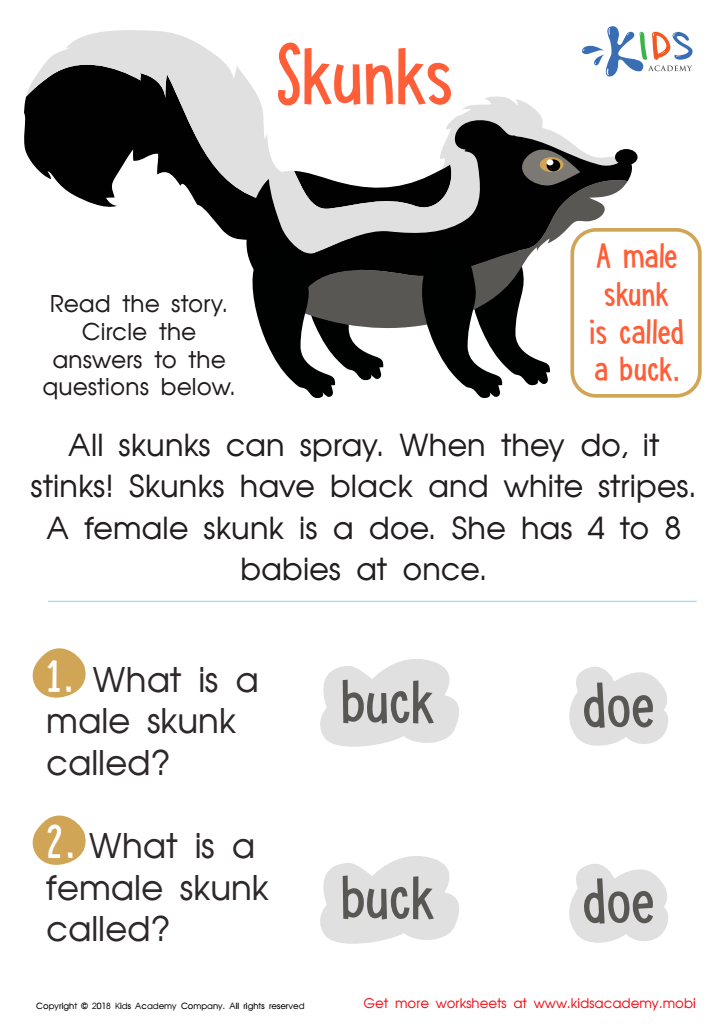
Skunks Worksheet
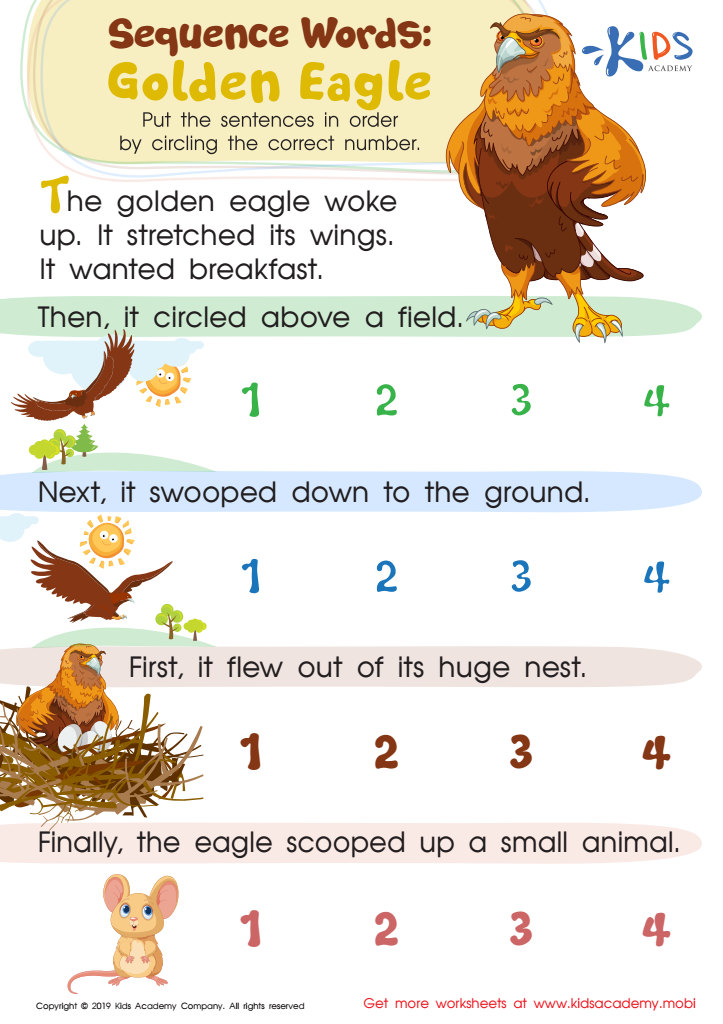
Sequence Word Eagle Worksheet
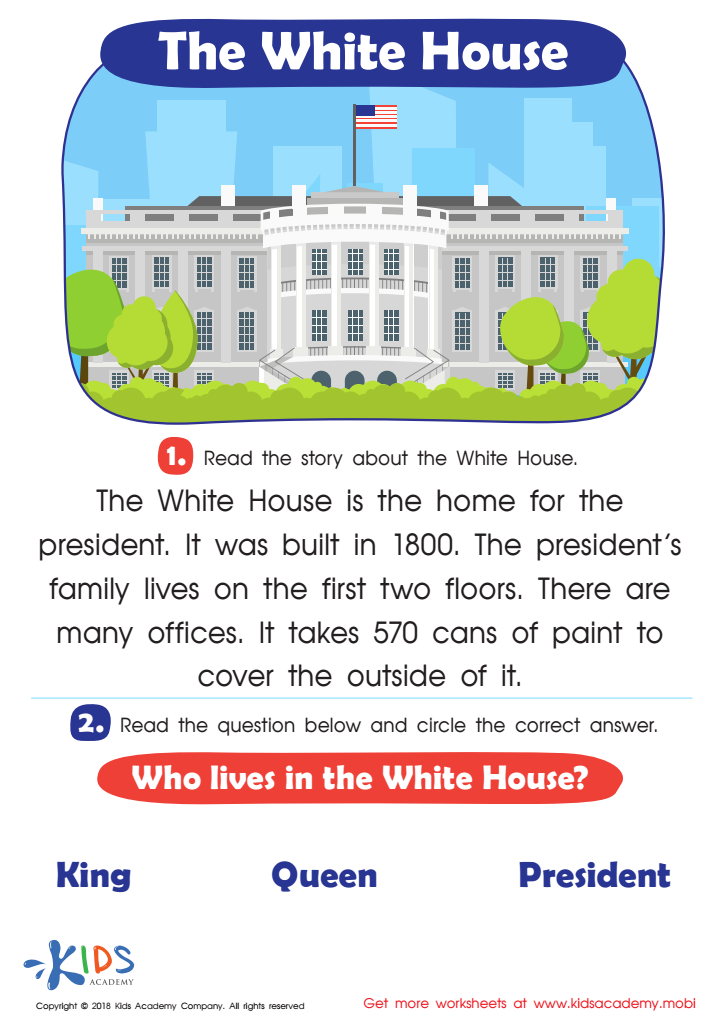
White House Worksheet
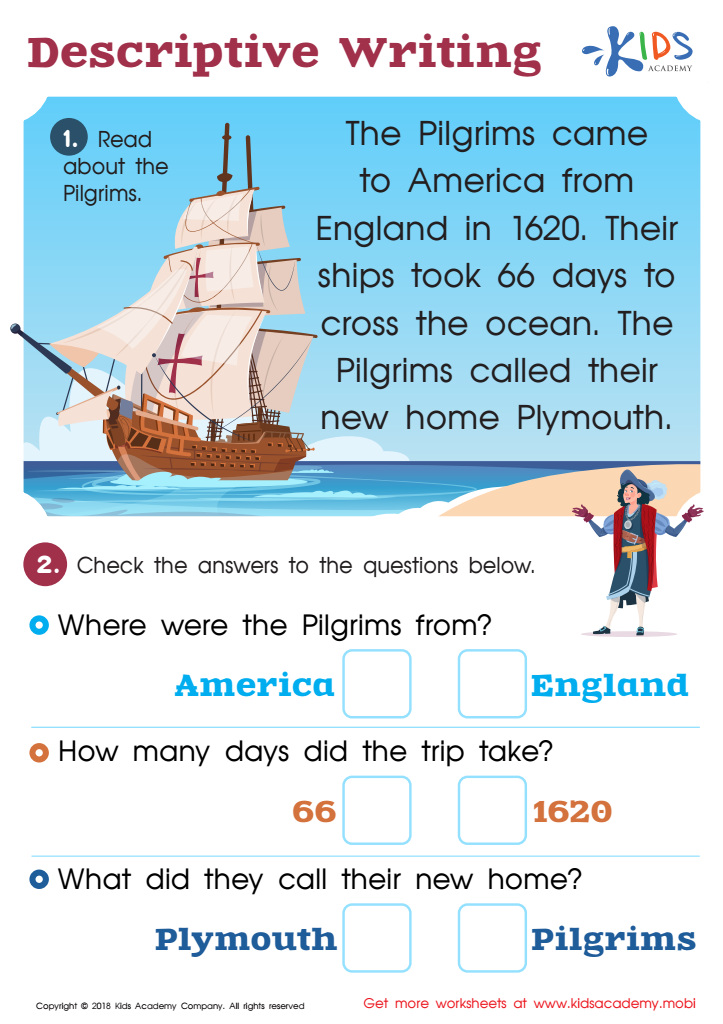
Descriptive Writing Worksheet: Part 1
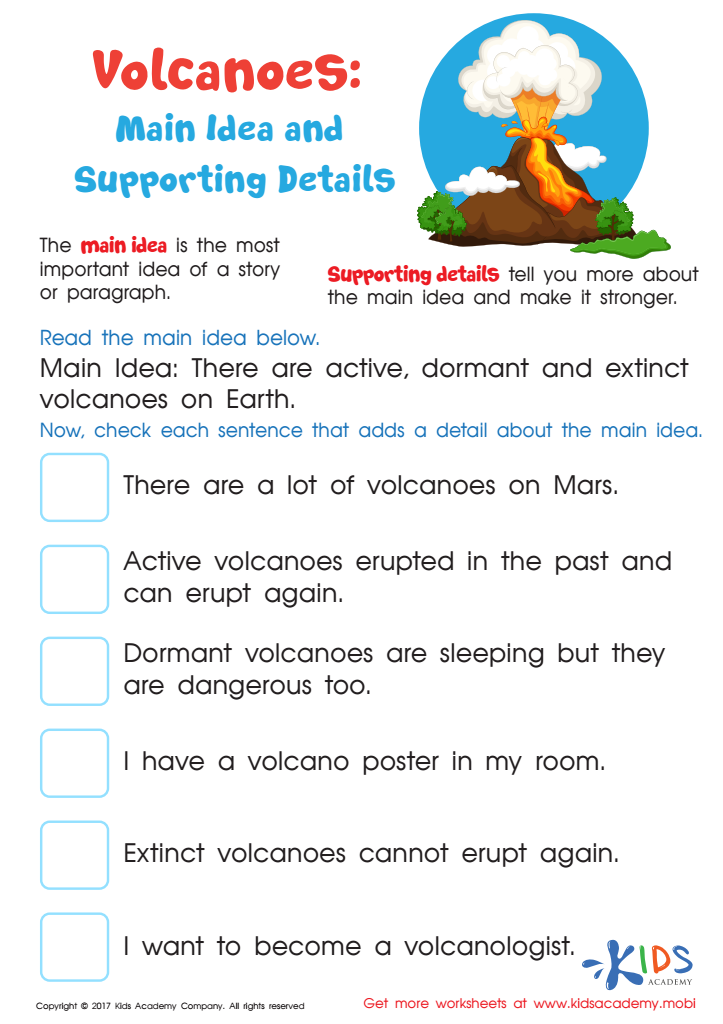
Volcano Facts Worksheet
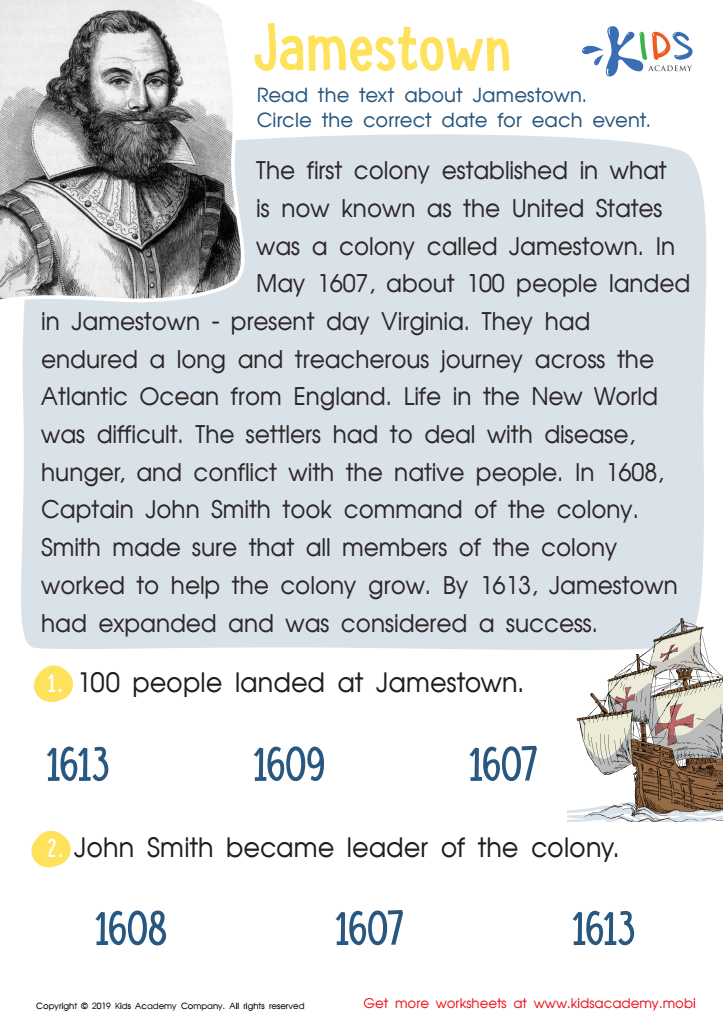
Jamestown Worksheet
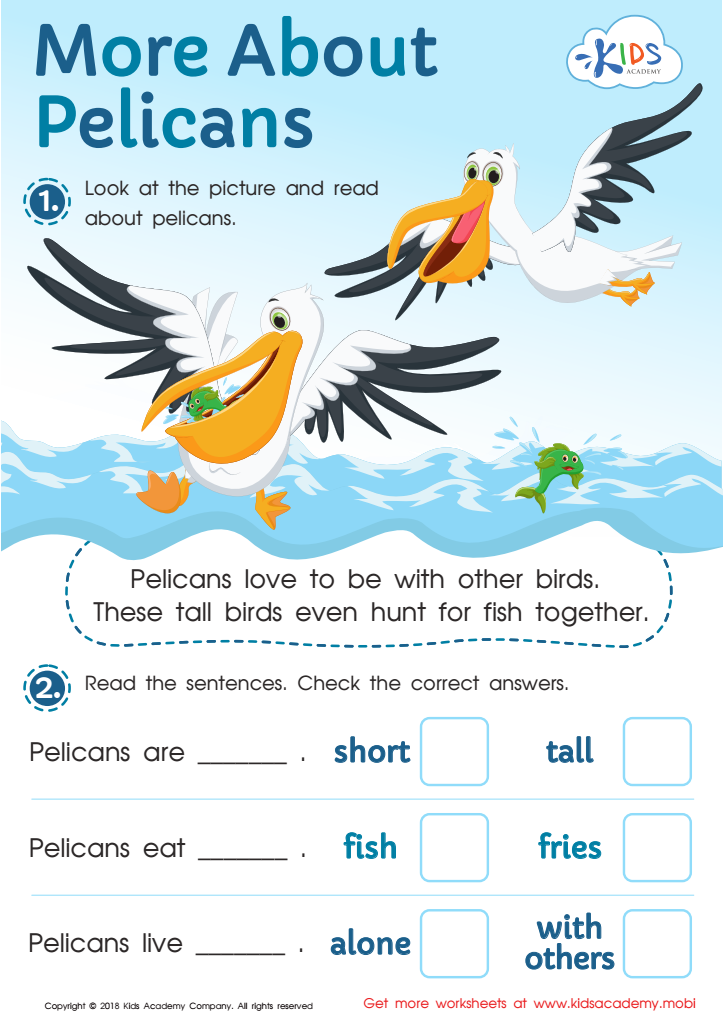
More About Pelicans Worksheet
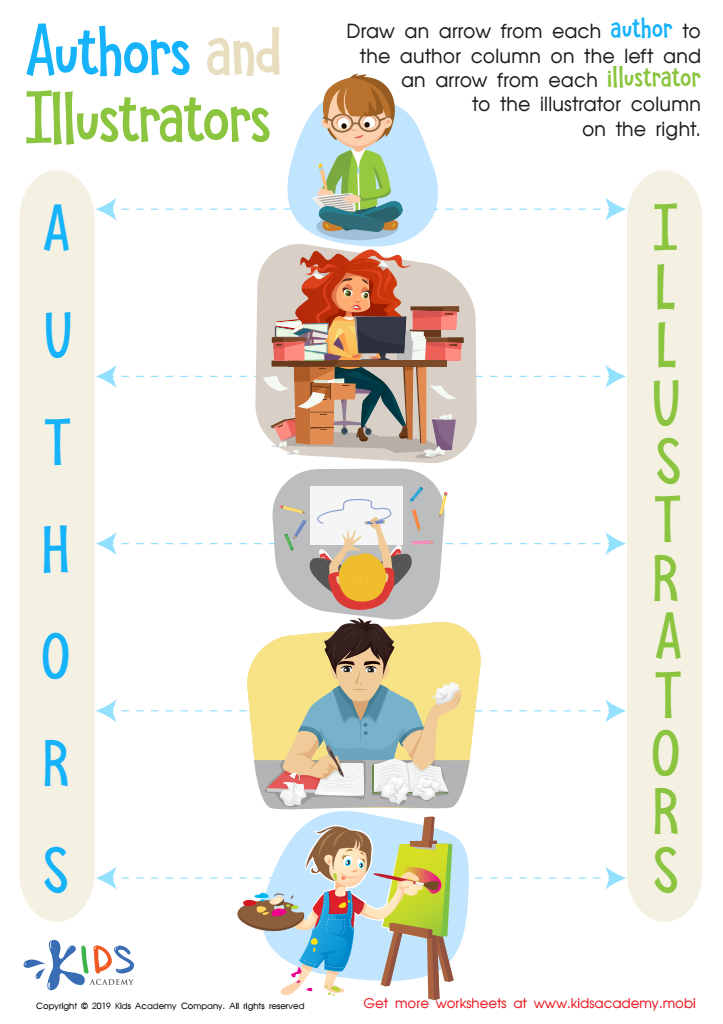
Authors and Illustrators Worksheet
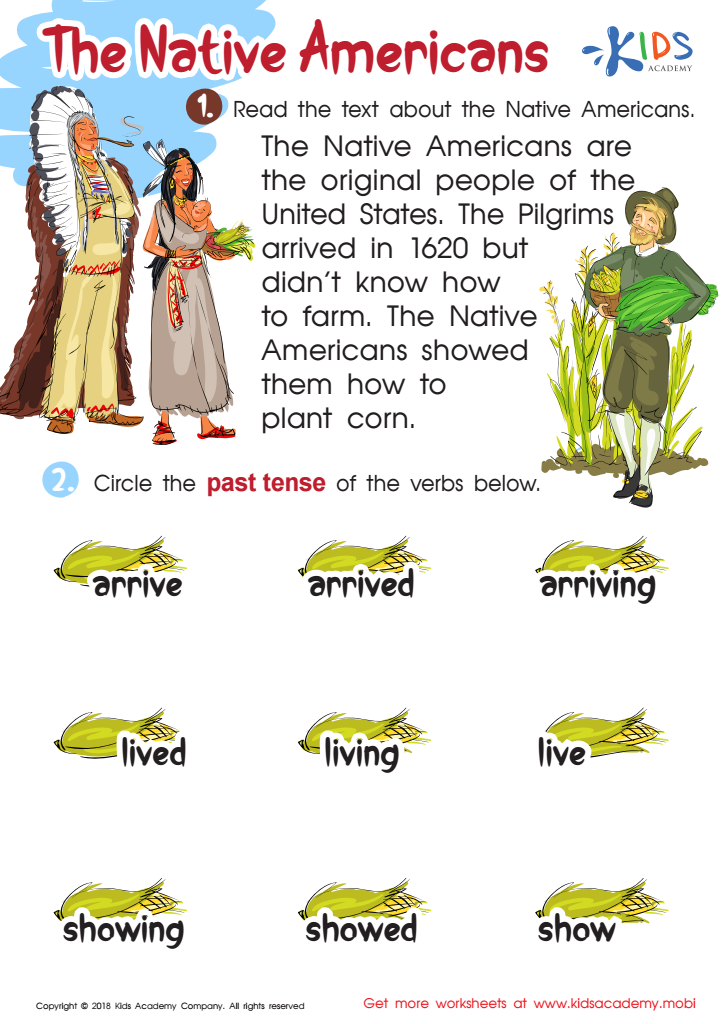
The Native Americans Worksheet
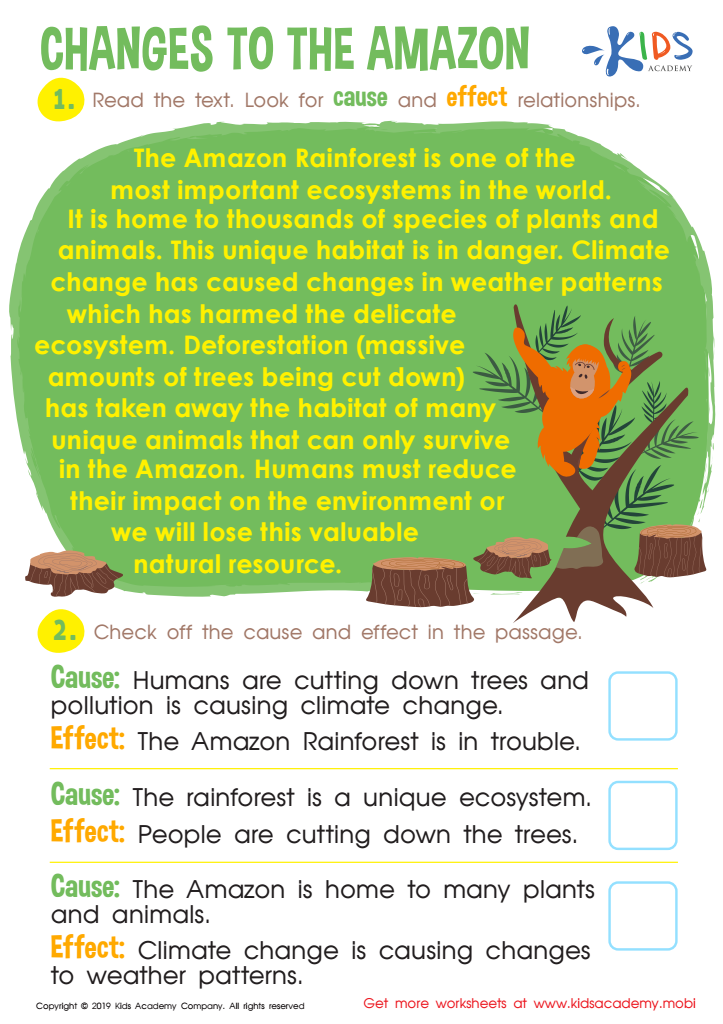
Changes to the Amazon Worksheet
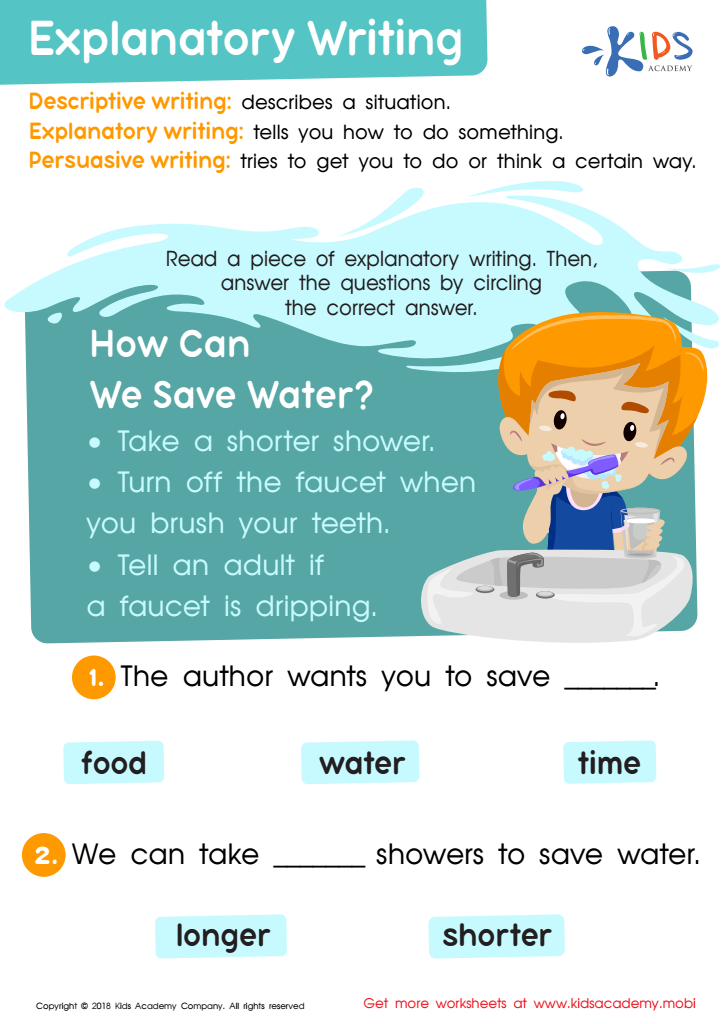
Explanatory Writing Worksheet
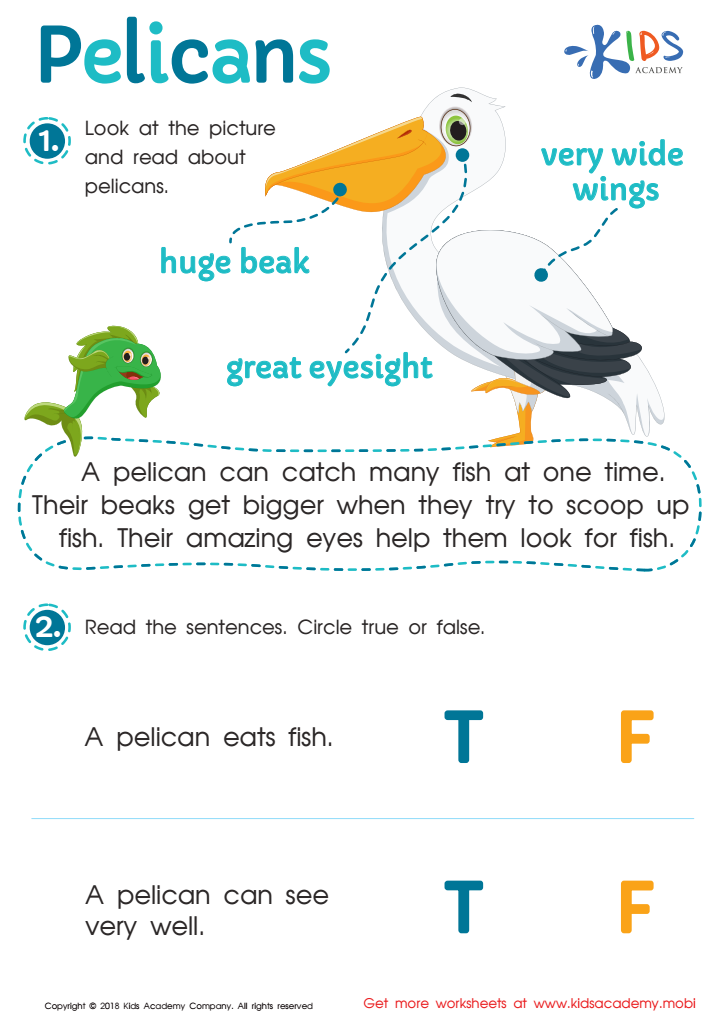
Pelicans Worksheet
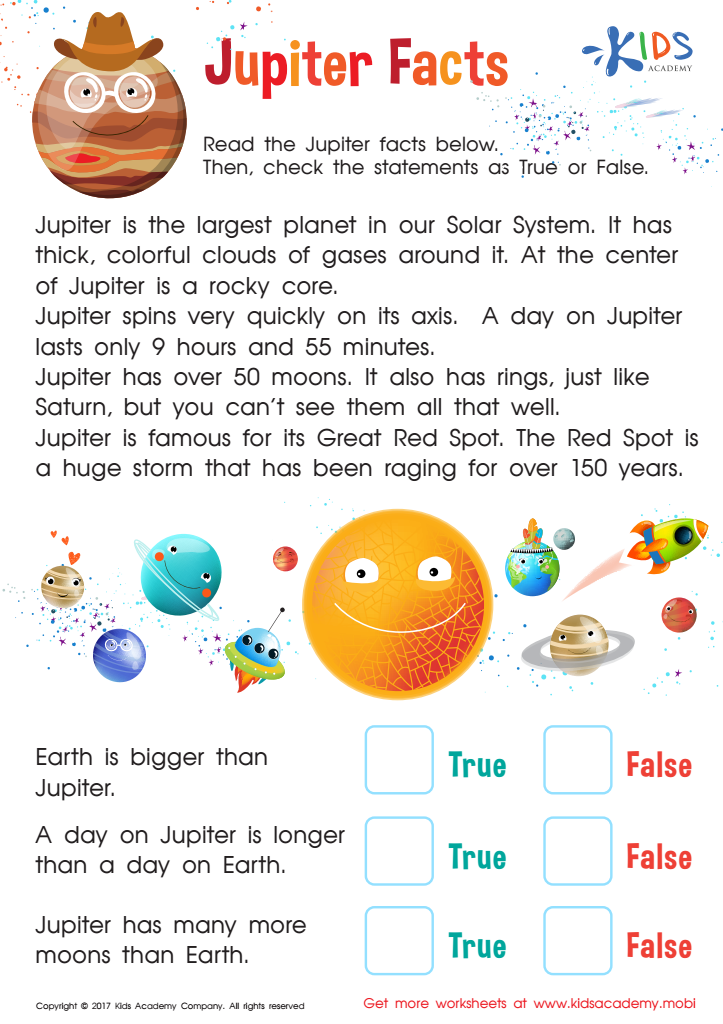
Jupiter Facts Worksheet
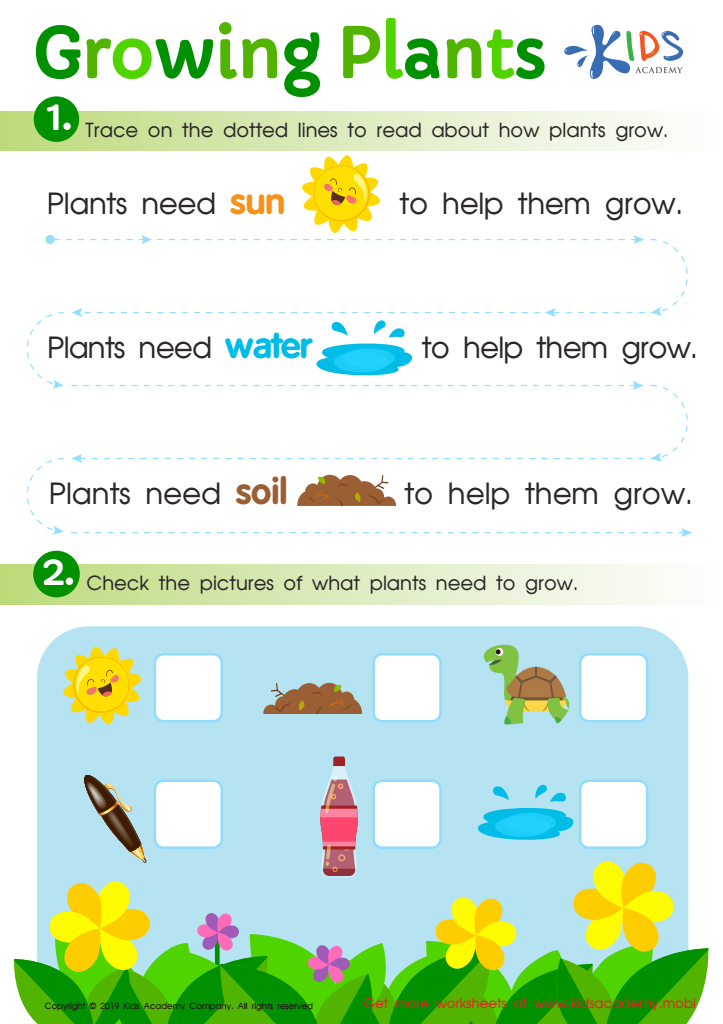
Growing Plants Worksheet
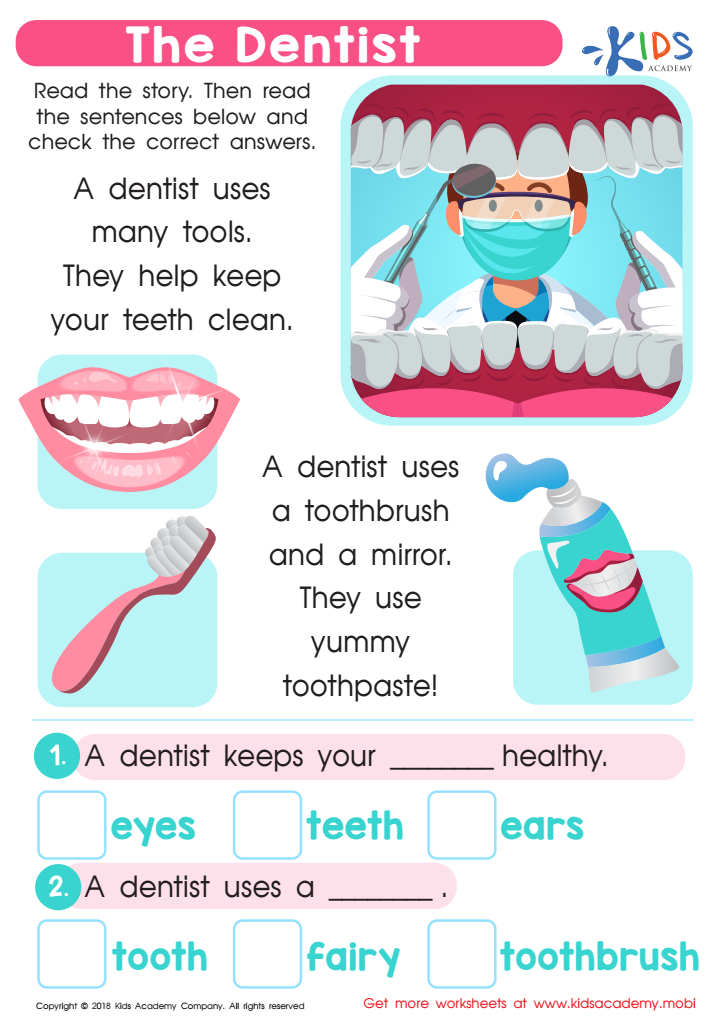
The Dentist Worksheet
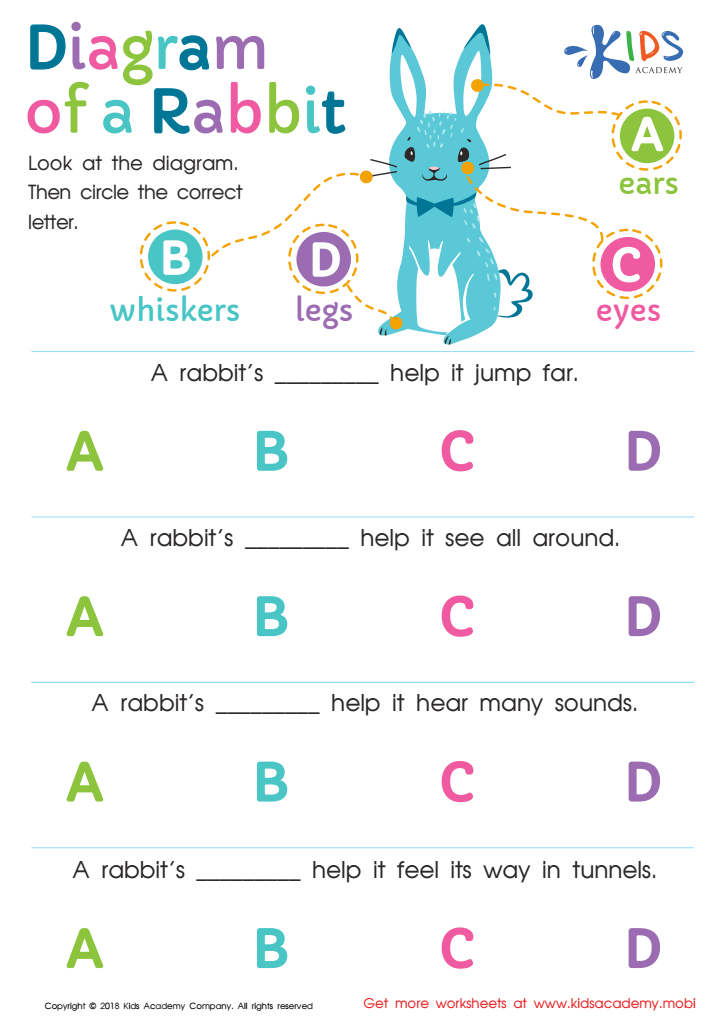
Diagram of a Rabbit Worksheet
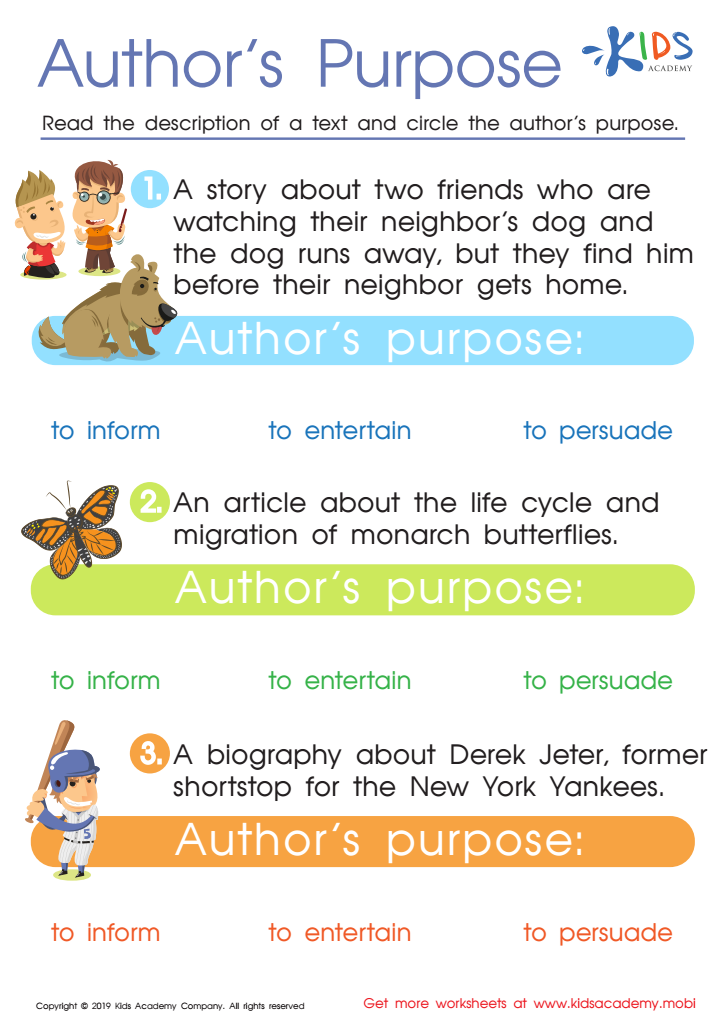
Author's Purpose Worksheet
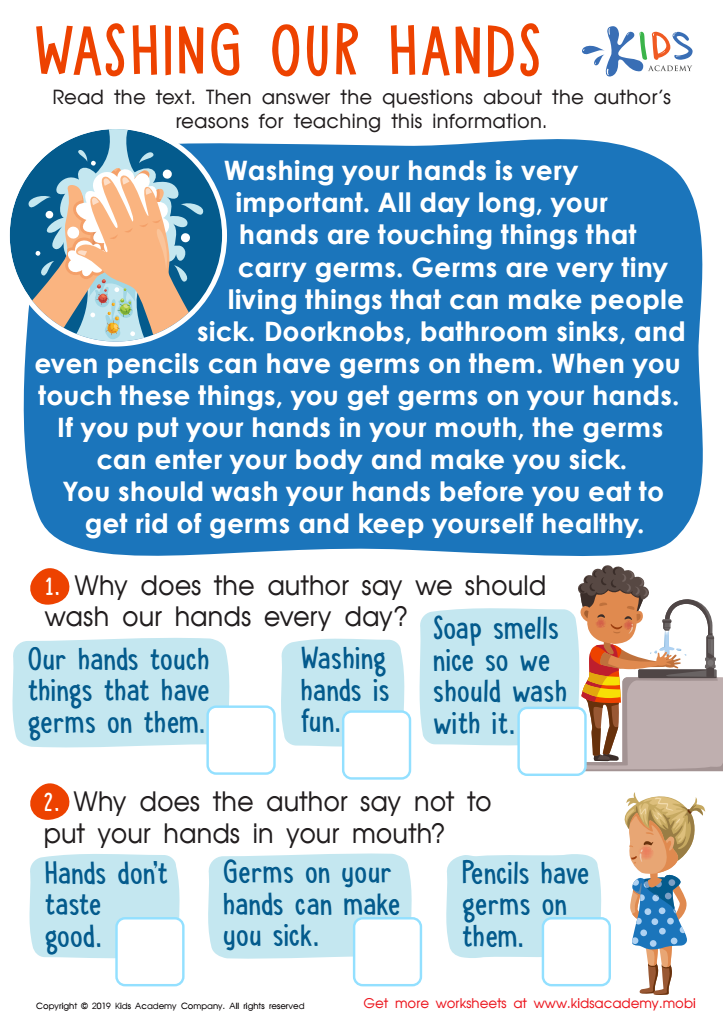
Washing Our Hands Worksheet
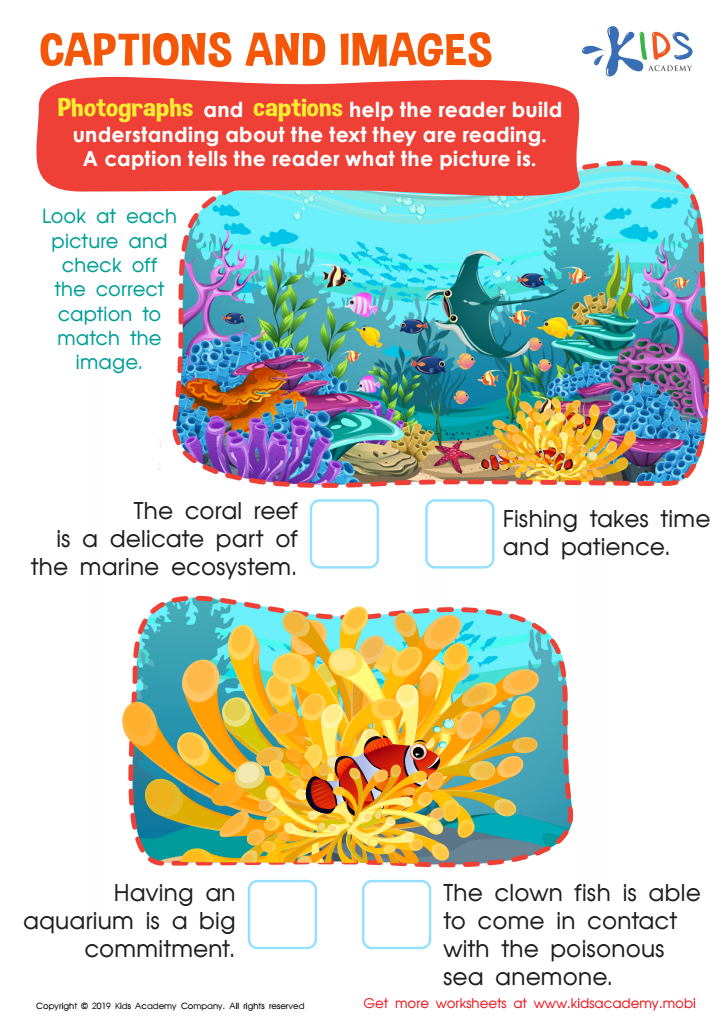
Captions and Images Worksheet
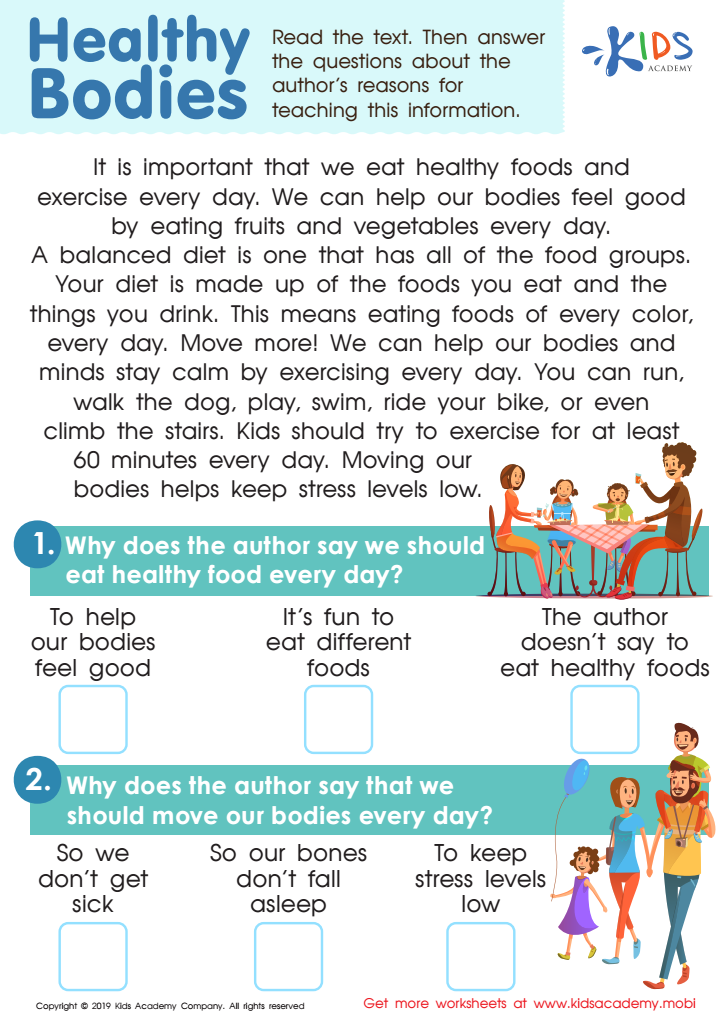
Healthy Bodies Worksheet
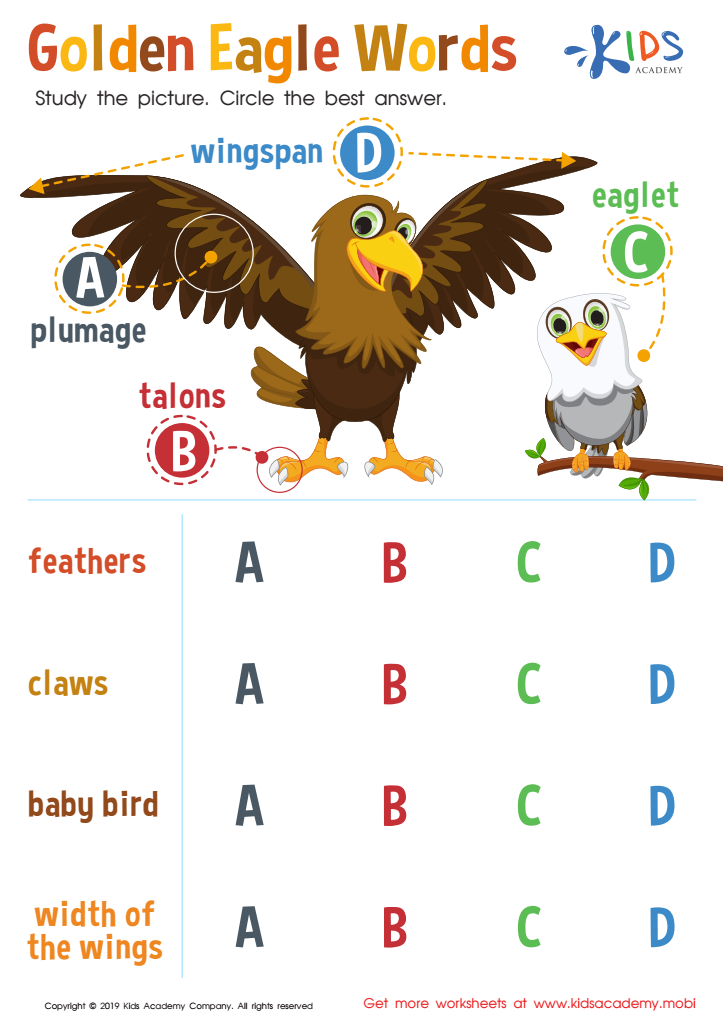
Golden Eagle Words Worksheet








Parents and teachers should care about normal reading non-fiction for children aged 3-8 because it significantly benefits their development and prepares them for future academic success. At this critical age, children's brains are highly adaptable, making it an ideal time to introduce non-fiction, which broadens their horizons and helps them understand the world around them through factual content.
Non-fiction reading enhances vocabulary, introduces complex sentence structures, and strengthens language skills, all of which are foundational for literacy. Unlike fiction, non-fiction texts often contain specific terminology and factual information that can pique children's curiosity and foster a love for learning.
Moreover, exposure to non-fiction introduces critical thinking and analytical skills. Children learn to differentiate between various types of information, gather facts, grasp abstract concepts, and develop a sense of inquiry. Sensible engagement with non-fiction also complements their natural curiosity, providing them with real-world knowledge and helping them develop a sense of practicality.
Additionally, the topics within non-fiction books for this age group—such as animals, plants, planets, and simple machines—often connect directly to what children may encounter, enhancing their tangible understanding of their environment.
Overall, incorporating non-fiction into the reading habits of young children supports comprehensive language development, nurtures natural inquisitiveness, and prepares them for more complex educational content in later years.