Vocabulary Building Normal Animals Worksheets for Ages 3-8
4 filtered results
-
From - To
Enhance your child's vocabulary with our engaging "Vocabulary Building Normal Animals Worksheets" designed for ages 3-8. These fun and interactive worksheets introduce young learners to a variety of common animals, promoting language development and comprehension skills. Children will explore vibrant illustrations and complete activities that reinforce important vocabulary terms naturally, making learning enjoyable and effective. Ideal for homeschooling or classroom use, our worksheets encourage creativity while fostering critical thinking. Join us in nurturing your child's love for language and knowledge through these thoughtfully crafted resources tailored for early childhood education. Download now to inspire creativity and learning with your little ones!
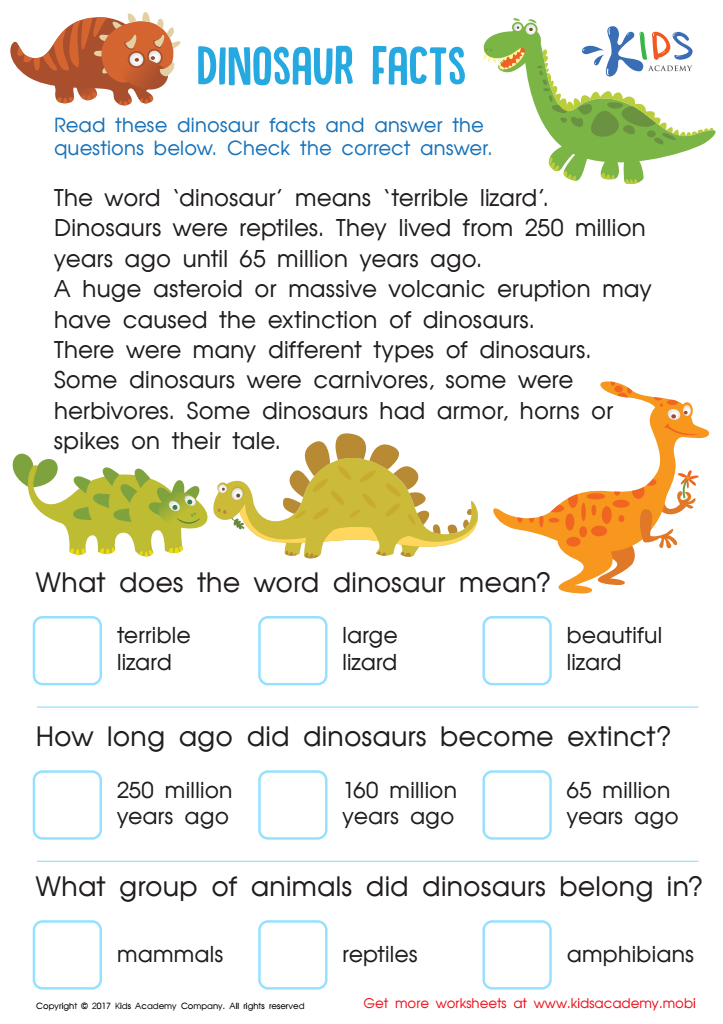
Dinosaur Facts Worksheet
 Assign to My Students
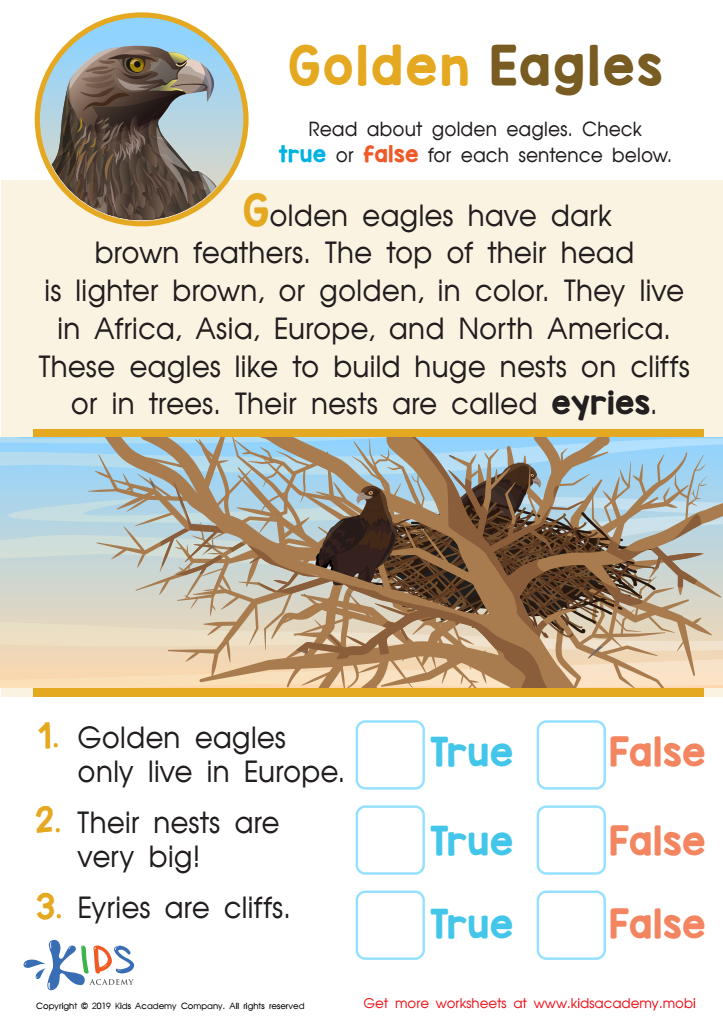
Golden Eagles Worksheet
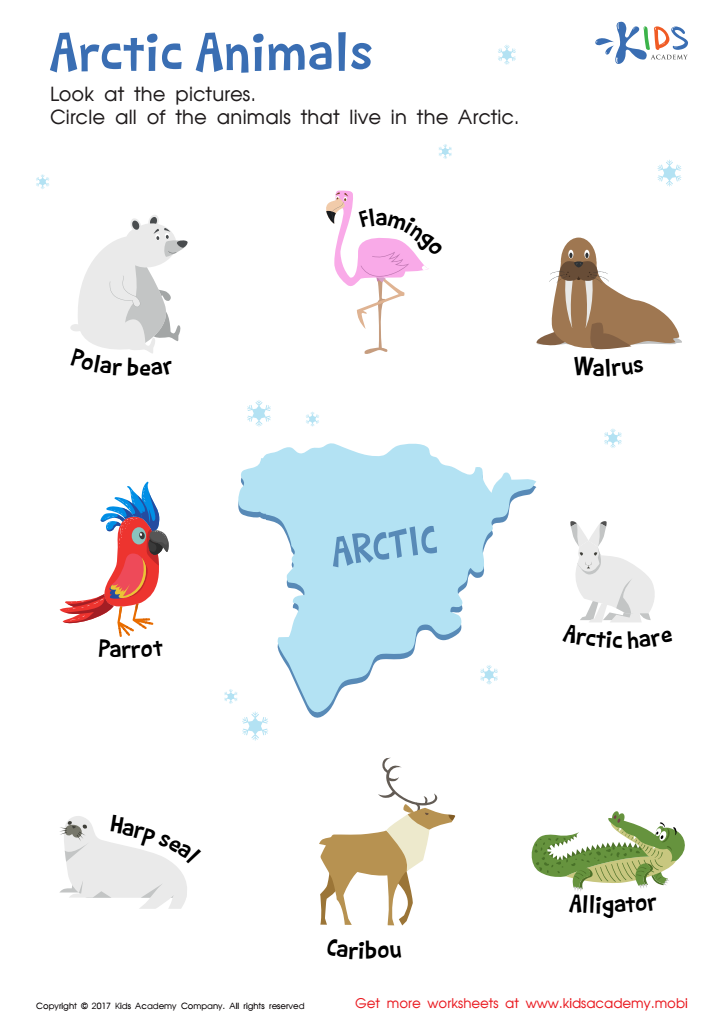
Arctic Animals Worksheet
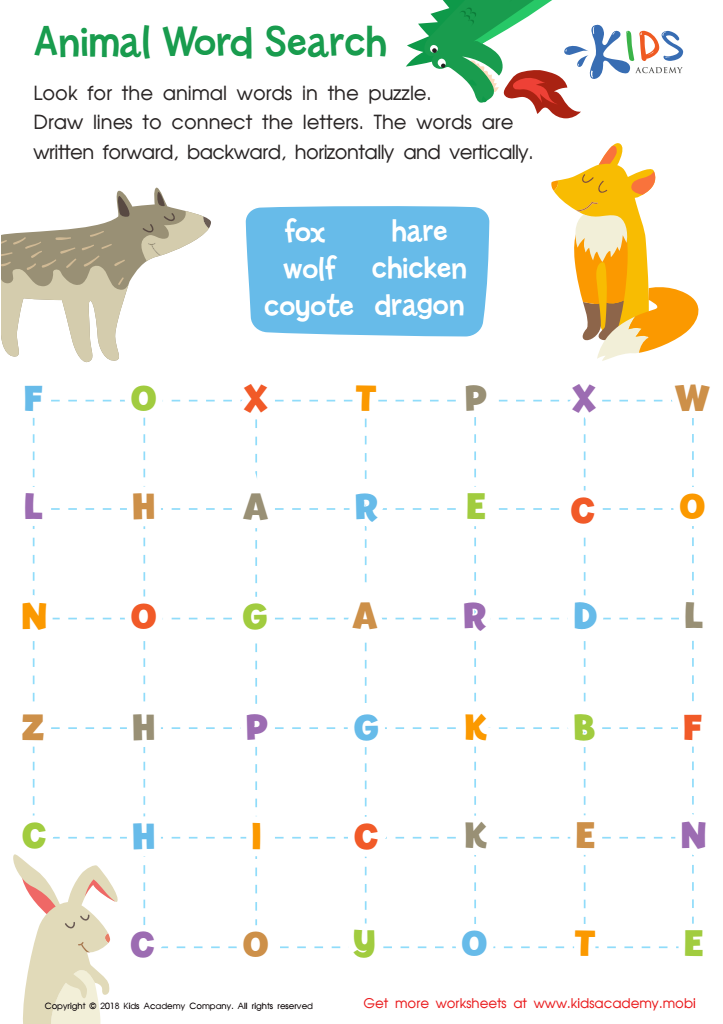
Animal Word Search Worksheet








Parents and teachers should prioritize vocabulary building around normal animals for children aged 3-8 because it lays a crucial foundation for literacy and comprehension skills. This age group is inherently curious, and engaging them with vocabulary related to animals can captivate their interest and foster a love for learning. Introducing specific terms enhances their descriptive language, allowing children to articulate their thoughts and feelings more precisely.
Moreover, a rich vocabulary enhances cognitive development, aiding children in understanding their environment better. When children learn about different animals, they also engage with various concepts such as habitats, behaviors, and roles in ecosystems, encouraging them to think critically about the world around them.
Additionally, vocabulary building supports social interaction. Sharing stories and discussing animals sparks conversations among peers and family members, helping children practice language skills in real-life contexts.
Incorporating animal vocabulary aligns with various educational standards and can be seamlessly integrated into activities like storytelling, art projects, or even playdates, making learning fun and interactive. By fostering a robust vocabulary in early childhood, parents and teachers create a strong foundation that will benefit children academically and socially as they grow.








