Comparative analysis Normal Science Worksheets for Ages 3-8
3 filtered results
-
From - To
Welcome to our "Comparative Analysis Normal Science Worksheets" designed for children ages 3-8! These engaging worksheets encourage young learners to explore science concepts through hands-on comparisons and analyses. Tailored to develop critical thinking, problem-solving, and observational skills, our resources incorporate vibrant visuals and age-appropriate activities. Kids will have fun while sorting, classifying, and differentiating various categories in the natural world. Perfect for early education settings or at-home learning, our comparative analysis worksheets foster a love for science and curiosity about the environment. Discover exciting learning opportunities that inspire young minds to ask questions and develop foundational scientific understanding!
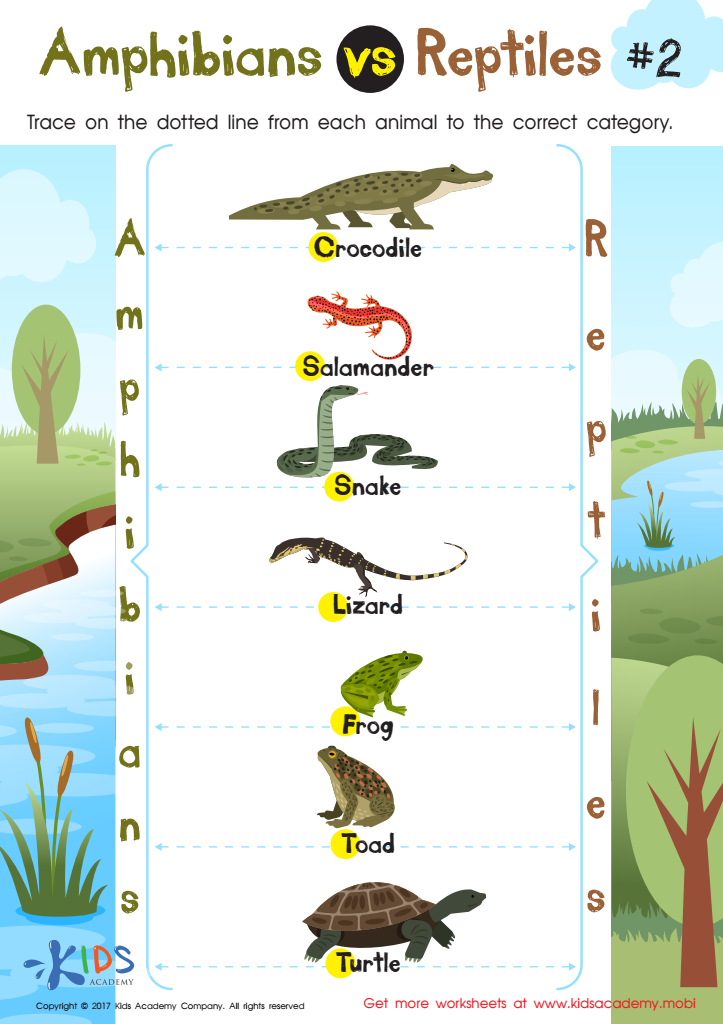
Amphibians vs Reptiles Worksheet for 3rd Grade
 Assign to My Students
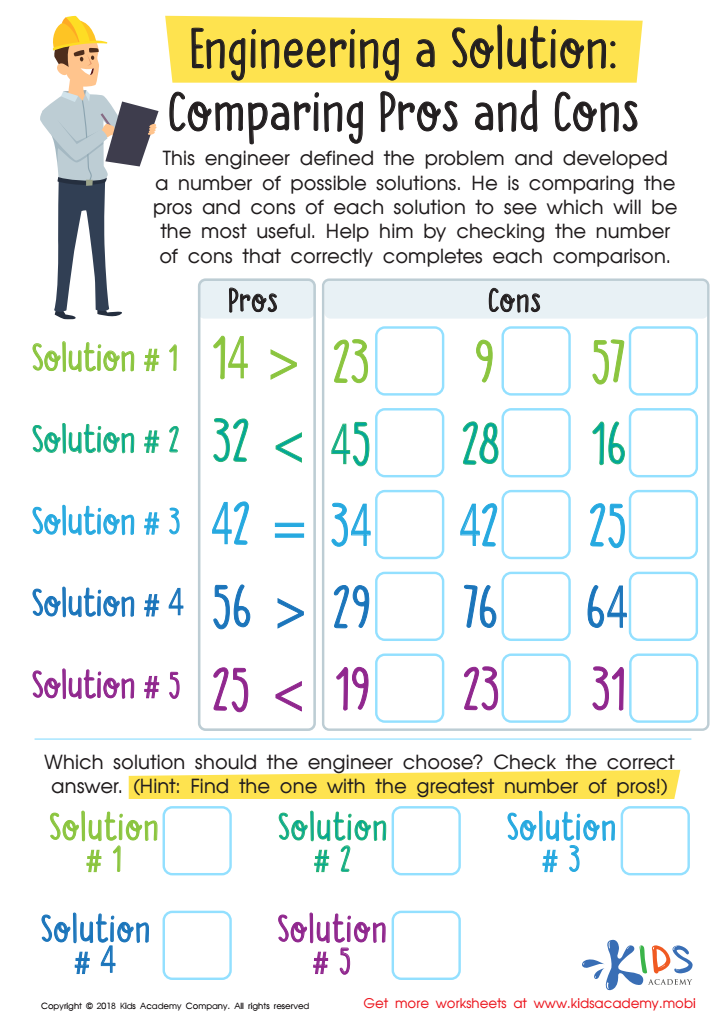
Engineering a Solution: Comparing Pros and Cons Worksheet
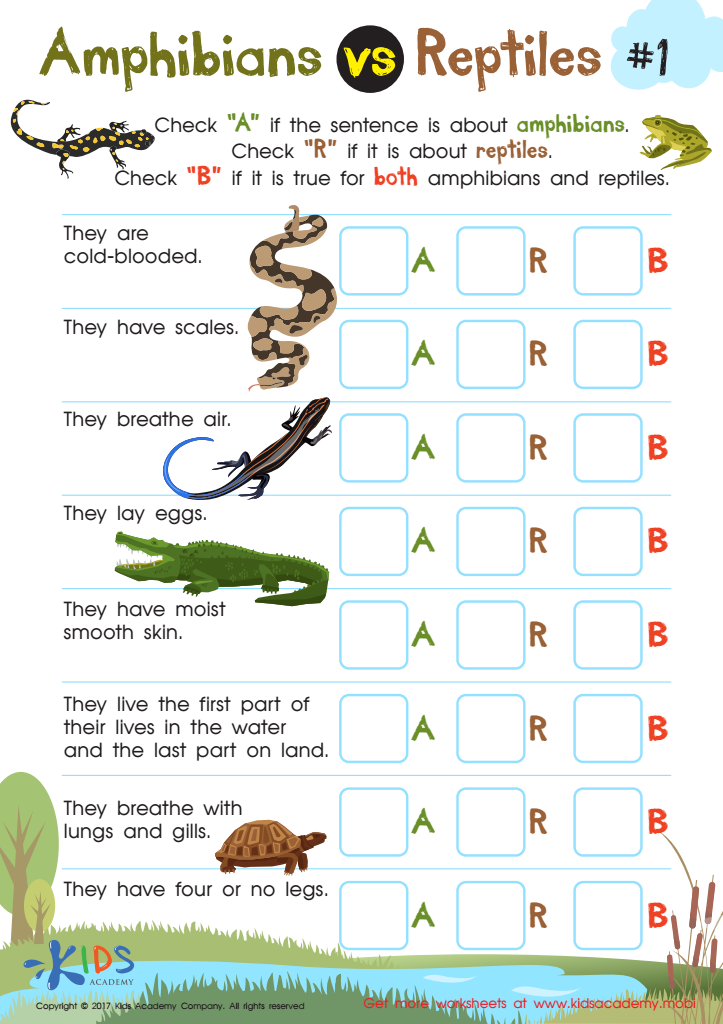
Amphibians vs Reptiles Worksheet







Comparative analysis in normal science is crucial for children ages 3-8 as it promotes critical thinking skills and enhances their understanding of the natural world. During these formative years, children begin to form their own concepts about how things work around them. Utilizing comparative analysis allows them to observe similarities and differences between objects, living beings, or scientific phenomena, facilitating deeper cognitive connections.
Parents and teachers should care about this process because it nurtures observational skills and supports analytical reasoning. Engaging in comparative activities encourages children to ask questions, make predictions, and learn from their observations—all foundational skills for scientific literacy. For example, when comparing two plants, kids can explore variations in color, size, and growth patterns, helping them grasp ecological concepts and the importance of biodiversity.
Moreover, introducing comparative analysis early fosters an intrinsic motivation for inquiry and exploration. It lays the groundwork for more complex scientific thought in later stages. By making learning interactive and relatable through comparisons, educators and parents can ignite curiosity, encouraging lifelong learners who are equipped to tackle future challenges in science and beyond. Thus, embracing comparative analysis is essential for a well-rounded early education.







