Learning about ecosystems Normal Science Worksheets for Ages 3-8
3 filtered results
-
From - To
Discover the wonders of nature with our "Learning about Ecosystems" science worksheets tailored for ages 3-8. These engaging and educational worksheets help young learners explore different ecosystems, from lush forests to vibrant oceans. Designed to foster curiosity and build foundational science skills, each worksheet is filled with fun activities, colorful illustrations, and easy-to-understand explanations. Perfect for classroom use or at-home learning, they make studying the environment enjoyable and informative. Dive into the diverse world of ecosystems and cultivate a love for science in your child with Kids Academy's thoughtfully crafted worksheets.
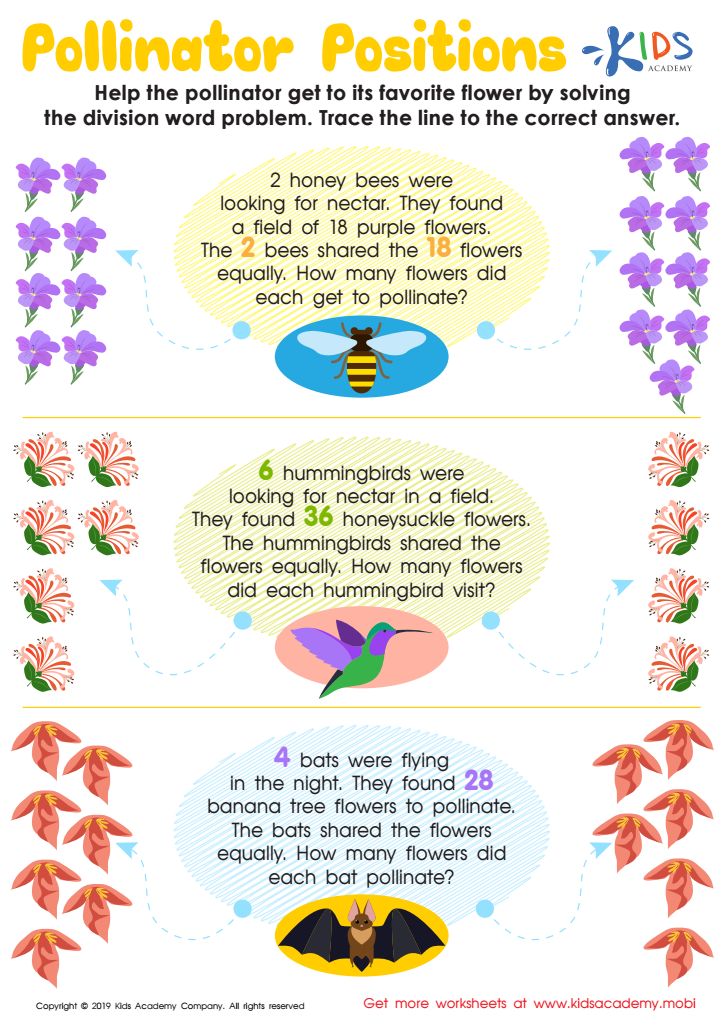
Pollinator Positions Worksheet
 Assign to My Students
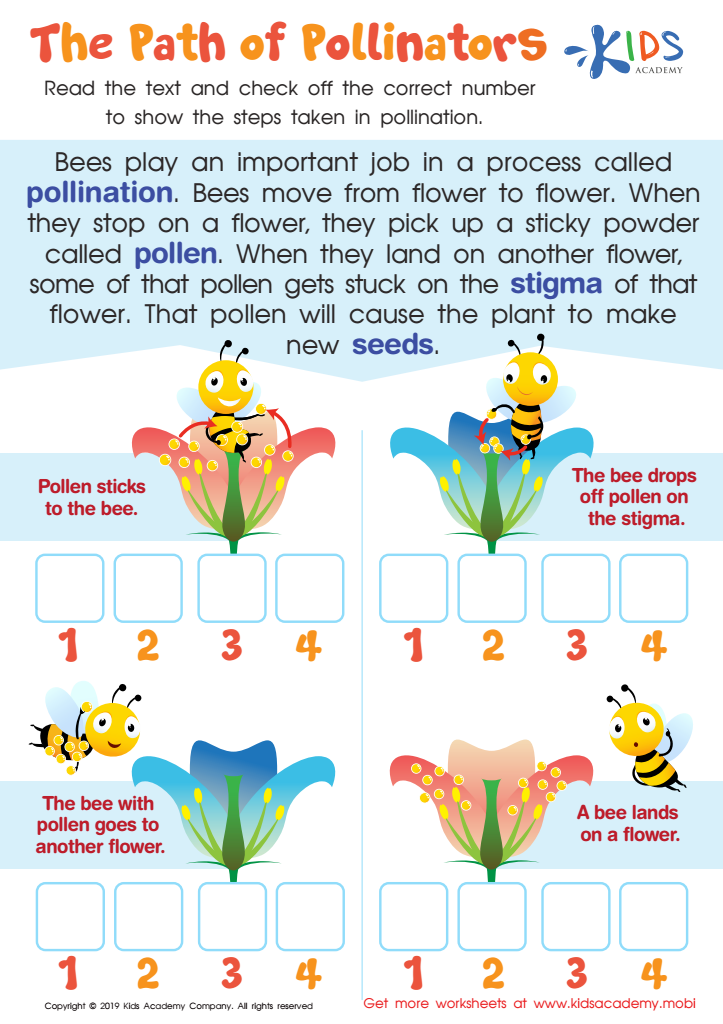
The Path of Pollinators Worksheet
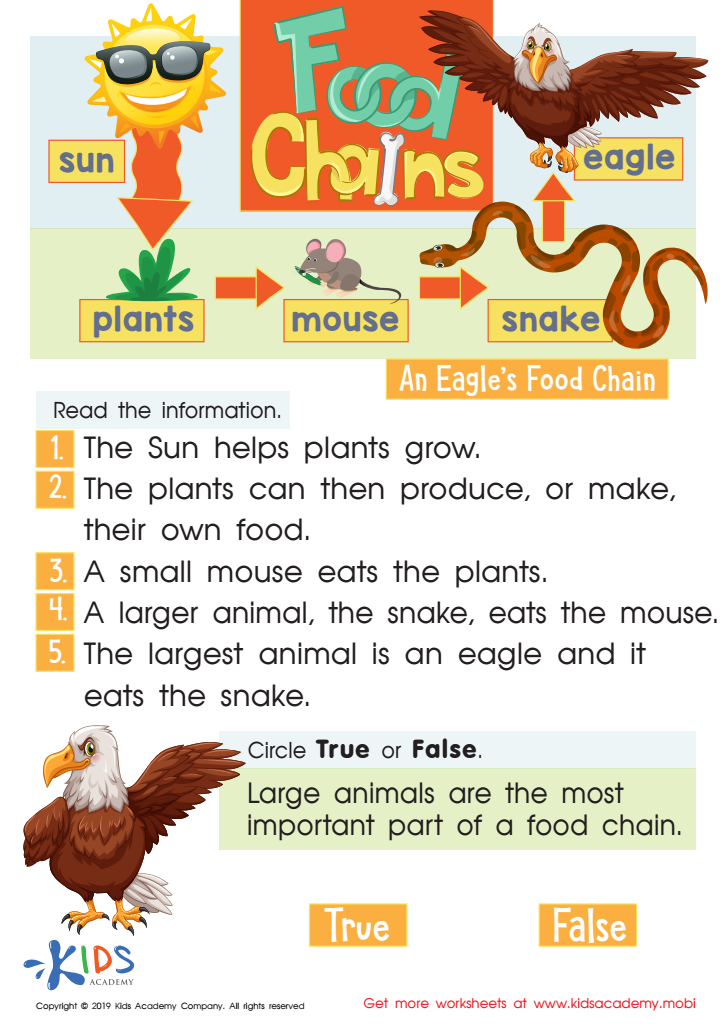
Food Chains Worksheet







Parents and teachers should prioritize teaching children about ecosystems starting at ages 3-8 for several compelling reasons. Firstly, introducing ecological concepts early fosters a lifelong appreciation for nature and the environment. Young children are naturally curious and receptive to new information, making it an ideal time to instill ecological awareness.
Learning about ecosystems helps kids understand the interconnectedness of life, including the roles plants, animals, and humans play in the environment. This understanding promotes a sense of stewardship and responsibility towards the earth, laying the foundation for sustainable living practices in the future.
Moreover, studying ecosystems aligns with many core educational goals. It encourages critical thinking, problem-solving, and observational skills. For example, activities like exploring a local park and observing different plants and animals enhance children's cognitive and sensory development. Additionally, discussing concepts like food chains and habitats introduces basic scientific terminology and principles, making future science learning more accessible.
Engaging with ecosystems can also foster empathy and respect for all forms of life. Activities such as planting trees or creating small gardens teach patience and responsibility, values beneficial to overall character development.
In summary, learning about ecosystems at a young age builds a foundation for environmental conscientiousness, supports essential cognitive skills, and cultivates positive personal attributes, making it a crucial aspect of early education.







