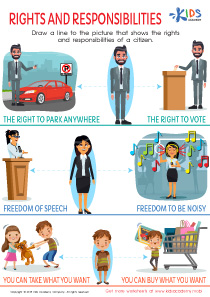
Problem-Solving Skills Normal Community Worksheets for Ages 3-8
6 filtered results
-
From - To
Enhance your child's problem-solving skills with our engaging "Problem-Solving Skills Normal Community Worksheets" designed for ages 3-8. These thoughtfully created worksheets provide a fun and interactive way for young learners to develop critical thinking and decision-making abilities. Through various activities, children will explore real-world scenarios that encourage creativity, analysis, and teamwork! Ideal for homeschooling or classroom use, our resources make learning enjoyable while enabling kids to connect their everyday experiences with essential skills. Help your child build confidence and independence in tackling challenges by downloading these valuable worksheets today! Perfect for nurturing young minds in a community-centric approach.

Community Doctors: Maze Printable
 Assign to My Students

At the Market Worksheet

Towns Worksheet

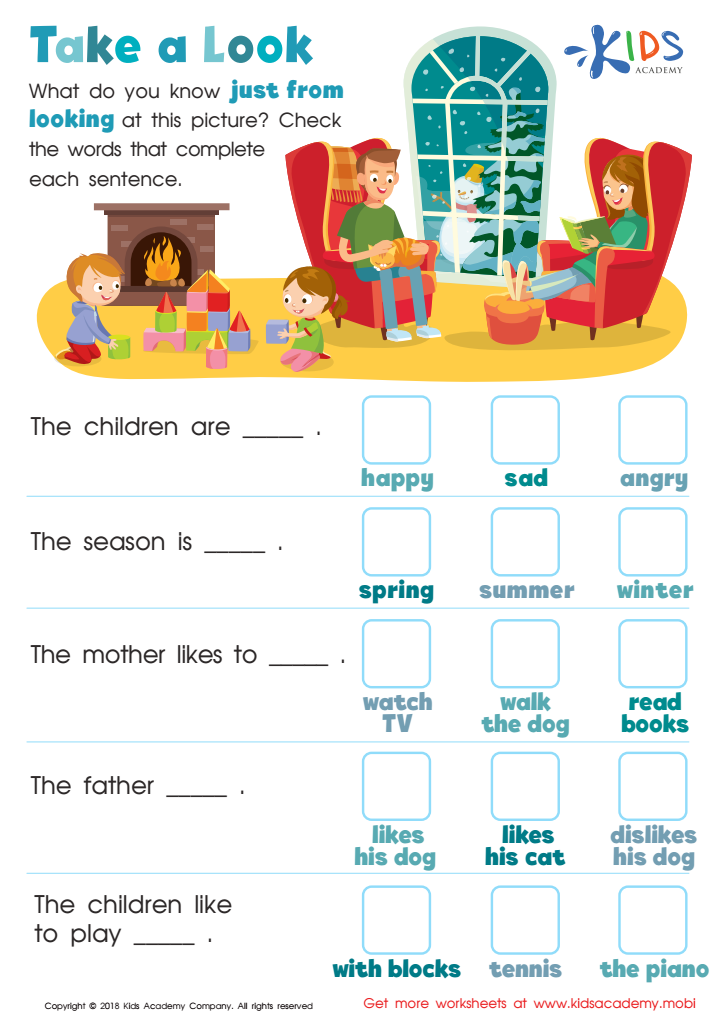
Take a Look - Part 1 Worksheet
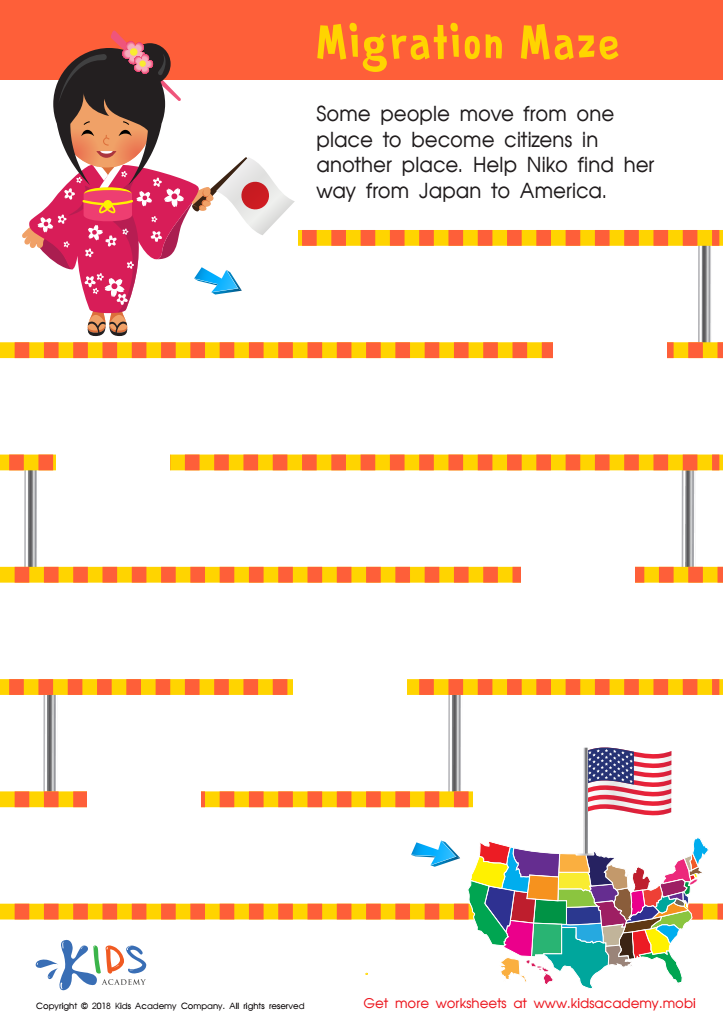
Migration Maze Worksheet








Problem-solving skills are crucial for children aged 3-8 as they form the foundation for critical thinking, creativity, and resilience. Parents and teachers should care about fostering these skills as early as possible, since this period is when children's cognitive abilities are rapidly developing. Engaging in problem-solving activities helps children learn to assess situations, think strategically, and explore various solutions—skills that are essential not just academically but also in everyday life.
In a normal community setting, children encounter diverse social dynamics and challenges that require them to navigate emotions and relationships. Problem-solving helps them develop negotiation skills, empathy, and confidence, enabling them to resolve conflicts and collaborate effectively with peers. Supporting these skills promotes a sense of independence as children learn to tackle challenges on their own or with minimal assistance.
Furthermore, encouraging problem-solving fosters a growth mindset, helping children embrace challenges rather than fear them. This early exposure can lead to enhanced academic achievement later in school and prepare them for future responsibilities. By prioritizing problem-solving skills, parents and teachers contribute to building a foundation of competence and adaptability that will serve children throughout their lives.