Shape Recognition Normal Community Worksheets for Ages 3-8
4 filtered results
-
From - To
Our Shape Recognition Community Worksheets are thoughtfully designed for children ages 3-8. These engaging activities blend fun with learning, helping young learners identify and differentiate basic shapes while exploring everyday community environments. Ideal for developing visual perception and fine motor skills, these worksheets feature familiar settings like parks, libraries, and stores. Each worksheet encourages kids to recognize shapes such as circles, squares, and triangles in their surroundings, fostering both cognitive growth and a sense of connection to their community. Perfect for preschool through second grade, our resources make shape recognition a delightful and educational adventure!
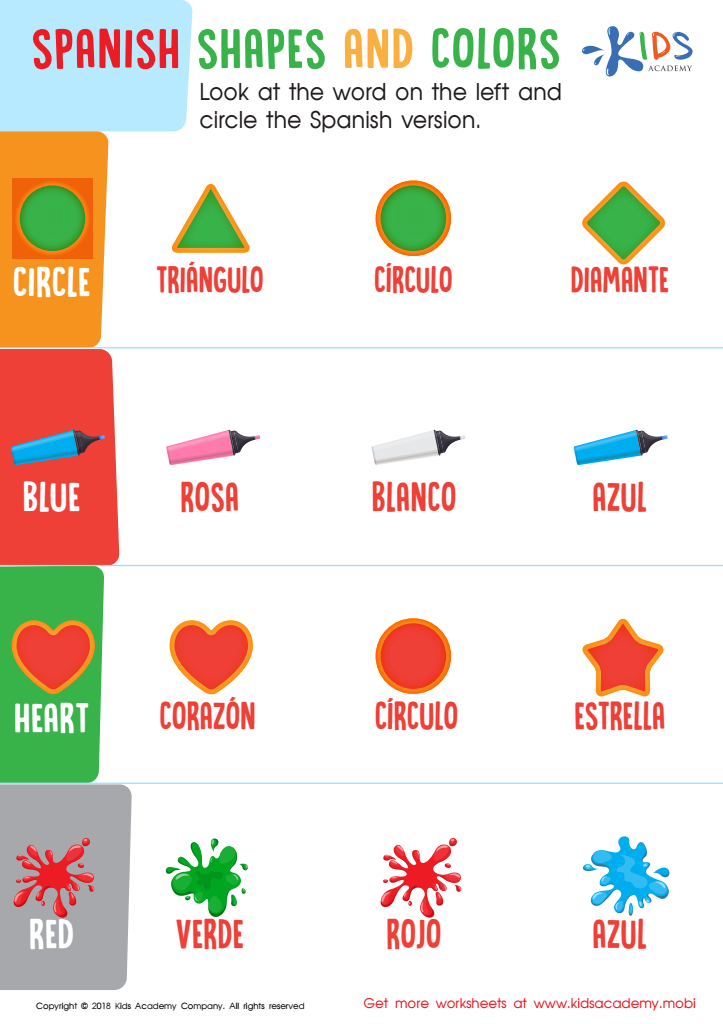
Spanish Shapes and Colors Worksheet
 Assign to My Students
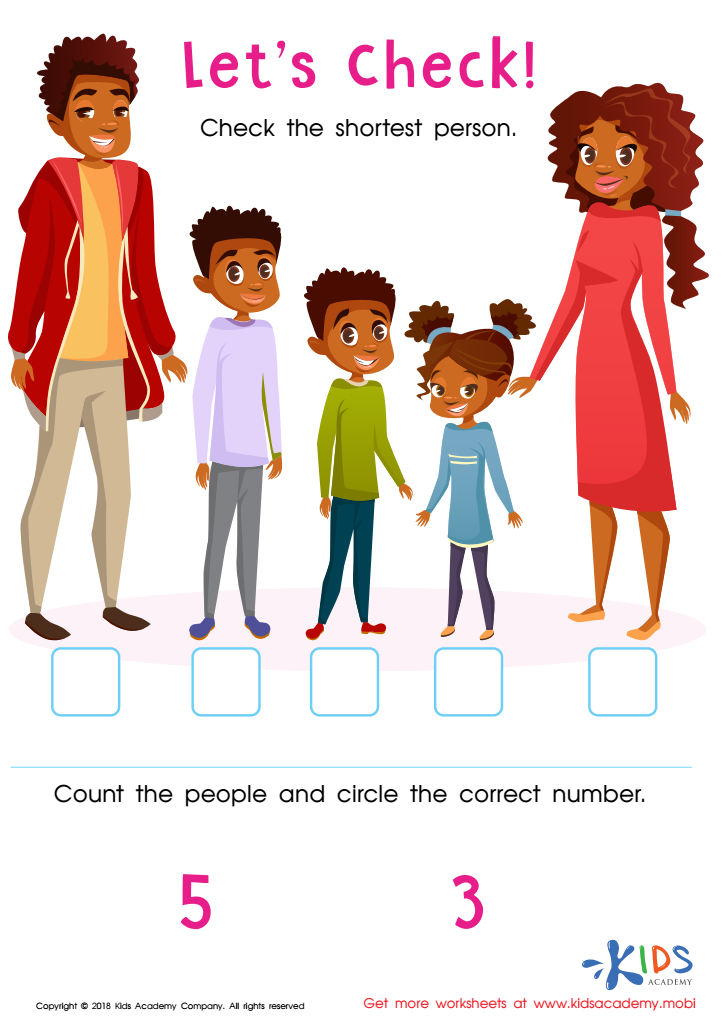
Let's Check! Assessment Worksheet
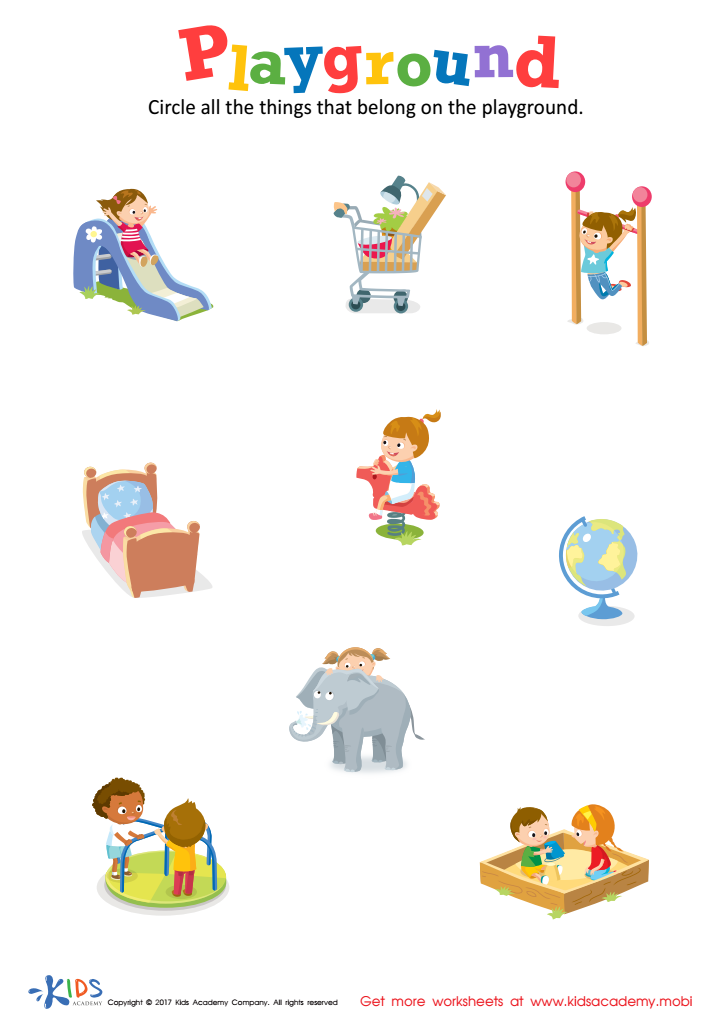
Playground Worksheet
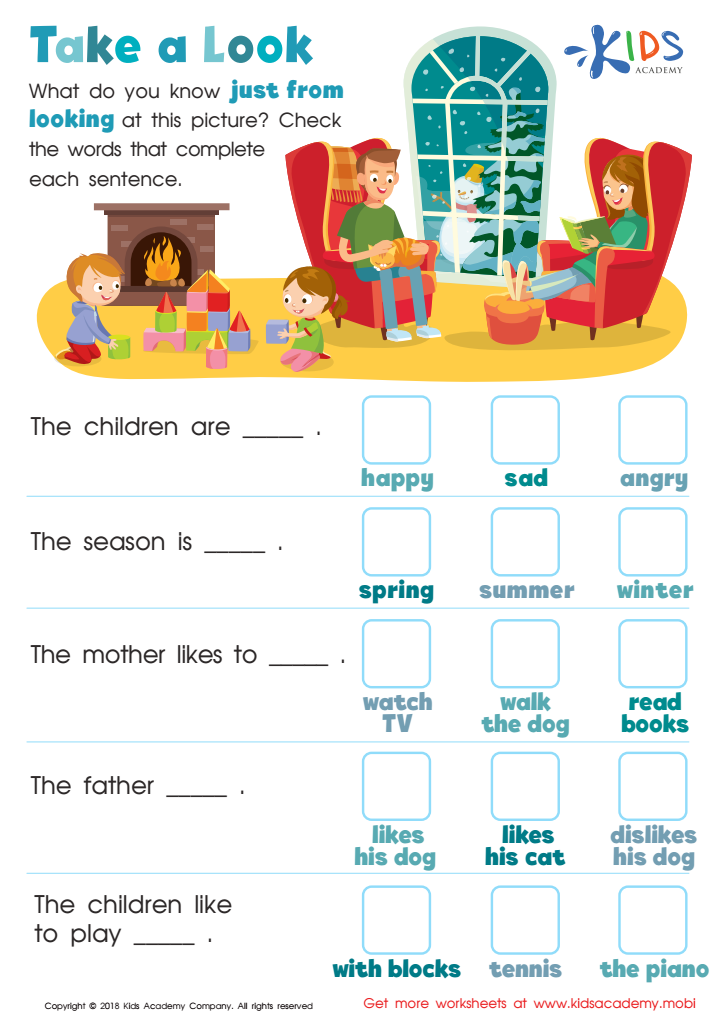
Take a Look - Part 1 Worksheet








Shape recognition is a foundational skill for young children, typically developed between the ages of 3 and 8, making it a critical focus for parents and teachers. This early development milestone is about much more than just identifying different shapes; it sets the stage for key cognitive skills and future learning experiences.
Shape recognition nurtures a child’s spatial awareness—a skill crucial for understanding relationships between objects and their positions in space. This spatial understanding is directly linked to success in various academic areas, including mathematics, science, and reading. For instance, recognizing shapes lays the groundwork for learning geometry, helps in acquiring early math skills like patterning and sorting, and even supports letter recognition, which is vital for reading.
Moreover, it enhances visual discrimination skills that allow children to notice subtle differences in objects, letters, and numbers—a fundamental aspect of early literacy. When kids differentiate between 'O' and 'Q' or '3' and '8,' they are leveraging shape recognition skills.
Beyond academics, incorporating shape recognition activities in early childhood helps stimulate creativity and problem-solving. Puzzles, building blocks, and drawing sessions make learning shapes fun and engaging, promoting both cognitive and motor development.
Ultimately, when parents and teachers prioritize shape recognition, they are laying an important foundation for a well-rounded educational journey, setting children up for academic success and lifelong learning.