Normal Geography Worksheets for Ages 3-8 - Page 2
54 filtered results
-
From - To
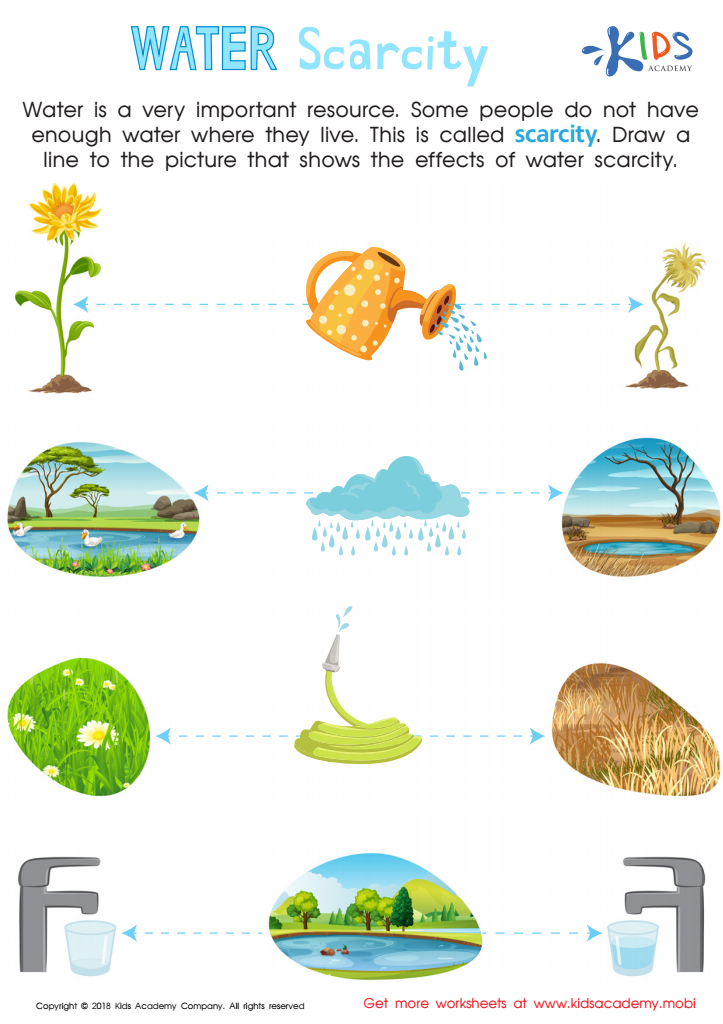
Water Scarcity Worksheet
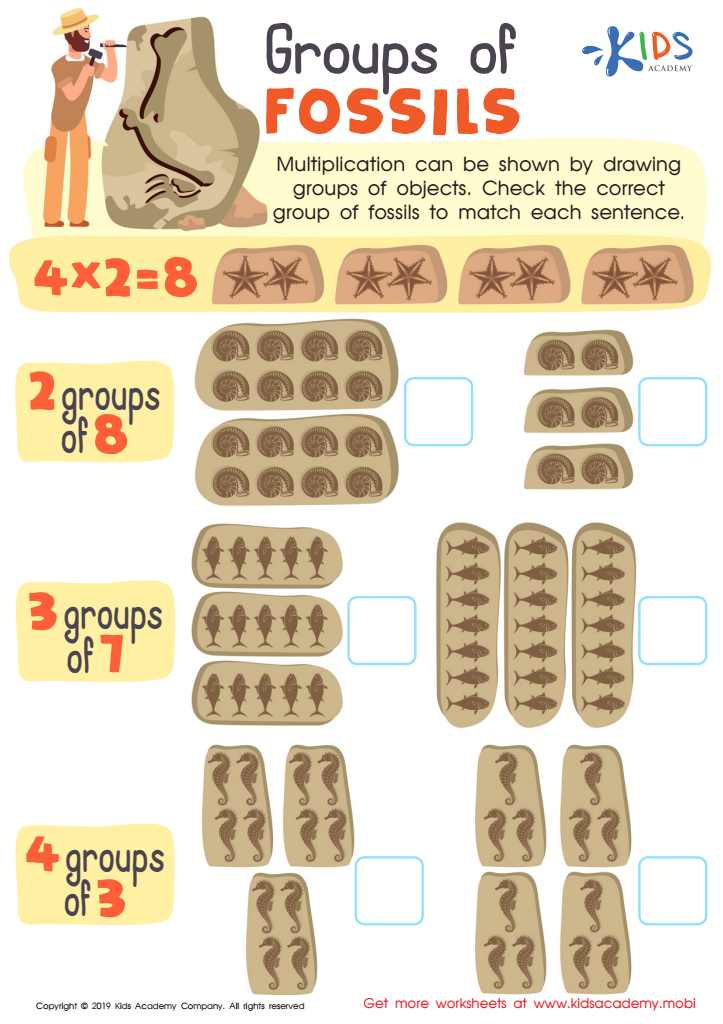
Groups of Fossils Worksheet
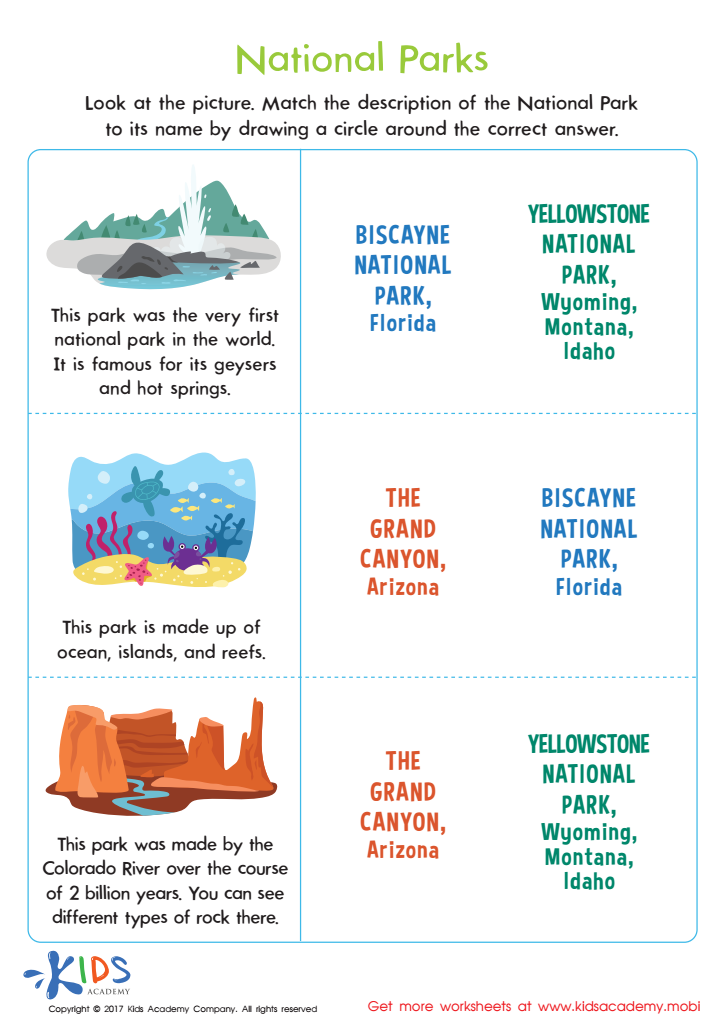
National Parks Printable
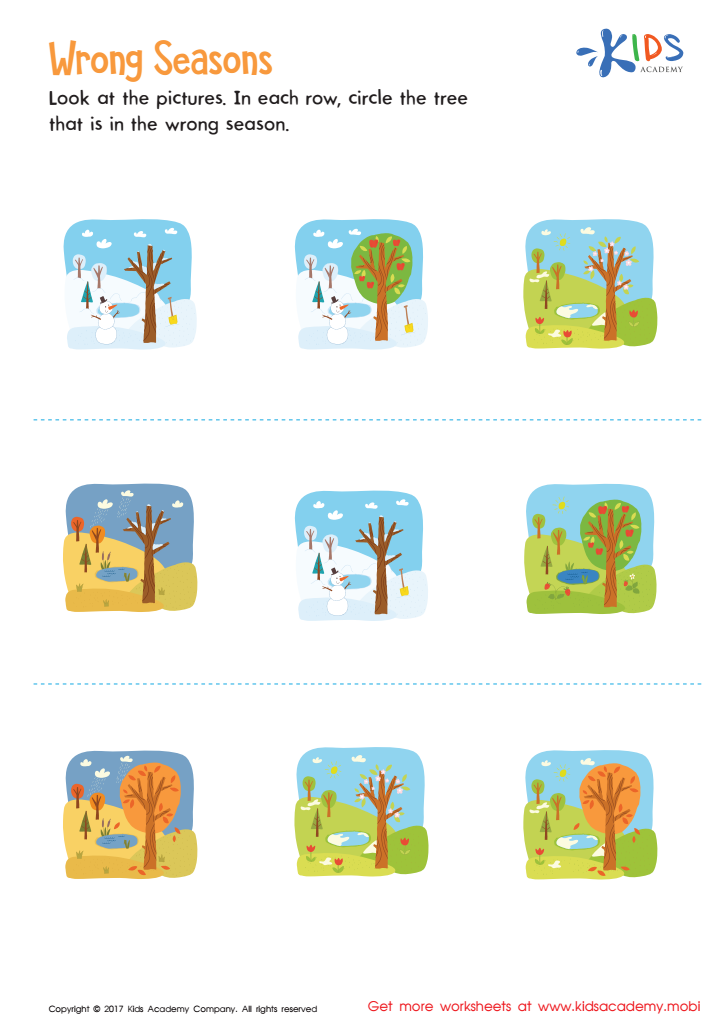
Wrong Seasons Worksheet
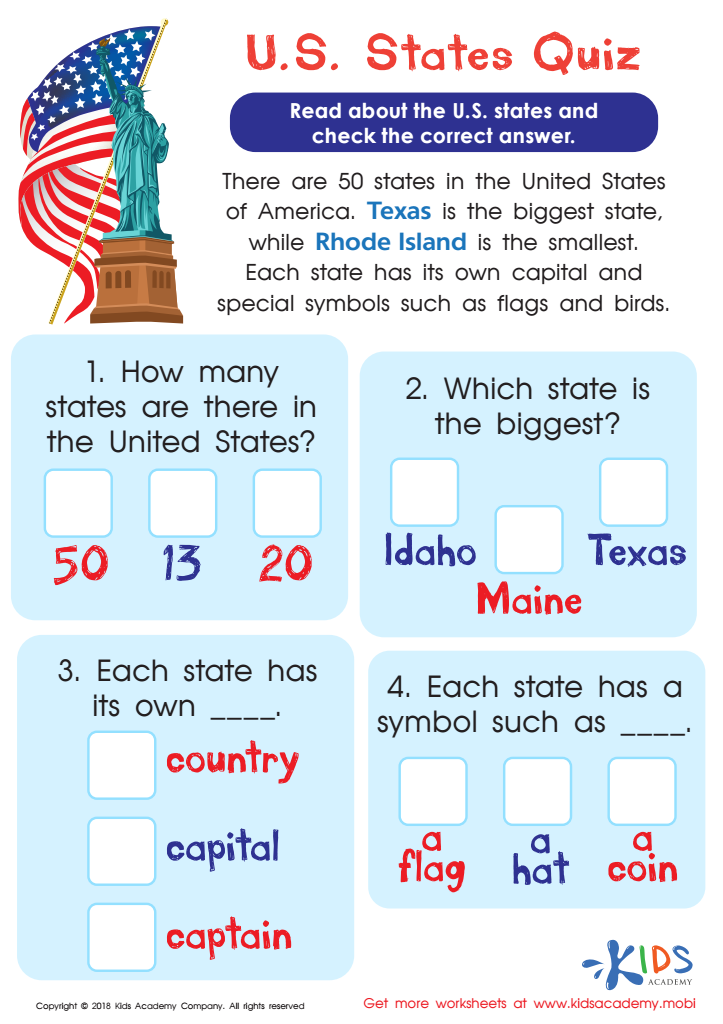
U.S. States Quiz Worksheet
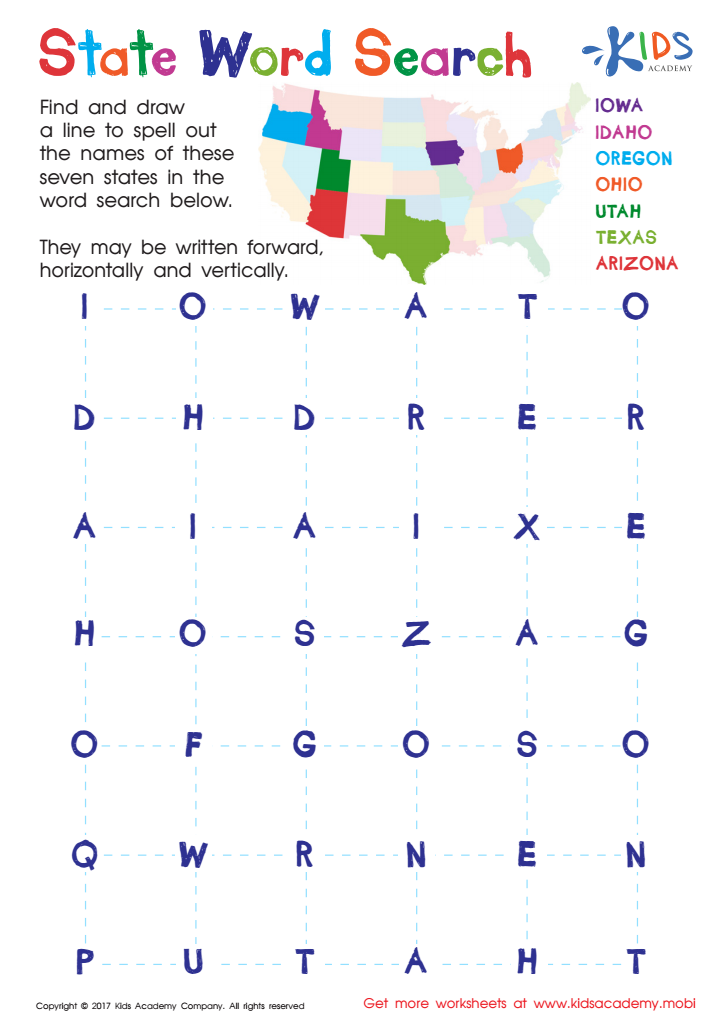
State Word Search Worksheet
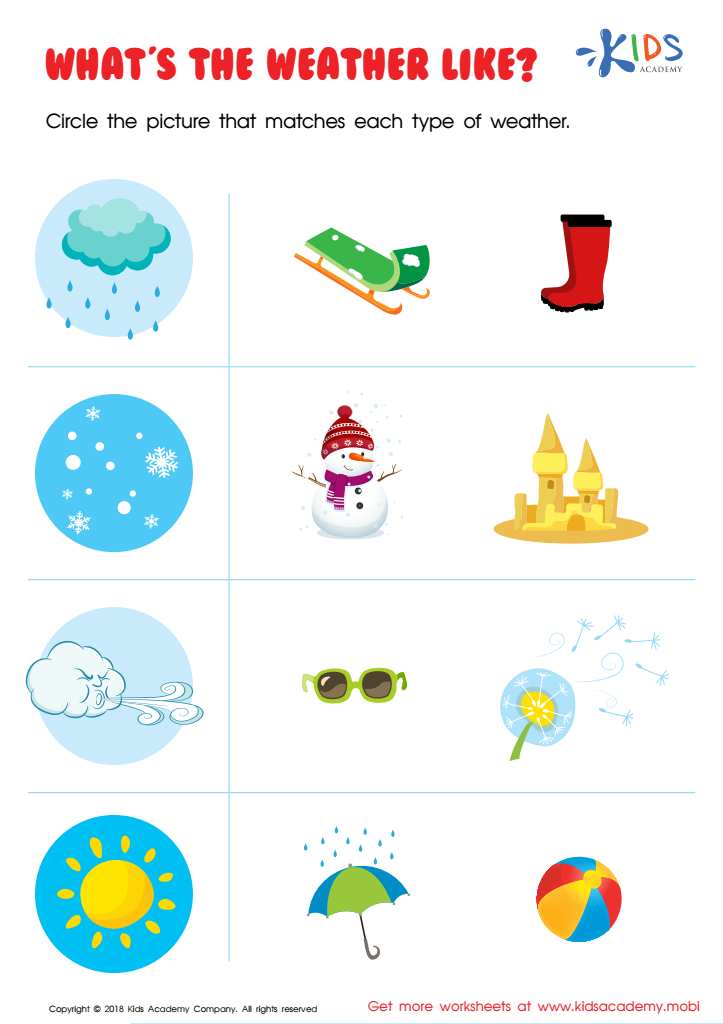
What's the Weather Like? Worksheet
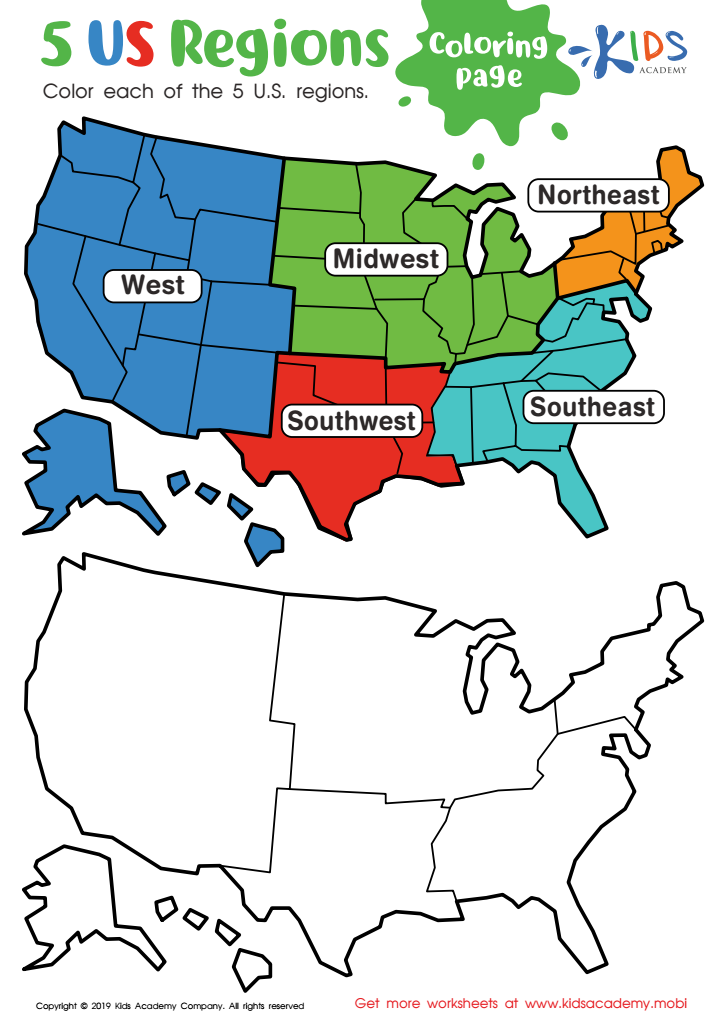
US Regions Coloring Page Worksheet
 Assign to My Students
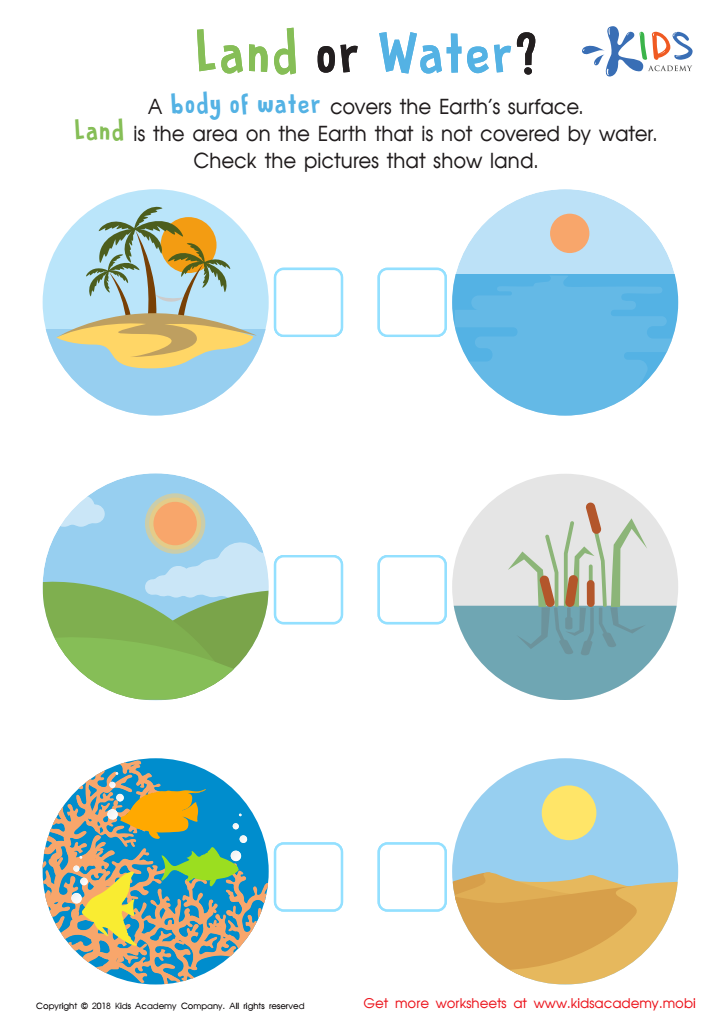
Land or Water Worksheet
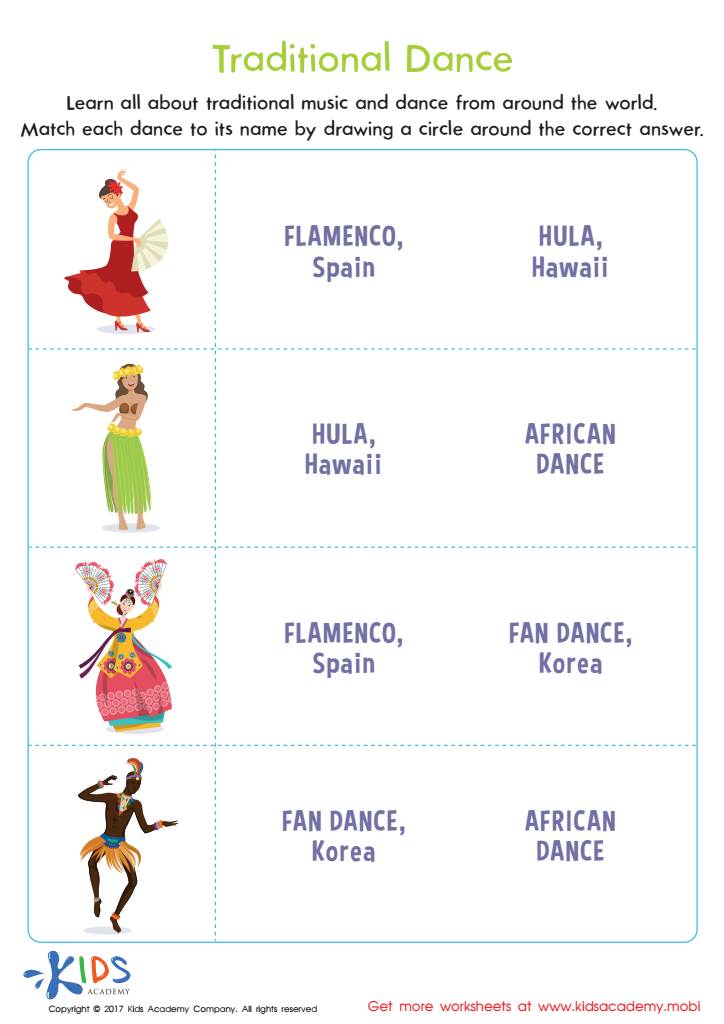
Traditional Dance Printable
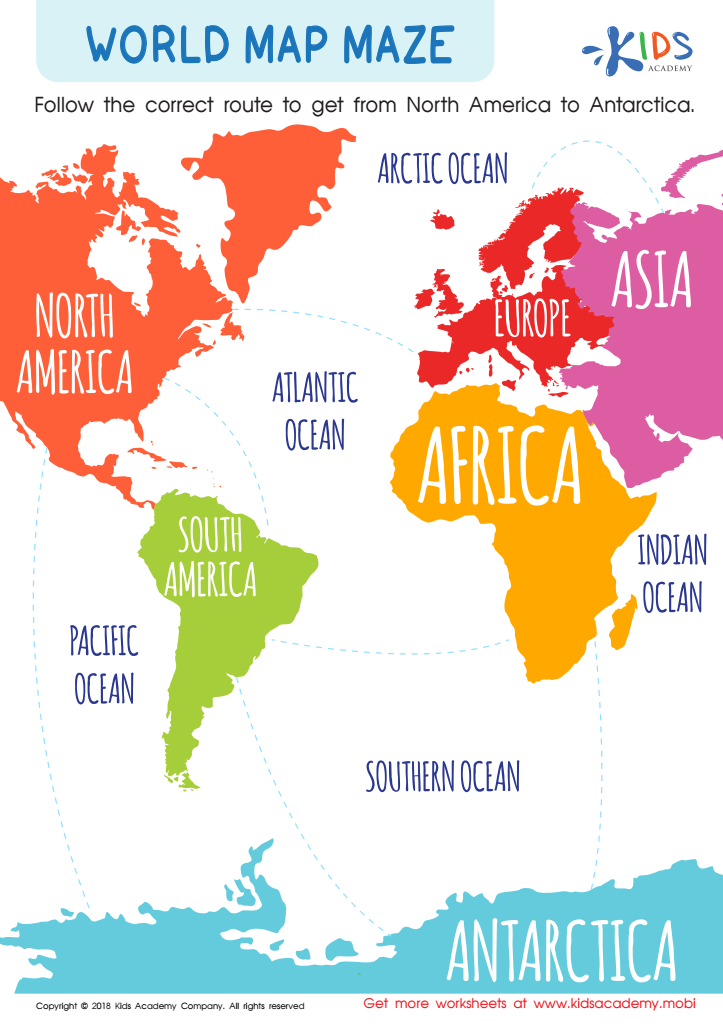
World Map Maze Worksheet
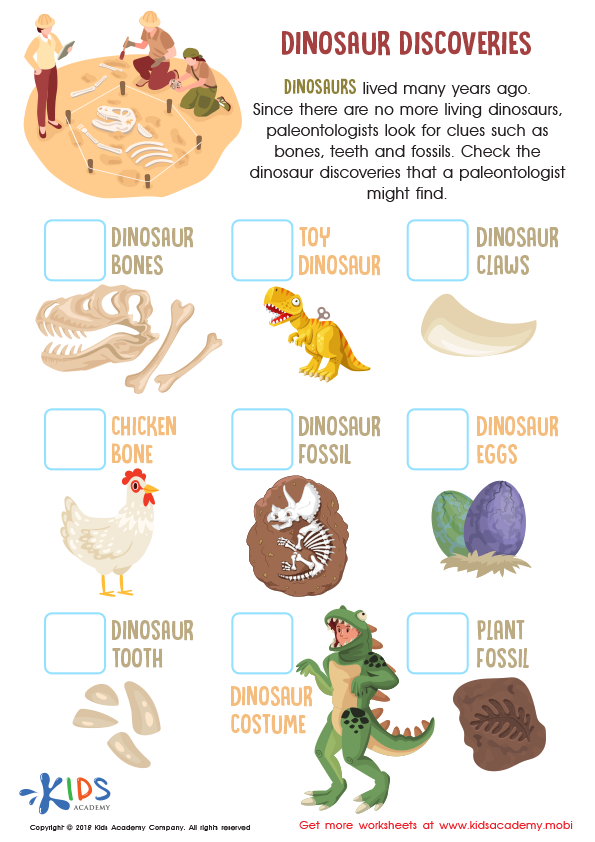
Dinosaur Discoveries Worksheet
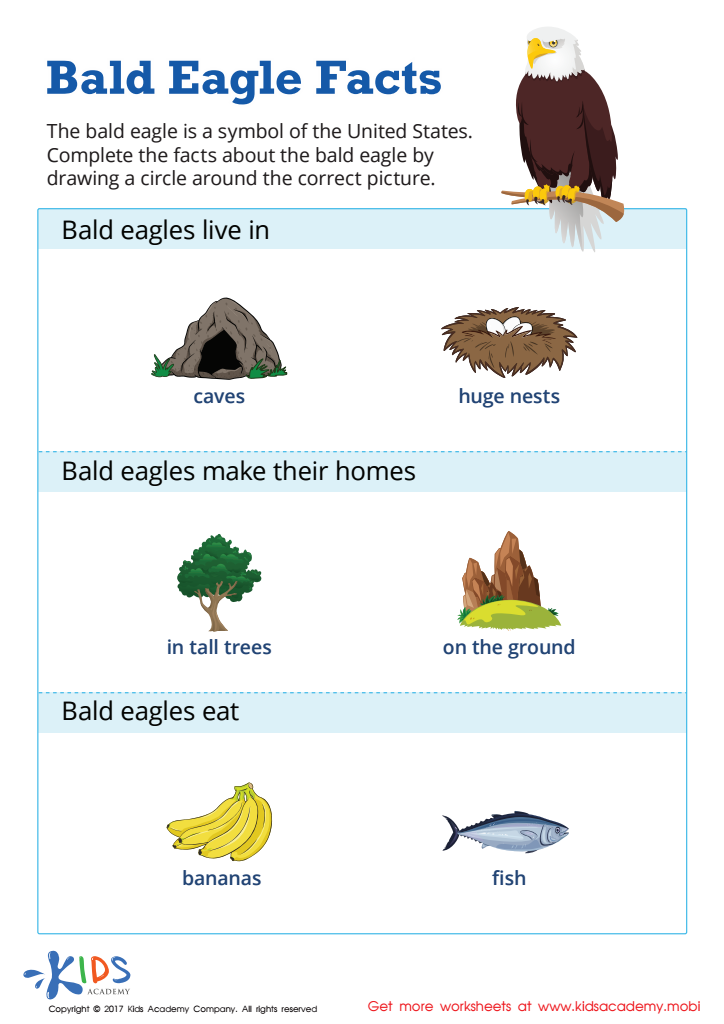
Bald Eagle Facts Worksheet
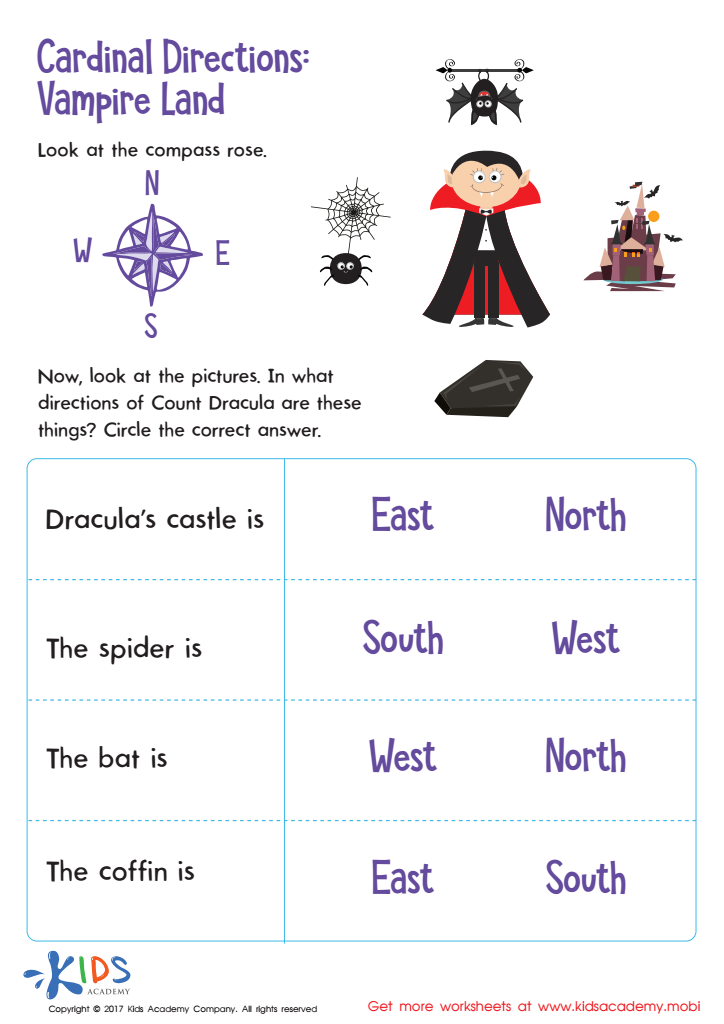
Cardinal Directions Printable
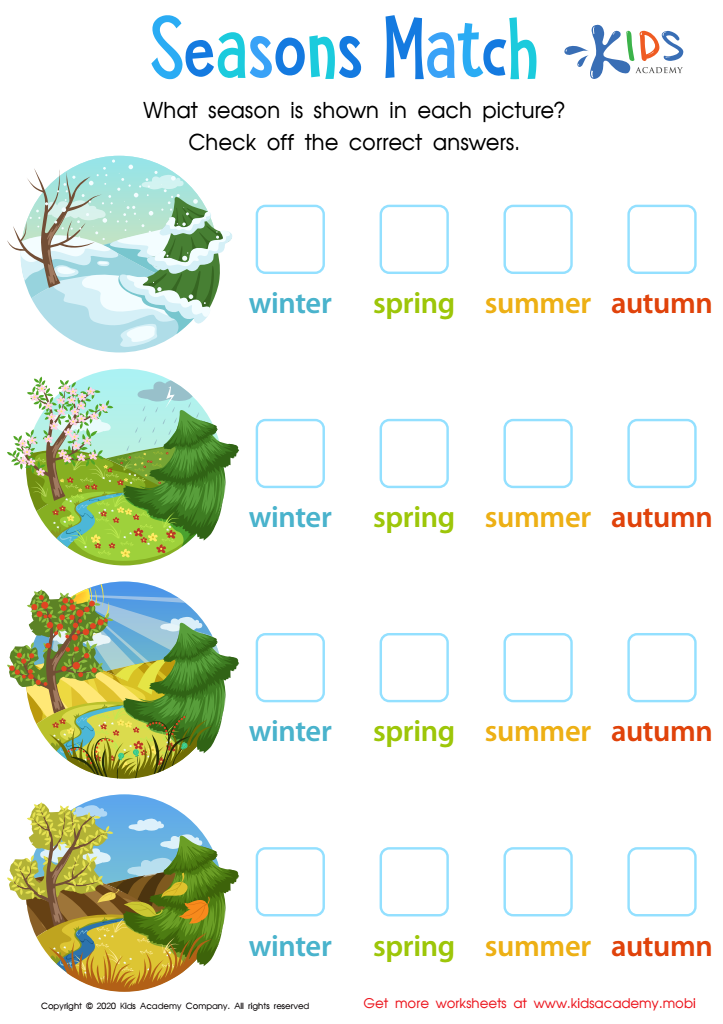
Seasons Match Worksheet
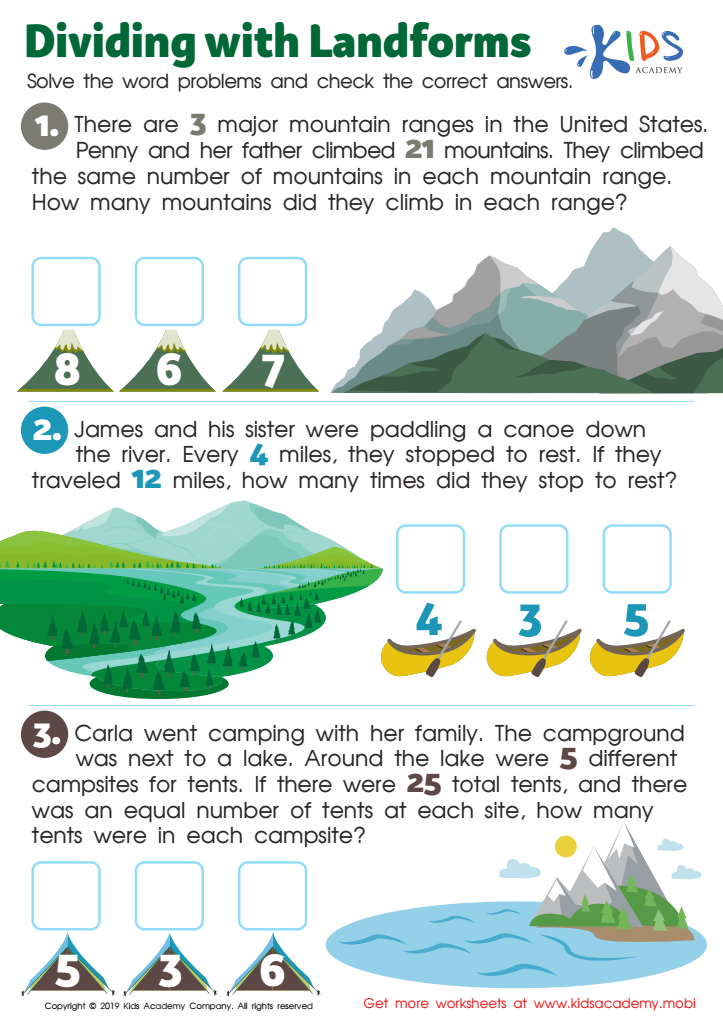
Dividing with Landforms
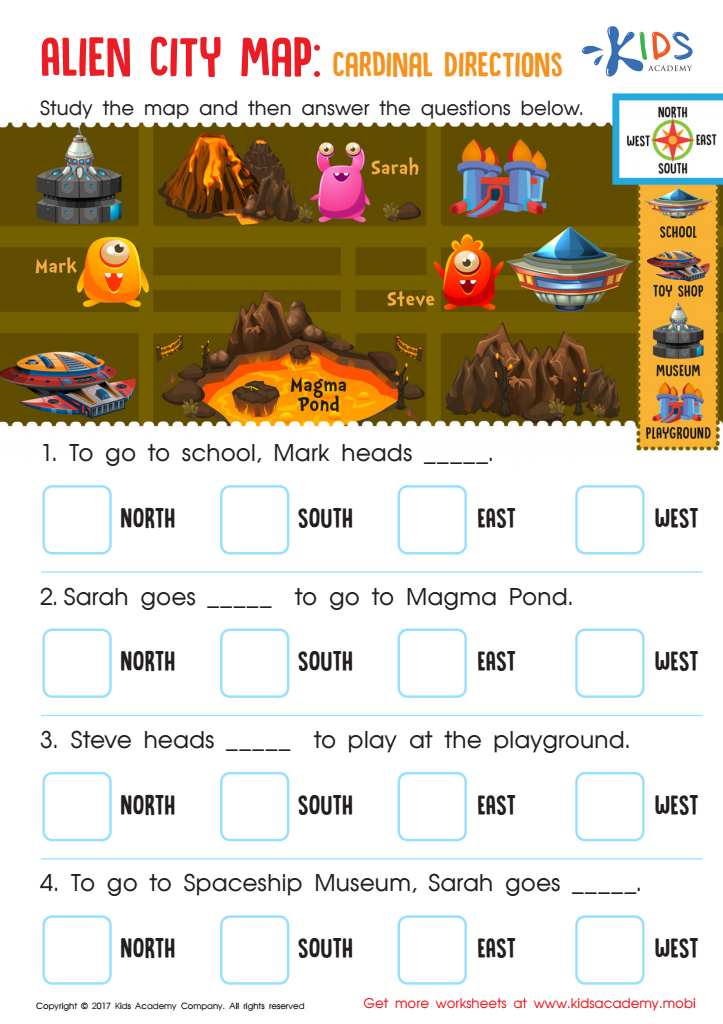
Alien City Map: Cardinal Directions Worksheet
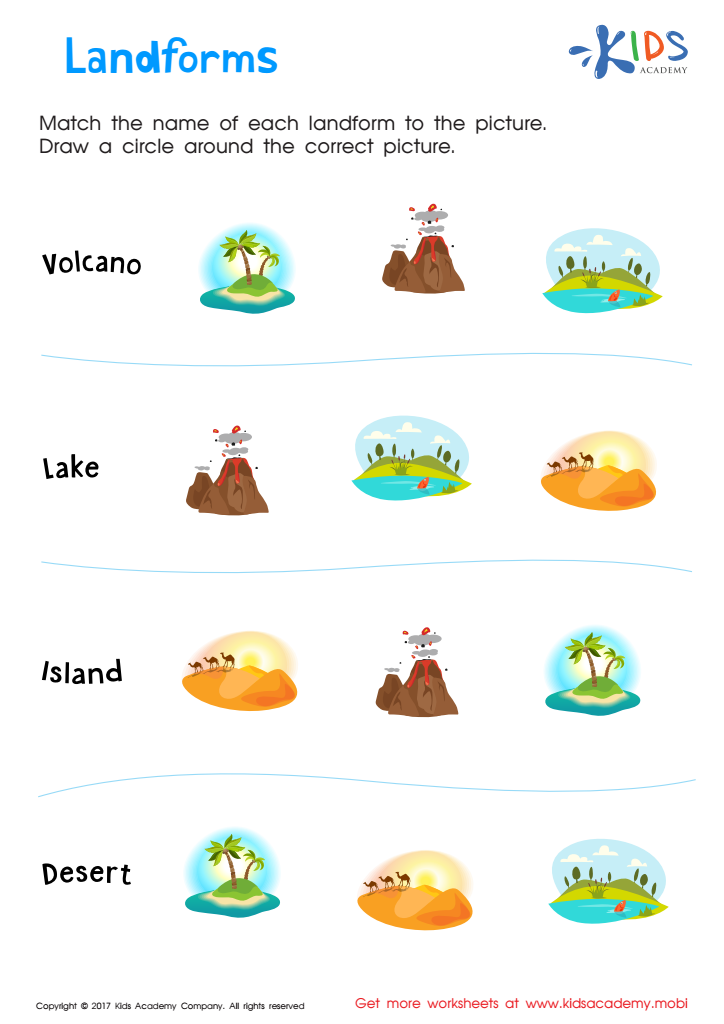
Landforms Printable
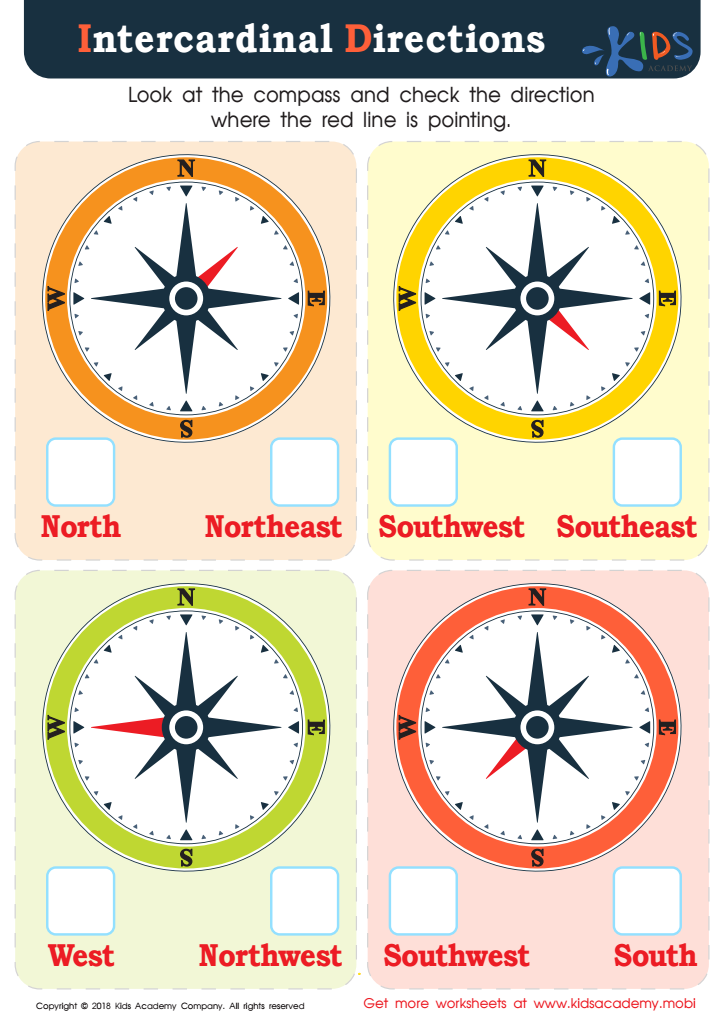
Intercardinal Directions Worksheet
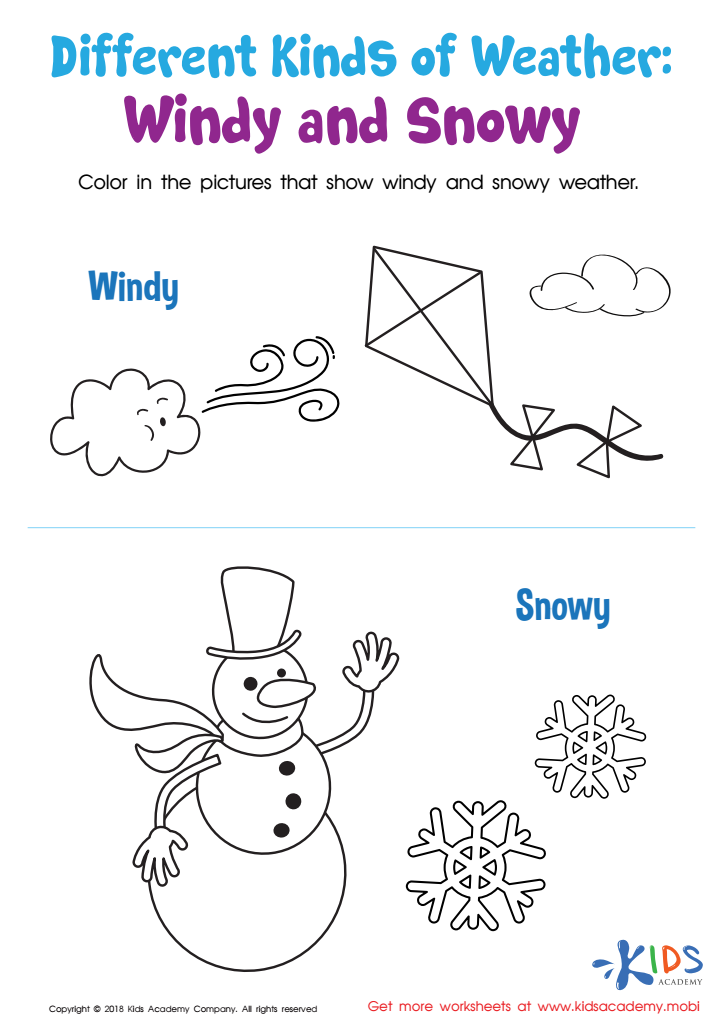
Different Kinds of Weather: Windy and Snowy Worksheet
Assign to My Students
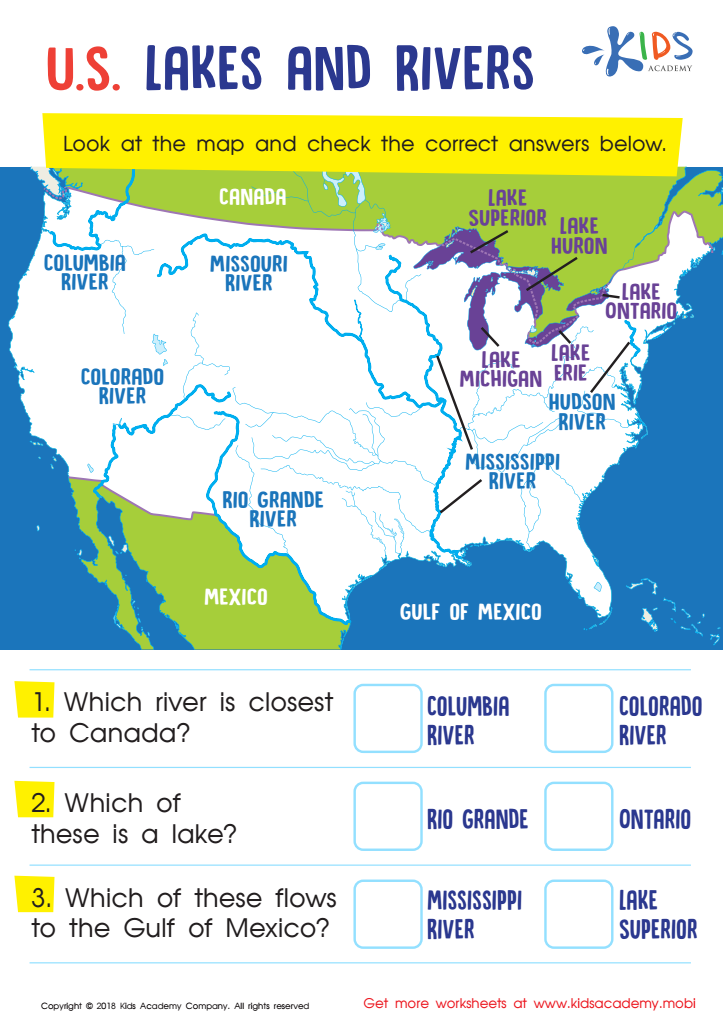
U.S. Lakes and Rivers Worksheet
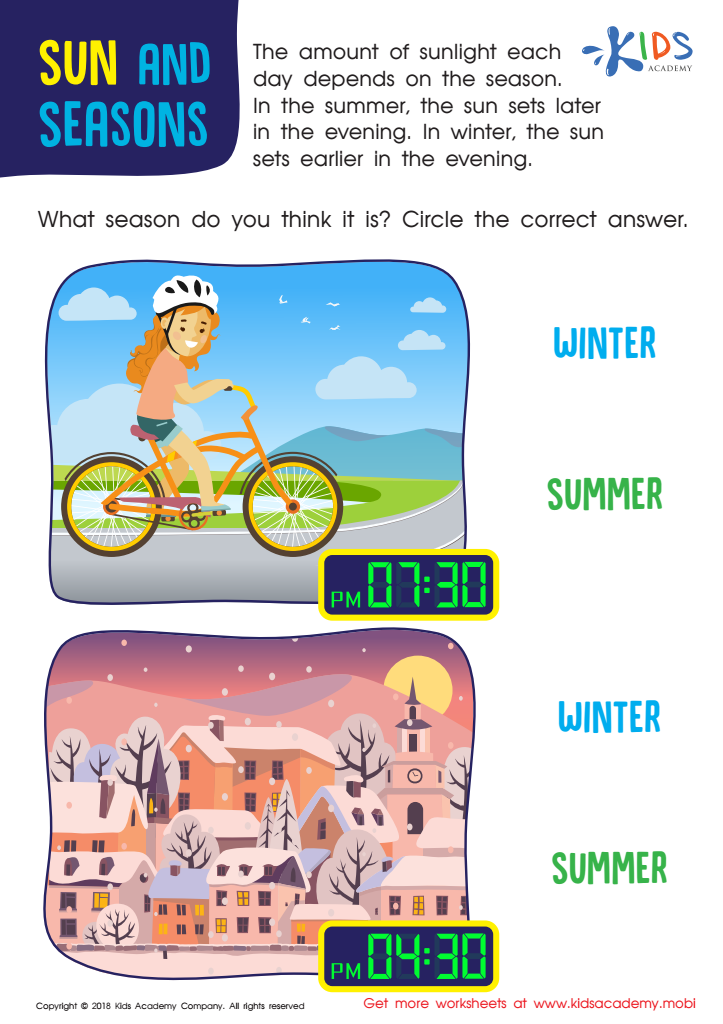
Sun and Seasons Worksheet
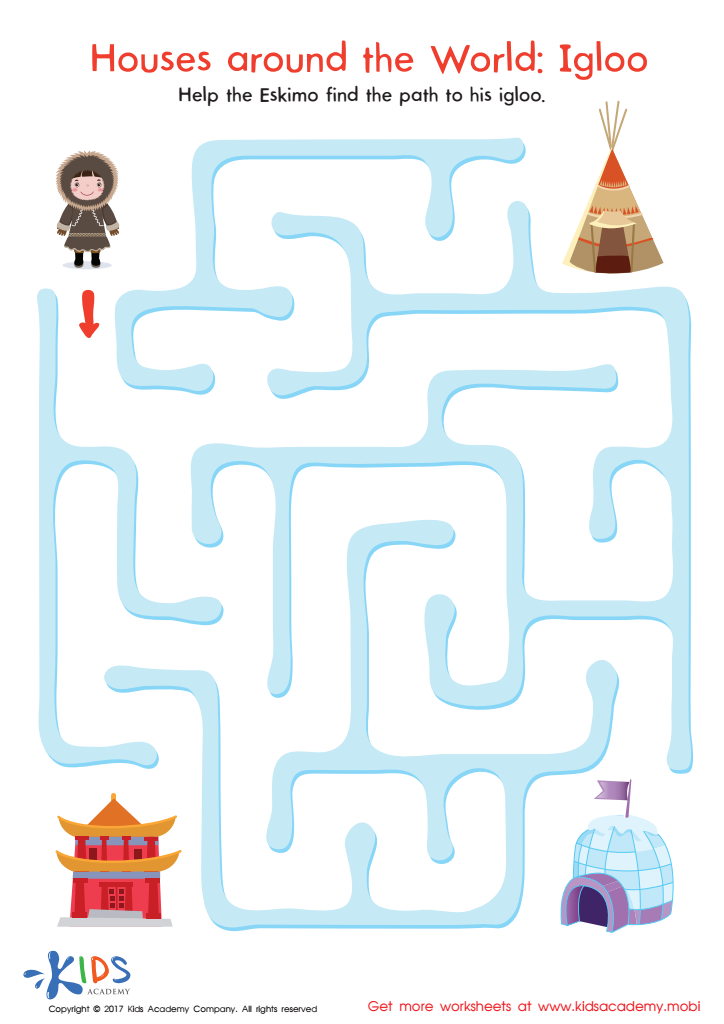
Houses Around the World: Igloo Printable
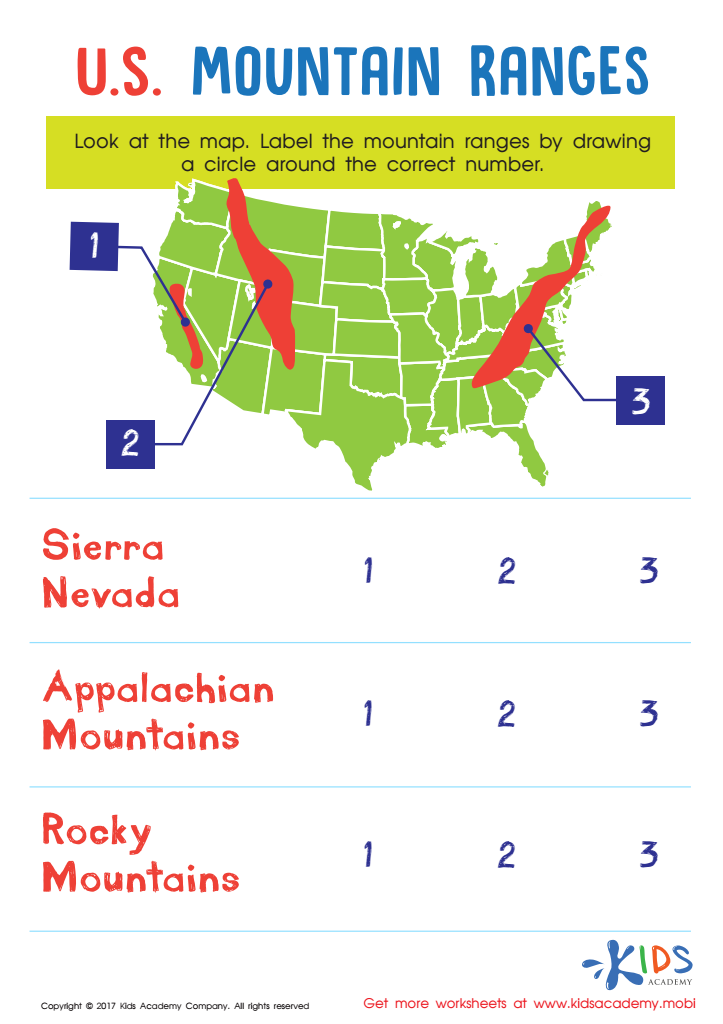
US Mountain Ranges Worksheet






Parents and teachers should care about normal geography for children aged 3-8 because it lays a crucial foundation for understanding the world. At this developmental stage, children are highly curious and absorb information rapidly. Introducing them to geography helps develop their sense of place, fostering a better understanding of their environment and the diverse cultures within it. Learning basic geography can ignite a lifelong interest in exploration and understanding global issues.
Moreover, geography is not just about maps and locations; it encompasses understanding weather patterns, natural resources, and the relationship between nature and human activities. This knowledge can help young children appreciate the Earth’s diversity and complexities, promoting environmental stewardship from an early age.
Geography lessons can also enhance other academic skills. For instance, reading maps can improve spatial awareness and comprehension, while discussing different places and cultures can enrich language skills and social understanding. Activities like creating simple maps or exploring different landforms can engage children's creativity and critical thinking.
In essence, teaching geography to young children equips them with essential knowledge and skills that contribute to their overall intellectual and social development, fostering a sense of wonder and responsibility towards the world they inhabit.