Vocabulary development Normal History Worksheets for Ages 3-8
3 filtered results
-
From - To
Enhance your child's vocabulary with our engaging Vocabulary Development Normal History Worksheets, designed specifically for kids ages 3-8. These interactive worksheets make learning fun while introducing young learners to essential historical concepts and terminology. Each activity encourages curiosity and comprehension, featuring vivid illustrations and age-appropriate vocabulary that help reinforce learning. Ideal for both classroom and home environments, our worksheets promote critical thinking and language skills while sparking an interest in history. Watch your child's confidence grow as they explore the past and expand their vocabulary with these carefully crafted resources tailored for early learners. Start their educational journey today!
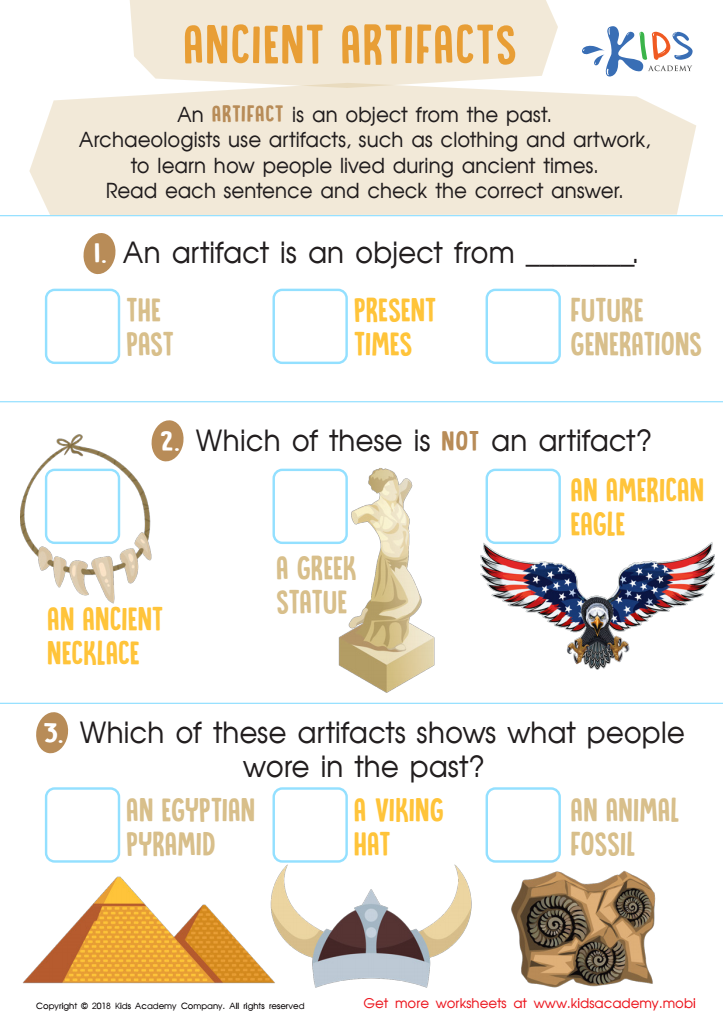
Ancient Artifacts Worksheet
 Assign to My Students
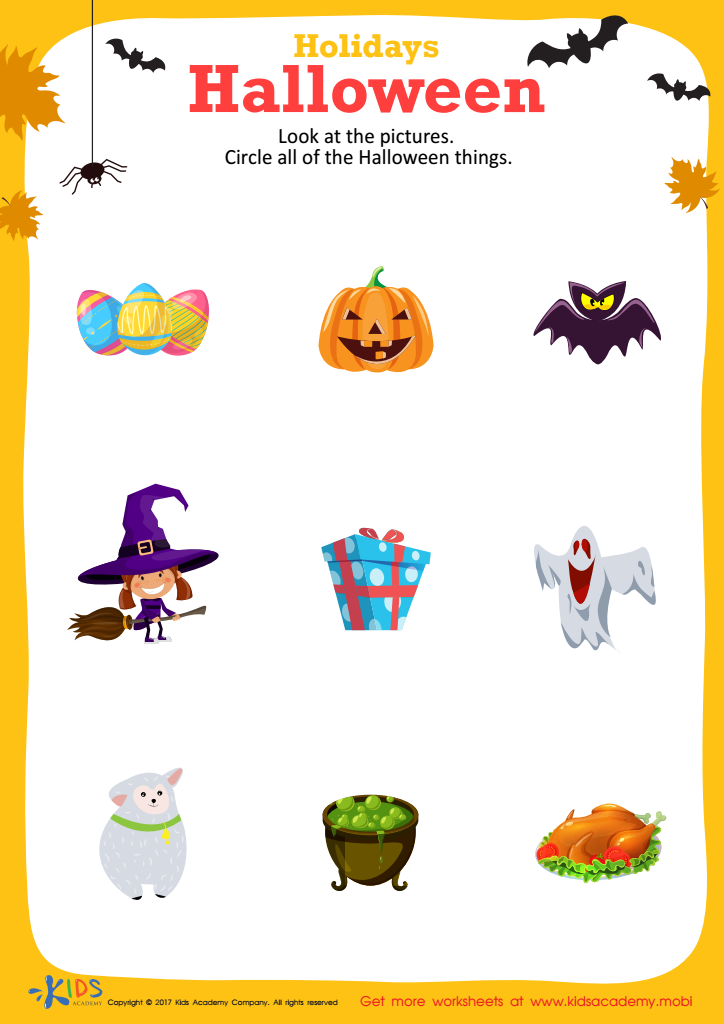
Halloween Holiday Worksheet
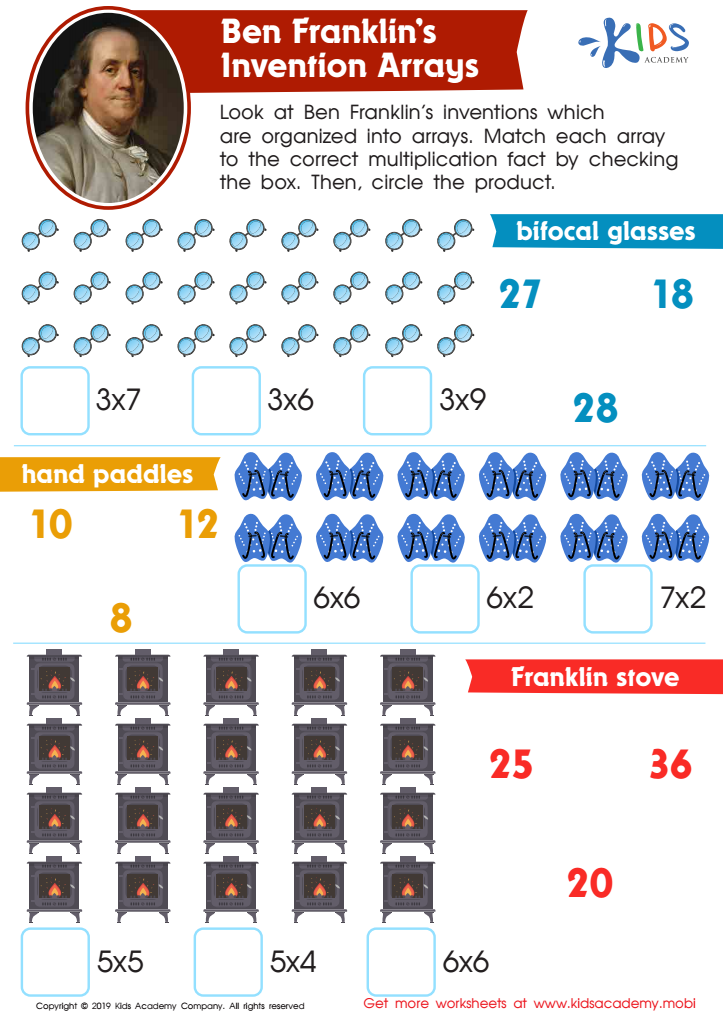
Ben Franklin’s Invention Arrays Worksheet








Vocabulary development is crucial for children aged 3-8 as it lays the foundation for their communication skills, cognitive development, and academic success. During these formative years, children are naturally inclined to explore language, and the vocabulary they acquire directly influences their ability to express thoughts and emotions, engage in conversations, and understand the world around them.
Parents and teachers play a significant role in facilitating this vital aspect of learning. A rich vocabulary allows children to comprehend stories better, express themselves clearly, and develop critical thinking skills. Vocabulary knowledge also enhances reading comprehension, a skill essential for academic achievement. When children are encouraged to explore words through reading, storytelling, and interactive discussions, they build connections between concepts, making learning more meaningful.
Moreover, strong vocabulary skills can significantly impact socio-emotional development. Children with robust language skills are better equipped to form relationships, participate in group activities, and handle social situations with confidence. In short, prioritizing vocabulary development in early childhood can lead to a lifelong love of learning, improved social interactions, and greater opportunities for success in school and beyond. Therefore, active engagement in vocabulary growth is essential for parents and teachers alike, ensuring a bright future for their children.