Shape Recognition Normal Social Studies Worksheets for Ages 3-8
4 filtered results
-
From - To
Discover our engaging Shape Recognition Worksheets designed for young learners aged 3-8. These printable resources help children develop essential shape recognition skills while exploring social studies concepts. Each worksheet features vibrant illustrations and age-appropriate activities that encourage critical thinking and enhance cognitive development. Perfect for classroom use or home learning, our shape recognition worksheets foster curiosity and promote early literacy through interactive exercises. Empower your child with the foundational skills they need to succeed in a fun and stimulating way. Download our worksheets today and watch your child's confidence grow as they navigate the shapes of the world around them!
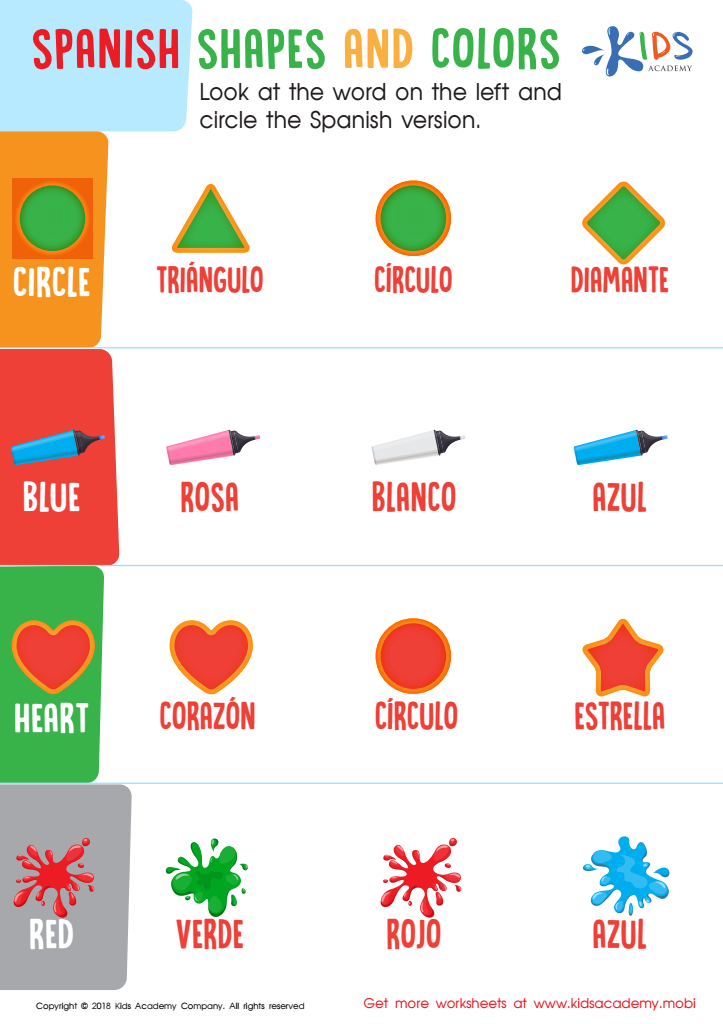
Spanish Shapes and Colors Worksheet
 Assign to My Students
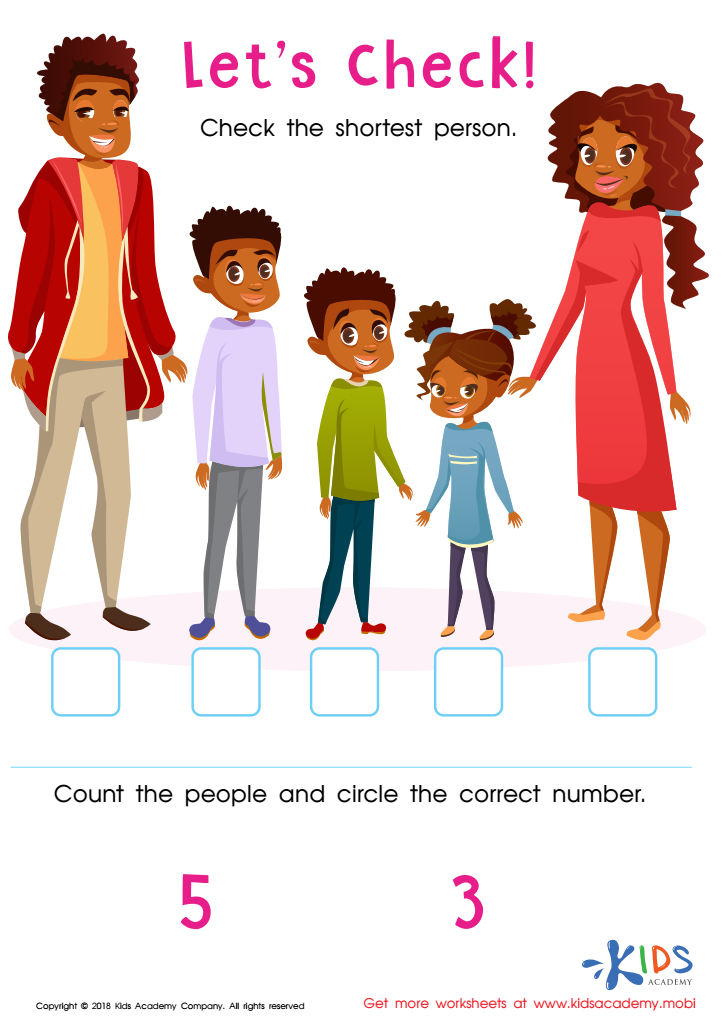
Let's Check! Assessment Worksheet

Playground Worksheet
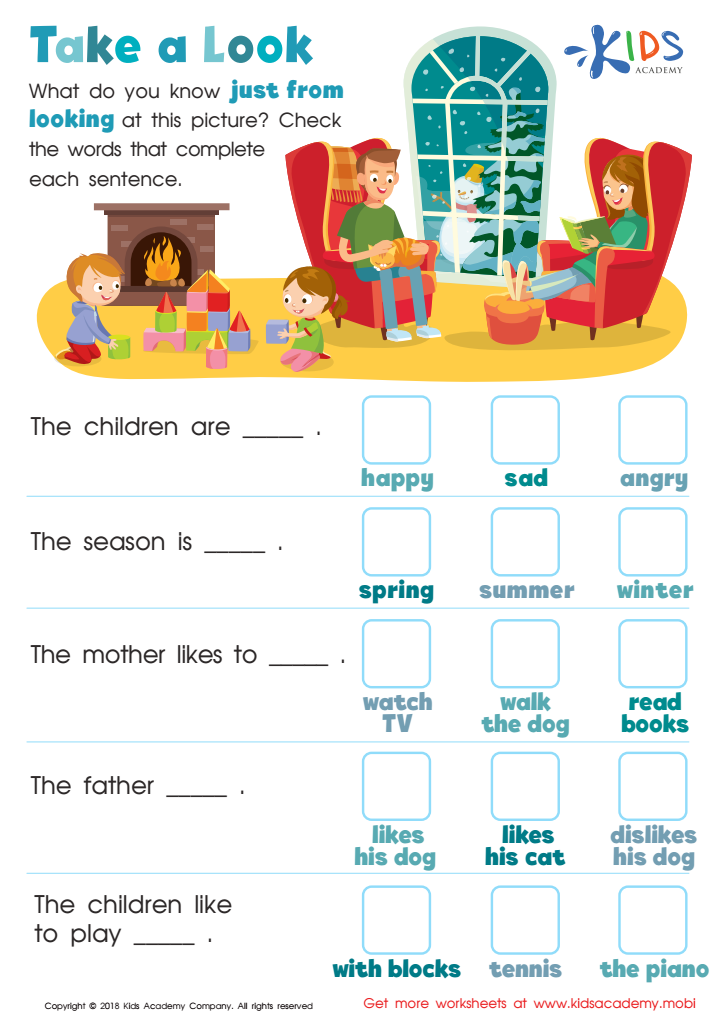
Take a Look - Part 1 Worksheet








Shape recognition is a fundamental skill for young children ages 3-8 and plays a crucial role in their cognitive development and social studies learning. By recognizing shapes, children enhance their spatial awareness and critical thinking abilities, which are vital for problem-solving in daily life. Understanding shapes helps them identify and describe their environment, a key aspect of social studies that fosters a deeper awareness of their world.
Moreover, shape recognition aids in the development of foundational math skills. Children learn to categorize, sort, and compare shapes, laying the groundwork for more complex concepts they will encounter in later grades. Teachers and parents should also care about this skill as it offers opportunities for playful and engaging learning experiences. Activities can include crafting, building with blocks, or outdoor scavenger hunts for shapes, providing hands-on learning that captures children’s curiosity.
From a social perspective, shape recognition can also encourage teamwork and collaboration during group activities, promoting social skills as children share and communicate. By emphasizing shape recognition in early education, we support holistic development, empowering children to connect, communicate, and engage thoughtfully with the world around them. This foundation ultimately sets them up for success in both academics and social interactions as they grow.