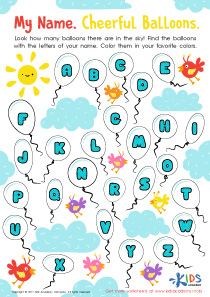
Fine Motor Skills Normal ABC Order Worksheets for Ages 3-9
11 filtered results
-
From - To
Enhance your child's handwriting and letter recognition with our "Fine Motor Skills Normal ABC Order Worksheets for Ages 3-9." These expertly designed worksheets focus on the sequential arrangement of alphabet letters, allowing children to practice fine motor skills while learning essential literacy concepts. Kids Academy provides age-appropriate activities that are both engaging and educational, fostering the development of young learners in fun and interactive ways. Ideal for home or classroom use, our printable worksheets offer a structured approach to mastering ABC order, supporting cognitive development and handwriting practice for kids of all skill levels.
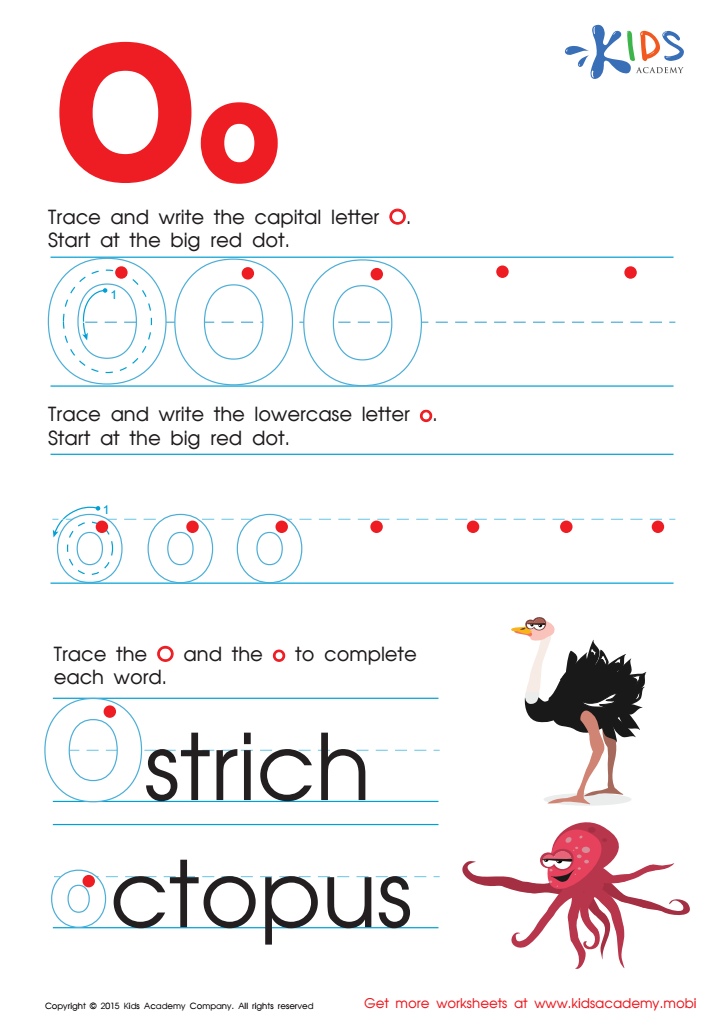
Letter O Tracing Page
 Assign to My Students




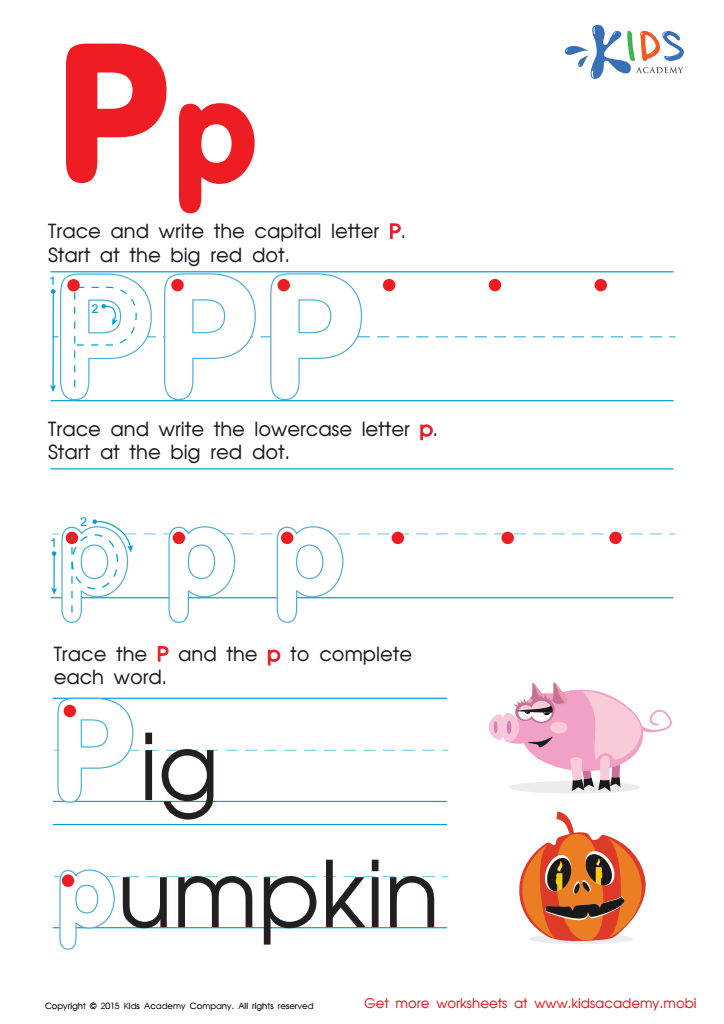
Letter P Tracing Page
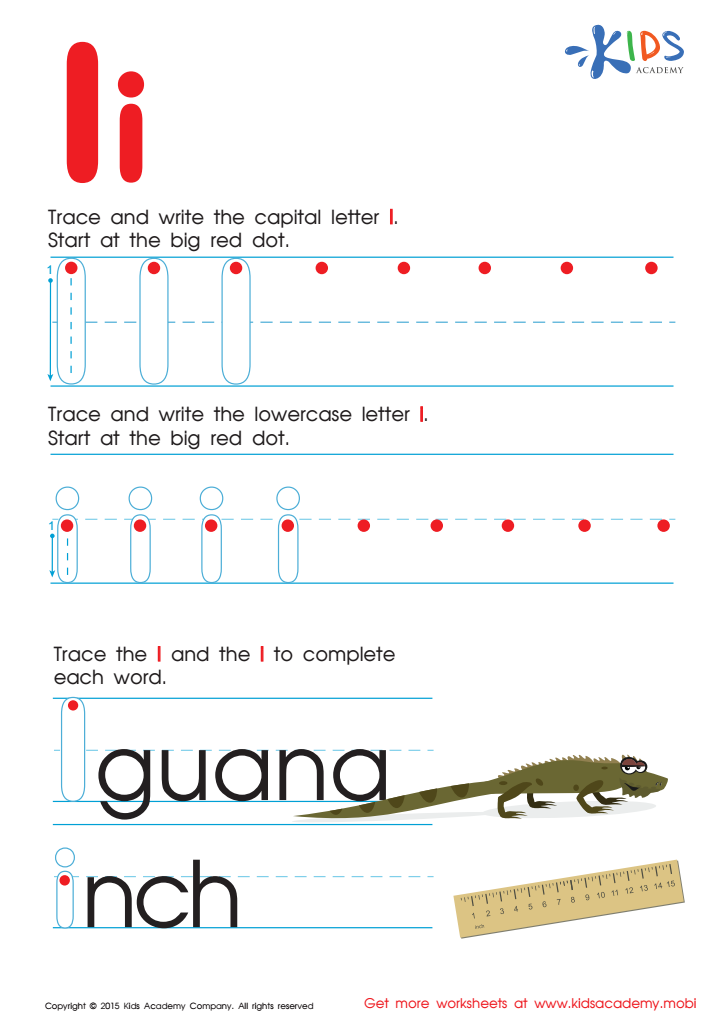
Letter I Tracing Page
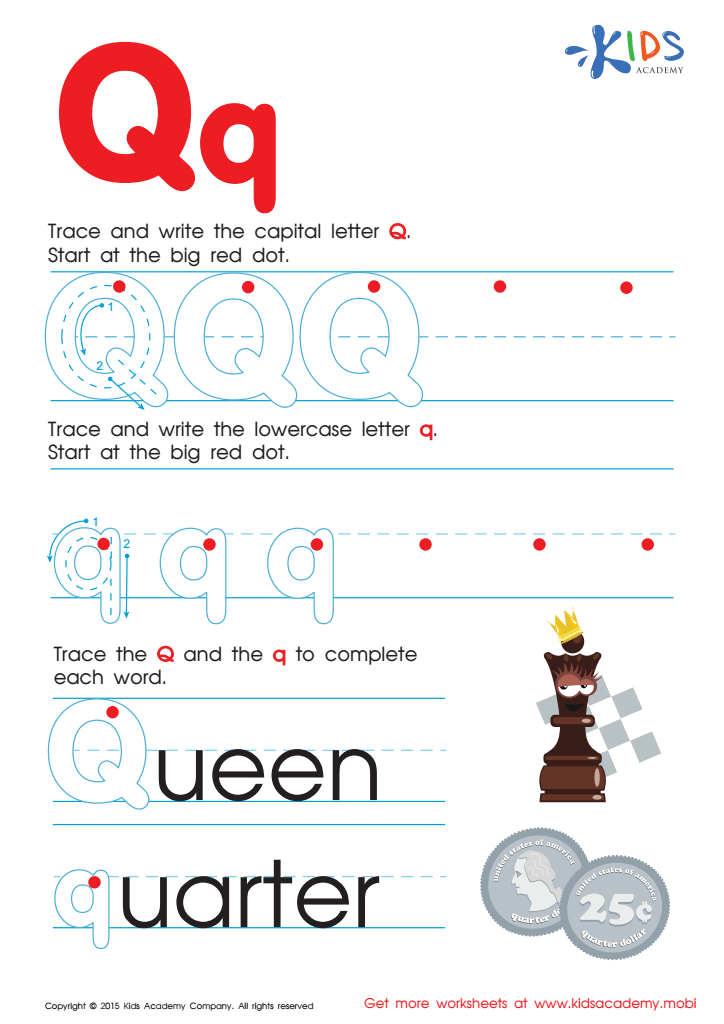
Letter Q Tracing Page

Letter C Tracing Page
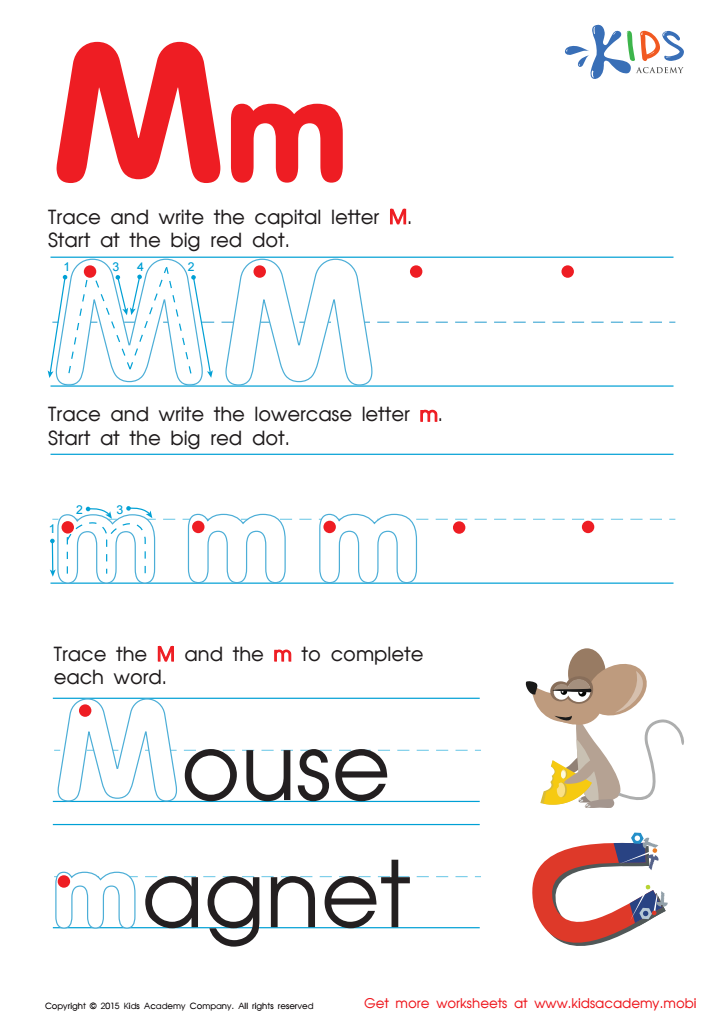
Letter M Tracing Page

Letter G Tracing Page
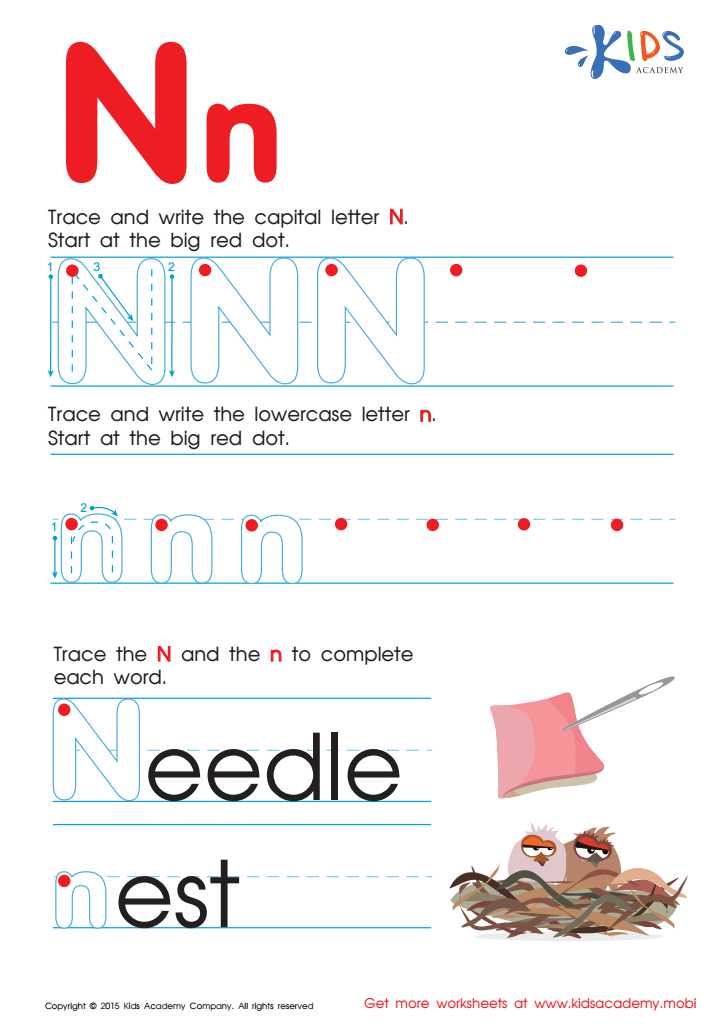
Letter N Tracing Page
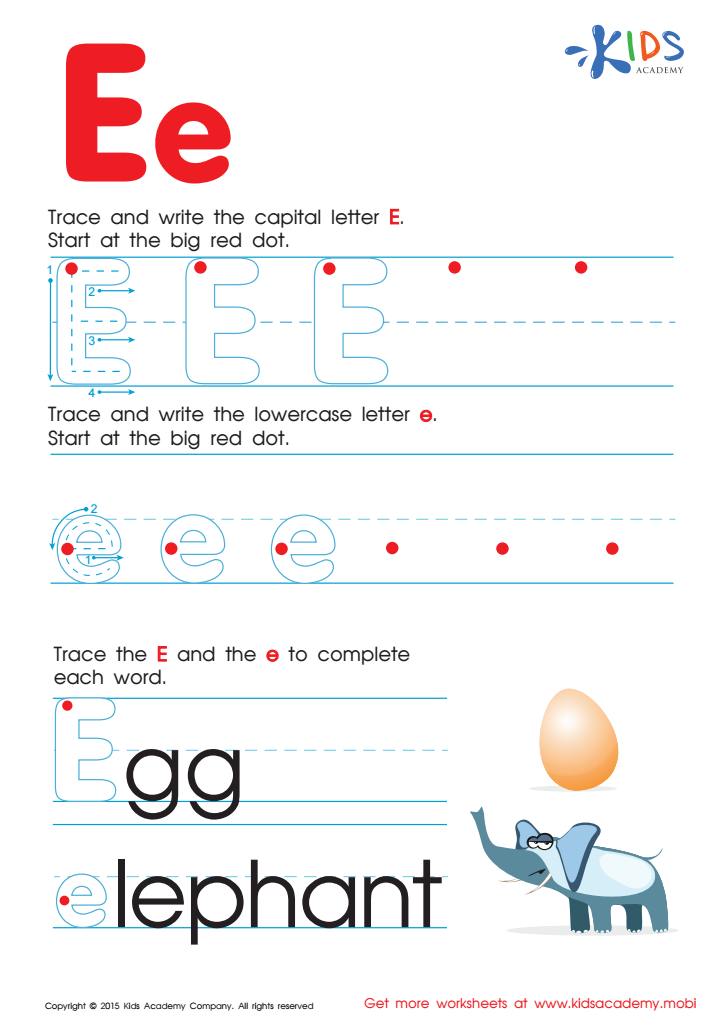
Letter E Tracing Page
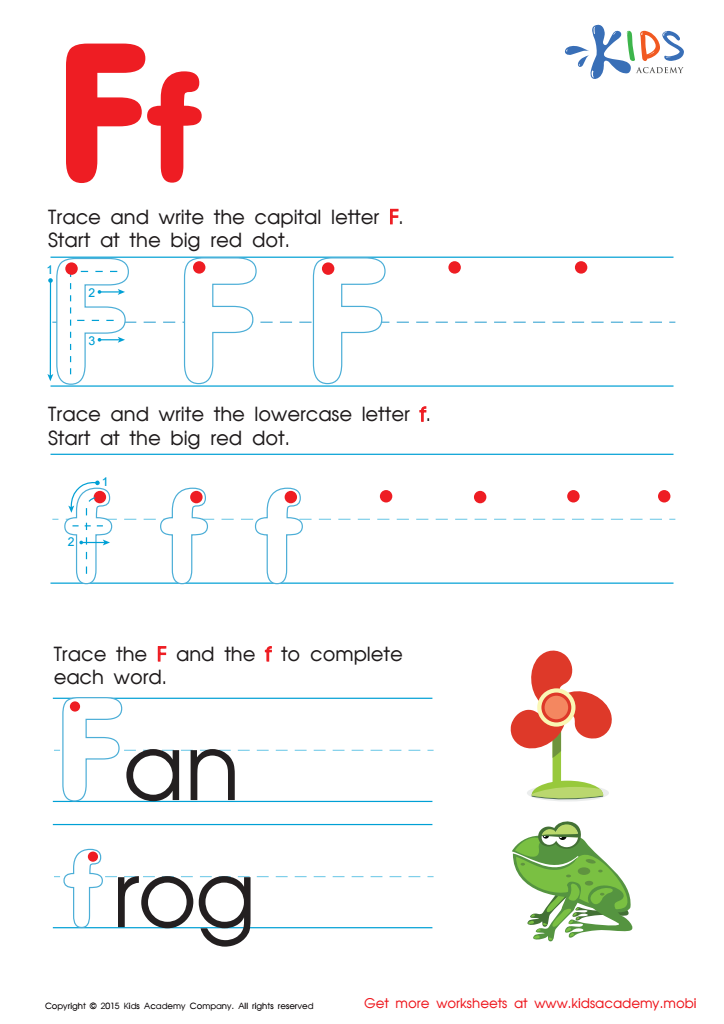
Letter F Tracing Page
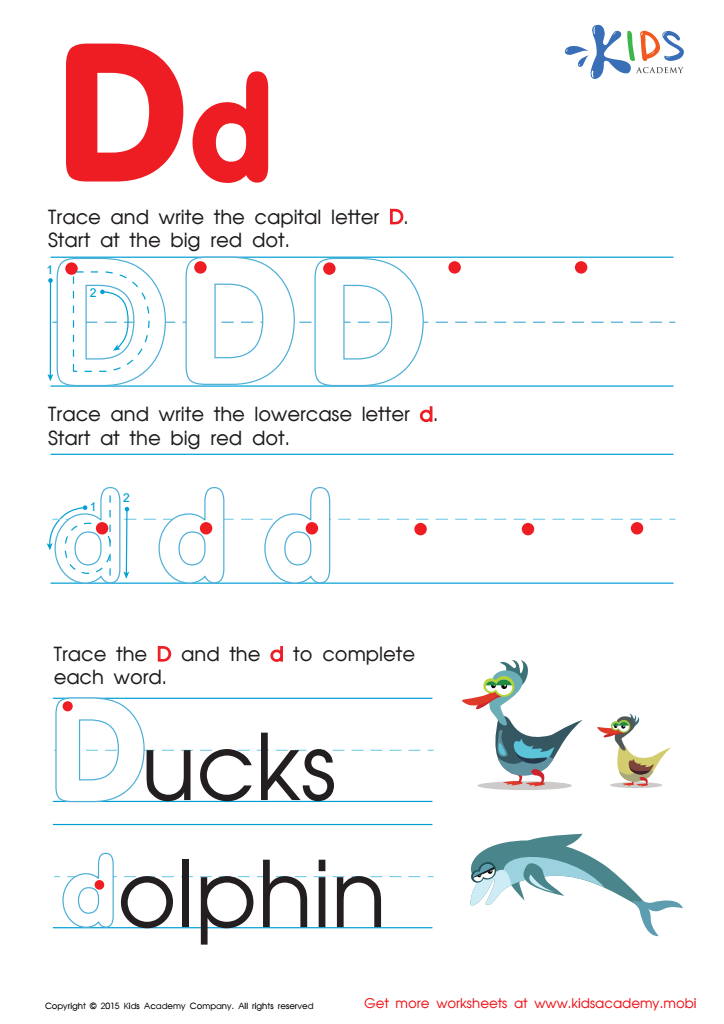
Letter D Tracing Page







Parents and teachers play an essential role in fostering children's fine motor skills and understanding the alphabet in normal ABC order. Fine motor skills, which involve the coordination of small muscles in the hands and fingers, are crucial for daily tasks like writing, buttoning clothes, and manipulating small objects. When children develop strong fine motor skills between ages 3-9, they build a solid foundation for academic success and everyday independence.
Encouraging children to learn the alphabet in its normal order has significant educational benefits. Recognizing and sequencing letters correctly help build essential literacy skills, contributing to future reading and writing proficiency. These skills are foundational for accessing a broader curriculum and for engaging in social and communication opportunities.
Combining fine motor skill activities, such as using tweezers to pick up small objects, with alphabetic learning tasks, like tracing letters, provides a dual benefit. It both strengthens fine motor development and reinforces letter recognition. Simple, playful activities like sorting alphabet blocks, practicing writing the alphabet, or engaging in art projects contribute significantly to a child's holistic growth.
Investing time in these areas ensures children are prepared for the more complex academic and personal tasks they will encounter as they grow. It promotes self-confidence and a sense of achievement, vital ingredients for lifelong learning and success.