Alphabet Recognition Normal Alphabet Worksheets for Ages 3-9 - Page 2
42 filtered results
-
From - To
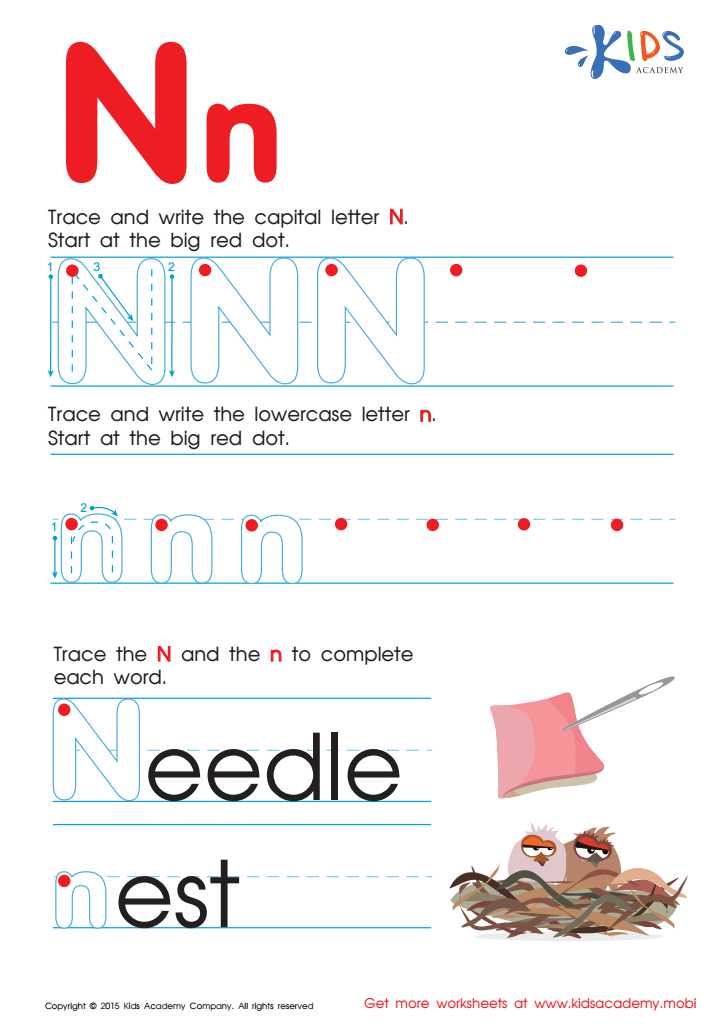
Letter N Tracing Page
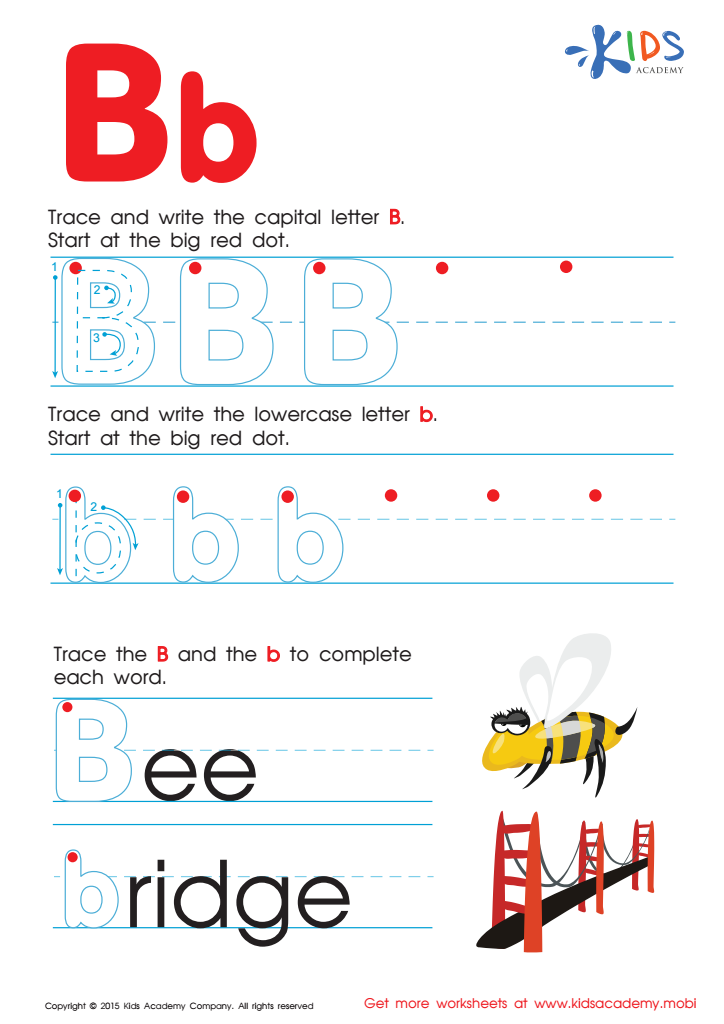
Letter B Tracing Page
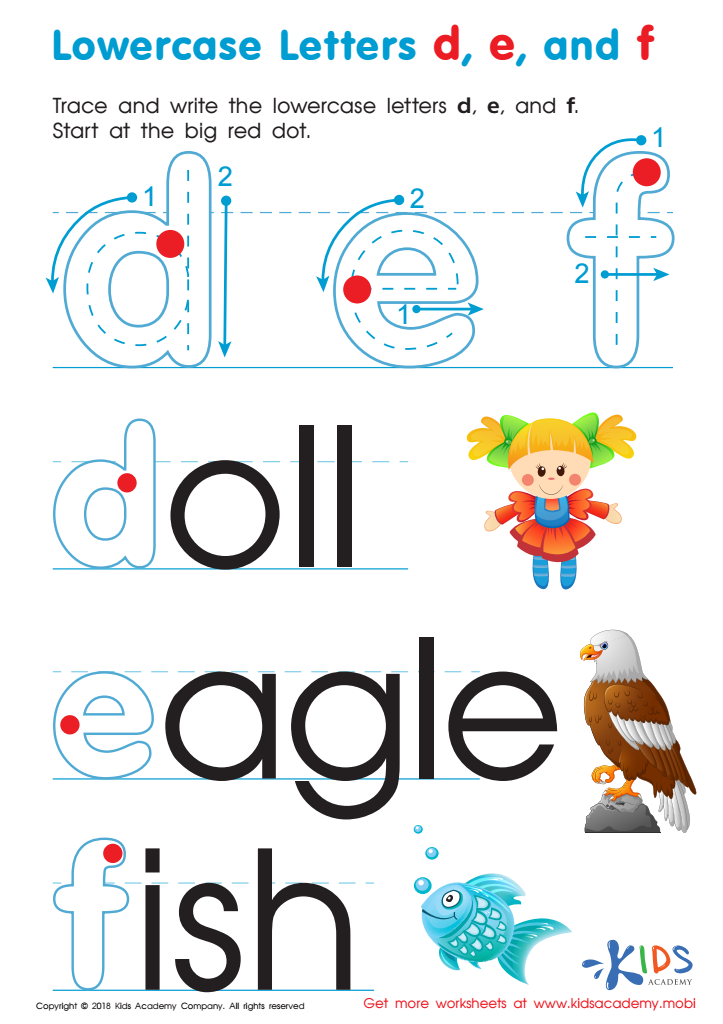
Lowercase Letters d e f Worksheet
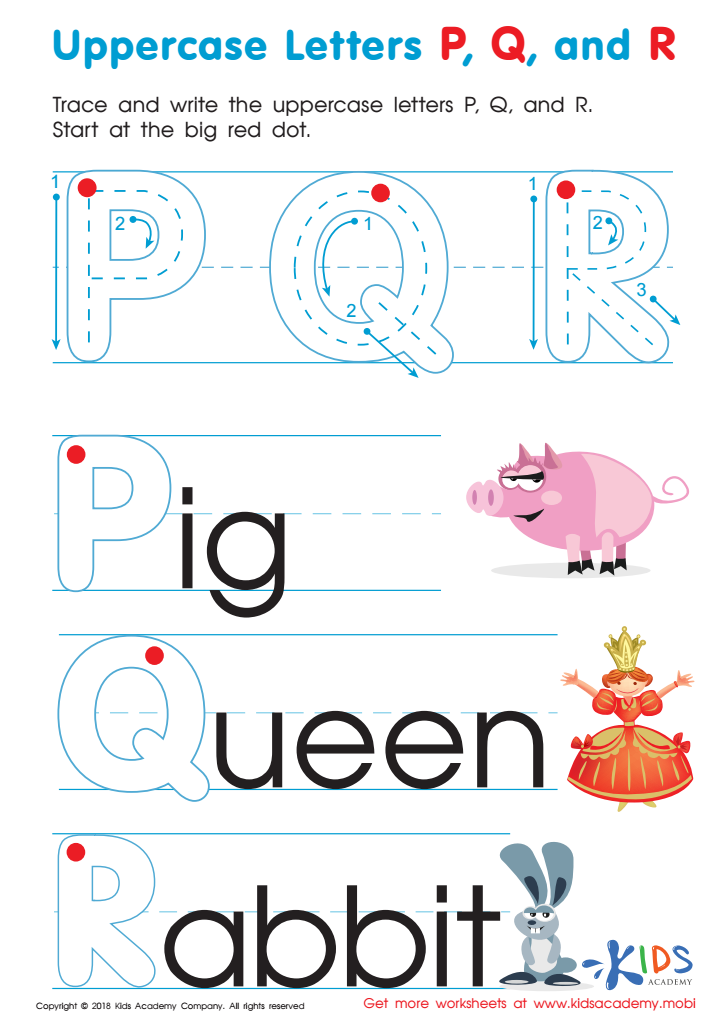
Uppercase Letters P, Q, and R Worksheet
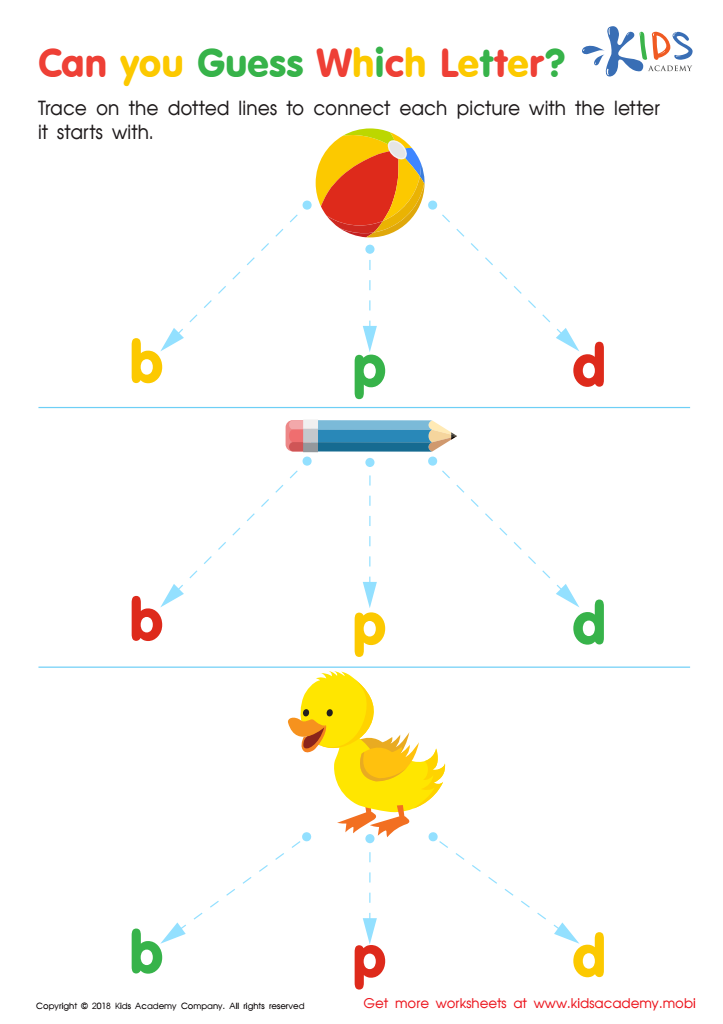
Can you Guess Which Letter? Worksheet
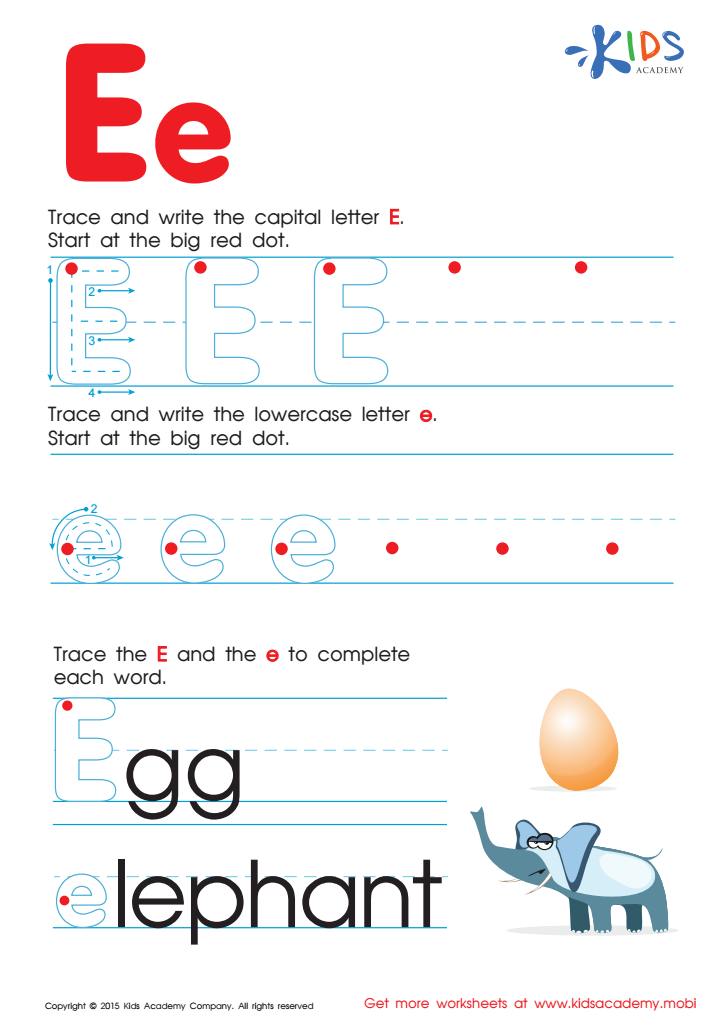
Letter E Tracing Page
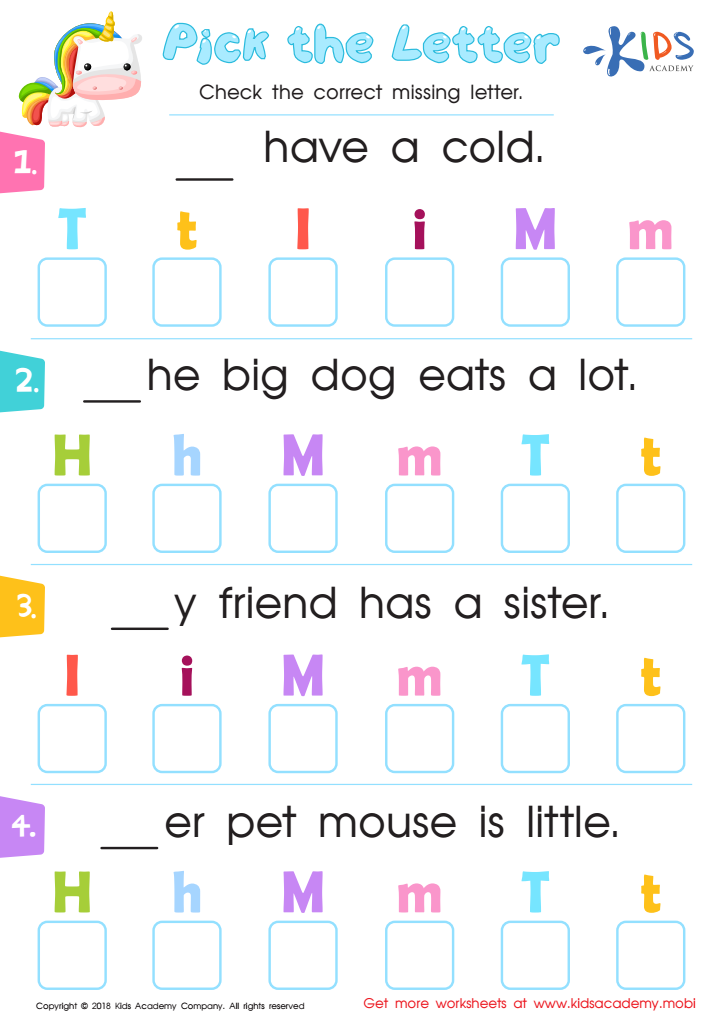
Pick the Letter Worksheet
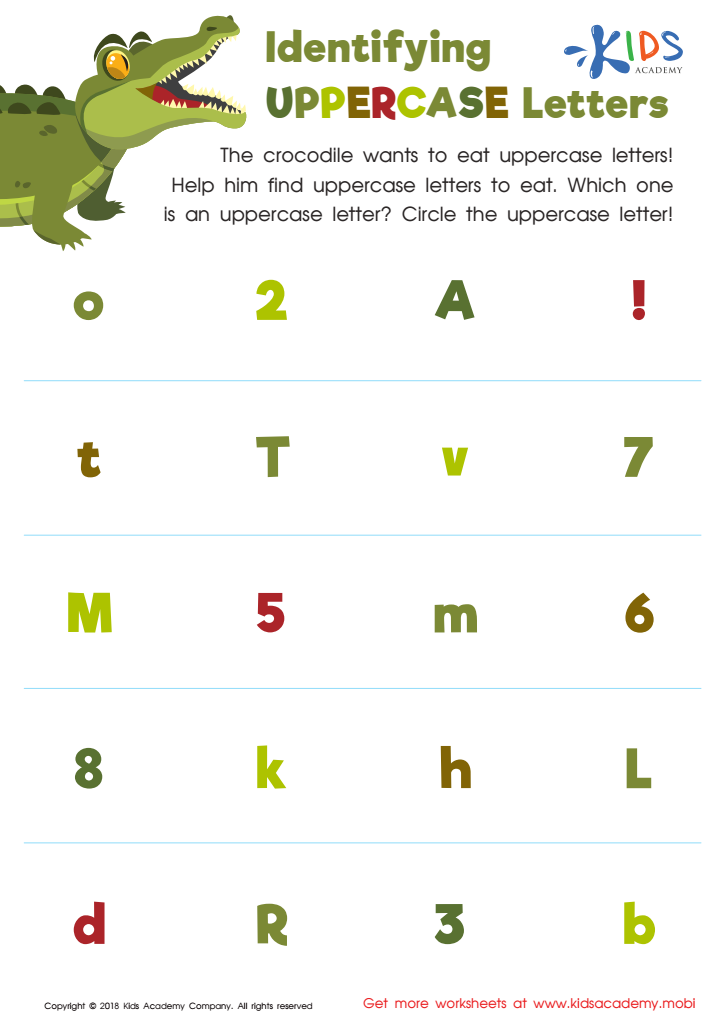
Identifying Uppercase Letters Worksheet
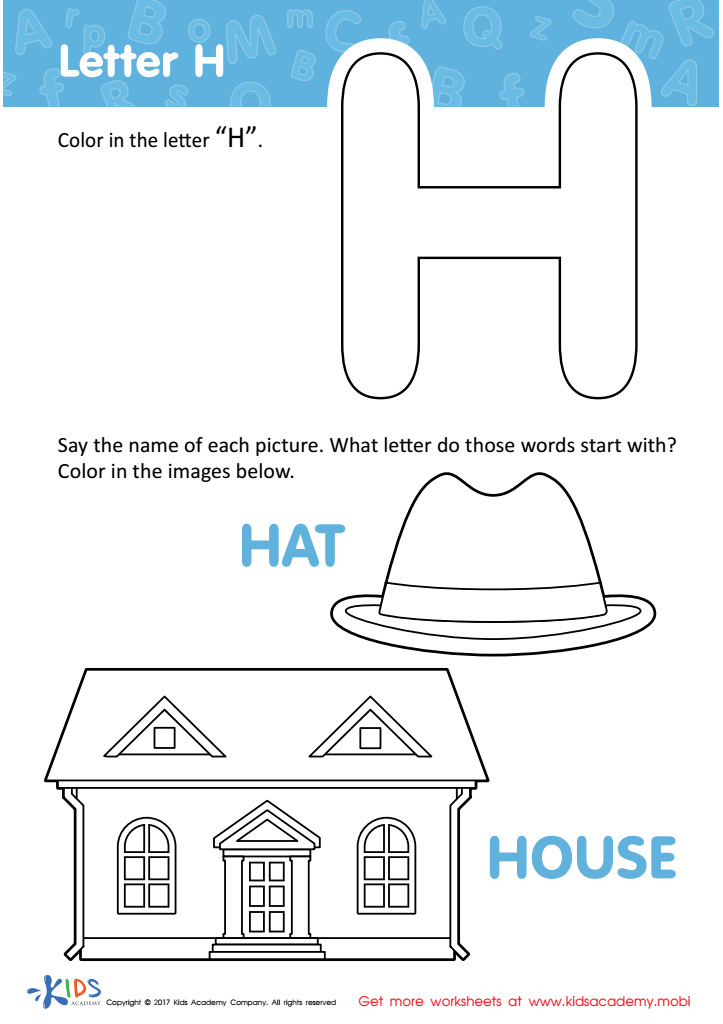
Letter H Coloring Sheet
 Assign to My Students
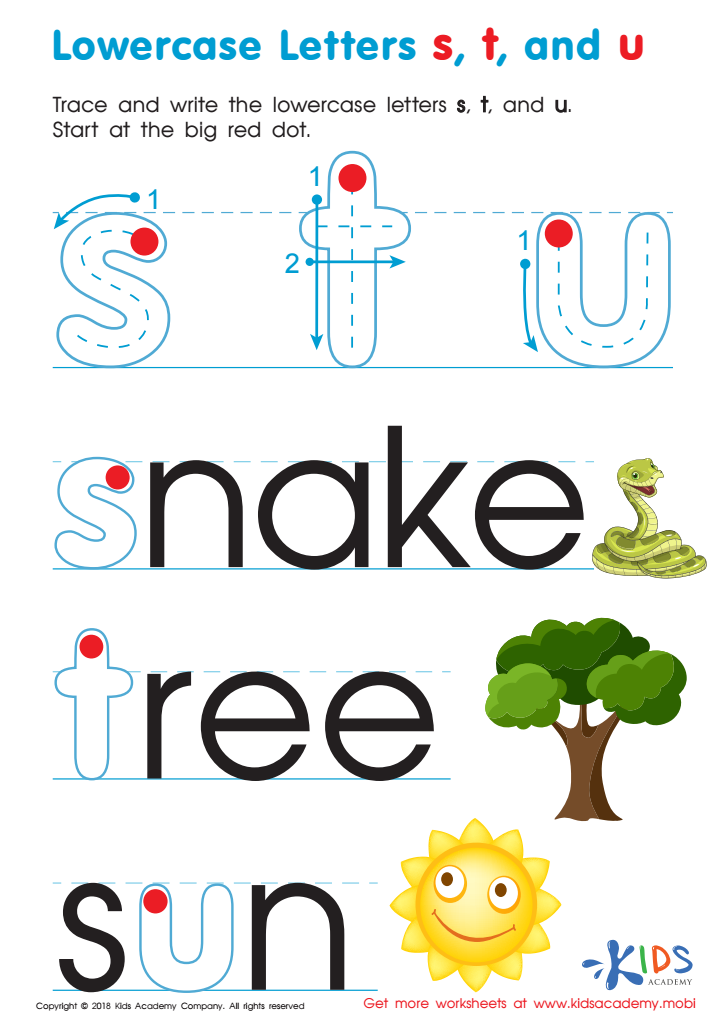
Lowercase Letters s t u Worksheet
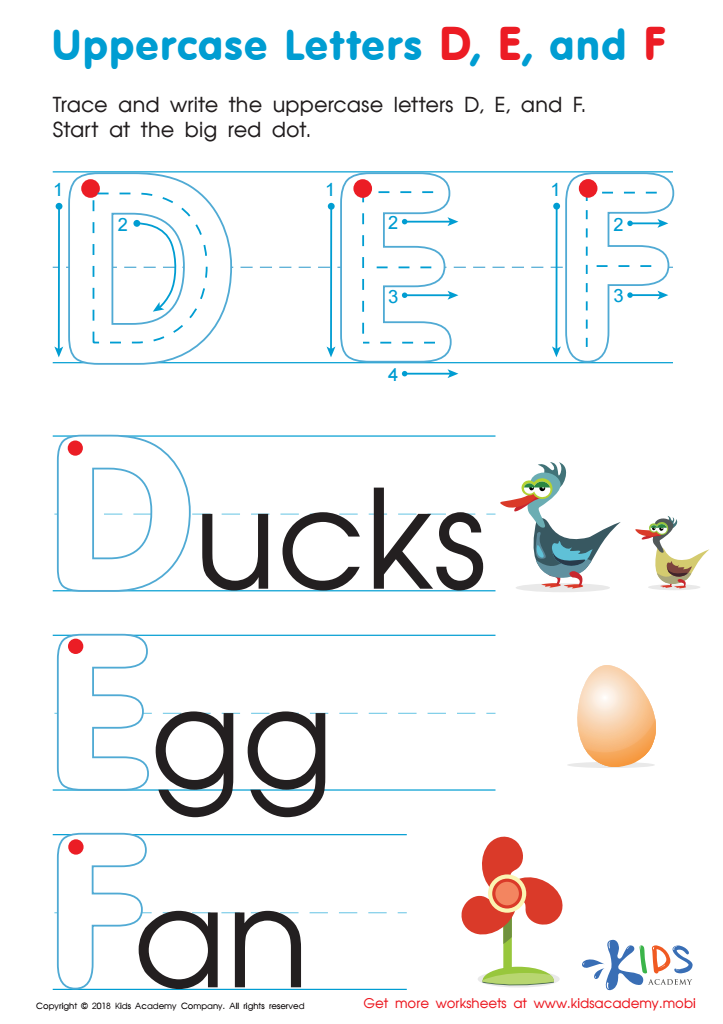
Uppercase Letters D, E, and F Worksheet
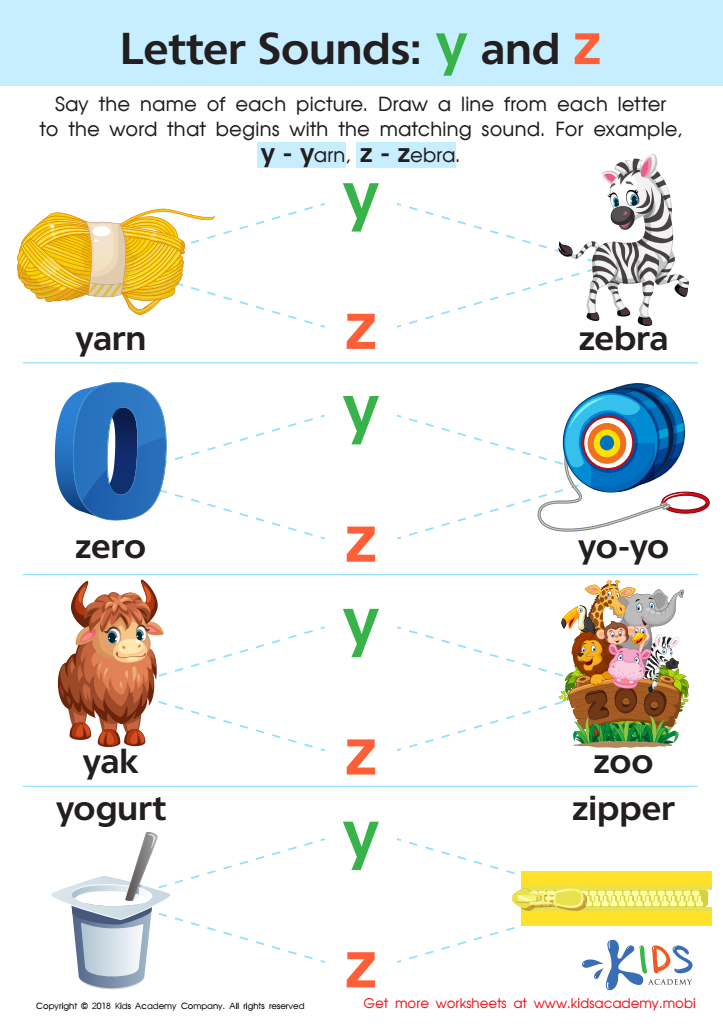
Letter Y and Z Sounds Worksheet
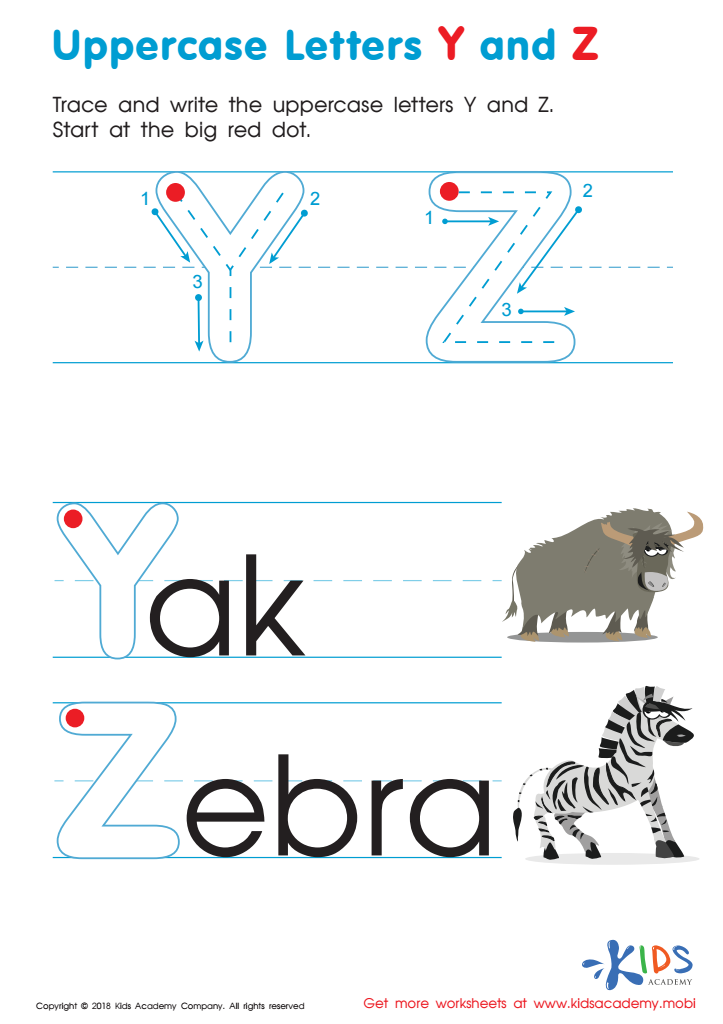
Uppercase Letters Y Z Worksheet
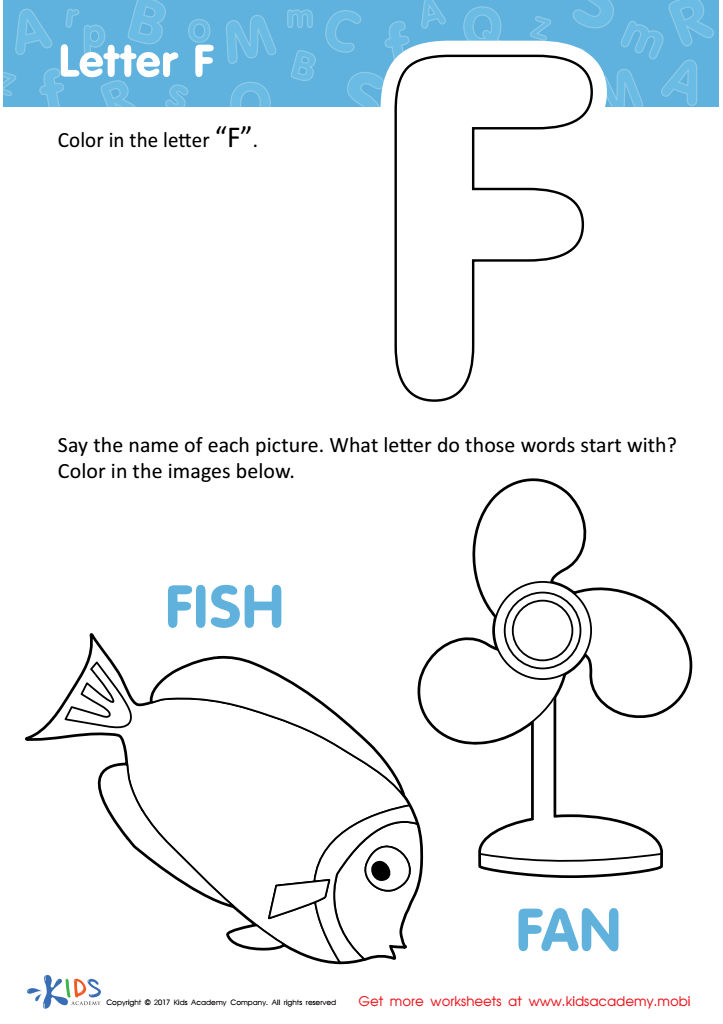
Letter F Coloring Sheet
Assign to My Students
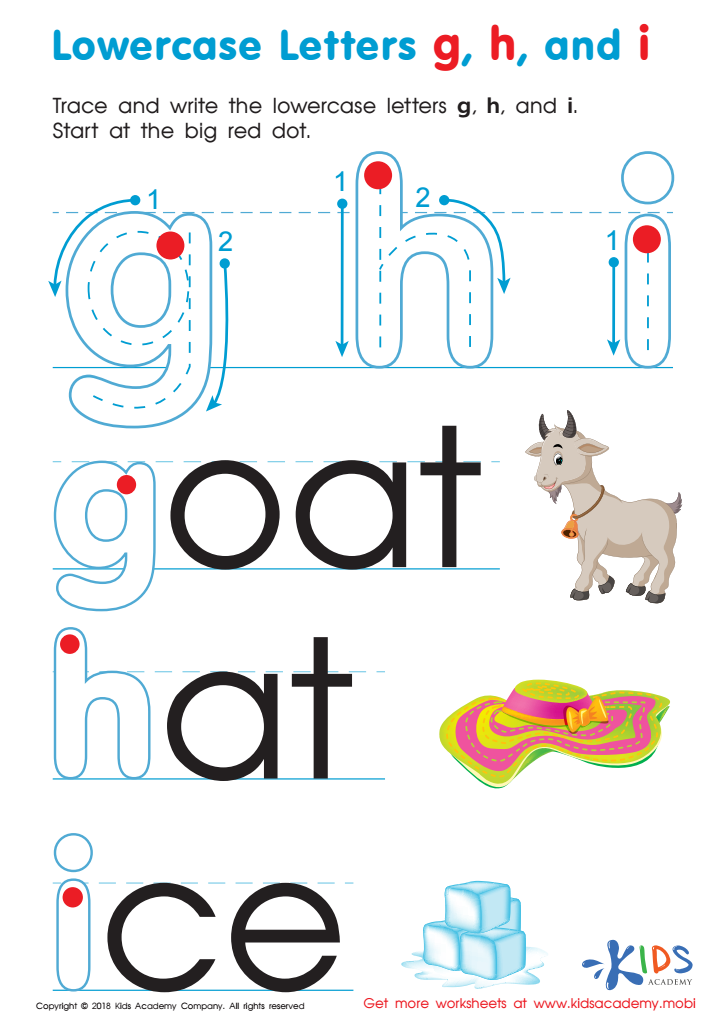
Lowercase Letters g h i Worksheet
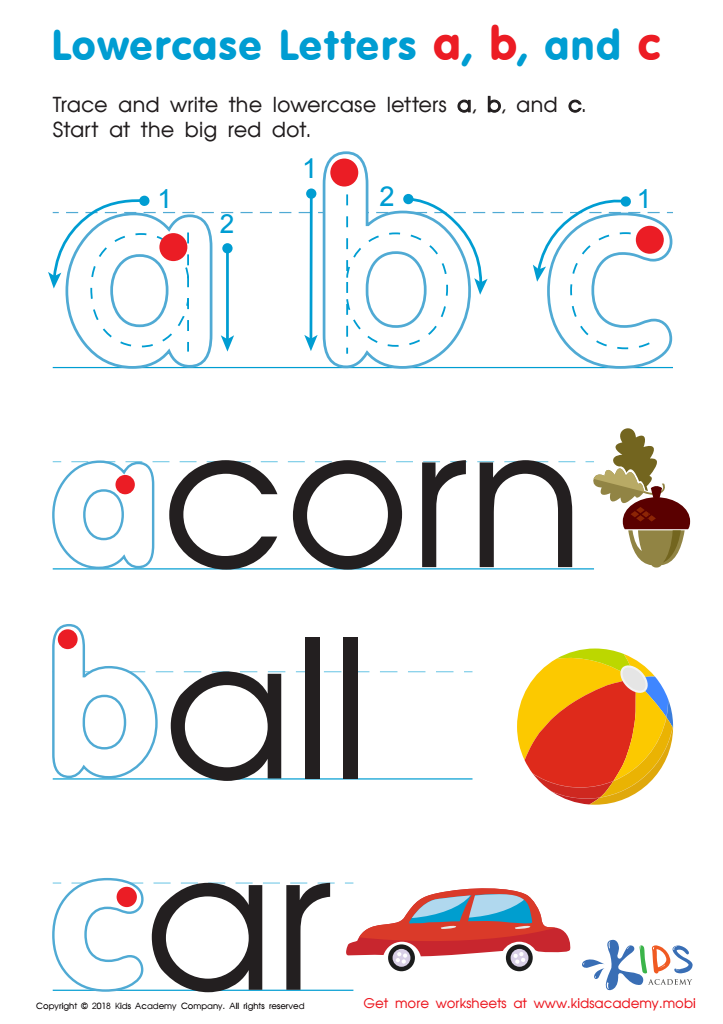
Lowercase Letters a b c Worksheet
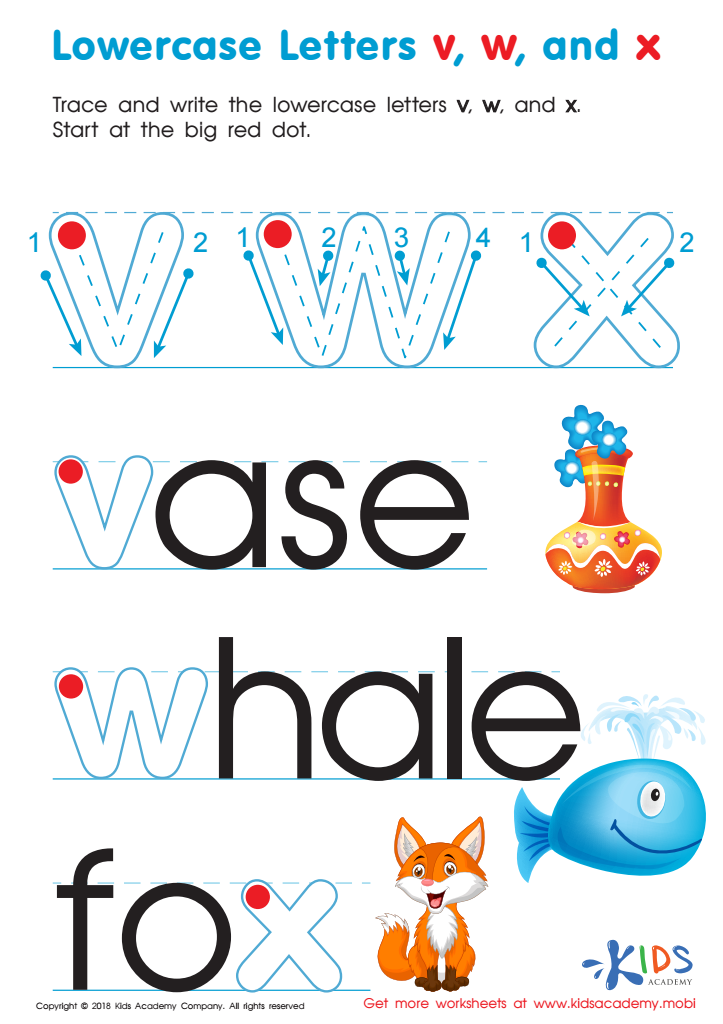
Lowercase Letters v w x Worksheet
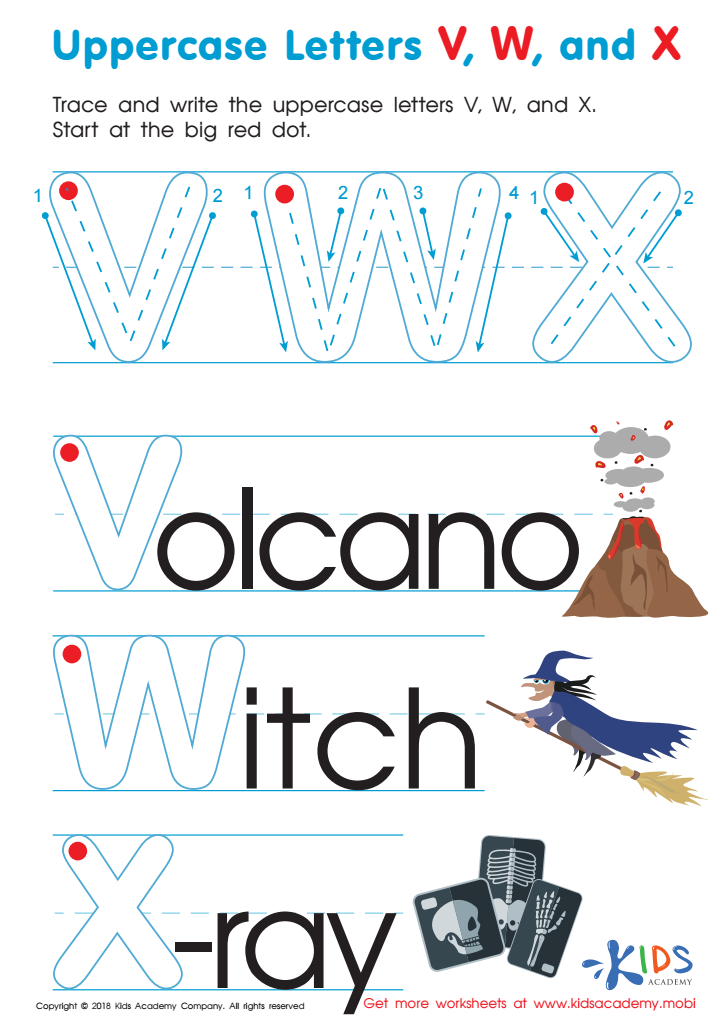
Uppercase Letters V, W, and X Worksheet








Alphabet recognition is a foundational skill for children aged 3-9, making it a critical focus for parents and teachers. At this developmental stage, children begin to explore language and literacy, and recognizing letters is a significant milestone that sets the groundwork for reading and writing. Learning the names and shapes of letters helps them understand how letters relate to sounds, which is essential for phonemic awareness and decoding skills.
Furthermore, early familiarity with the alphabet can foster a child’s confidence in their learning abilities. Children who recognize letters are more likely to engage with books and written materials, seeking opportunities to practice and enhance their skills. This engagement lays a productive, positive relationship with reading.
Additionally, alphabet recognition supports broader cognitive and social development. Children often partake in activities oriented around letters, enhancing their memory and attention spans while fostering peer interactions during cooperative learning efforts.
By prioritizing alphabet recognition, parents and teachers can help ensure that children are equipped with the literacy skills necessary for academic success, instilling a love for learning that can benefit them throughout their lives. Recognizing the importance of these skills will ultimately provide children with the tools they need to thrive in school and beyond.







