Cognitive Development Normal Phonics Worksheets for Ages 3-9
6 filtered results
-
From - To
Discover our "Cognitive Development Normal Phonics Worksheets for Ages 3-9", designed to enhance early reading skills through engaging and interactive activities. These worksheets focus on building phonemic awareness, letter recognition, and sound blending, which are fundamental for reading development. Perfectly tailored for young learners, each worksheet is crafted to support cognitive growth and make learning fun. Parents and educators alike will find these resources invaluable for helping children build a strong foundation in literacy. Visit our website to explore a wide range of phonics worksheets that are perfect for early cognitive and literacy development.
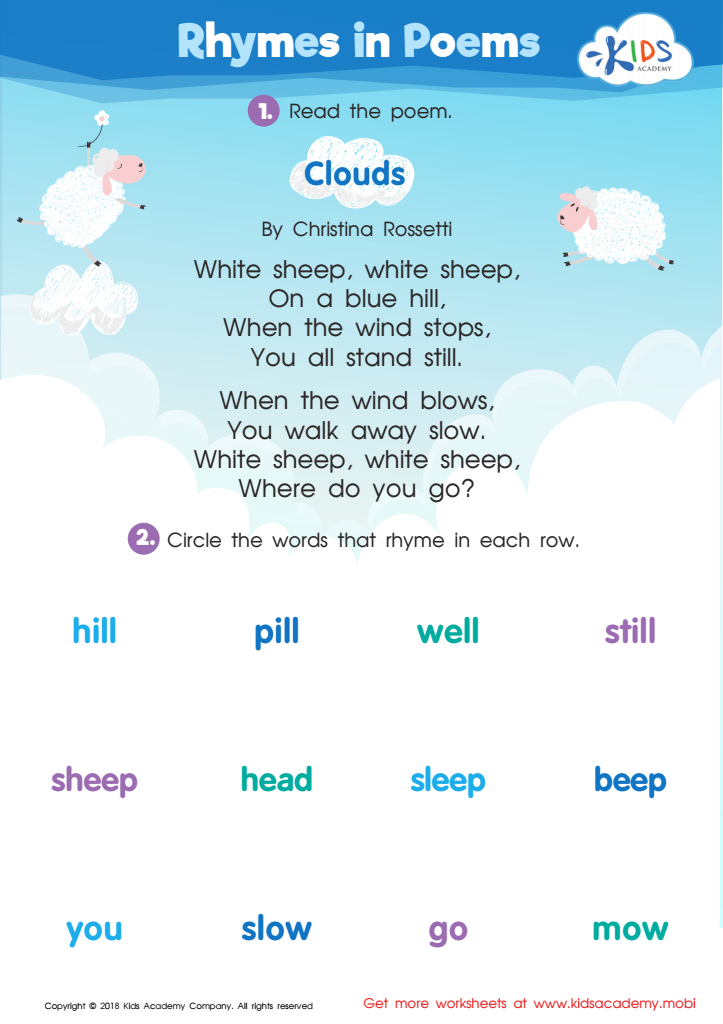
Rhymes in Poems Worksheet
 Assign to My Students
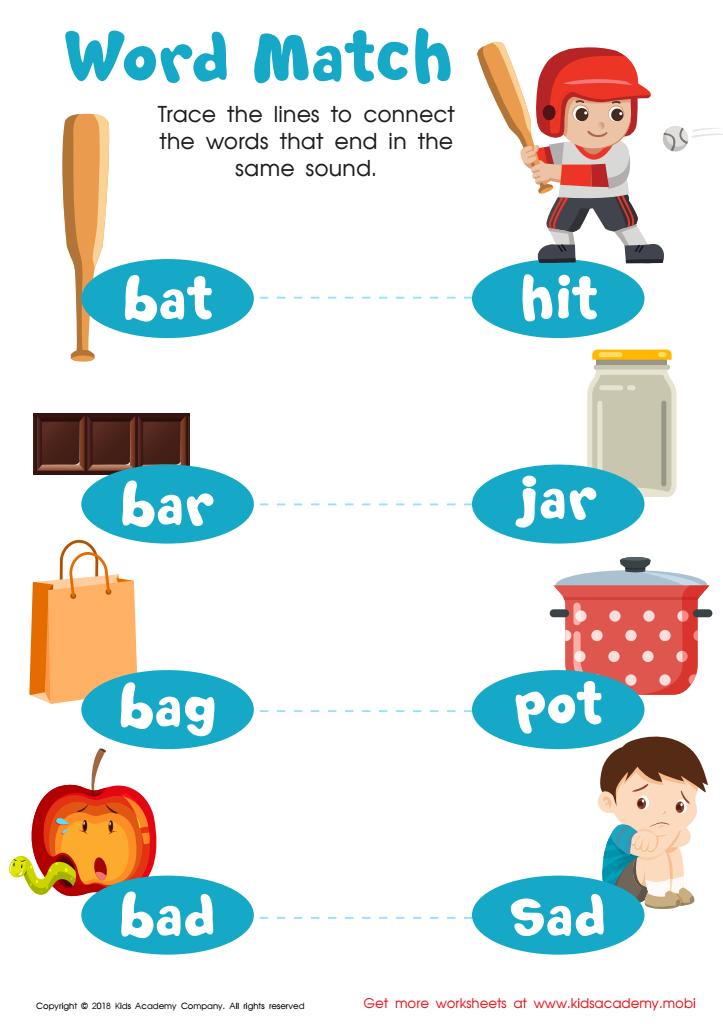
Word Match Reading Worksheet
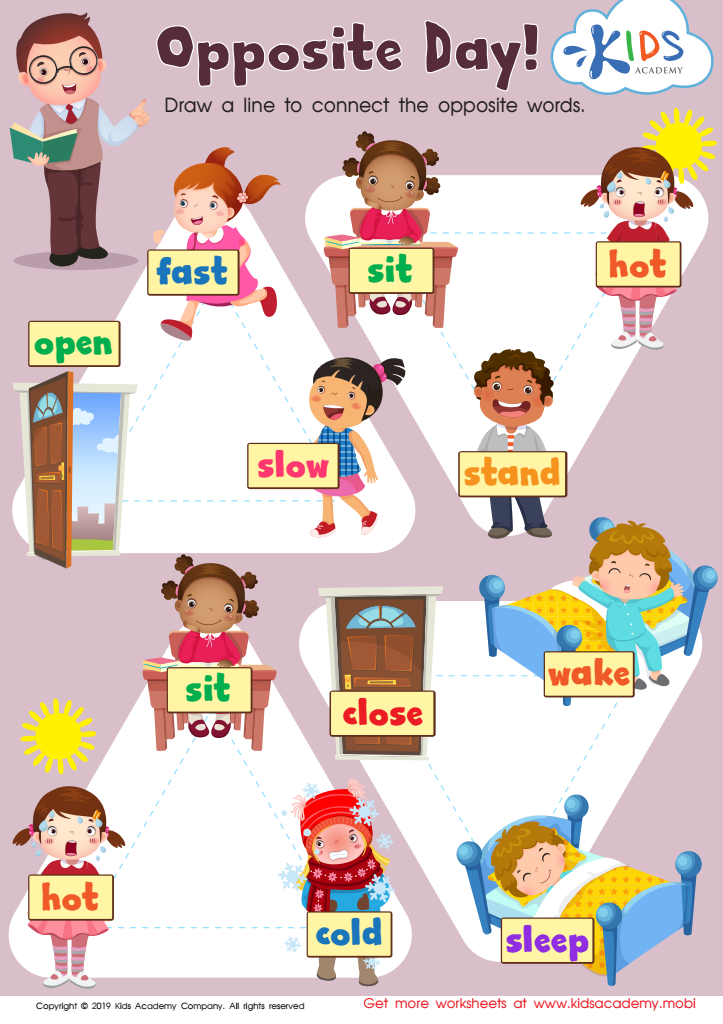
Opposite Day Worksheet
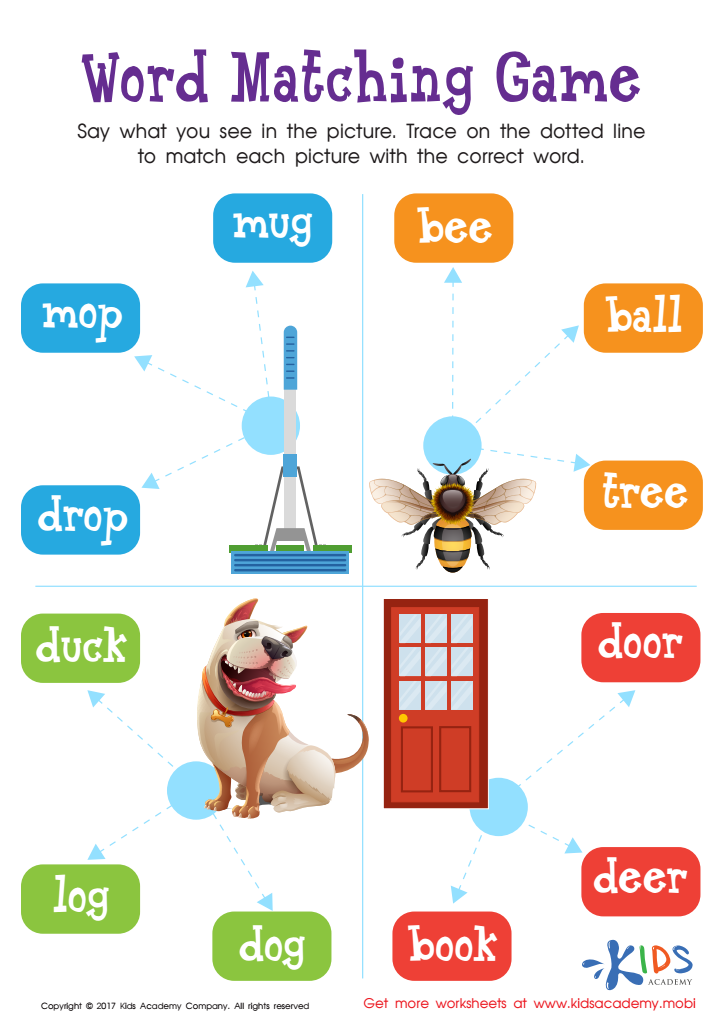
Word Matching Game Worksheet
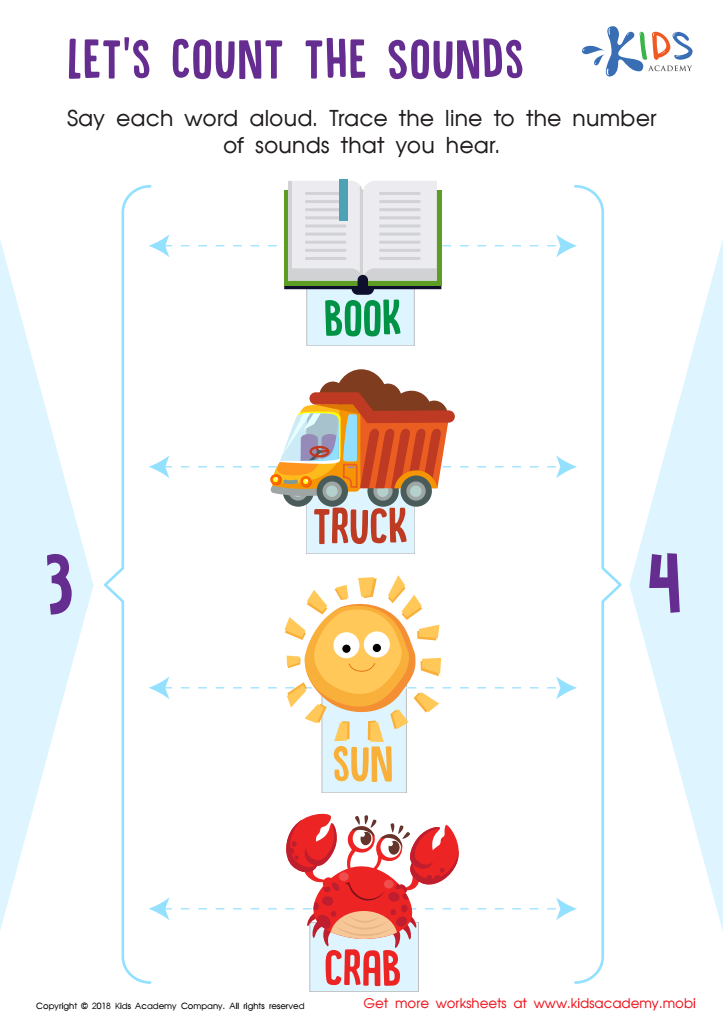
Let's Count the Sounds Worksheet
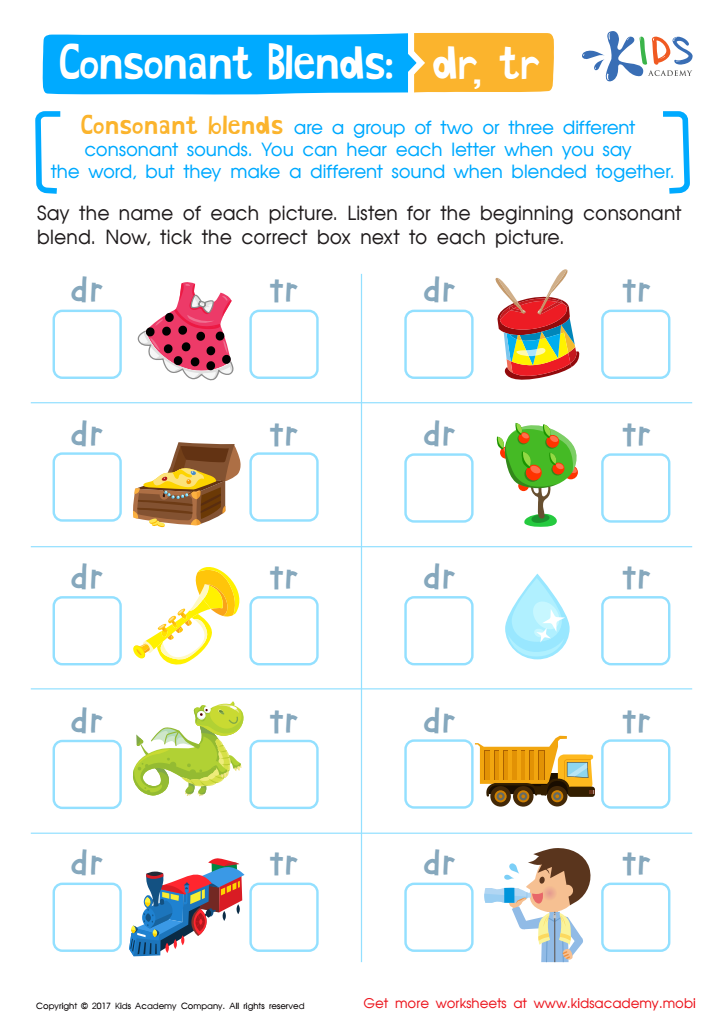
Consonant Blends: "Dr" and "Tr" Printable








Parents and teachers should prioritize cognitive development with normal phonics for children aged 3-9 as this period is critical for laying the groundwork for future learning and overall intellectual growth. During these early years, the brain is highly receptive and forms crucial neural connections. Phonics, which involves the relationship between sounds and their spelling, helps in developing essential reading skills. Mastery in phonics enables children to decode new words, building a solid base for fluent reading, which is linked to better academic performance across all subjects.
By fostering cognitive development, children enhance not just their reading skills but also their memory, concentration, and critical thinking abilities. Early success in reading instills confidence and generates a positive attitude towards learning, which translates to long-term educational gains. Additionally, engaging young minds in phonics-rich activities addresses diverse learning styles, making education inclusive and accessible for children with different needs.
Neglecting this crucial stage can lead to potential learning difficulties, impacting academic progress and self-esteem. Therefore, a strong focus on cognitive development through phonics from ages 3-9 equips children with the foundational skills needed for a lifetime of learning and success in an increasingly literature-rich world.







