Vocabulary expansion Normal Phonics Worksheets for Ages 3-9 - Page 2
43 filtered results
-
From - To
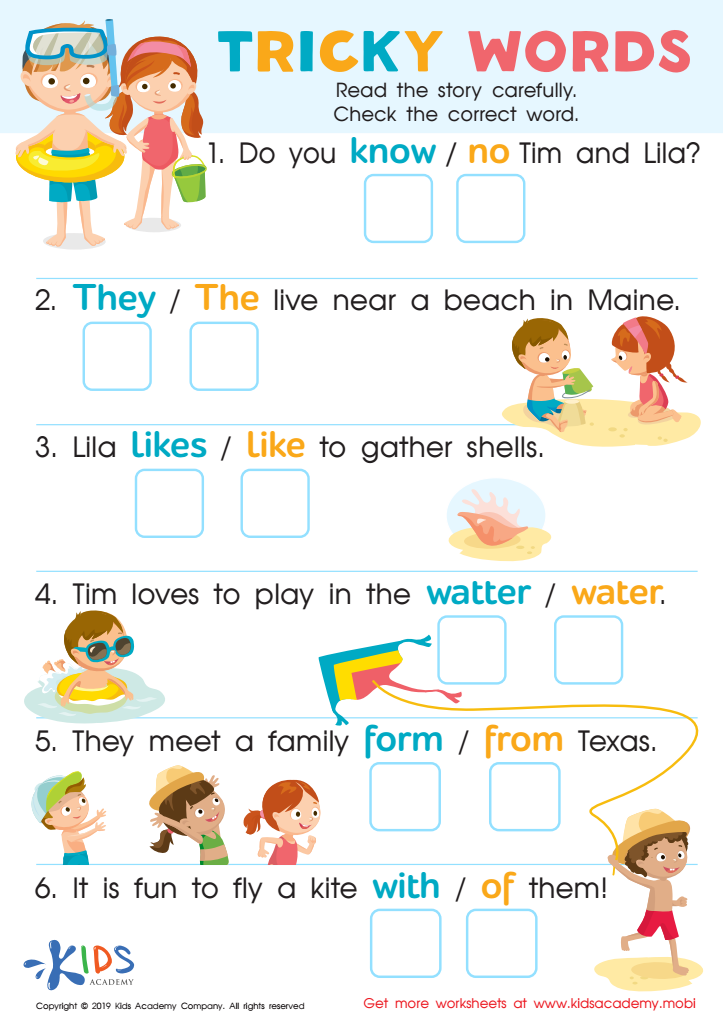
Tricky Words Worksheet
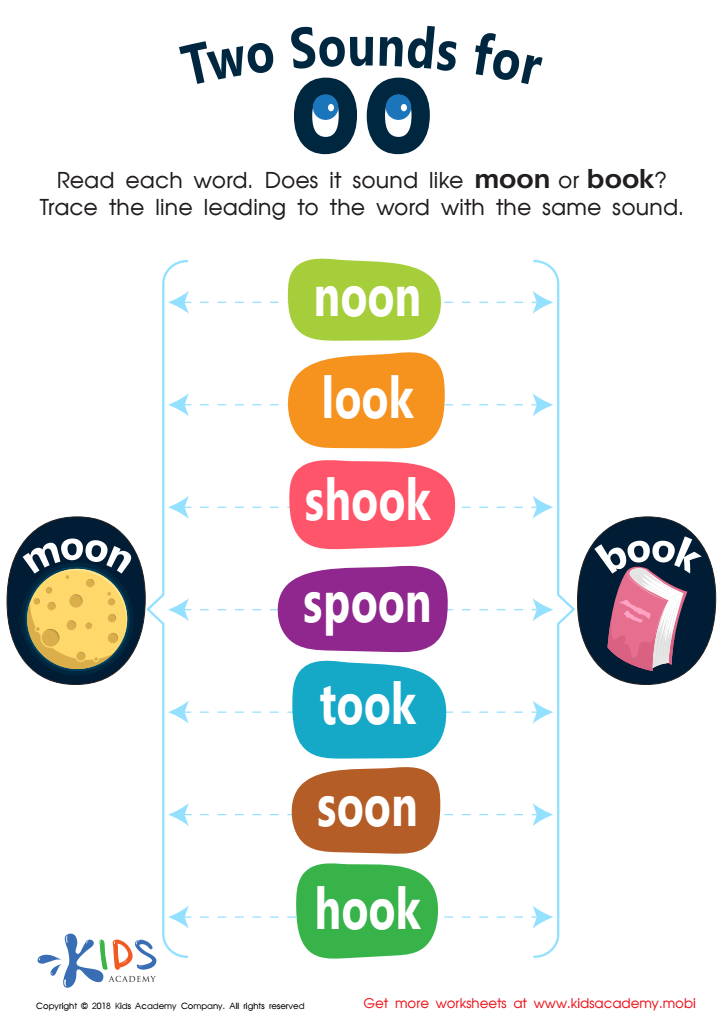
Two Sounds for OO Worksheet
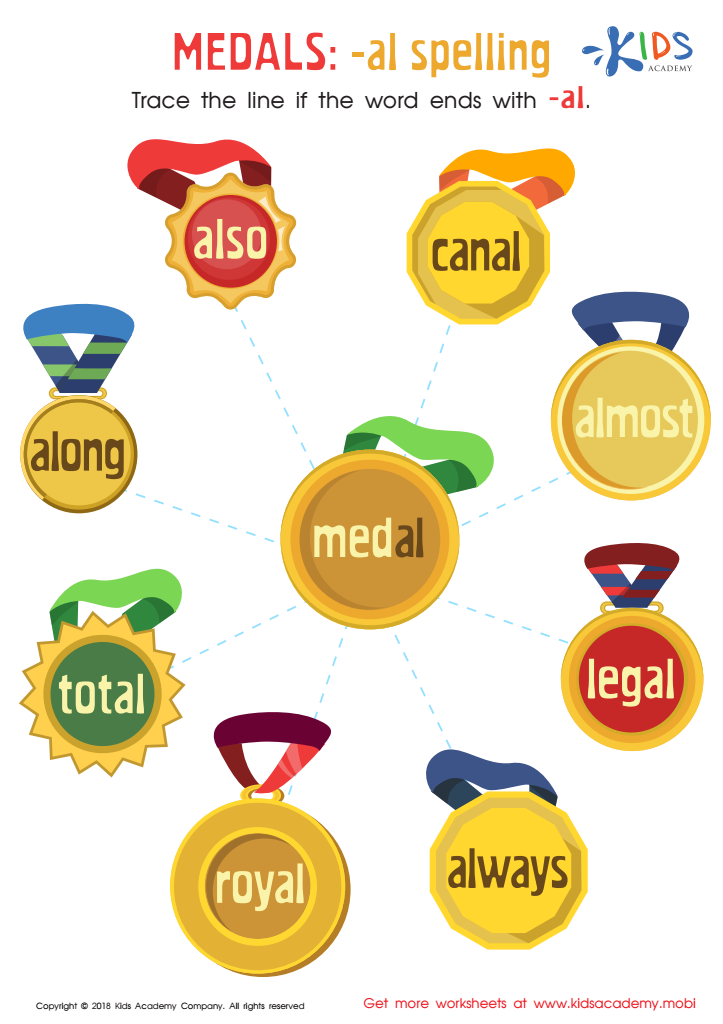
Medals: Al Spelling Worksheet
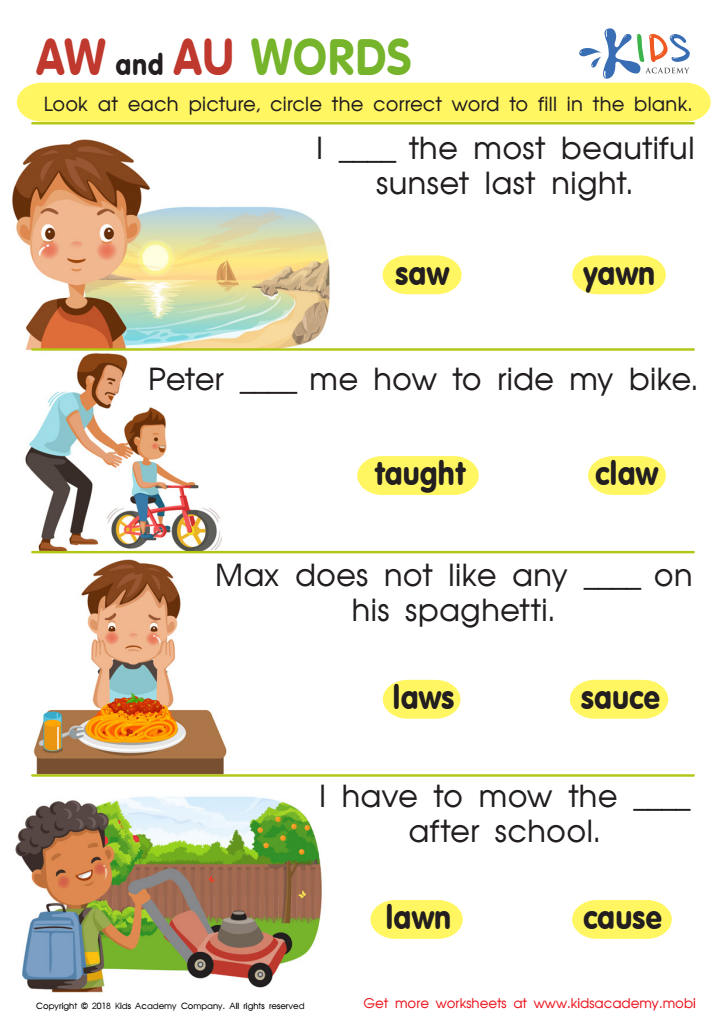
Reading: AW and AU Words Worksheet
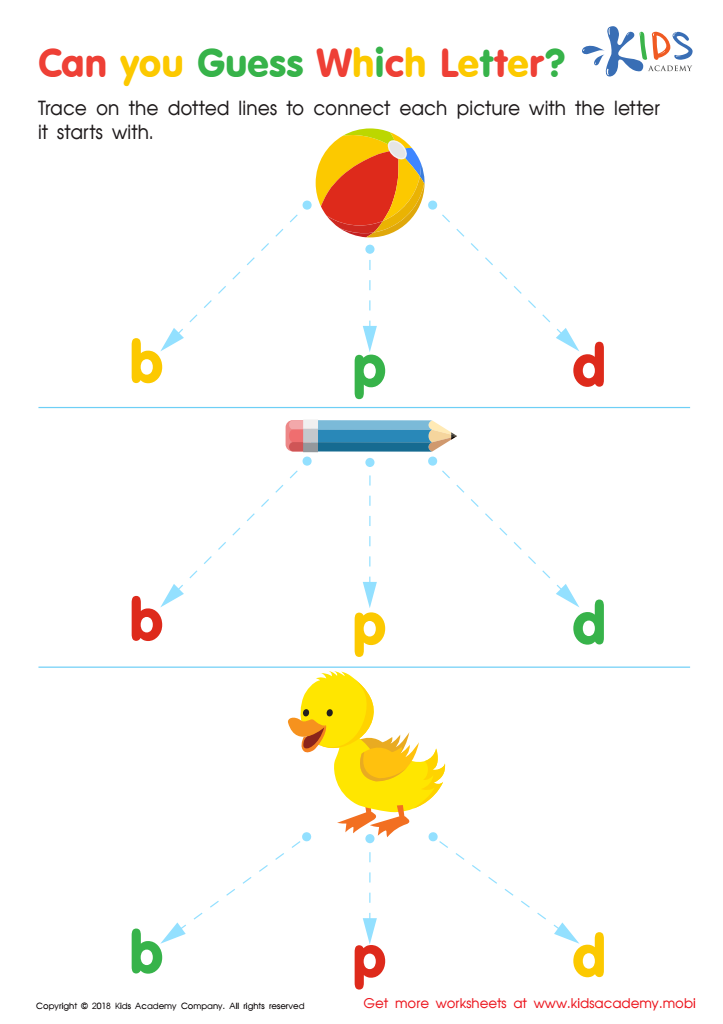
Can you Guess Which Letter? Worksheet
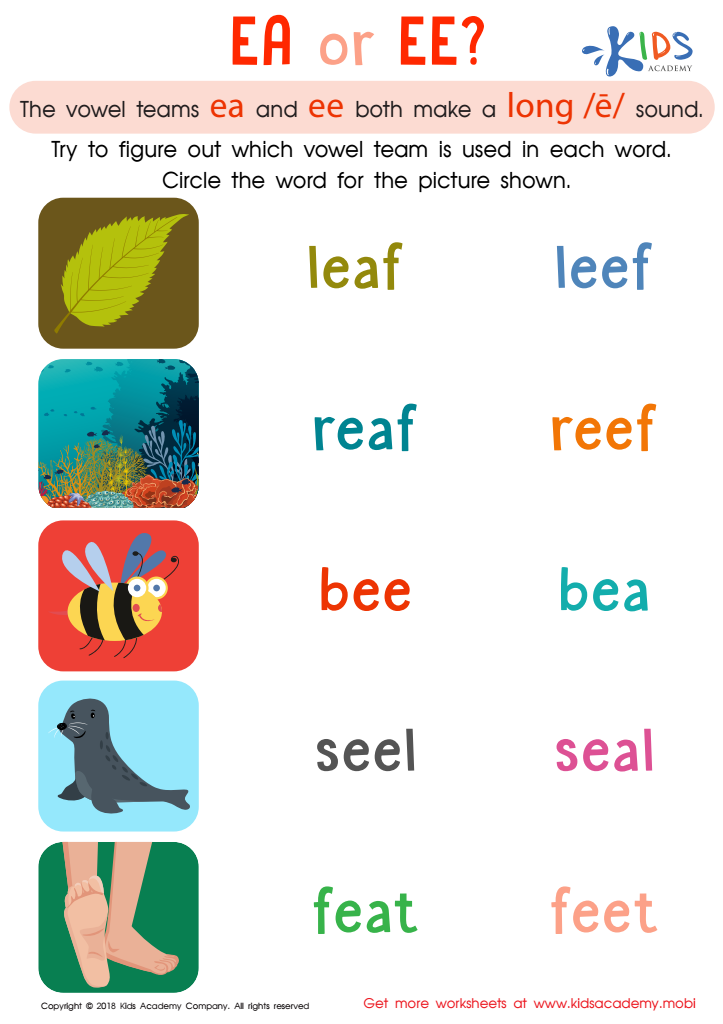
Reading: EA and EE Worksheet
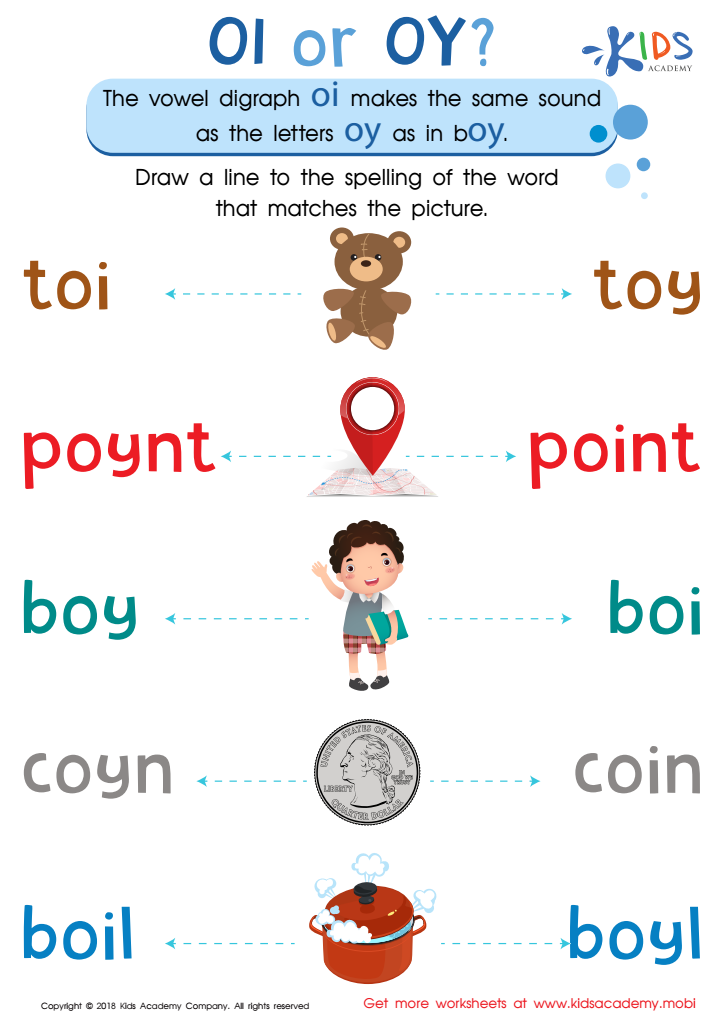
Reading: OI and OY Worksheet
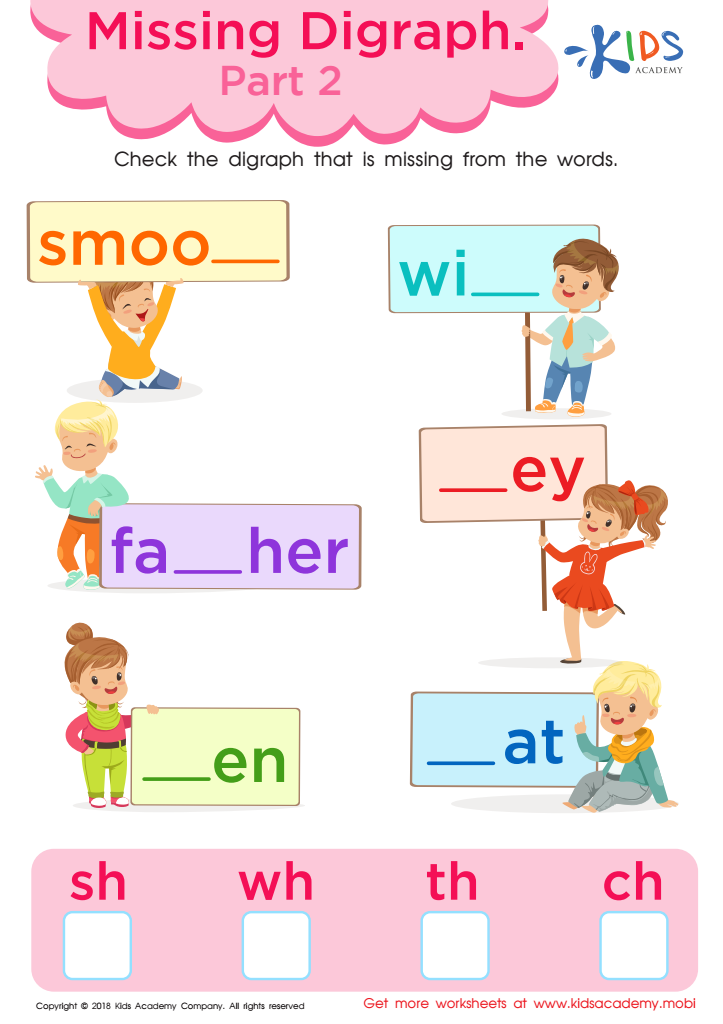
Missing Digraph: Part 2 Worksheet
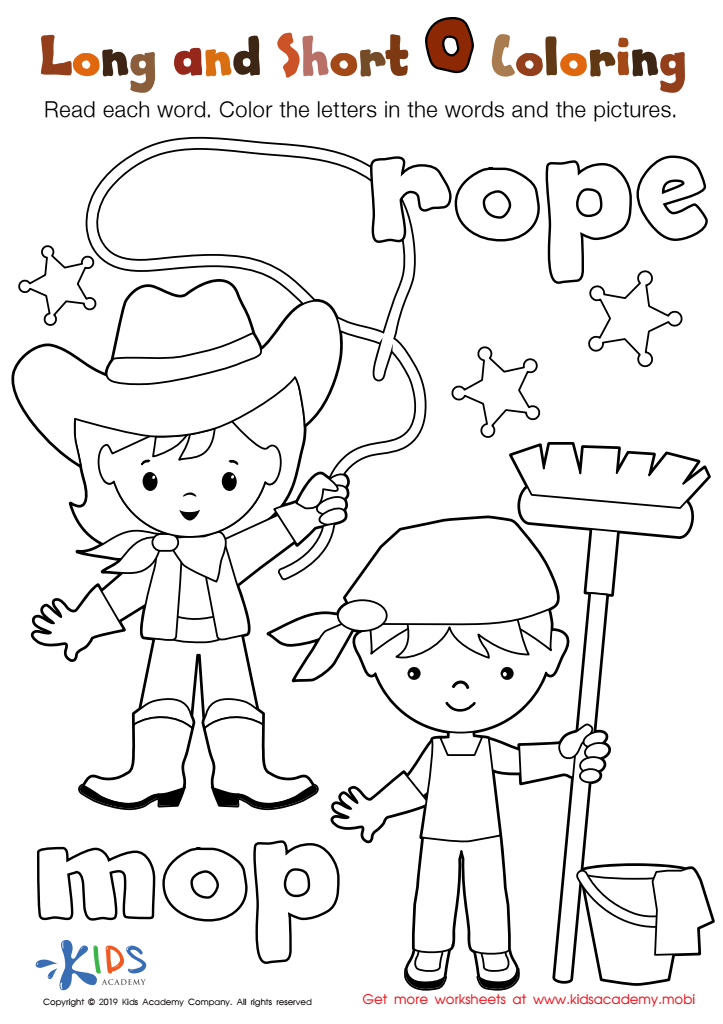
Long and Short O Worksheet
 Assign to My Students
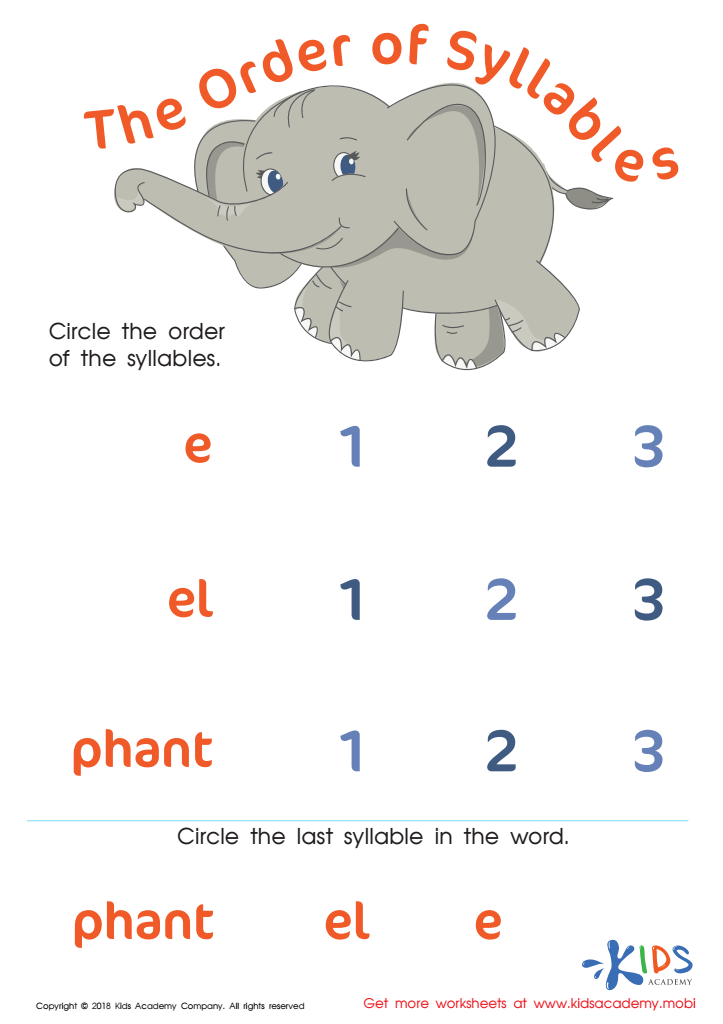
The Order of Syllables Worksheet
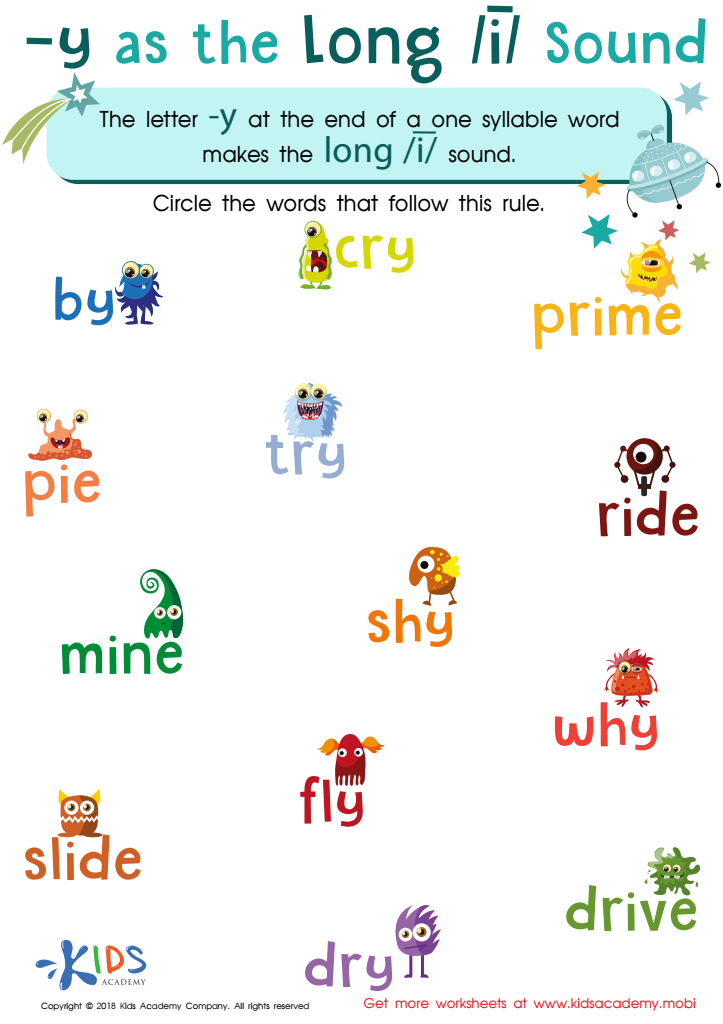
Reading: Y as Long I Worksheet
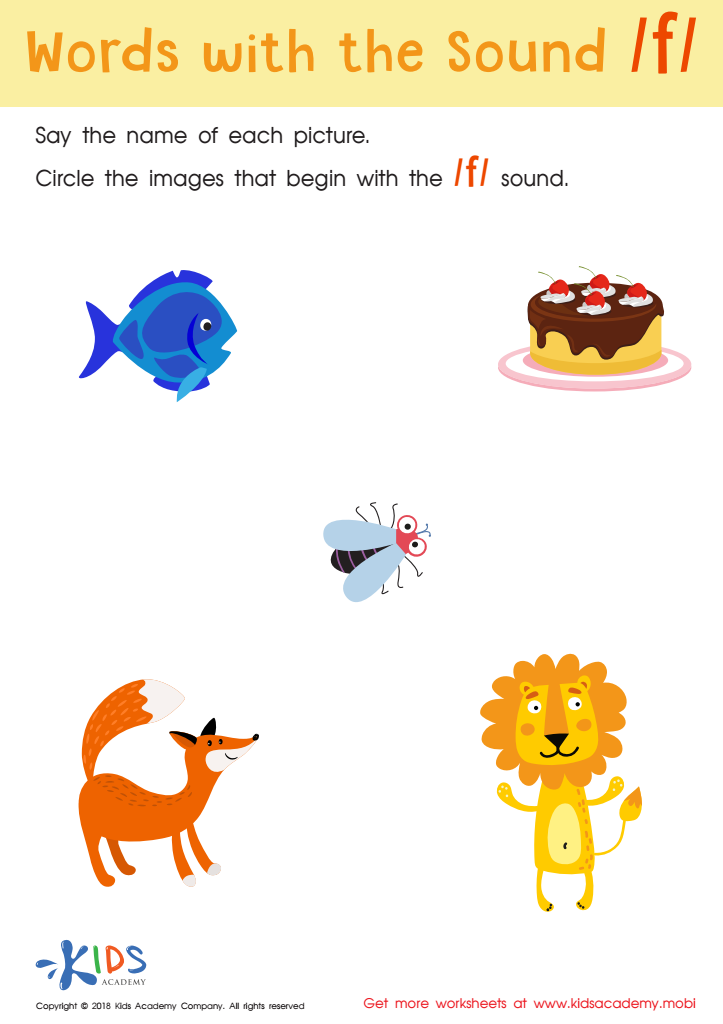
Words with sound f Reading Worksheet
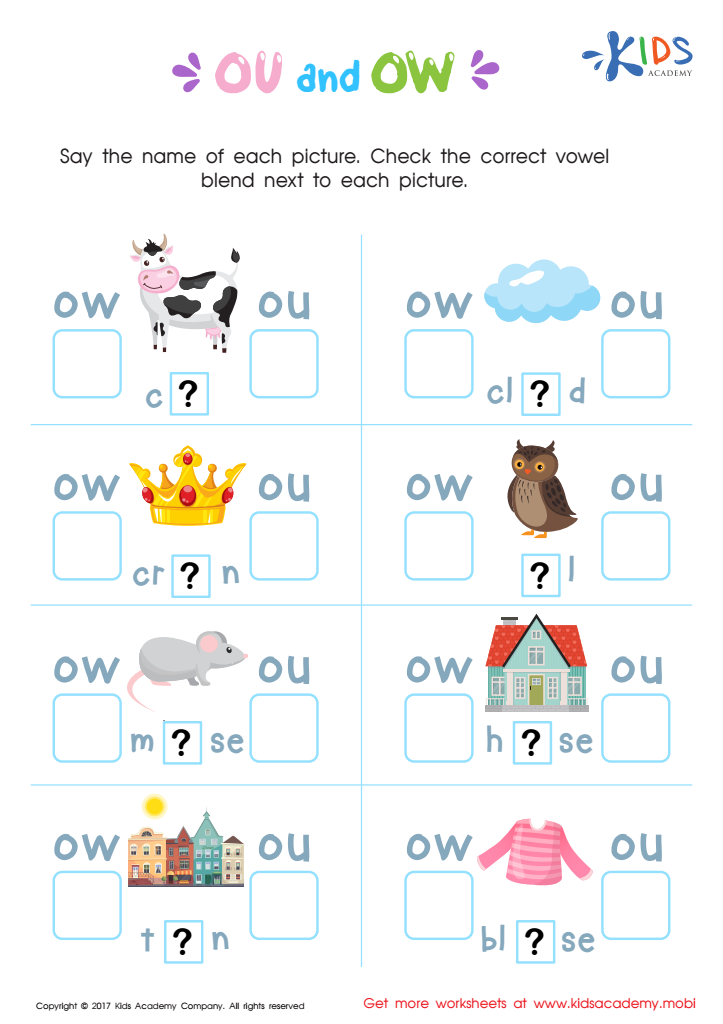
OU and OW Words Worksheet
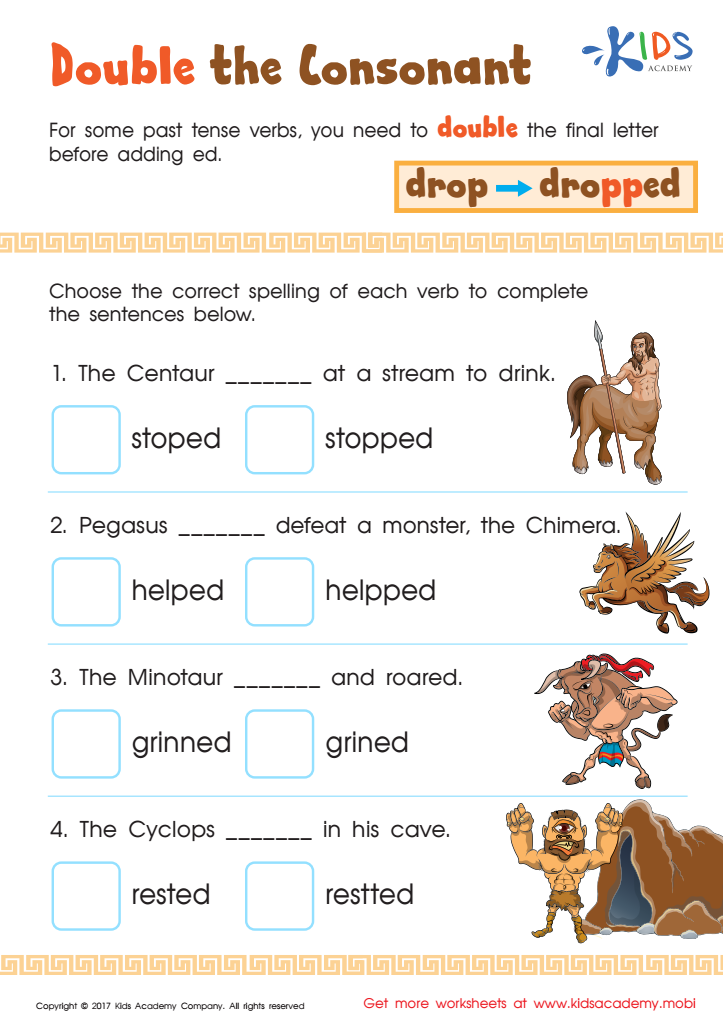
Double Consonant Spelling Worksheet
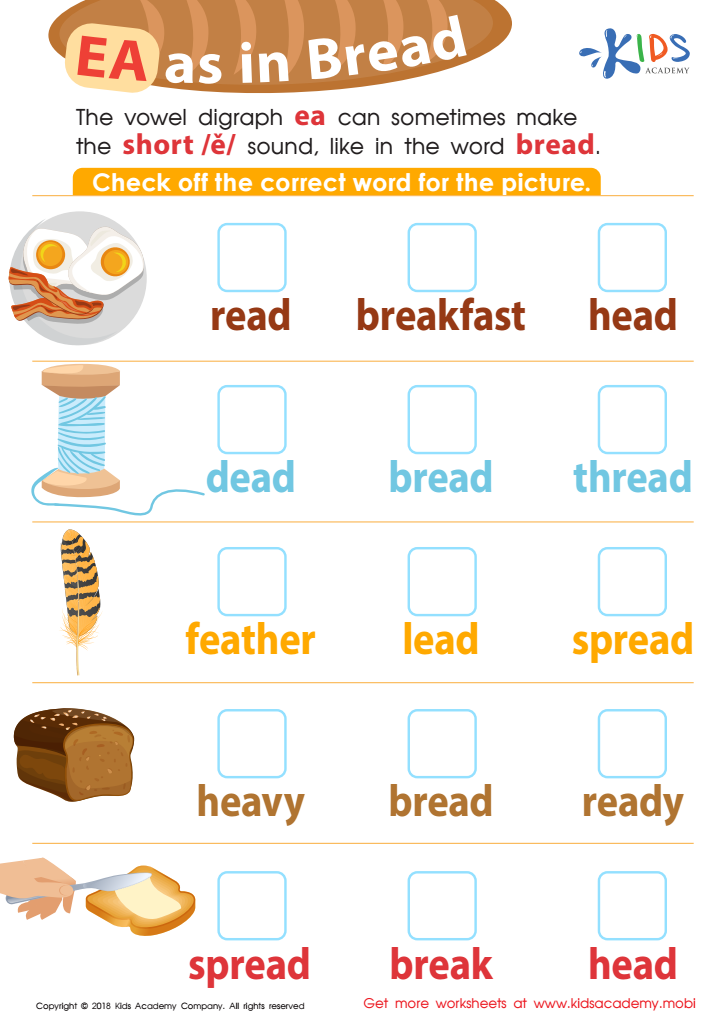
Reading: EA as in Bread Worksheet
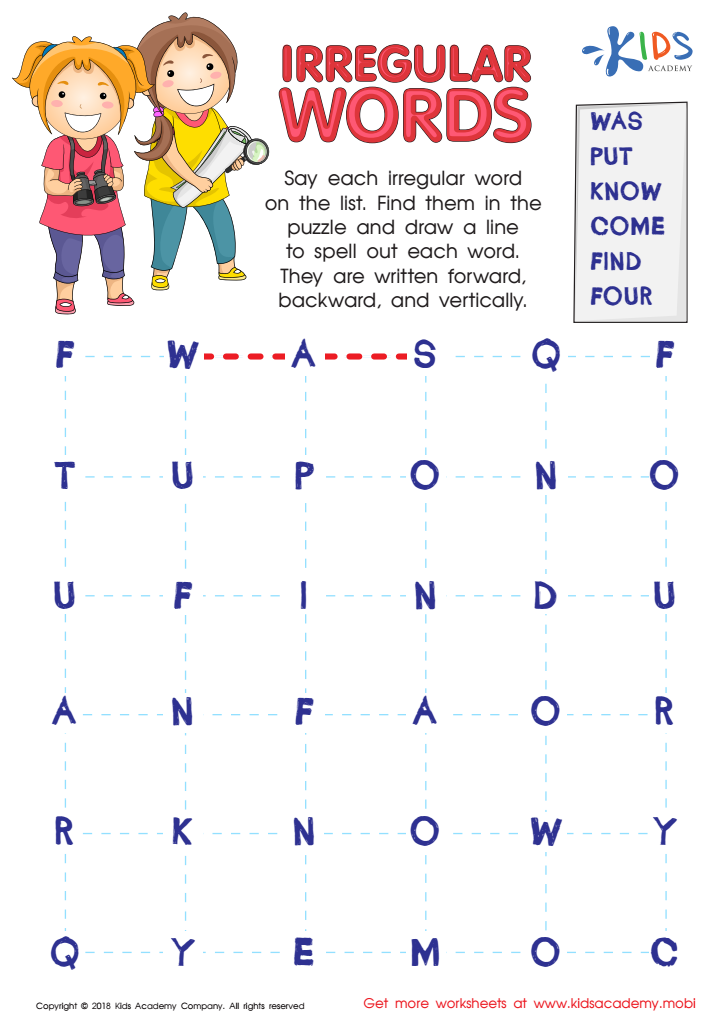
Irregular Words Worksheet
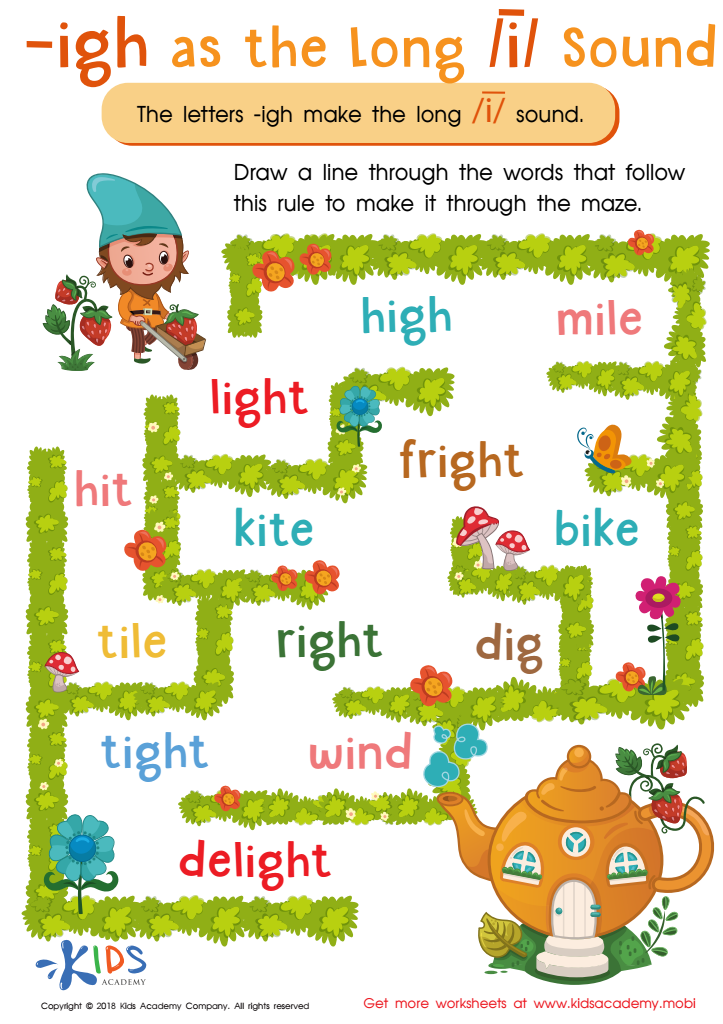
Reading: IGH as Long I Worksheet
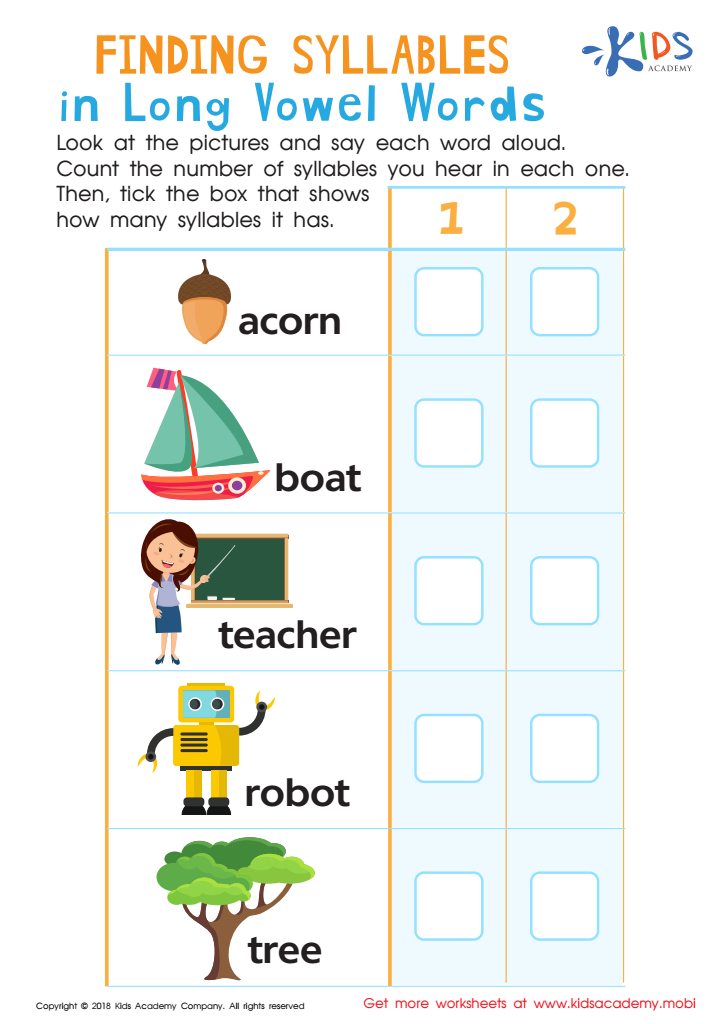
Finding Syllables in Long Vowel Words Worksheet
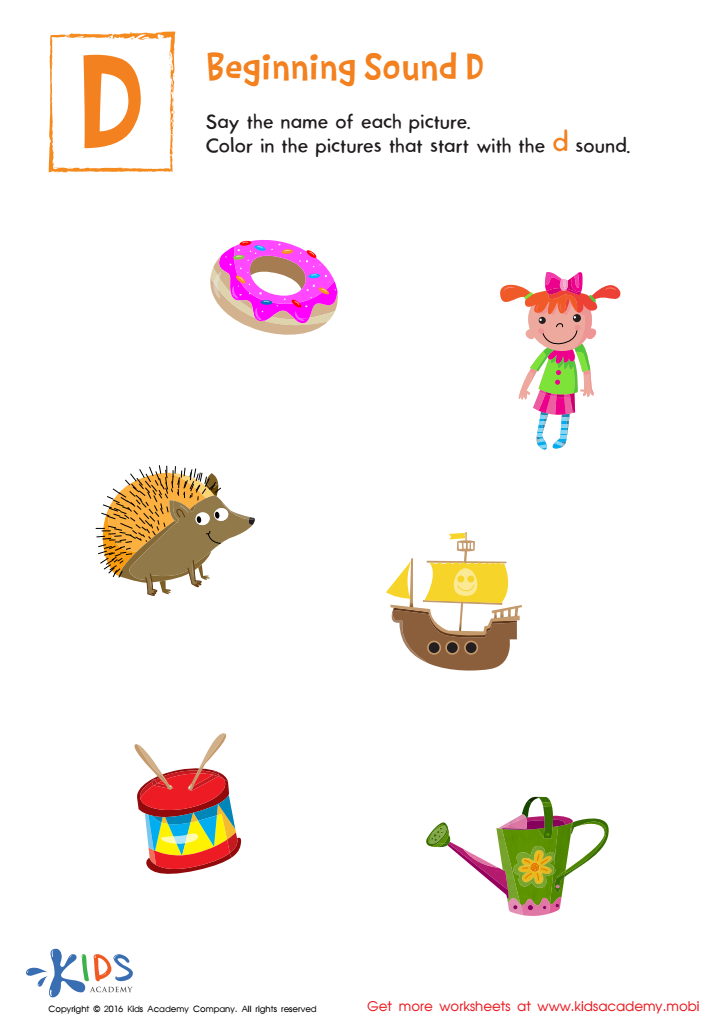
Beginning Sound D Worksheet








Vocabulary expansion and normal phonics are foundational to early childhood education and should be of high concern to parents and teachers. Ages 3-9 are critical in a child's language development, a time when their brains are notably receptive to learning new words and sounds. Expanding vocabulary is not just about knowing more words; it is intrinsically linked to cognitive development and academic success. Children use language to understand the world, communicate needs, and empathize with others. A strong vocabulary enriches their ability to think, dream, and make sense of their experiences.
Introducing phonics—understanding the relationships between letters and sounds—at an early age ensures that children develop essential reading skills. Phonics instruction helps children decode words, leading to more fluent reading. This fluency, in turn, frees up cognitive resources to focus on comprehension rather than simply recognizing words.
Successful early reading experiences build confidence, encourage a love for learning, and set a strong educational foundation. When parents and teachers actively engage in activities that support vocabulary expansion and phonics, they foster not only literacy but also improved listening skills, stronger memory, and better academic performance. Moreover, literacy skills are closely tied to other subject areas like math and science, underscoring their broader importance in a child’s lifelong educational journey.







