Fine Motor Skills Normal Tracing Letters Worksheets for Ages 3-9
20 filtered results
-
From - To
Enhance your child's fine motor skills with our meticulously designed Tracing Letters Worksheets, tailored for ages 3-9. These educational resources from Kids Academy focus on helping young learners master alphabet letters through engaging tracing activities. By practicing with these worksheets, children develop essential hand-eye coordination and pencil control, laying a solid foundation for writing proficiency. Our age-appropriate exercises are crafted to make learning fun and effective, ensuring that each child progresses at their own pace. Give your child the tools they need for academic success with our top-notch educational worksheets today!
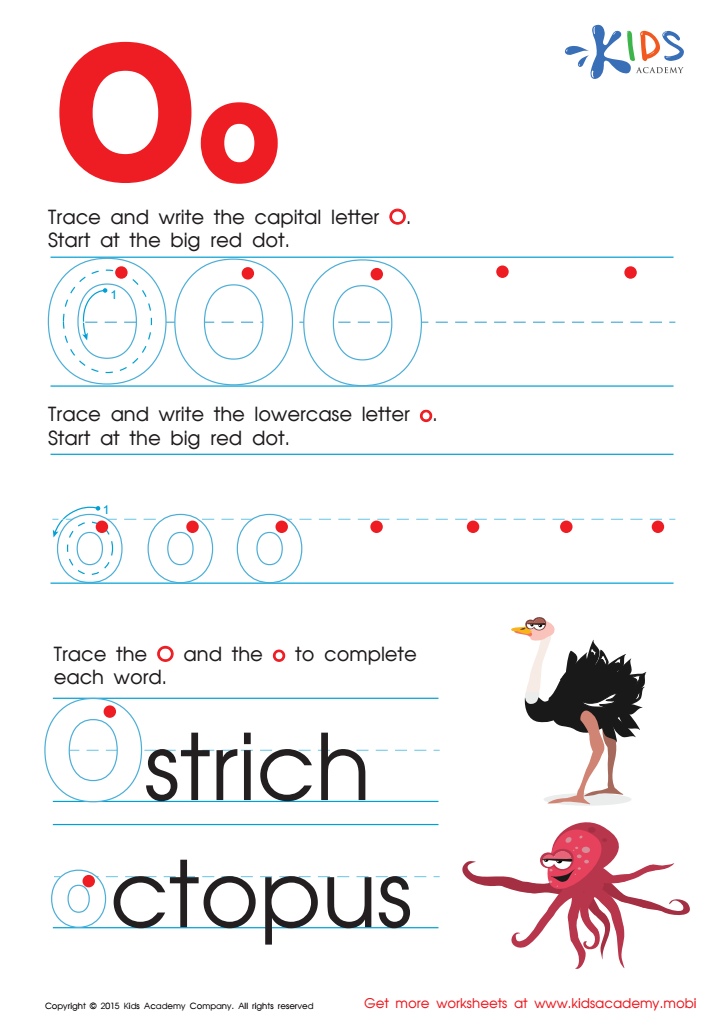
Letter O Tracing Page
 Assign to My Students
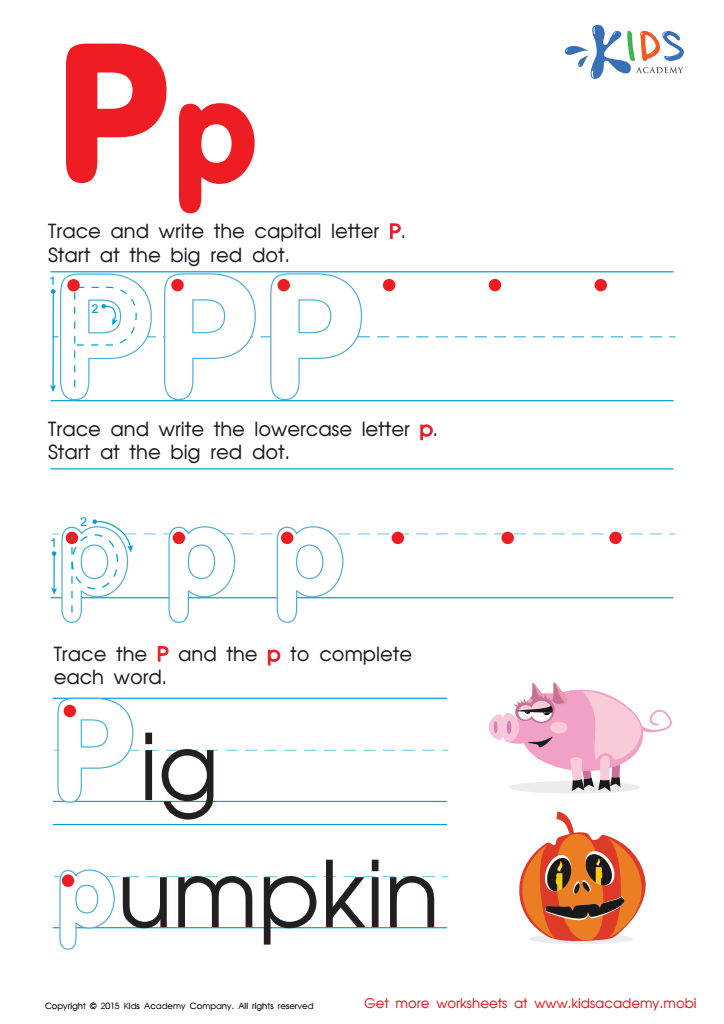
Letter P Tracing Page
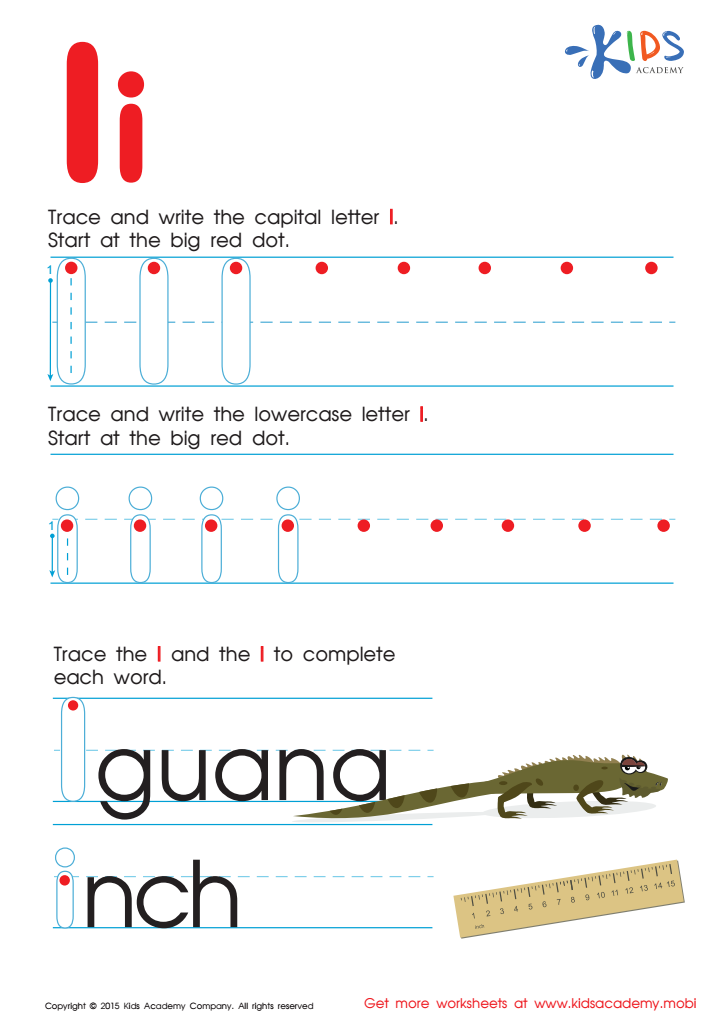
Letter I Tracing Page
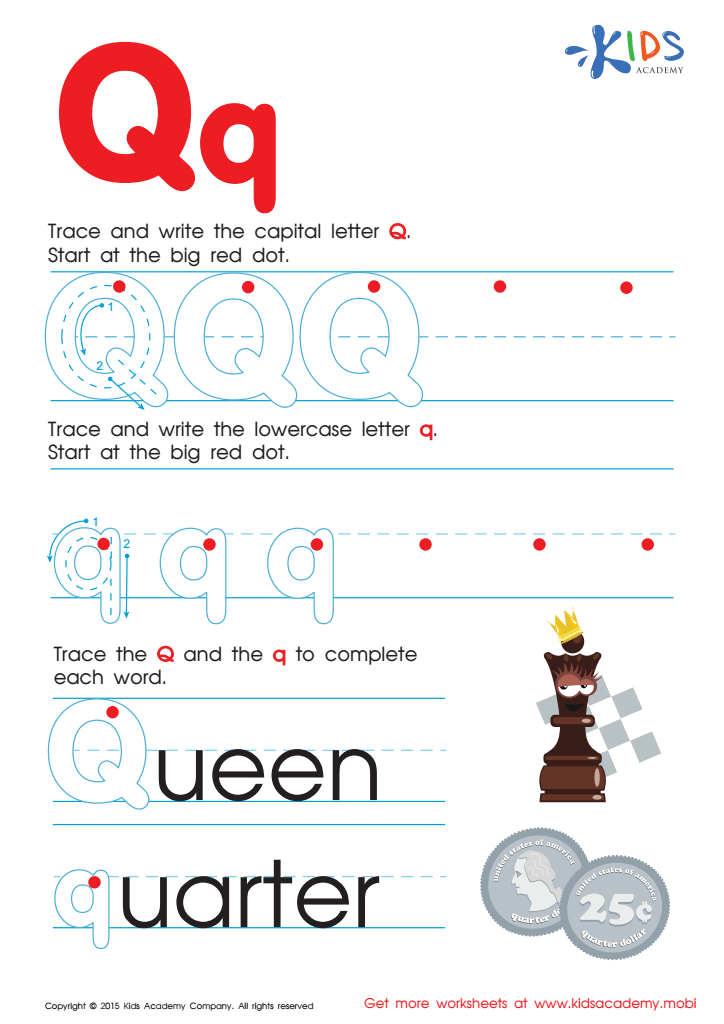
Letter Q Tracing Page
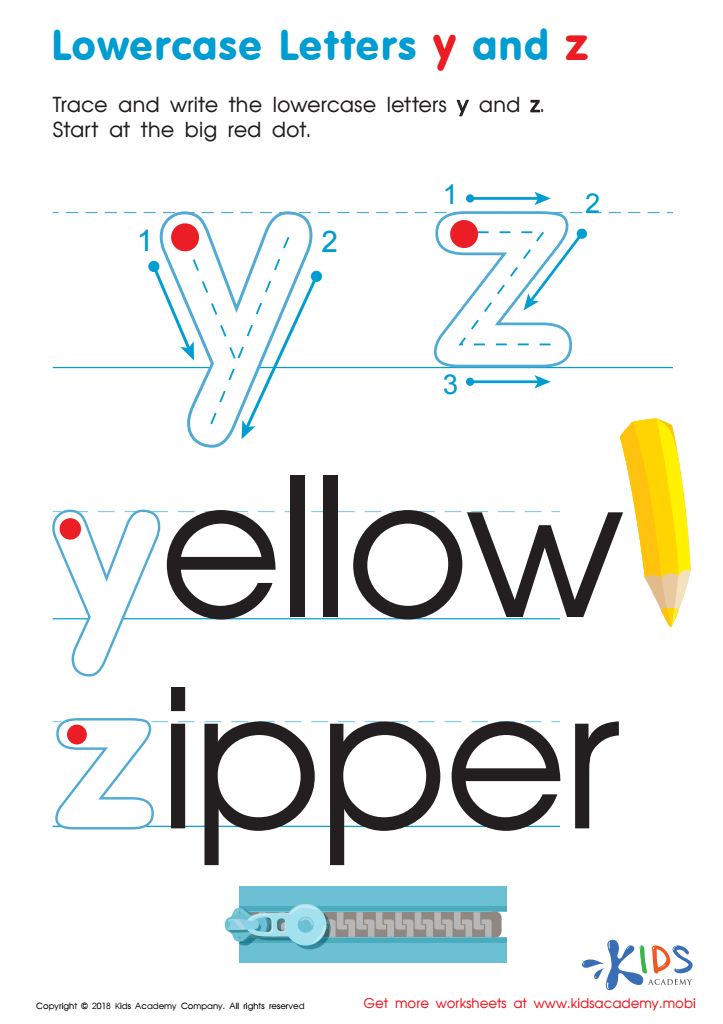
Lowercase Letters y z Worksheet

Letter C Tracing Page
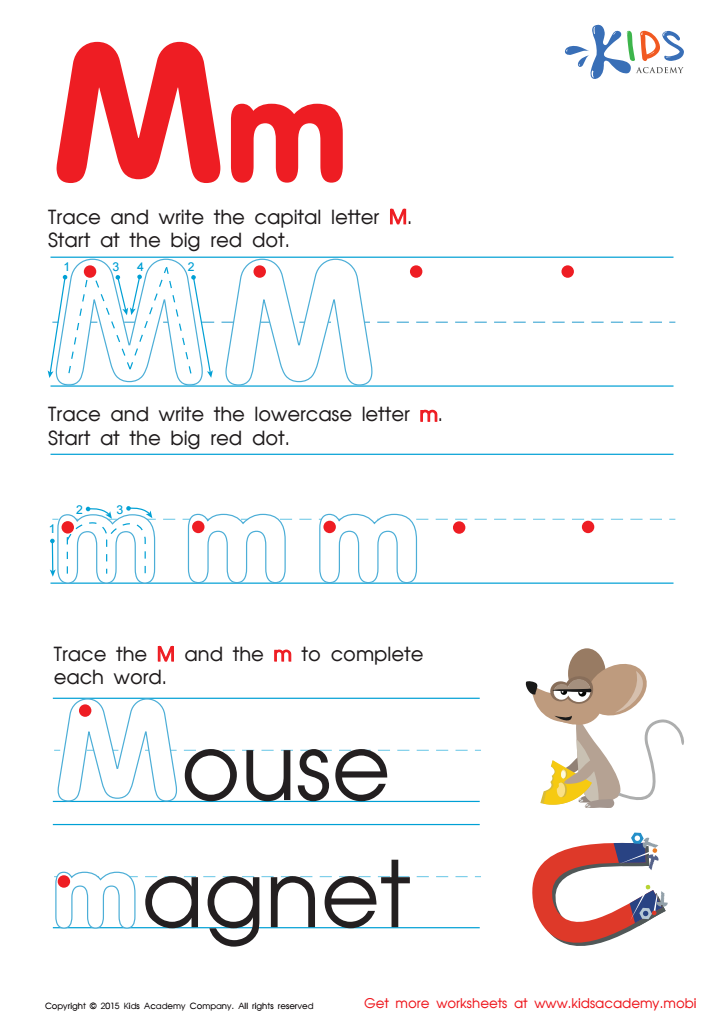
Letter M Tracing Page
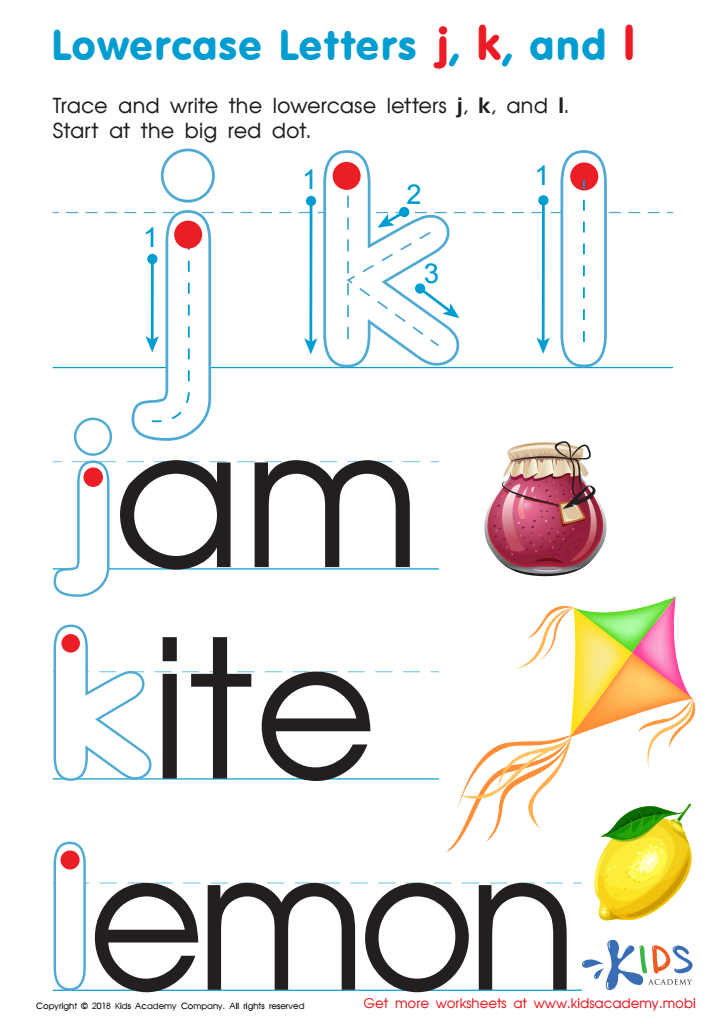
Lowercase Letters j k l Worksheet
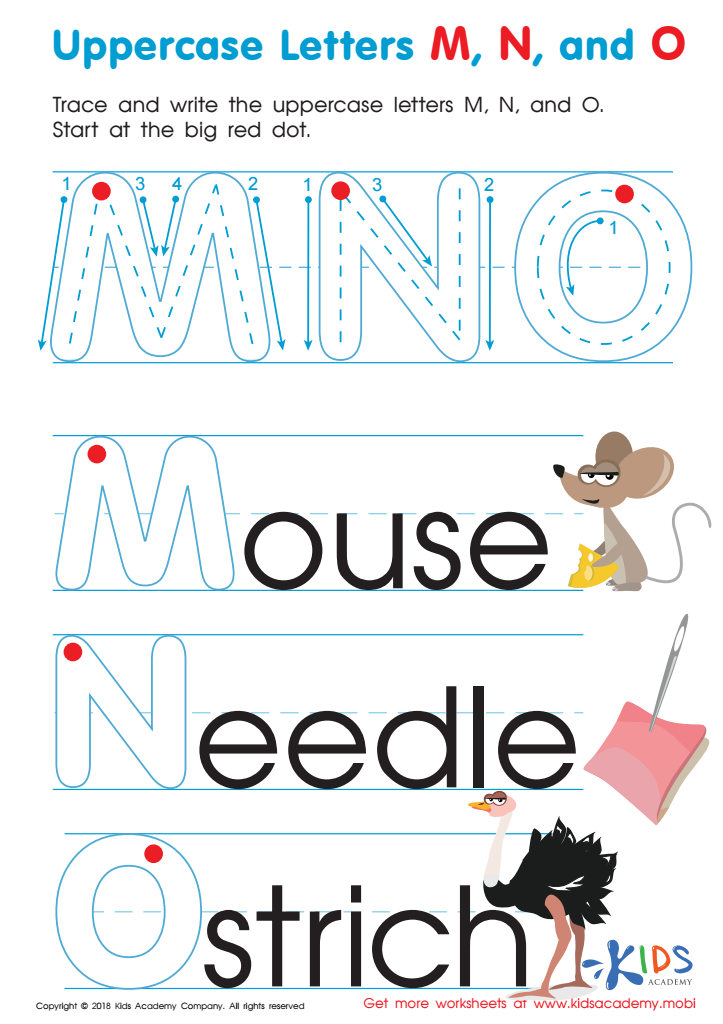
Uppercase Letters M, N, and O Worksheet

Letter G Tracing Page
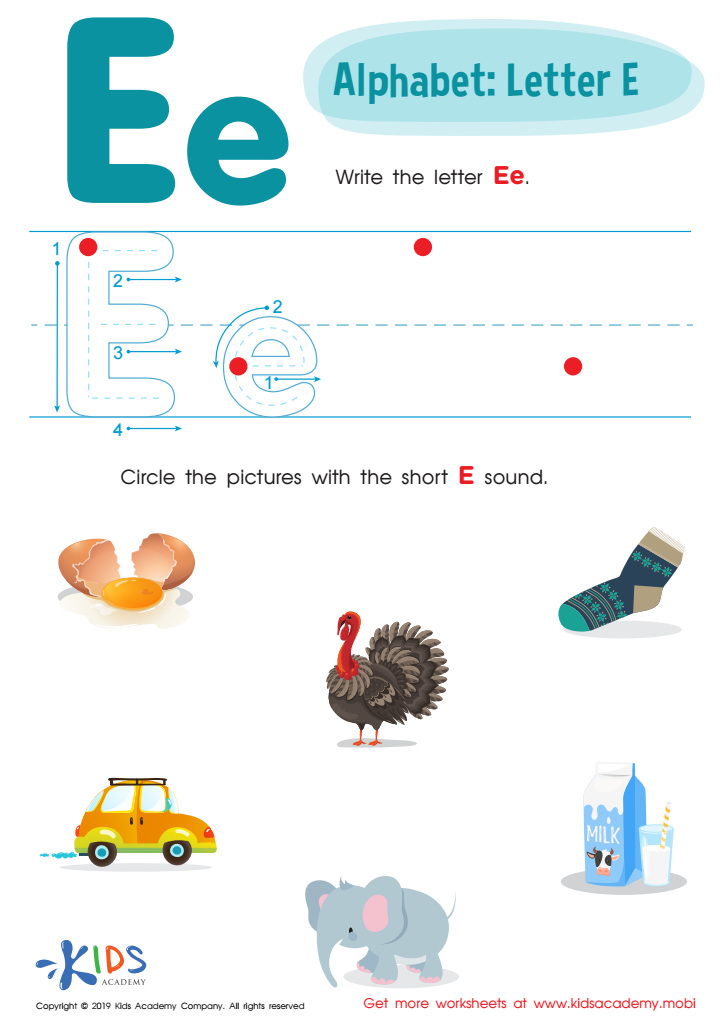
Letter E Tracing Worksheet
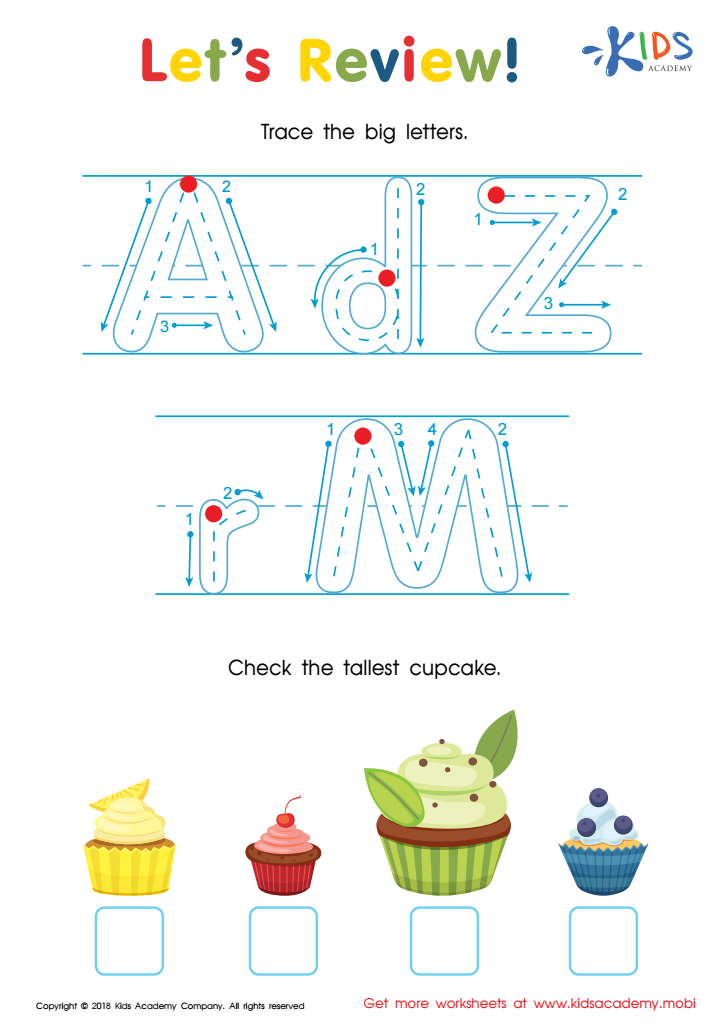
Let's Review! Big Letters Worksheet

Lowercase Letters m n o Worksheet
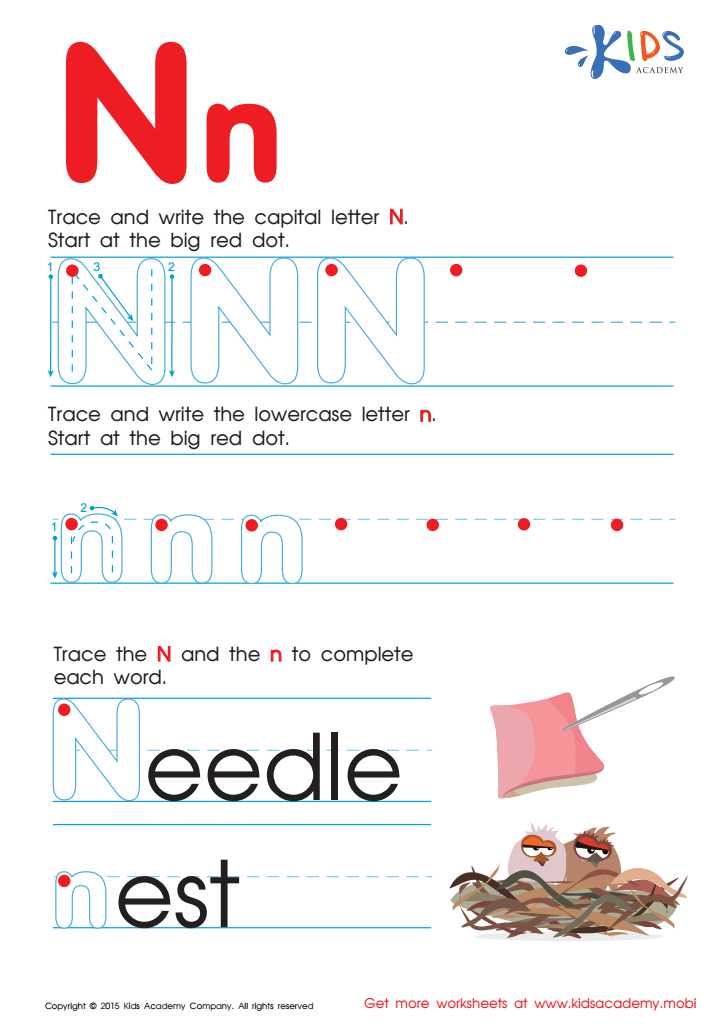
Letter N Tracing Page
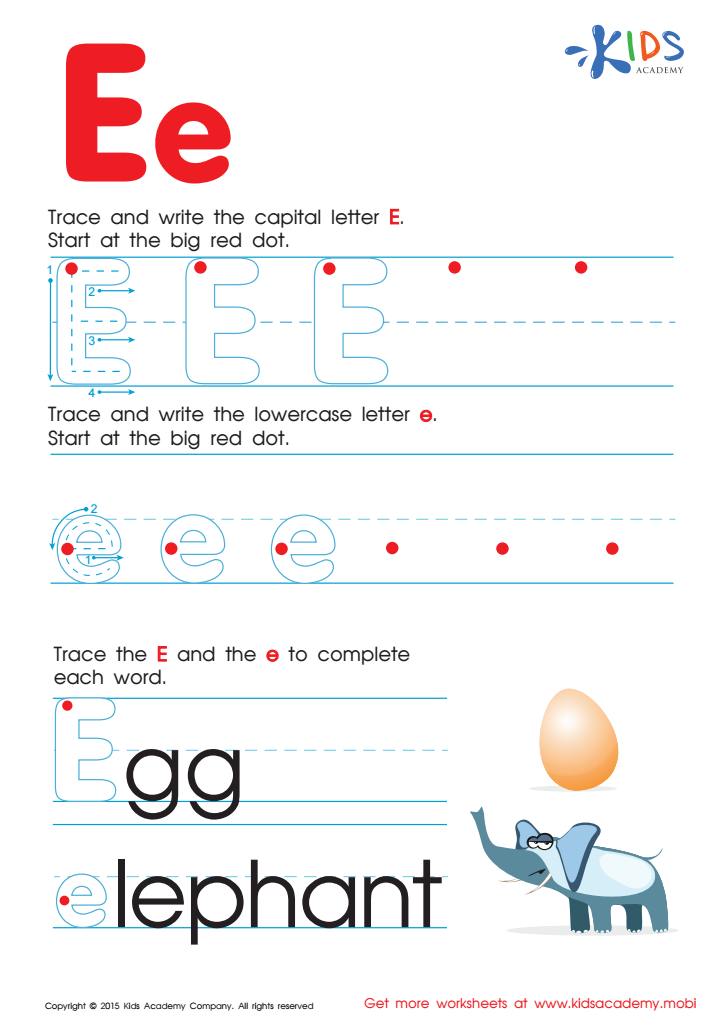
Letter E Tracing Page
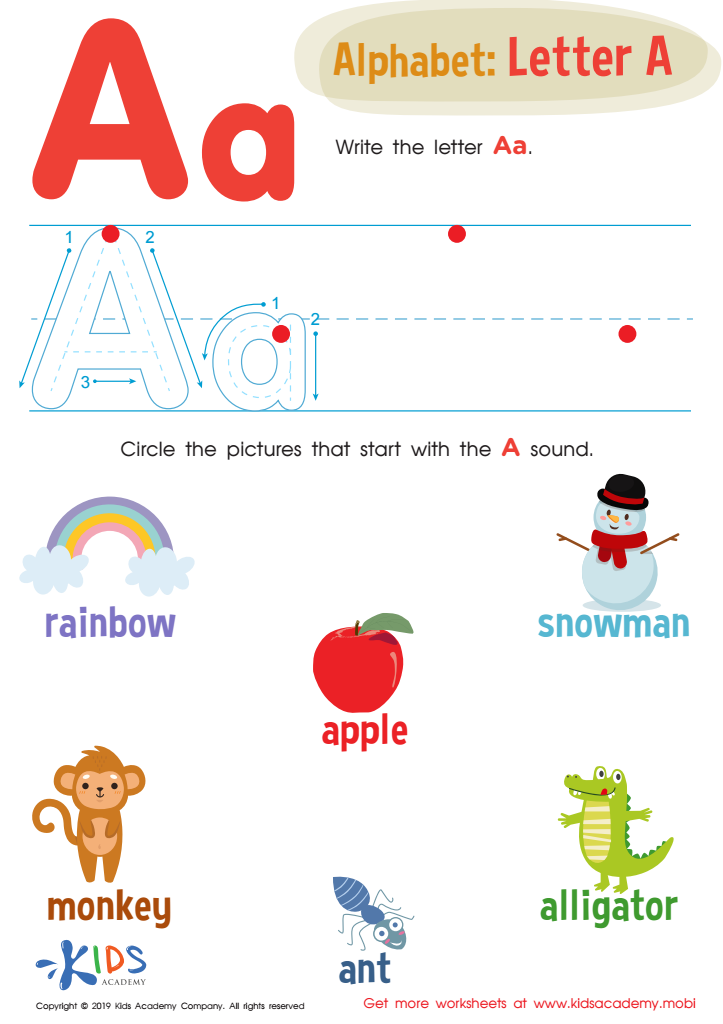
Letter A Tracing Worksheet
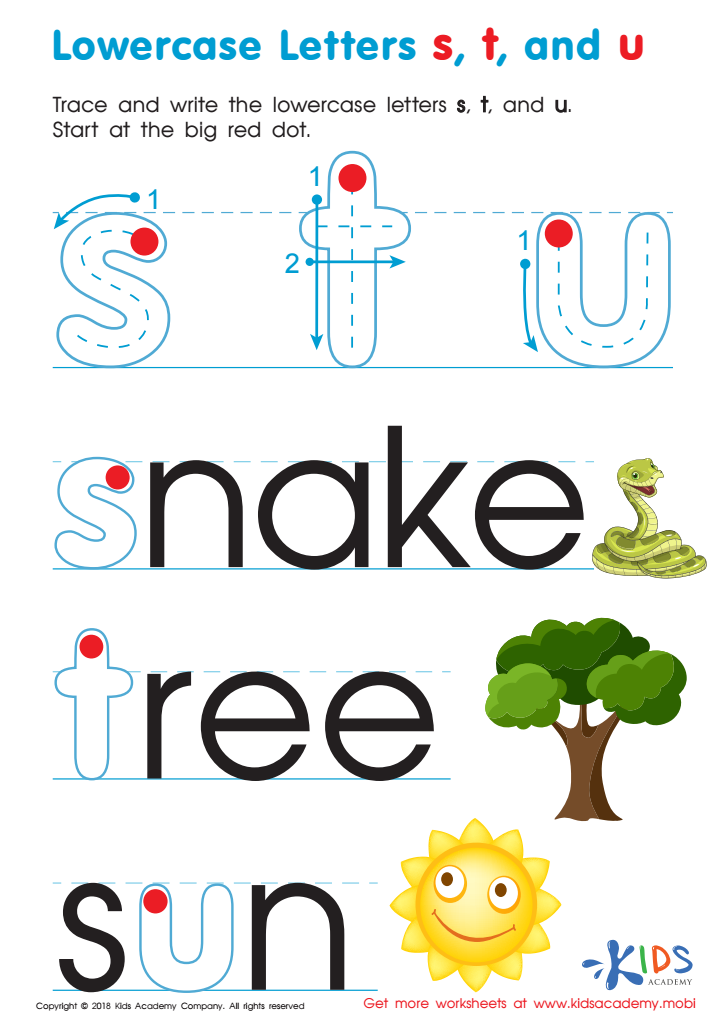
Lowercase Letters s t u Worksheet
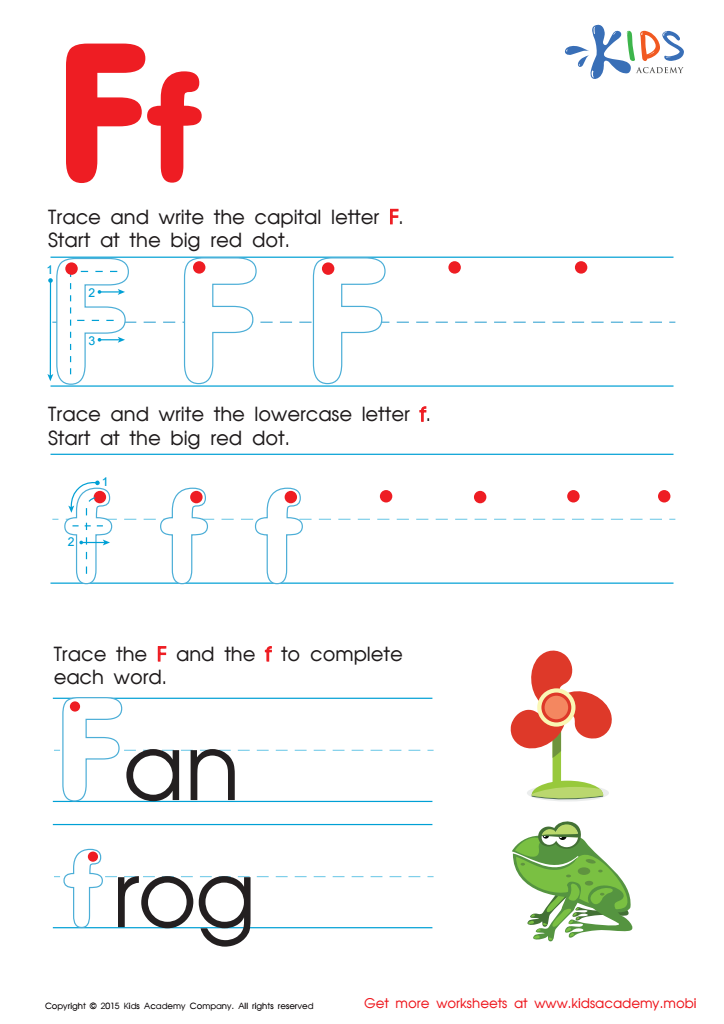
Letter F Tracing Page
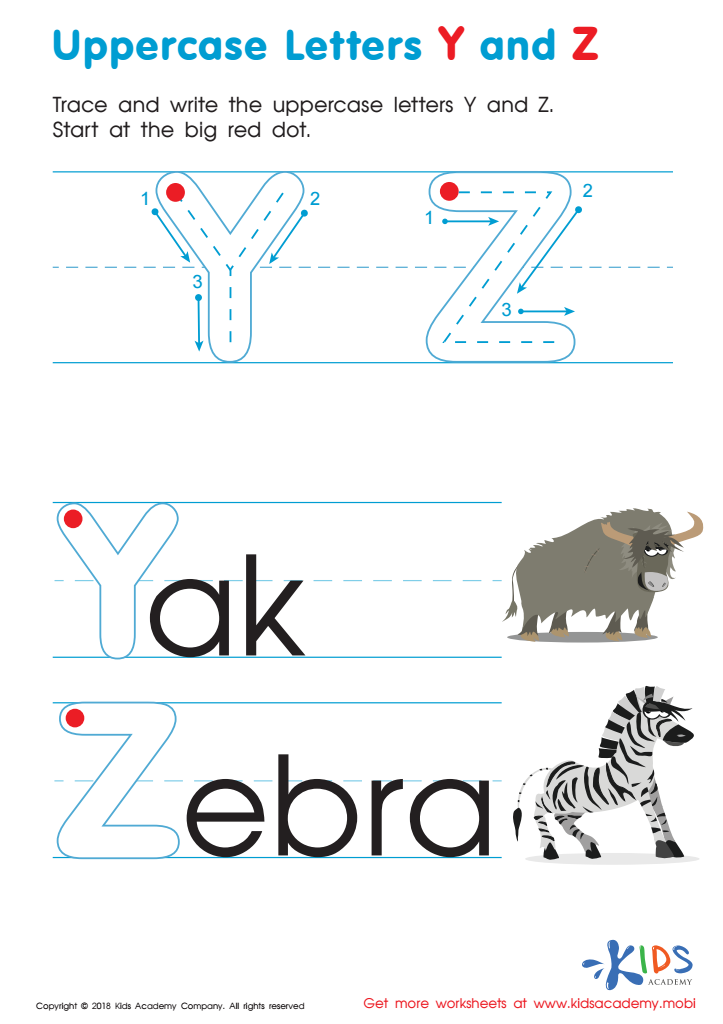
Uppercase Letters Y Z Worksheet
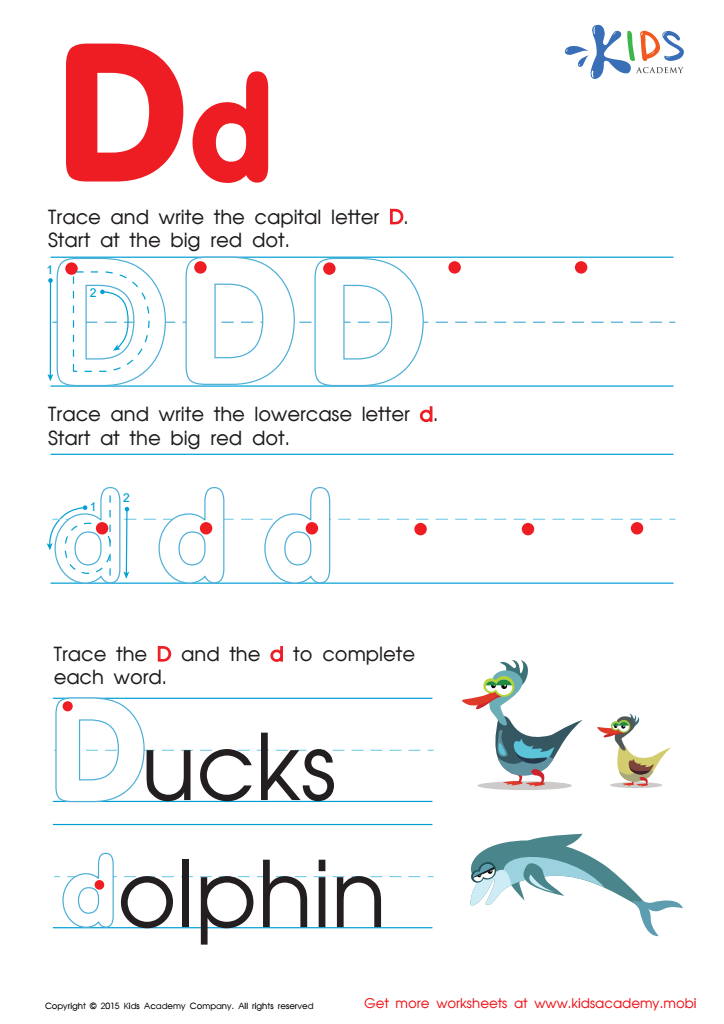
Letter D Tracing Page







It's important for parents and teachers to focus on fine motor skills, including normal tracing letters, for children aged 3-9 because these skills form the foundation for essential developmental milestones. Fine motor skills involve the small muscles of the hands and fingers, which are crucial for tasks such as writing, buttoning clothes, and using utensils. When children practice tracing letters, they enhance their hand-eye coordination, hand strength, and dexterity, which are critical for academic success and everyday tasks.
Tracing letters also helps children develop pre-writing skills, promoting proper pencil grip and control over writing instruments. This lays the groundwork for legible handwriting, an essential skill for clear communication and academic achievement. Children who struggle with fine motor skills often find school tasks more challenging, which can affect their confidence and motivation.
Moreover, engaging in fine motor activities like tracing letters stimulates cognitive development by enhancing focus, attention to detail, and problem-solving abilities. It’s also an engaging way for children to learn the alphabet, phonics, and vocabulary, bolstering their overall literacy.
In summary, focusing on fine motor skills and tracing letters can significantly benefit a child's academic performance, cognitive development, and everyday competence, providing a strong early foundation for lifelong learning and functional independence.








