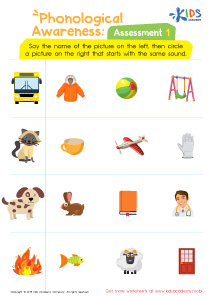
Phonics Skills Normal Vowels Worksheets for Ages 3-9 - Page 2
30 filtered results
-
From - To
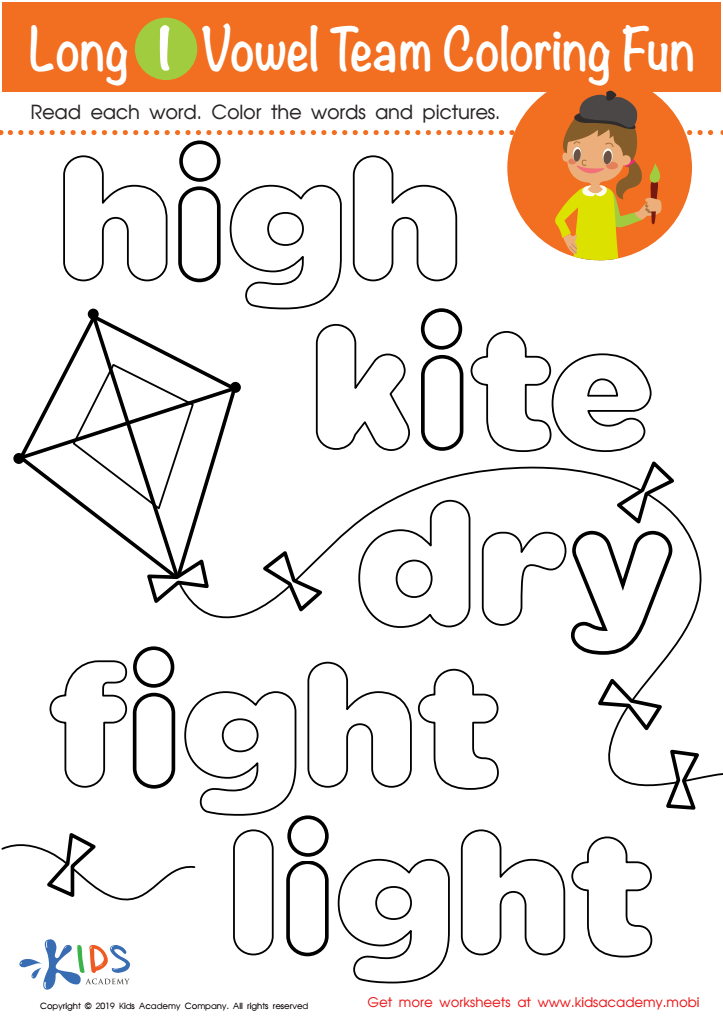
Long I Vowel Team Coloring Worksheet
 Assign to My Students
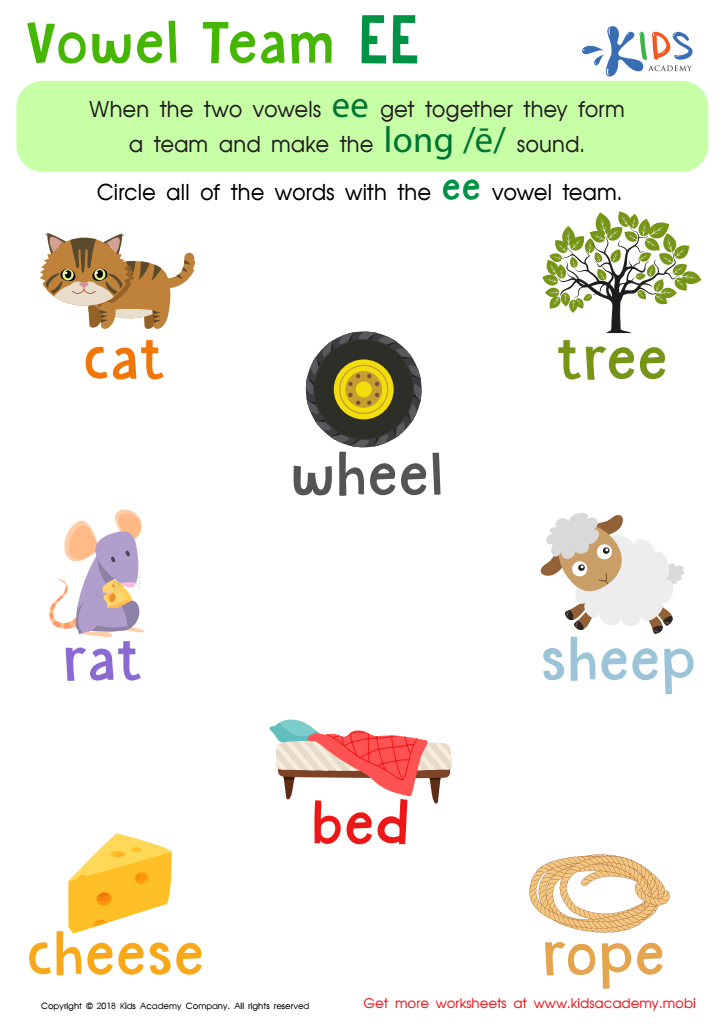
Reading: Vowel Team EE Worksheet
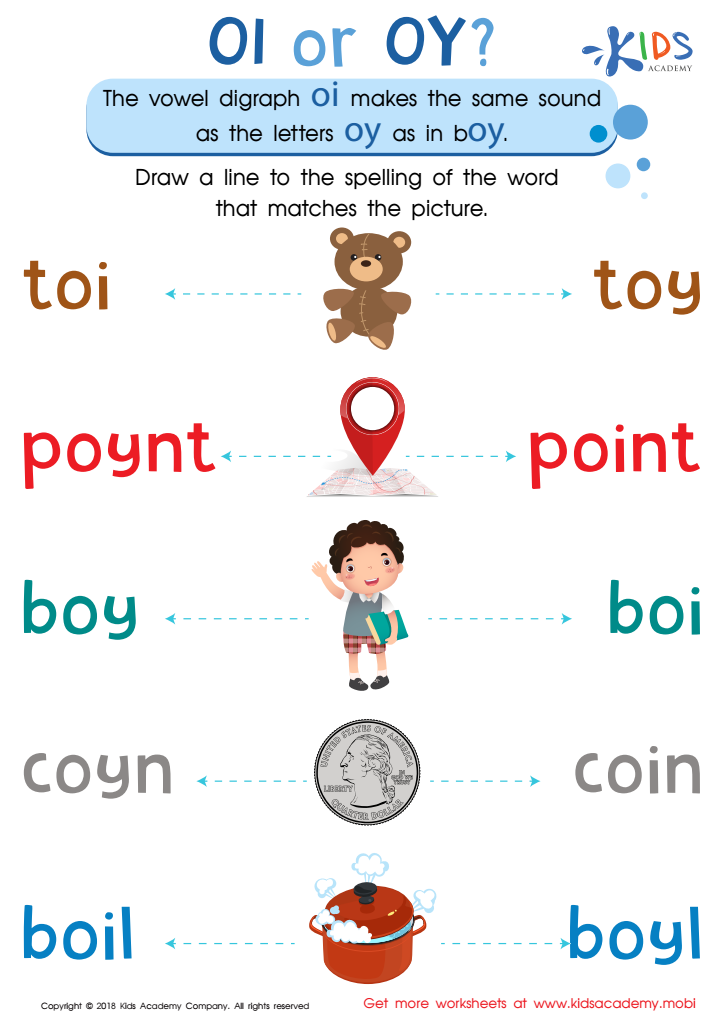
Reading: OI and OY Worksheet
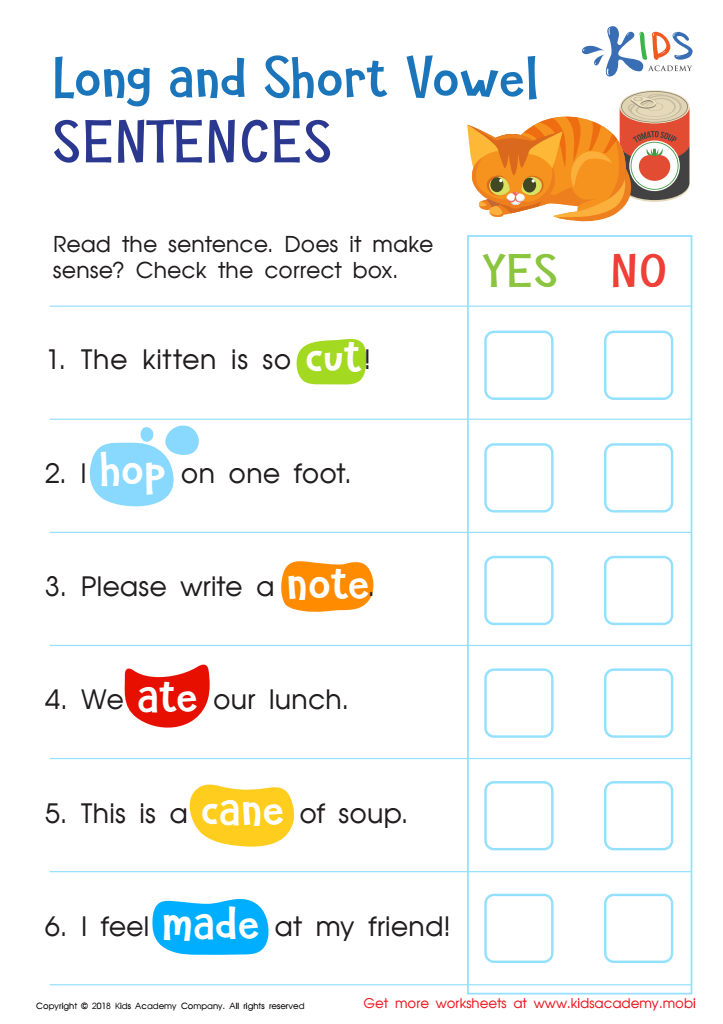
Long and Short Vowel Sentences: Assessment Worksheet
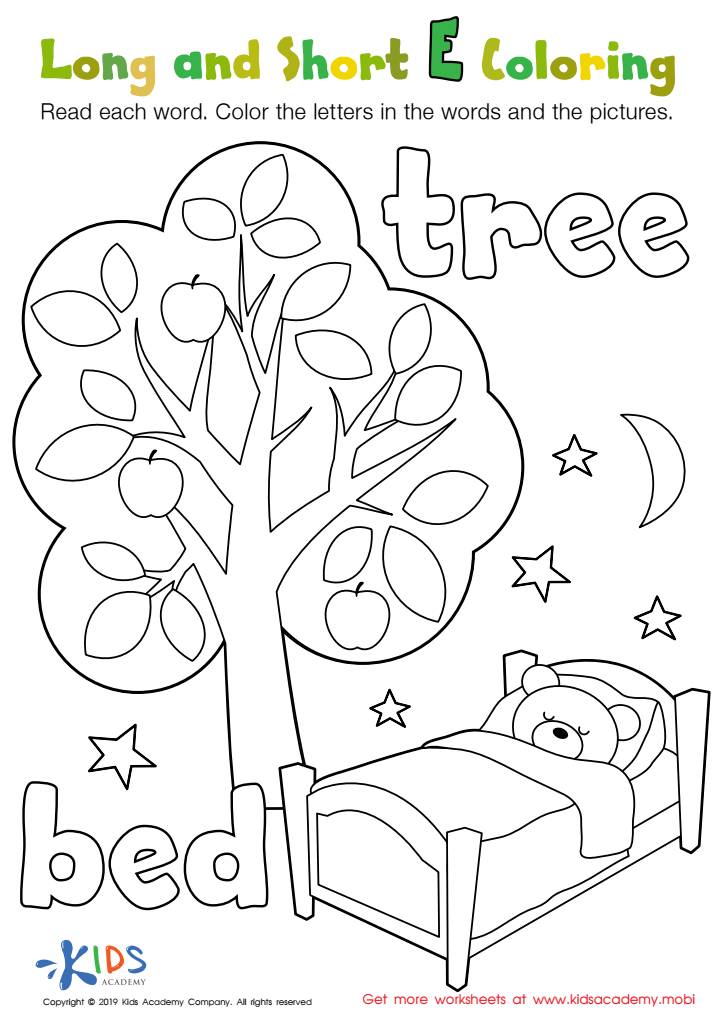
Long and Short E Worksheet
Assign to My Students
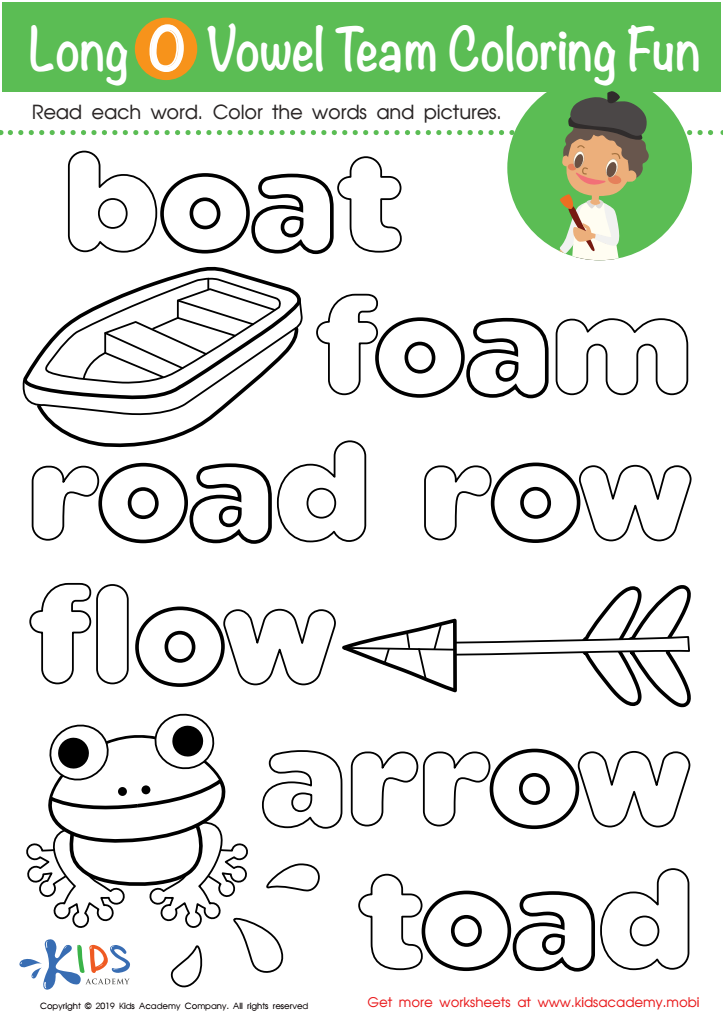
Long O Vowel Team Coloring Worksheet
Assign to My Students





Parents and teachers should care about Phonics Skills Normal Vowels for children aged 3-9 because these foundational skills are critical to early literacy development. During this formative period, children are most receptive to learning language patterns, sounds, and decoding words, which directly influences their reading proficiency and overall academic success.
Phonics, focusing particularly on normal vowels, helps children understand the relationship between letters and sounds. This understanding is essential for word recognition, pronunciation, and spelling. Mastering normal vowel sounds—such as long and short "a," "e," "i," "o," and "u"—enables children to decode and read new words accurately and fluently. Fluency, in turn, improves comprehension, as children can focus more on the meaning of the text rather than laboriously sounding out each word.
Moreover, early proficiency in phonics fosters a love for reading, laying down a positive pathway to becoming lifelong readers and learners. Investing time and resources in phonics instruction helps children feel confident and supported in their reading journey, reduces the risk of future reading difficulties, and ensures they meet essential literacy milestones. Therefore, phonics education, especially regarding normal vowels, truly serves as the cornerstone of effective reading instruction in early childhood.