Basic Math Skills Normal Worksheets for Ages 3-9 - Page 2
43 filtered results
-
From - To
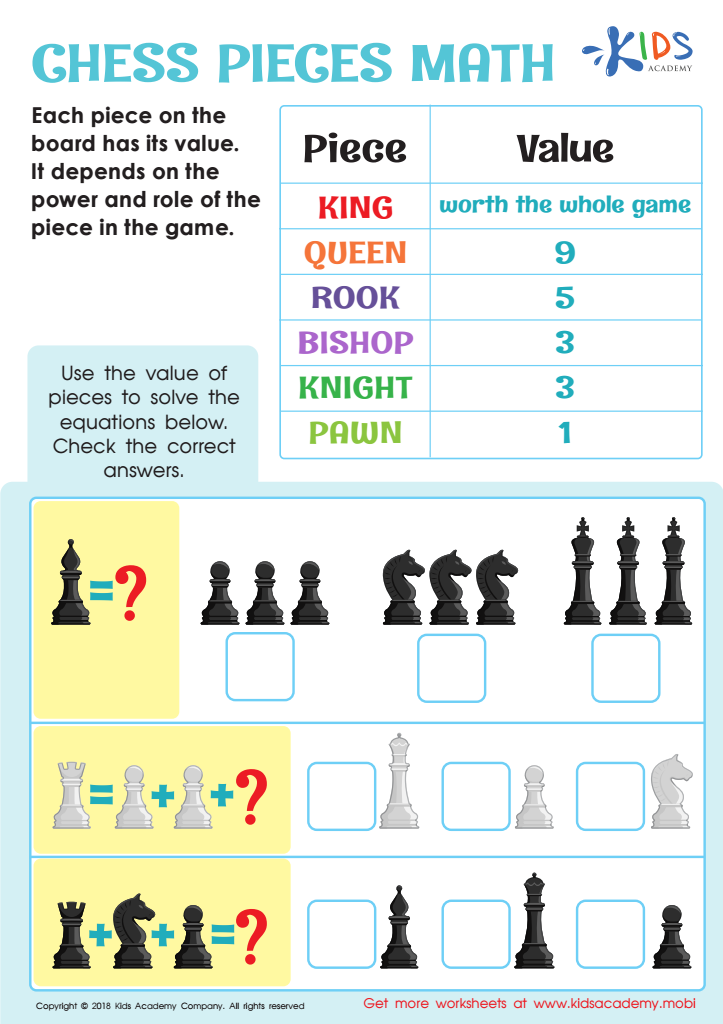
Chess Pieces Math Worksheet
 Assign to My Students
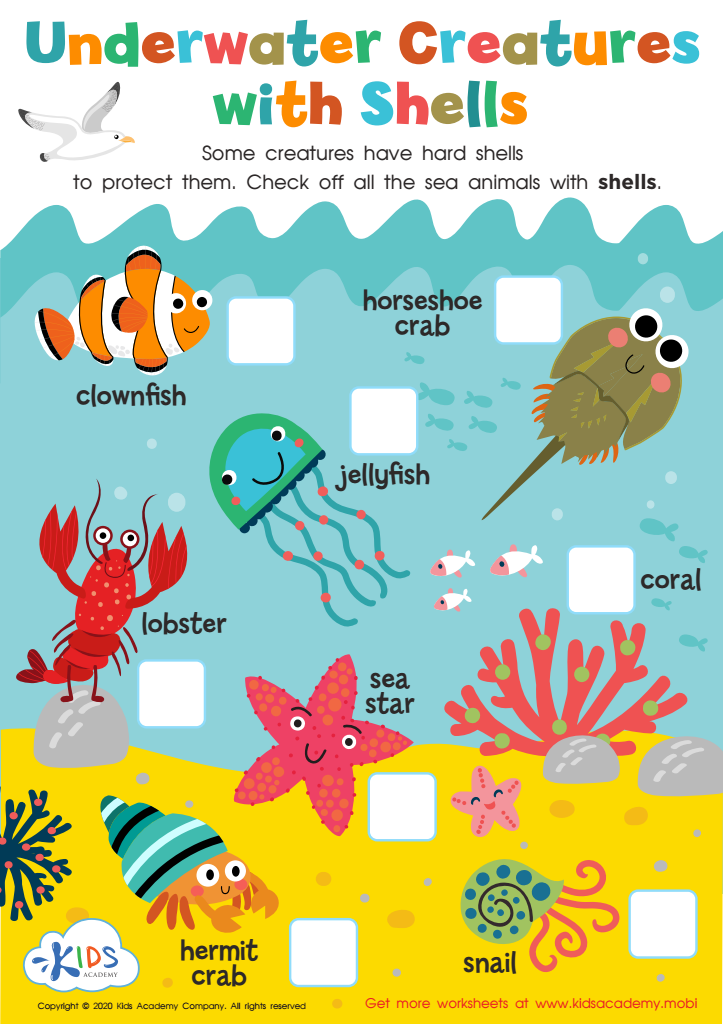
Underwater Creatures with Shells Worksheet
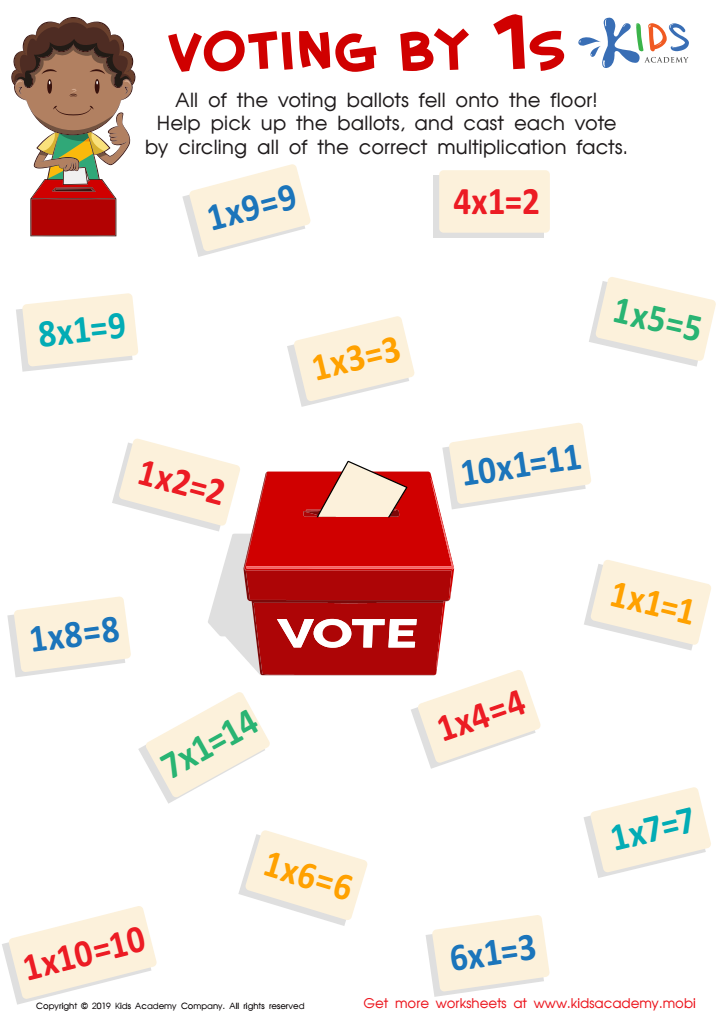
Voting by 1s Worksheet

Count and Match Vegetables and Points Math Worksheet
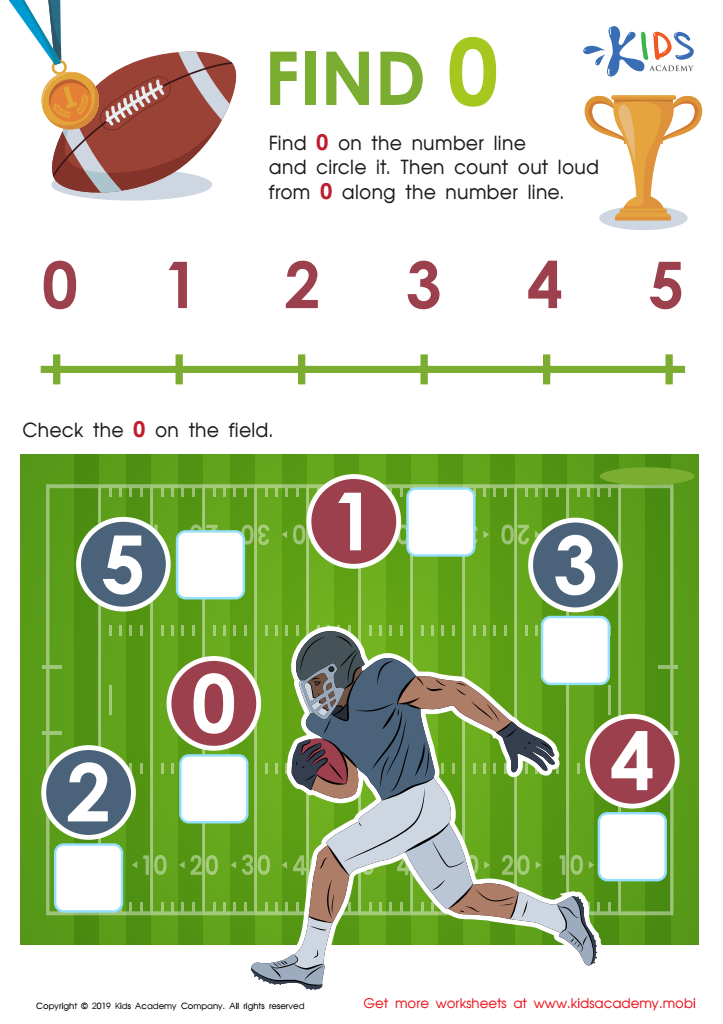
Find 0 Worksheet
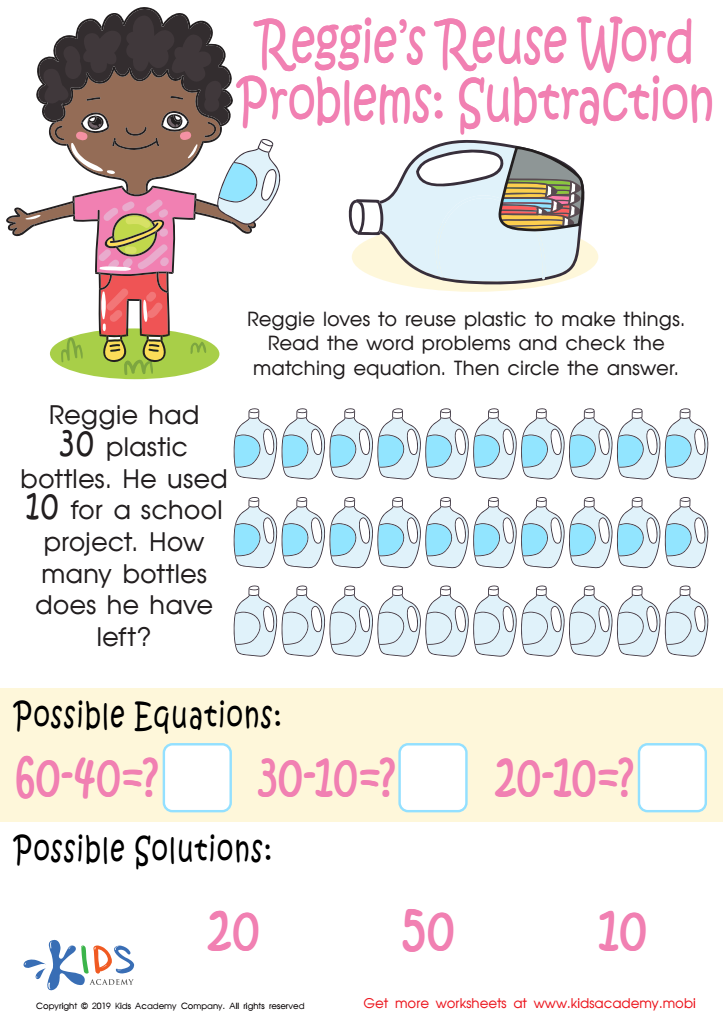
Reggie's Reuse Word Problems: Subtraction Worksheet
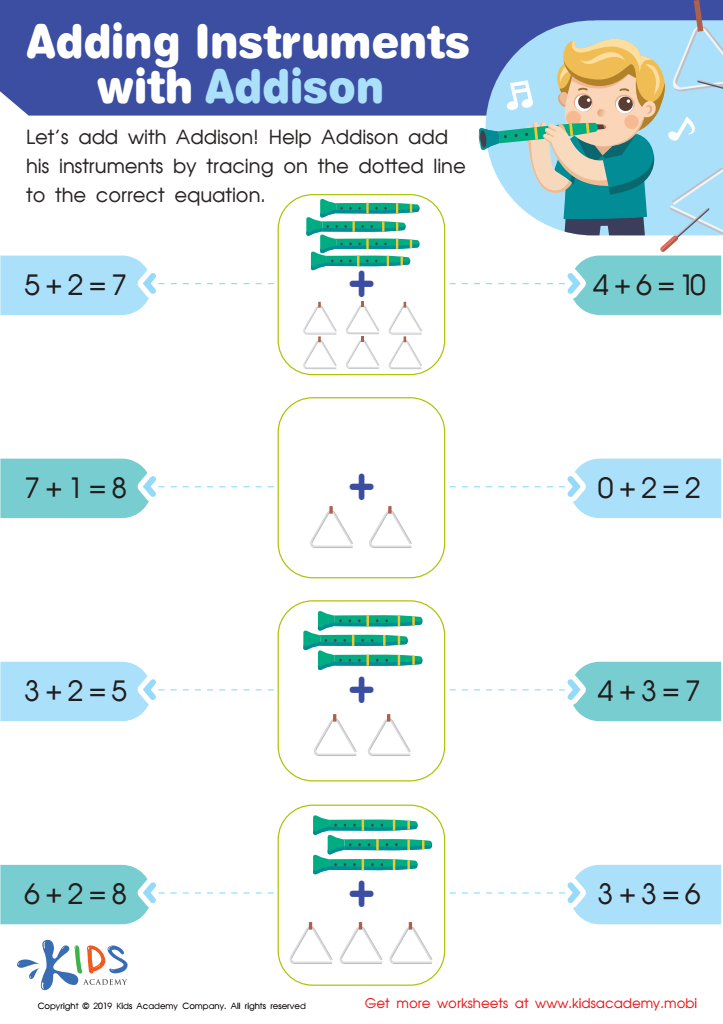
Adding Instruments with Addison Worksheet
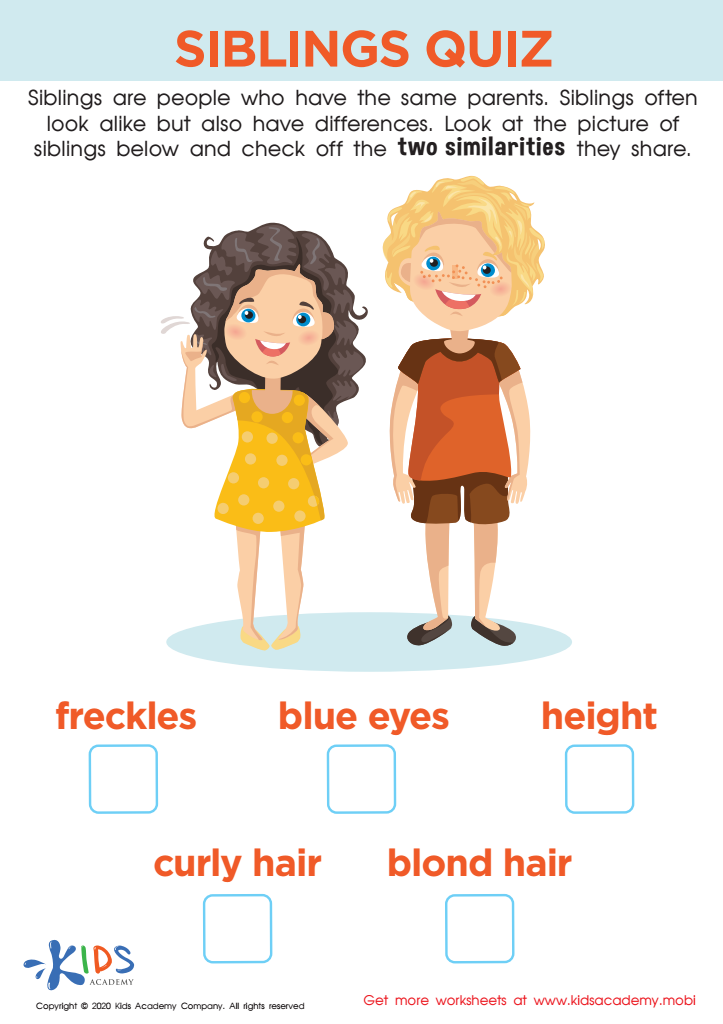
Siblings Quiz Worksheet
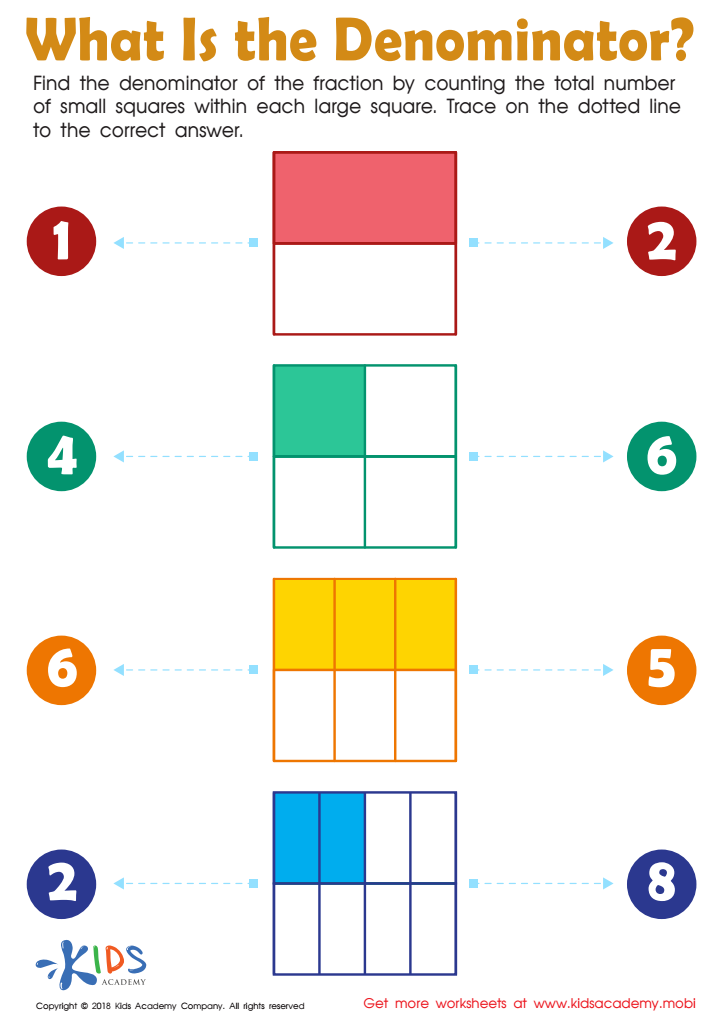
What Is the Denominator? Worksheet
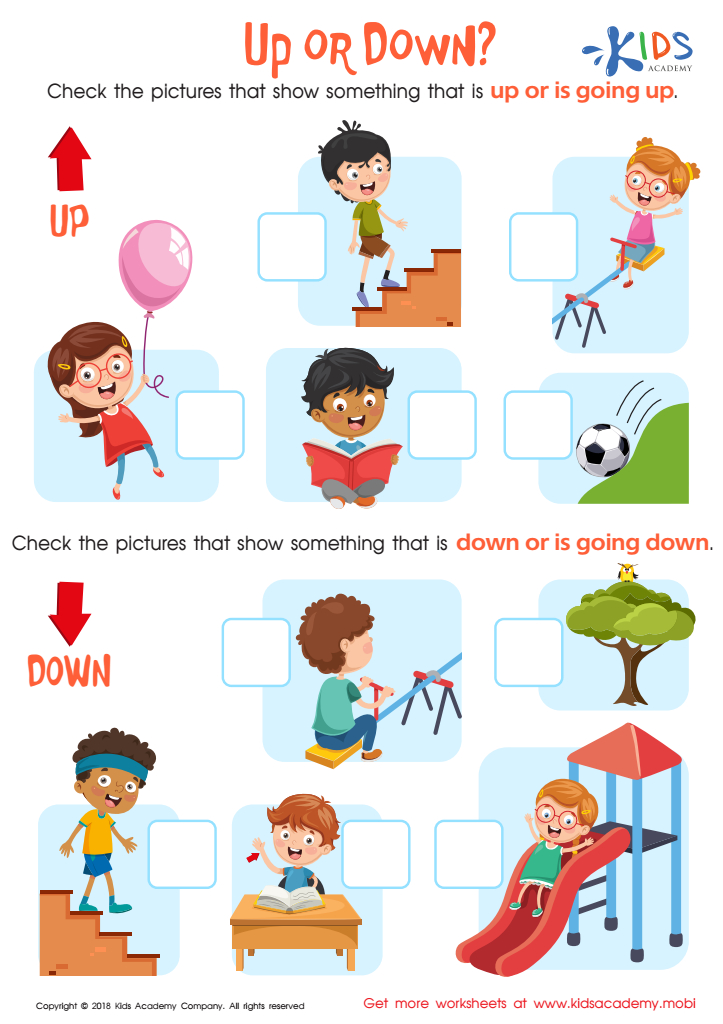
Up or Down Worksheet
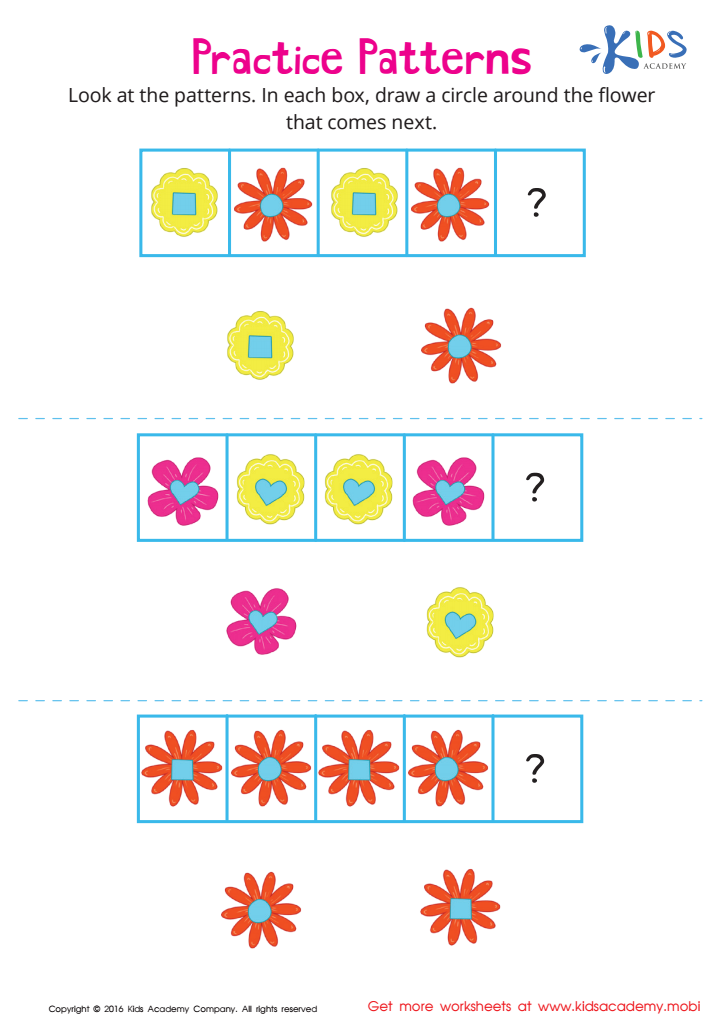

Count and Match Vegetables 1 – 5 Math Worksheet
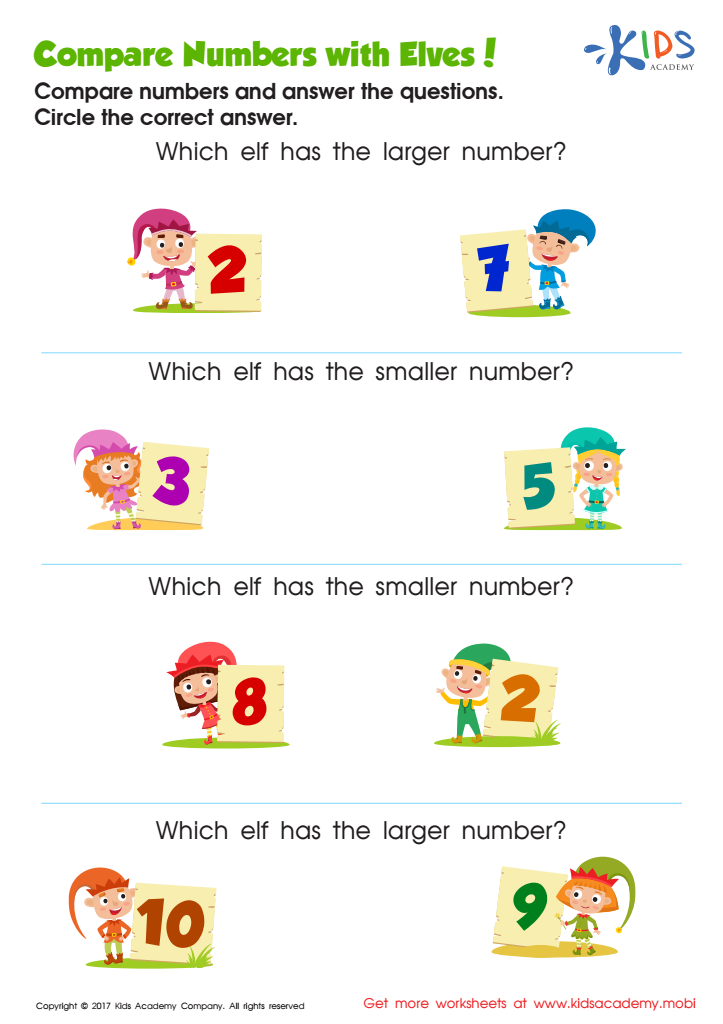
Comparing Numbers Worksheet for Kindergarten
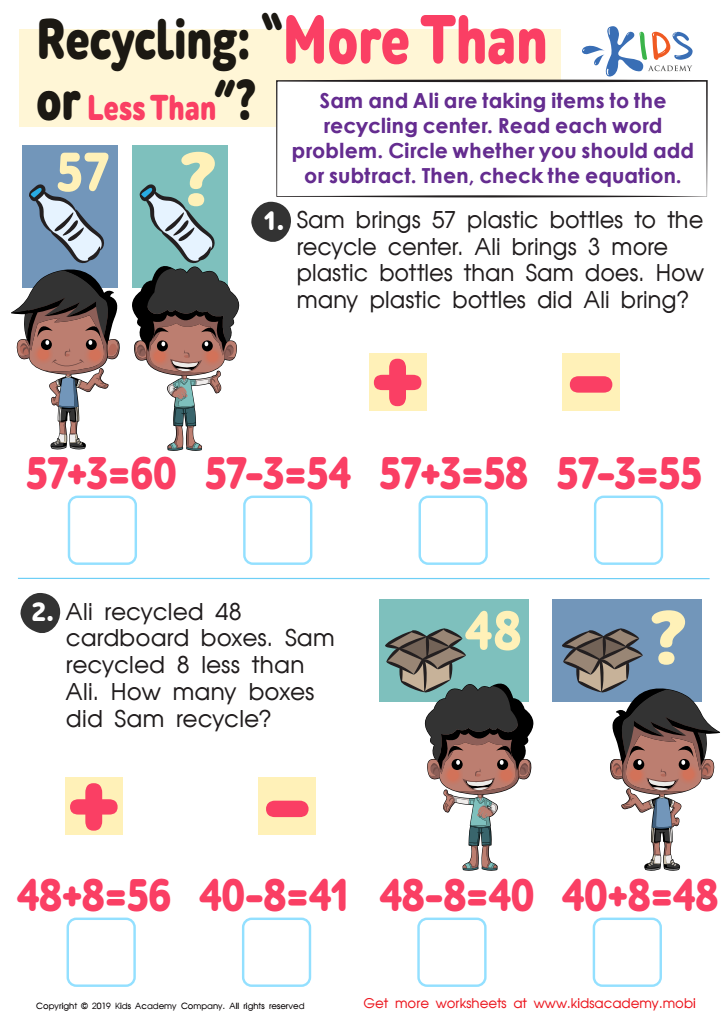
Recycling - More or Less Worksheet
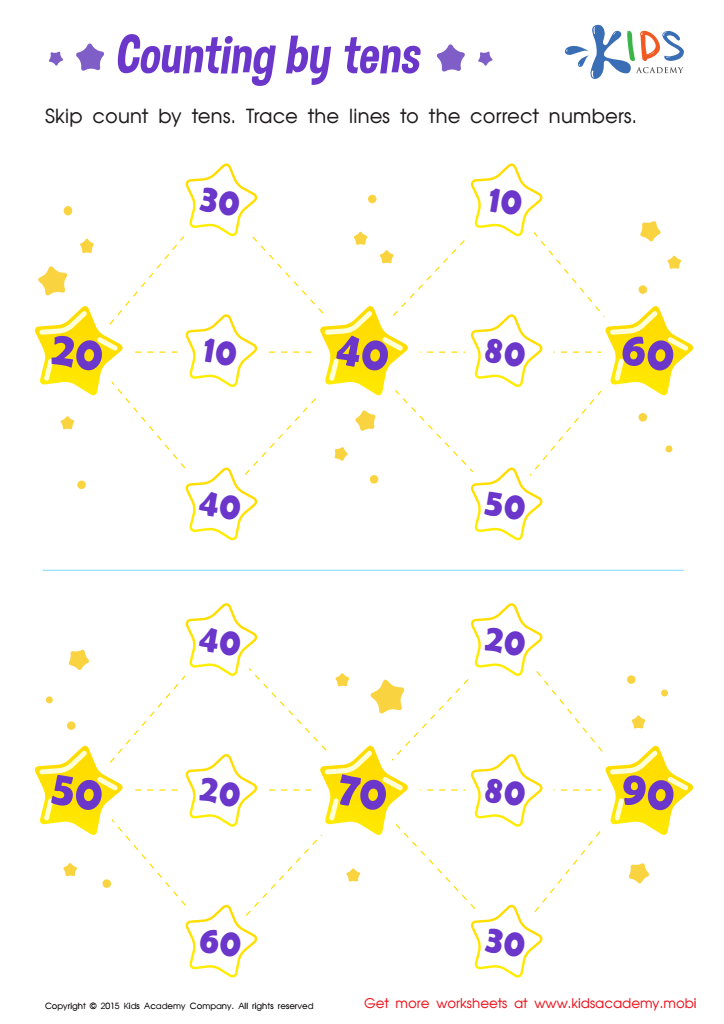
Learn Dozens: Counting by Tens Printable
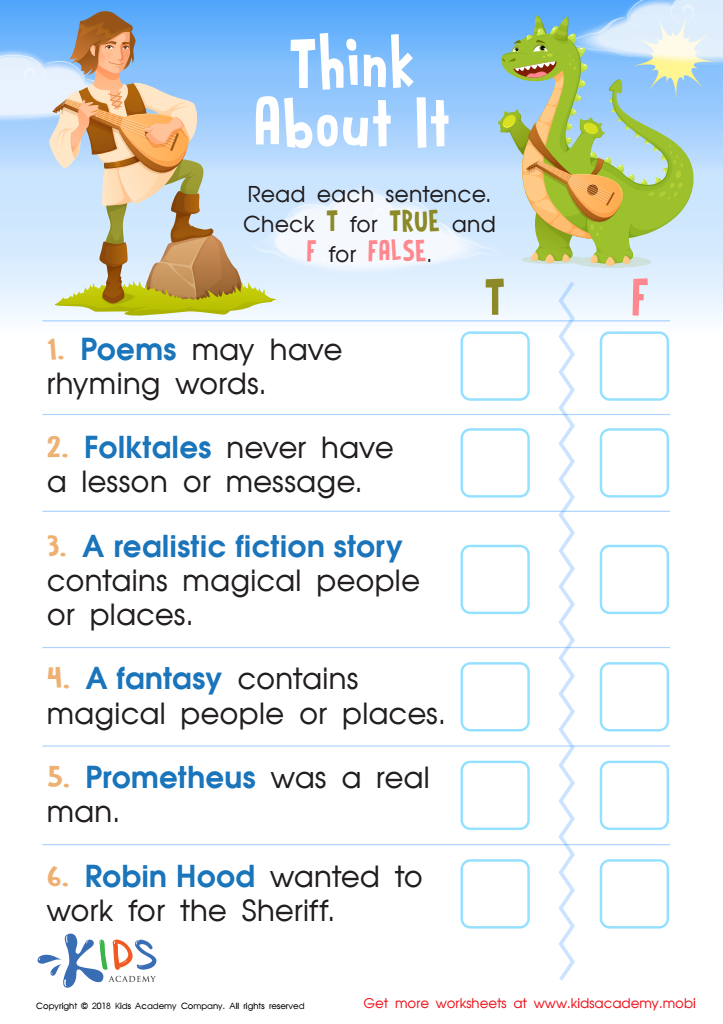
Think About It: Assessment Worksheet
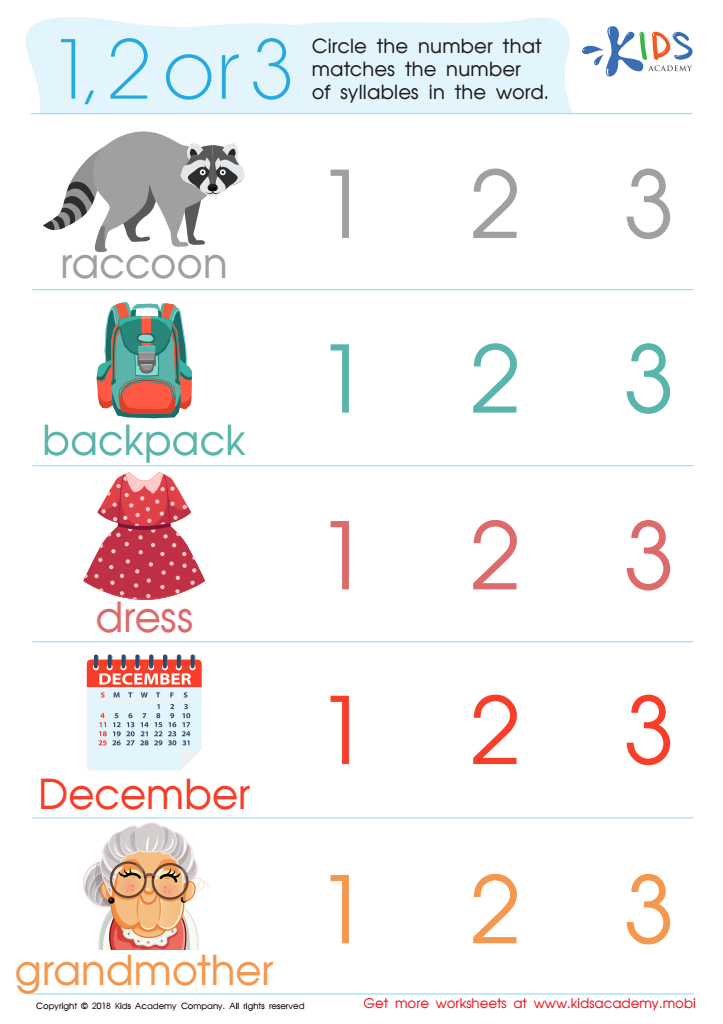
1, 2 or 3? Worksheet
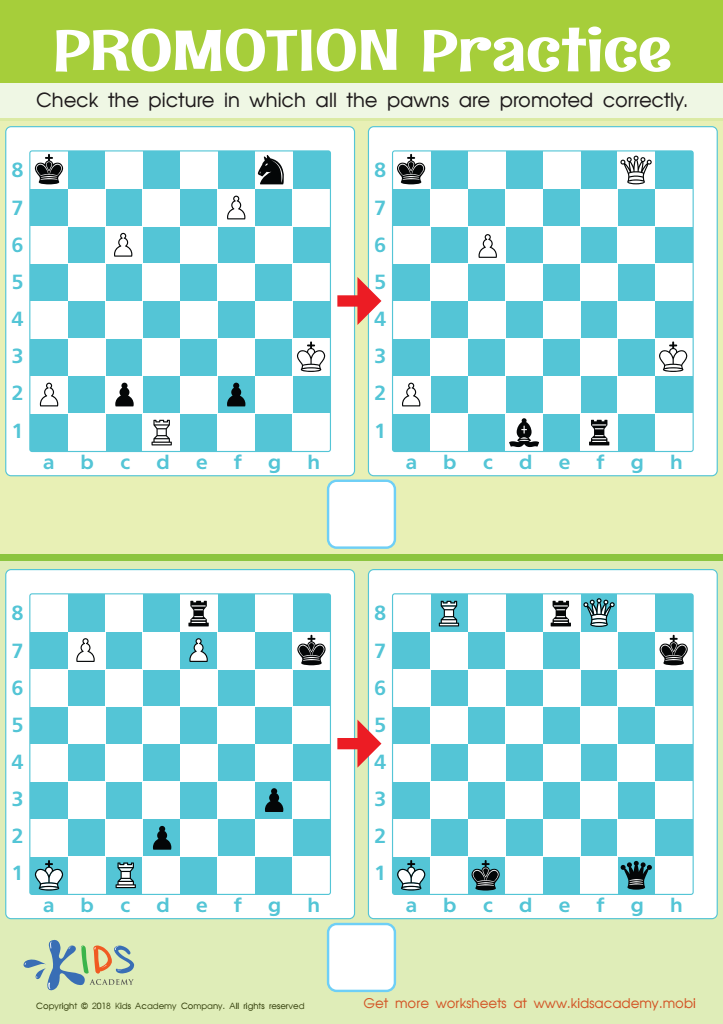
Promotion Practice Worksheet
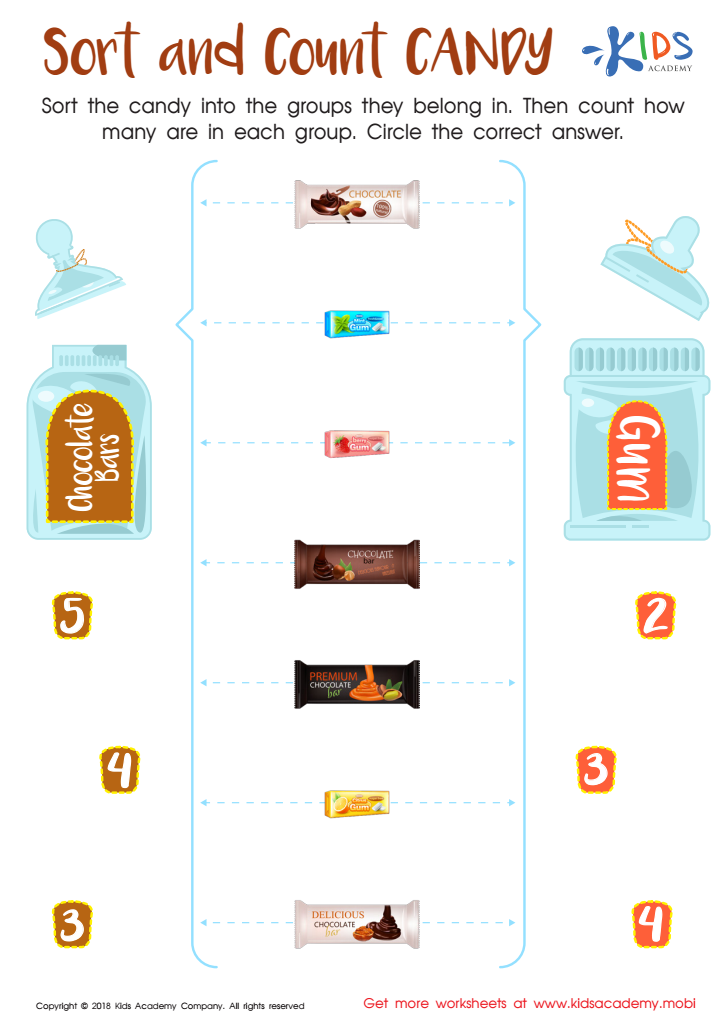
Sort and Count Candy Worksheet







.jpg)
Parents and teachers should care about developing basic math skills in children aged 3-9 because these foundational skills set the stage for future academic success and everyday problem-solving abilities. During early childhood, children's brains are exceptionally adaptable and responsive to new information, making this a critical time for introducing essential math concepts such as counting, number recognition, addition, and subtraction.
Basic math skills enhance cognitive development and foster logical thinking, which is crucial for their overall learning process. These skills help children understand the world around them, enabling them to make sense of quantities in daily tasks such as cooking, shopping, or playing games. Building a robust mathematical foundation not only aids in academic pursuits but also boosts confidence in their abilities to tackle more complex concepts as they progress through school.
Moreover, early exposure to math encourages positive attitudes toward the subject, helping to combat math anxiety later in life. When parents and teachers actively engage in math-related activities and discussions, they support children’s curiosity and inclination toward exploration, laying the groundwork for lifelong learning. Emphasizing these skills during this formative age ultimately promotes informed, capable, and confident learners well beyond their early years.








