Contextual understanding Normal Worksheets for Ages 3-9
7 filtered results
-
From - To
Discover our engaging "Contextual Understanding Normal Worksheets" designed for children aged 3-9. These carefully crafted worksheets are perfect for enhancing learning skills by focusing on contextual comprehension. Our age-appropriate activities introduce young learners to everyday situations, encouraging them to think critically and understand concepts in real-world contexts. With colorful illustrations and relatable scenarios, these worksheets make learning fun and effective. Ideal for both classroom and home use, they support language development, critical thinking, and cognitive skills. Help your child build a strong foundation in contextual understanding with our expertly curated resources.
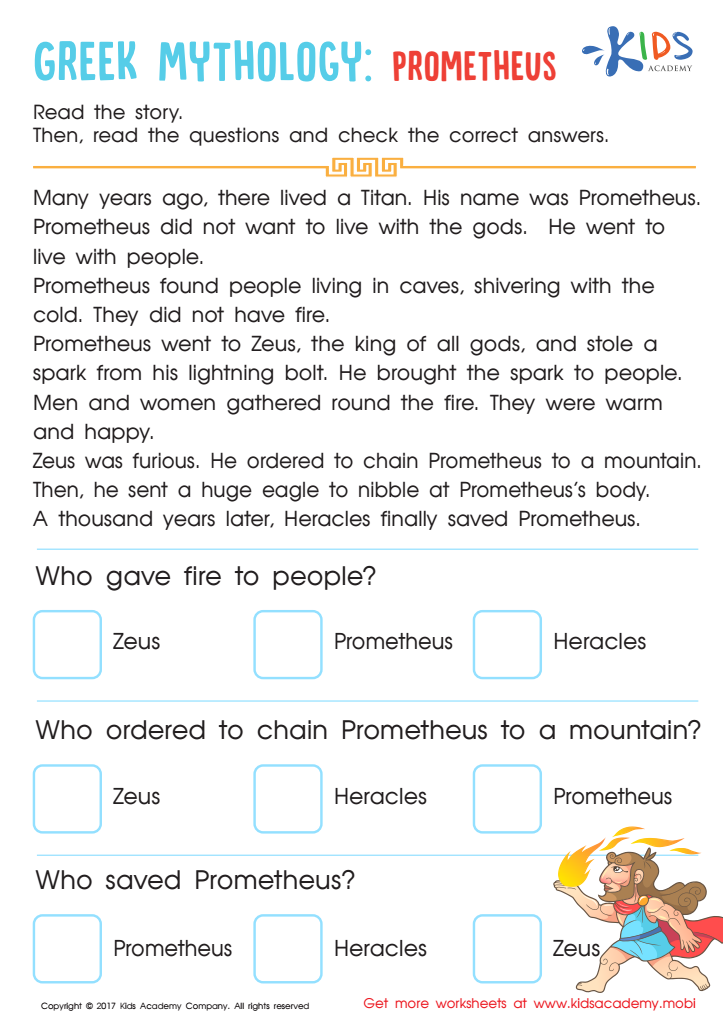
Prometheus Story Worksheet
 Assign to My Students
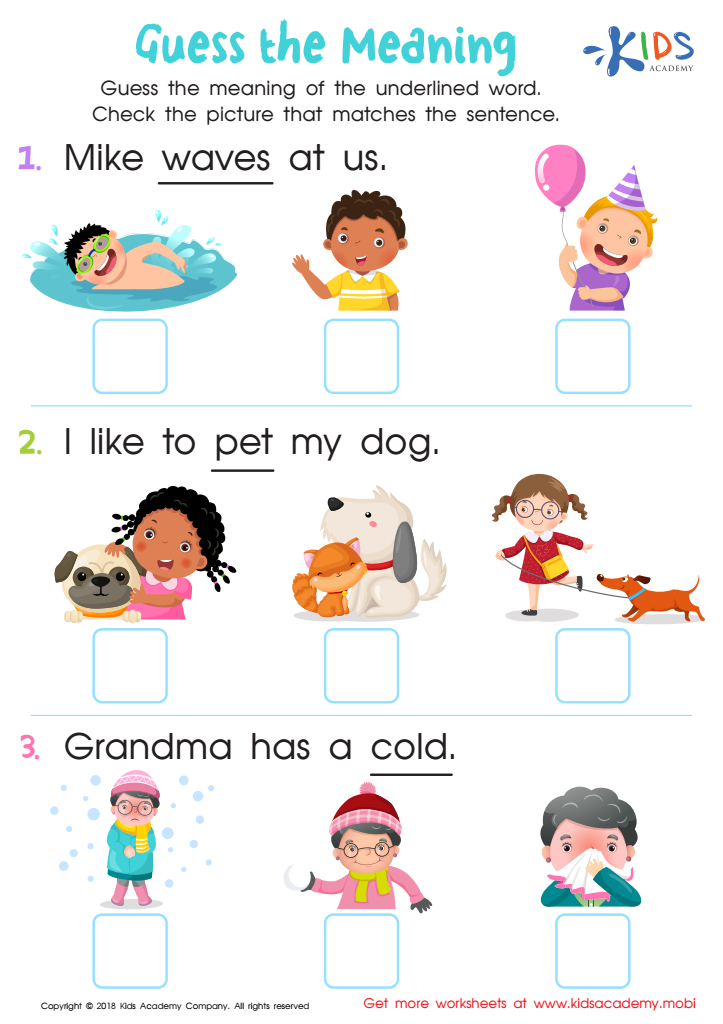
Guess the Meaning Worksheet
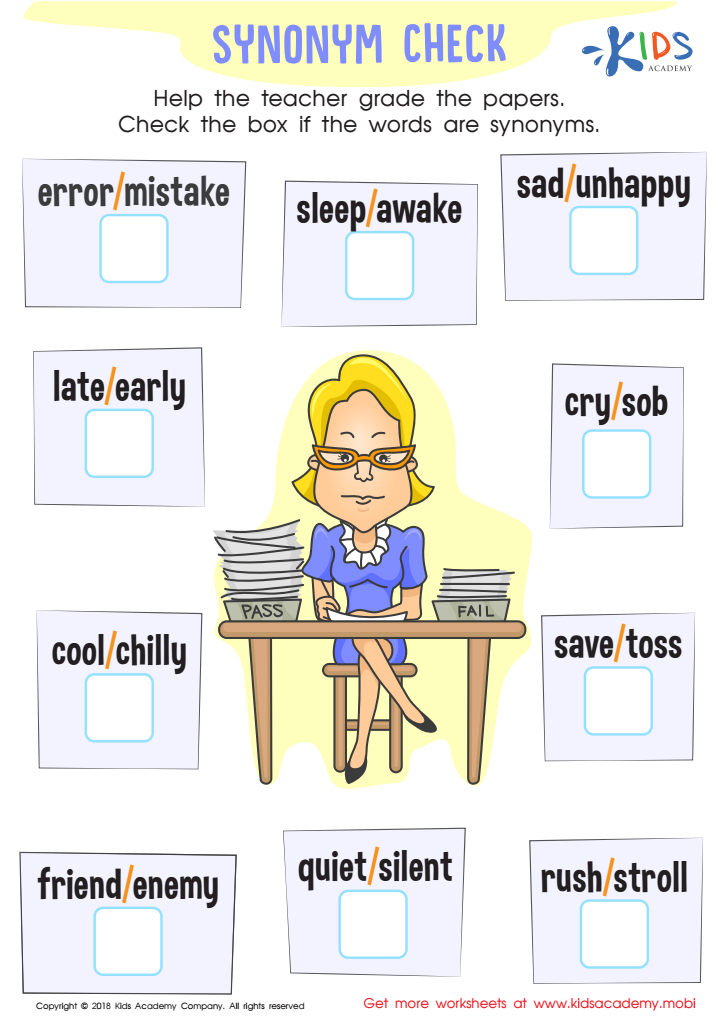
Synonym Check Worksheet
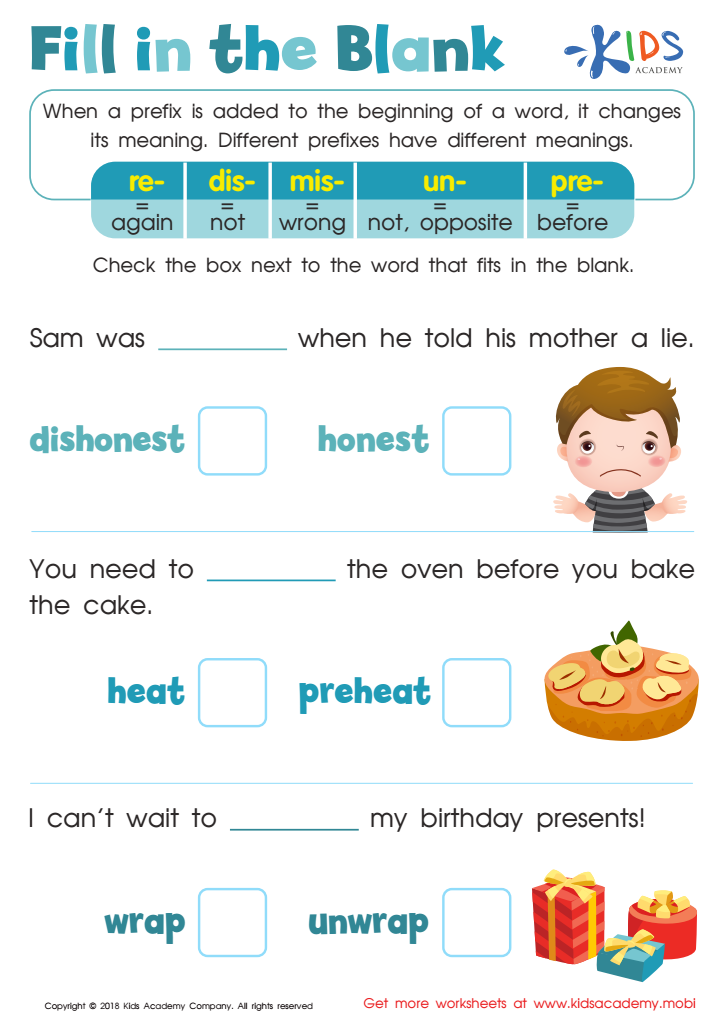
Reading: Fill in the Blank Worksheet
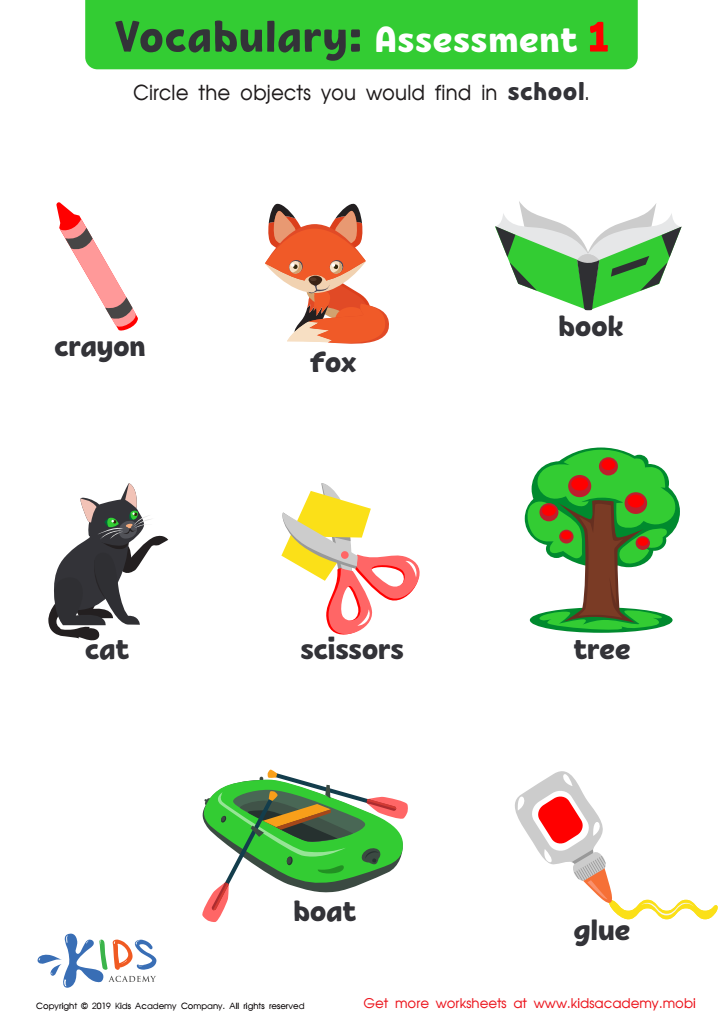
Vocabulary: Assessment 1 Worksheet
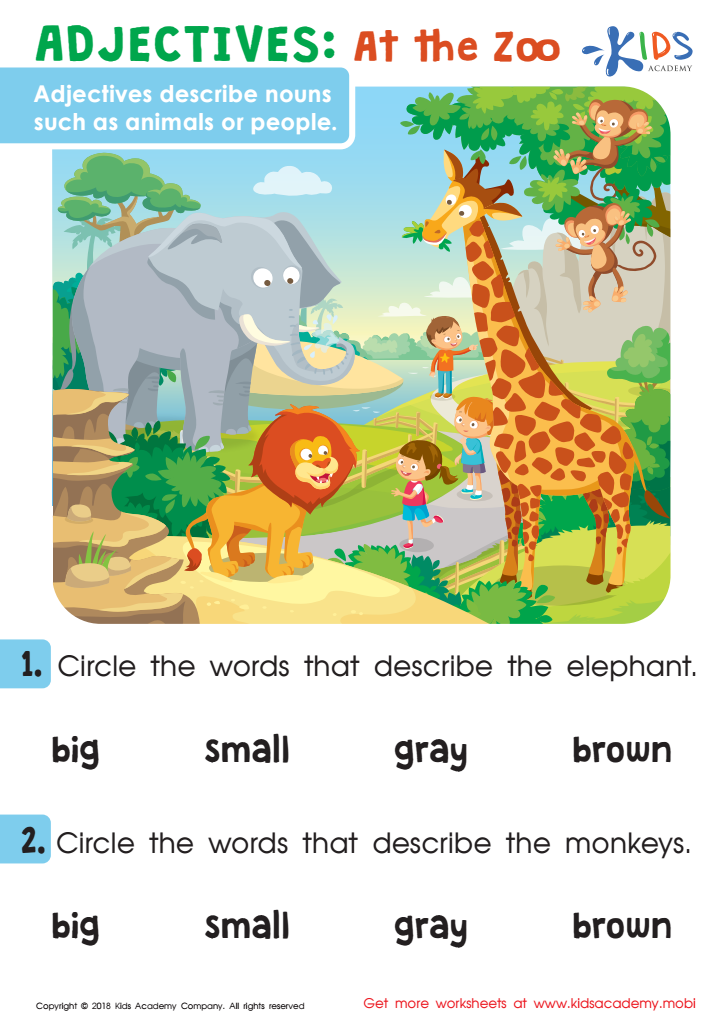
Adjectives: At The Zoo Worksheet
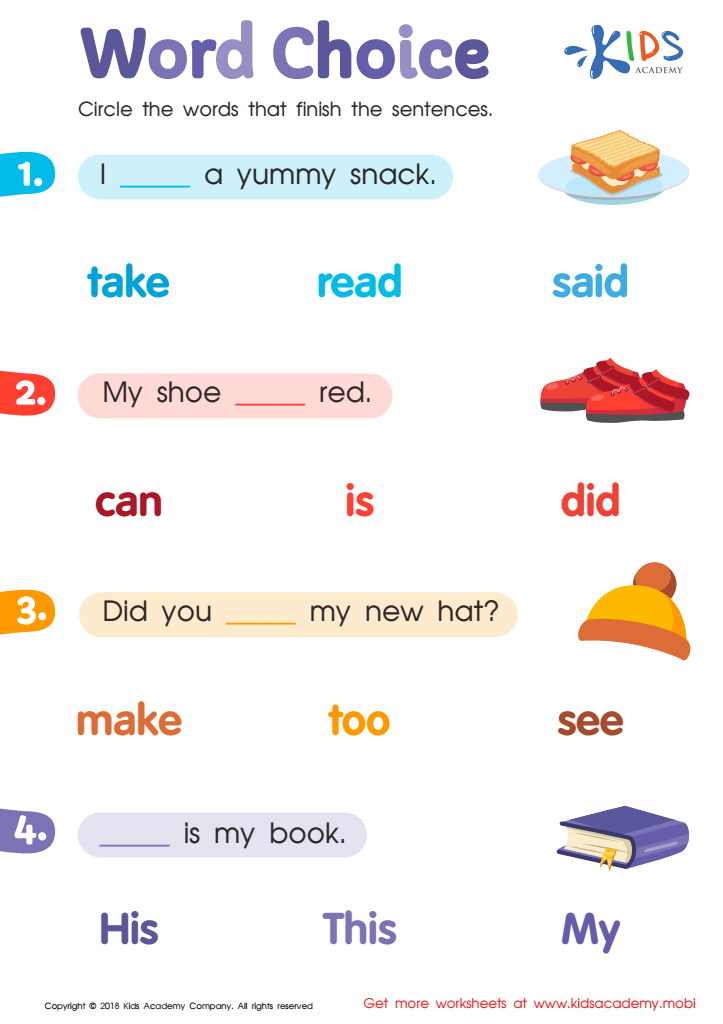
Word Choice Worksheet






Contextual understanding is crucial for children aged 3-9 as it forms the foundation for essential cognitive and social skills. During these early years, children are rapidly developing their language abilities, and understanding context helps them grasp the meanings of words and sentences more effectively. For instance, realizing that a "bat" can mean both an animal and a piece of sports equipment depending on the situation fosters better communication and comprehension.
Teachers and parents should prioritize contextual understanding to enhance reading and listening skills. When children understand the context, they can better predict and infer meanings, leading to improved literacy and academic performance. Moreover, it encourages critical thinking as children learn to analyze situations, consider different outcomes, and make informed decisions based on the information provided.
Socially, contextual understanding helps young learners navigate various interpersonal situations. Recognizing social cues and understanding the context of conversations aids in developing empathy and effective communication, which are essential for forming and maintaining relationships.
In conclusion, fostering contextual understanding in children aged 3-9 sets a solid foundation for both academic success and social development. Parents and teachers play a pivotal role in this process by providing rich, varied experiences and guided discussions to deepen children's comprehension and contextual awareness.








