Creativity stimulation Normal Worksheets for Ages 3-9
7 filtered results
-
From - To
Explore our "Creativity Stimulation Normal Worksheets for Ages 3-9," specially designed to ignite imagination and spark creativity in young minds. These engaging worksheets blend fun activities with educational content to help children develop fine motor skills, problem-solving abilities, and inventive thinking. Each worksheet is crafted to be age-appropriate and captivating, ensuring that learning remains an exciting adventure. With a diverse range of tasks, from coloring and drawing to open-ended questions and imaginative prompts, these resources foster a love for creativity and learning, making them perfect for both home and classroom use. Unleash your child's creative potential today!
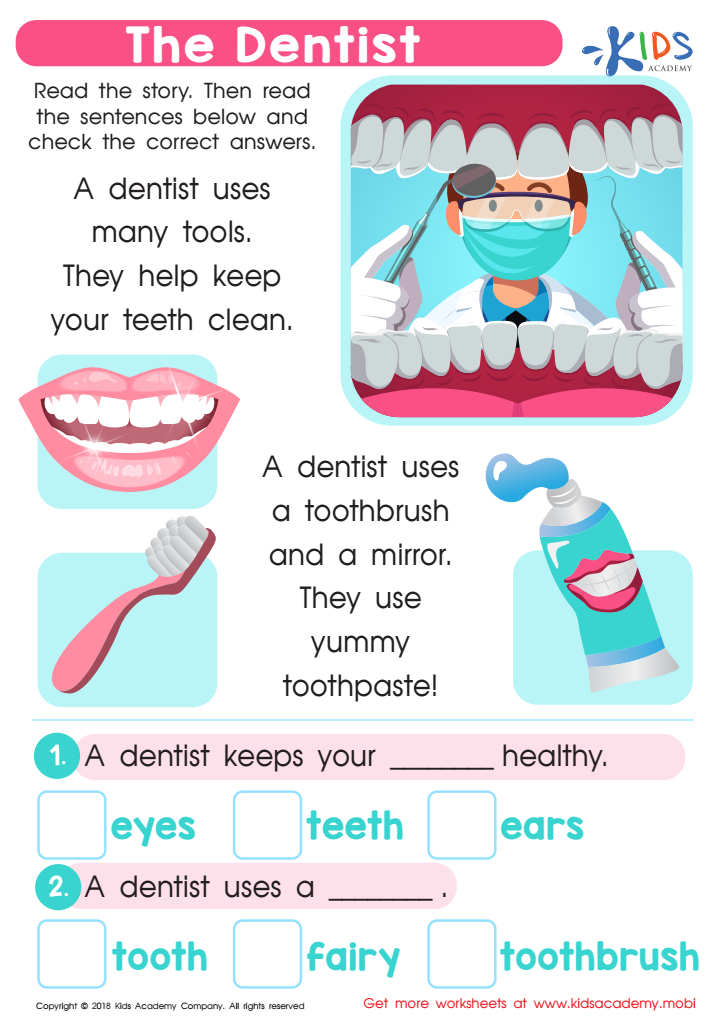
The Dentist Worksheet
Spacemen Coloring Page
 Assign to My Students
Halloween: A Funny Monster Worksheet
Assign to My Students
Little Pilot Coloring Page
Assign to My Students
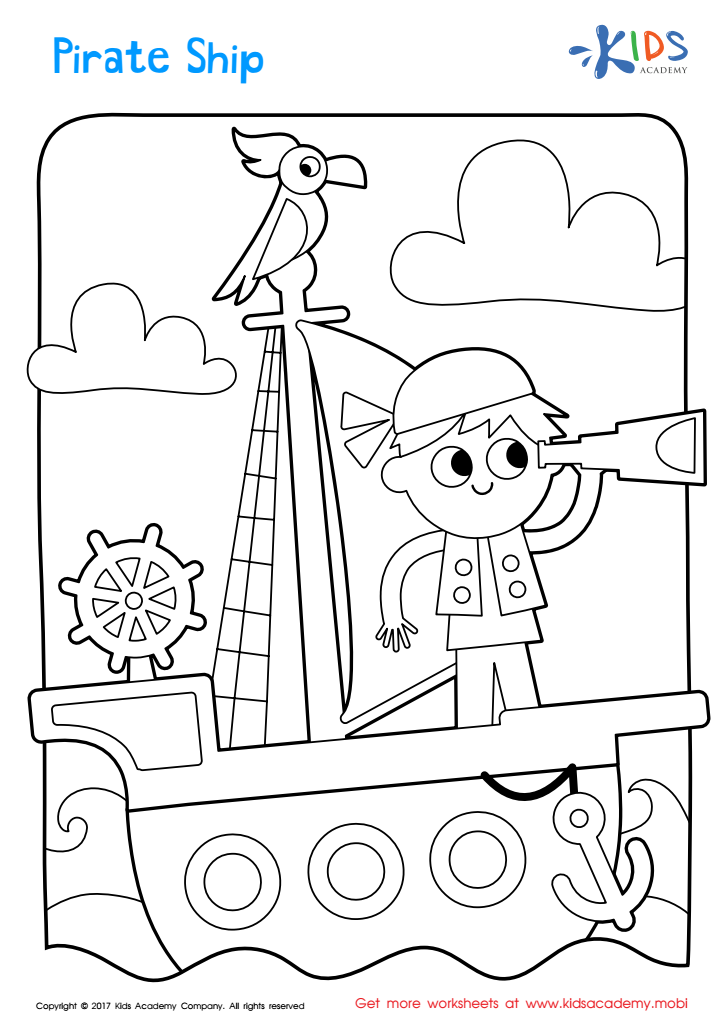
Pirate Ship Coloring Page
Assign to My Students
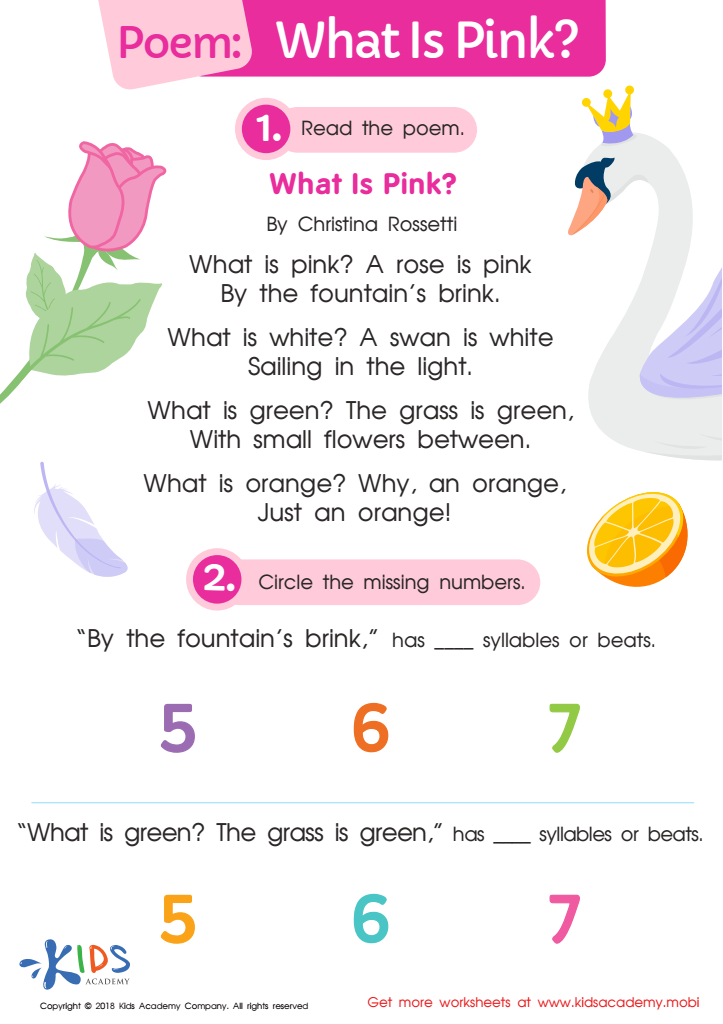
Poem: What Is Pink? Worksheet
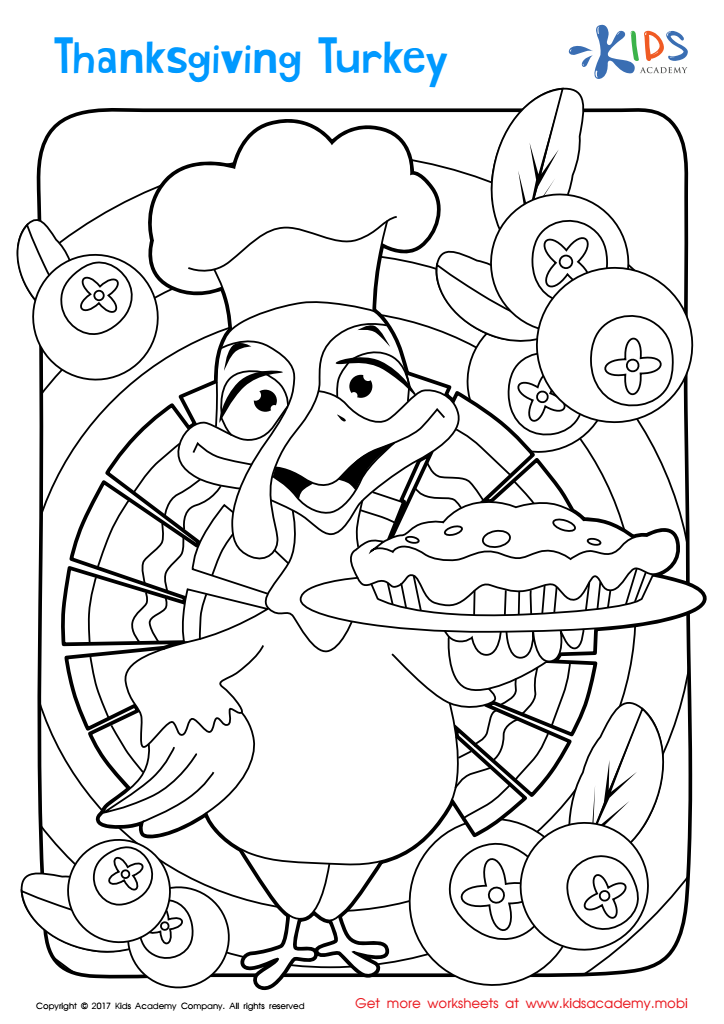
Turkey Thanksgiving Day Worksheet
Assign to My Students





.jpg)
Creativity is a key component in the developmental stages of children ages 3-9. At this tender age, their minds are like sponges, absorbing and trying to make sense of the world around them. Encouraging creativity isn't just about fostering future artists; it’s about cultivating critical thinking, problem-solving skills, and emotional intelligence.
Parents and teachers have a unique opportunity to shape children's cognitive and social-emotional growth. Through activities that stimulate creativity, kids learn to express themselves in unique ways, gain confidence, and improve their communication skills. Creativity also enhances their ability to think outside the box, which is beneficial for problem-solving both inside and outside the classroom.
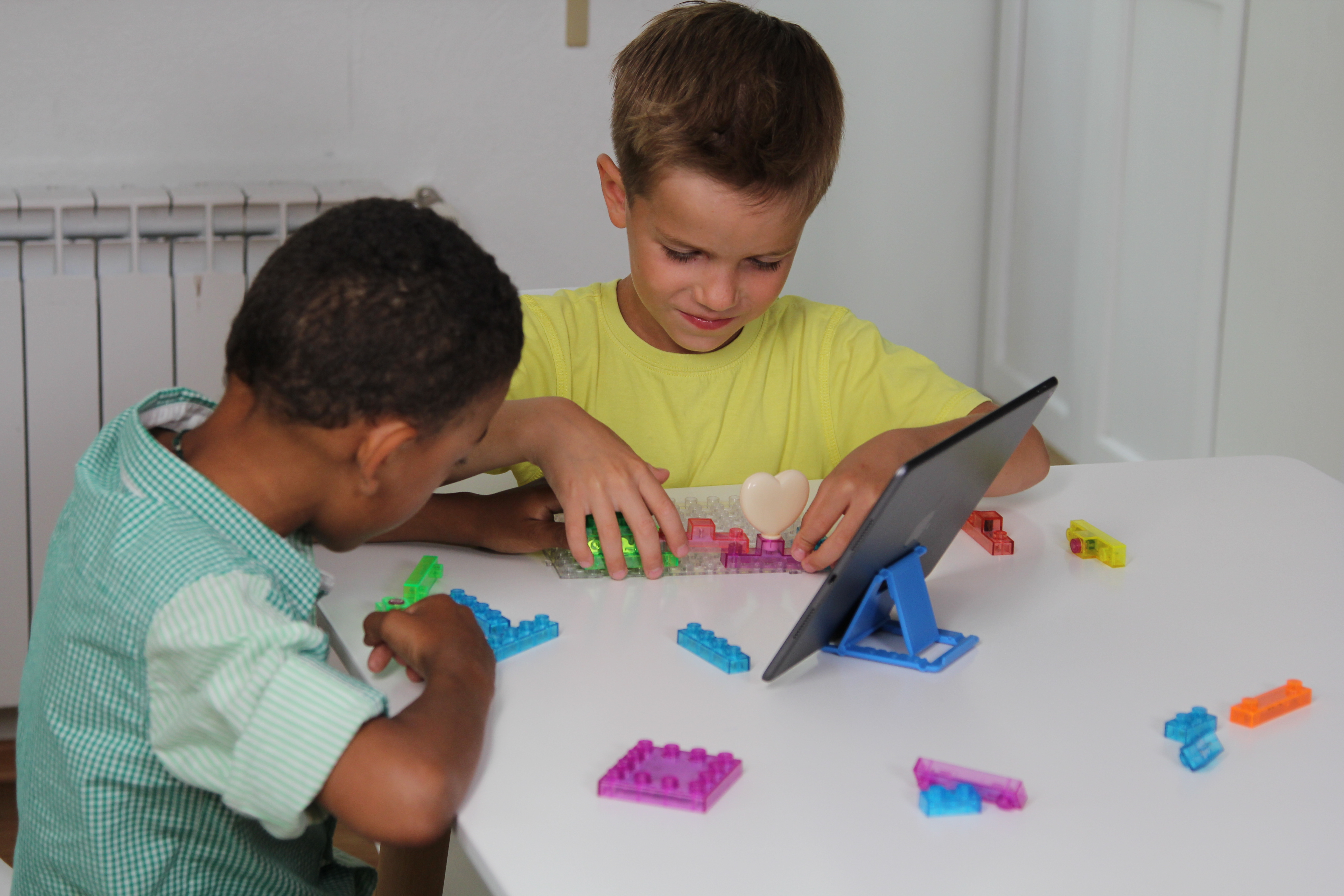
Furthermore, creative activities often involve a significant amount of teamwork and collaboration. These social elements help children develop better interpersonal skills. Engaging in creative play and projects offers a gentle way to introduce concepts of empathy, sharing, and listening. When children see various ways to approach a problem or task, they learn flexibility and adaptability, skills that are crucial in our ever-changing world.
In short, fostering creativity helps children become well-rounded individuals. It empowers them with the skills needed for academic success and personal growth, contributing to their overall happiness and well-being. By prioritizing creativity, parents and teachers prepare children not just for school, but for life.








