Critical Thinking Normal Worksheets for Ages 3-9 - Page 5
99 filtered results
-
From - To
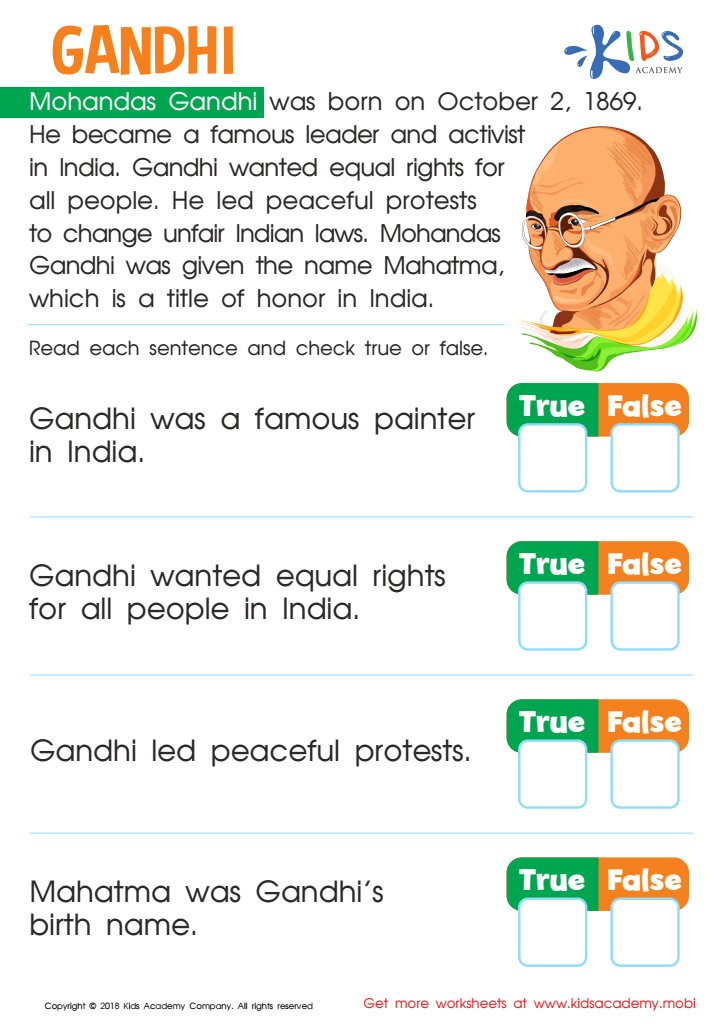
Gandhi Worksheet
 Assign to My Students
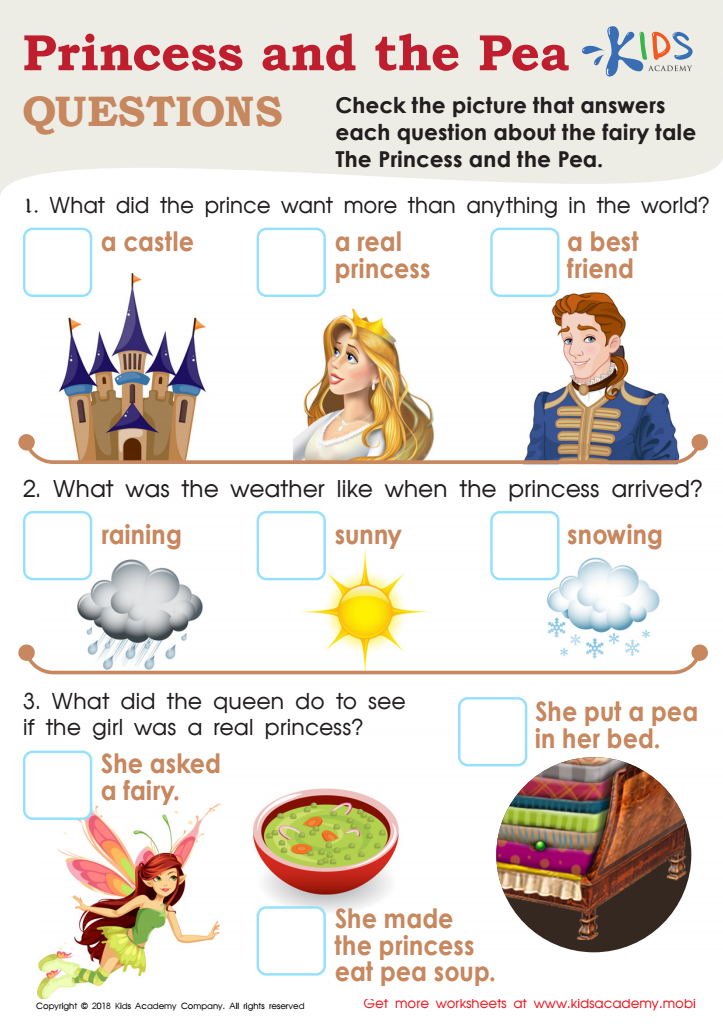
Princess and the Pea Questions Worksheet
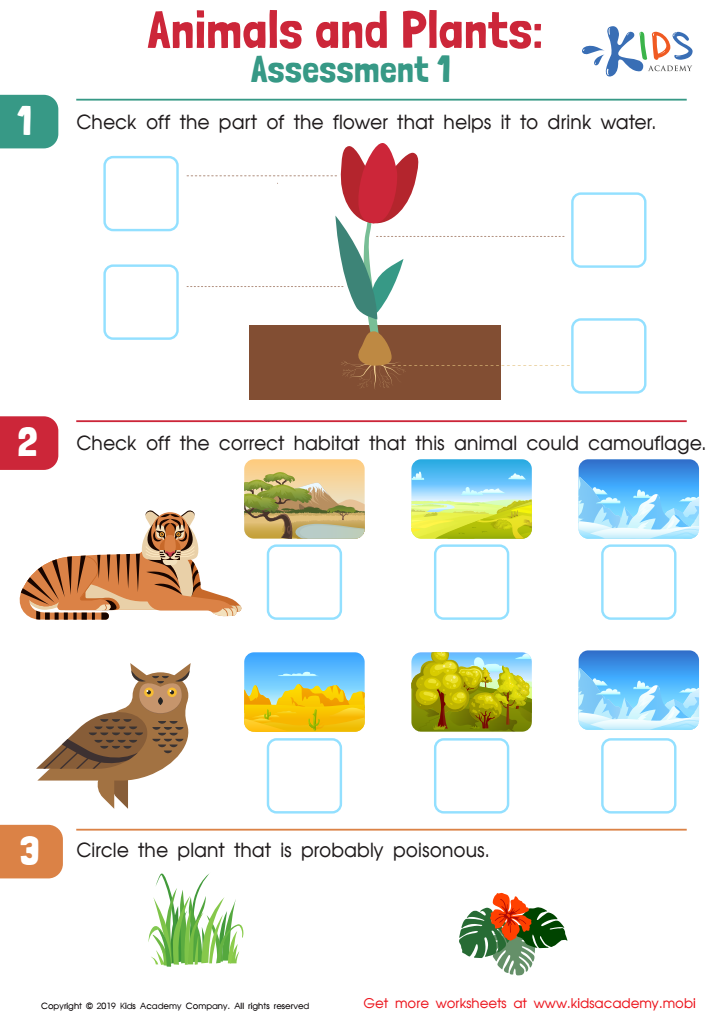
Animals and Plants: Assessment 1 Worksheet








Critical thinking is a vital skill for children aged 3-9, laying the foundation for lifelong learning and problem-solving. At this young age, children's brains are highly malleable, making it an ideal time to promote skills that enable them to analyze information, question assumptions, and approach challenges with creativity and logic. Encouraging critical thinking nurtures curiosity, empowering them to explore their world, ask meaningful questions, and seek out answers independently.
Parents and teachers should care about nurturing critical thinking because it fosters resilience and adaptability, equipping children with the tools to tackle complex situations as they grow. In an ever-changing world, these skills enhance decision-making, improve academic performance, and cultivate effective communication. Strong critical thinkers are not only better equipped to navigate academic challenges, but they also develop social-emotional skills by learning to consider different perspectives and negotiate solutions with peers.
Moreover, emphasizing critical thinking in early education helps combat misinformation and promotes informed citizenship. By prioritizing this essential competency, adults can guide children towards becoming confident, articulate individuals who contribute positively to society. Focusing on critical thinking during these formative years ultimately sets the stage for a generation capable of thoughtful engagement with the world around them.








