Differentiating goods/services Normal Worksheets for Ages 3-9
3 filtered results
-
From - To
Explore our engaging "Differentiating Goods/Services Worksheets" designed specifically for children ages 3-9. These thoughtfully crafted resources help young learners distinguish between various goods and services, enhancing their understanding of everyday concepts. Featuring vibrant illustrations and interactive activities, our worksheets foster critical thinking and promote vocabulary development. Perfect for parents and educators, these printable worksheets can support classroom learning or home studies. Encourage your child's curiosity and cognitive skills as they embark on this fun educational journey. Visit our website to access a variety of worksheets that make learning about goods and services an enjoyable experience for young minds!
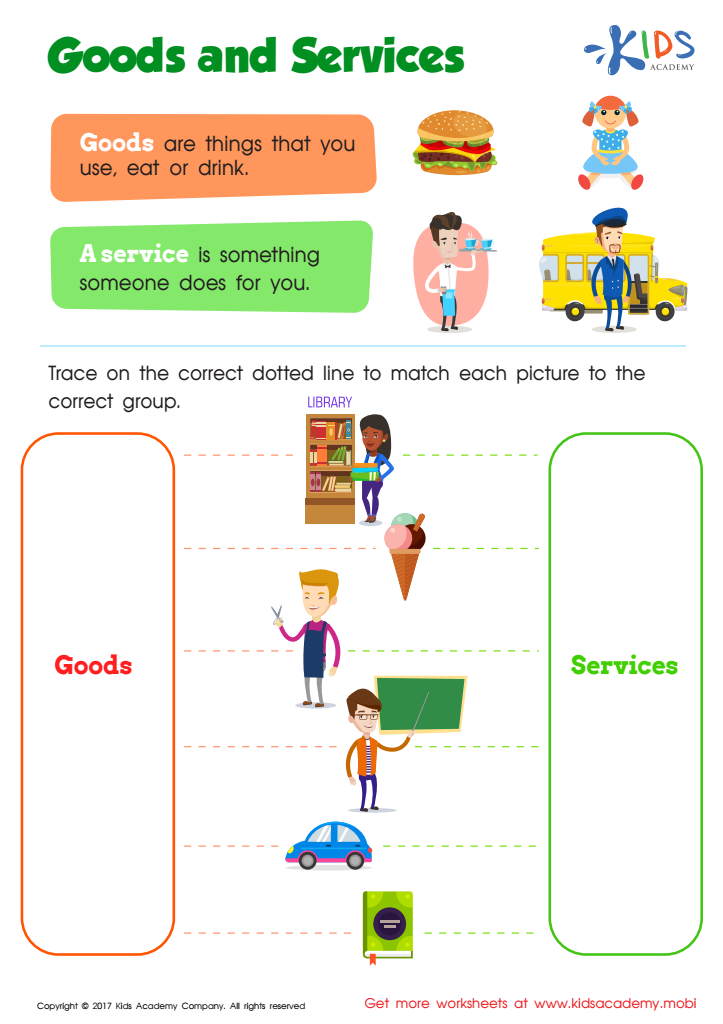
 Assign to My Students
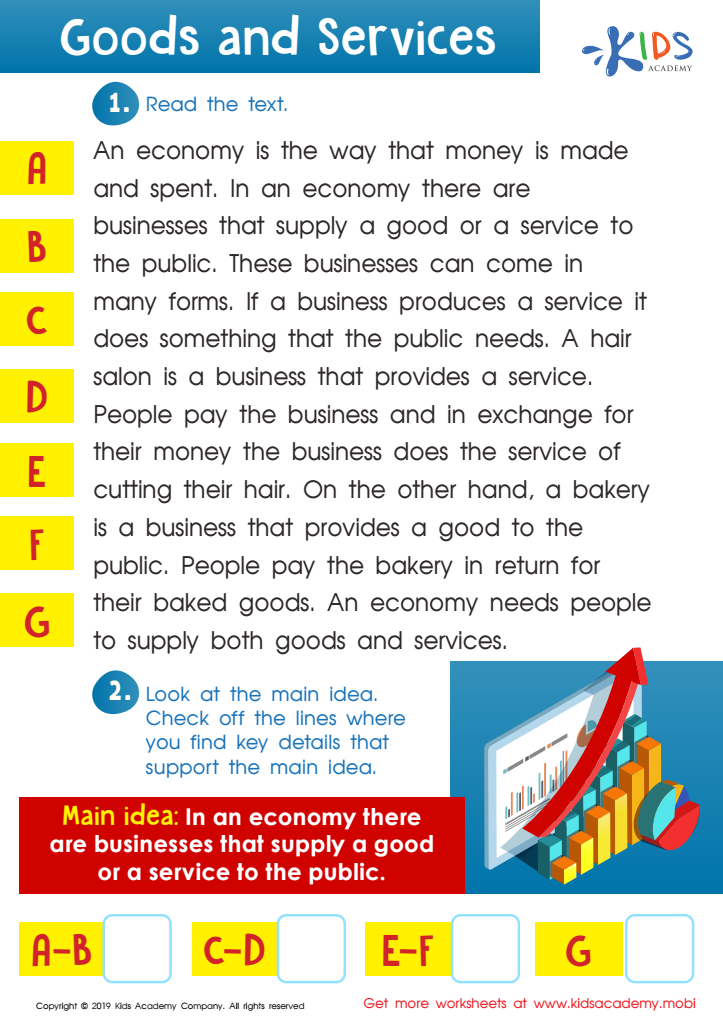
Goods and Services Worksheet
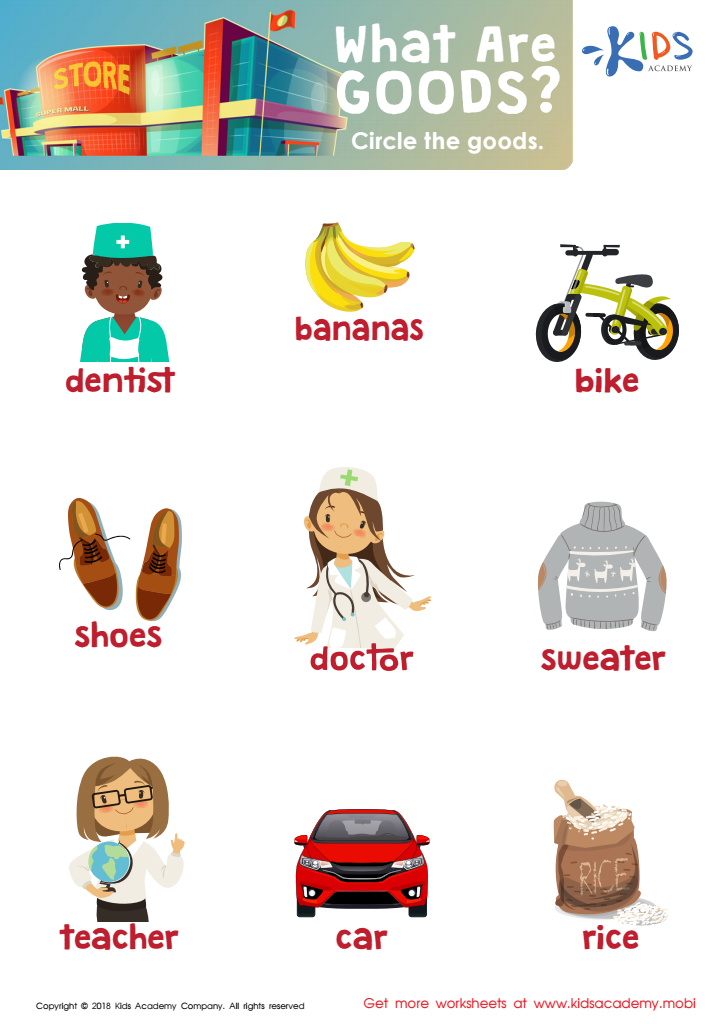
What Are Goods? Worksheet





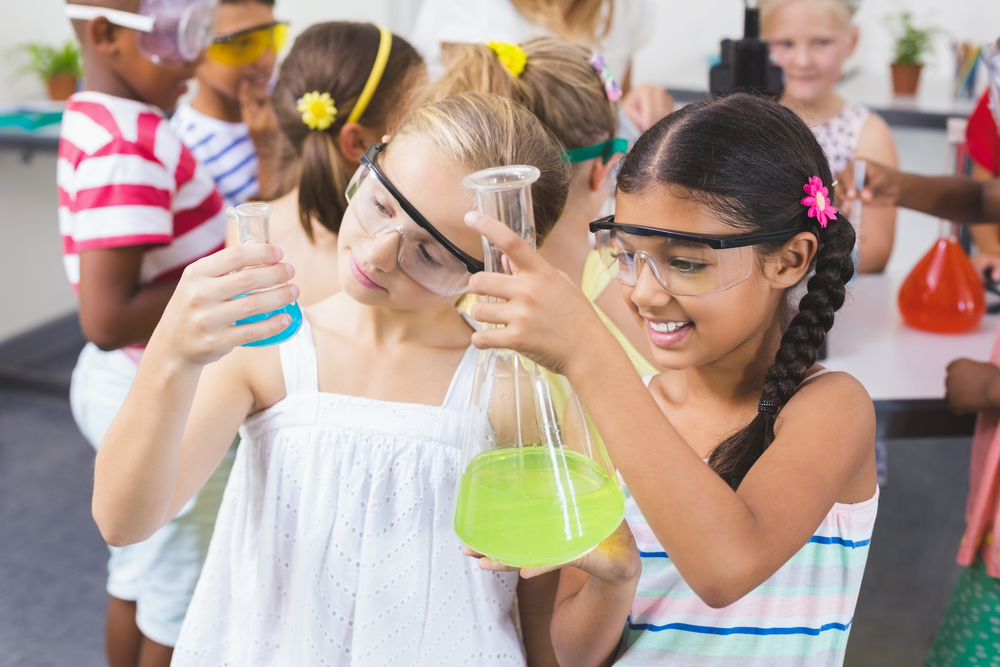

Differentiating goods and services for children aged 3-9 is crucial for fostering their individual learning and developmental needs. At this early stage, children exhibit varying abilities, interests, and learning styles. Tailored resources—whether educational materials, toys, or activities—enable educators and parents to meet these diverse needs effectively. For instance, a child who is a visual learner may benefit from colorful, interactive learning tools, while another who excels in hands-on activities may thrive through manipulative toys that encourage exploration.
Furthermore, early differentiation promotes inclusivity, ensuring that all children have the opportunity to engage and succeed, regardless of their starting point. This approach not only enhances a child’s academic growth but also boosts their self-esteem and motivation, developing a positive attitude toward learning.
By recognizing the importance of personalized approaches in education, parents and teachers can nurture children’s unique potentials. Addressing individual differences helps in establishing foundational skills needed for future learning while accommodating varying paces of growth. Ultimately, investing time and resources into differentiated goods and services enriches the educational experience and lays the groundwork for lifelong learning. Thus, supporting children’s diverse developmental journeys is a shared responsibility that has lasting benefits.








