Geometry understanding Normal Worksheets for Ages 3-9
3 filtered results
-
From - To
Explore our engaging Geometry Understanding Normal Worksheets, designed specifically for children aged 3 to 9. These worksheets provide a fun way for young learners to grasp essential geometric concepts, including shapes, sizes, and spatial relationships. Each activity is tailored to enhance critical thinking and problem-solving skills while promoting early mathematics literacy. With vibrant visuals and interactive tasks, kids will enjoy exploring geometry through shapes’ identification, matching, and more. Perfect for classroom use or at-home learning, our worksheets are a valuable resource for parents and educators looking to support children's foundational geometry skills in a playful and enjoyable manner!
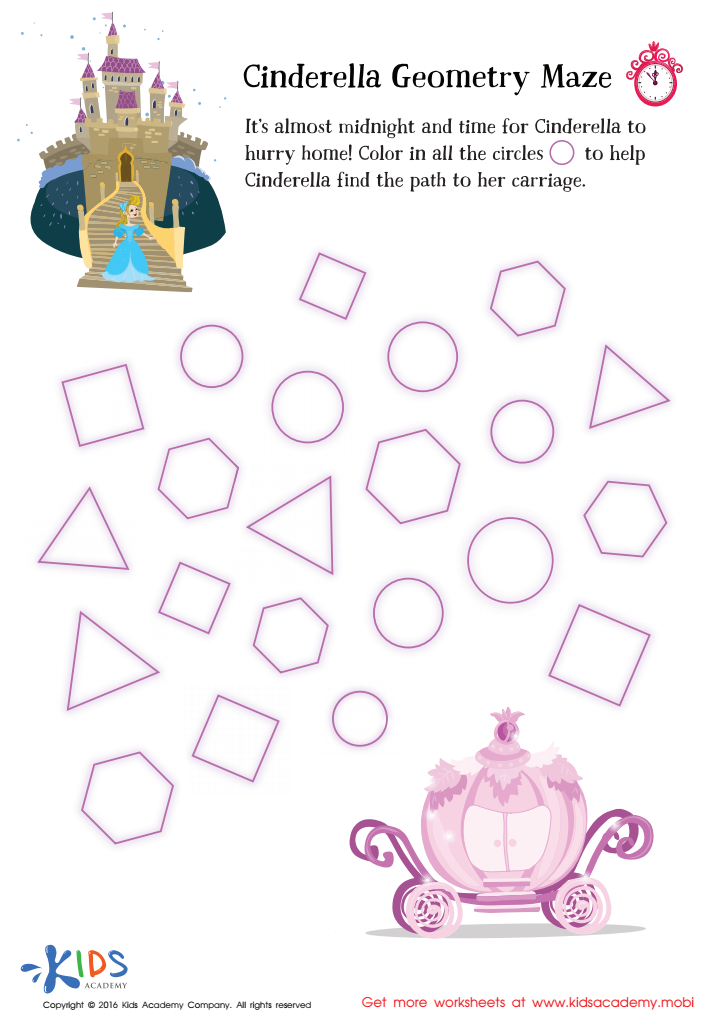
Cinderella Geometry Maze Worksheet
 Assign to My Students
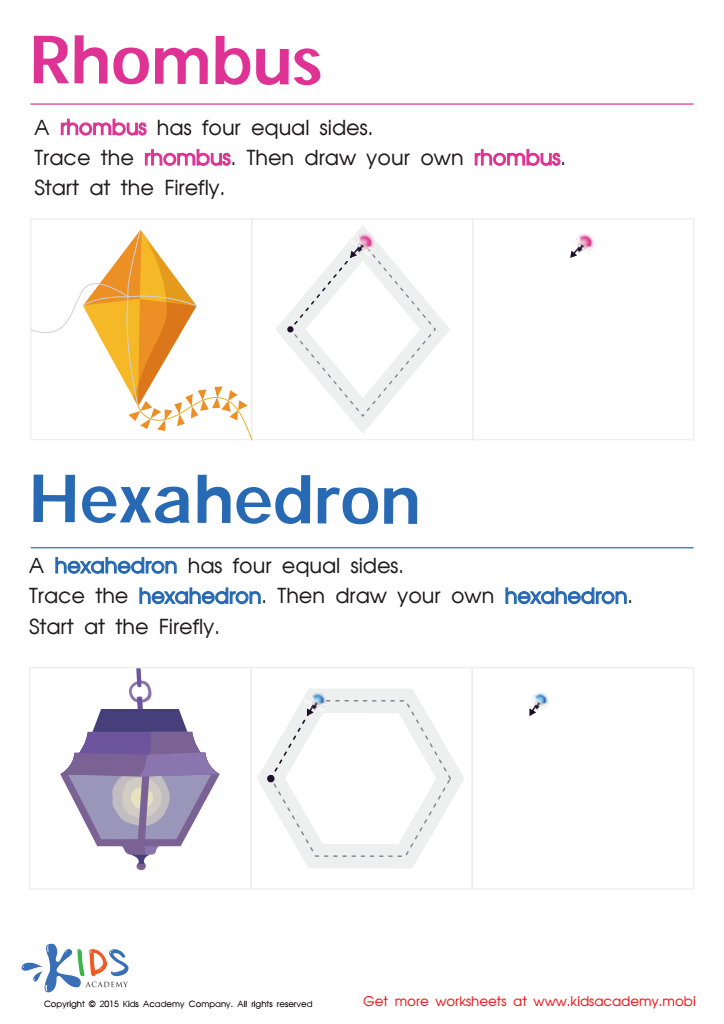
Draw a Rhombus And a Hexahedron Printable
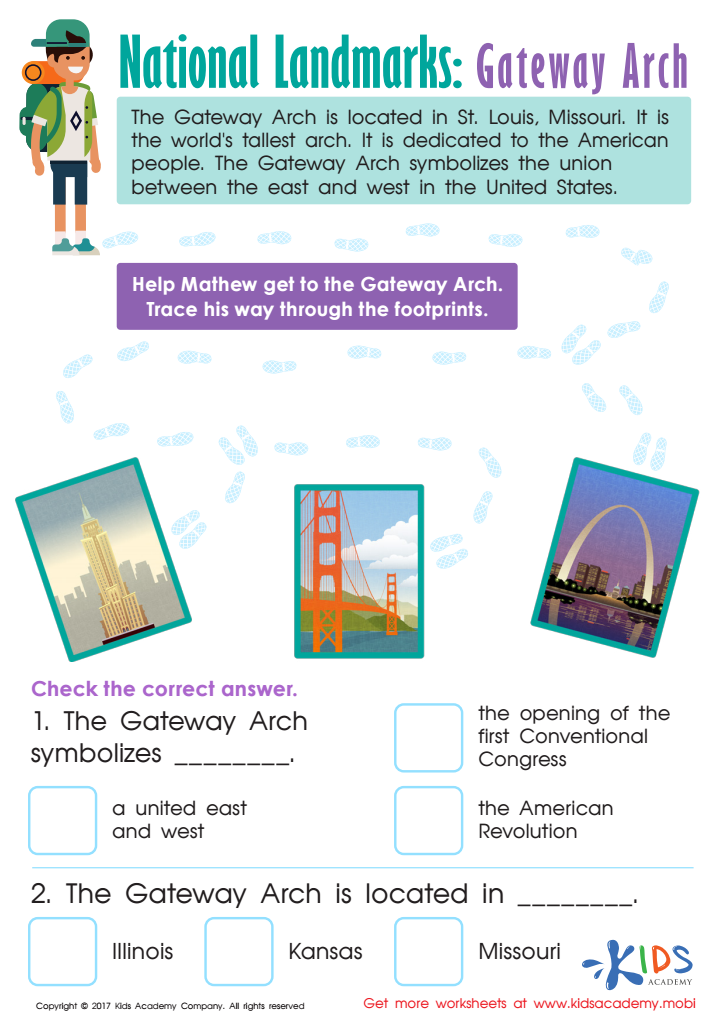
Gateway Arch Printable Worksheet







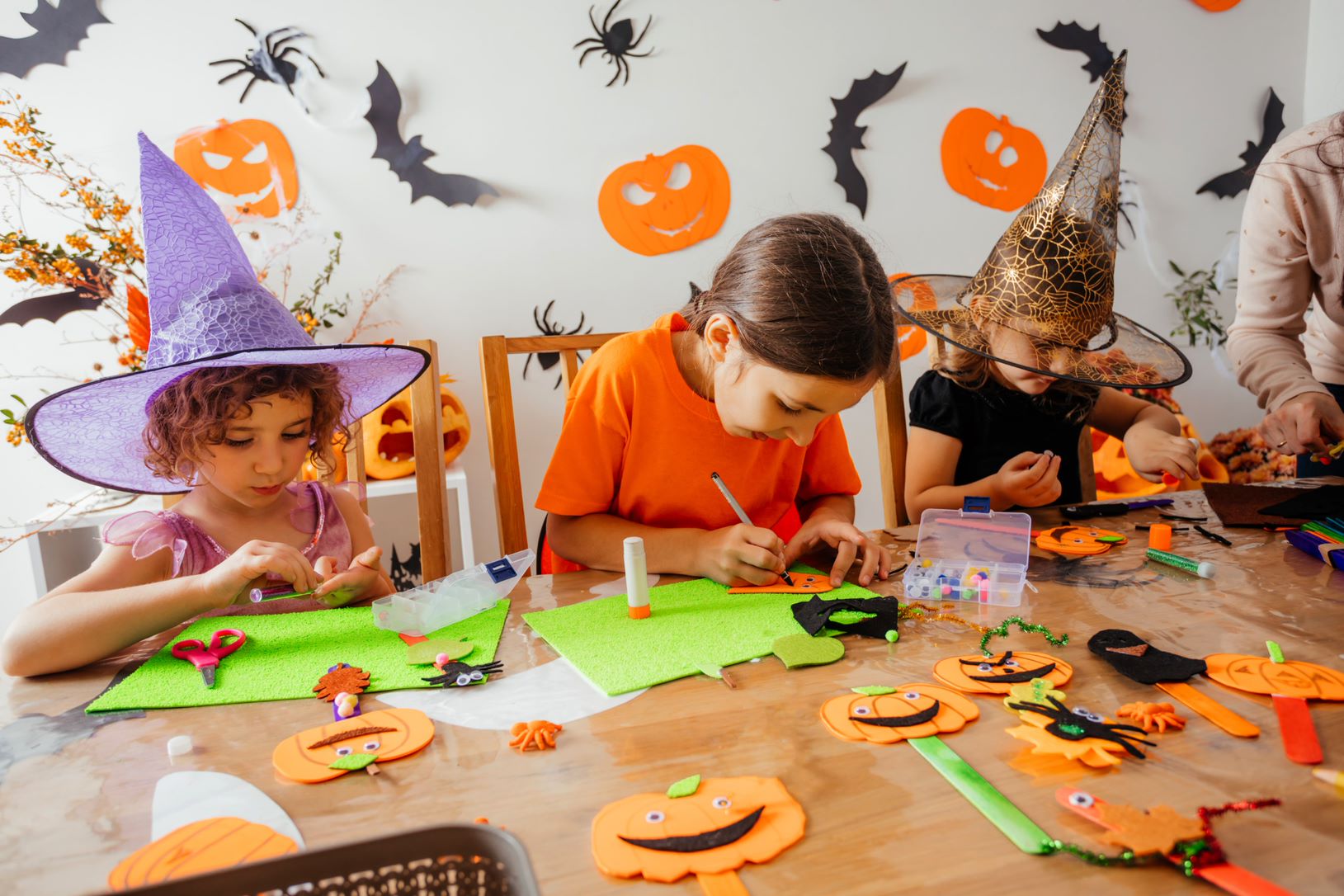
Understanding geometry is crucial for children aged 3-9 as it establishes a foundation for critical thinking and problem-solving skills. During these formative years, children develop spatial awareness, which is necessary for many everyday tasks. Engaging with geometric concepts helps them recognize shapes, sizes, and the relationships between objects, promoting analytical skills essential for subjects like mathematics and science later on.
Moreover, geometry strengthens children's logical reasoning. Through activities such as identifying patterns, sorting shapes, or constructing models, kids learn the importance of classification, measurement, and symmetry. These skills translate into greater proficiency in subjects requiring spatial reasoning, from reading maps to understanding graphs as they advance in their education.
Additionally, geometric understanding fosters creativity and improves fine motor skills. Activities such as drawing shapes or using building blocks stimulate imagination while enhancing hand-eye coordination. When parents and teachers prioritize geometric learning, they empower children to investigate their environment, observe relationships, and build a visual vocabulary that aids comprehension.
Ultimately, a strong grasp of geometry ensures that children have the tools they need to succeed academically and navigate their world confidently. By investing in this foundational understanding, parents and teachers contribute significantly to a child's development and future learning experiences.








