Logical Reasoning Normal Worksheets for Ages 3-9 - Page 2
34 filtered results
-
From - To
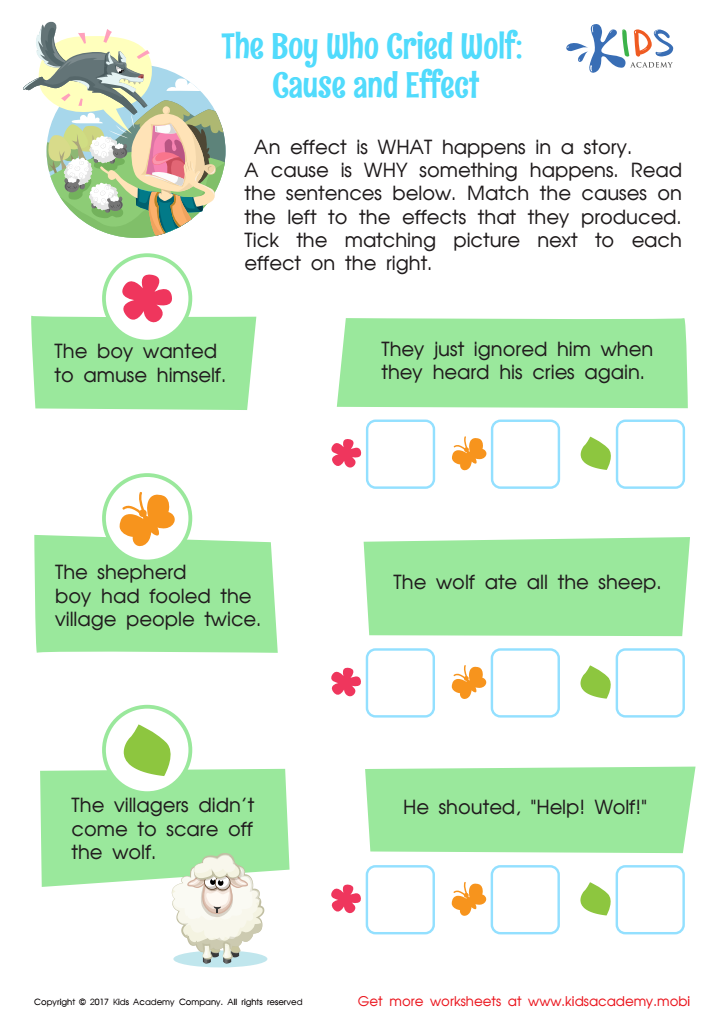
The Boy Who Cried Wolf: Cause and Effect Worksheet
 Assign to My Students
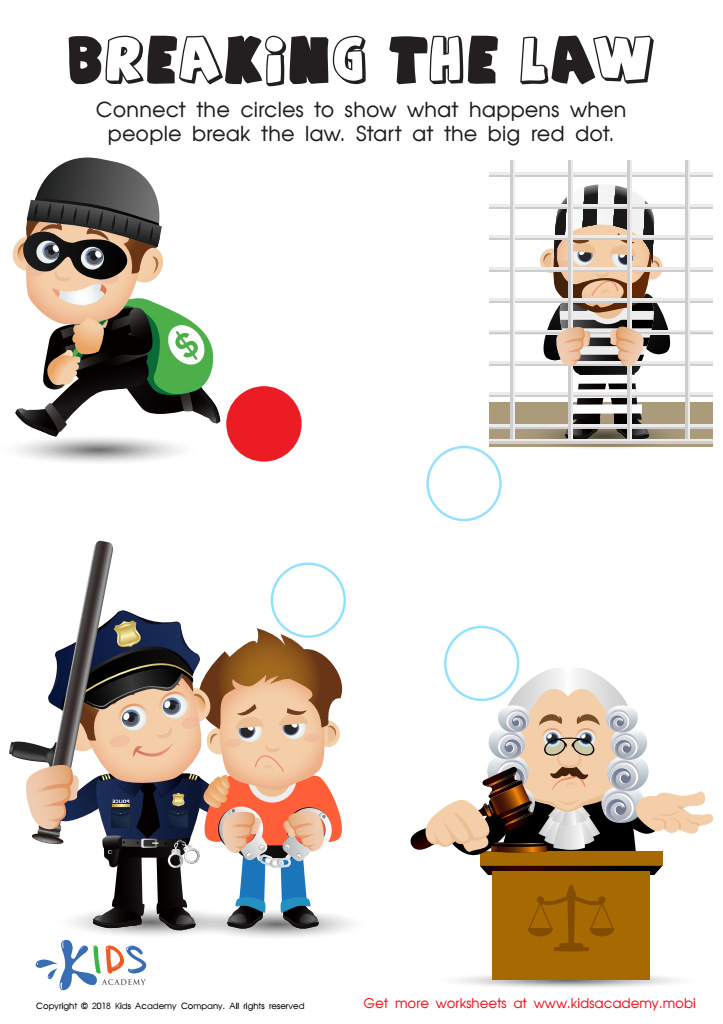
Breaking the Law Worksheet
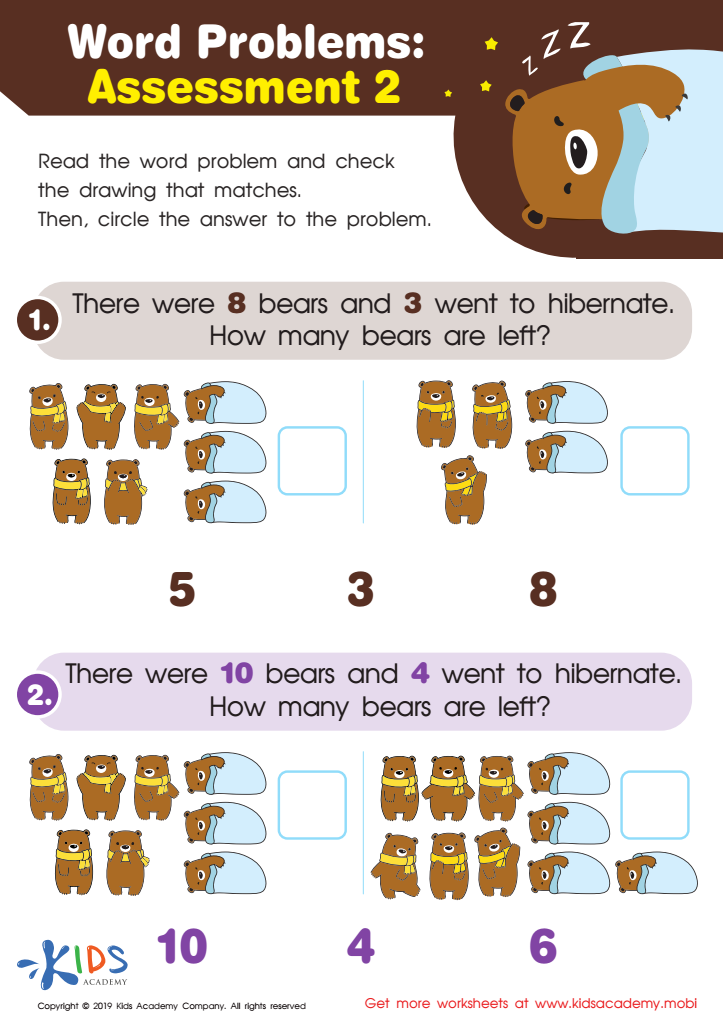
Word Problems: Assessment 2 Worksheet
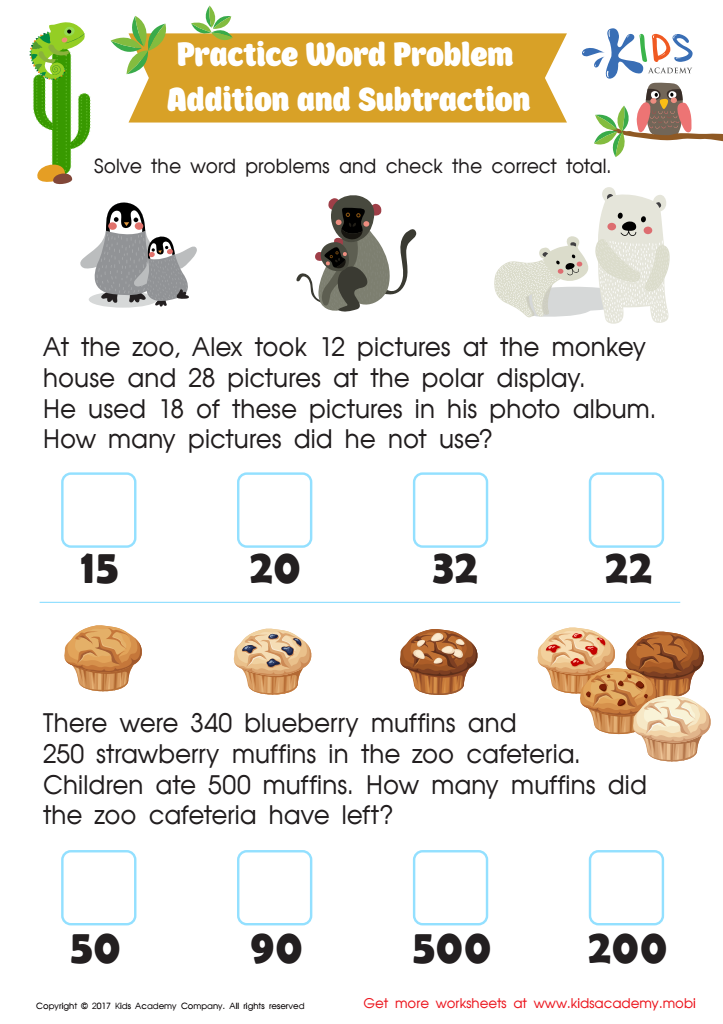
Addition and Subtraction: Word Problems Worksheet
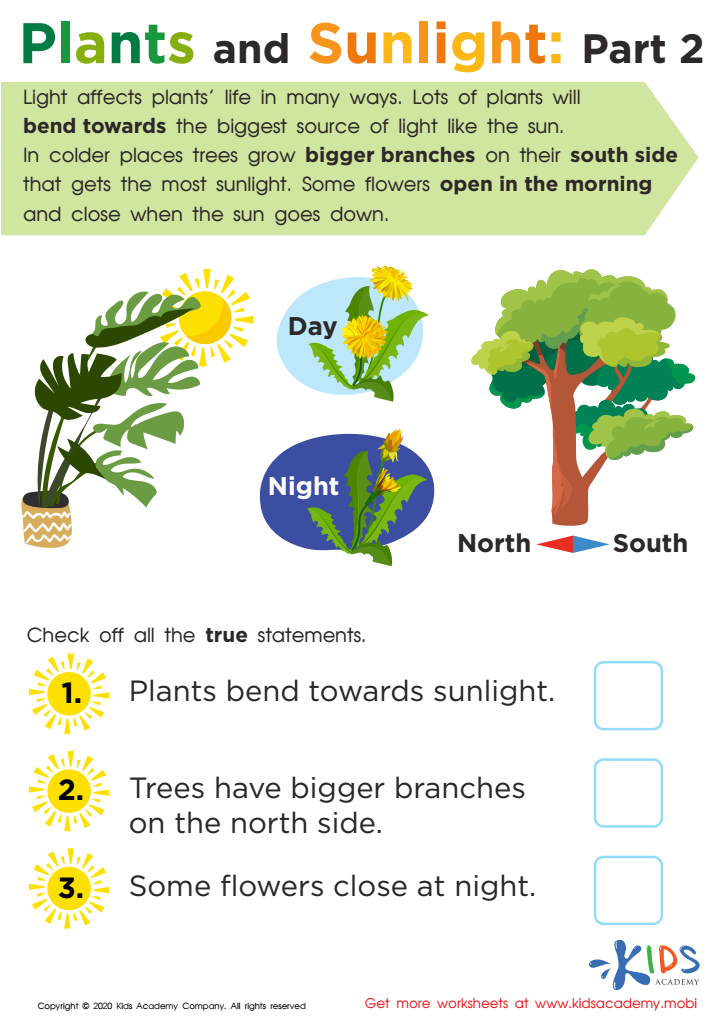
Plants and Sunlight: Part 2 Worksheet
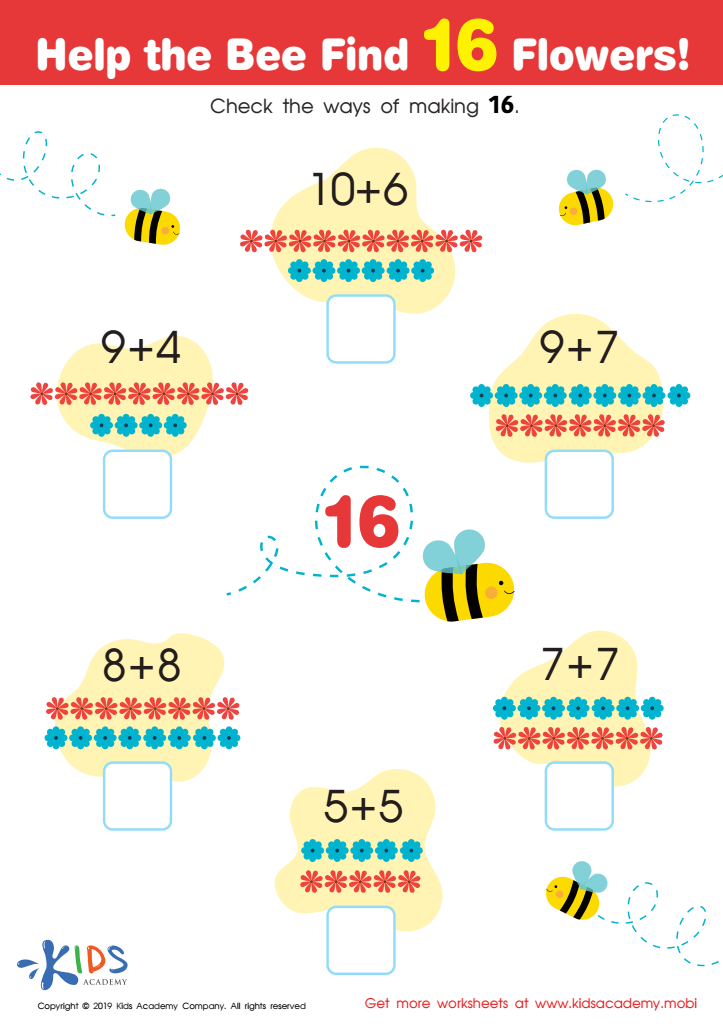
Help the Bee Find 16 Flowers Worksheet
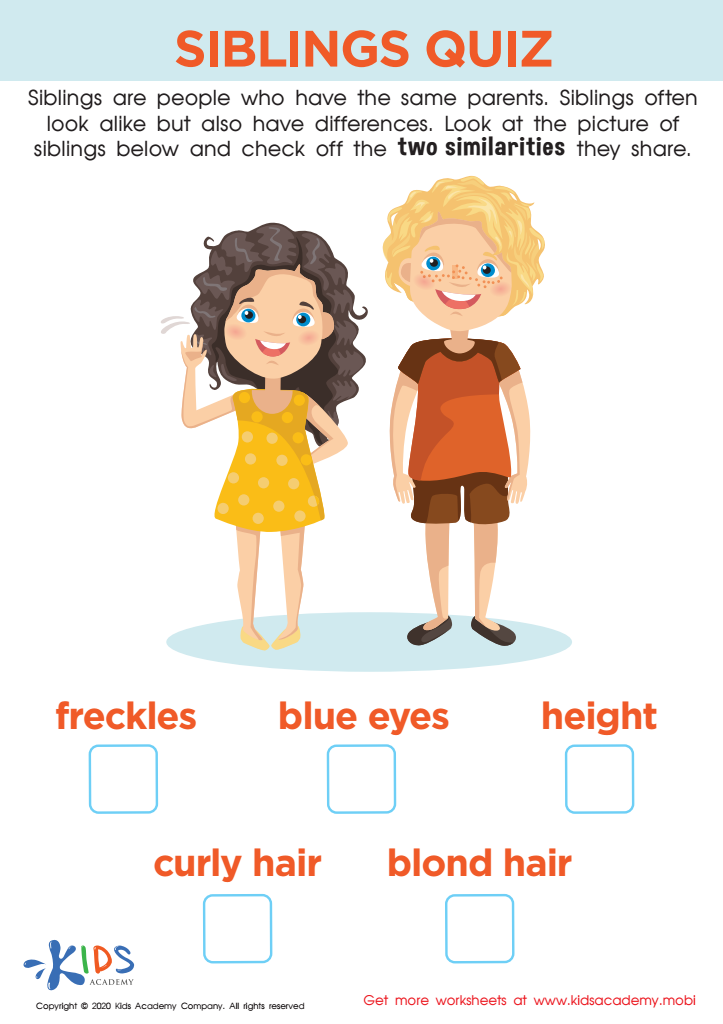
Siblings Quiz Worksheet
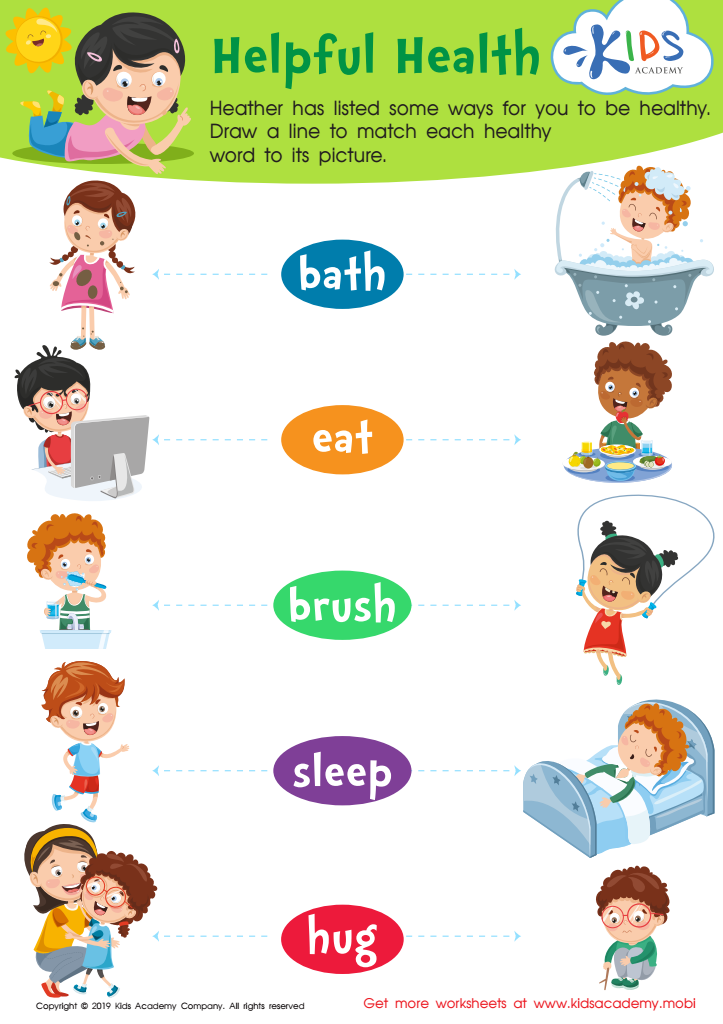
Helpful Health Worksheet
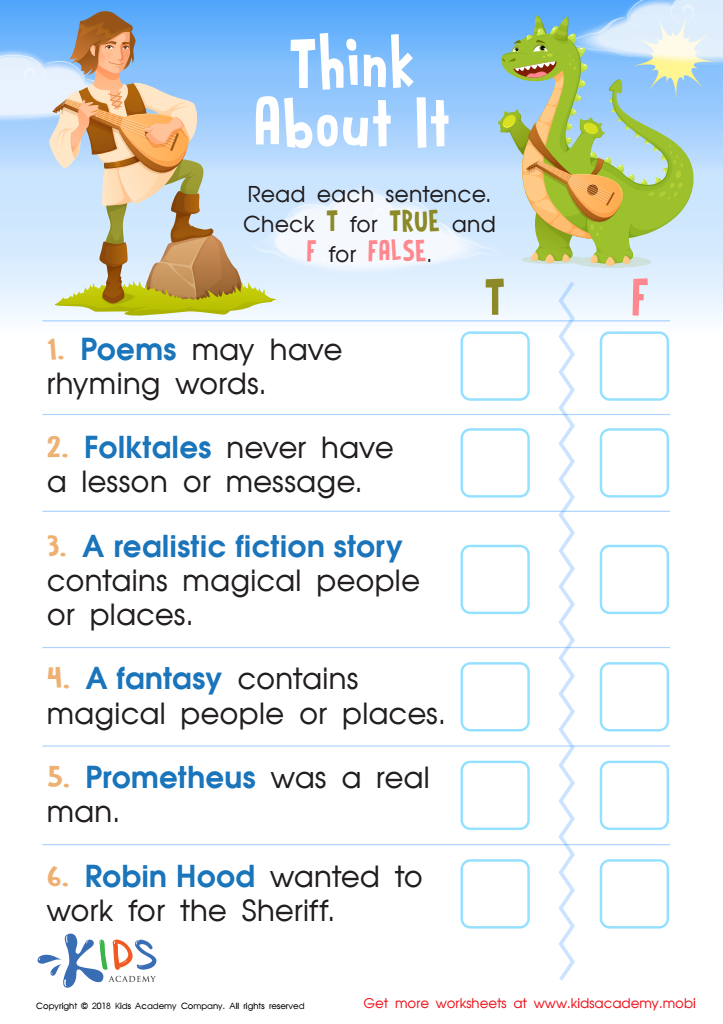
Think About It: Assessment Worksheet
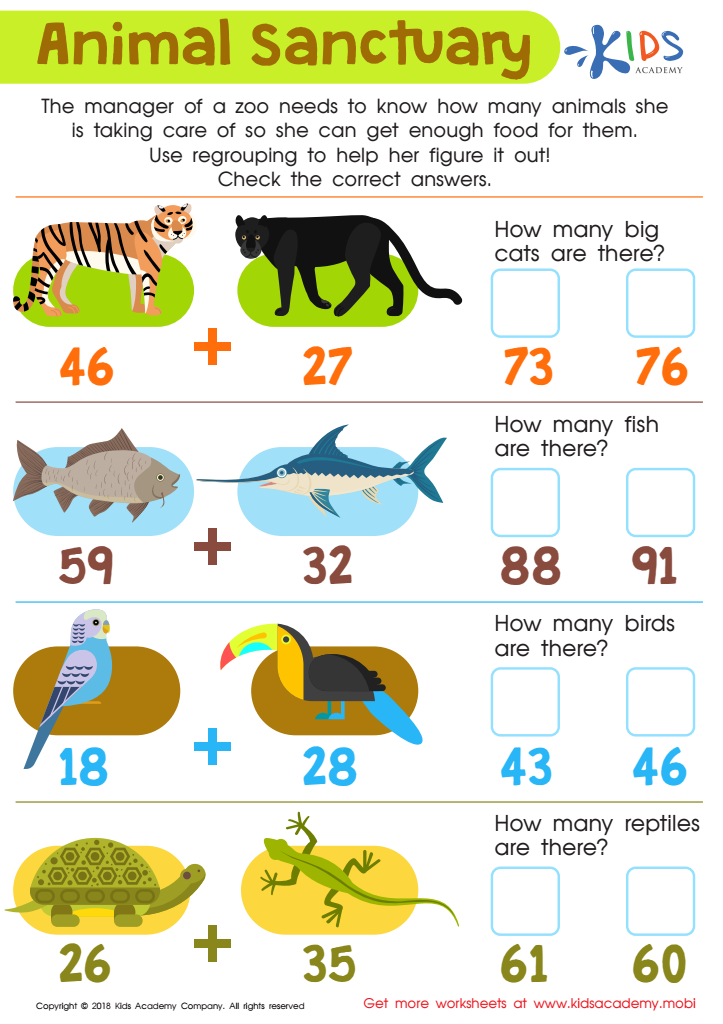
Animal Sanctuary Worksheet








Logical reasoning is a foundational skill that plays a crucial role in cognitive development for children aged 3-9. Parents and teachers should prioritize this area of learning as it lays the groundwork for critical thinking and problem-solving abilities, skills vital for academic success and everyday life.
At a young age, introducing logical reasoning allows children to make connections between ideas and understand cause-and-effect relationships. This enhances their ability to analyze situations, think critically about information, and develop coherent arguments. Engaging in activities that promote logical reasoning, such as puzzles, pattern recognition, and basic coding exercises, equips children with the tools they need to navigate challenges throughout their education and beyond.
Moreover, the early stages of development are critical for brain plasticity, making it an optimal time for cultivating these skills. By fostering logical reasoning in early childhood, parents and teachers can also help children build confidence in their intellectual capabilities and encourage a love for learning.
In summary, emphasizing logical reasoning from ages 3-9 is essential as it forms the bedrock for future learning, empowering children to think independently, approach problems strategically, and ultimately succeed in both academic and real-world environments.








