Spatial Orientation Normal Worksheets for Ages 3-9
4 filtered results
-
From - To
Discover our engaging "Spatial Orientation Normal Worksheets" designed for children aged 3 to 9! These colorful and interactive worksheets help young learners develop essential spatial awareness skills through fun and varied activities. By exploring concepts such as direction, position, and movement, children enhance their cognitive development while enjoying the learning process. Our thoughtfully crafted exercises cater to different age levels, making them perfect for preschool and early grade students. Support your child’s educational journey and boost their confidence with our easy-to-use, printable resources. Visit us today to enrich your children’s learning experience in spatial orientation and beyond!
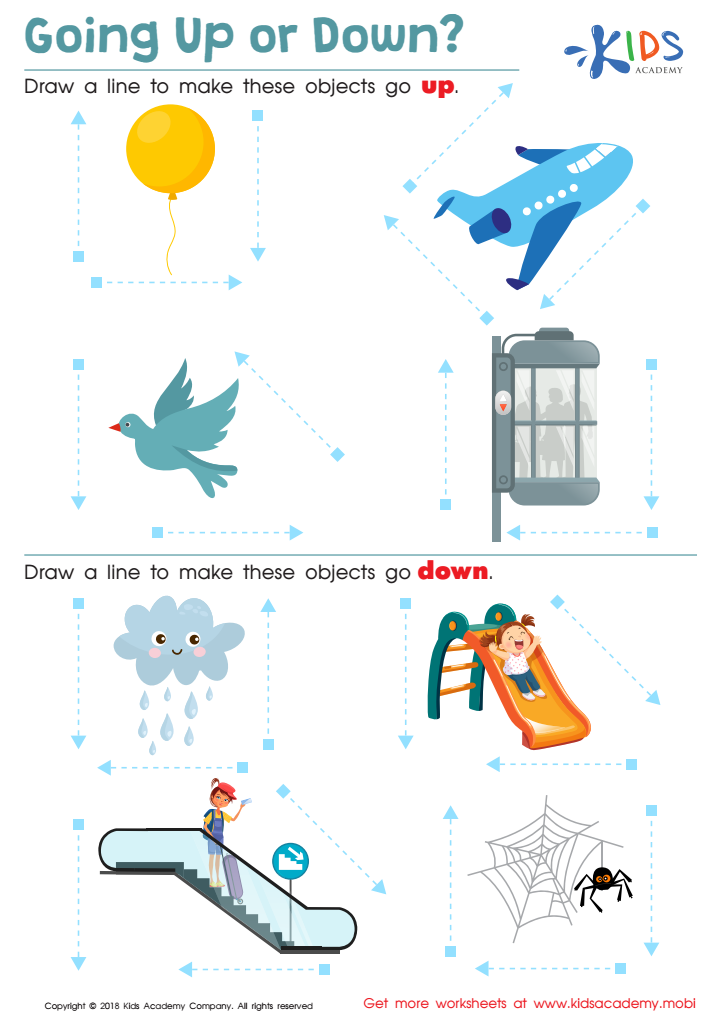
Going up or Down? Worksheet
 Assign to My Students
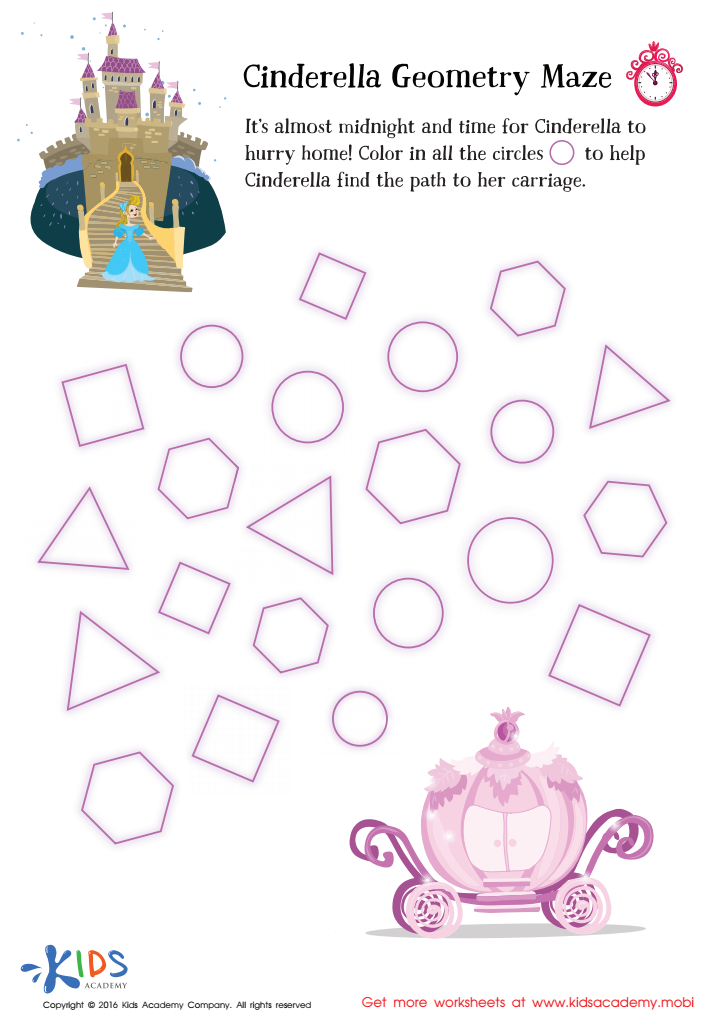
Cinderella Geometry Maze Worksheet

World Map Maze Worksheet
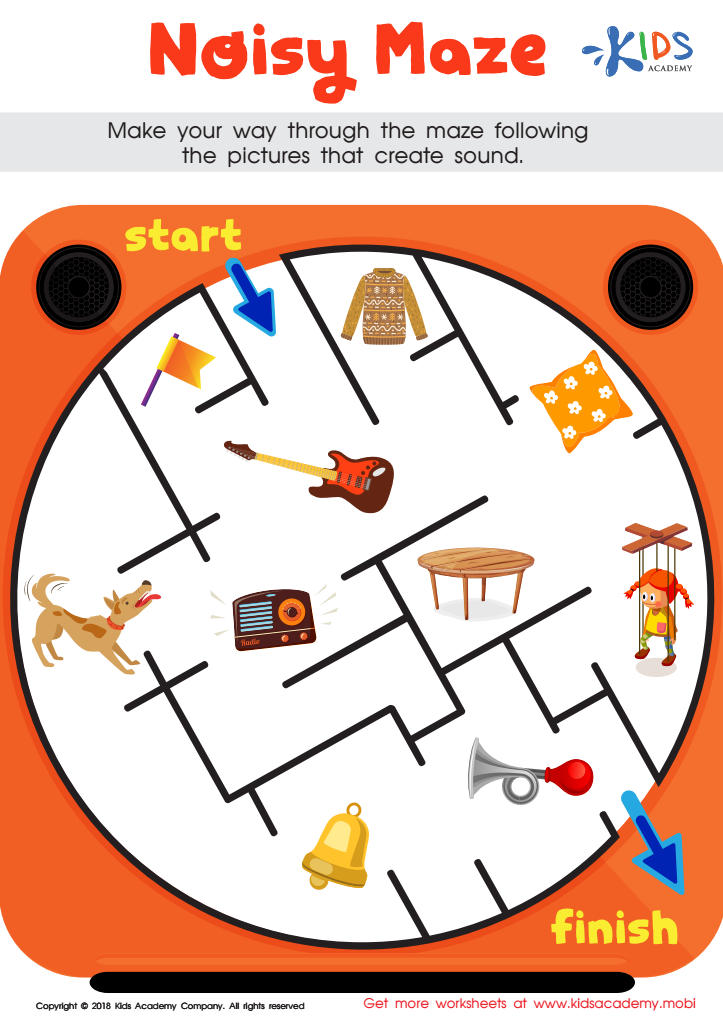
Noisy Maze Worksheet







Spatial orientation refers to the ability to understand and navigate the relationships between objects in space and your own position relative to them. For children aged 3-9, developing spatial orientation is crucial for several reasons. First, it lays the groundwork for essential skills in math and literacy. Understanding shapes, directions, and spatial terms helps children grasp concepts such as addition, subtraction, and eventual geometry.
Additionally, spatial orientation is fundamental in everyday activities, from following directions to playing sports or even engaging in art and crafts. When children are adept at orienting themselves in space, they can better interact with their environment, fostering independence and confidence.
Moreover, developing spatial skills can enhance cognitive development. Activities that encourage spatial reasoning, such as puzzles or building games, stimulate critical thinking and problem-solving abilities. These skills are vital as children grow and encounter increasingly complex tasks in the classroom and beyond.
Finally, fostering these skills at an early age can address potential learning challenges later on. Through targeted activities and support, parents and teachers can help ensure that children build a strong foundation for both academic achievement and practical life skills, enhancing their overall development.








