Understanding patterns Normal Worksheets for Ages 3-9
10 filtered results
-
From - To
Welcome to our "Understanding Patterns Normal Worksheets" page, designed for children aged 3-9. These engaging worksheets help young learners grasp the concept of patterns in a fun and interactive way. Our thoughtfully crafted activities encourage problem-solving and critical thinking by allowing children to identify, create, and extend patterns using colors, shapes, and numbers. Ideal for both classroom and home settings, these worksheets promote fine motor skills and cognitive development. Whether your child is just starting, or advancing their knowledge of patterns, our diverse range of exercises is perfect for igniting creativity and building essential math skills. Dive in and start exploring today!
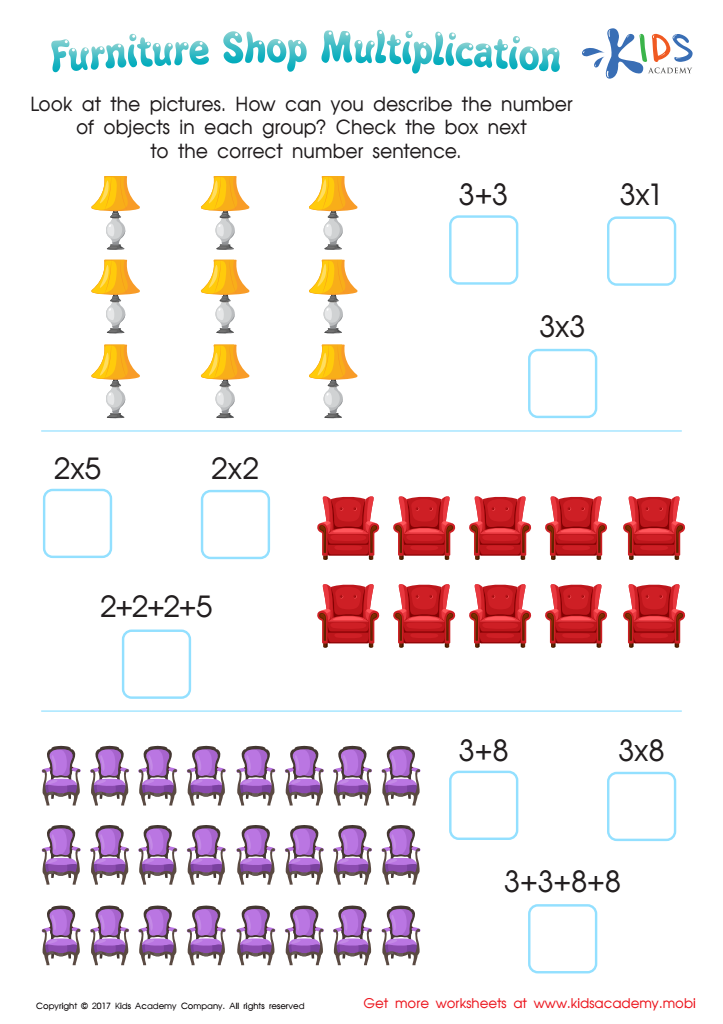
Furniture Shop Worksheet
 Assign to My Students
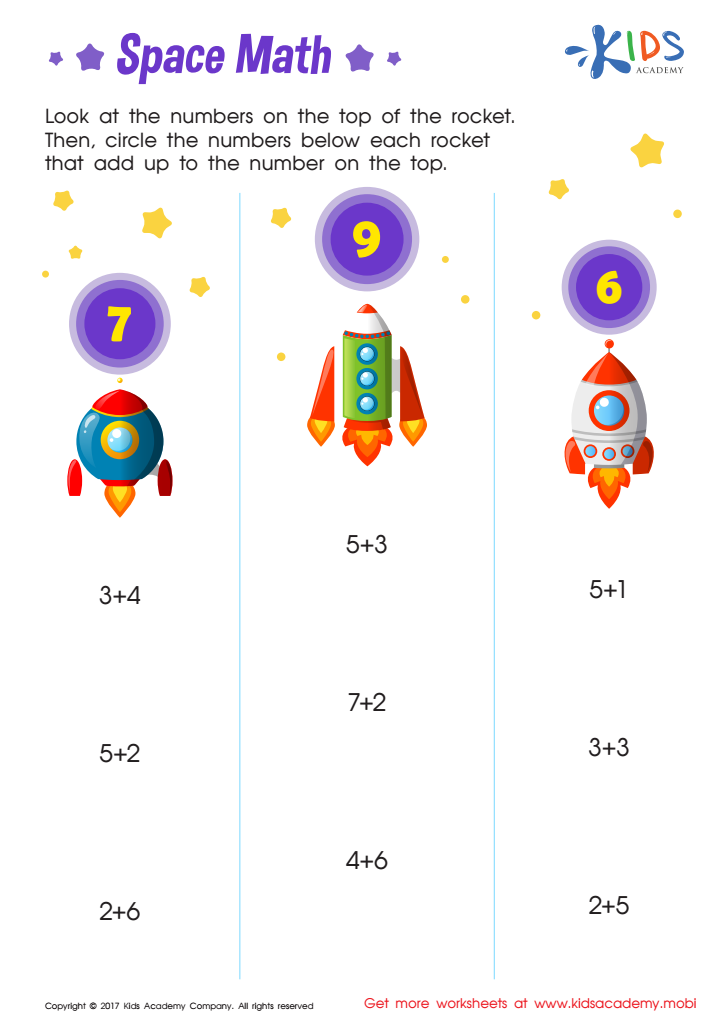
Addition: Space Math Worksheet
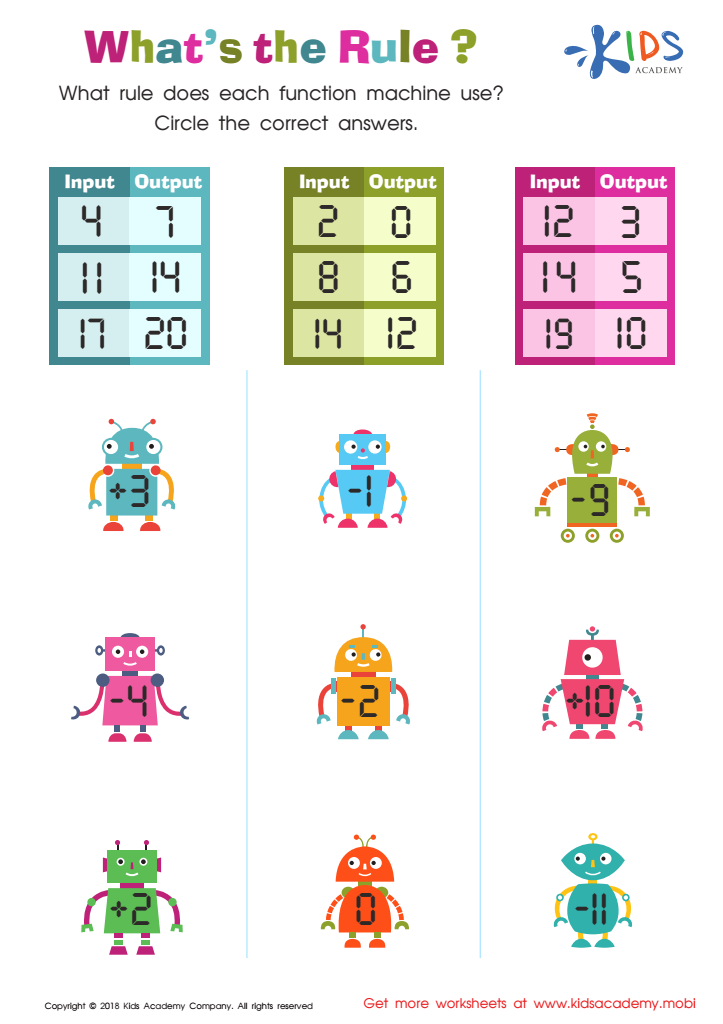
What's the Rule Worksheet
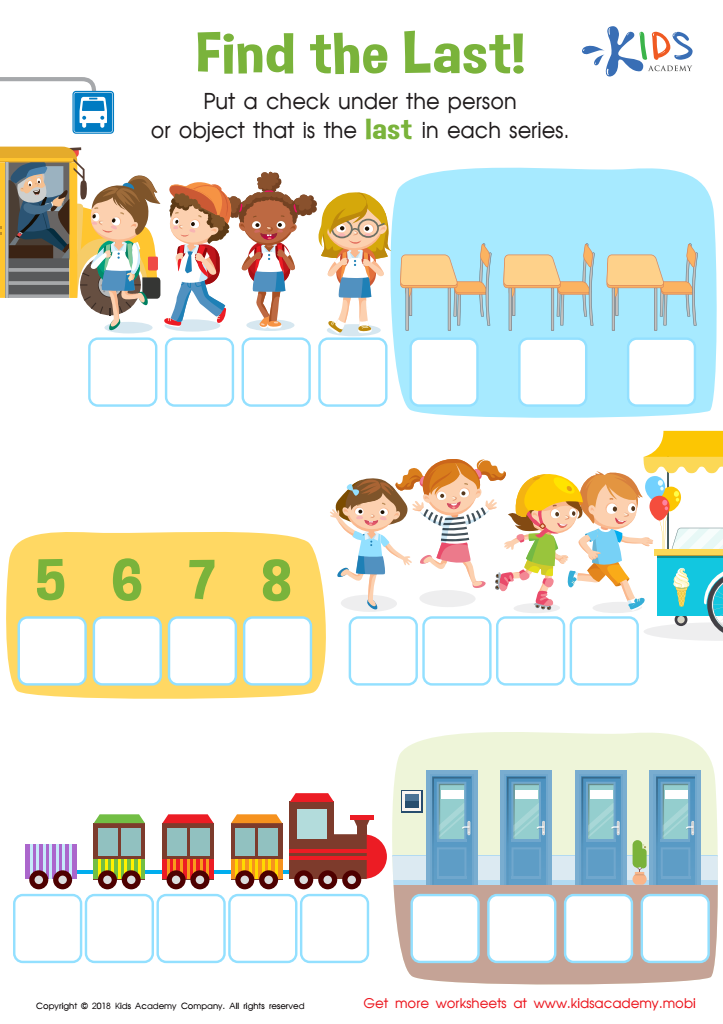
Find the Last! Worksheet
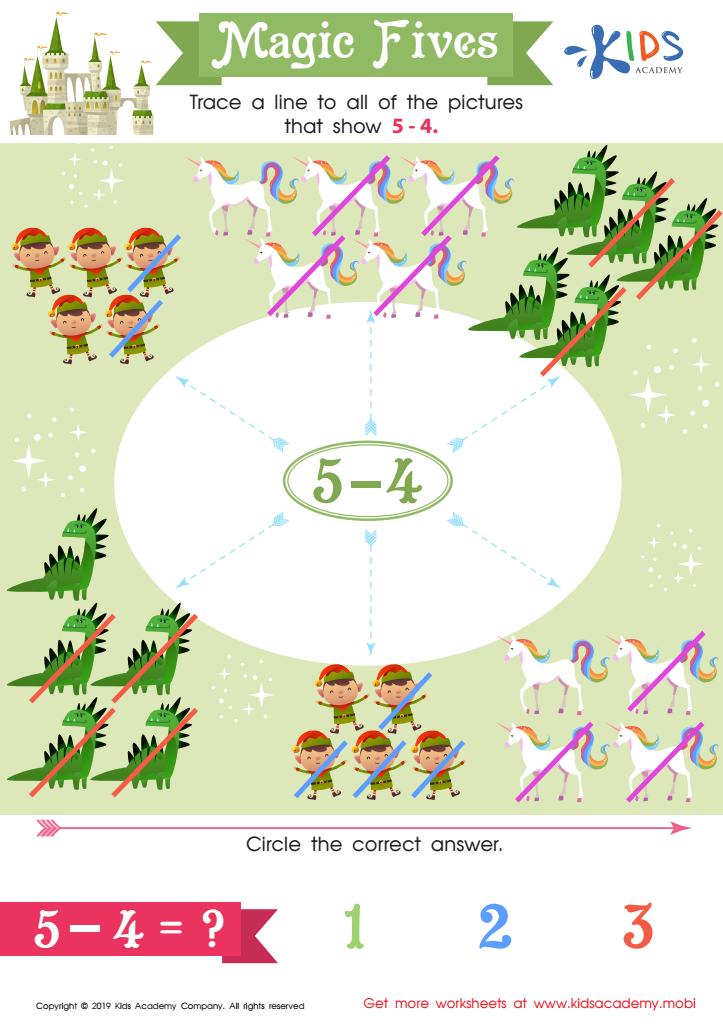
Magic Fives Worksheet
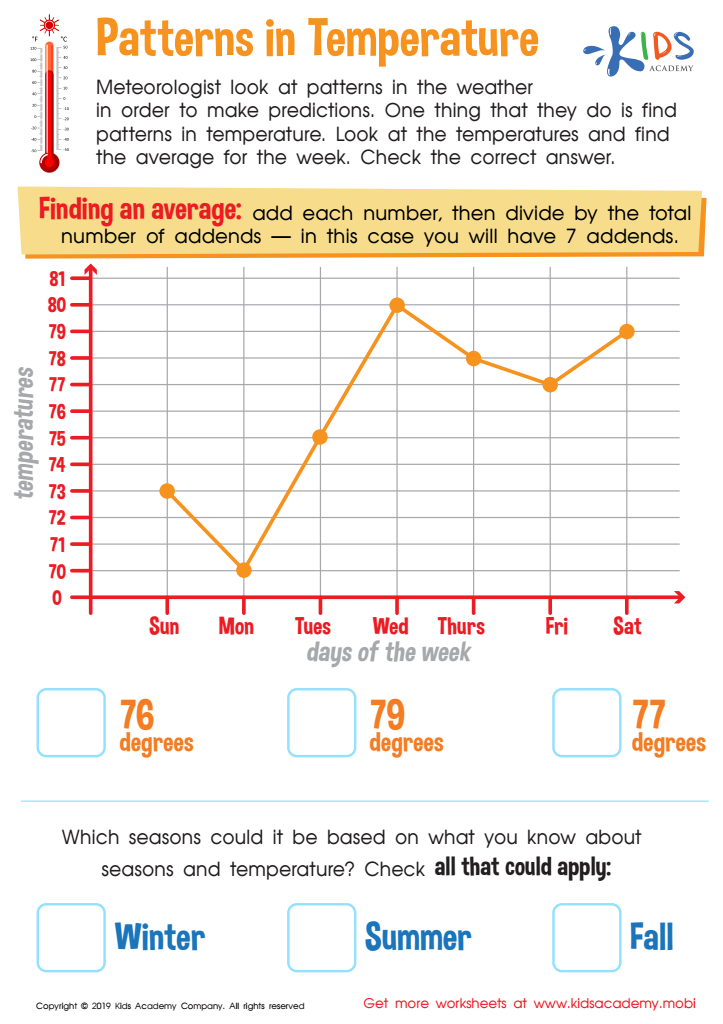
Patterns in Temperature Worksheet
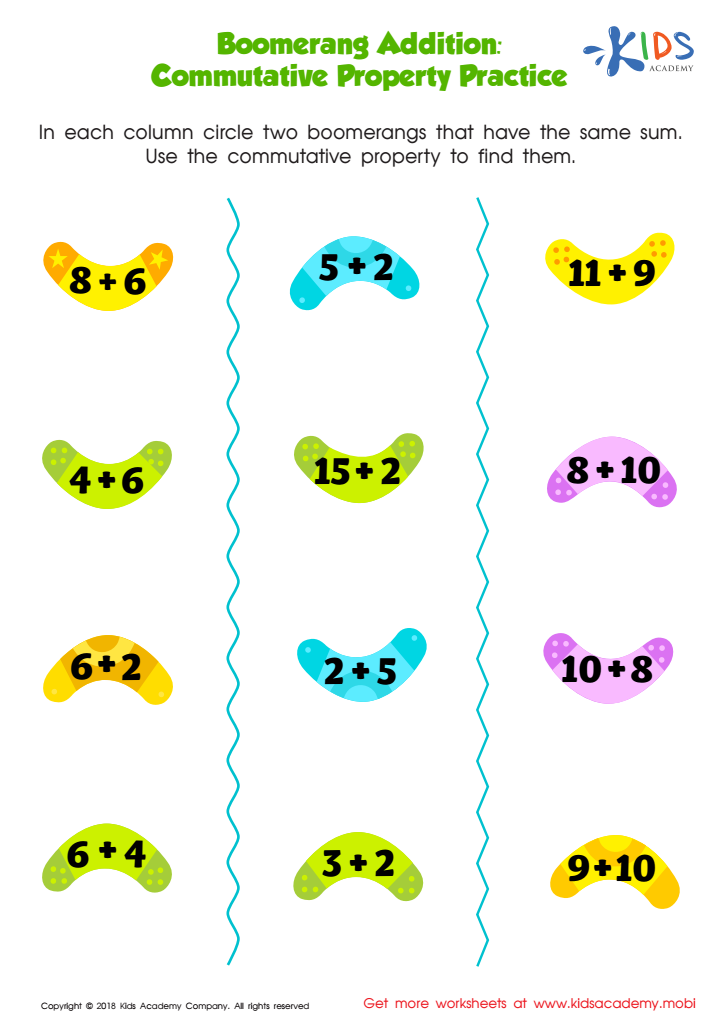
Boomerang Addition Worksheet
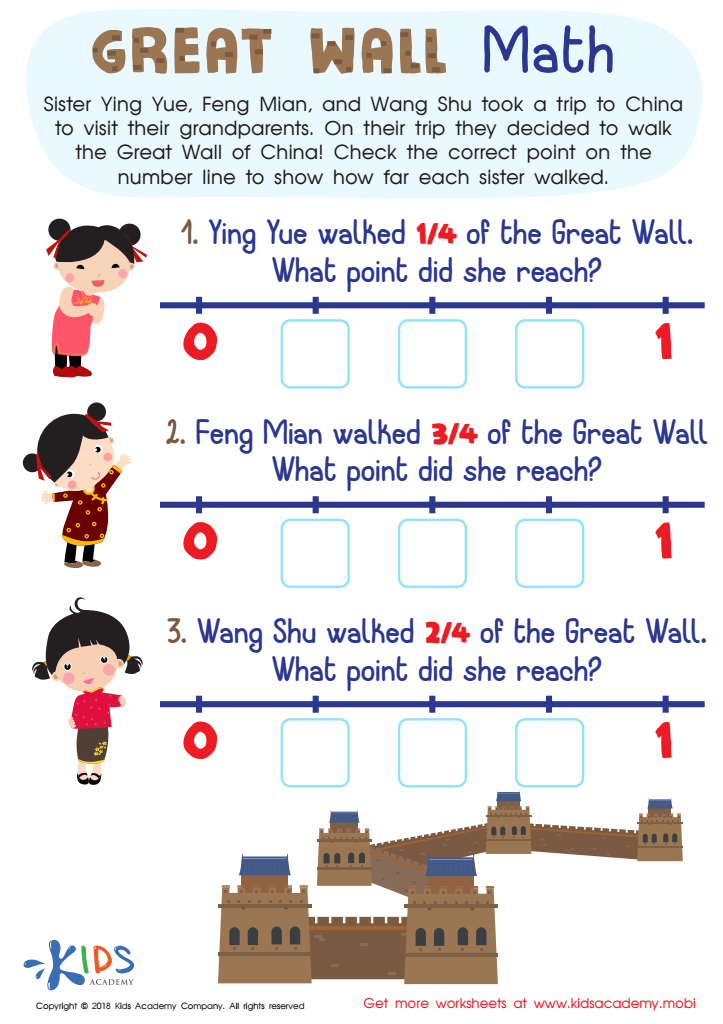
Great Wall Math Worksheet
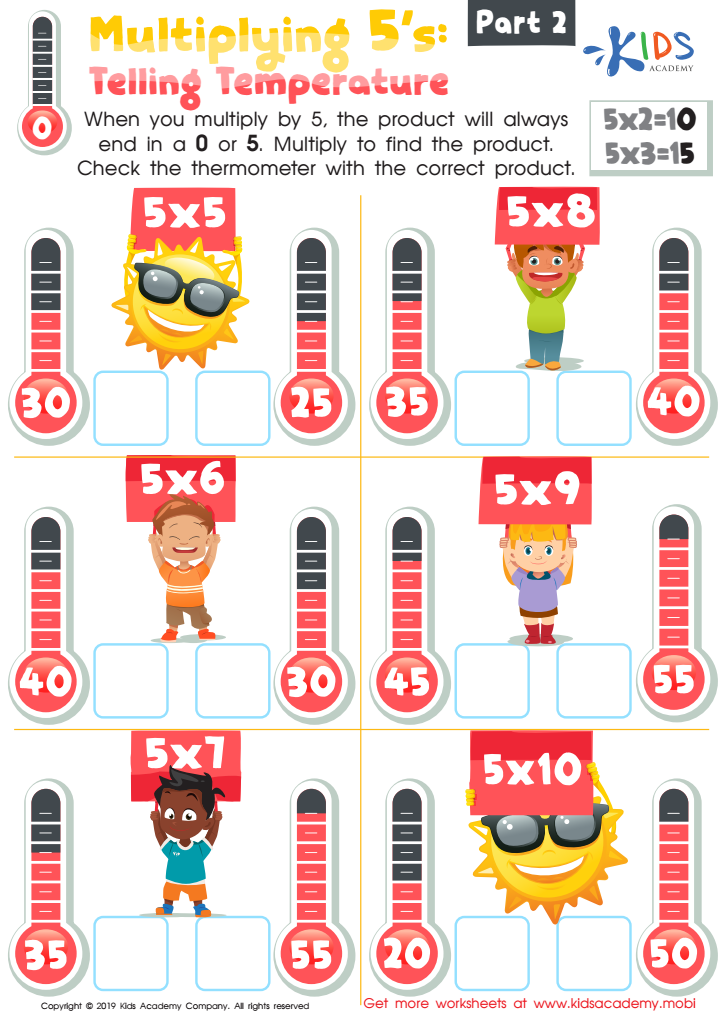
Multiplying 5’s: Telling Temperature Part 2 Worksheet
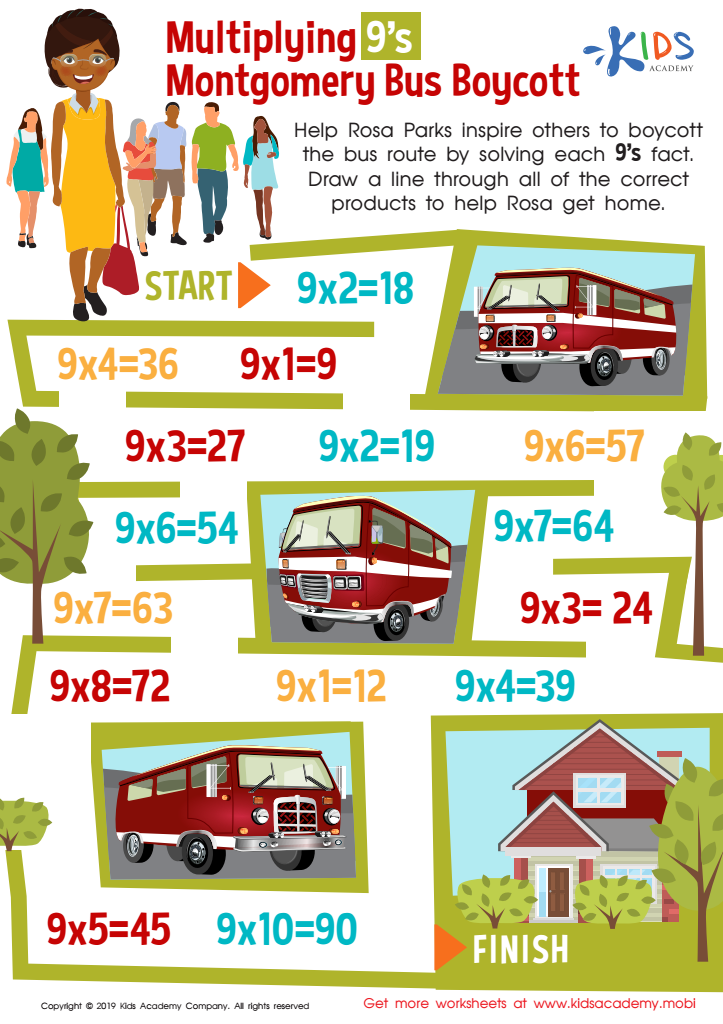
Multiplying 9’s Montgomery Bus Boycott Worksheet








Understanding patterns is crucial for children aged 3-9, as it forms the foundation for critical thinking and problem-solving skills. Recognizing and creating patterns fosters mathematical understanding, aiding in future concepts like sequencing, addition, and multiplication. For young learners, engaging with patterns enhances cognitive development, as it encourages them to observe, hypothesize, and draw conclusions about their environment.
Furthermore, pattern recognition nurtures creativity. When children explore rhythms in music or repeated motifs in art, they learn to appreciate aesthetics and develop their imaginative skills. Patterns also facilitate language development; children often categorize and encode new vocabulary through repetitive structures.
Parents and teachers play a significant role in reinforcing these skills. By incorporating everyday patterns into routines, such as setting the table or dressing, caregivers make learning relatable and enjoyable. Educational initiatives like books, games, and interactive activities can further imbue children with a sense of inquiry.
Moreover, understanding patterns promotes social skills as children learn to work collaboratively. These foundational skills not only enrich their academic journey but also empower them to navigate the complexities of life, making it imperative for guardians and educators to prioritize this area of development.








