Filters

8 filtered results

Clear all filters
Favorites
With answer key
Interactive

8 filtered results

Difficulty Level

Grade


Enhance your child's fine motor skills while mastering addition and subtraction with our specially designed worksheets for ages 3-9! These engaging resources focus on integrating fundamental math concepts with exciting activities that promote hand-eye coordination and dexterity. Perfect for early learners, each worksheet features colorful illustrations and fun challenges that make practicing math enjoyable. Watch your child's confidence grow as they develop essential fine motor skills and a solid foundation in basic arithmetic. Ideal for homes and classrooms, our worksheets ensure that learning is both effective and entertaining. Explore our collection today to support your child's educational journey!

Check out this FREE Trial Lesson on Addition & Subtraction for age 3-9!

Add within 20 and Memorize all Sums

Favorites
With answer key
Interactive
  • 3-9
  • Fine Motor Skills
  • Addition & Subtraction
  • Normal
Valentine’s Day word problem PDF worksheet

Valentines Day 2 Printable

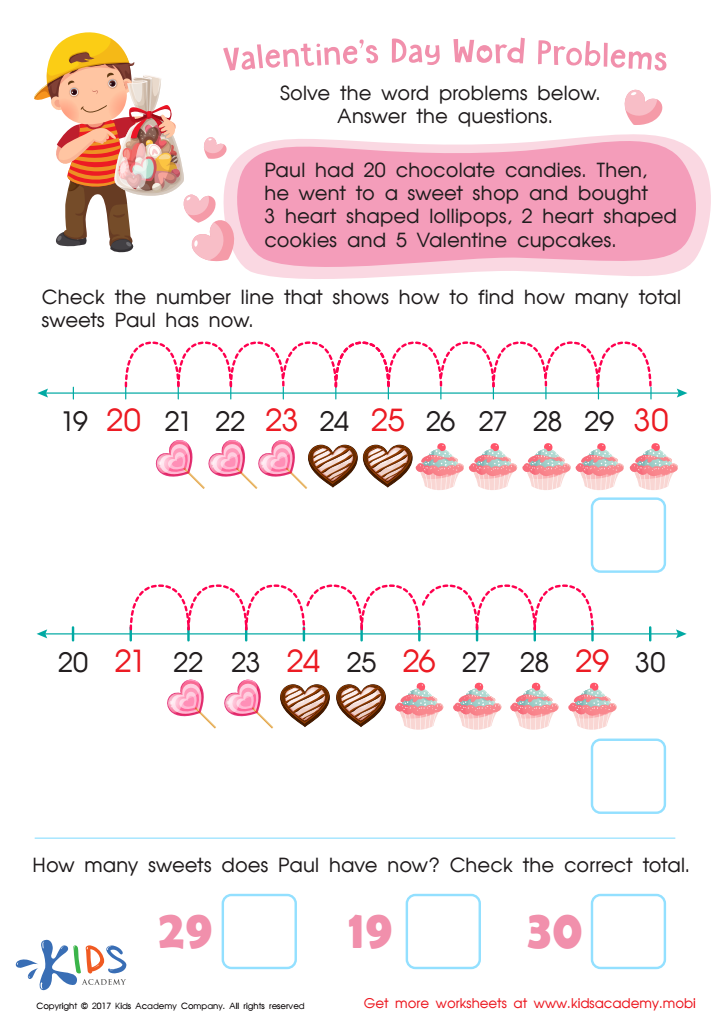
This PDF worksheet uses a number line to help solve the problems. Your child will be ready for Valentine's Day after completing it. Counting and adding from 20 is also reinforced.
Valentines Day 2 Printable
Worksheet
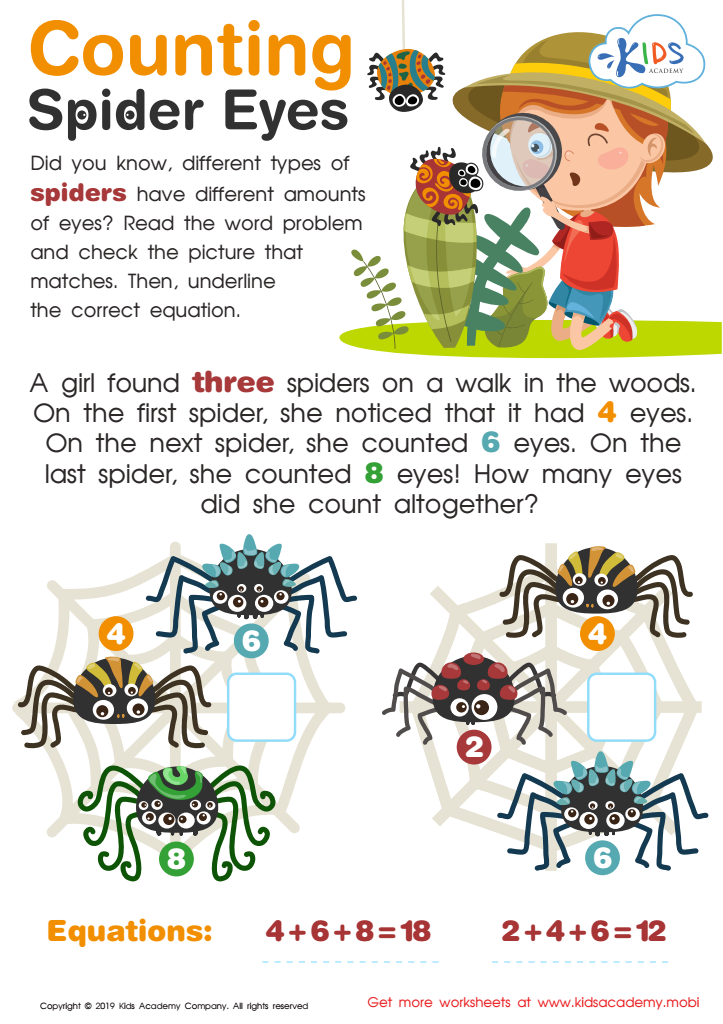
Counting Spider Eyes Worksheet

Counting Spider Eyes Worksheet

Did you know different spiders have different eye numbers? Kids will love learning this fact and solving the spider word problems on this free worksheet! Word problems promote a deeper understanding of the concept, plus they get to add up the spiders’ eyes while solving addition problems with more than one addend. Fun and math all in one!
Counting Spider Eyes Worksheet
Worksheet
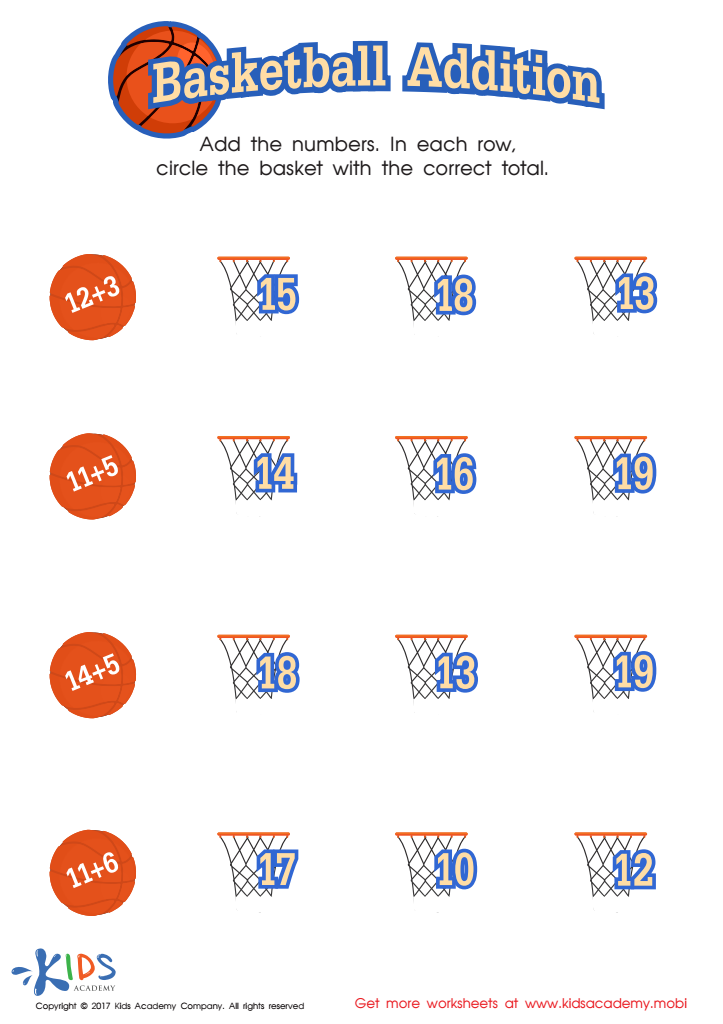
Basketball Addition Worksheet

Basketball Addition Worksheet

Basketball Addition Worksheet
Worksheet
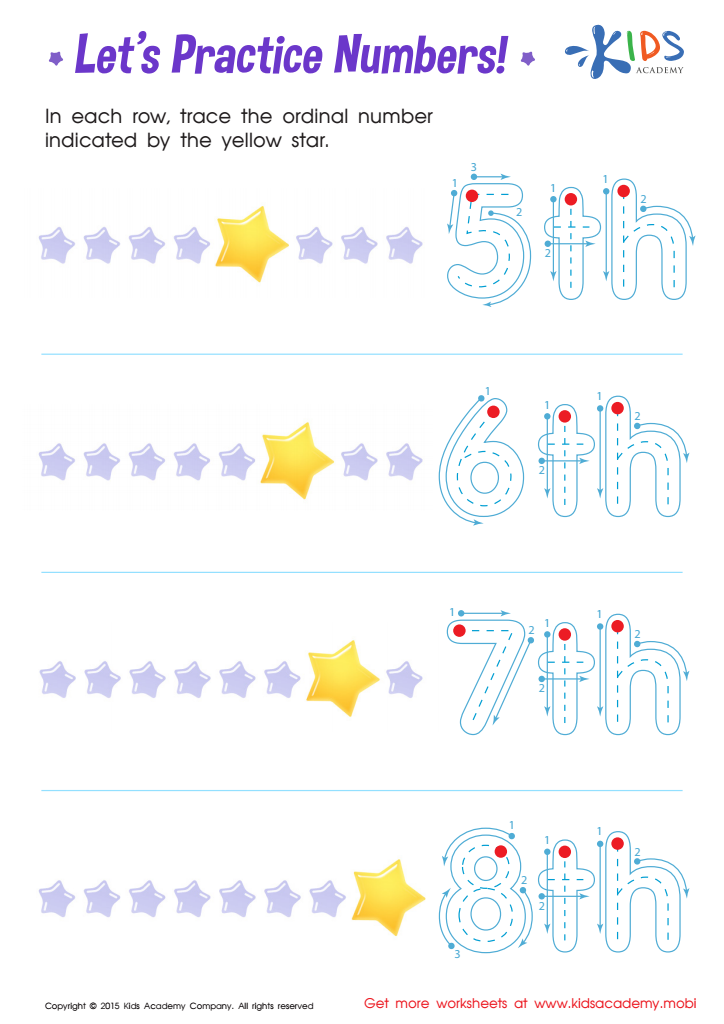
Practice Ordinal Numbers Worksheets PDF
Ordinal Numbers: Let's Practice Numbers Printable
Worksheet
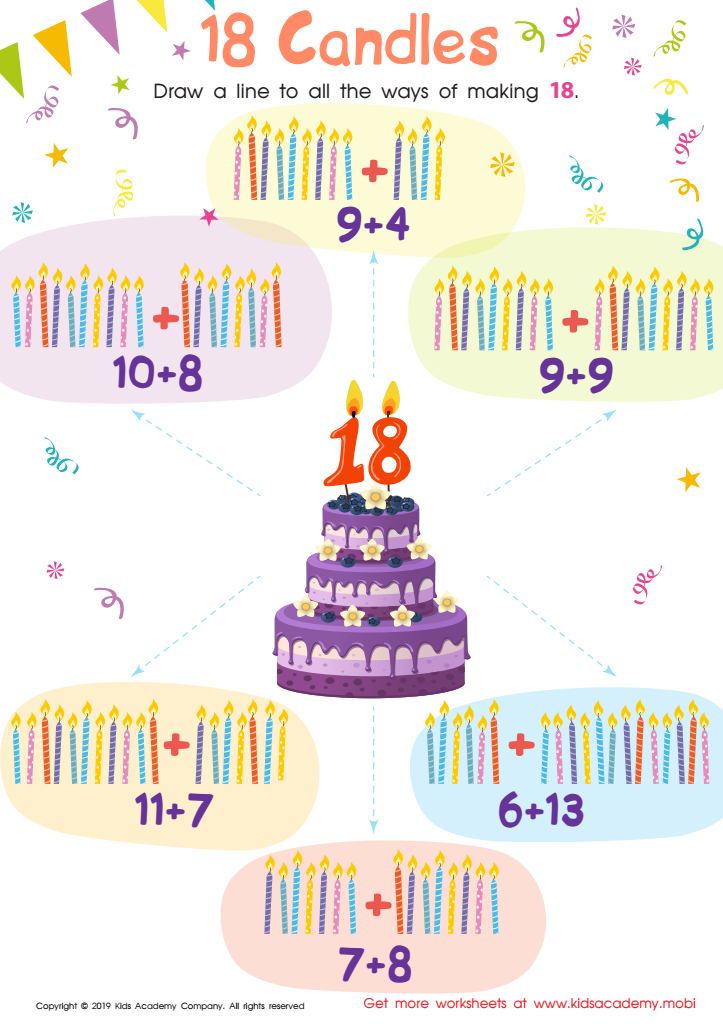
18 Candles Worksheet

18 Candles Worksheet

This worksheet is great for introducing your students to addition and subtraction. Help your kids solve the simple equations on it and draw a line from the birthday cake with 18 on it to all the solutions. Practice like this will prepare them to tackle more complex math problems.
18 Candles Worksheet
Worksheet
Counting Eggs Worksheet

Counting Eggs Worksheet

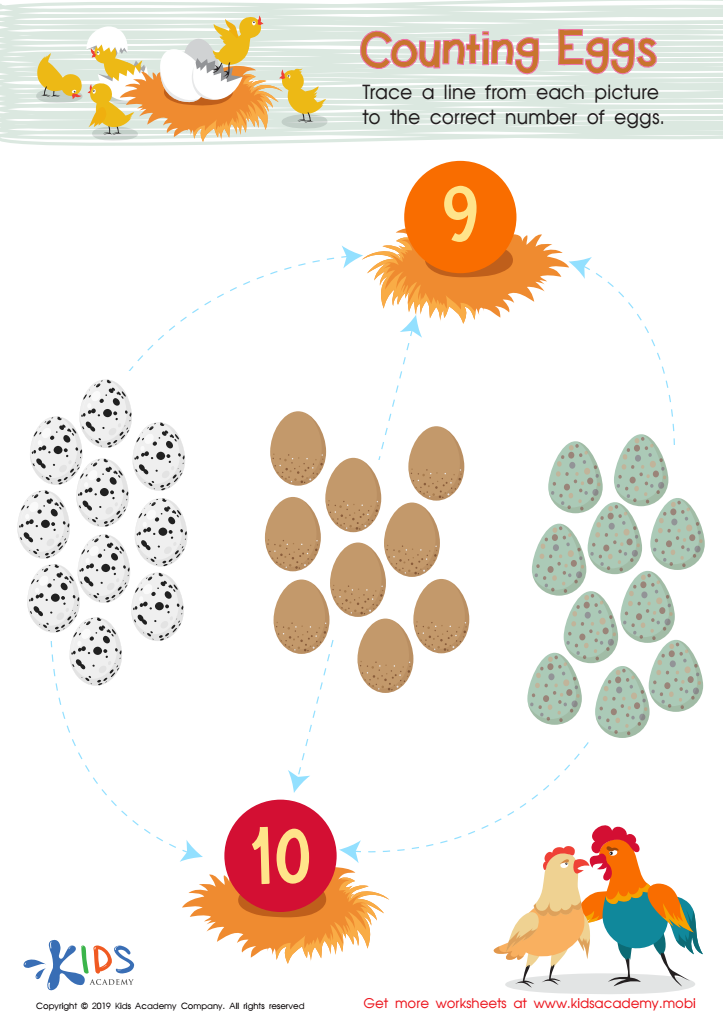
This worksheet is great for teaching kindergarteners to count and add numbers. It includes colorful pictures of eggs with numbers to trace. Help students count the eggs and draw a line to the right number. This will make learning fun and easy!
Counting Eggs Worksheet
Worksheet
Help the Bee Find 16 Flowers Worksheet

Help the Bee Find 16 Flowers Worksheet

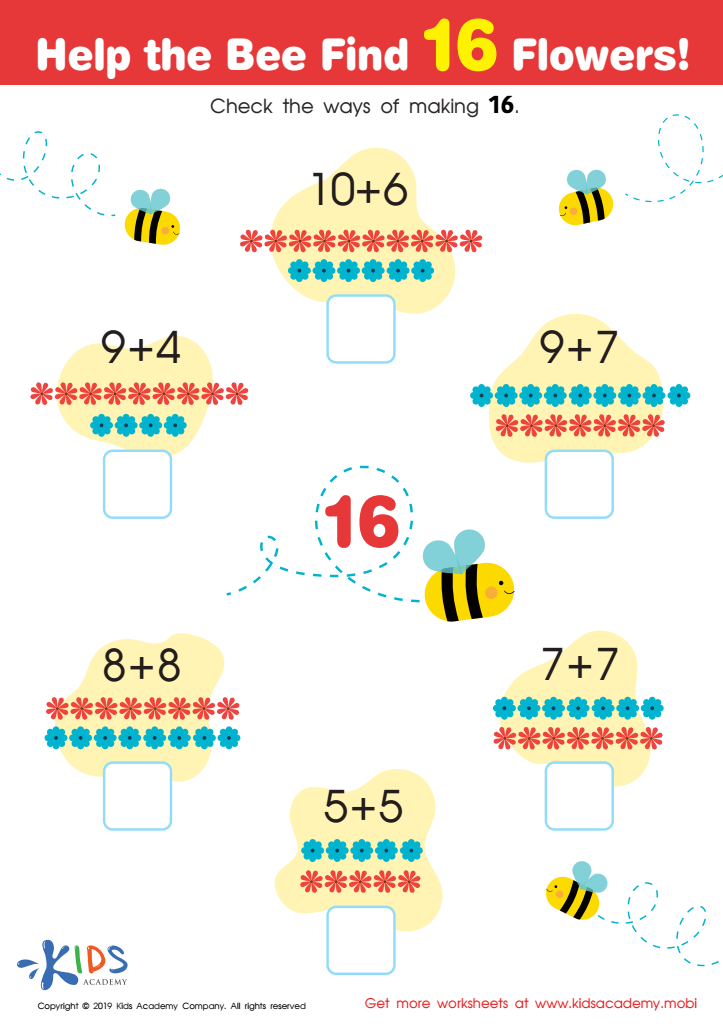
Ask your students to count as high as they can. Show them that different numbers can equal the same figure with examples like 2+2=4 and 3+1=4. Ask for more examples, then help the bees find 16 flowers by checking the ways of making 16.
Help the Bee Find 16 Flowers Worksheet
Worksheet
Addition Robot Sorter Worksheet


Addition Robot Sorter Worksheet

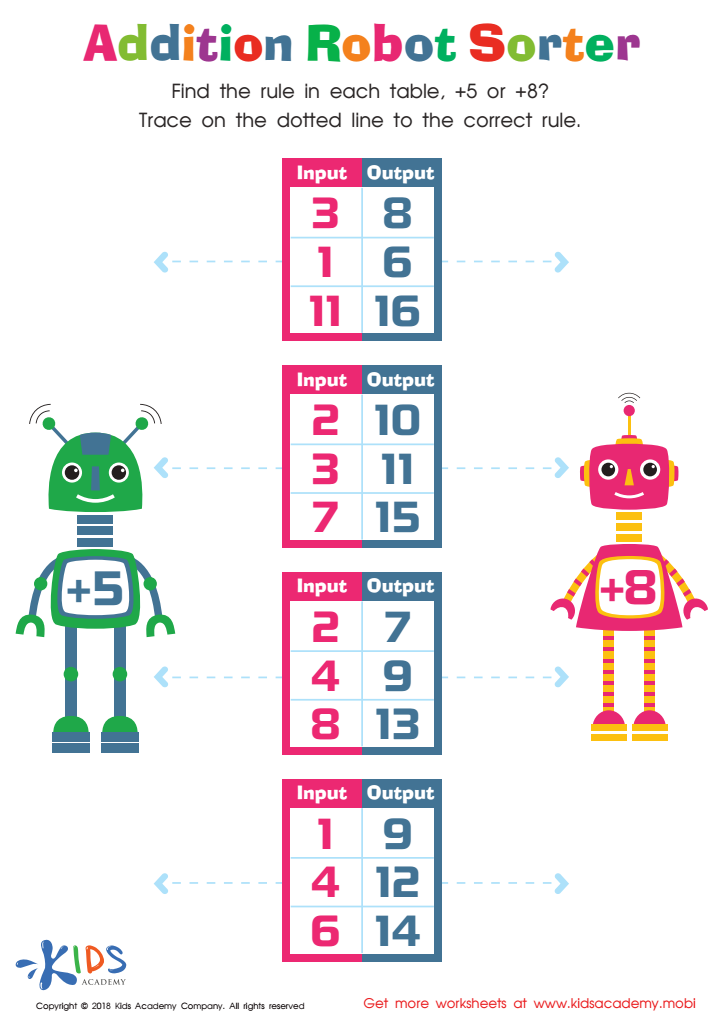
This worksheet helps your child understand addition. Have them trace the dotted lines to the correct equations: +8 and +5. It's a great way to aid their mathematical comprehension and get them comfortable with adding equations.
Addition Robot Sorter Worksheet

Worksheet


Fine motor skills are crucial for children aged 3-9 as they form the foundation for various academic and daily tasks. These skills involve the ability to use small muscles for precise movements, which equip children to perform actions like writing, using scissors, and manipulating small objects. In the context of normal addition and subtraction, fine motor skills help children physically manage counting tools, like blocks or counters, which are essential for grasping mathematical concepts.

When parents and teachers emphasize fine motor skills alongside math, they create a more engaging and interactive learning environment. This method not only enhances children's mathematical understanding but also boosts their confidence. For instance, when they effectively manipulate objects to perform addition and subtraction, they gain a concrete understanding of numerical relationships.

Moreover, strong fine motor skills are linked to better academic performance in later years. Children who are adept at these skills often experience less frustration in classroom tasks, allowing for greater focus on learning. Thus, fostering fine motor skills is fundamental, as it supports overall cognitive development, encourages creativity, and lays a robust groundwork for more advanced mathematical concepts. By prioritizing these early skills, parents and teachers play a pivotal role in a child's holistic development.