Visual perception Normal Addition & Subtraction Worksheets for Ages 3-9
3 filtered results
-
From - To
Discover our engaging Visual Perception Normal Addition & Subtraction Worksheets, specifically designed for children aged 3-9. These worksheets seamlessly integrate visual perception skills with basic math concepts, helping young learners improve their problem-solving abilities while making math fun! Children will enhance their focus, spatial awareness, and observational skills through colorful, interactive exercises. Ideal for homeschoolers, classroom activities, or extra practice, our resources cater to various learning styles, ensuring every child thrives in their math journey. Watch as your students confidently tackle addition and subtraction with ease—download our worksheets today and nurture their mathematical foundations!
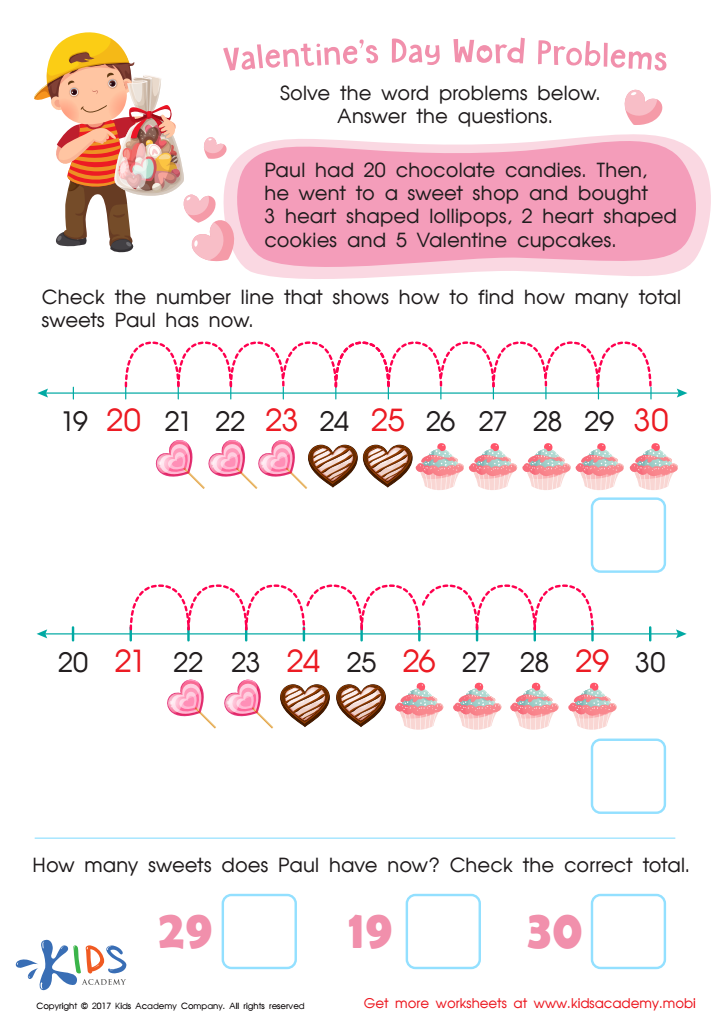
Valentines Day 2 Printable
 Assign to My Students
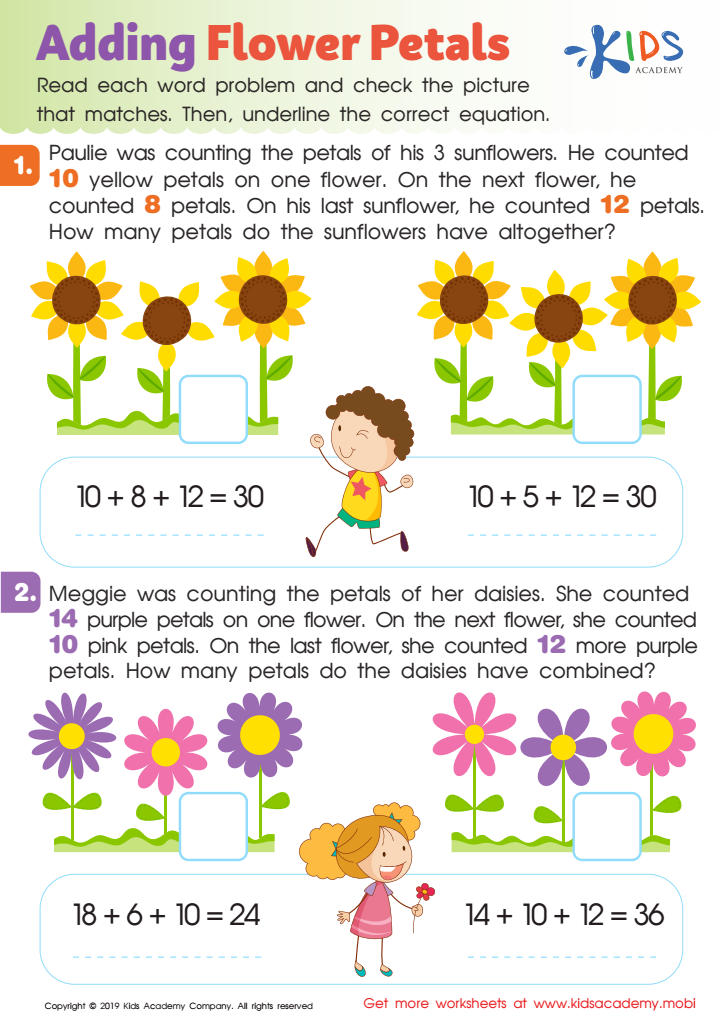
Adding Flower Petals Worksheet

Find 10 Barrels Worksheet








Visual perception is a critical skill that significantly influences a child's ability to learn, particularly in addition and subtraction. For children aged 3-9, strong visual perception helps them accurately recognize numbers, shapes, and patterns. It is essential in counting objects, understanding mathematical relationships, and solving problems effectively.
Parents and teachers should prioritize this skill because visual perception supports not just math proficiency but also foundational literacy and overall cognitive development. Good visual perception aids in recognizing letters and words, enhancing reading skills. Additionally, children who struggle with visual perception may encounter difficulties in following instructions or completing tasks, potentially affecting their confidence and engagement in school.
By nurturing visual perception through activities like puzzles, games, and hands-on learning, adults can help children build a solid foundation for both mathematics and literacy. Moreover, this practice promotes critical thinking, which aligns with essential educational goals in early childhood. Investing time in developing visual perception will help ensure a smoother learning journey, fostering a positive attitude toward learning mathematics and other subjects crucial for their future education. Children confident in their abilities are more likely to thrive academically and socially.








