Number Recognition Normal Comparing Numbers Worksheets for Ages 3-9
7 filtered results
-
From - To
Discover our engaging Number Recognition and Comparing Numbers worksheets tailored for children aged 3-9! These interactive resources are designed to enhance essential math skills by helping young learners recognize numbers and compare their values. The worksheets feature fun activities that encourage comprehension through hands-on learning, making math enjoyable and accessible. Ideal for both classroom and home settings, these worksheets promote early numeracy skills, fostering confidence in young mathematicians. Perfect for reinforcing classroom lessons or introducing new concepts, our resources cater to diverse learning styles. Explore our variety of worksheets to support your child's journey in mastering number recognition and comparison!
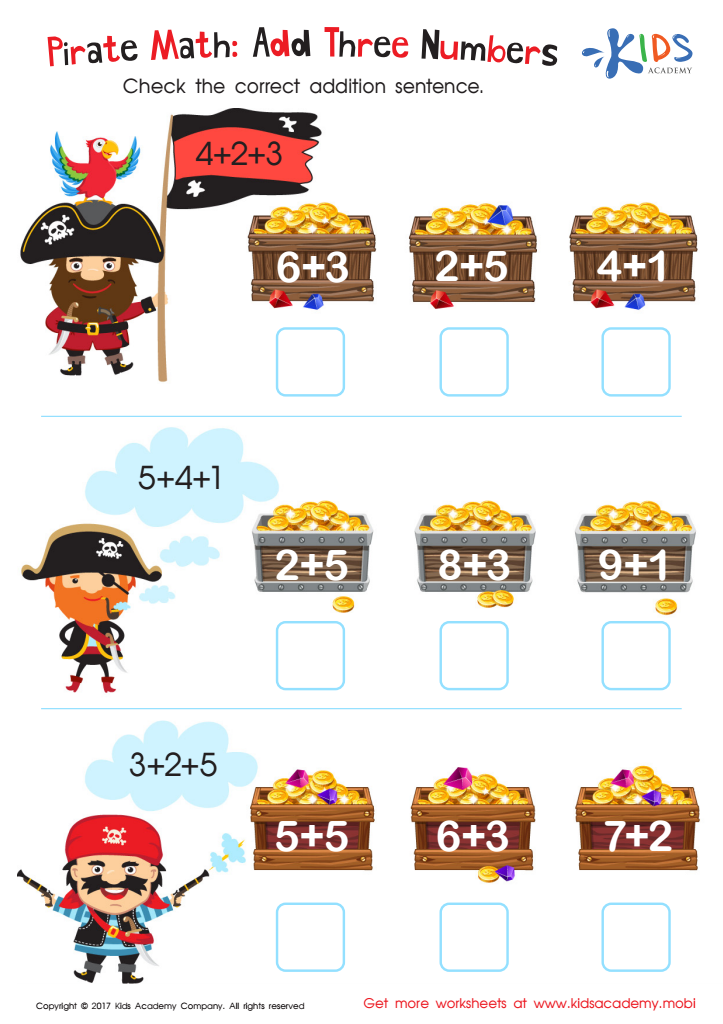
Pirate Math Printable
 Assign to My Students
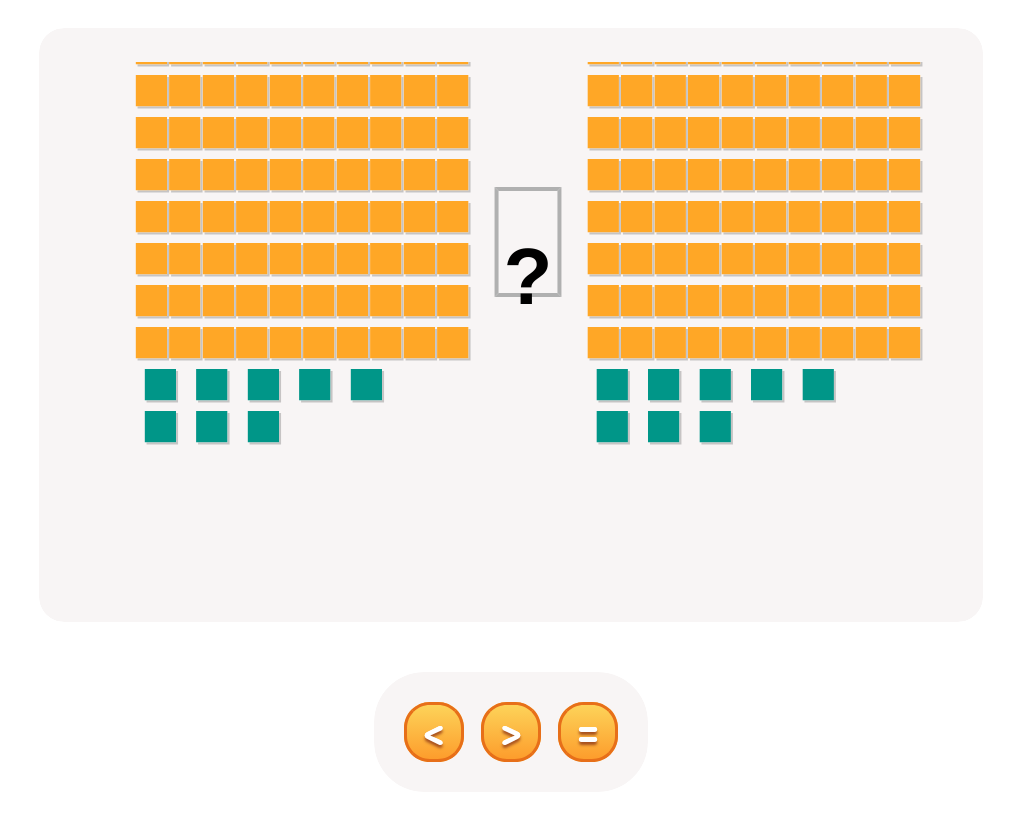

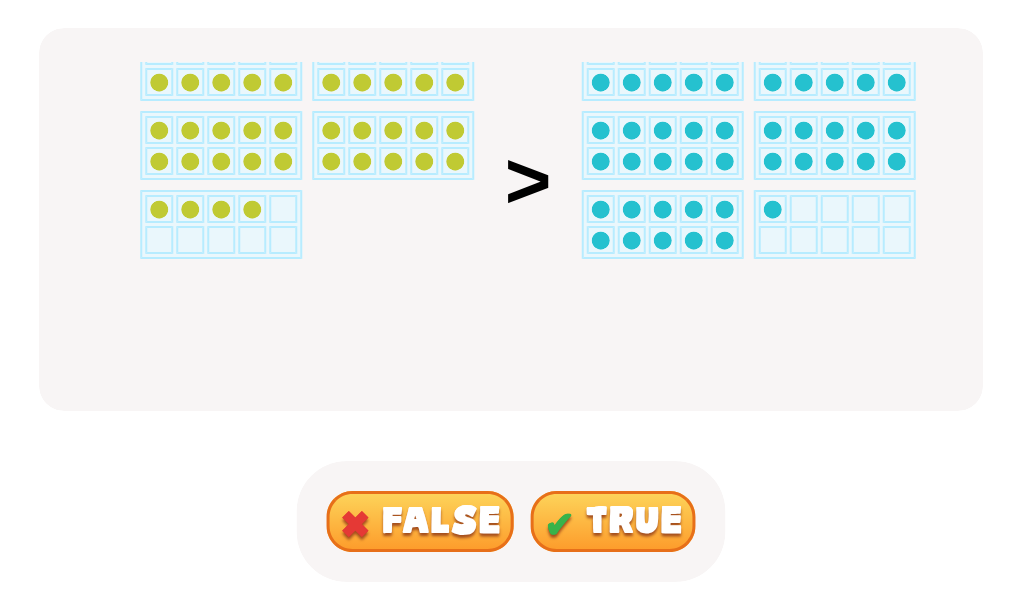
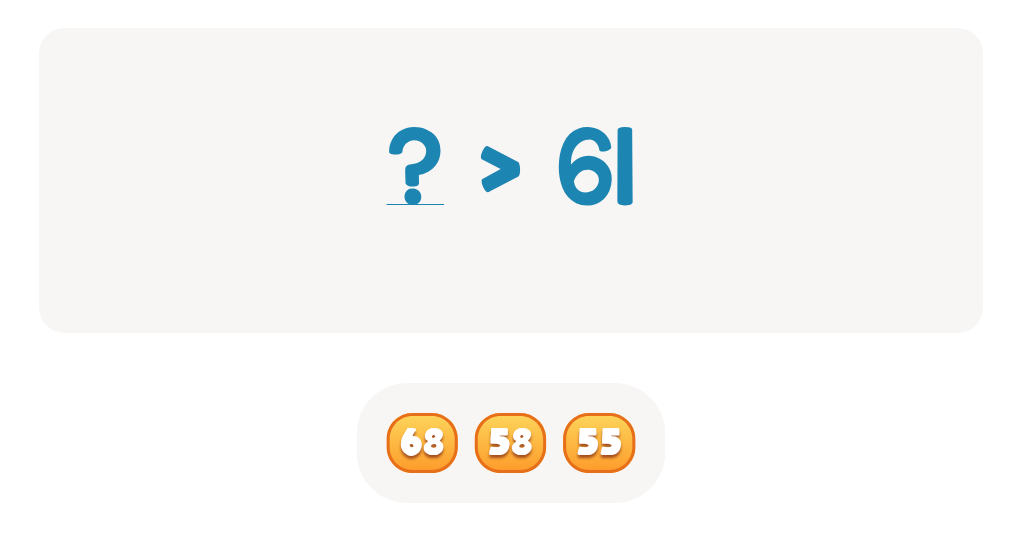
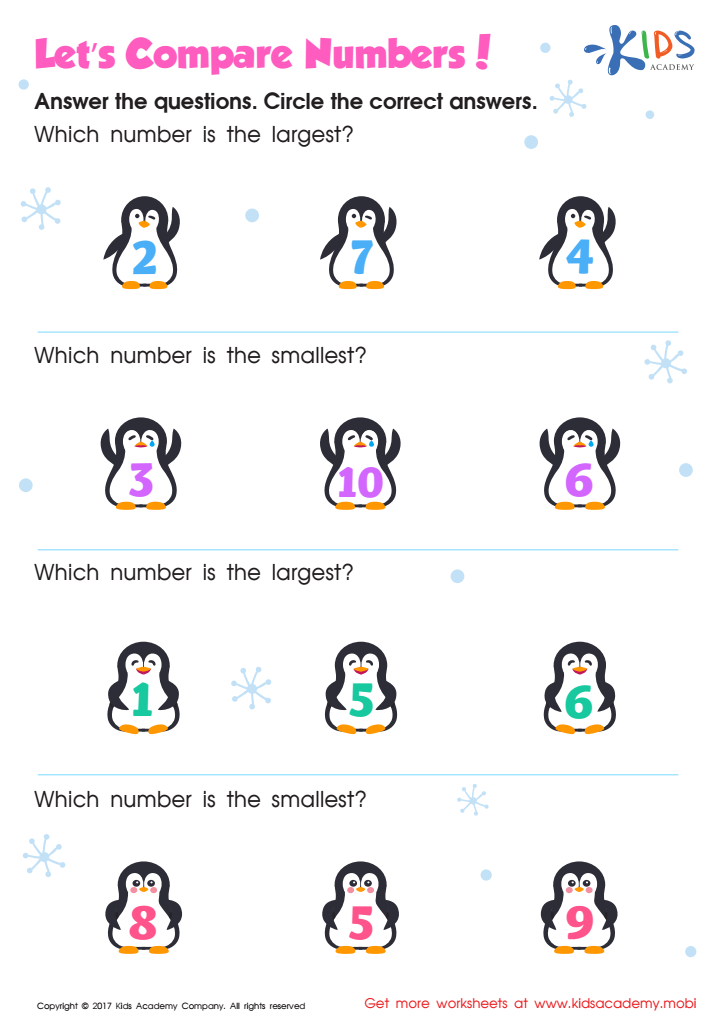
Comparing Numbers 1–10 Worksheet Kindergarten
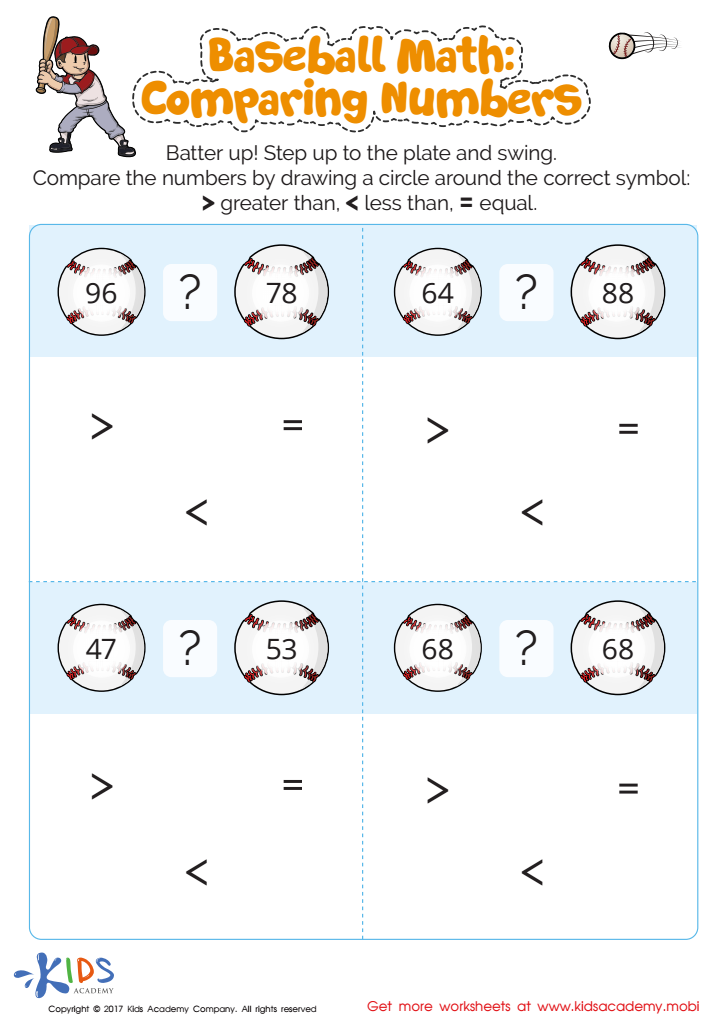
Compare Numbers Printable
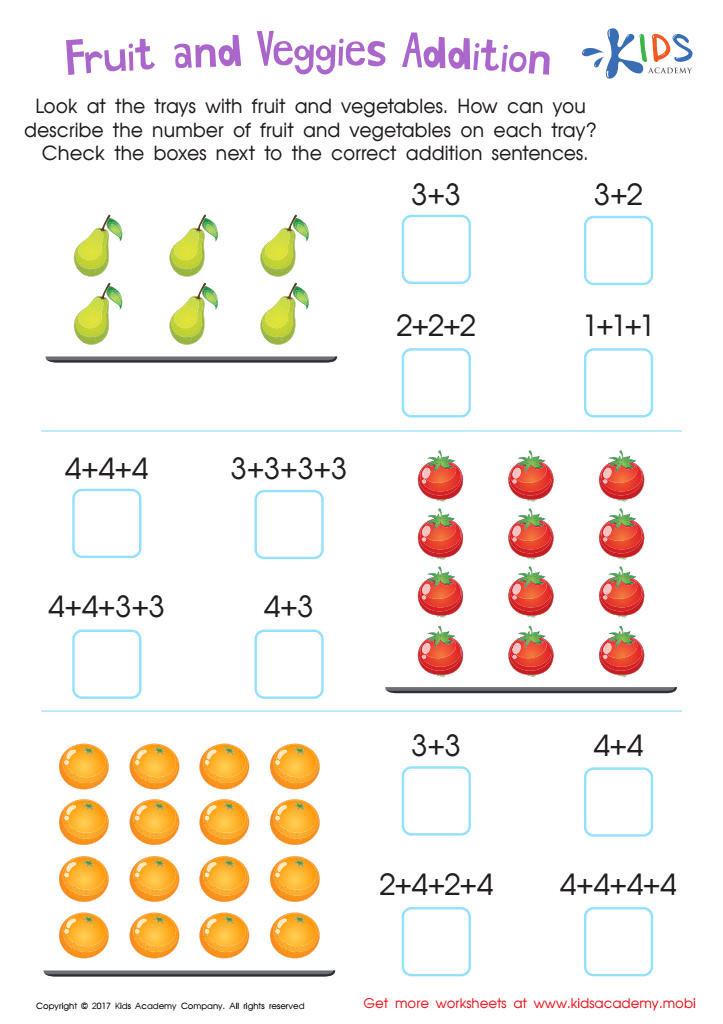
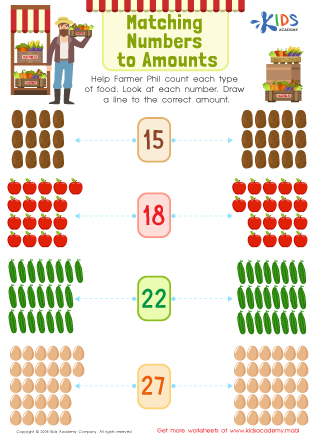
Fruit and Veggies Worksheet
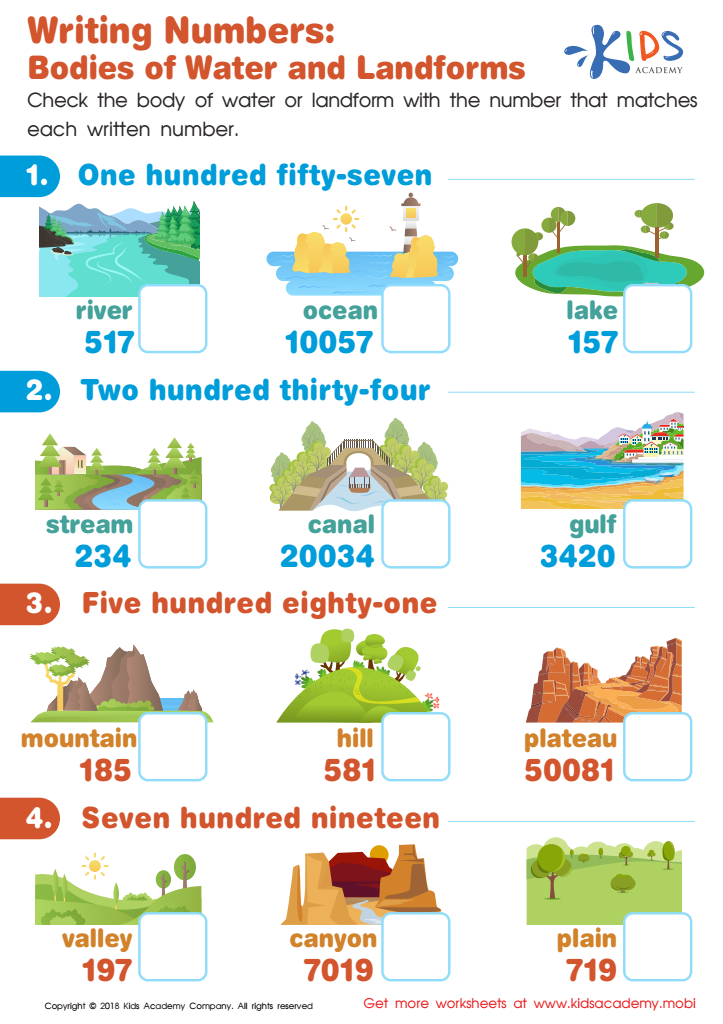
Bodies of Water and Landforms Writing Numbers Worksheet
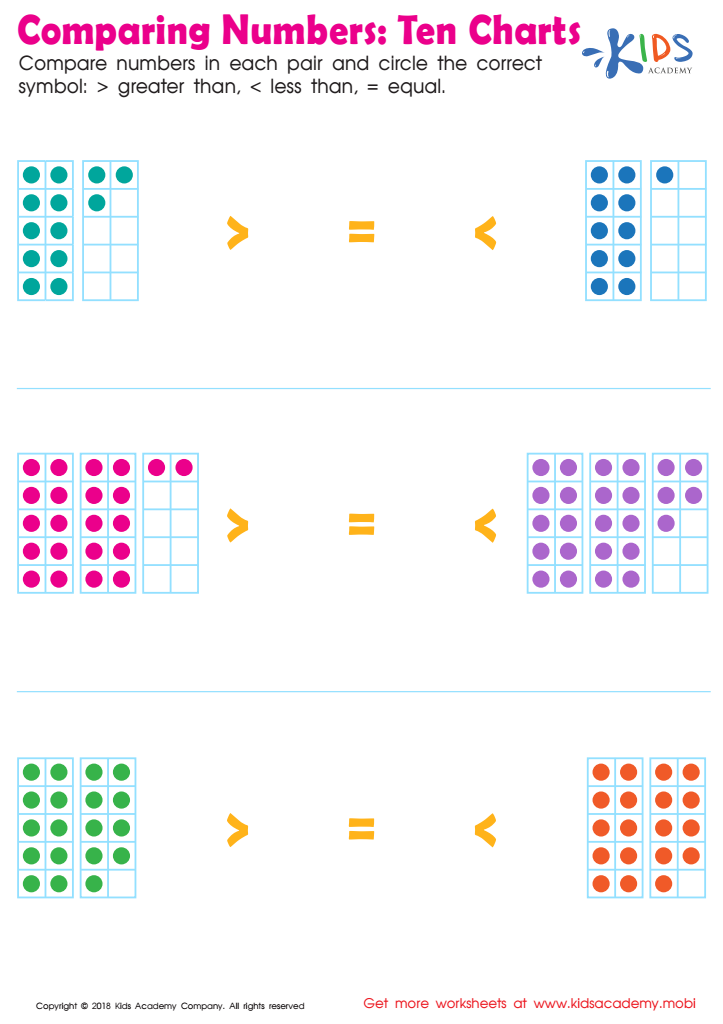
Ten Charts Worksheet
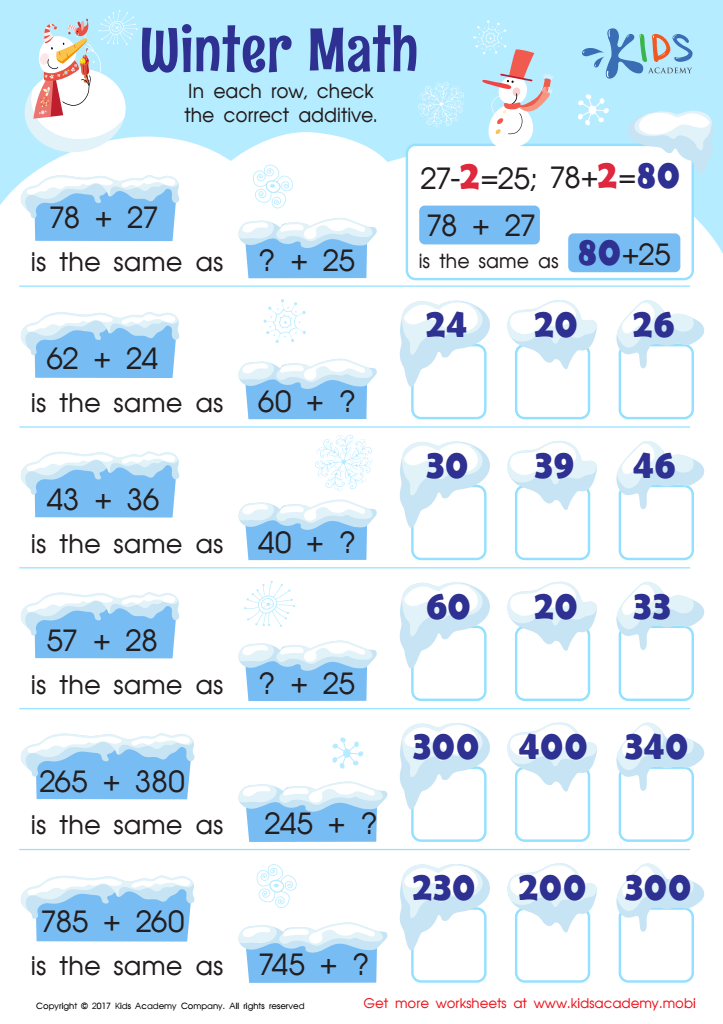
Free Addition Worksheet








Number recognition and the ability to compare numbers are foundational skills critical for children aged 3-9, and both parents and teachers should prioritize them for several reasons. Firstly, number recognition is essential for a child's early mathematical understanding. It fosters the ability to identify and understand the value of numbers, which serves as the building block for more complex concepts later on, such as addition and subtraction.
Secondly, normalizing the comparison of numbers teaches children to understand quantity and value relationships—skills they will apply in real-life scenarios, from measuring ingredients in cooking to managing allowances. This early insight into the world of mathematics not only encourages analytical thinking but also instills confidence in their problem-solving skills.
In addition, these skills enhance cognitive development by promoting logical reasoning and critical thinking. Engaging with numbers and their relationships through play, games, and everyday activities enables children to learn in a fun and meaningful way.
Overall, fostering number recognition and comparison in young learners is crucial not just for academic success but also for developing their curiosity, confidence, and the ability to navigate the world. This foundational knowledge lays the groundwork for lifelong learning and positive attitudes towards math in the future.