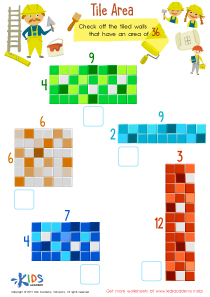
Counting skills Normal Numbers Worksheets for Ages 3-9
67 filtered results
-
From - To
Discover a fun and engaging way to enhance your child's counting skills with our Normal Numbers Worksheets for ages 3-9! Designed to foster early numeracy, these worksheets provide a variety of exercises that help young learners practice counting, number recognition, and one-to-one correspondence. With colorful illustrations and interactive activities, children will enjoy mastering basic math concepts while building confidence in their abilities. Whether you're homeschooling or seeking supplementary resources, our worksheets are perfect for children at all learning levels. Start your child's mathematical journey today with our carefully crafted counting skills worksheets that make learning both enjoyable and effective!
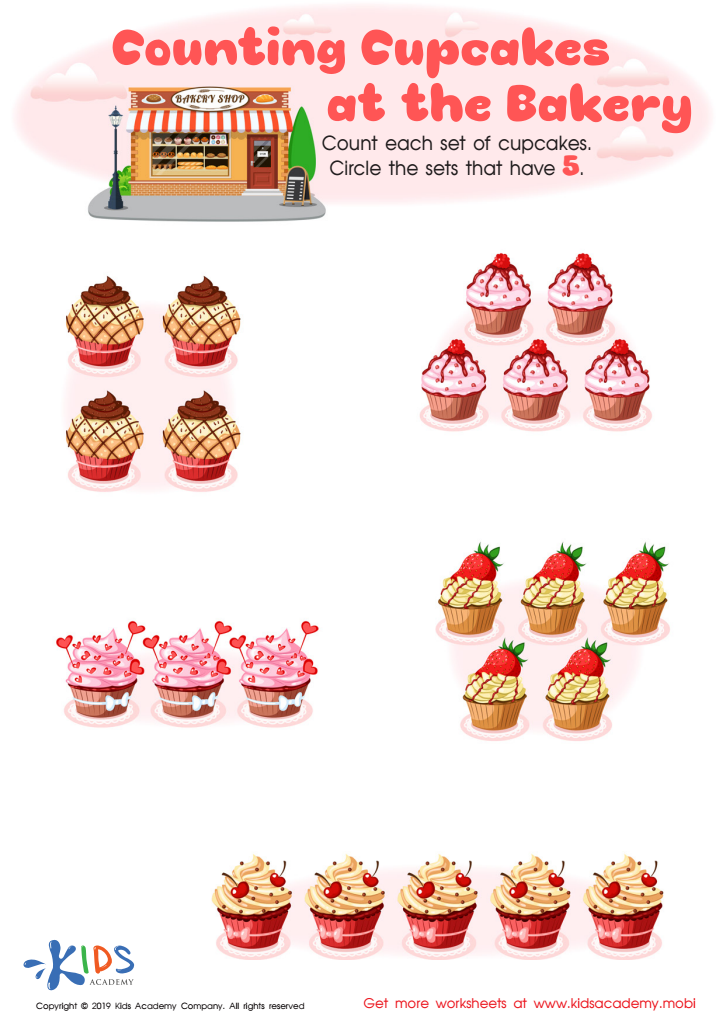
Counting Cupcakes Worksheet
 Assign to My Students
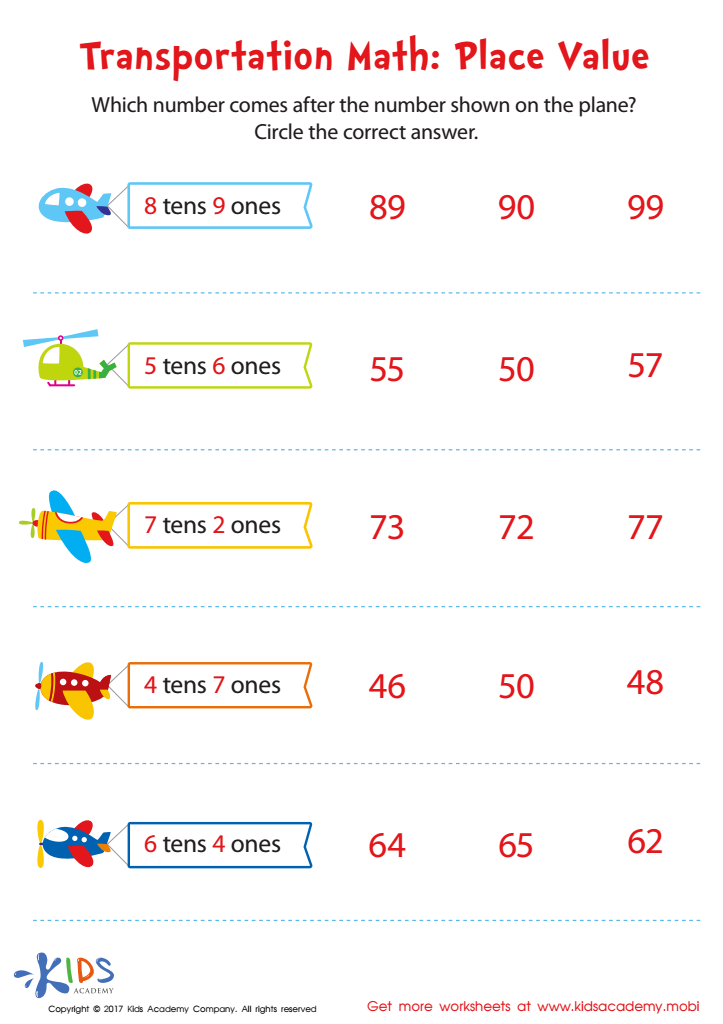
Transportation Math Printable
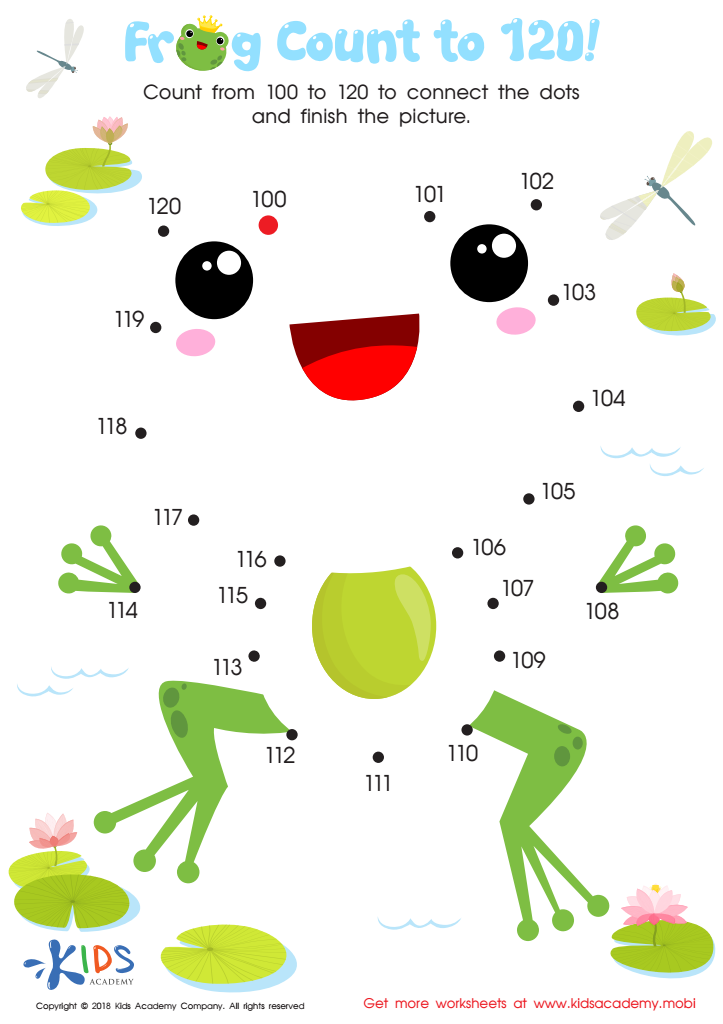
Frog Count to 120 Worksheet
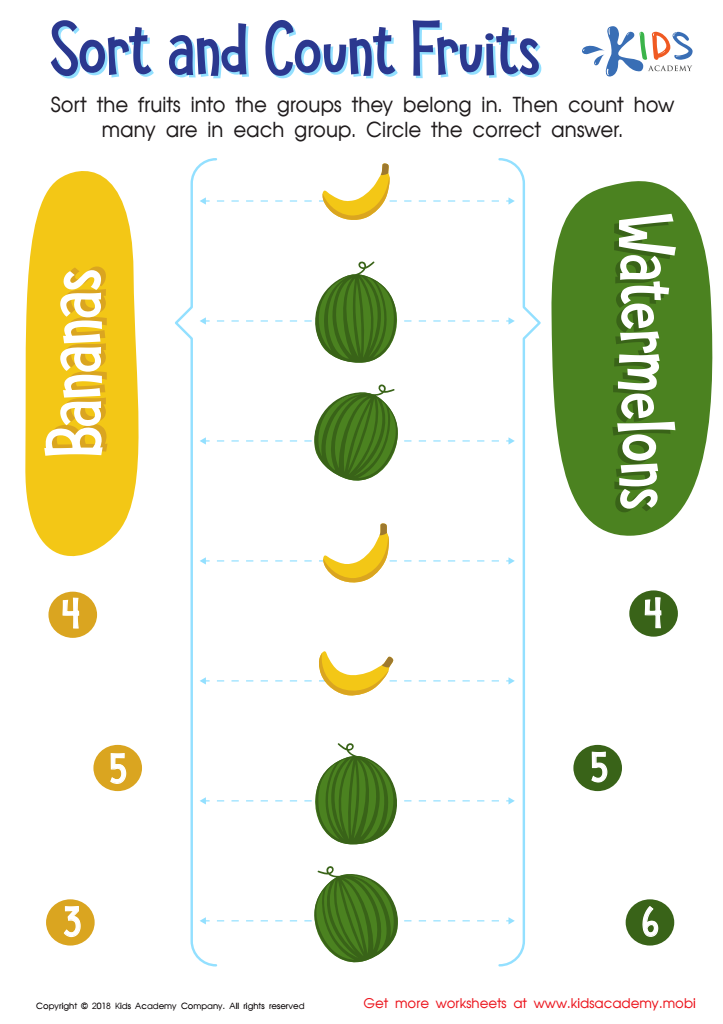
Sort and Count Fruits Worksheet
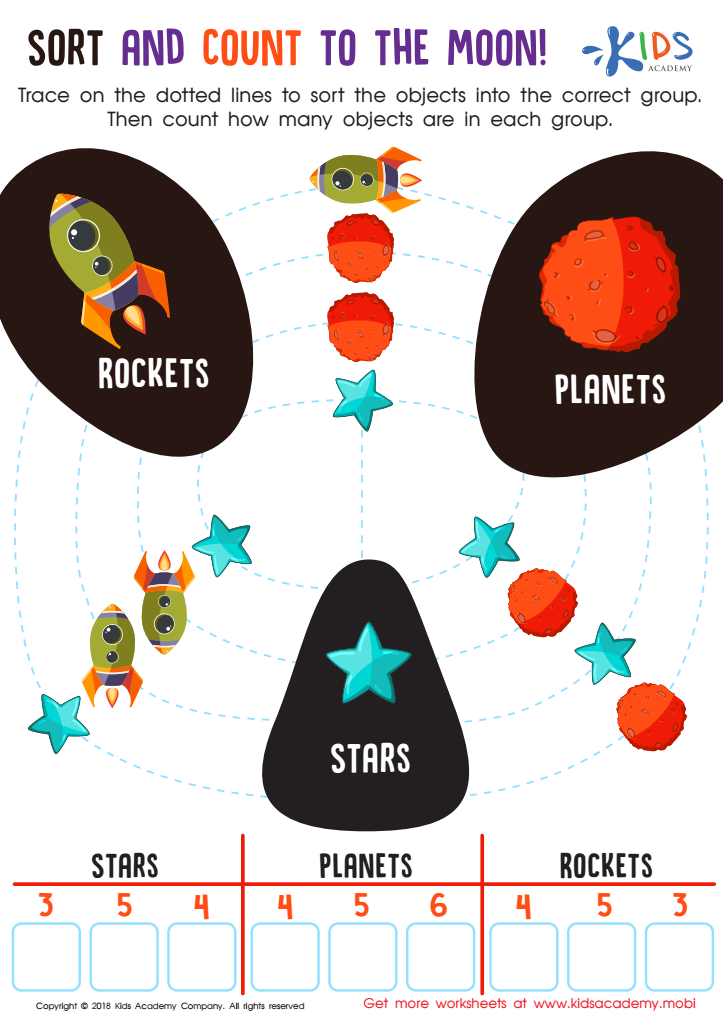
Sort and Count to the Moon Worksheet
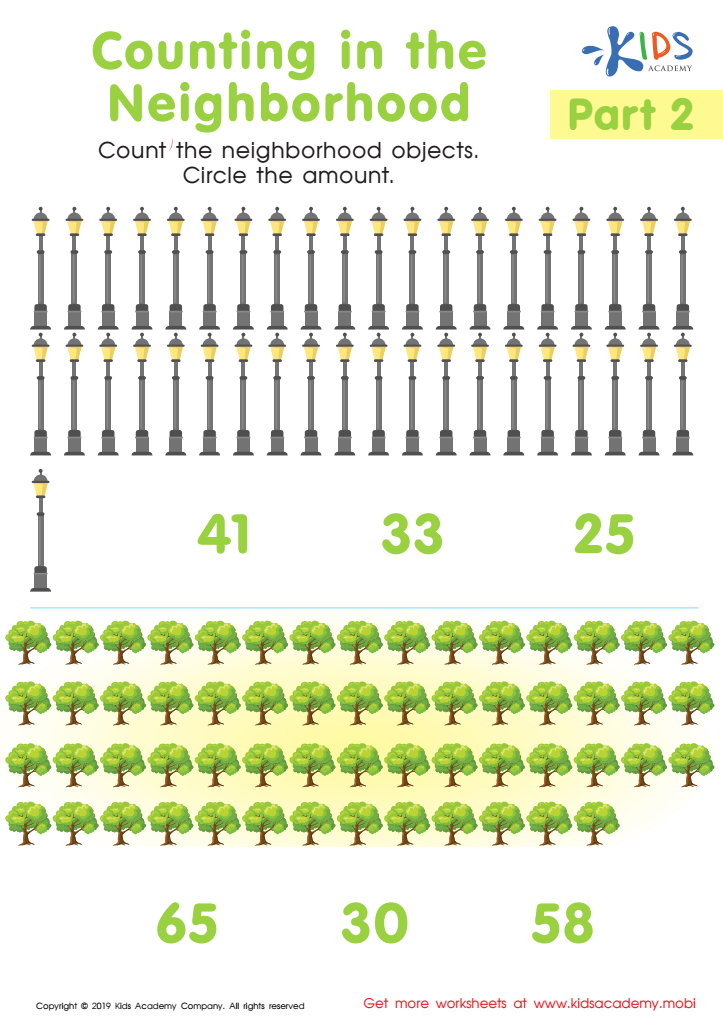
Counting In The Neighborhood Part 2 Worksheet
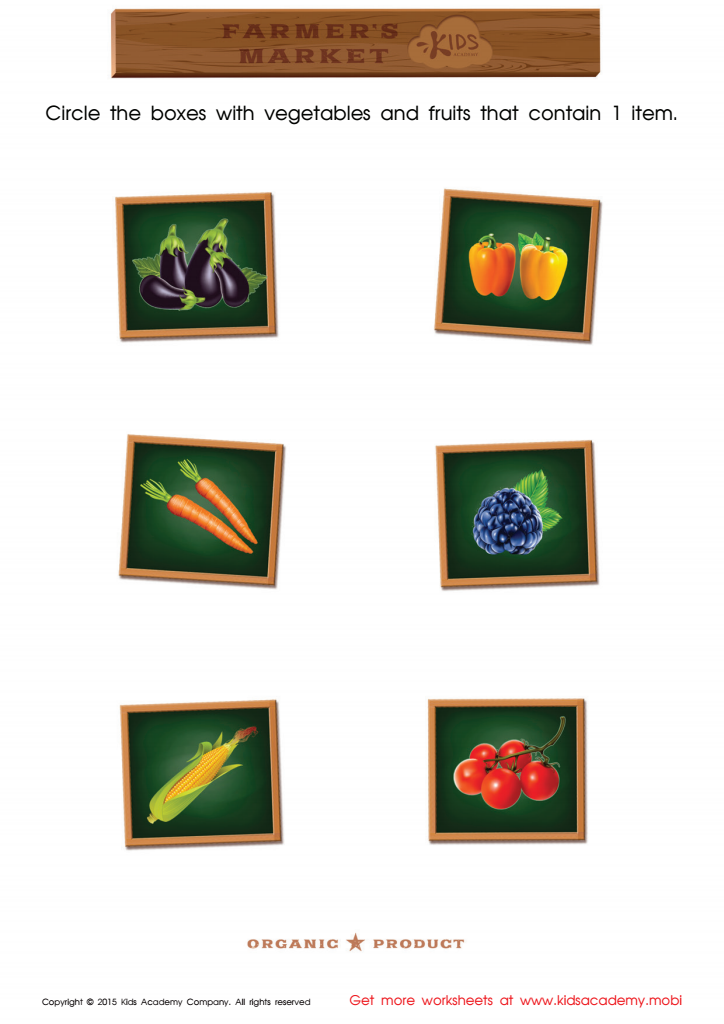
Count and Match Boxes with Vegetables
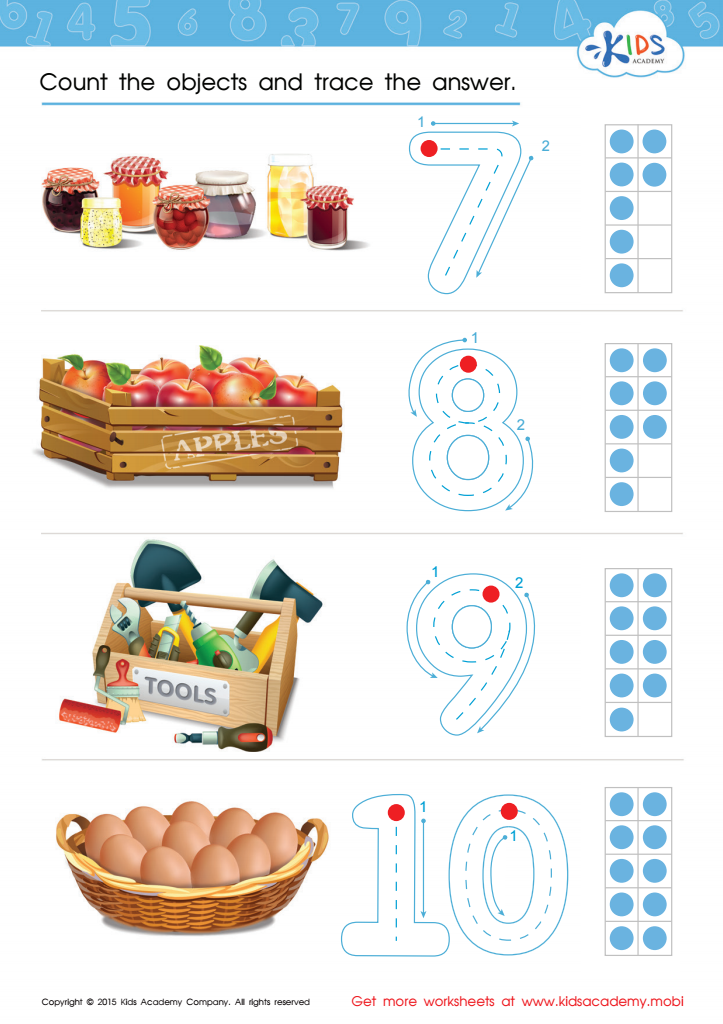
Count and Trace 7 – 10 Worksheet
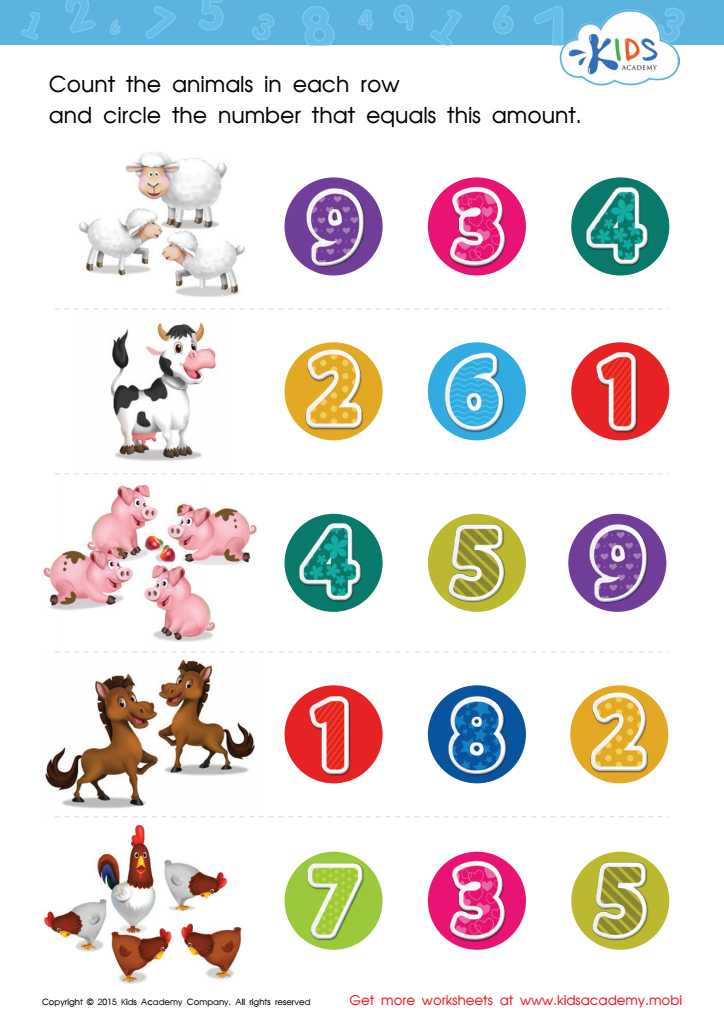
Count and Match 1 – 5 Math Worksheet
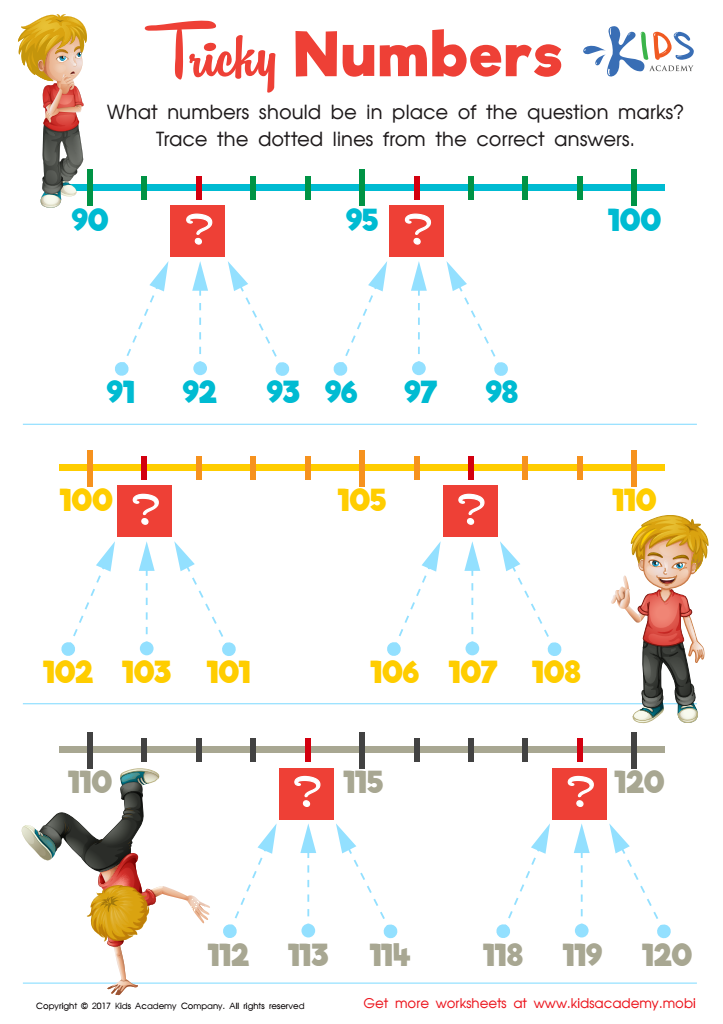
Tricky Numbers Worksheet
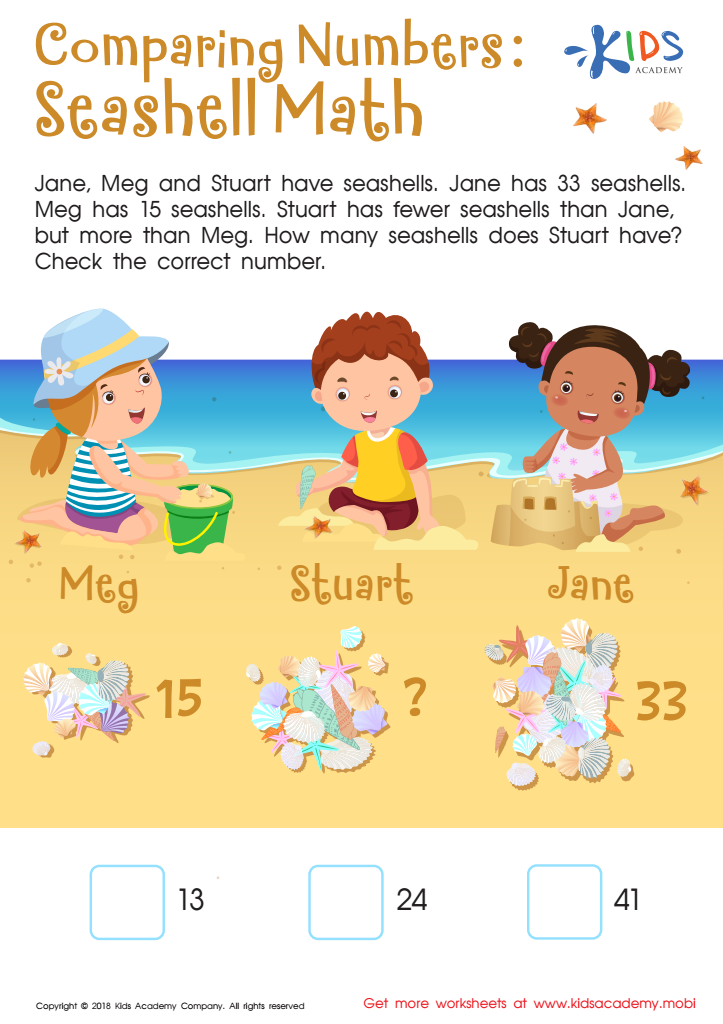
Seashell Collectors Worksheet
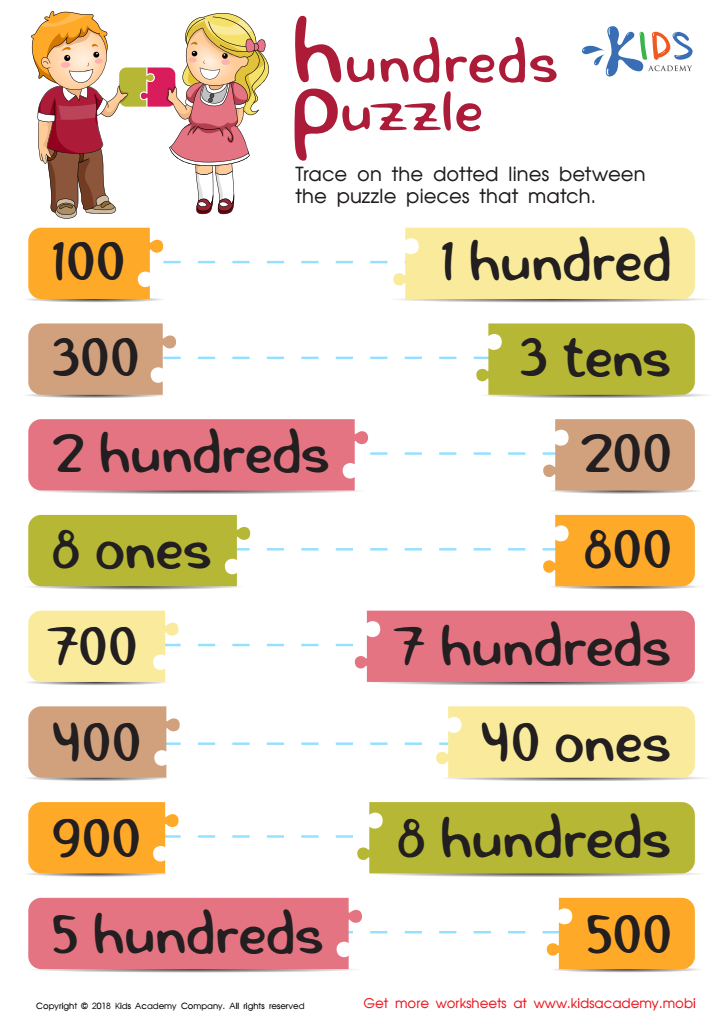
Hundreds Puzzle Worksheet
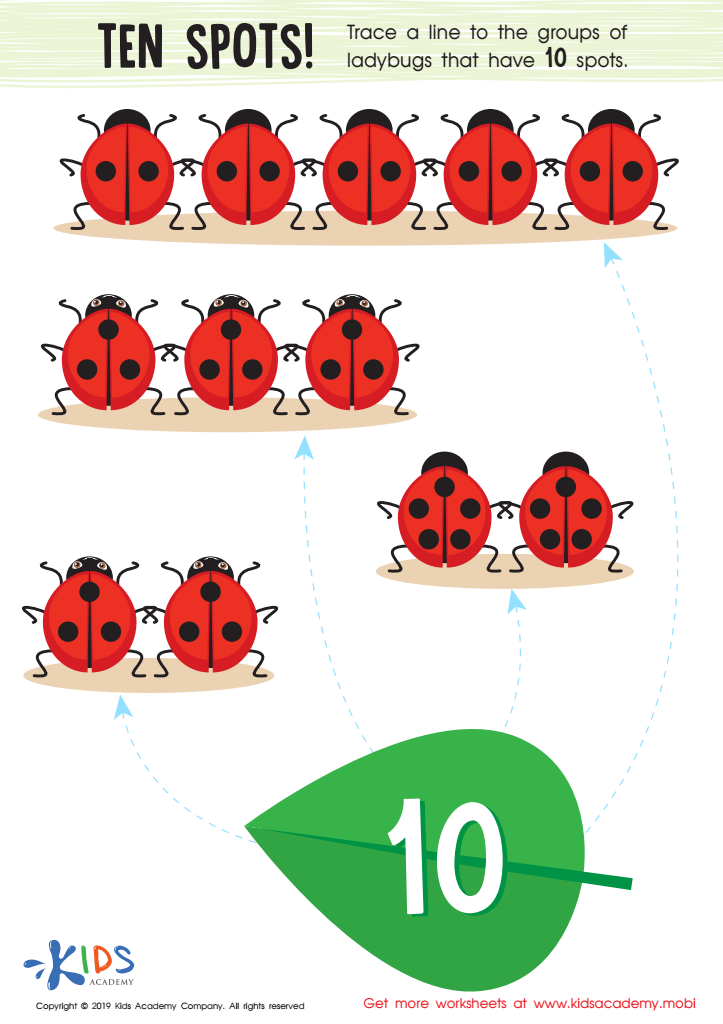
Ten Spots Worksheet
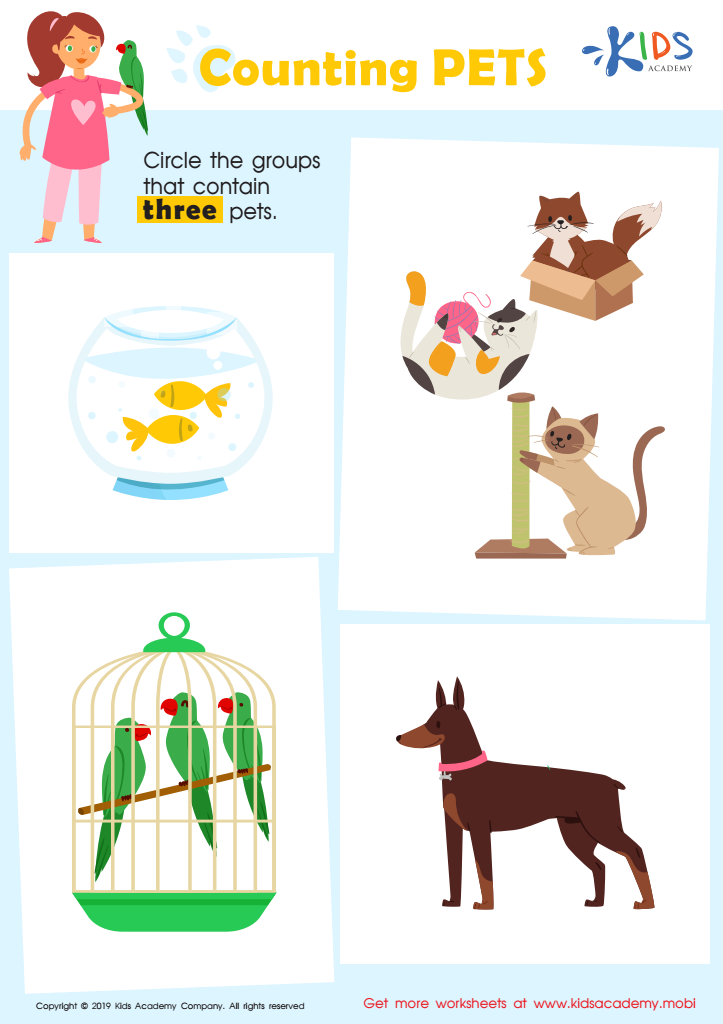
Counting Pets Worksheet
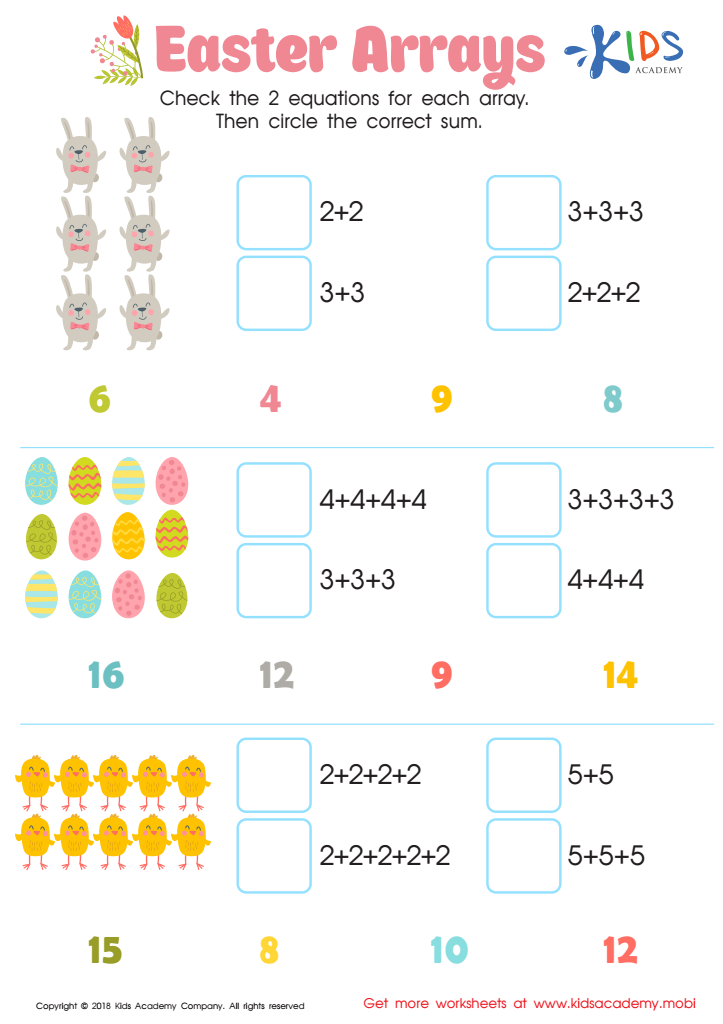
Easter Arrays Worksheet
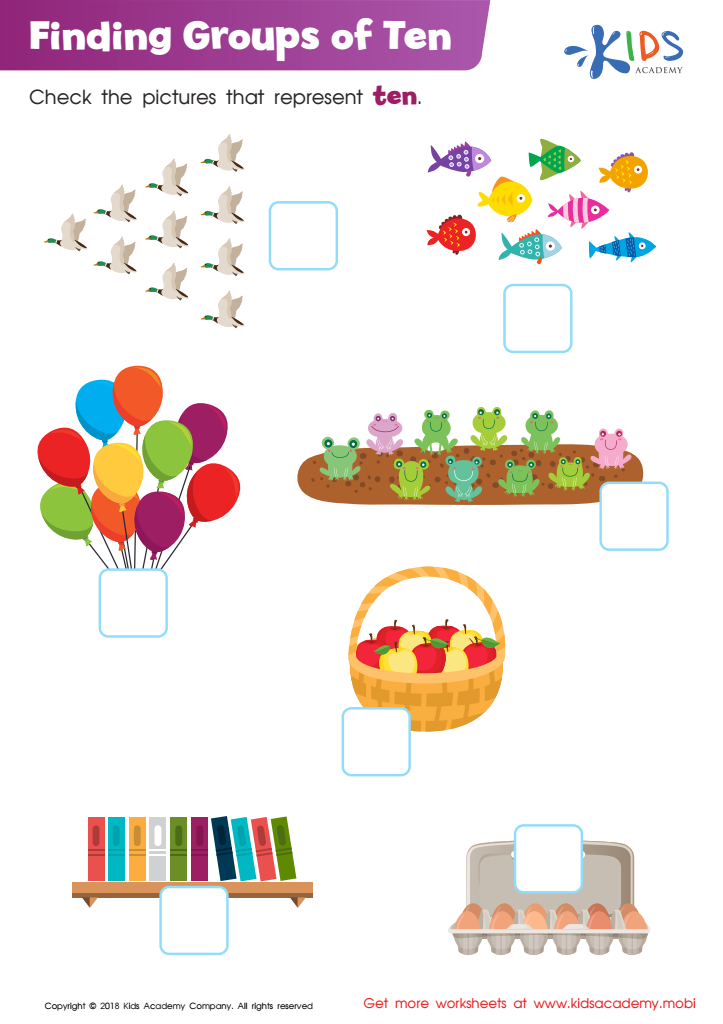
Finding Groups of Ten Worksheet
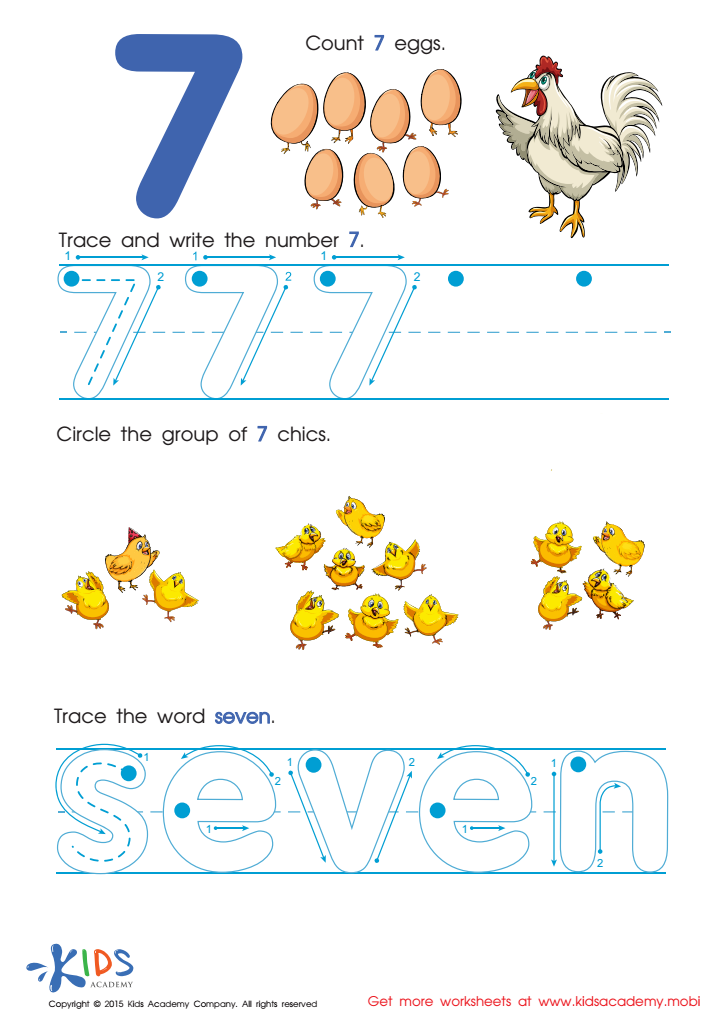
Trace And Write Number 7 with Fun Worksheet
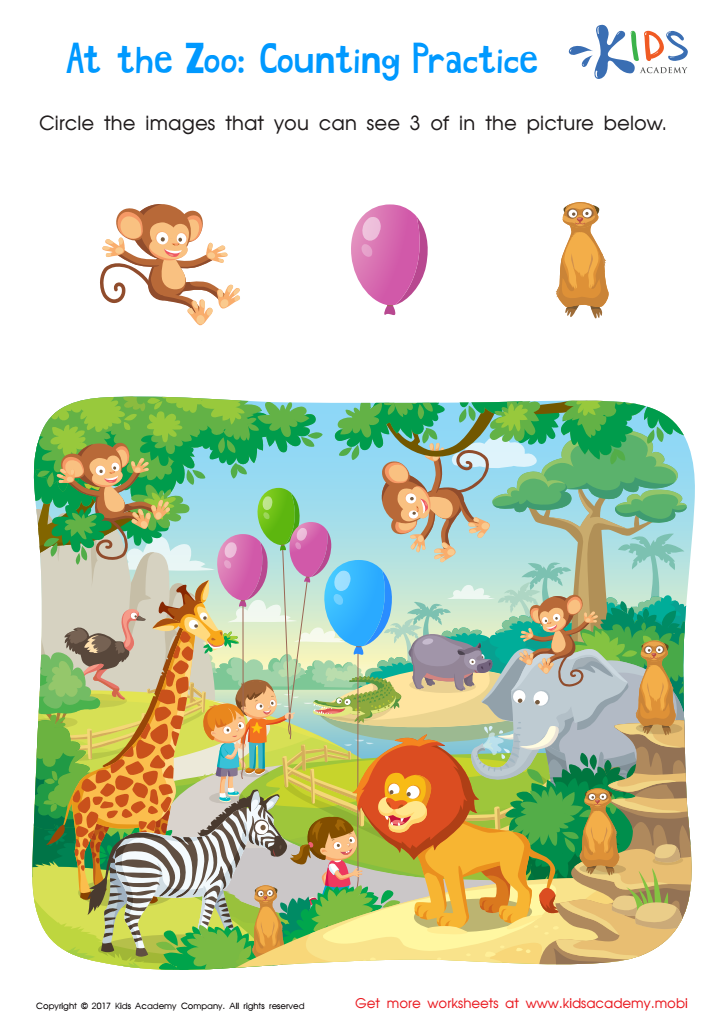
At the Zoo: Counting Practice Worksheet
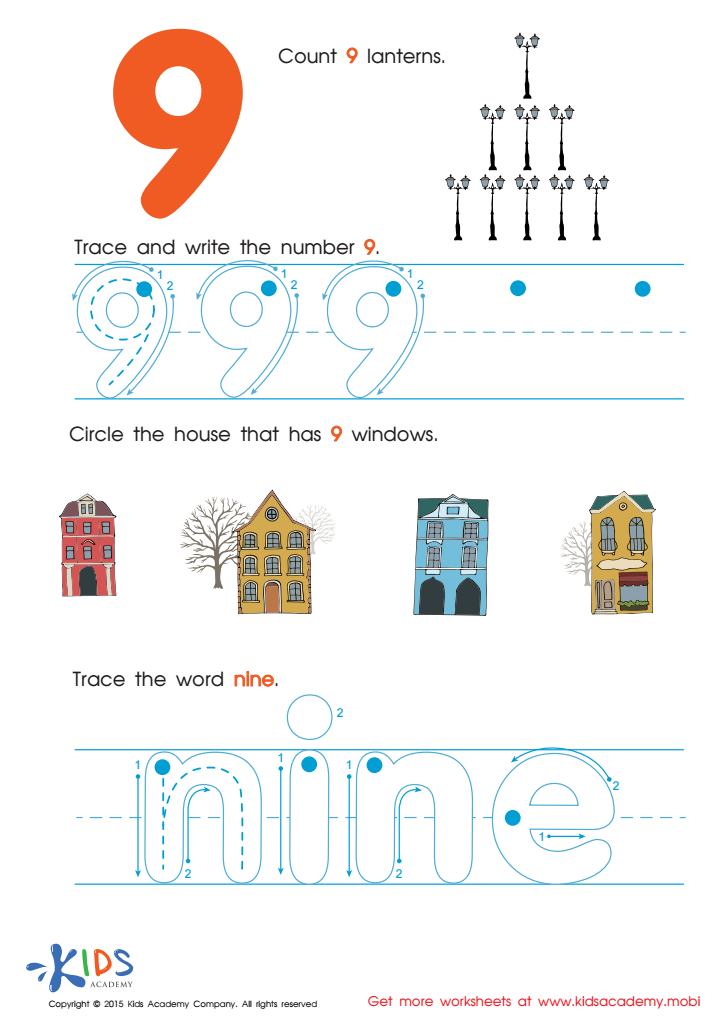
Tracing And Learning to Write Number 9 Worksheet
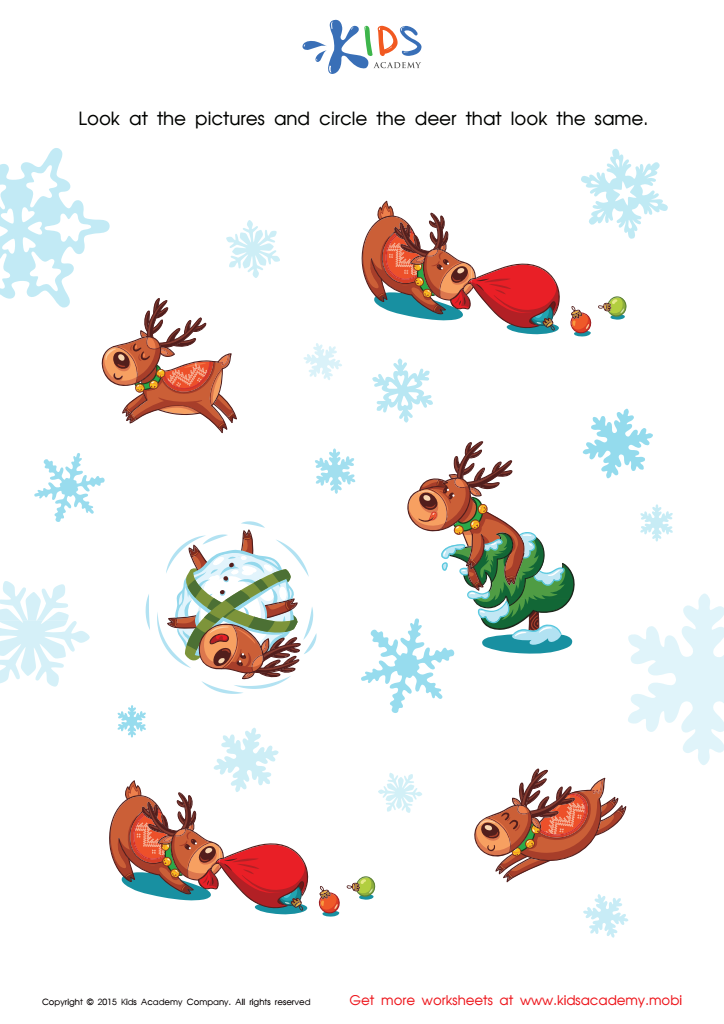
Count the Deer Worksheet
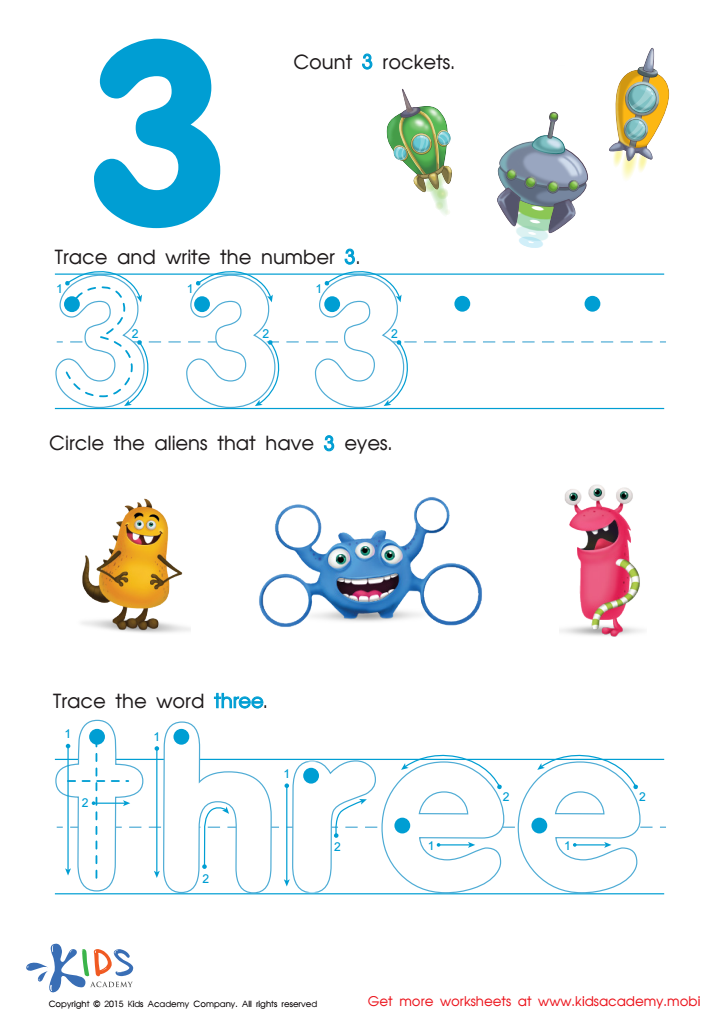
Learning Number Three Worksheet
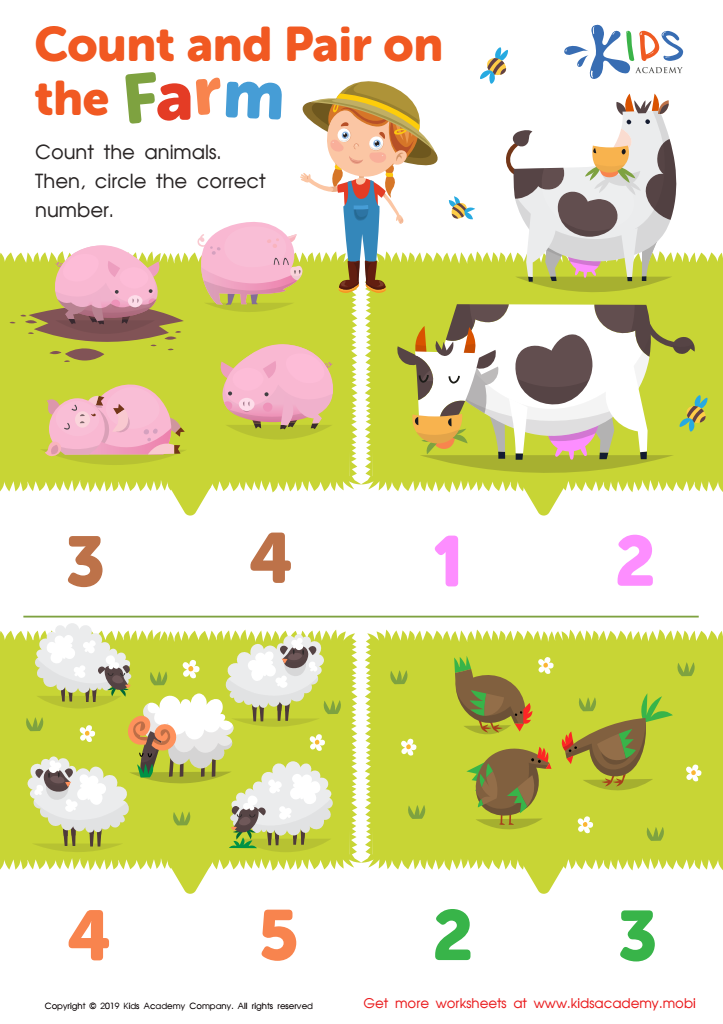
Count and Pair on the Farm Worksheet
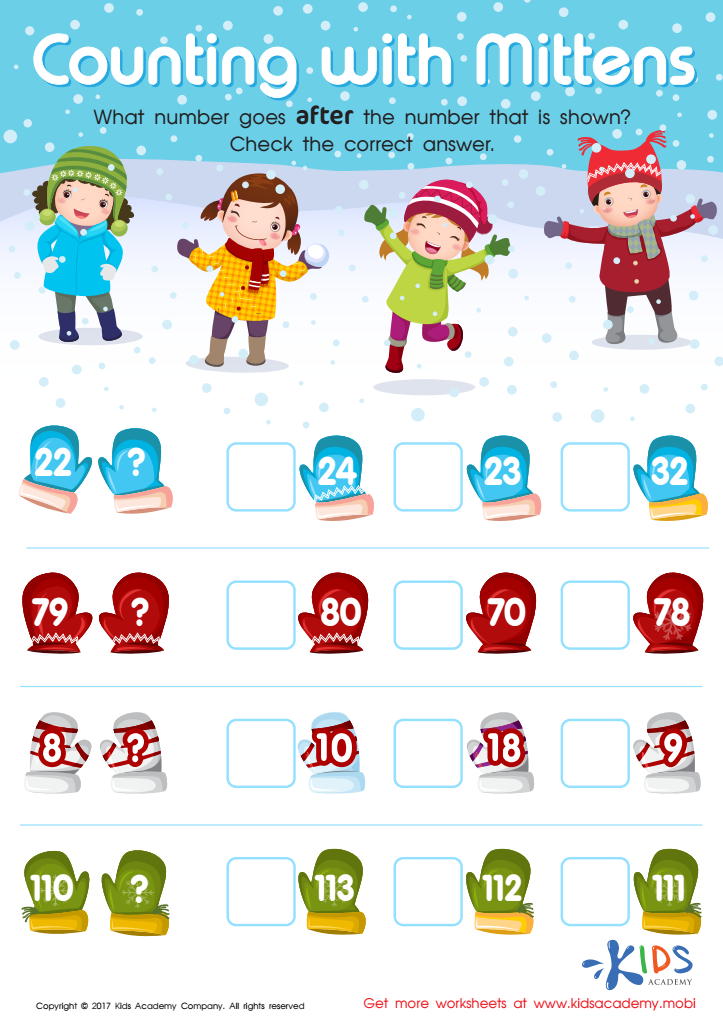
Counting with Mittens Worksheet






%20(1).jpg)

Counting skills and understanding of normal numbers are foundational elements of early childhood education, crucial for children aged 3-9. At this age, children are developing cognitive abilities that impact their future academic success. Mastering counting enables children to grasp basic mathematical concepts such as addition, subtraction, patterns, and even probability later on.
Parents and teachers should prioritize counting skills because they foster critical thinking and problem-solving abilities. When children learn to count, they also learn about sequences, quantity comparisons, and problem-solving through practical experiences. These skills are not just academic; they enhance daily life tasks like sharing items, organizing toys, and understanding time.
Moreover, proficiency in counting contributes to building children’s confidence and nurtures a positive attitude toward learning. The early mastery of these skills can set the tone for a strong foundation in mathematics, discouraging anxiety towards math that many may develop in later years.
Finally, counting and normal number skills facilitate social interactions, as children engage in group activities involving turn-taking, sharing, and cooperative games. Thus, investing in counting skills from a young age supports holistic development, setting up children for success both in education and in everyday life experiences.