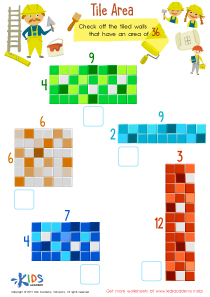
Mathematical reasoning Normal Numbers Worksheets for Ages 3-9
6 filtered results
Difficulty Level
Grade
Age
-
From - To
Subject
Activity
Standards
Discover the joy of learning with our Mathematical Reasoning Normal Numbers Worksheets designed for children ages 3-9! These engaging resources help young learners develop critical math skills through fun and interactive activities. Each worksheet focuses on core concepts like number recognition, counting, and pattern identification to boost confidence and comprehension. Perfect for at-home learning or classroom use, our worksheets cater to various learning styles, ensuring every child can thrive. Empower your child’s mathematical journey with exciting exercises that make learning numbers an enjoyable adventure. Download our worksheets today and watch your little one enhance their mathematical reasoning skills with ease!
Favorites
With answer key
Interactive
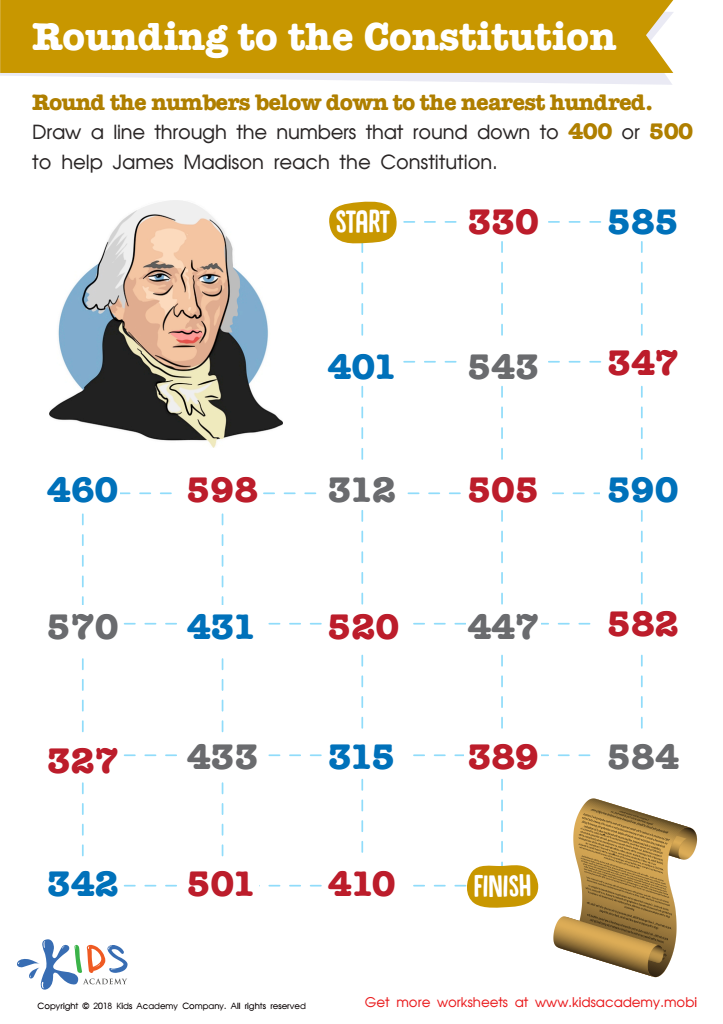
Rounding to the Constitution Worksheet
Before starting this traceable worksheet, ask your students: who is James Madison? If they know, you're doing great! If not, now's your chance to give a quick history lesson. Then, ask them to round the numbers to the nearest numbers. Get your students to draw a line through the numbers that round down to 400/500, to help James Madison reach the Constitution.
 Assign to My Students
Rounding to the Constitution Worksheet
Worksheet
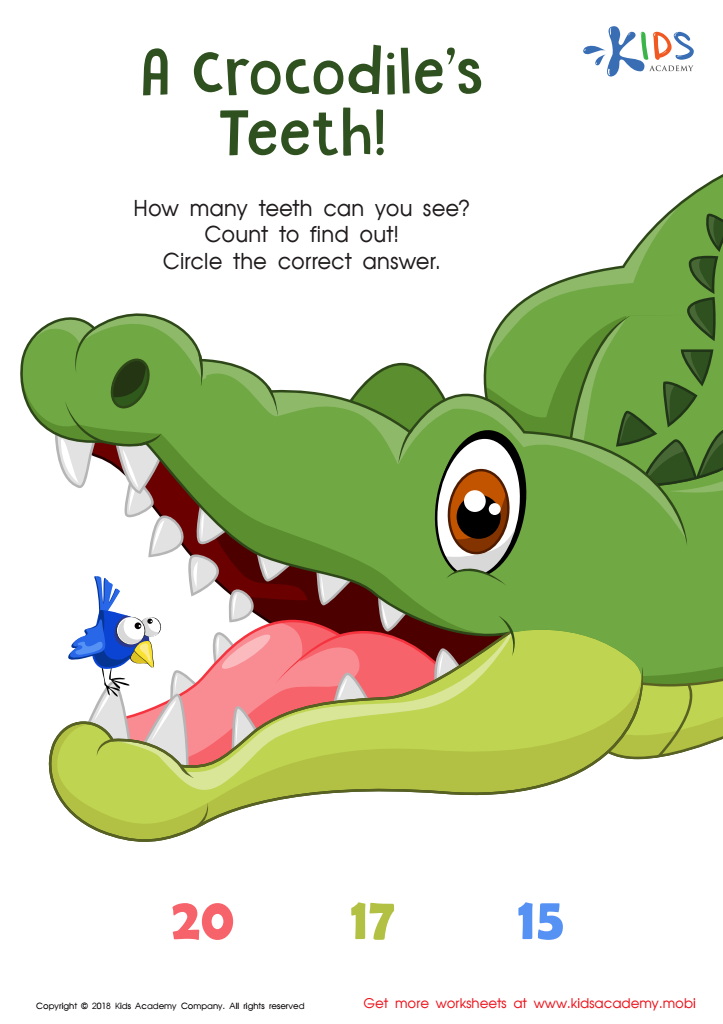
A Crocodile's Teeth Worksheet
Show your child the animal image and ask them to identify it. If they watch animal shows, they'll likely be interested. Count the teeth together, then look at the options and help them circle the right one.
A Crocodile's Teeth Worksheet
Worksheet
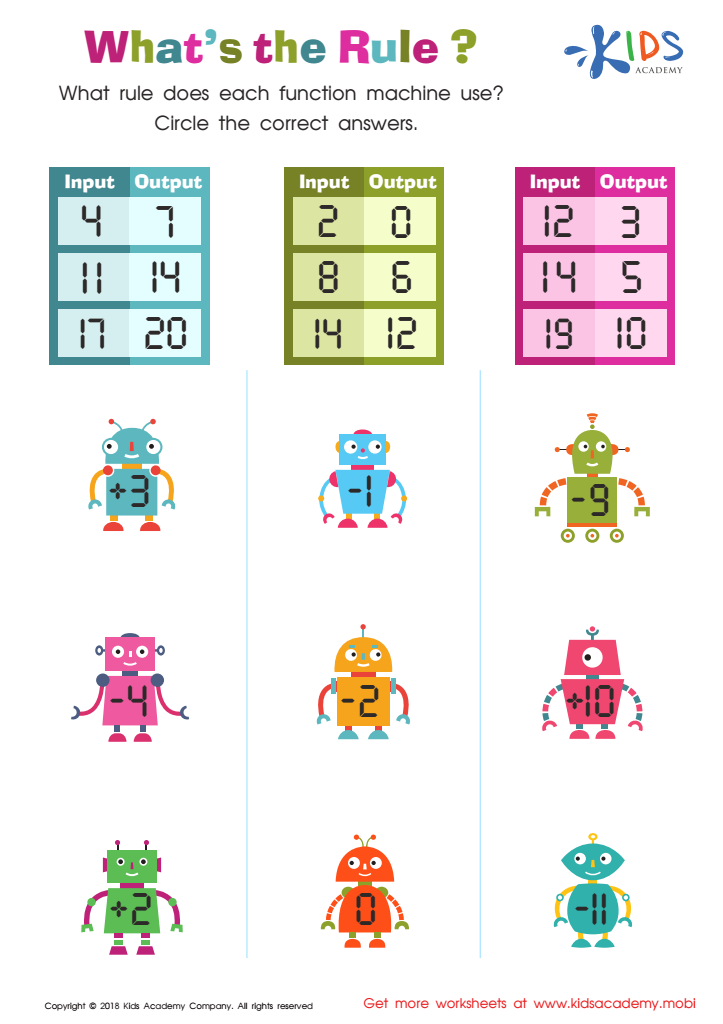
What's the Rule Worksheet
Robots are here to help your child find the relationship between each set of numbers! Adorably illustrated worksheets use vivid pictures that each contain a rule. Look at each function machine and find the pattern or relationship between the input and output. Then, complete the sheet by circling the correct answer!
What's the Rule Worksheet
Worksheet
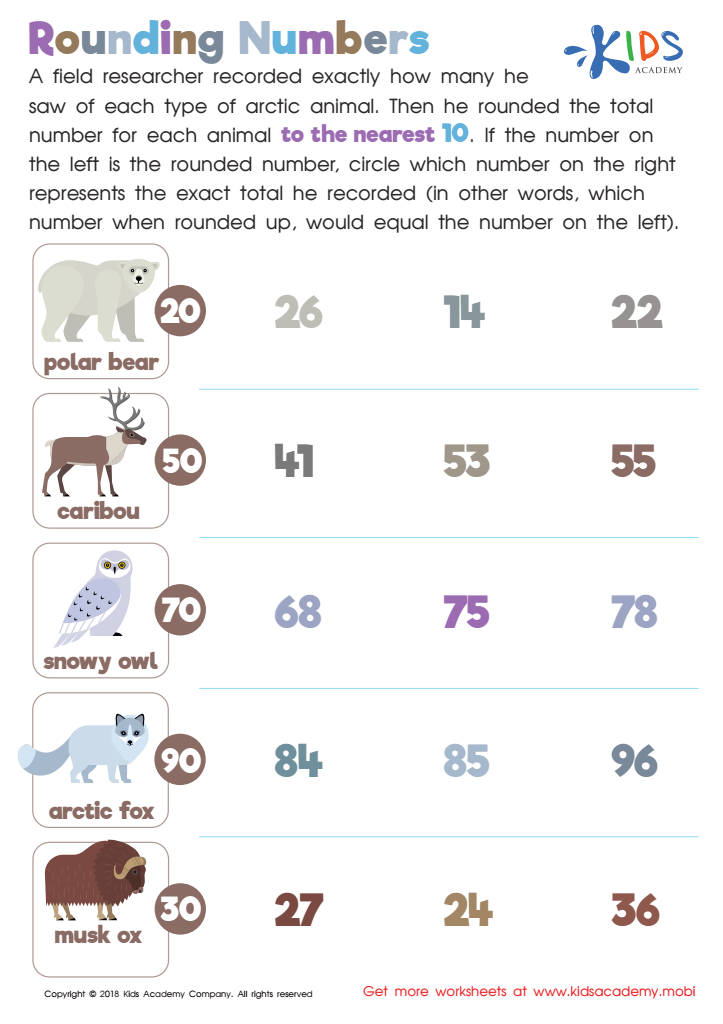
Rounding Numbers Worksheet
Take a trip north with this cute rounding math worksheet! Perfect for mastering number work, it adds a twist to the usual rounding practice. Help your child by getting them to view each animal picture to find the exact total of the rounded number. Then, look at the numbers on the right to determine what number was used to create the rounded total.
Rounding Numbers Worksheet
Worksheet
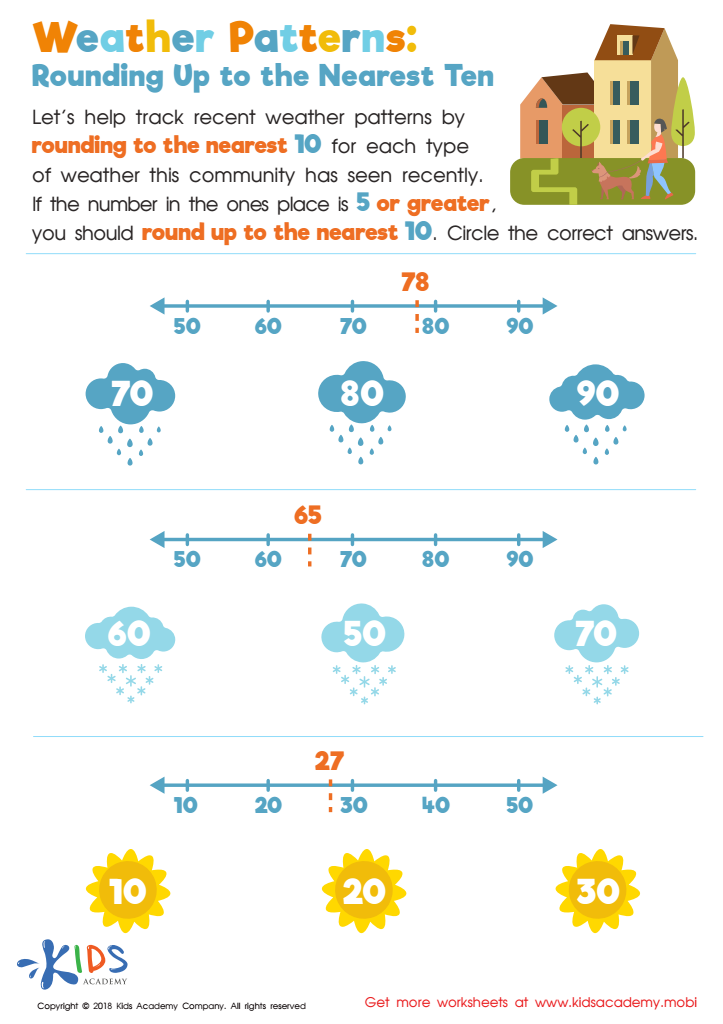
Weather Patterns Worksheet
Use this Weather Patterns worksheet to help your kids develop their mathematical skills. Get them to round the recent weather patterns to the nearest 10 and round up if the number in the ones place is 5 or higher. Work with them to figure out which answers are correct and get them to circle them.
Weather Patterns Worksheet
Worksheet
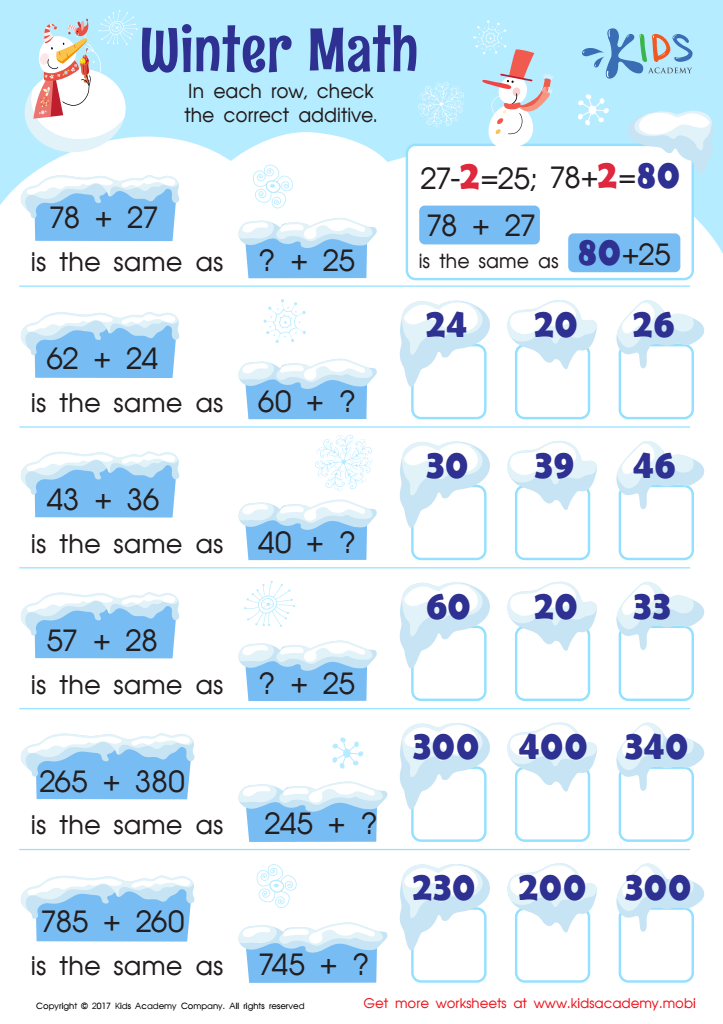
Free Addition Worksheet
Perfect for a wintry day, challenge your 3rd grader to compare addition equations and fill in the missing numbers in the PDF.
This winter-themed worksheet is sure to bring a smile while your 3rd grader practices their addition skills. Perfect for a blustery day, challenge your child to compare addition equations and complete the missing numbers in the PDF.
Free Addition Worksheet
Worksheet
Join Kids Academy for Free
Who is primarily going to use this learning content?







Mathematical reasoning and an understanding of normal numbers are essential components of early childhood education, influencing cognitive and social development in children aged 3-9. Parents and teachers should care about this because mathematical reasoning fosters critical thinking, problem-solving skills, and the ability to make connections between different concepts, forming a strong foundation for future learning.
Normal numbers, in a mathematical context, refer to digits appearing uniformly across various number representations, promoting a sense of number sense and understanding of quantity in young learners. Engaging with normal numbers helps children recognize patterns, enhance their counting abilities, and develop the ability to compare quantities effectively.
Additionally, early exposure to mathematical reasoning cultivates positive attitudes towards mathematics, reducing anxiety and fostering a growth mindset. When children engage meaningfully with numbers, they become confident problem solvers, enabling them to tackle complex concepts in later years with ease.
Furthermore, integrating mathematical reasoning into everyday learning through games, activities, and social interactions encourages collaboration, communication, and social skills among peers. Overall, prioritizing mathematical reasoning and normal numbers can empower young learners, preparing them for not only academic success but also practical, real-world applications of mathematics in their daily lives.