Basic Math Skills Normal Math Worksheets for Ages 3-9 - Page 2
35 filtered results
-
From - To
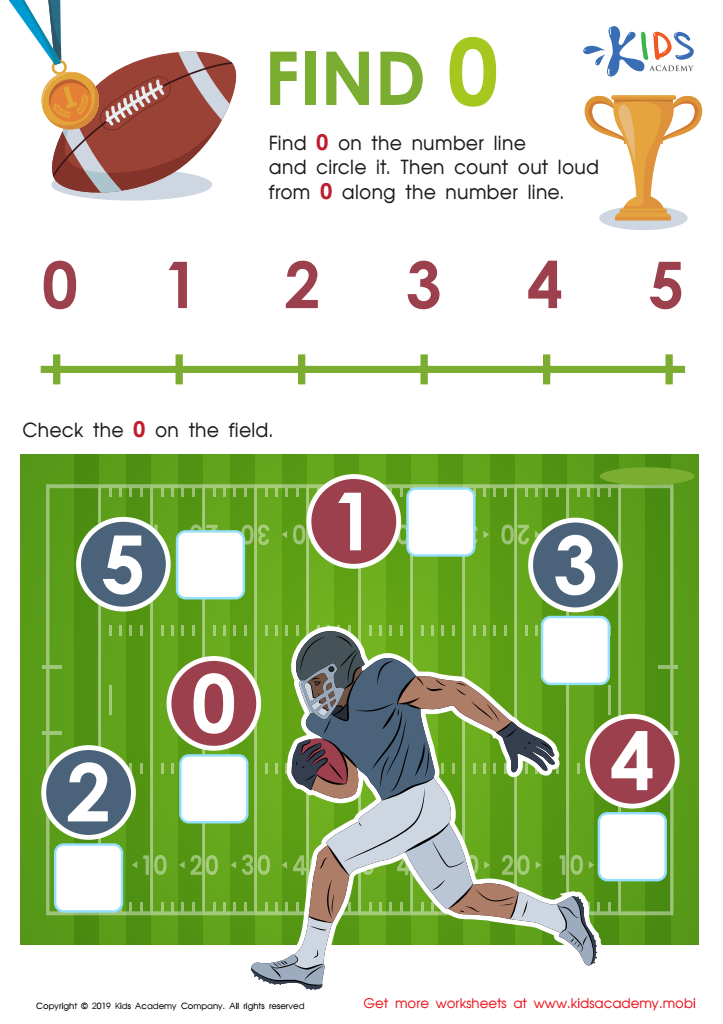
Find 0 Worksheet
 Assign to My Students
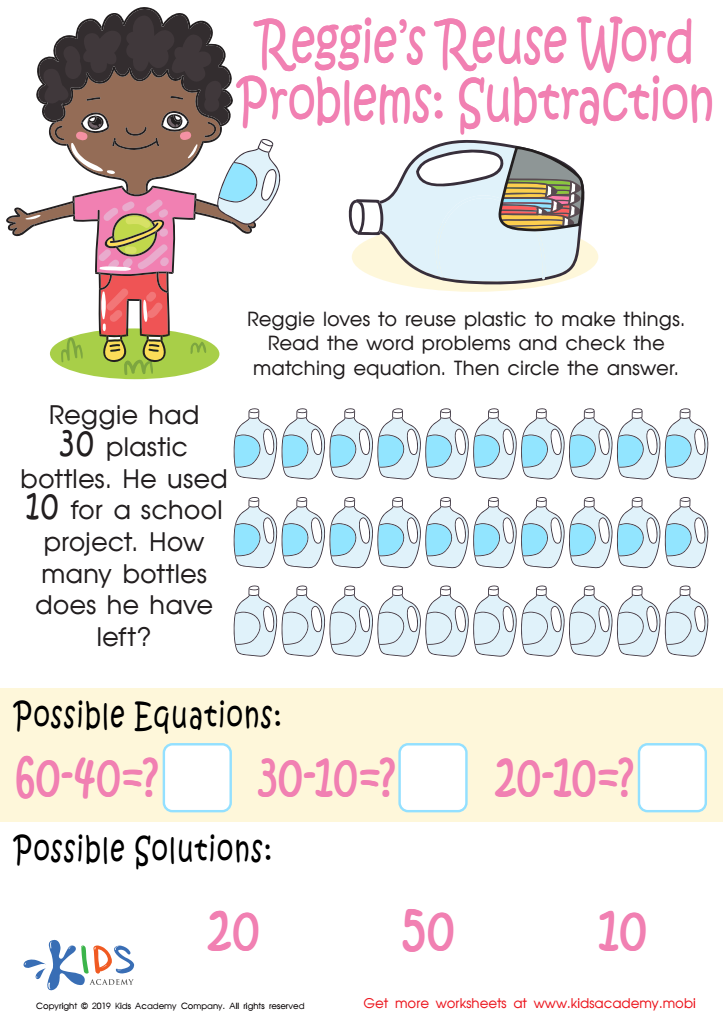
Reggie's Reuse Word Problems: Subtraction Worksheet
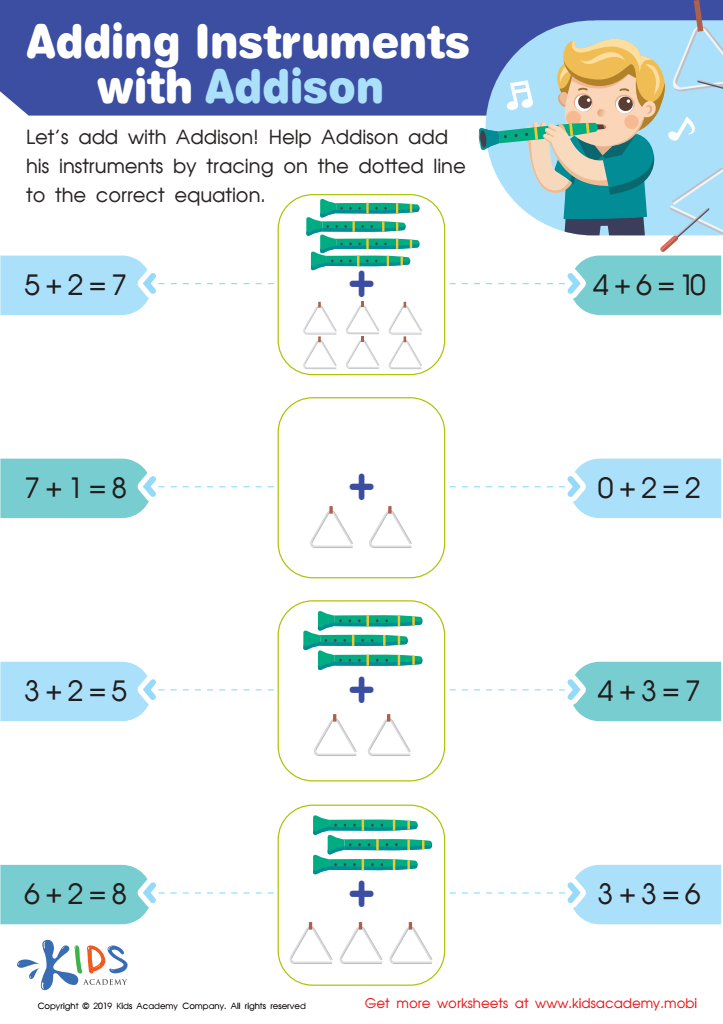
Adding Instruments with Addison Worksheet
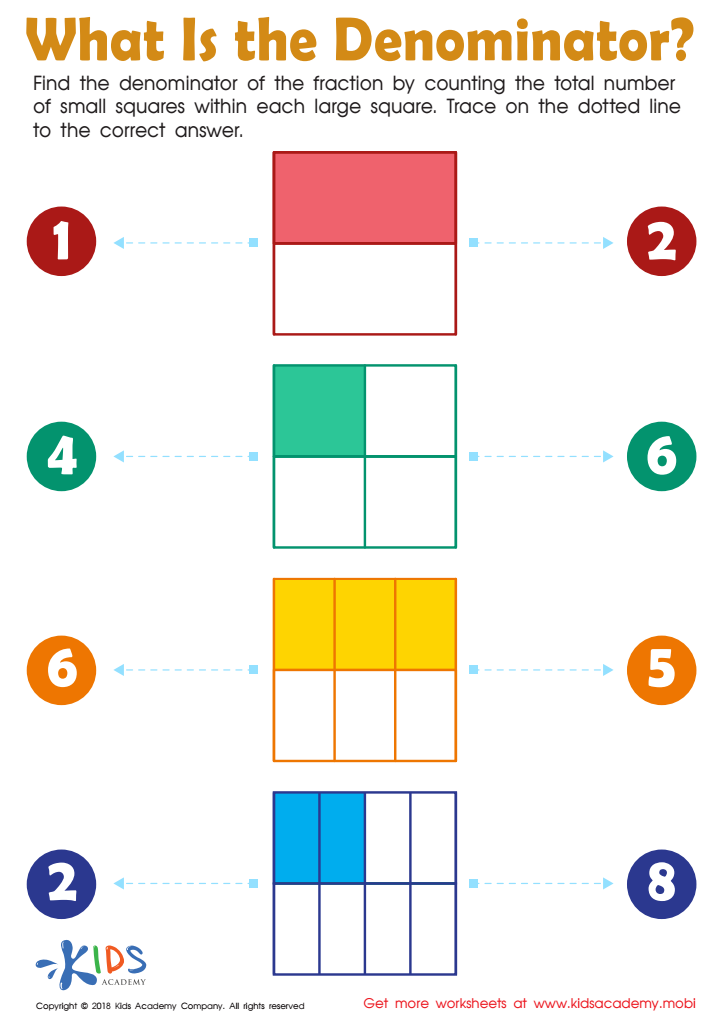
What Is the Denominator? Worksheet
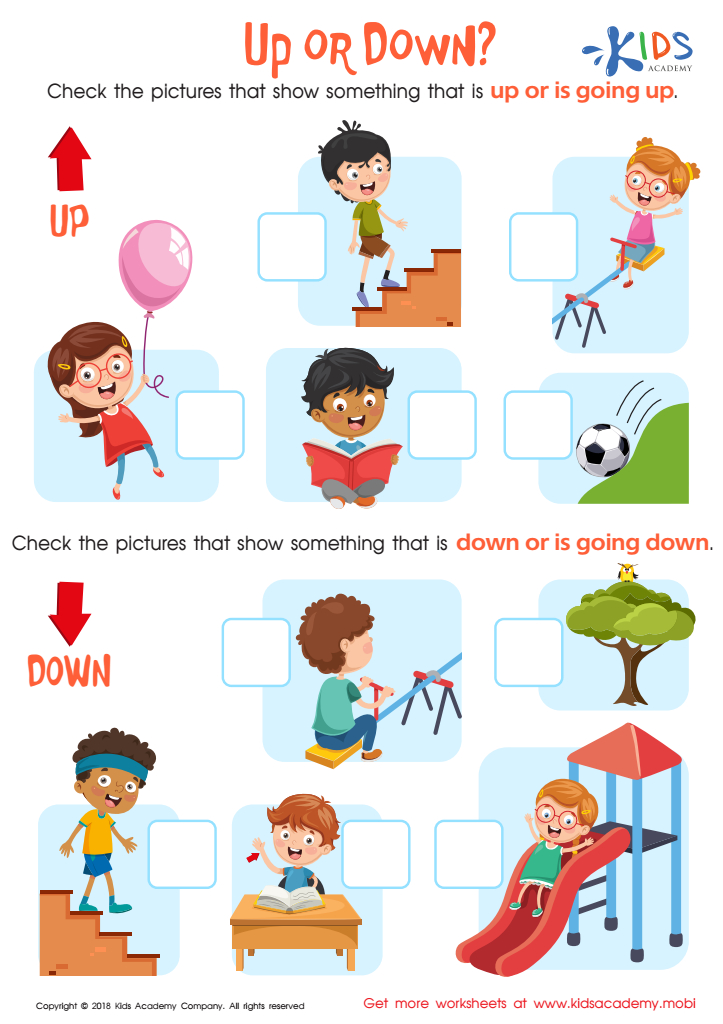
Up or Down Worksheet
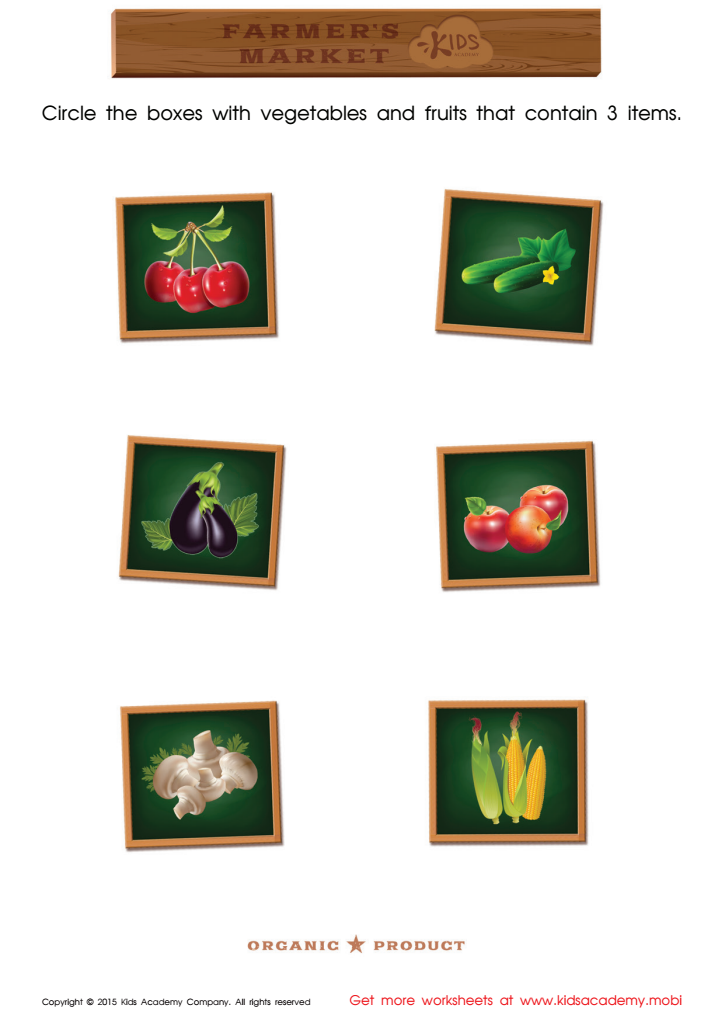
Count and Match Vegetables 1 – 5 Math Worksheet
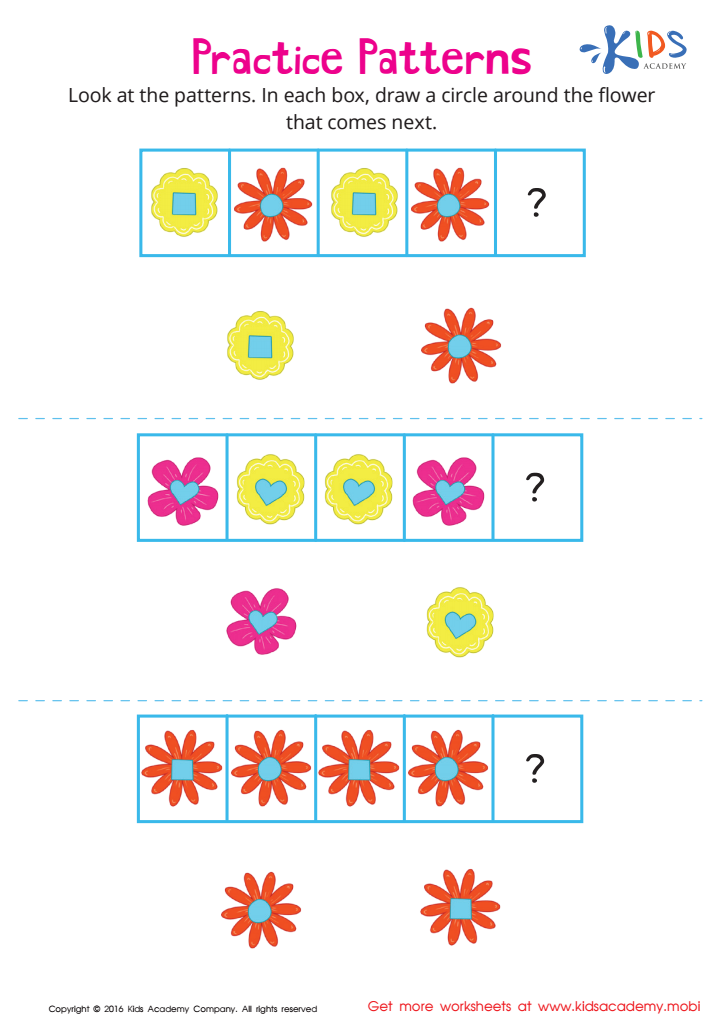
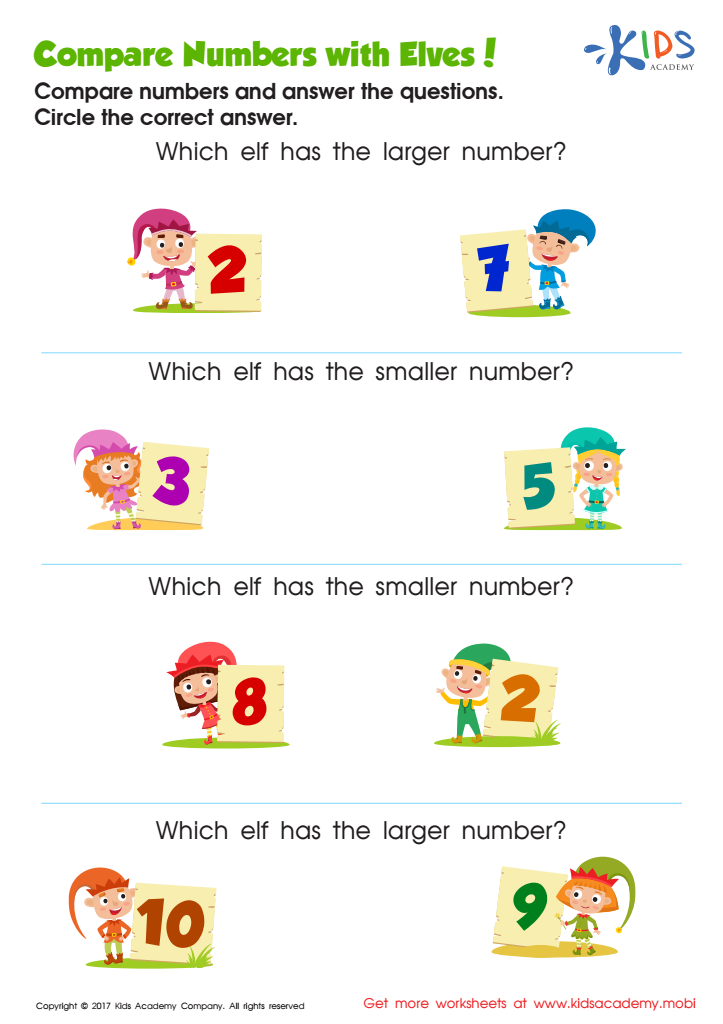
Comparing Numbers Worksheet for Kindergarten
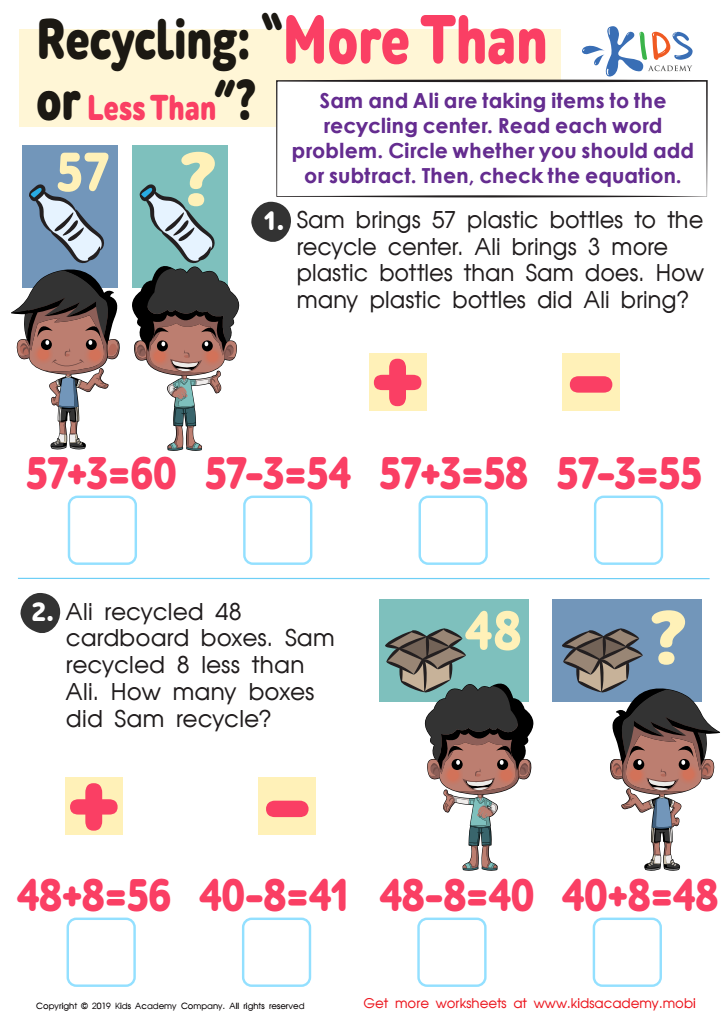
Recycling - More or Less Worksheet
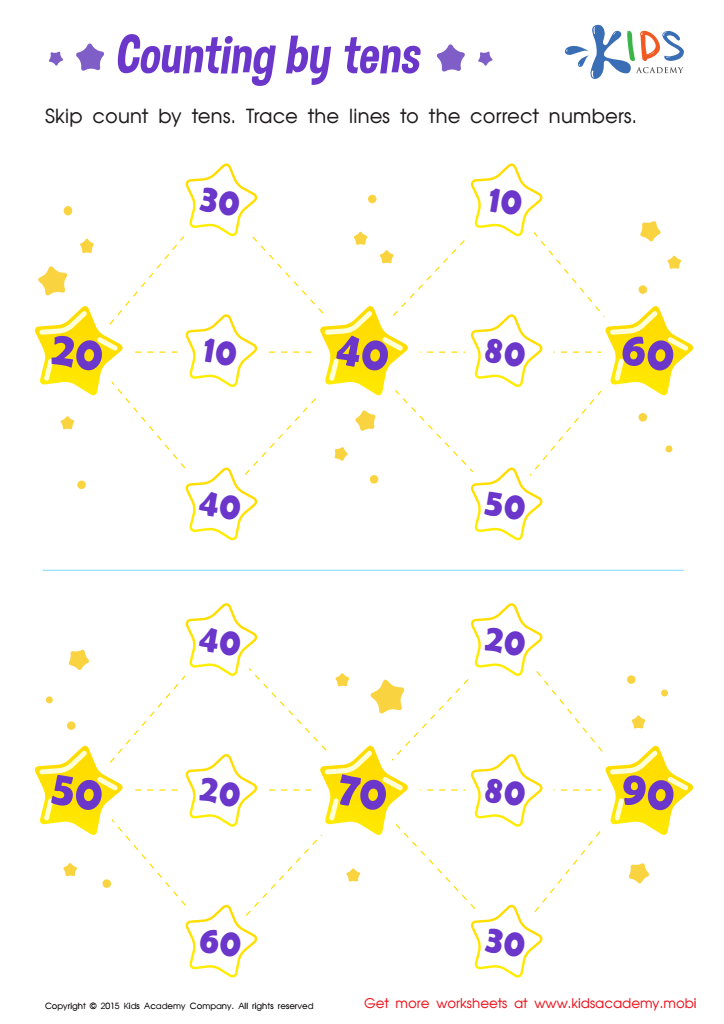
Learn Dozens: Counting by Tens Printable
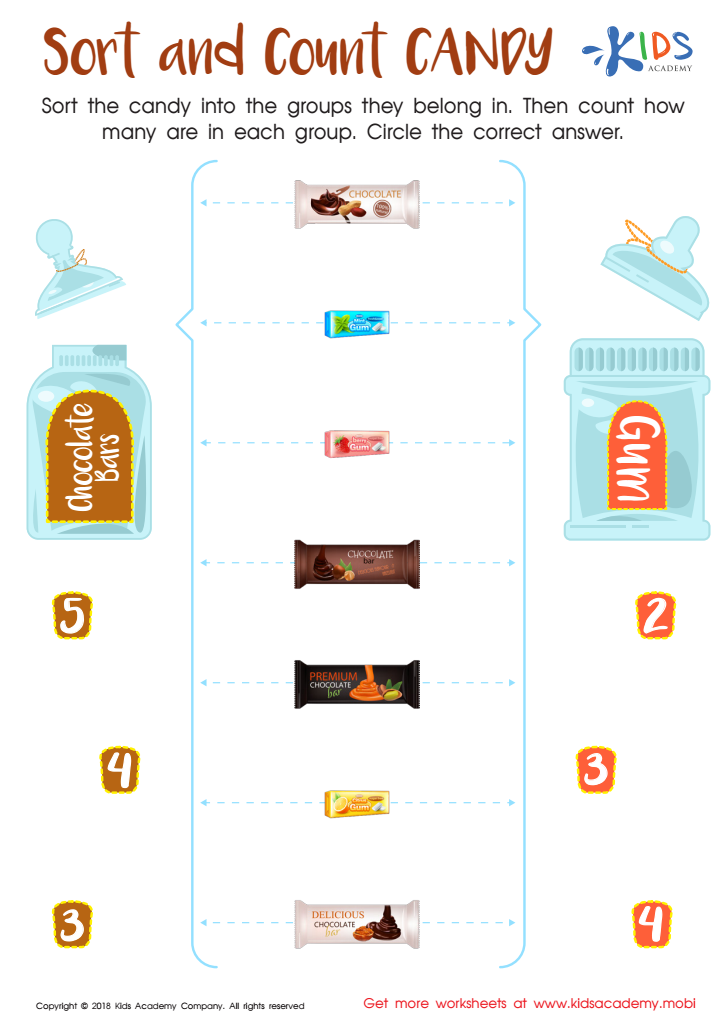
Sort and Count Candy Worksheet







Basic math skills are foundational for children aged 3-9, serving as building blocks for future learning. Early mathematics education lays the groundwork for critical thinking, problem-solving, and analytical skills that are essential throughout a child’s academic journey and daily life.
Parents and teachers should prioritize normal math skills because they facilitate a deep understanding of numerical concepts, such as counting, sorting, and basic addition and subtraction. Engaging with math at a young age helps children develop number sense, fostering confidence as they progress in their education. Furthermore, early exposure to math enhances cognitive development and promotes logical thinking.
Also, children who grasp basic math concepts early on are more likely to excel in advanced mathematics later in school. Incorporating math into everyday activities—like counting objects, sharing snacks, or measuring ingredients during cooking—makes learning relevant and enjoyable. Additionally, math skills are tied to future career opportunities; as we move further into a technology-driven world, proficiency in math is critical.
In essence, investing time and effort in teaching basic math skills fosters independence, equips children with essential life skills, and ultimately helps ensure their academic success. Parents and teachers play a pivotal role in nurturing these crucial abilities during these formative years.








