Cognitive Development Normal Math Worksheets for Ages 3-9 - Page 2
27 filtered results
-
From - To
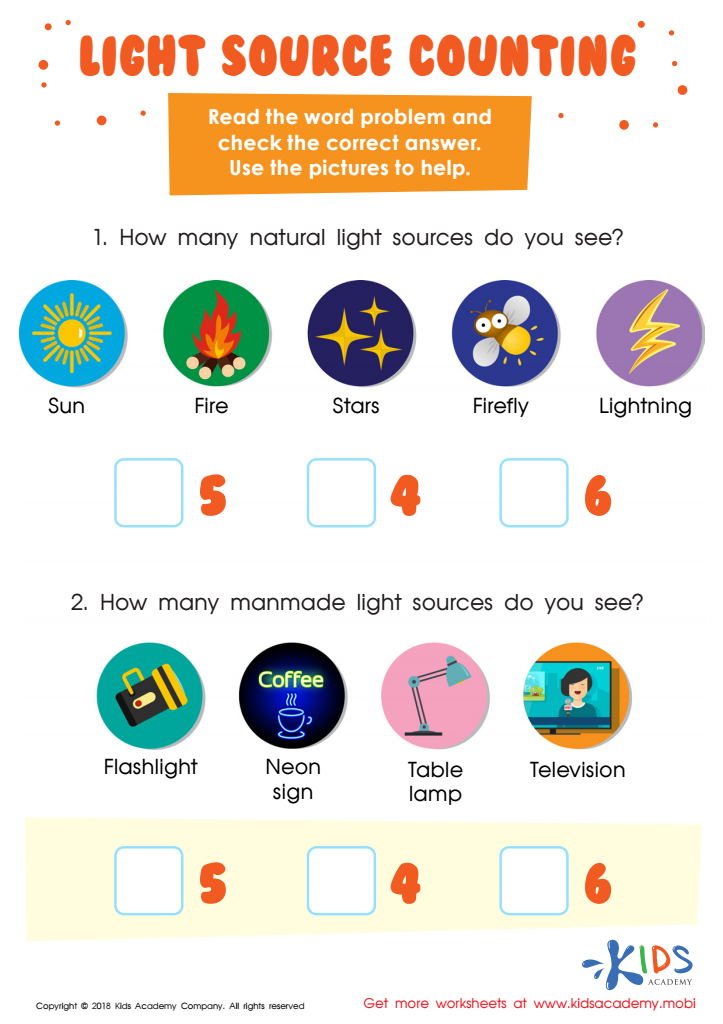
Light Source Counting Worksheet
 Assign to My Students
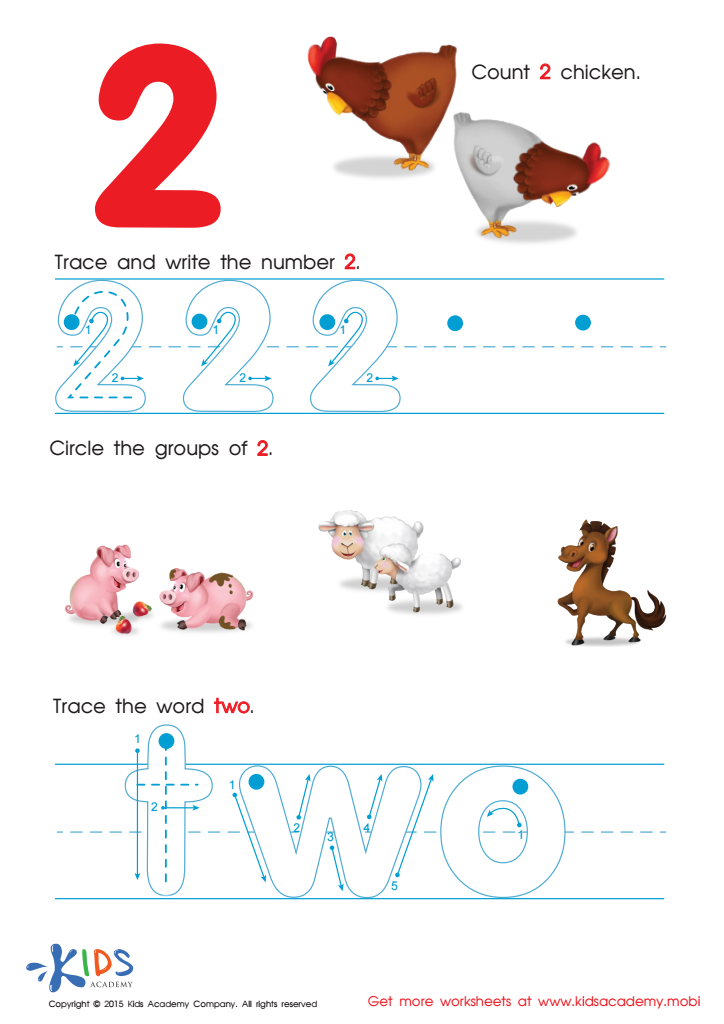
Learn to Write the Number 2 Worksheet
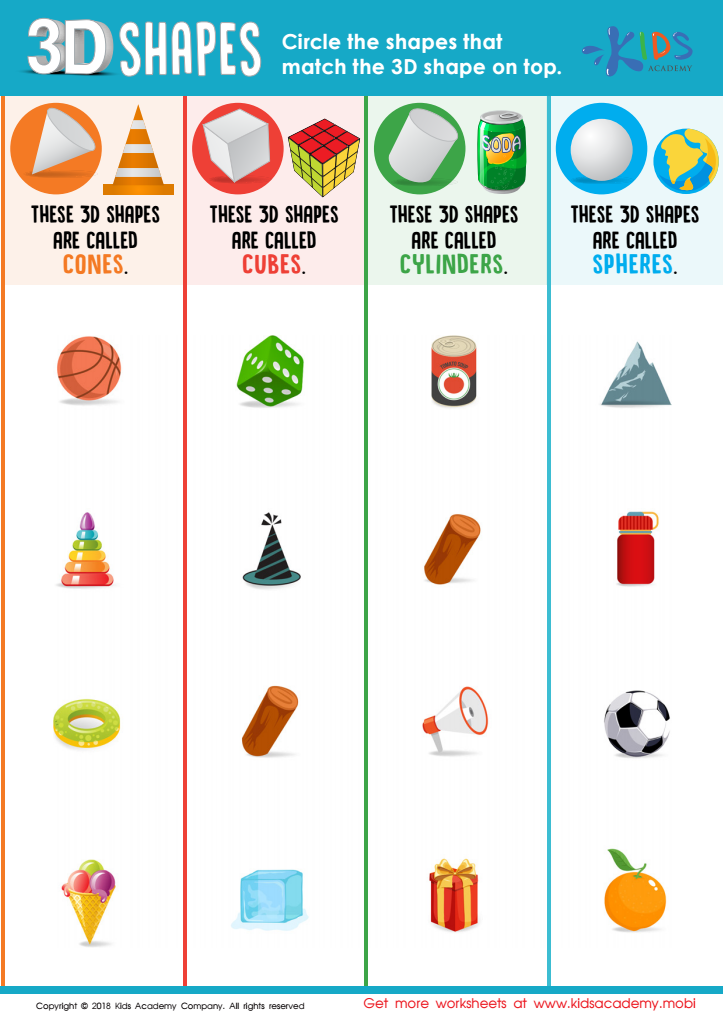
3D Shapes Worksheet








Cognitive development during ages 3-9 is vital for laying the groundwork for future learning success, particularly in mathematics. During this period, children's brains are highly receptive and their ability to understand, process, and apply mathematical concepts grows rapidly. Incorporating normal math activities into everyday routines not only enhances their number sense but also enriches their problem-solving and critical thinking skills.
When parents and teachers prioritize early math education, they provide children with essential tools for academic achievement. Strong math foundations enable kids to tackle more complex subjects confidently as they advance in school, ultimately affecting their overall scholastic performance. Besides, early math skills are strongly linked to literacy development; understanding patterns, sequences, and logical reasoning enhances language comprehension and reading fluency.
Moreover, integrating math into playful, engaging activities ensures that learning is fun and not intimidating. Simple actions such as counting objects, recognizing shapes, or measuring ingredients for a recipe instill crucial concepts seamlessly.
In essence, focusing on cognitive development in normal math not only fosters a child's immediate intellectual growth but also cultivates a lifelong positive attitude towards learning, critical thinking, and problem-solving, making them well-rounded individuals in the future. Thus, both parents and teachers play an indispensable role in nurturing this development during these foundational years.








