Counting practice Normal Math Worksheets for Ages 3-9 - Page 2
28 filtered results
-
From - To
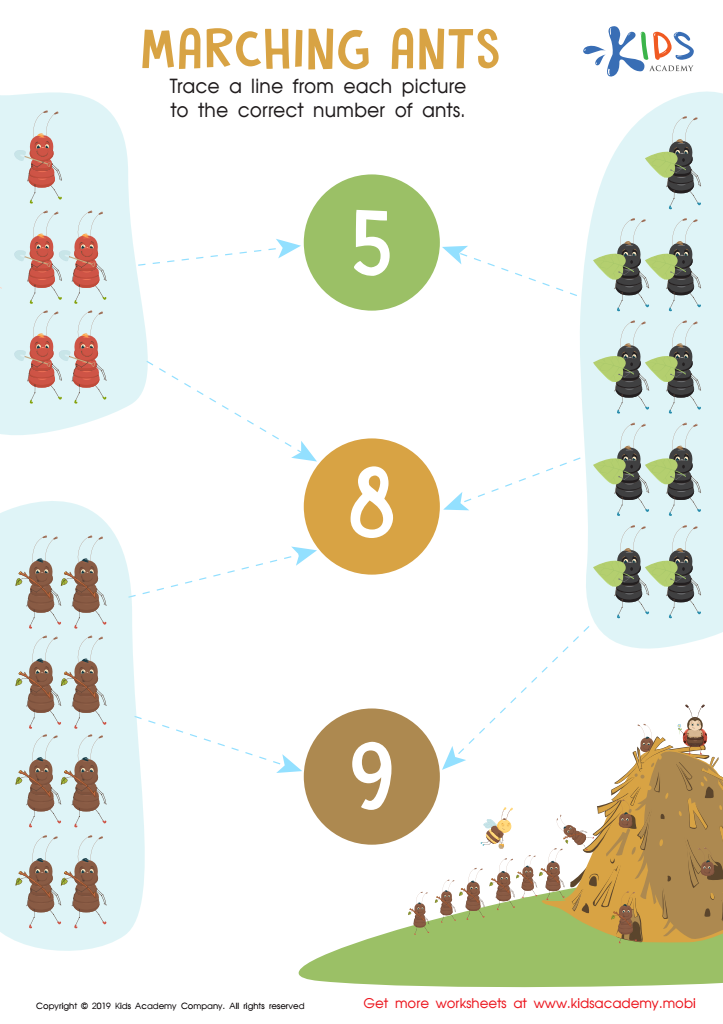
Marching Ants Worksheet
 Assign to My Students
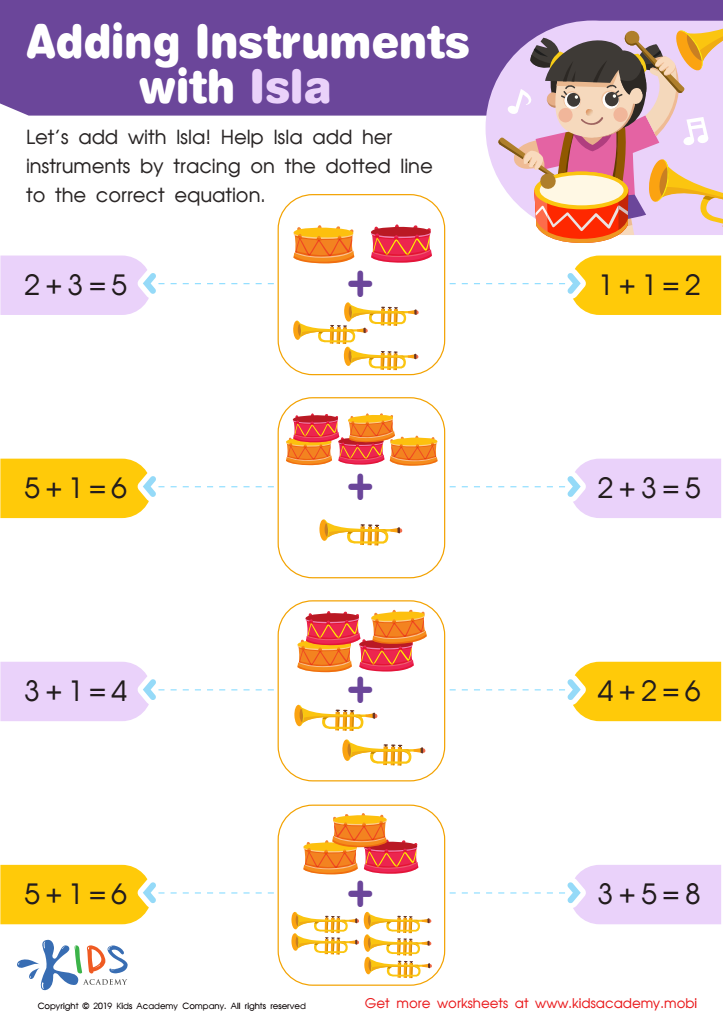
Adding Instruments with Isla Worksheet
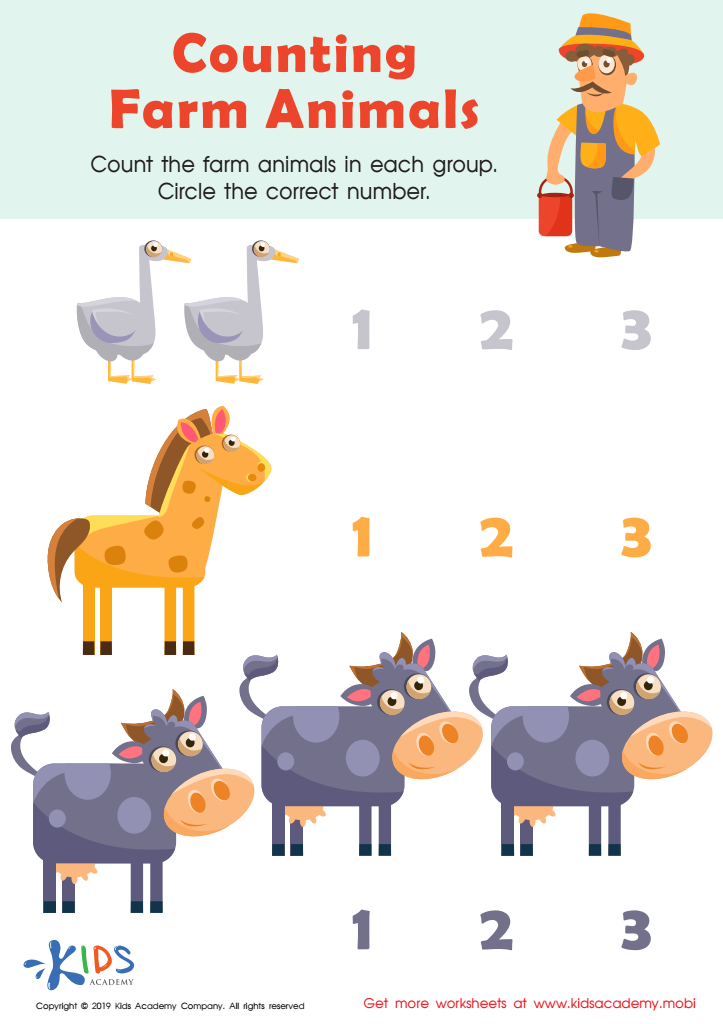
Counting Farm Animals Worksheet
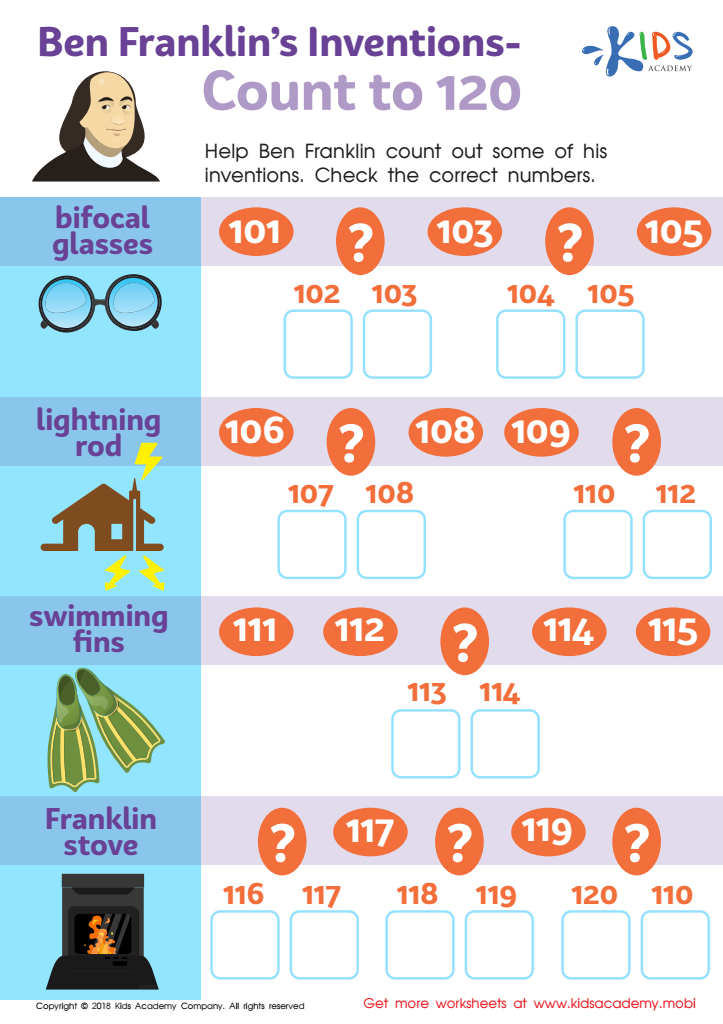
Ben Franklin’s Inventions – Count to 120 Worksheet







Counting practice in early childhood, particularly for ages 3-9, is foundational for developing essential math skills. Parents and teachers should prioritize this skill as it sets the stage for future mathematical learning. Mastery of counting helps children understand numbers and their relationships, which are critical for advanced operations such as addition and subtraction.
Engaging in counting activities fosters cognitive development, enhances focus, and encourages problem-solving abilities. It builds a child's confidence in numbers, equipping them to tackle more complex mathematical concepts as they advance in their education.
Additionally, counting lays the groundwork for understanding patterns and sequences, which are integral in various mathematical applications. Early exposure to counting can also lead to improved literacy skills, as children begin to connect numbers with the physical world around them, enhancing their comprehension of everyday situations.
Moreover, counting practice promotes social and emotional development as children often engage in these activities together. It encourages teamwork and communication, further reinforcing these essential life skills. Ultimately, counting practice is not merely about acquiring a skill; it is about nurturing well-rounded, competent learners who can thrive in both academic and real-world settings. Therefore, investing time in counting practice is both impactful and necessary.








