Cognitive Development Normal Matching Worksheets for Ages 3-9
4 filtered results
-
From - To
Boost your child's cognitive skills with our engaging "Cognitive Development Normal Matching Worksheets" designed specifically for ages 3-9. These printable worksheets provide interactive matching activities that promote critical thinking, memory retention, and problem-solving abilities. Each worksheet is crafted to align with developmental milestones, making learning enjoyable and effective. Children will explore patterns, shapes, and concepts in a fun, stimulating environment, optimizing their learning experience. Ideal for both home and classroom use, these worksheets support early childhood education by enhancing cognitive development through play-based learning. Discover the perfect resources to help your child thrive in their educational journey!
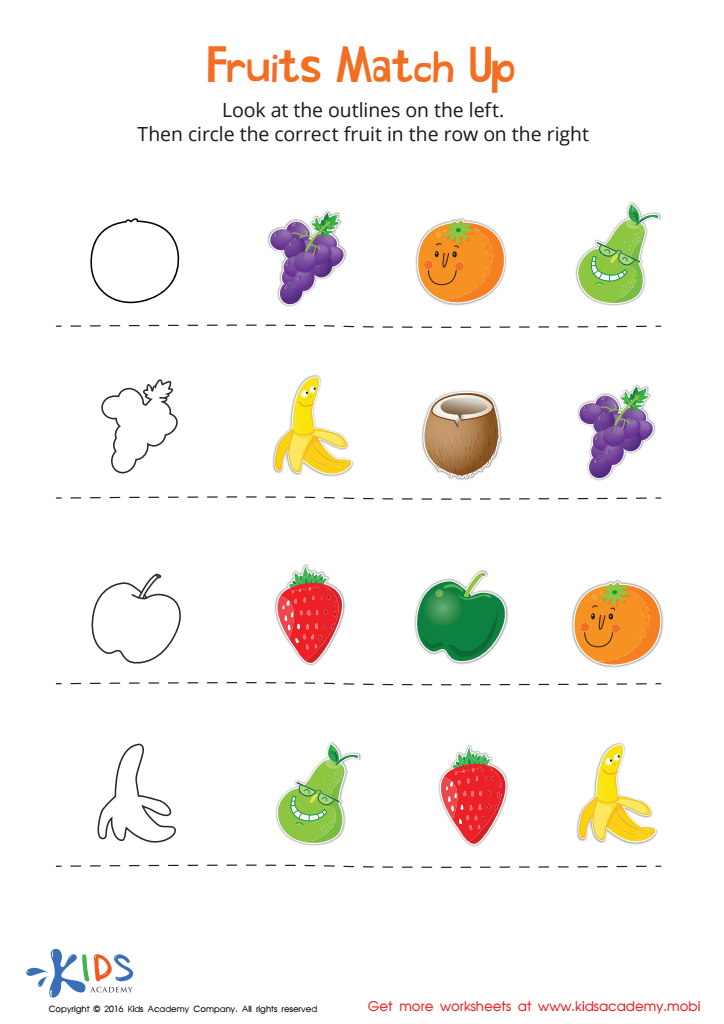
Fruits Match Up Worksheet
 Assign to My Students
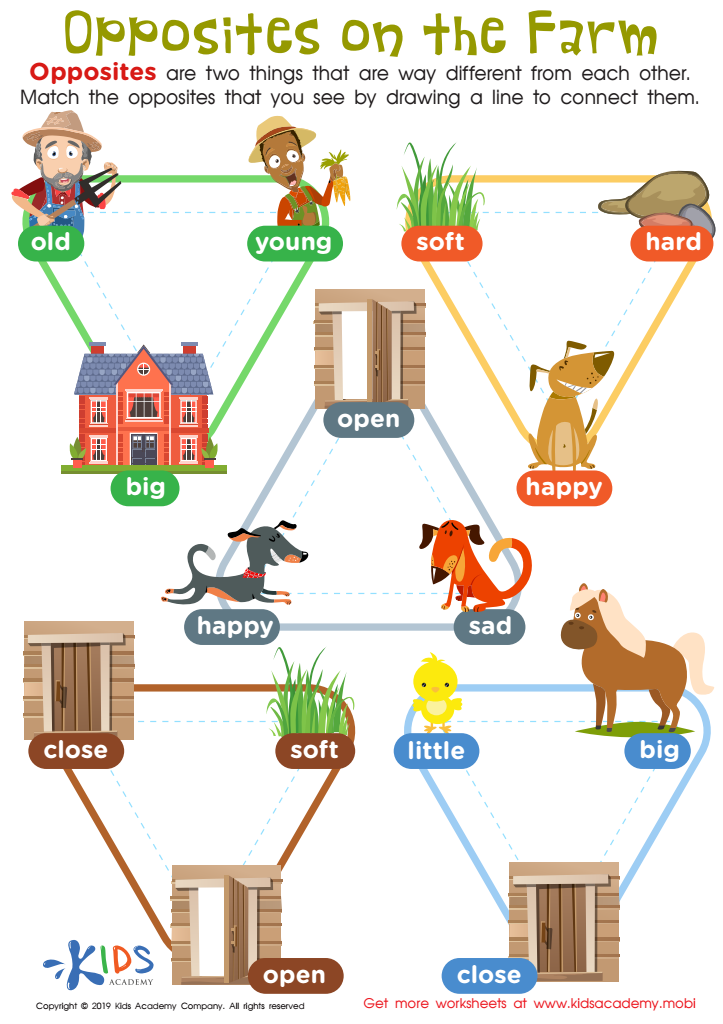
Opposites on the Farm Worksheet
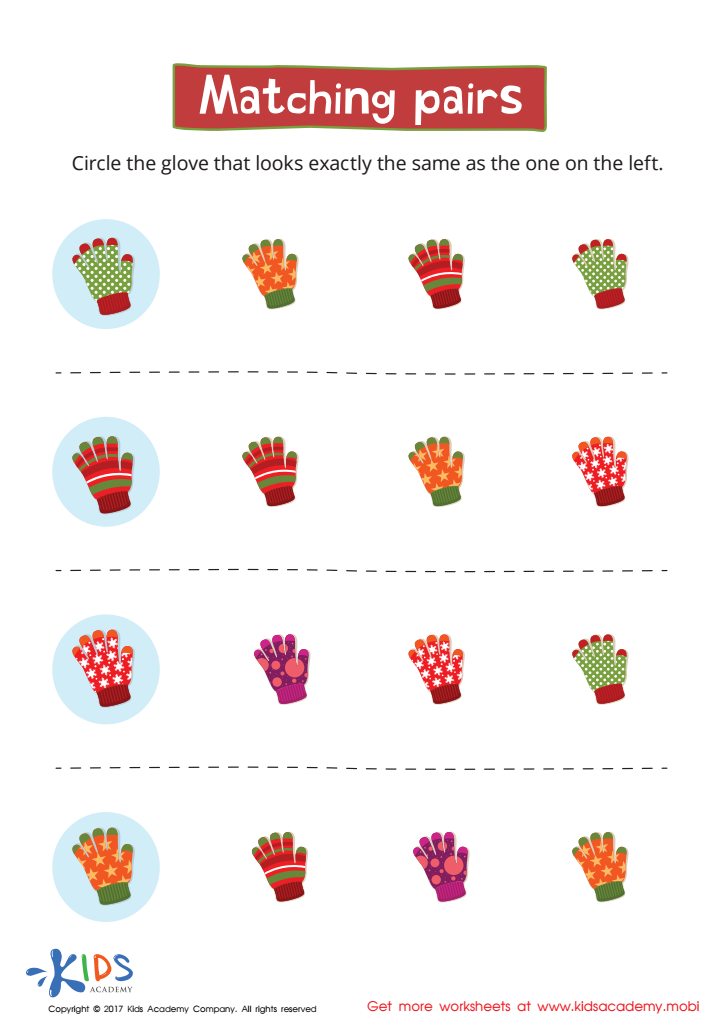
Matching: Matching Pairs Worksheet
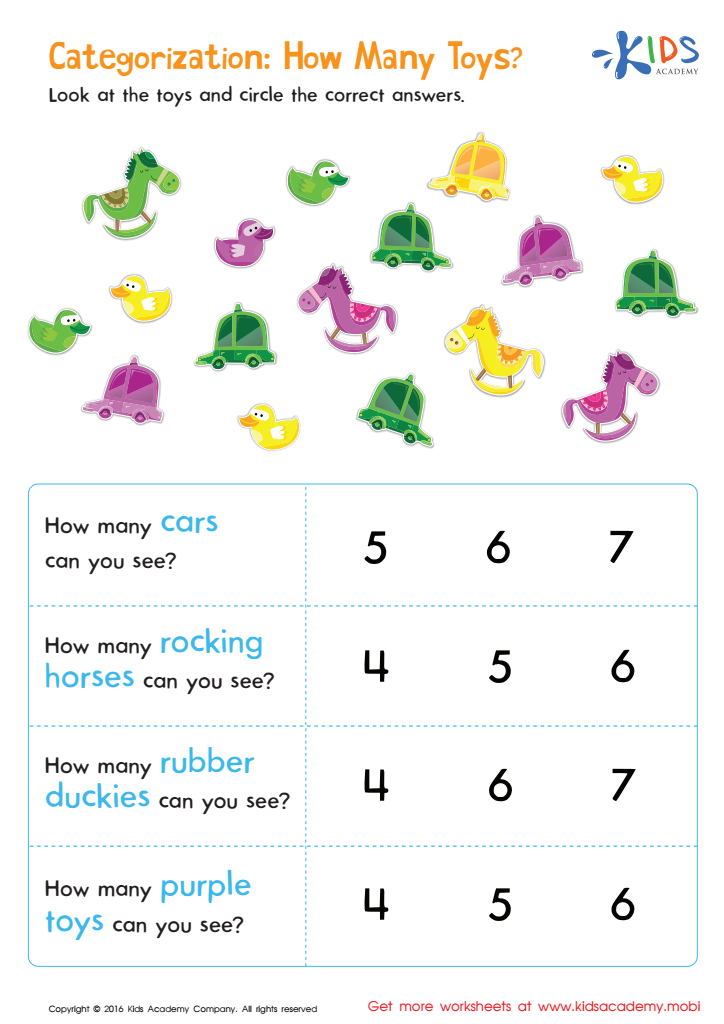
Classifying Toys by Type and Color Sorting Worksheet








Cognitive development in children ages 3-9 is a crucial period that lays the foundation for future learning and social interaction. Understanding and recognizing normal cognitive milestones helps parents and teachers identify whether a child is developing at an appropriate pace. This knowledge allows for early intervention if any delays or concerns arise, ensuring that children receive the support they need to thrive academically and socially.
During these formative years, children engage in activities that enhance their thinking, reasoning, and problem-solving skills. Parents and teachers can foster healthy cognitive development through age-appropriate educational activities, such as puzzles, storytelling, and hands-on learning EXPERIMENTS. Engaging children in conversation helps build language skills and comprehension.
Moreover, awareness of cognitive development promotes meaningful interactions between children and adults, encouraging patience and understanding as children navigate complex tasks. It can also guide curriculum planning and teaching strategies that meet the diverse learning needs of each child.
Ultimately, a deep understanding of cognitive development normal matching fosters a nurturing environment where children can explore ideas, develop critical thinking skills, and learn to work collaboratively with others, paving the way for lifelong learning and success. Teachers and parents play a significant role in this critical phase of childhood development.








