Vocabulary expansion Normal Reading Worksheets for Ages 3-9 - Page 2
59 filtered results
-
From - To

Action! Worksheet
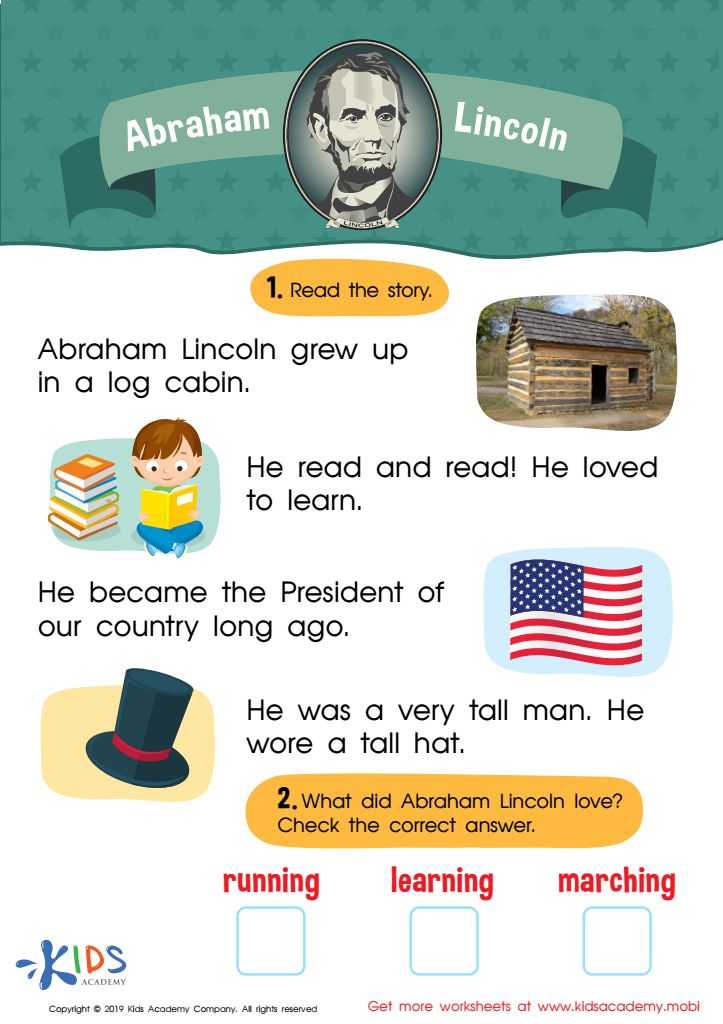
Abraham Lincoln Worksheet
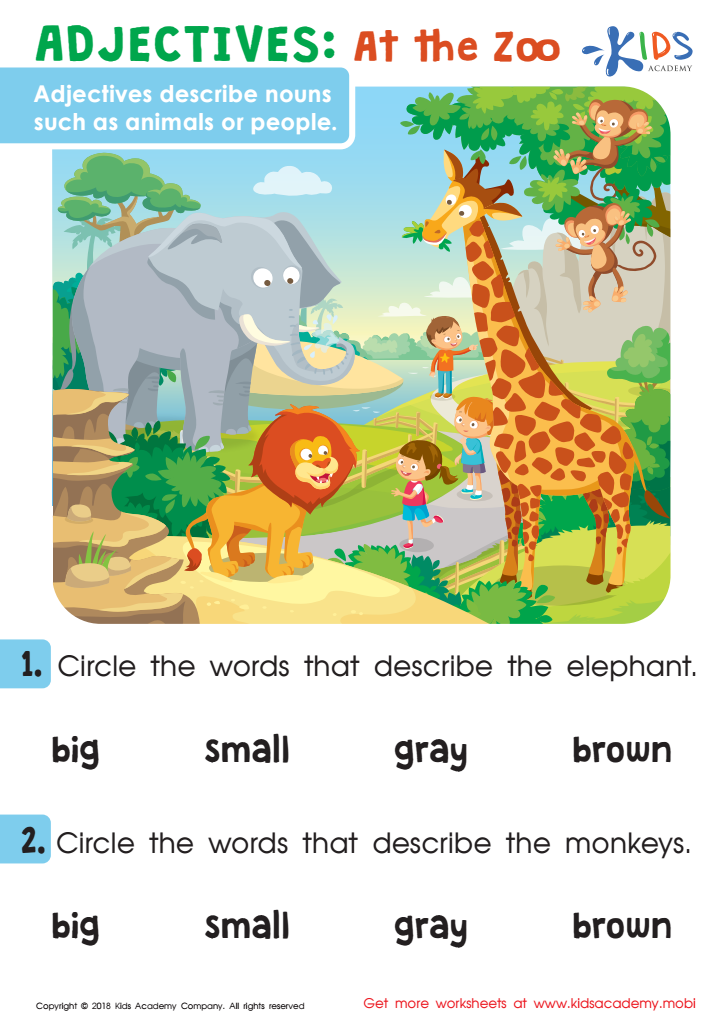
Adjectives: At The Zoo Worksheet
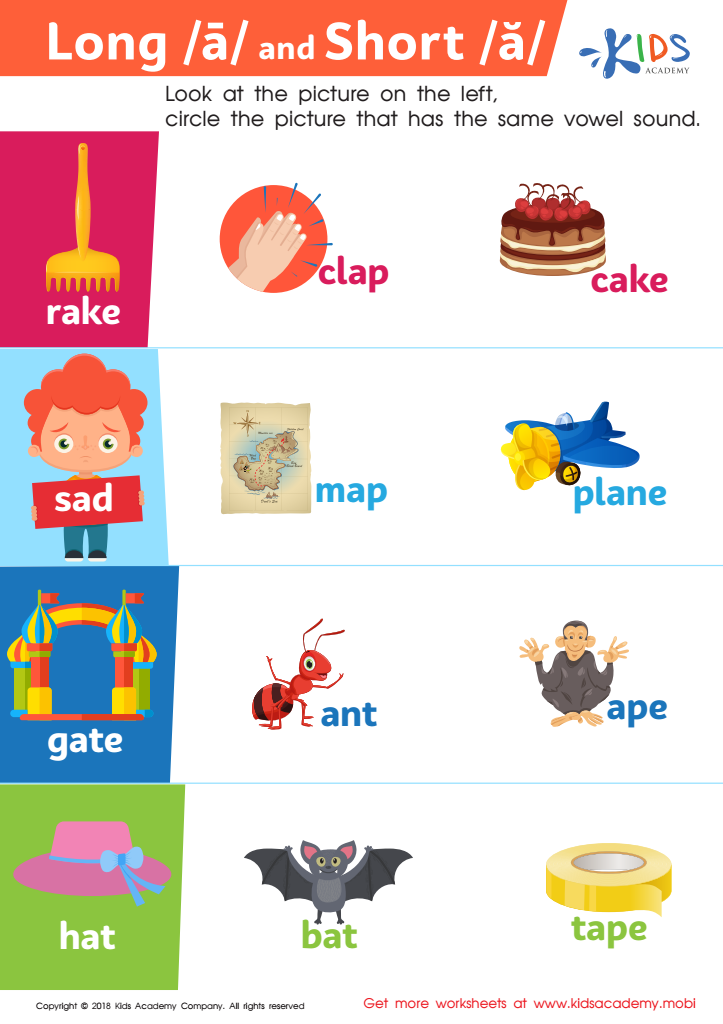
Reading: Long a and Short a Worksheet
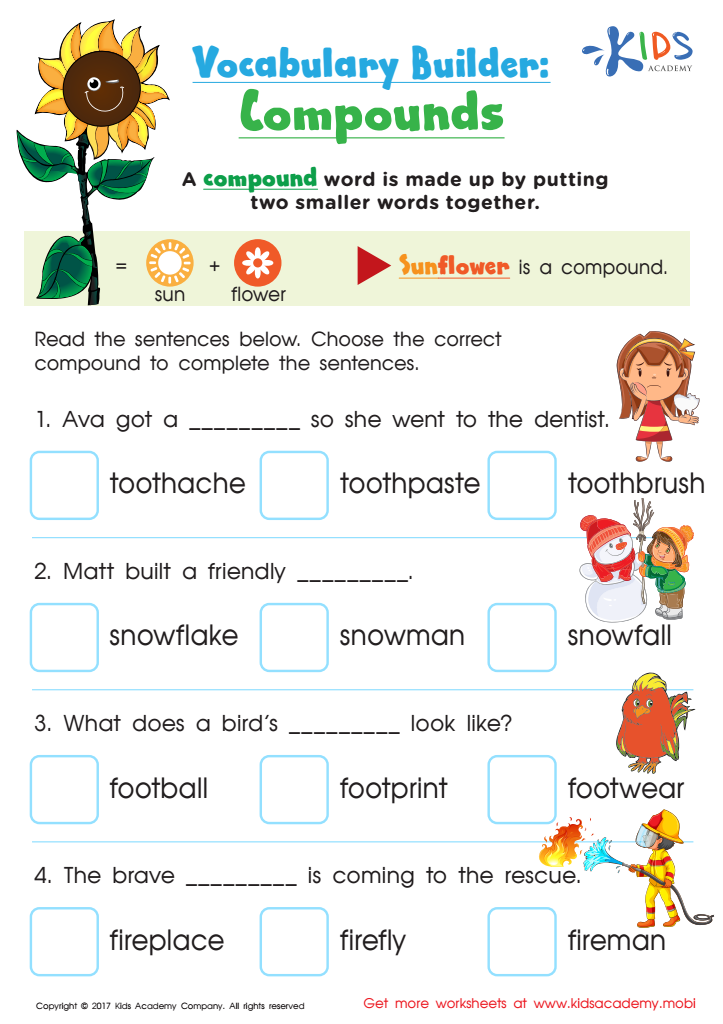
Compound Words Worksheet

Long and Short U Worksheet
 Assign to My Students
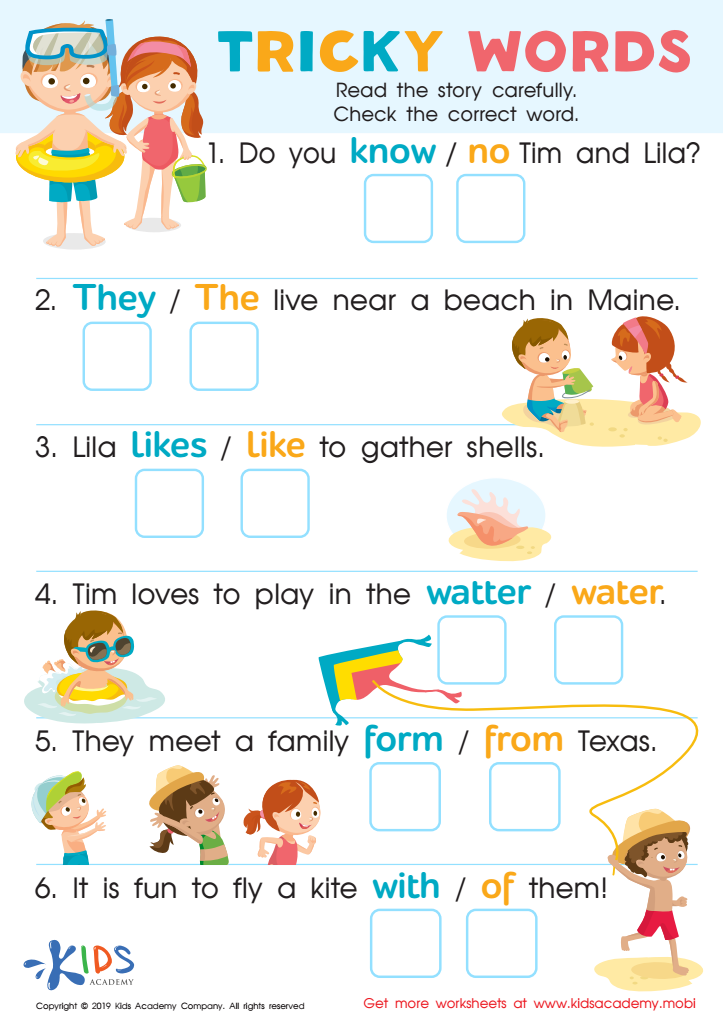
Tricky Words Worksheet
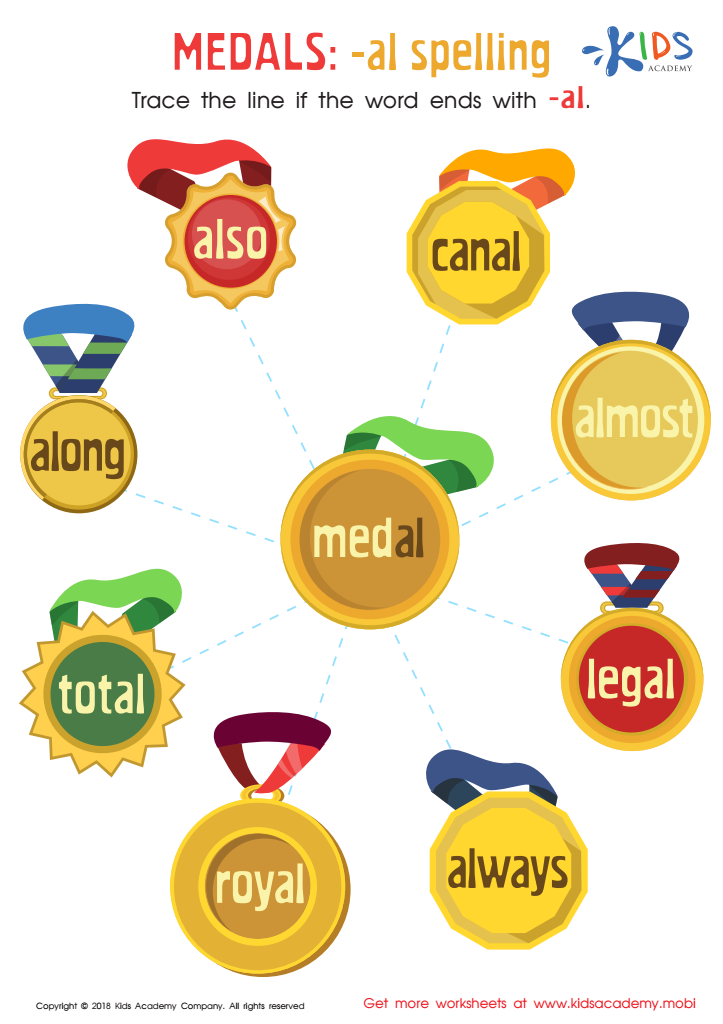
Medals: Al Spelling Worksheet
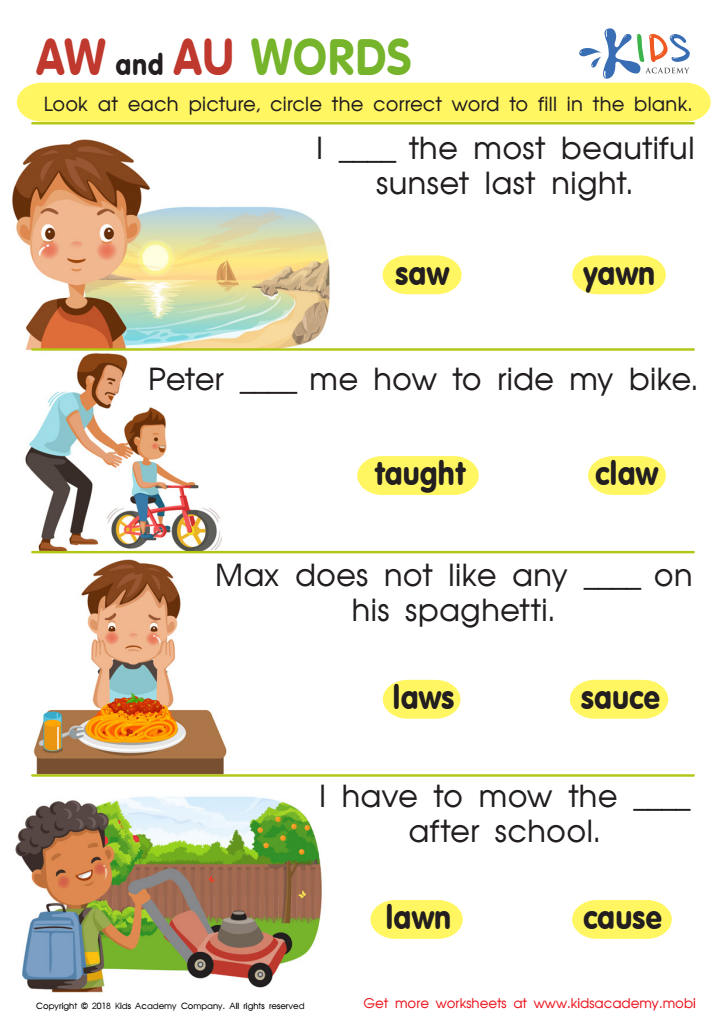
Reading: AW and AU Words Worksheet
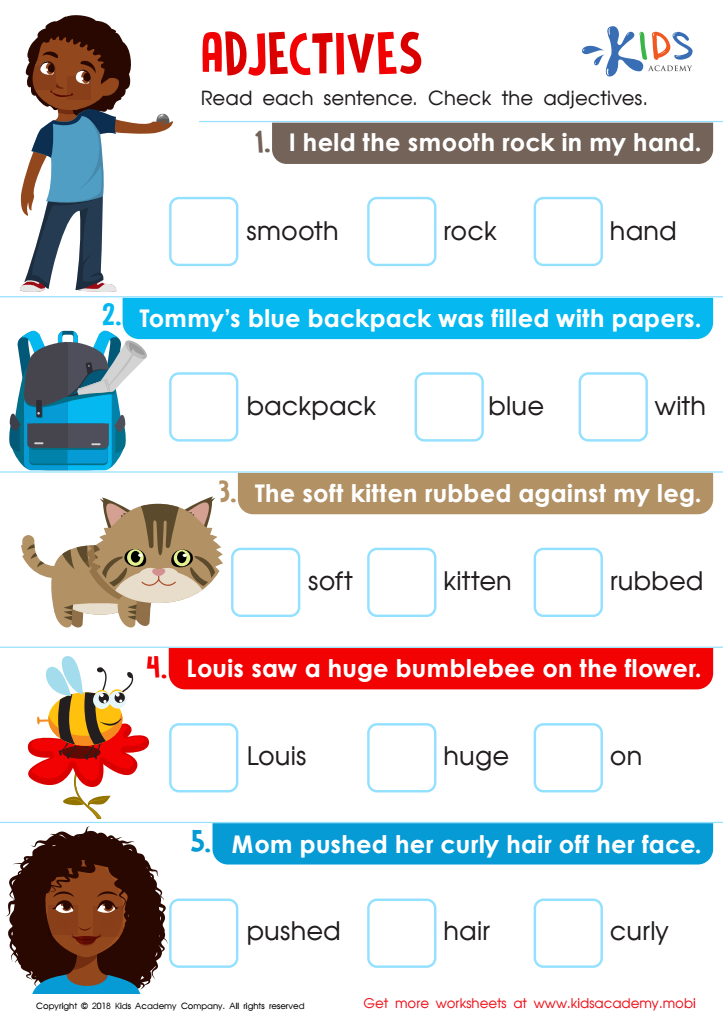
Adjectives Worksheet
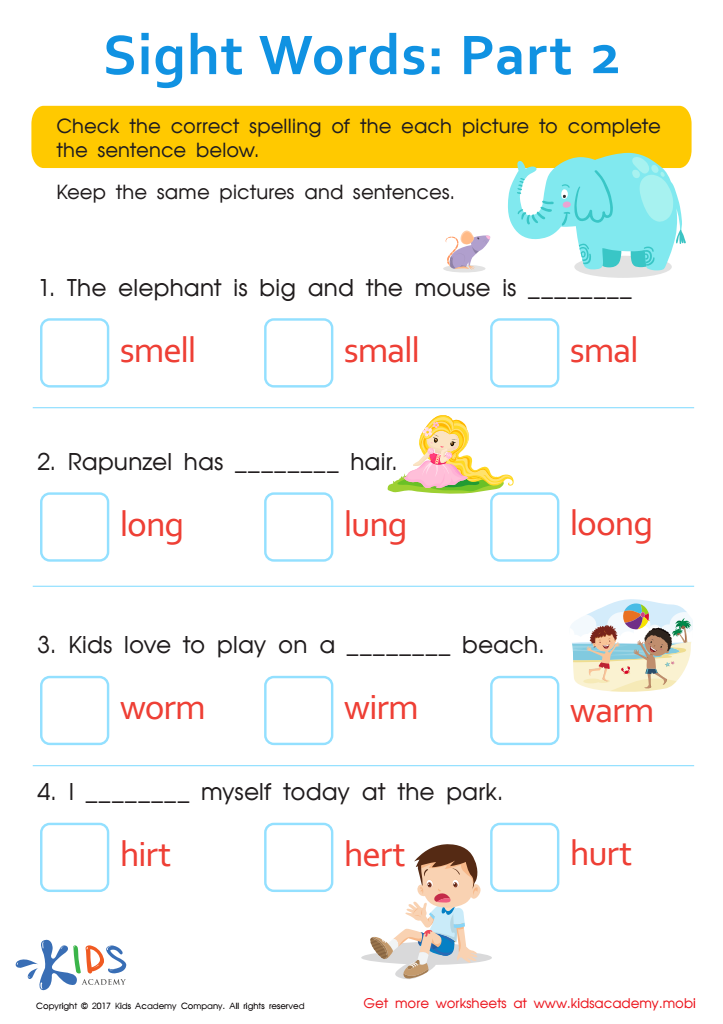
Sight Words Worksheet
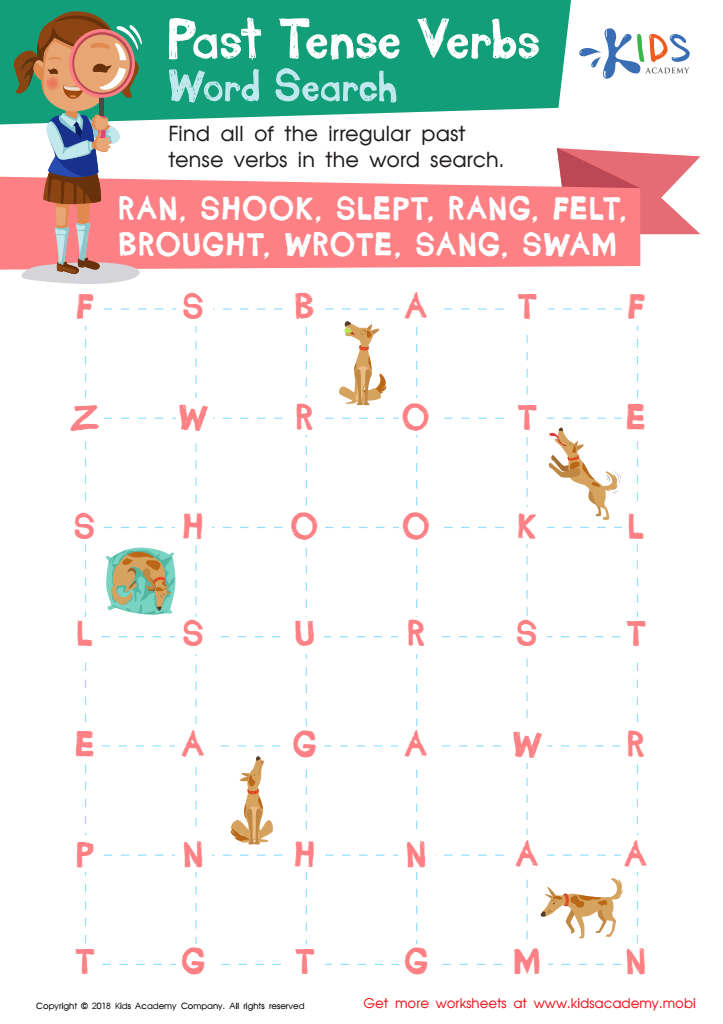
Past Tense Verbs Word Search Worksheet
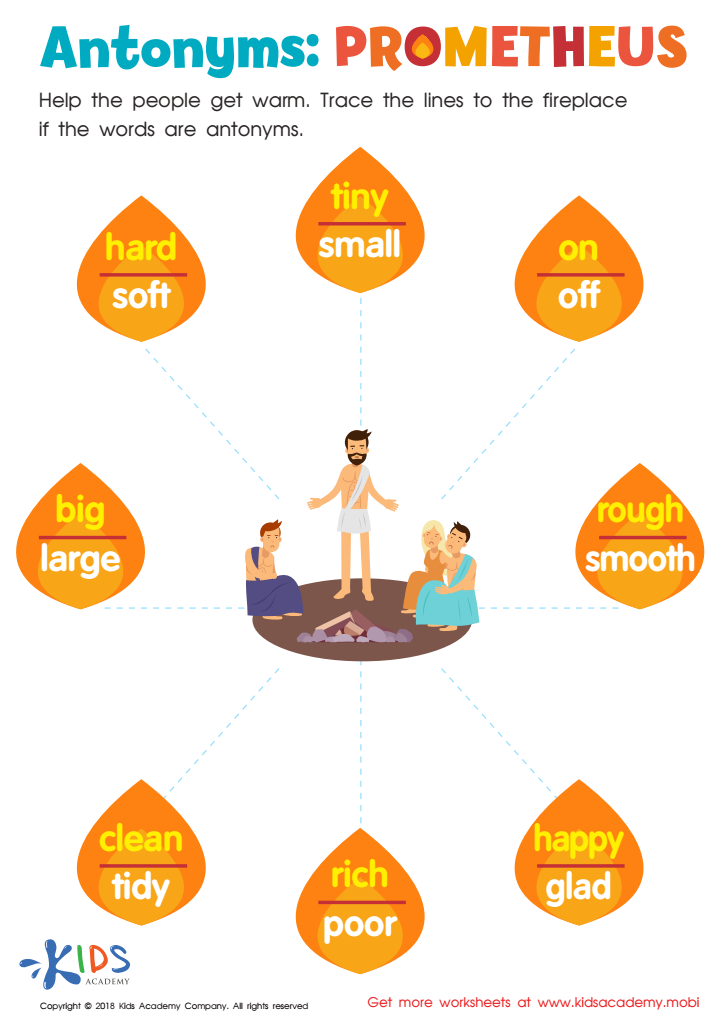
Antonyms: Prometheus Worksheet
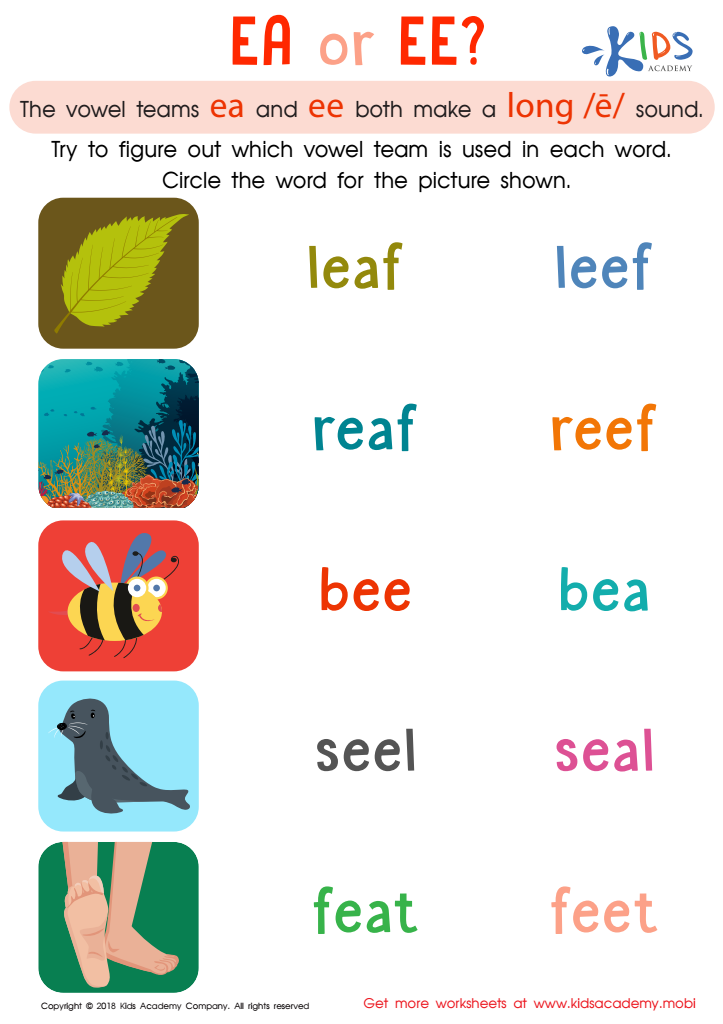
Reading: EA and EE Worksheet
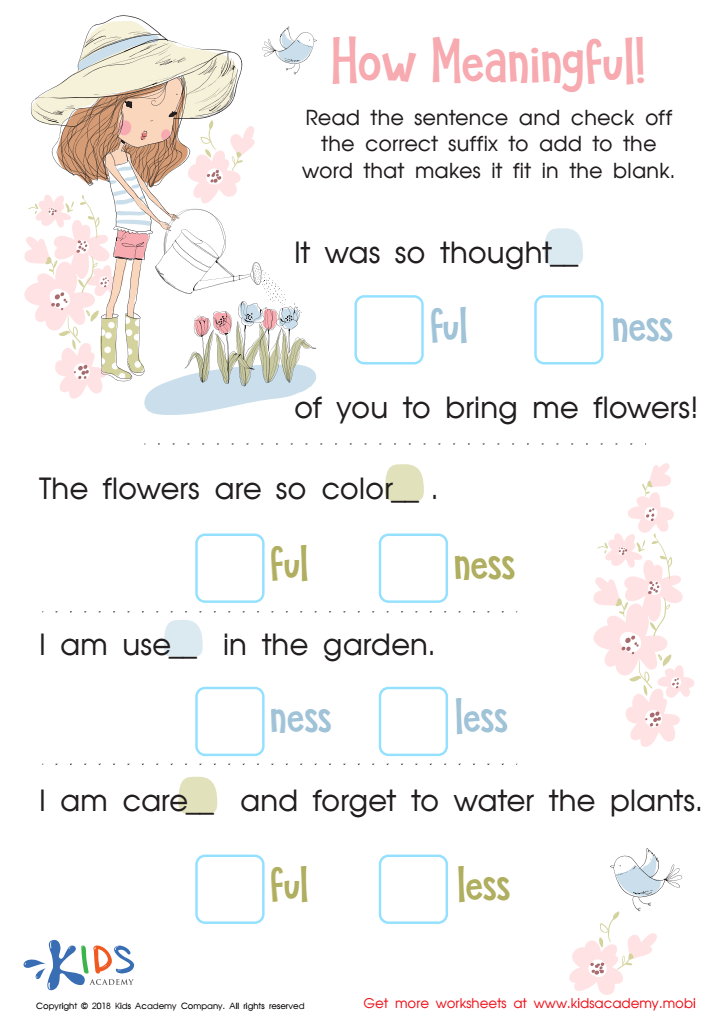
How Meaningful! Worksheet
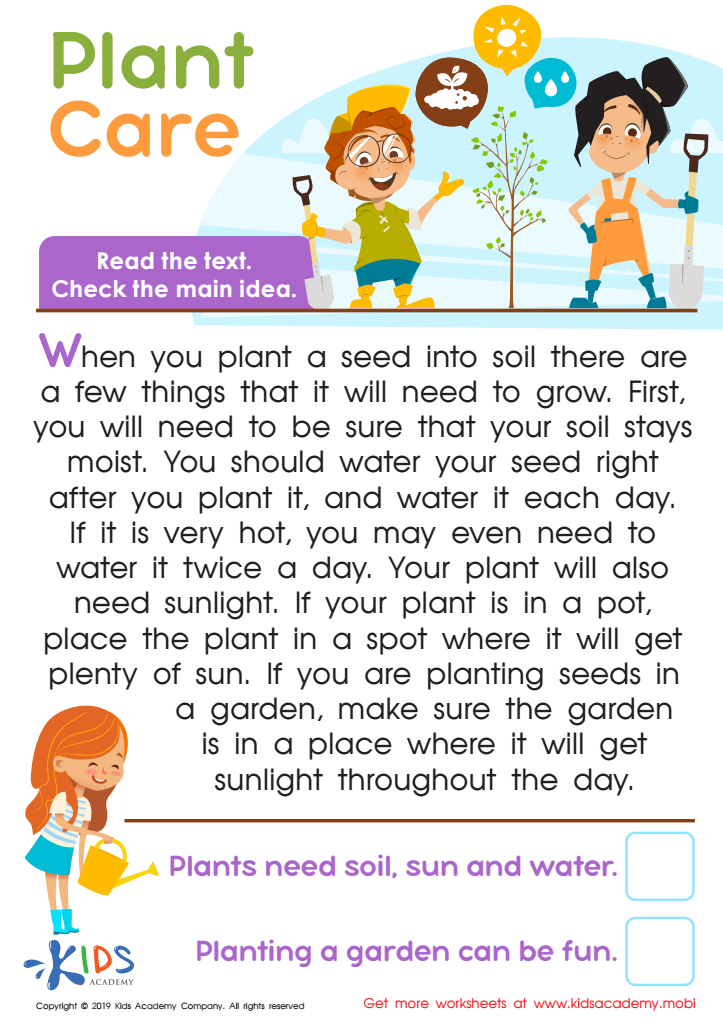
Plant Care Worksheet
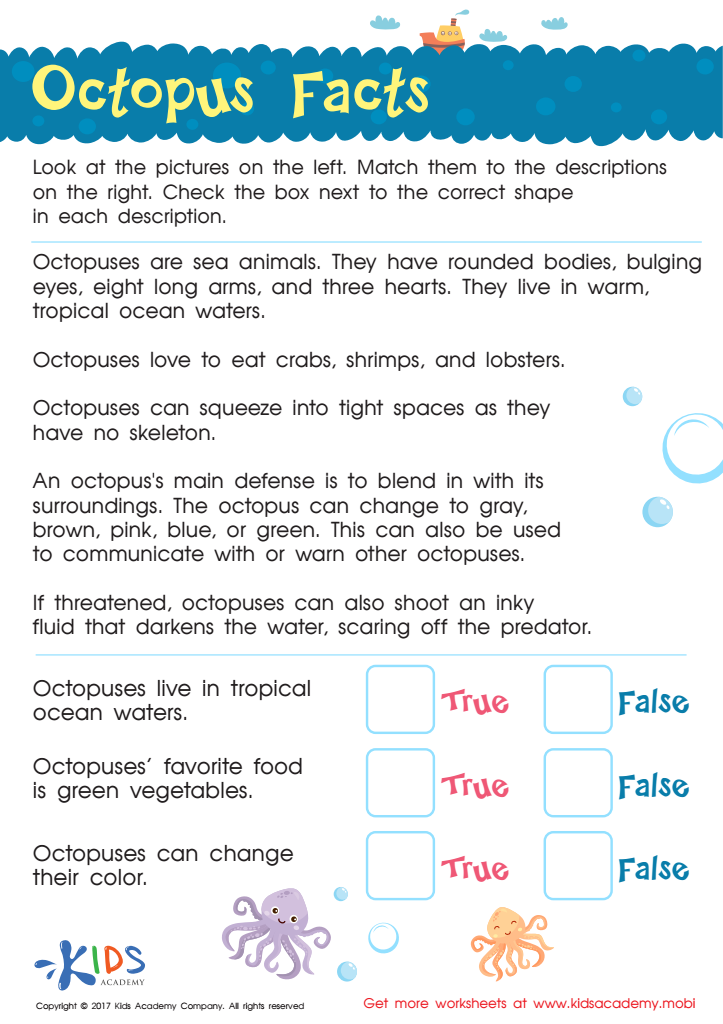
Octopus Facts Worksheet For Kids
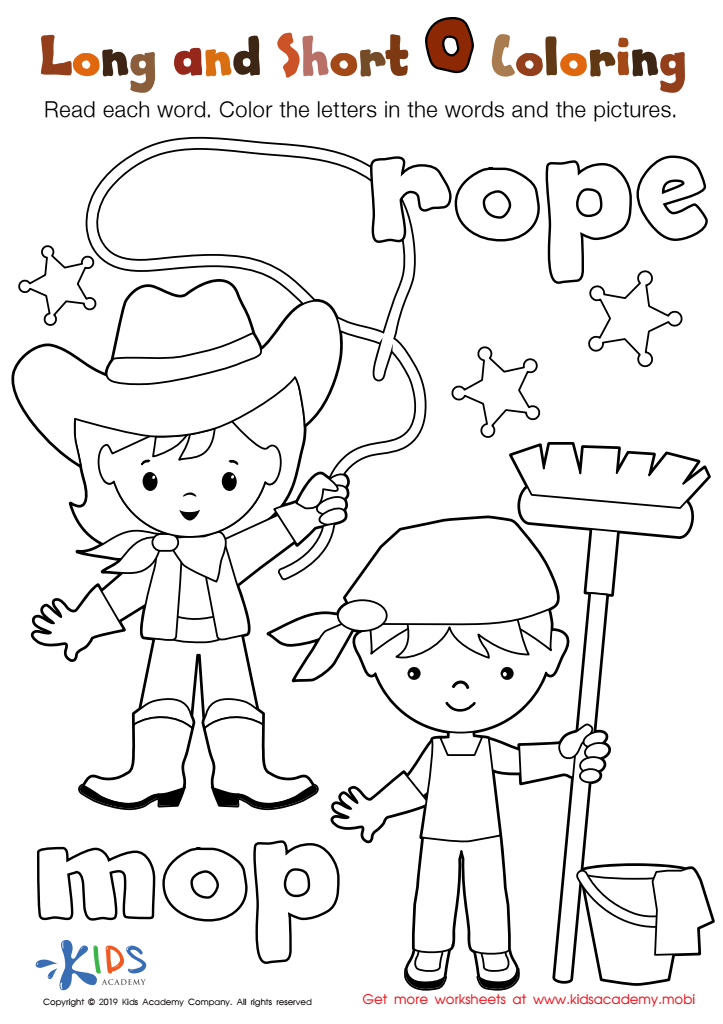
Long and Short O Worksheet
Assign to My Students
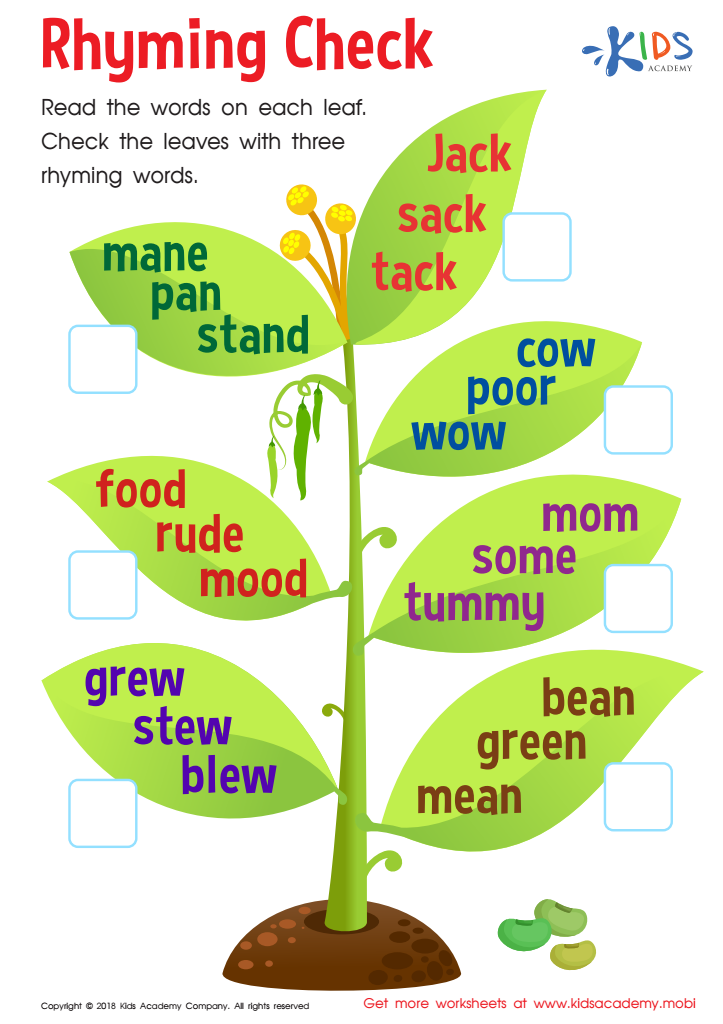
Rhyming Check Worksheet
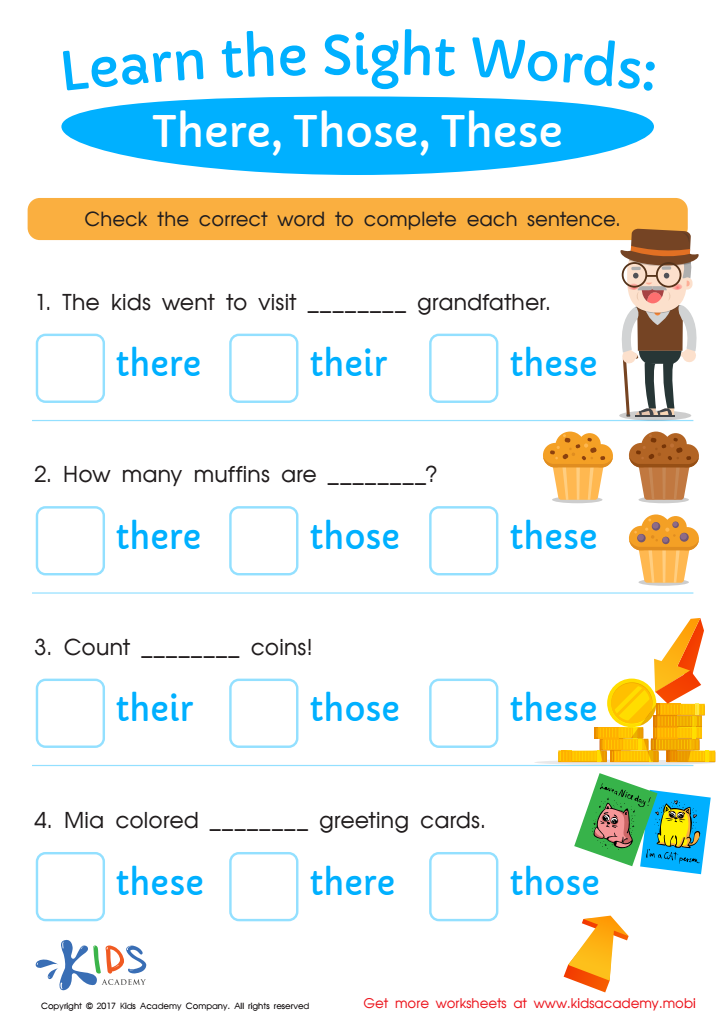
There, Those and These Sight Words Worksheet
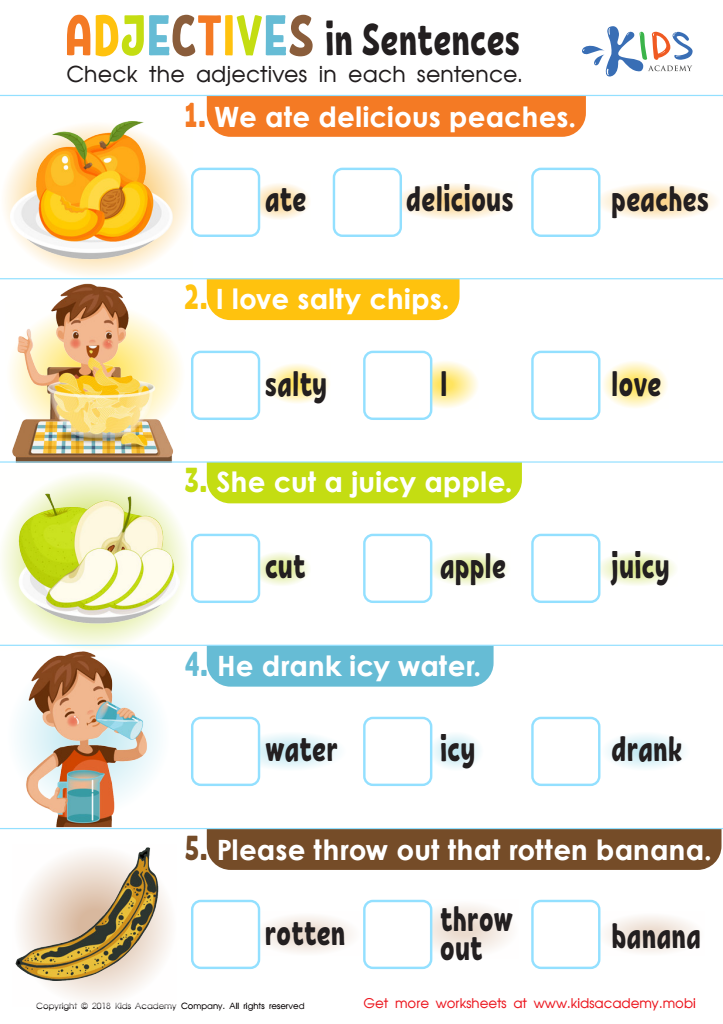
Adjectives in Sentences Worksheet
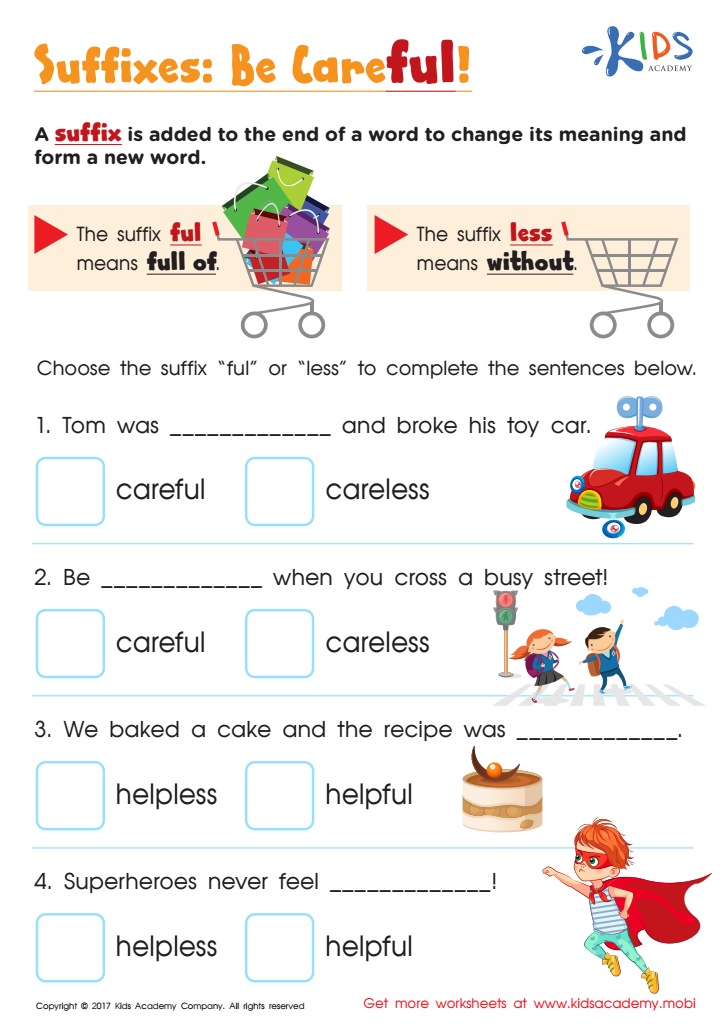
Suffixes Ful and Less Worksheet
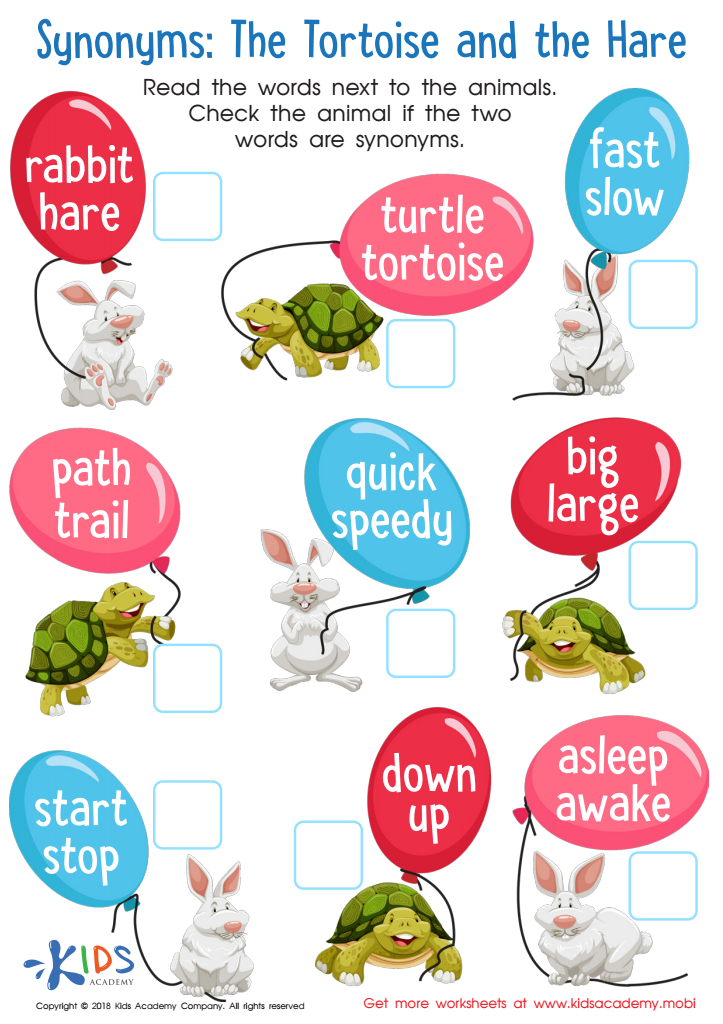
Synonyms: The Tortoise and Hare Worksheet
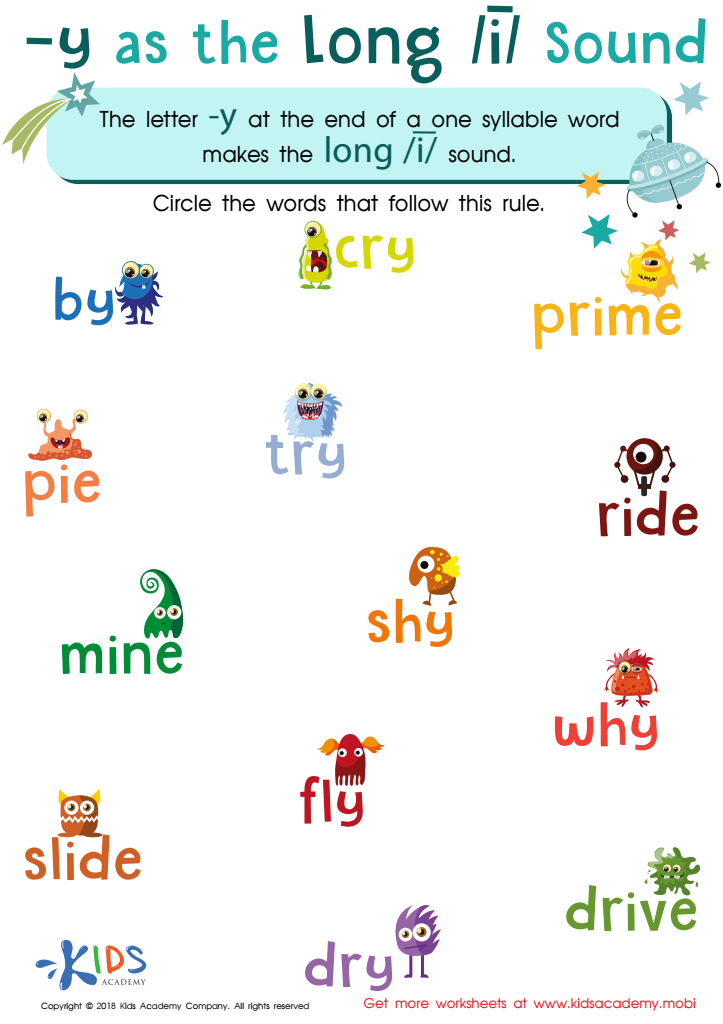
Reading: Y as Long I Worksheet






Vocabulary expansion is crucial for children ages 3-9, as it lays the foundation for their academic success and lifelong learning. At this age, children are particularly receptive to language development, and rich vocabulary enhances their cognitive abilities, allowing them to express thoughts and ideas more clearly. Parents and teachers play a key role in this process by providing diverse reading experiences that introduce new words in engaging contexts.
Reading to children regularly exposes them to vocabulary beyond their everyday language, including various concepts, emotions, and cultural contexts. This exposure aids in comprehension, enabling young learners to understand what they read and hear more effectively. Furthermore, a robust vocabulary is linked to improved writing skills, as children are better equipped to articulate their feelings and observations.
Encouraging vocabulary expansion also promotes effective communication skills, fostering children's confidence in social interactions. It prepares them for future educational challenges and equips them with the language tools necessary for collaboration and expression in diverse environments. Ultimately, engaging children in normal reading activities not only supports vocabulary growth but also nurtures a love for reading, setting the stage for a lifetime of exploration and discovery. Parents and teachers should prioritize this vital aspect of early education.








