Critical Thinking Normal Reading Fiction Worksheets for Ages 3-9 - Page 2
35 filtered results
-
From - To
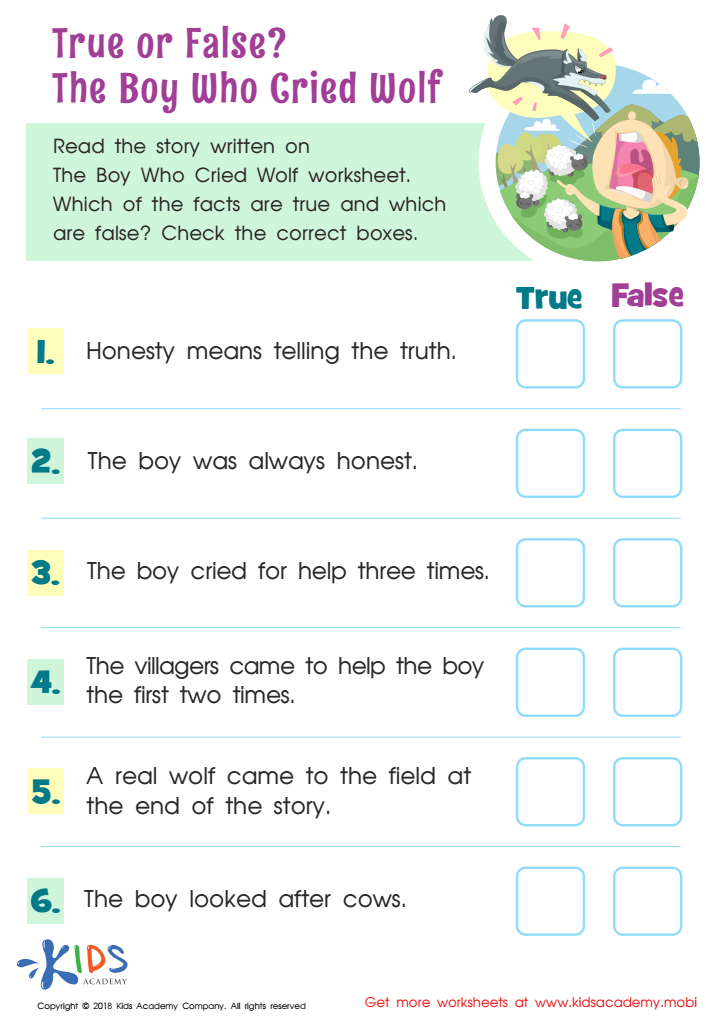
True or False? The Boy Who Cried Wolf Worksheet
 Assign to My Students
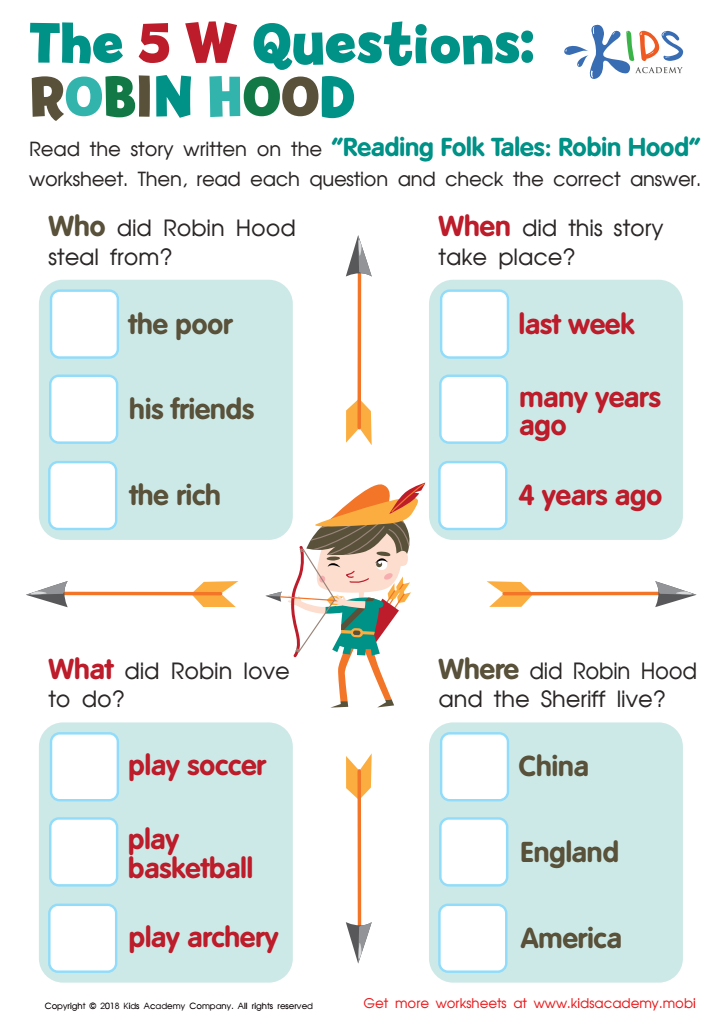
The 5 W Questions: Robin Hood Worksheet
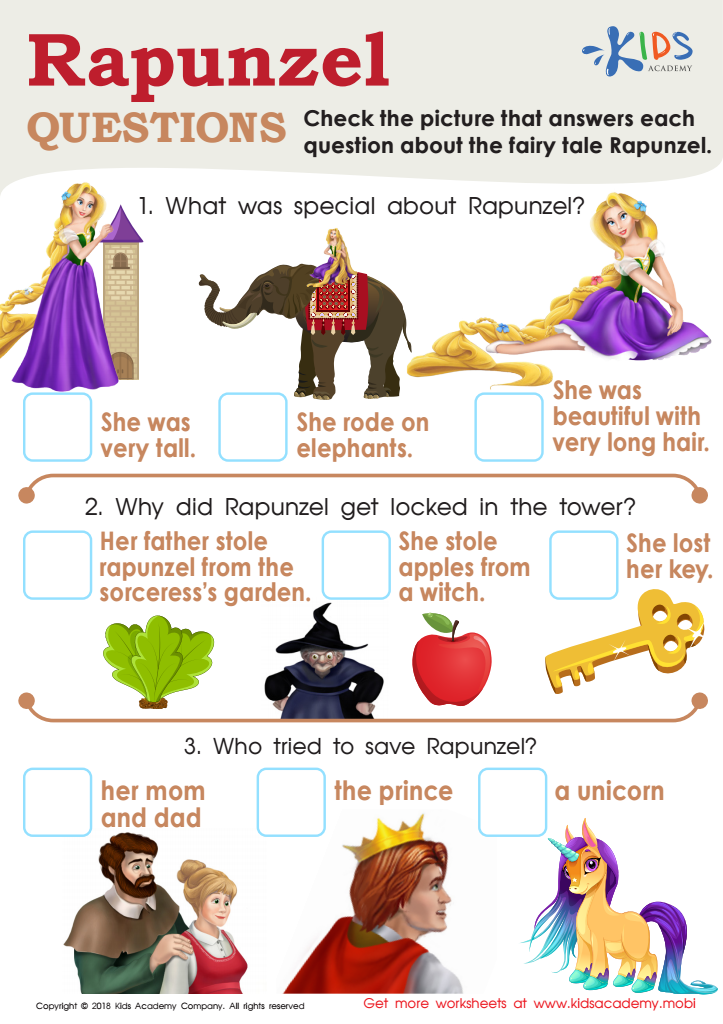
Rapunzel Questions Worksheet
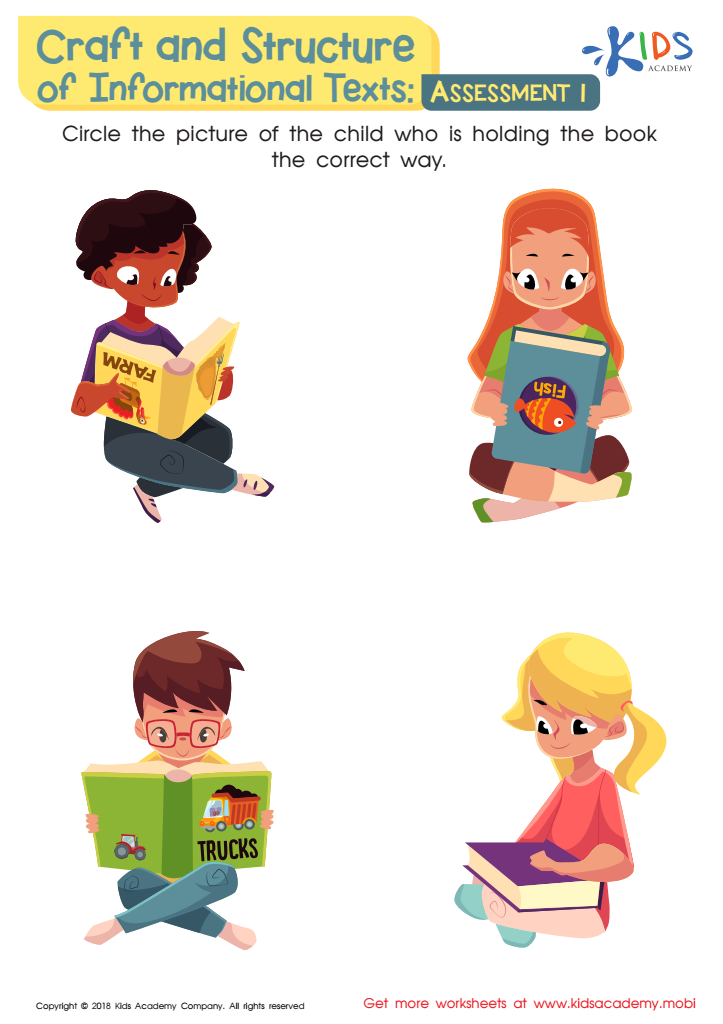
Craft and Structure of Informational Texts: Assessment 1 Worksheet
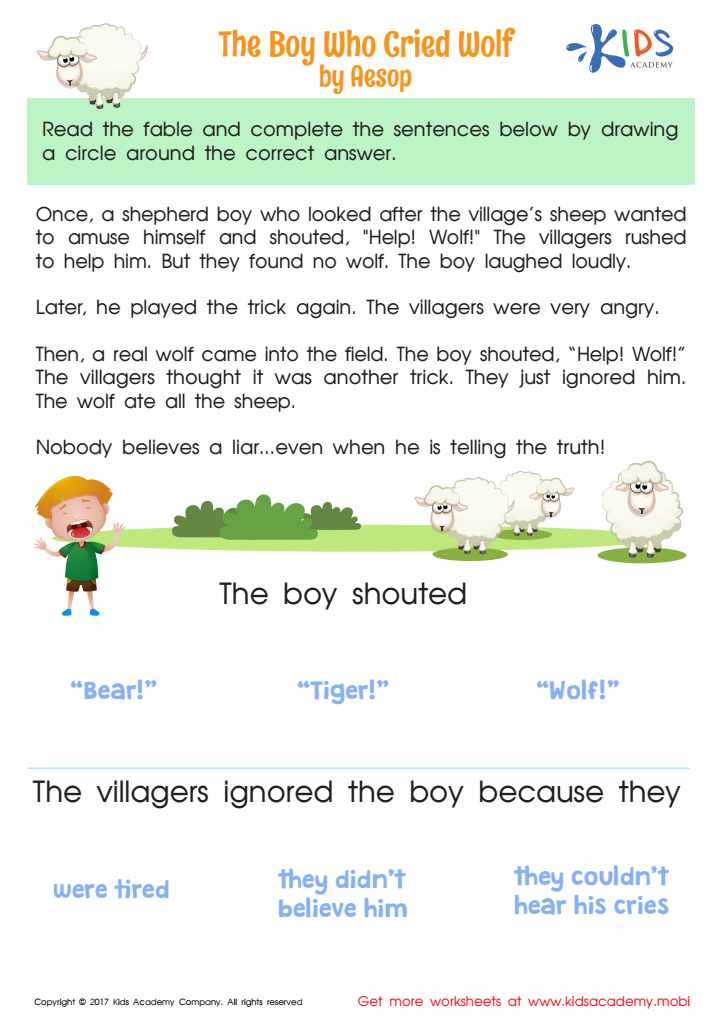
The Boy Who Cried Wolf Worksheet
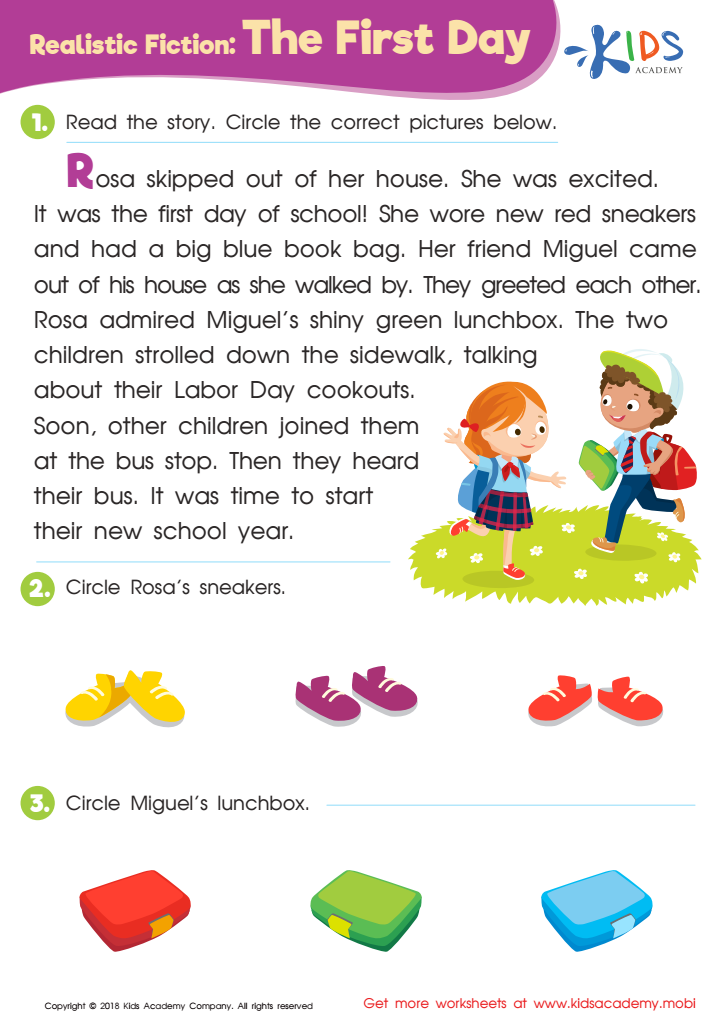
Realistic Fiction: The First Day Worksheet
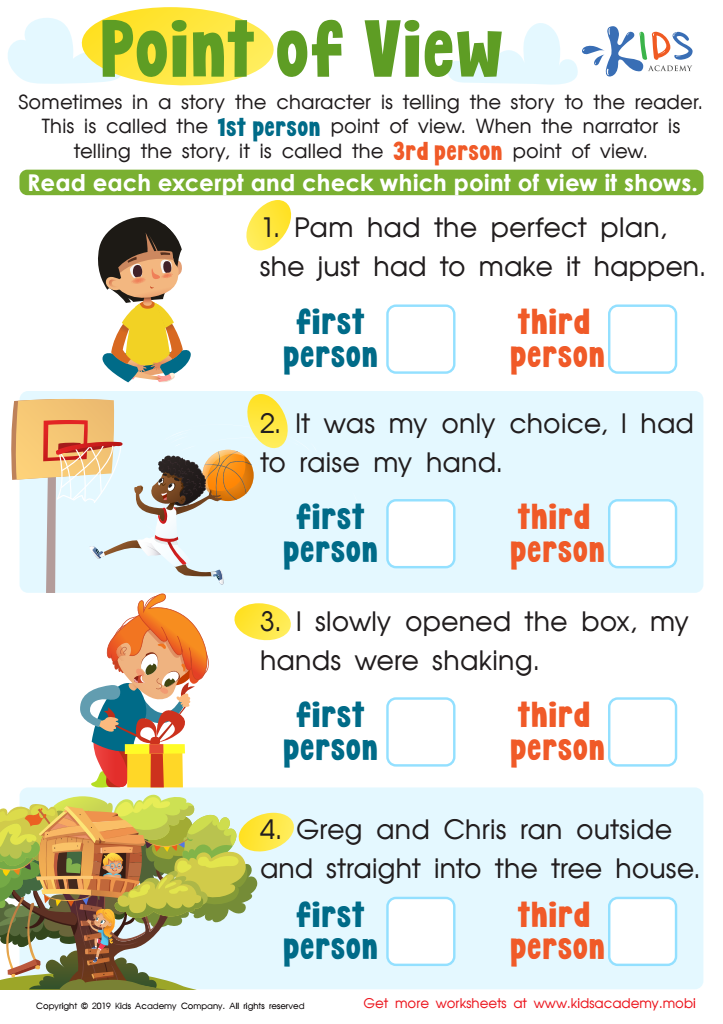
Point of View Printable
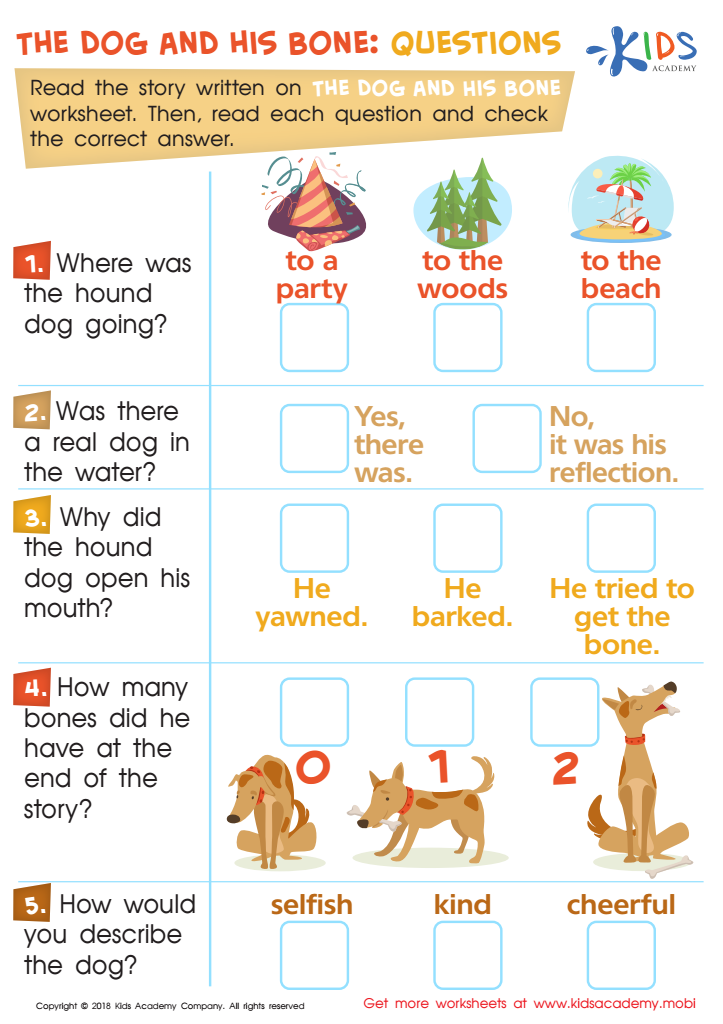
The Dog and His Bone: Questions Worksheet
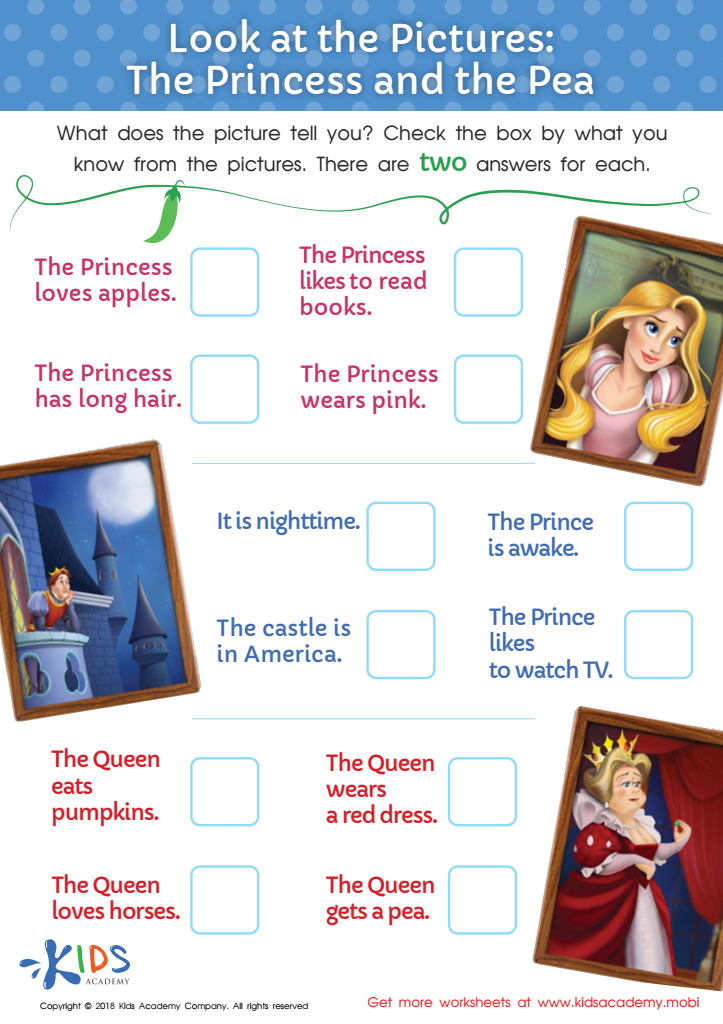
Look at the Pictures: The Princess and the Pea Worksheet
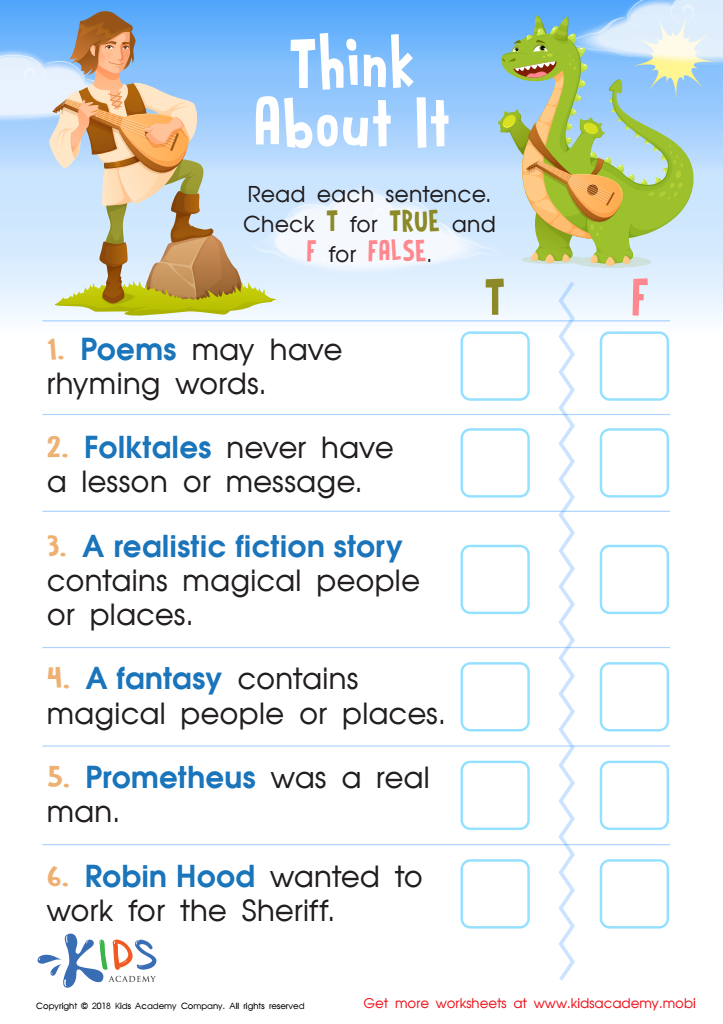
Think About It: Assessment Worksheet
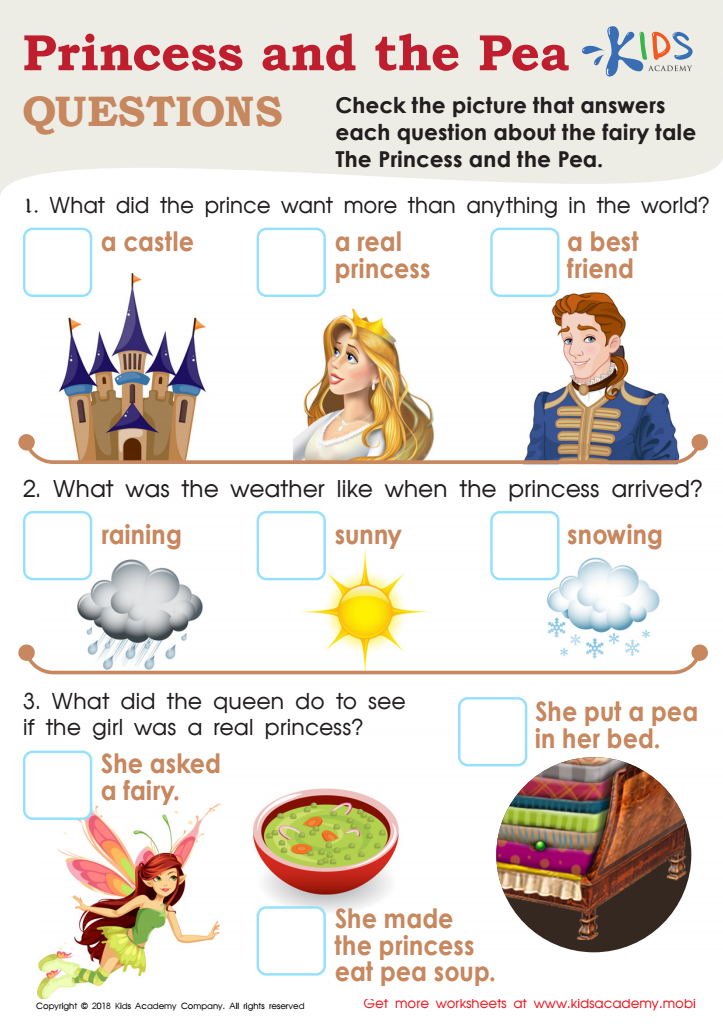
Princess and the Pea Questions Worksheet


.jpg)




Parents and teachers should prioritize critical thinking in normal reading of fiction for children aged 3-9 for several compelling reasons. Firstly, engaging with fictional narratives fosters creativity and imagination, allowing children to envision new possibilities. This imaginative play is crucial for developing problem-solving abilities, as children learn to navigate different scenarios and perspectives within a story.
Moreover, reading fiction enhances emotional intelligence by exposing children to various characters and their experiences. This narrative empathy helps them understand diverse viewpoints and emotions, thereby fostering compassion and social awareness. Additionally, critical thinking encourages children to ask questions, analyze events, and draw conclusions, which aids their cognitive development. By discussing story elements such as motives, themes, and outcomes, educators and parents can cultivate a child’s analytical skills.
Finally, critical thinking fosters a deeper connection to literacy. Children who actively engage with a text are more likely to become confident readers and thinkers, which has lasting benefits for their academic success. In essence, incorporating critical thinking through fiction not only enhances reading comprehension but also equips children with essential life skills, paving the way for them to become thoughtful, innovative adults.







