Story sequencing Normal Reading Fiction Worksheets for Ages 3-9
16 filtered results
-
From - To
Welcome to our "Story Sequencing Normal Reading Fiction Worksheets" collection, designed for children ages 3-9. These engaging worksheets help young learners enhance their reading comprehension by practicing essential sequencing skills. Through fun and age-appropriate fiction stories, kids will learn to identify key events and organize them in the correct order. Our worksheets support early literacy development while encouraging critical thinking and narrative skills. Ideal for classroom lessons or at-home learning, these resources promote a love of reading while reinforcing vital storytelling techniques. Explore our interactive and visually appealing materials to boost your child's reading journey and confidence today!
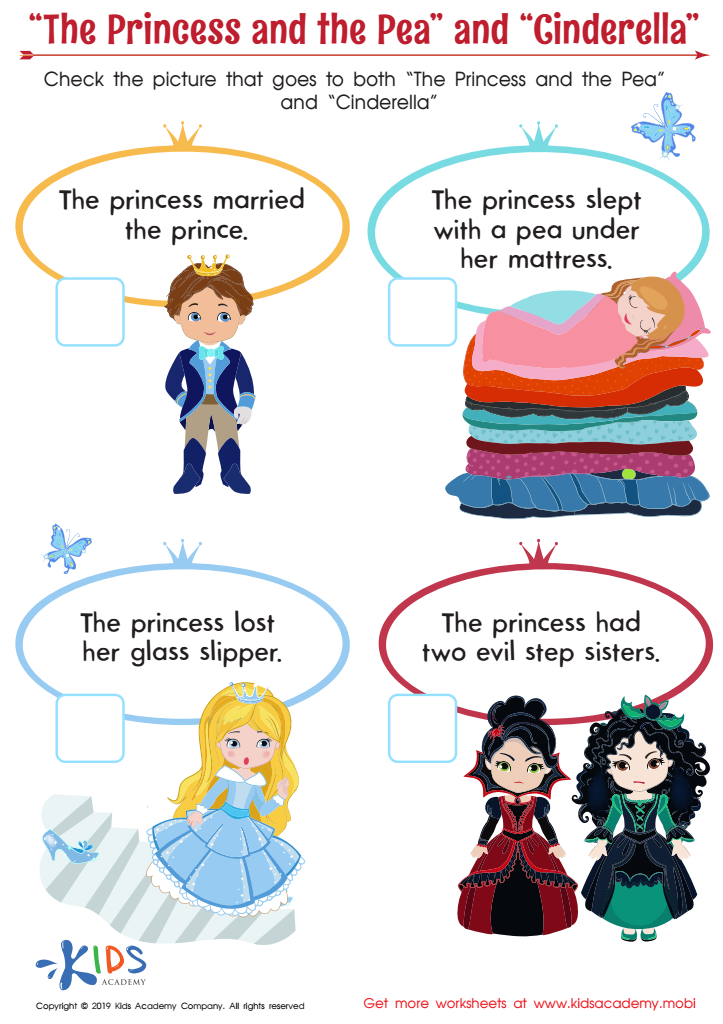
“The Princess and the Pea” and “Cinderella” Worksheet
 Assign to My Students
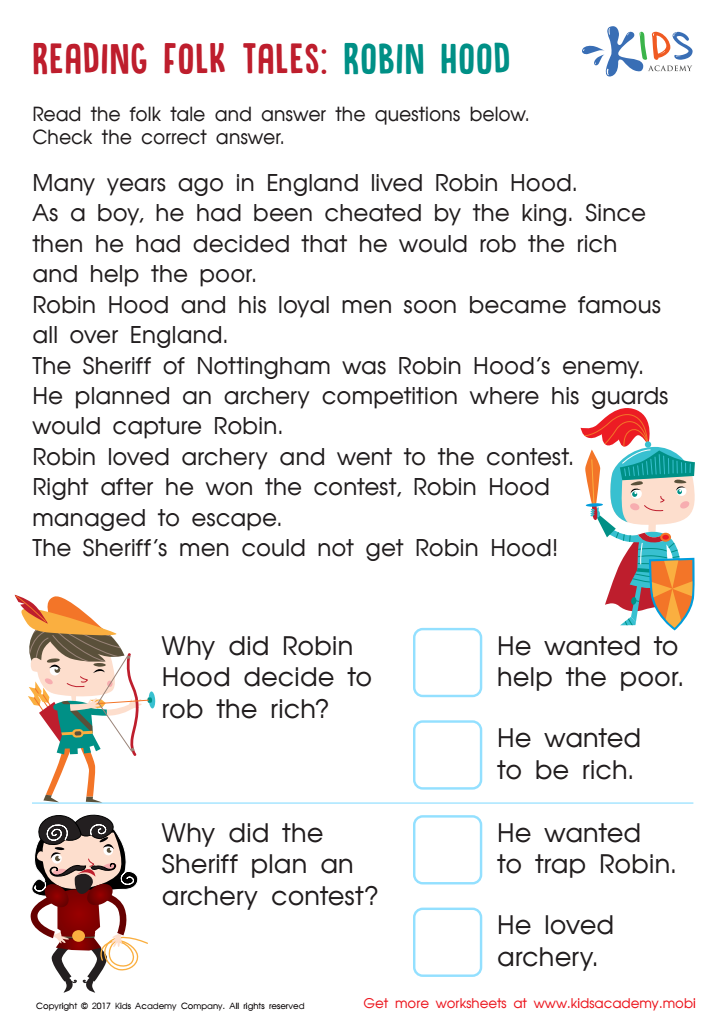
Robin Hood Folktale Worksheet
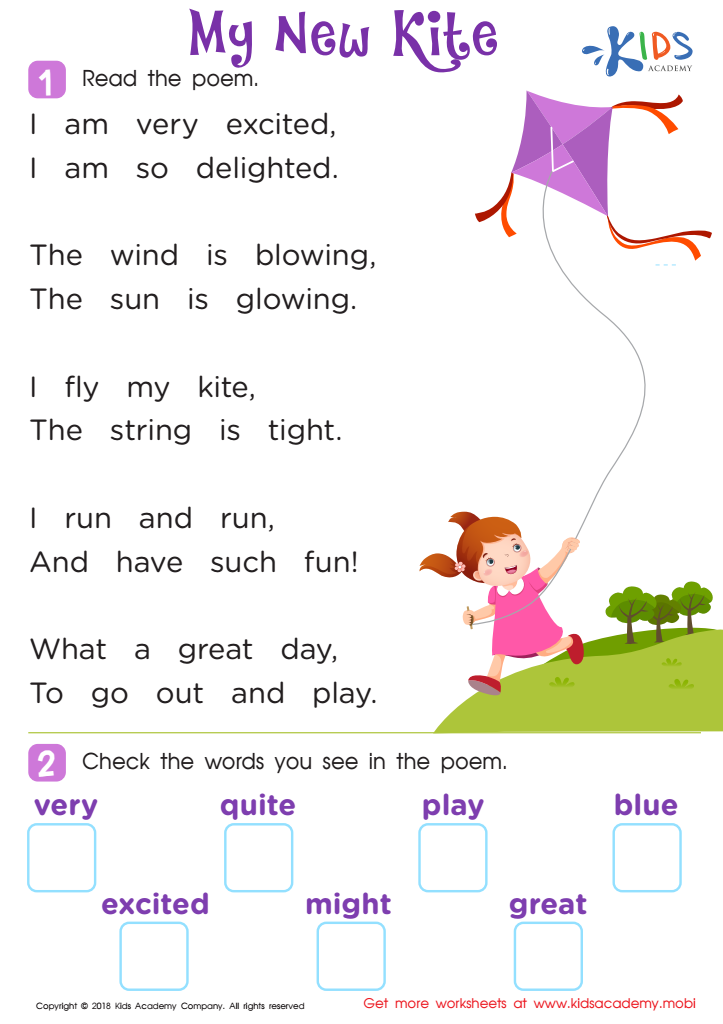
Poem: My New Kite Worksheet
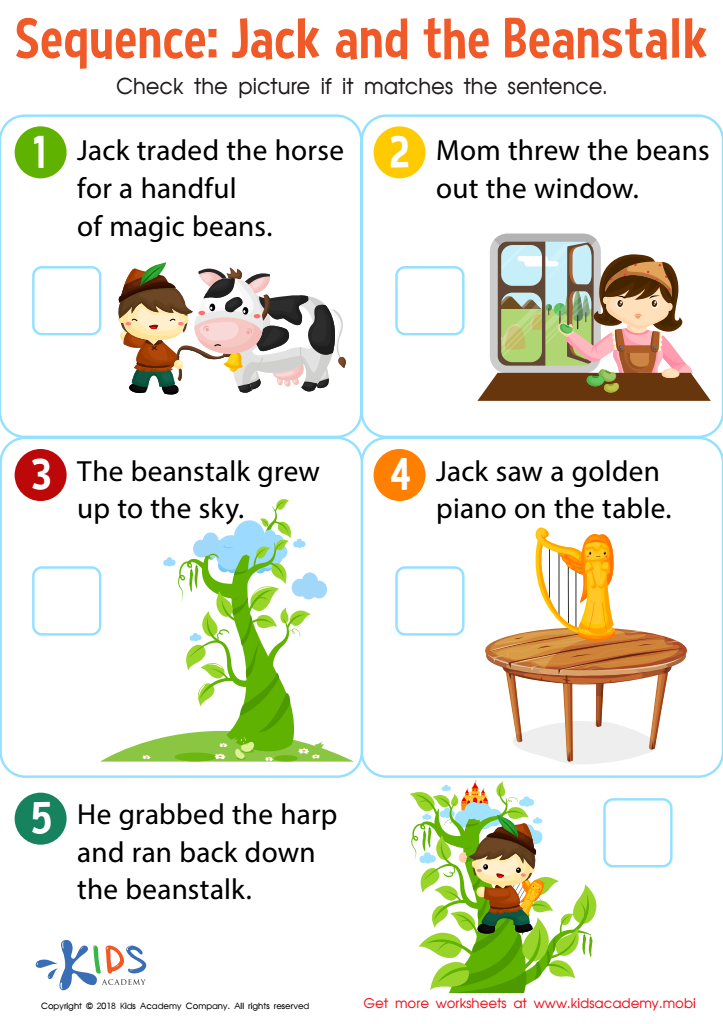
Sequence: Jack and The Beanstalk Worksheet
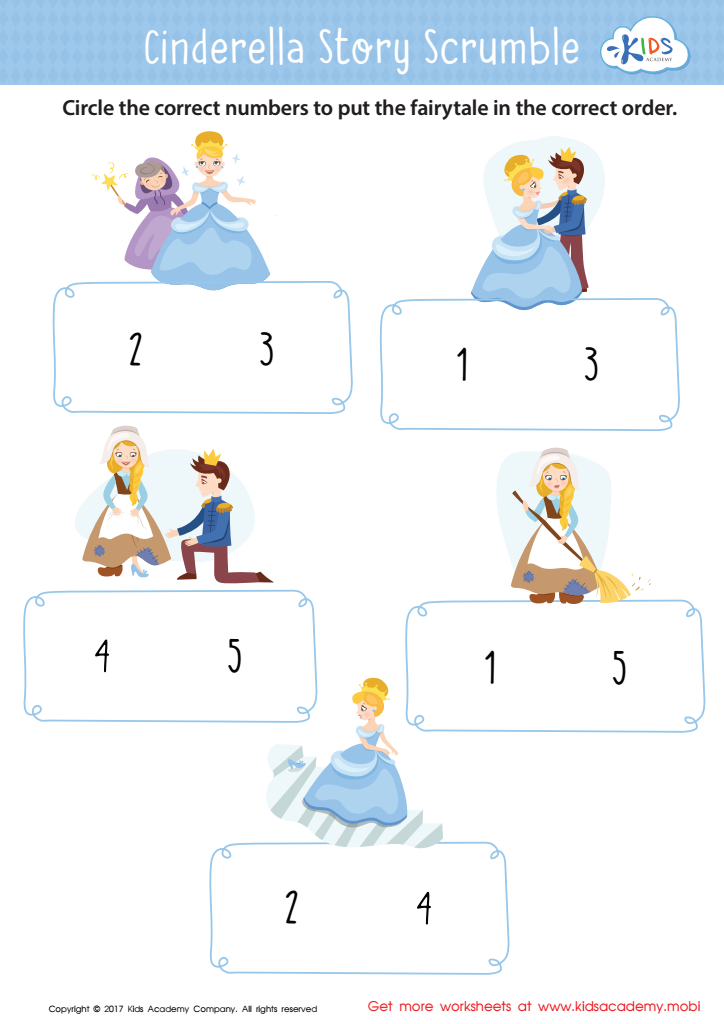
Cinderella Story Sequencing Worksheet
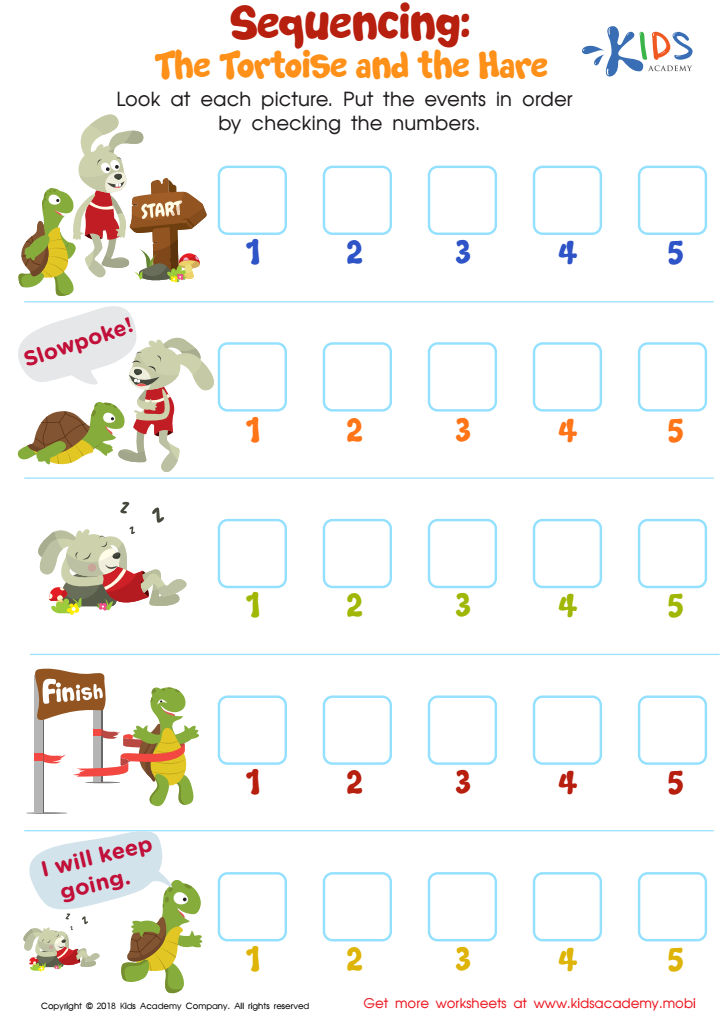
Sequencing: The Tortoise and the Hare Worksheet
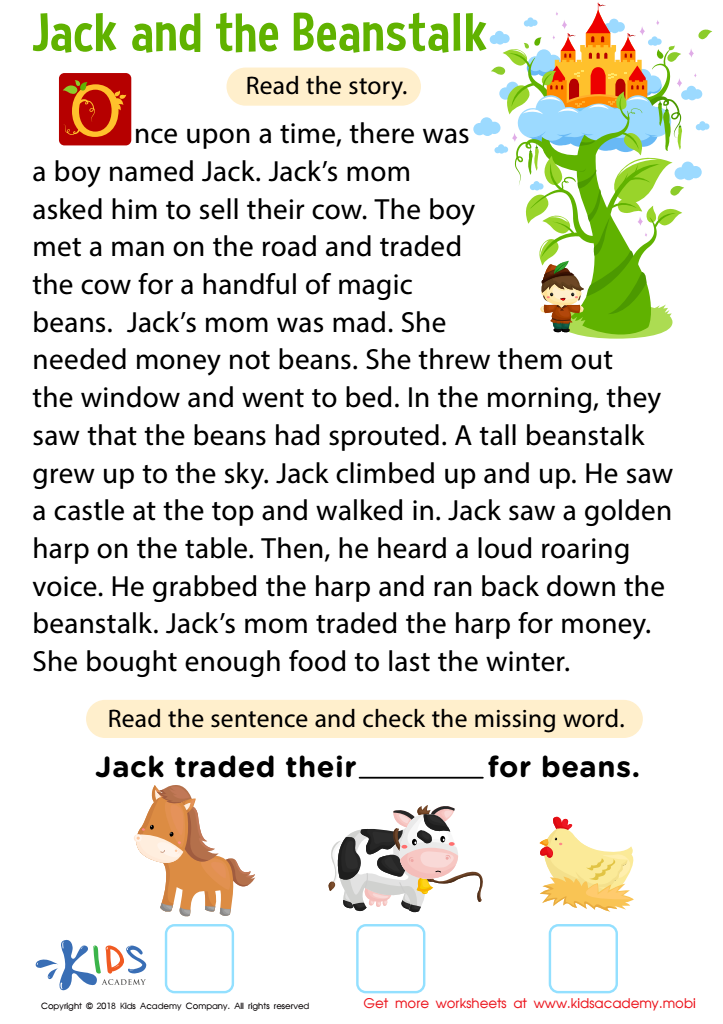
Jack and Beanstalk Worksheet
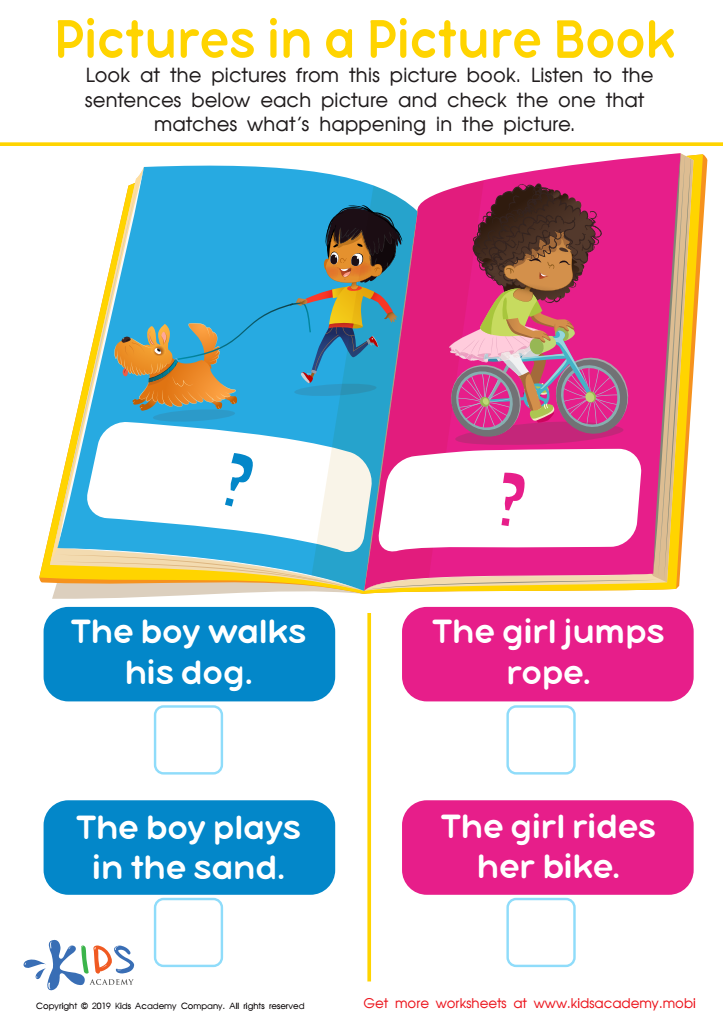
Picture in Books Worksheet
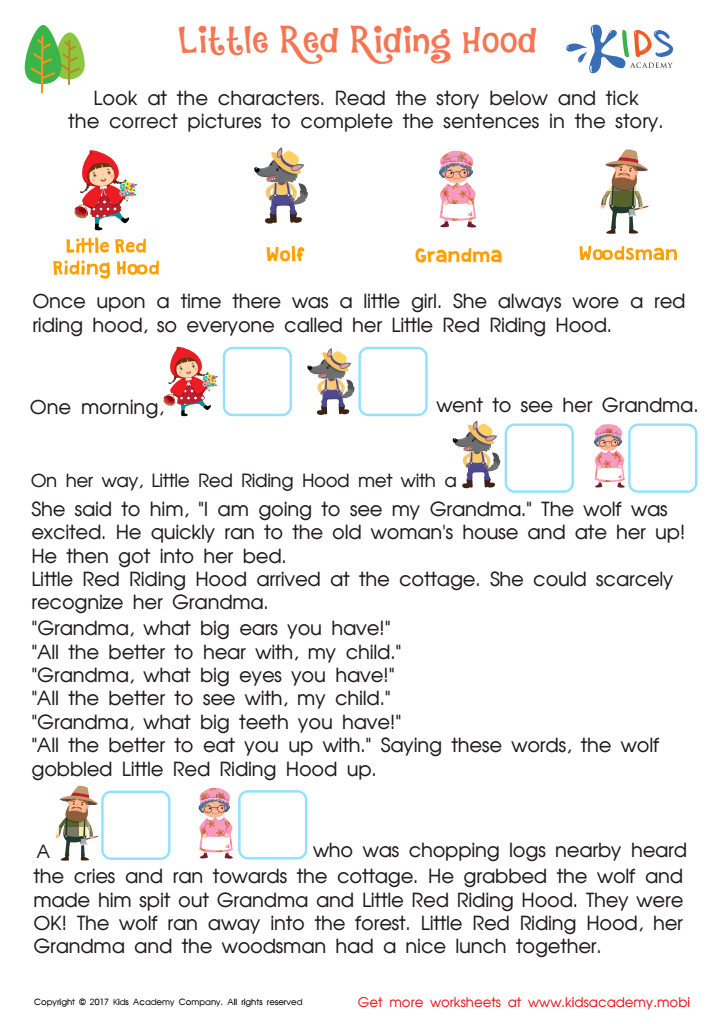
Little Red Riding Hood Printable
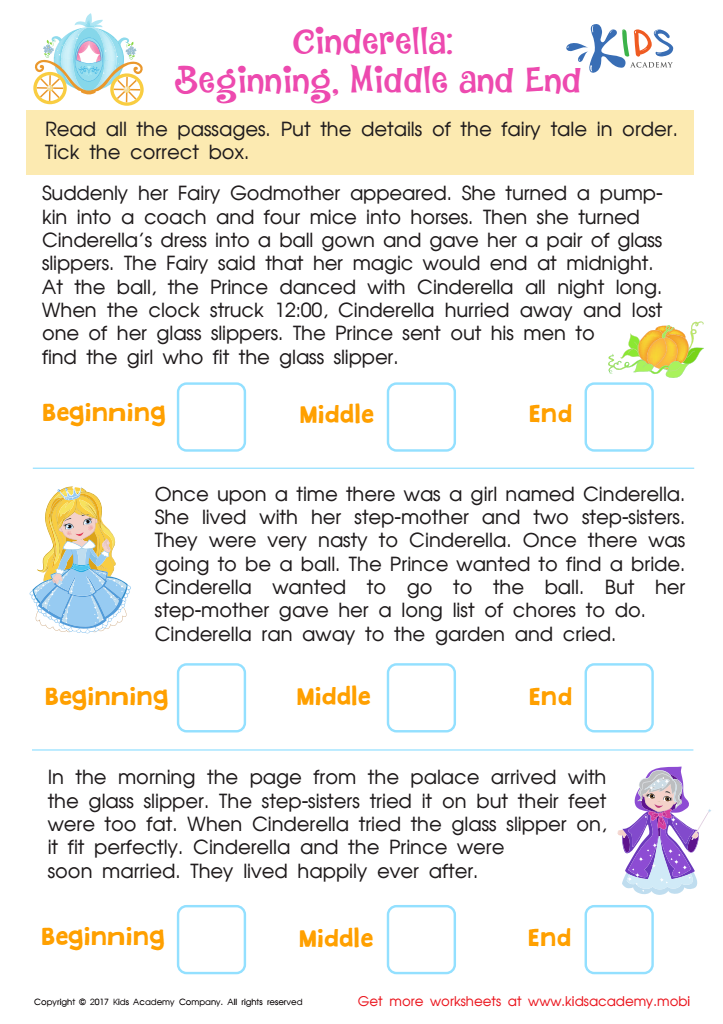
Cinderella: Beginning, Middle and End Worksheet
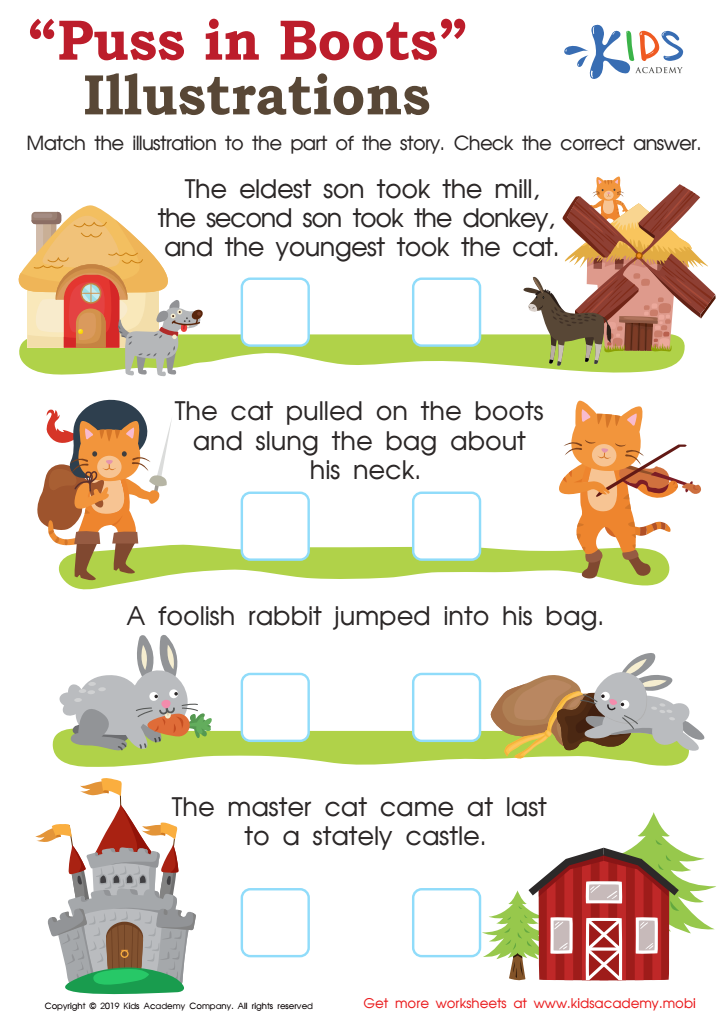
Puss in Boots Illustrations Worksheet
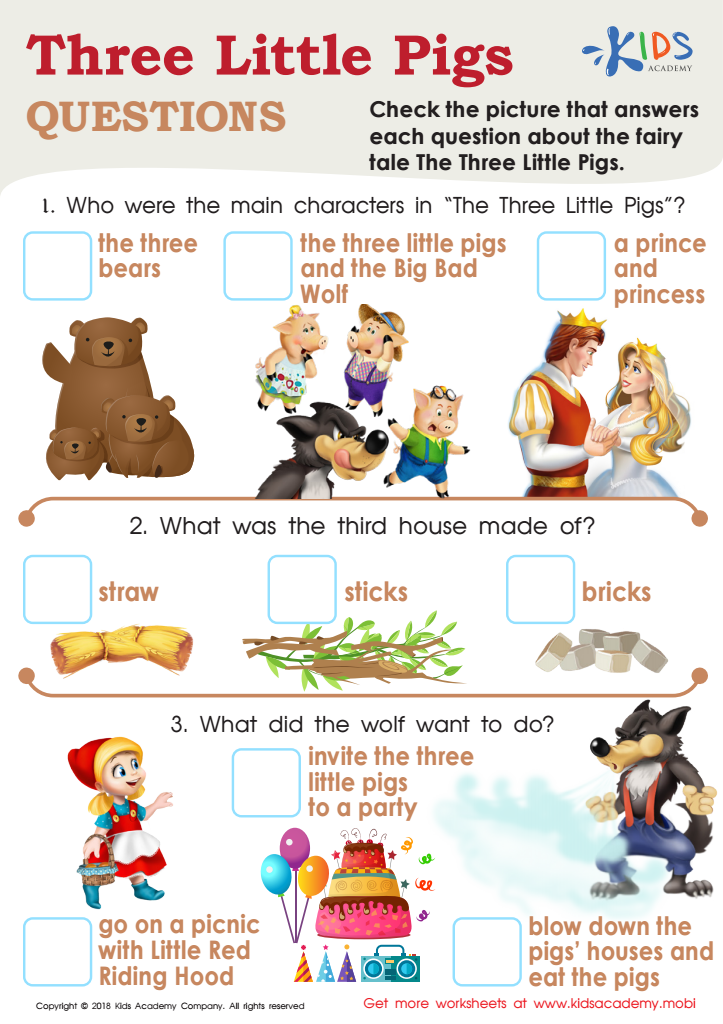
Three Little Pigs Questions Worksheet
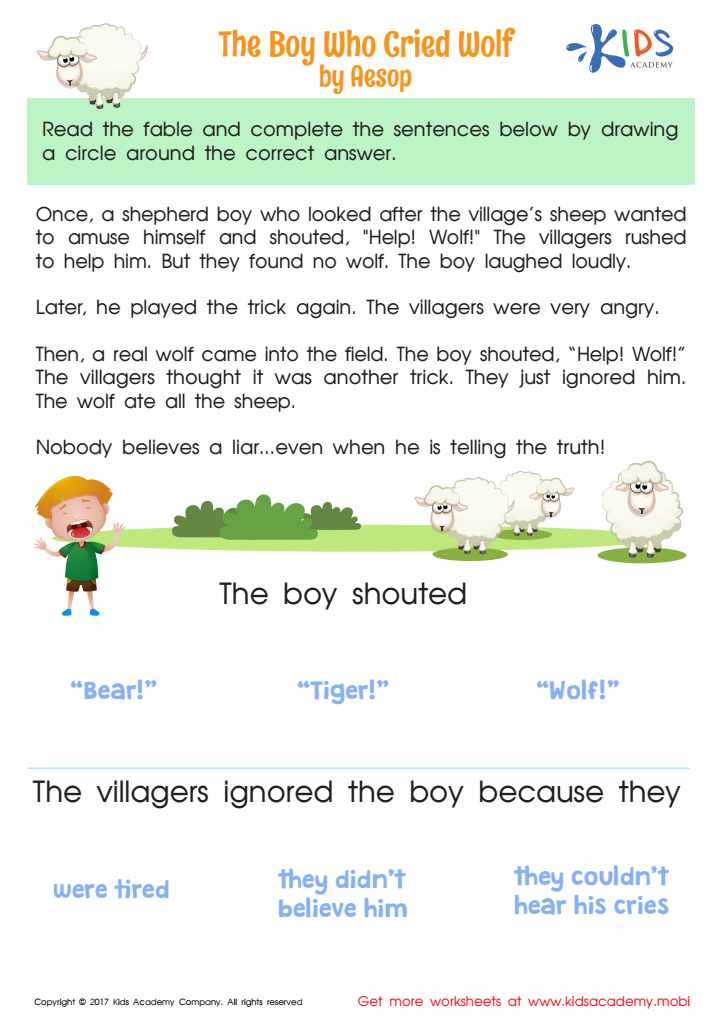
The Boy Who Cried Wolf Worksheet
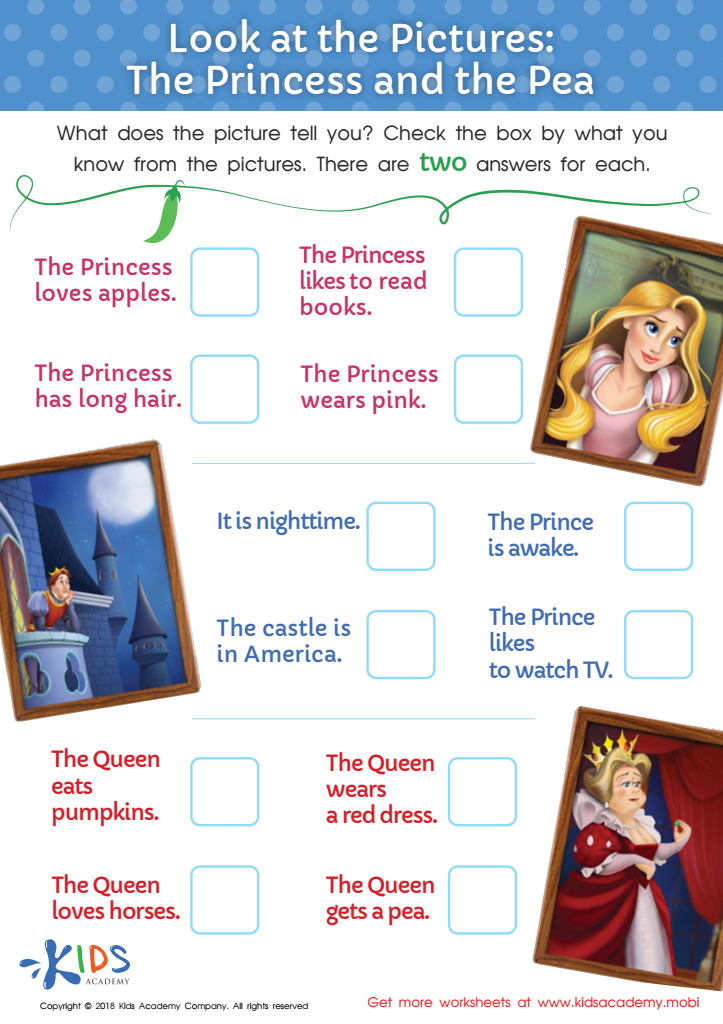
Look at the Pictures: The Princess and the Pea Worksheet
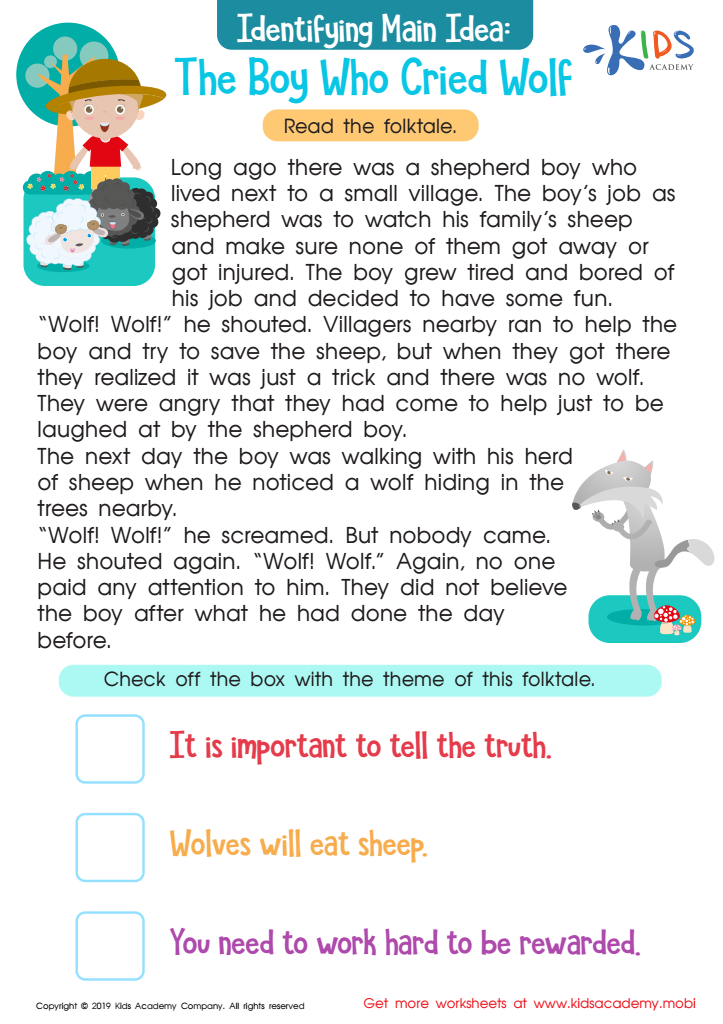
The Boy Who Cried Wolf Part 2 Worksheet
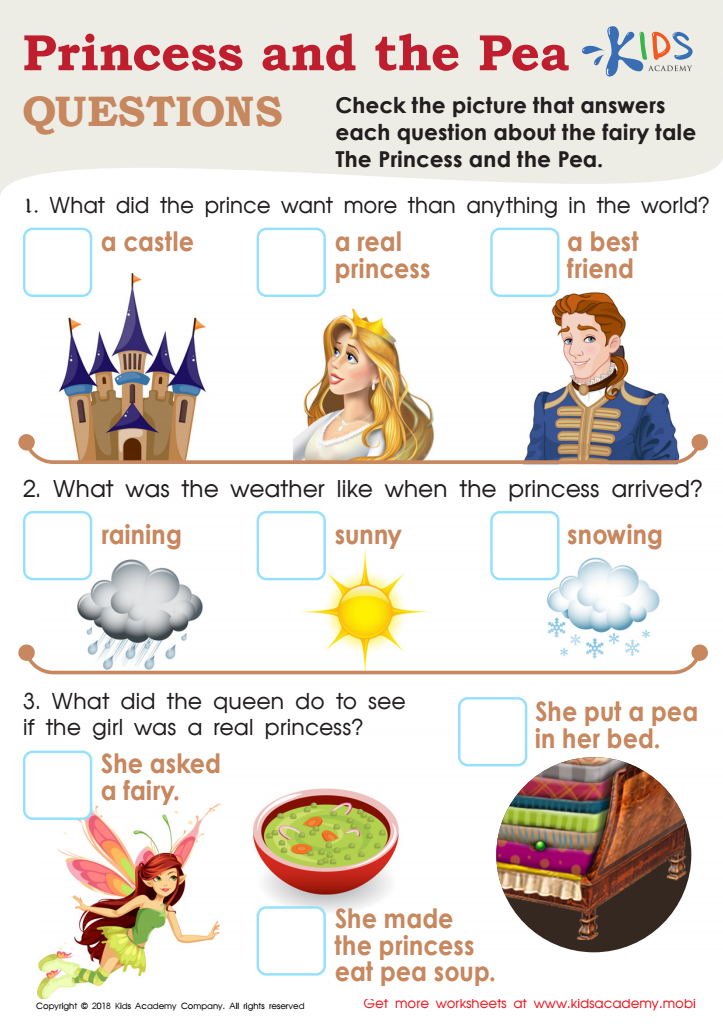
Princess and the Pea Questions Worksheet



.jpg)




Story sequencing is an essential skill in early literacy development, especially for children aged 3-9, where comprehension and narrative understanding flourish. Parents and teachers should care about this skill as it enhances a child’s cognitive abilities, enabling them to organize thoughts and events logically. When children learn to sequence stories, they're better equipped to grasp the structure of narratives, which fundamentally aids in their reading comprehension and retention of information.
Moreover, mastering story sequencing encourages creativity and expands vocabulary as children learn to express ideas and connect different parts of a tale. It also strengthens memory skills, as kids recall and arrange events coherently, laying the groundwork for critical thinking.
Practicing story sequencing nurtures chatting and storytelling skills; children express their experiences more clearly and engage more effectively in conversations. Additionally, engaging with story sequencing fosters a love for reading, as children become active participants in understanding plots, themes, and character development.
For teachers and parents, guiding children through these activities helps build confidence in their abilities and promotes a solid foundation for lifelong learning and literary appreciation. Thus, incorporating story sequencing into early learning enhances overall academic readiness and inspires joy in reading.







