Comparative analysis Normal Science Worksheets for Ages 3-9
3 filtered results
-
From - To
Introducing our Comparative Analysis Normal Science Worksheets for Ages 3-9, ideal for nurturing young minds. These expertly designed, printable activities foster key scientific skills, promoting observational and analytical abilities from an early age. Tailored for different age groups, each worksheet challenges children with an engaging variety of topics including animal classification, weather patterns, plant comparison, and more. Our resources aim to make learning interactive and fun, encouraging curiosity and a love for science. Perfect for parents, caregivers, and educators seeking to support foundational scientific learning in a structured and comprehensible manner. Explore our collection and inspire the next generation of scientists.
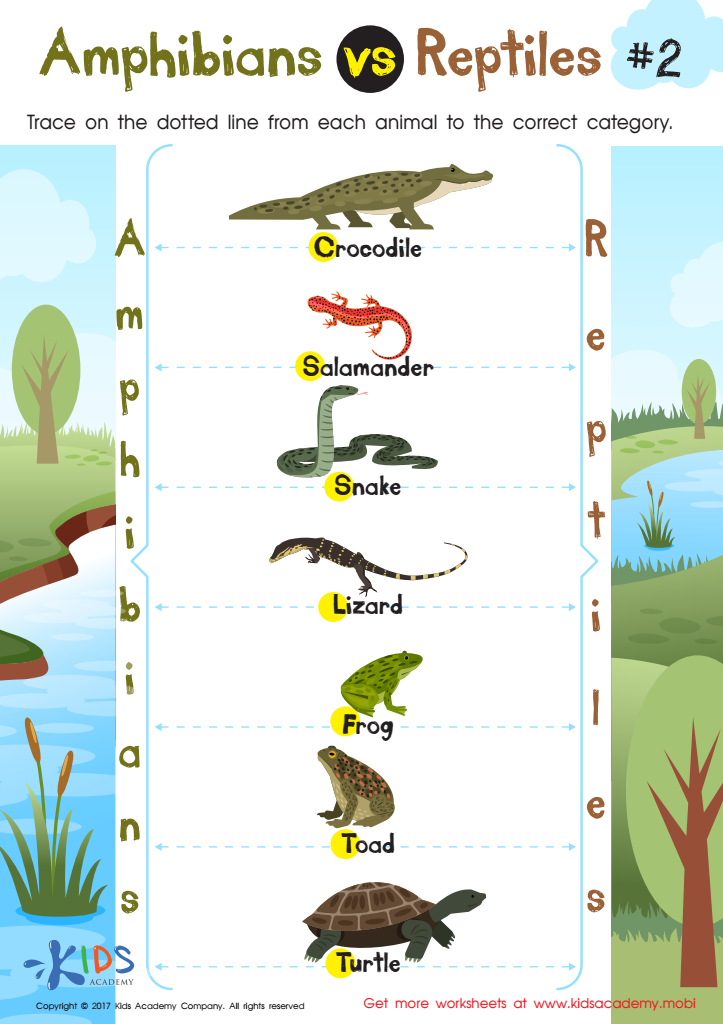
Amphibians vs Reptiles Worksheet for 3rd Grade
 Assign to My Students
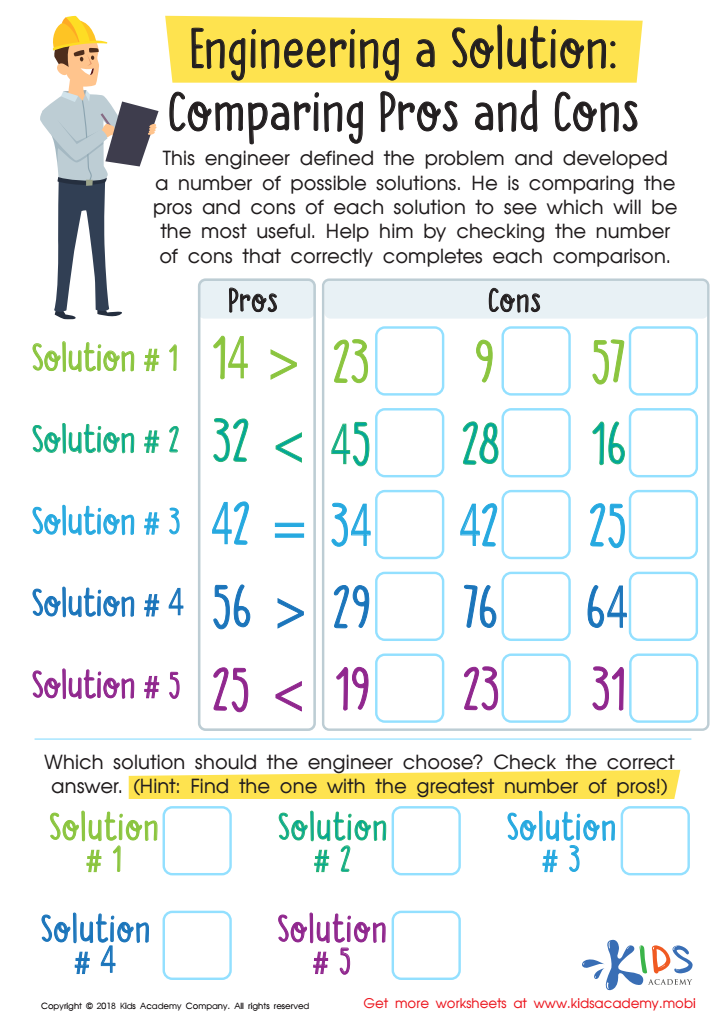
Engineering a Solution: Comparing Pros and Cons Worksheet
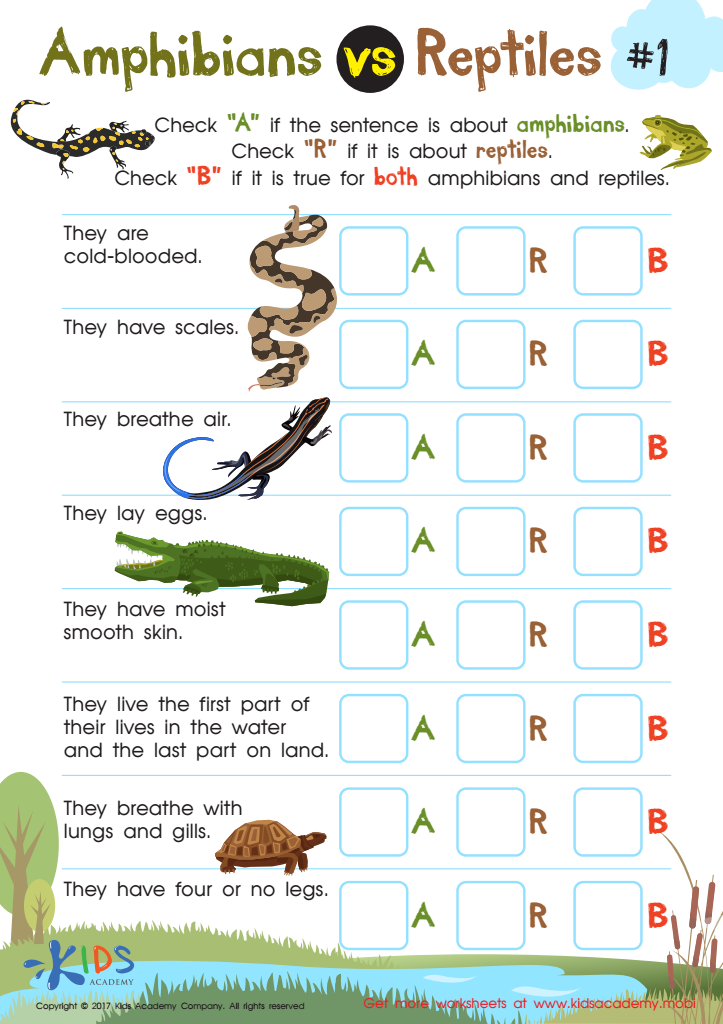
Amphibians vs Reptiles Worksheet








Understanding Comparative Analysis in Normal Science for young learners ages 3-9 is essential for fostering critical thinking and foundational skills. For parents and teachers, engaging children in comparative analysis equips them to observe, compare, and contrast everyday phenomena. During these formative years, children naturally exhibit curiosity and a proclivity to question their surroundings. By integrating concepts from comparative analysis in normal science, adults can channel this curiosity into structured learning.
This practice aids cognitive development. Children learn categorical thinking by determining how objects or events are similar or different. For instance, comparing different types of leaves or different animal behaviors instills attention to detail and enhances classification skills. Additionally, these activities align well with early childhood developmental stages, supporting the growth of observational abilities and logical reasoning.
For educators and caregivers, the ability to steer children's inherent inquisitiveness toward structured scientific understanding is invaluable. It lays the groundwork for advanced scientific concepts marinated in critical thinking and analytical prowess. Moreover, implementing these educational practices nurtures an early appreciation for science which could ignite lifelong interest. Therefore, promoting comparative analysis in normal science from an early age bridges the gap between playful curiosity and formal education, empowering children with tools to better understand the world around them.







