Learning about ecosystems Normal Science Worksheets for Ages 3-9
3 filtered results
-
From - To
Discover the wonders of ecosystems with our engaging "Learning about Ecosystems Normal Science Worksheets" designed for ages 3 to 9. These thoughtfully curated worksheets introduce young learners to the intricate relationships between plants, animals, and their habitats. With fun, age-appropriate activities, children will identify various ecosystems, explore the food chain, and understand the importance of biodiversity. Our resources promote critical thinking, creativity, and a love for science while aligning with educational standards. Perfect for both classroom and homeschool settings, these worksheets encourage hands-on learning and ignite curiosity about the environment. Join us in nurturing the next generation of eco-conscious explorers!
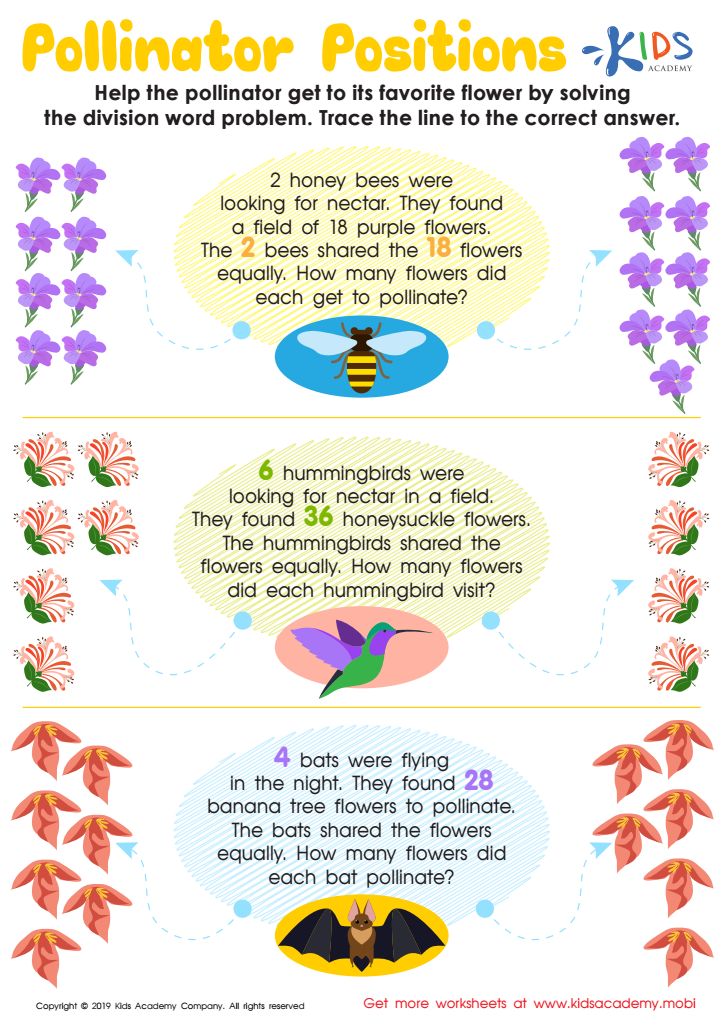
Pollinator Positions Worksheet
 Assign to My Students
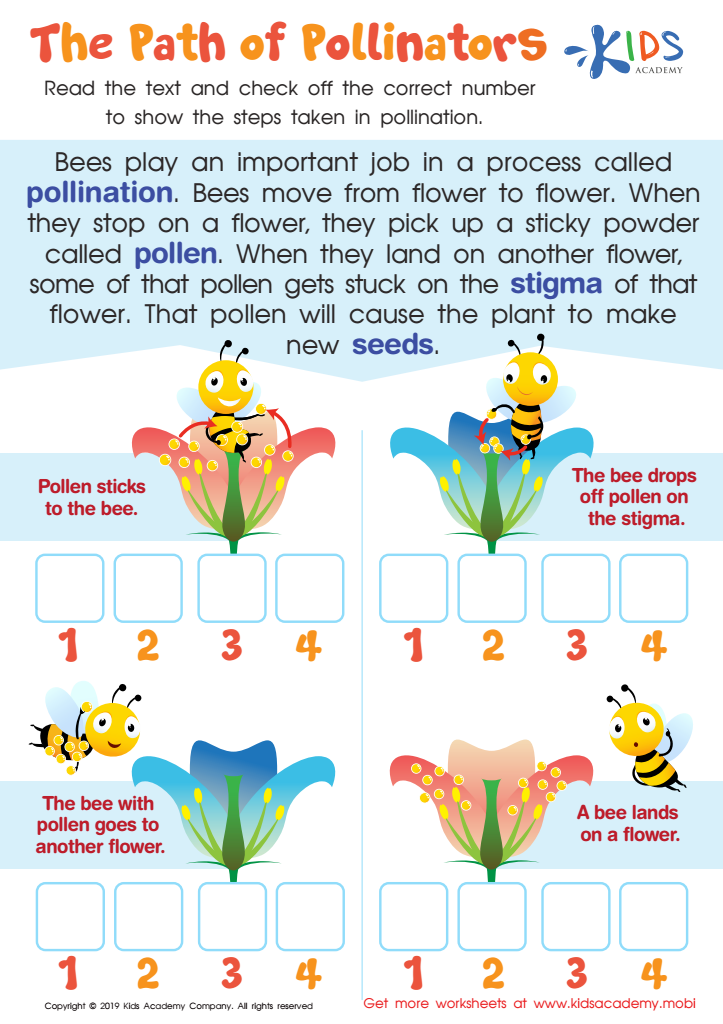
The Path of Pollinators Worksheet
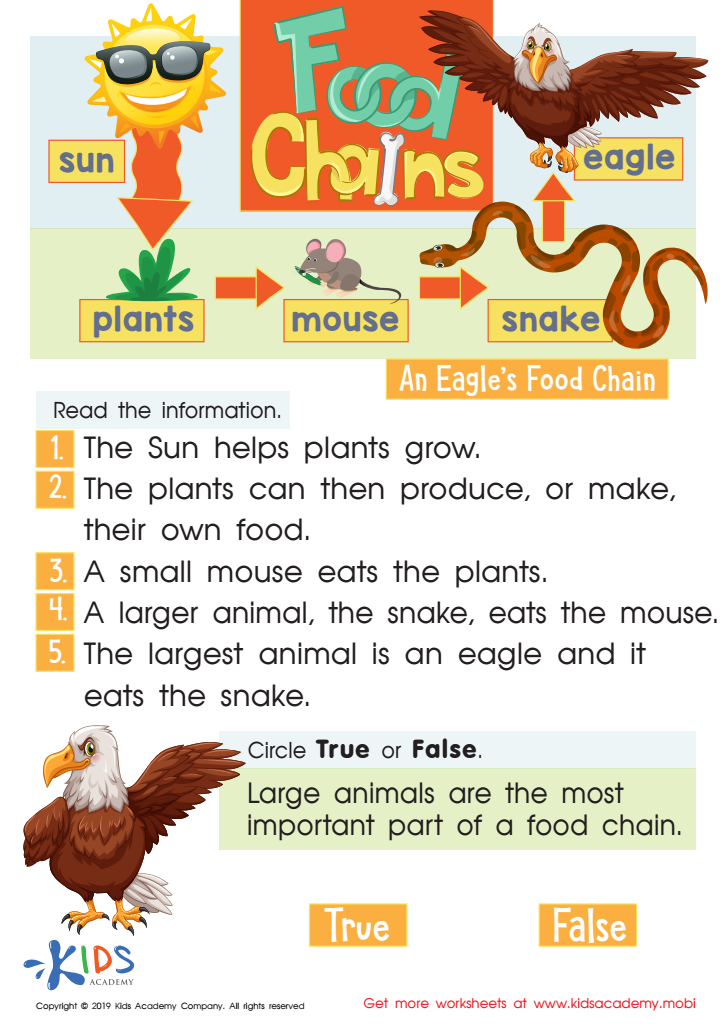
Food Chains Worksheet






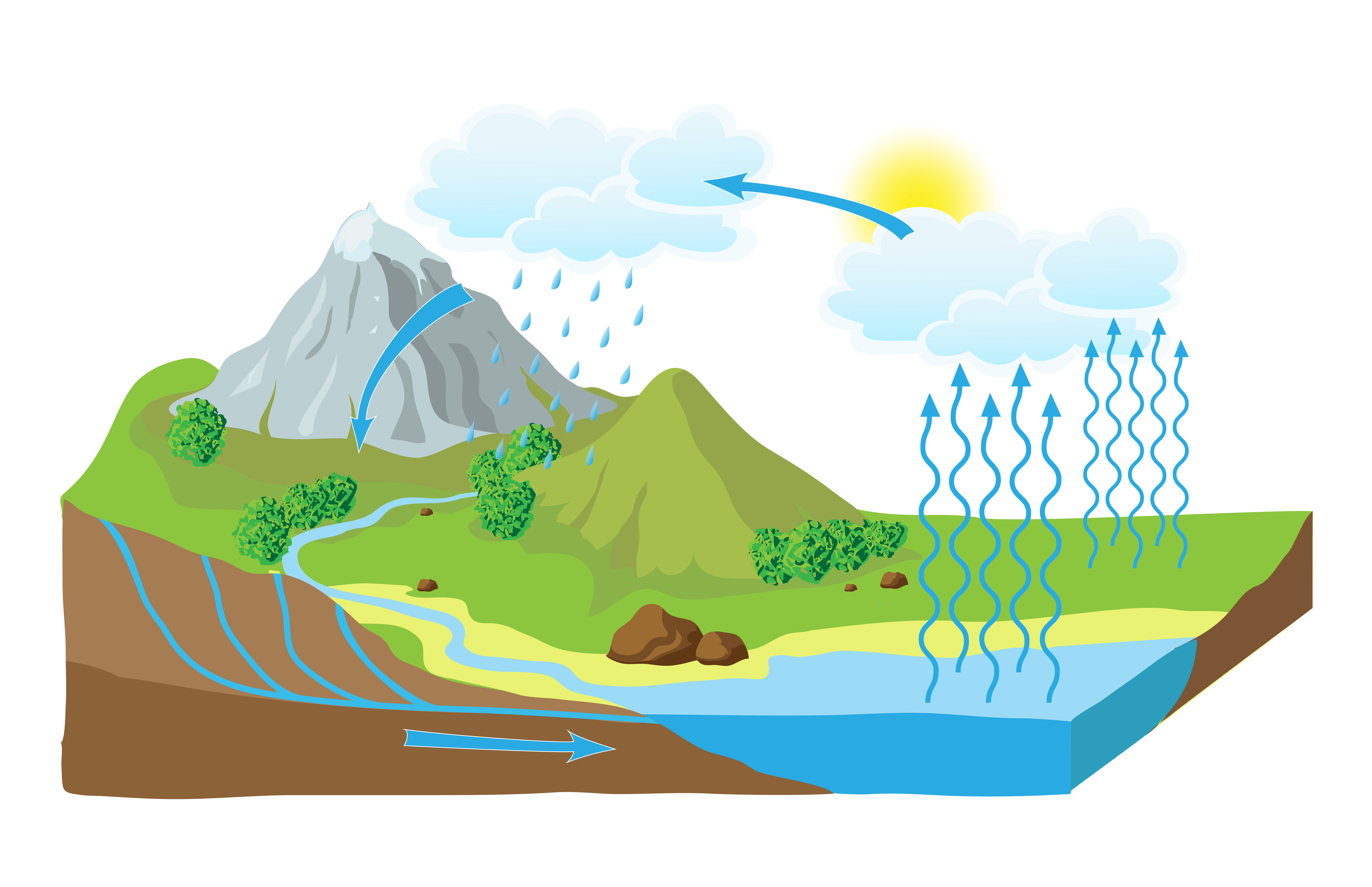
Understanding ecosystems is vital for children aged 3-9, as it lays the foundation for environmental awareness and scientific literacy. Parents and teachers should prioritize learning about ecosystems, as it nurtures curiosity and a sense of responsibility toward nature. At this stage, children are naturally inquisitive, asking "why" and "what" questions. Introducing them to ecosystems allows them to explore the interconnectedness of plants, animals, and their environments, fostering a deeper understanding of the world around them.
Engaging with ecosystems also promotes critical thinking and observation skills. Children learn to notice patterns, recognize relationships, and understand the impact of their actions on living things. Early exposure to nature-themed lessons can spark lifelong interests in science and conservation.
Additionally, learning about ecosystems encourages empathy as children start to recognize that all living organisms play a role in their habitats. This appreciation for nature can motivate them to care for their environment, promoting sustainable practices from an early age. Overall, by emphasizing the importance of ecosystems, parents and teachers not only contribute to children's cognitive development but also help them become informed, conscientious individuals who value and protect the Earth.







