Reading practice Normal Science Worksheets for Ages 3-9
4 filtered results
-
From - To
Enhance your child's reading skills with our engaging Normal Science Worksheets designed for ages 3-9. These fun, printable worksheets combine science concepts with reading practice, fostering early literacy while sparking curiosity about the world around them. Each activity is tailored to encourage comprehension and vocabulary development, making learning enjoyable and interactive. From identifying basic scientific terms to exploring fascinating natural phenomena, our worksheets provide a well-rounded approach to education. Ideal for classrooms or home learning, these resources support children in building a strong foundation in reading and science simultaneously. Start your child's learning journey today with our exciting reading practice worksheets!
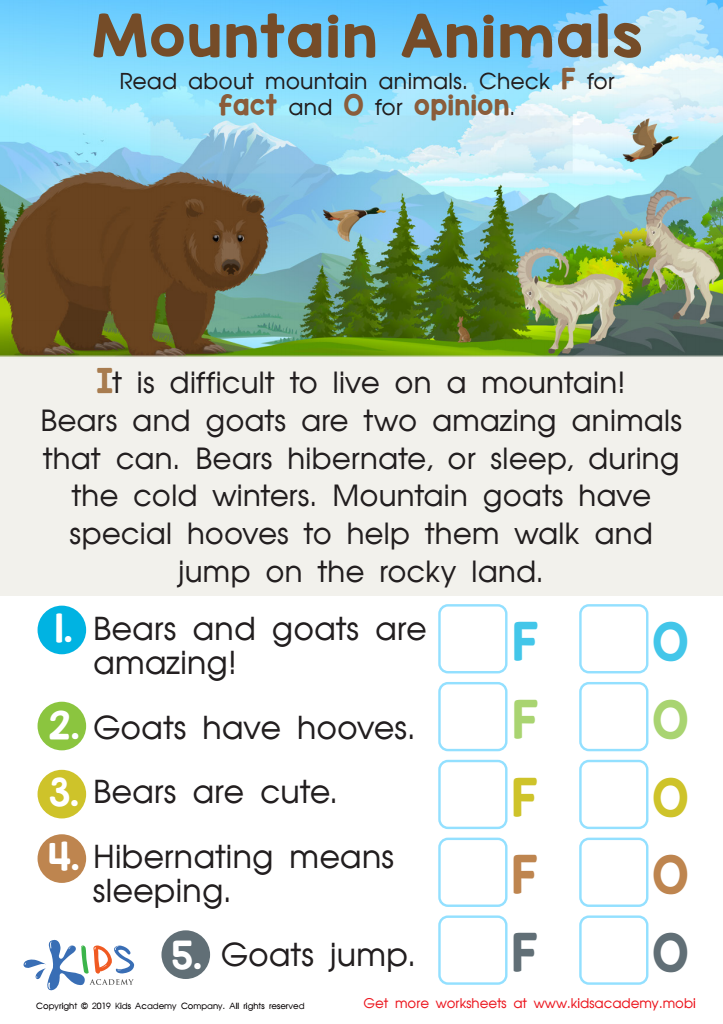
Mountain Animals Worksheet
 Assign to My Students
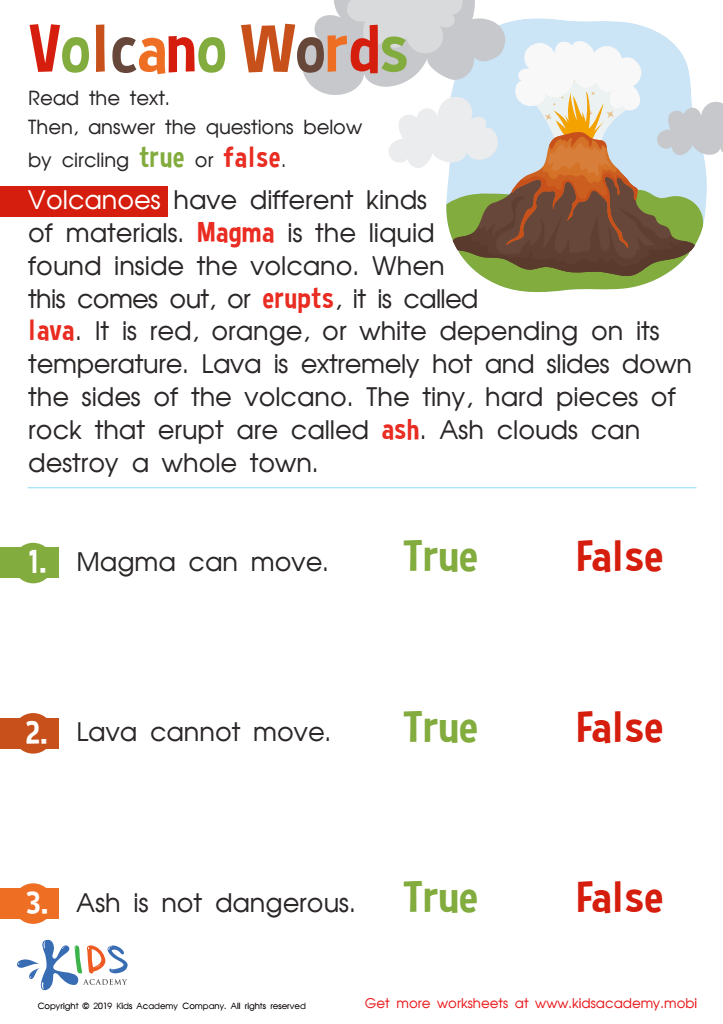
Volcano Words Worksheet
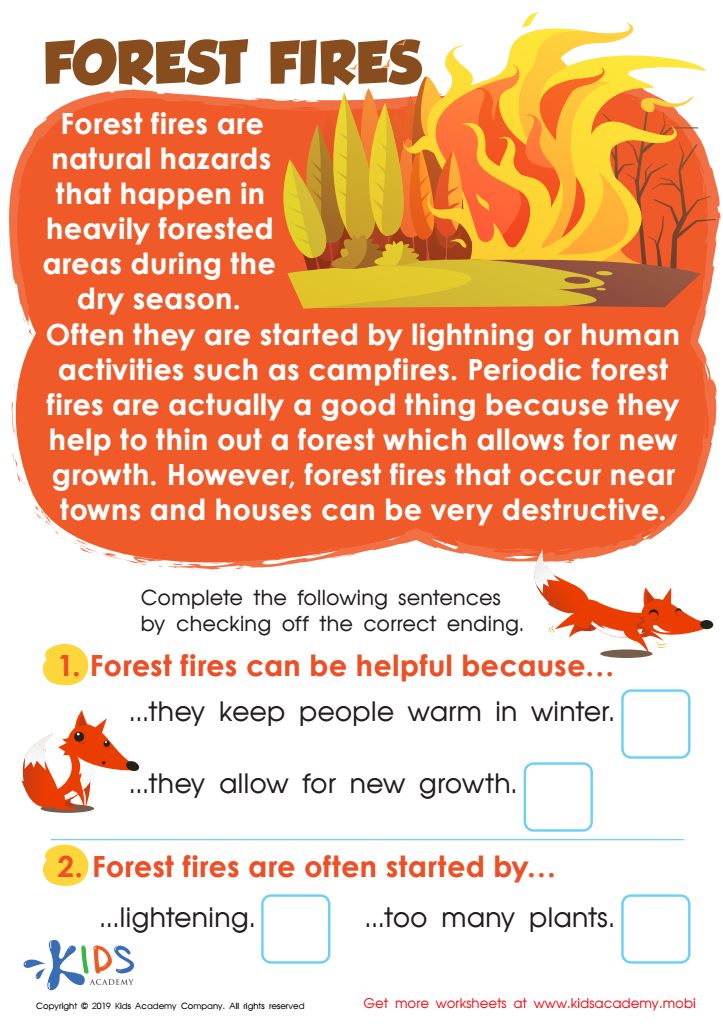
Forest Fires Worksheet
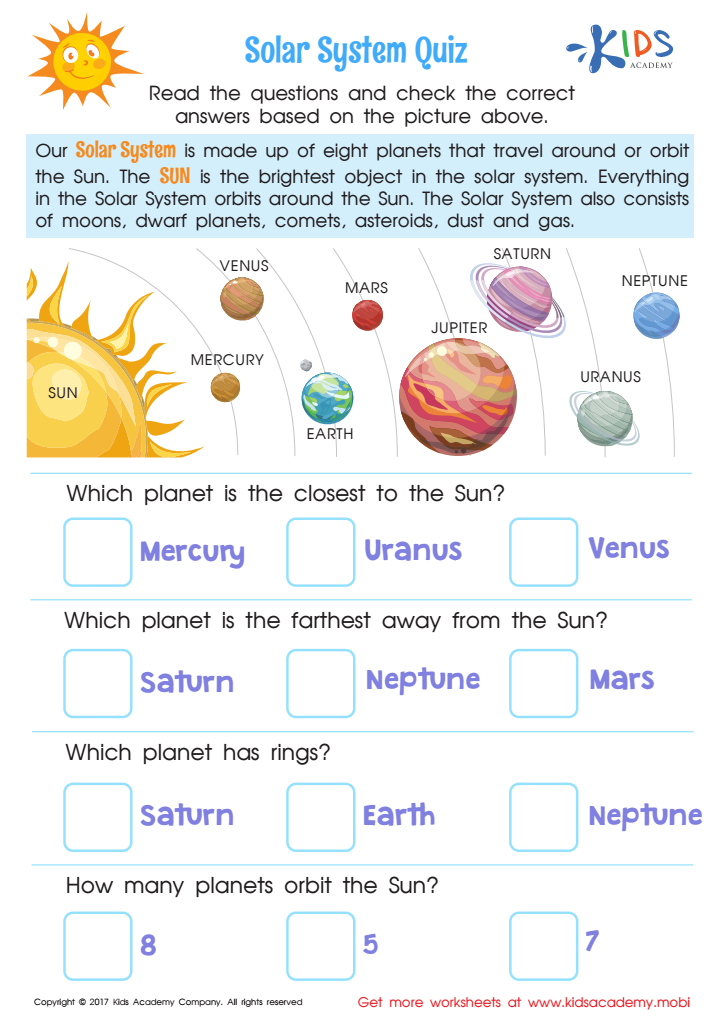
Solar System Quiz Printable





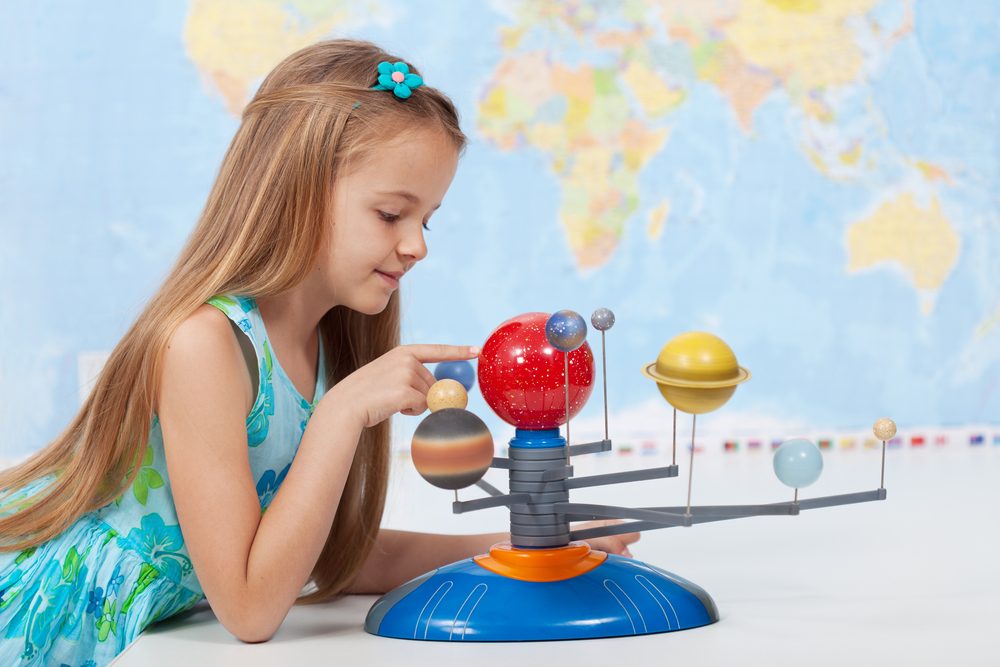

Parents and teachers should prioritize reading practice rooted in normal science for children aged 3-9 because it builds a foundational understanding of the natural world, encourages critical thinking, and fosters a love for learning. During these formative years, children are naturally curious and eager to explore their surroundings. Introducing age-appropriate scientific concepts through reading can enhance their vocabulary and comprehension skills while engaging them in hands-on exploration.
Moreover, science reading promotes literacy by intertwining scientific themes with storytelling. This approach not only ignites interest in science but also reinforces essential reading skills, including phonetics, fluency, and comprehension. Children learn to ask questions, seek evidence, and understand cause-and-effect relationships through narratives that highlight scientific principles, nurturing their innate curiosity.
Additionally, early exposure to science-related texts can inspire future inquiry and innovation. By encouraging reading in this area, parents and teachers equip young learners with the skills to interpret their environment thoughtfully, guiding them to become informed, responsible citizens who can navigate complex issues.
In summary, integrating normal science into reading practice supports children's cognitive development, enhances language skills, and cultivates a nurturing curiosity that benefits them throughout their educational journey and beyond.







