Vocabulary enhancement Normal Science Worksheets for Ages 3-9 - Page 2
41 filtered results
-
From - To
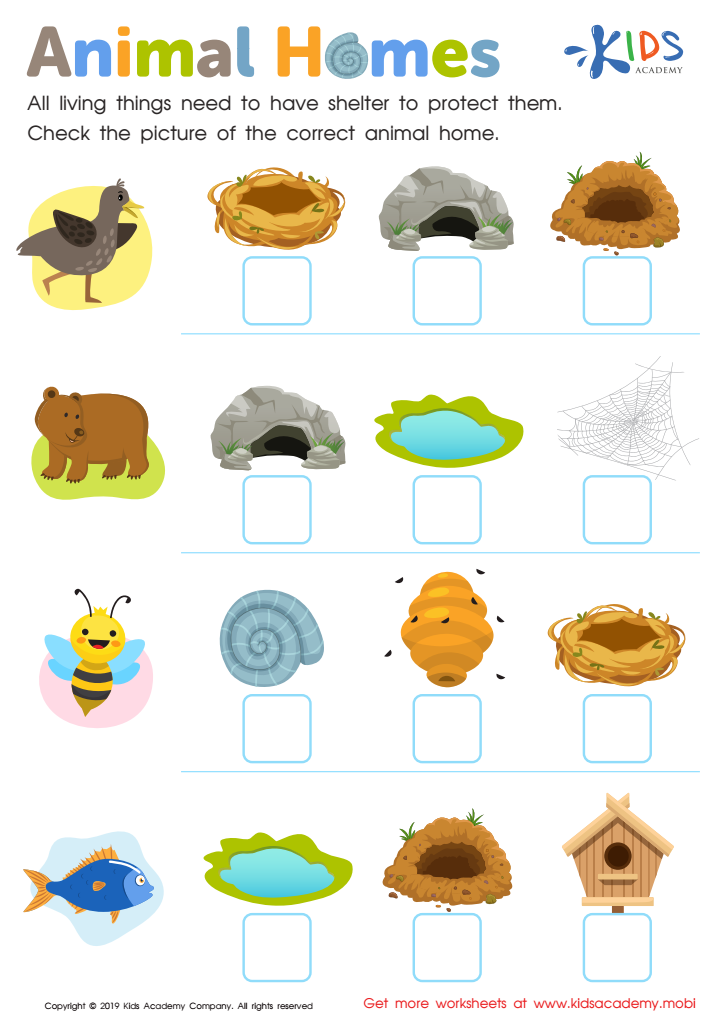
Animal Homes Worksheet
 Assign to My Students
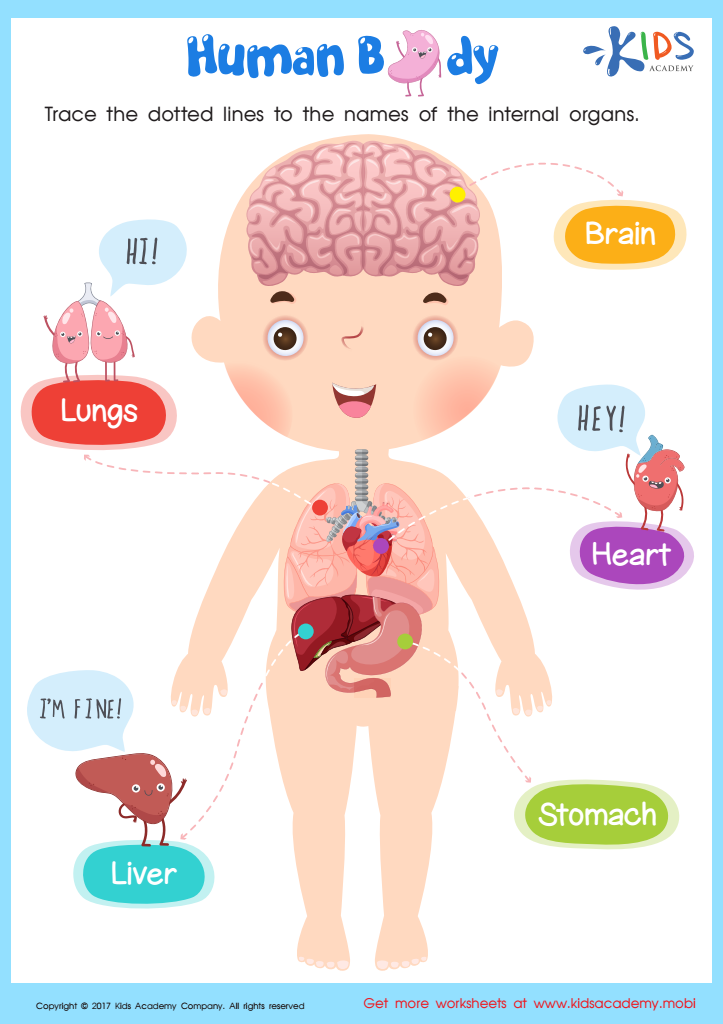
Human Body Worksheet
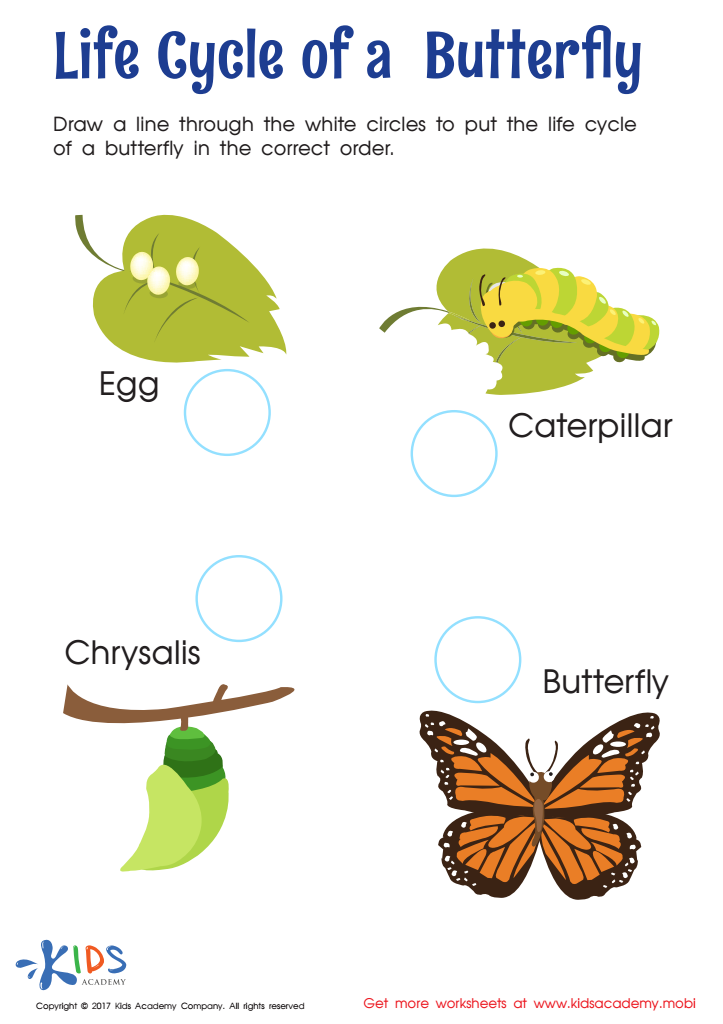
Life Cycle of Butterfly Worksheet
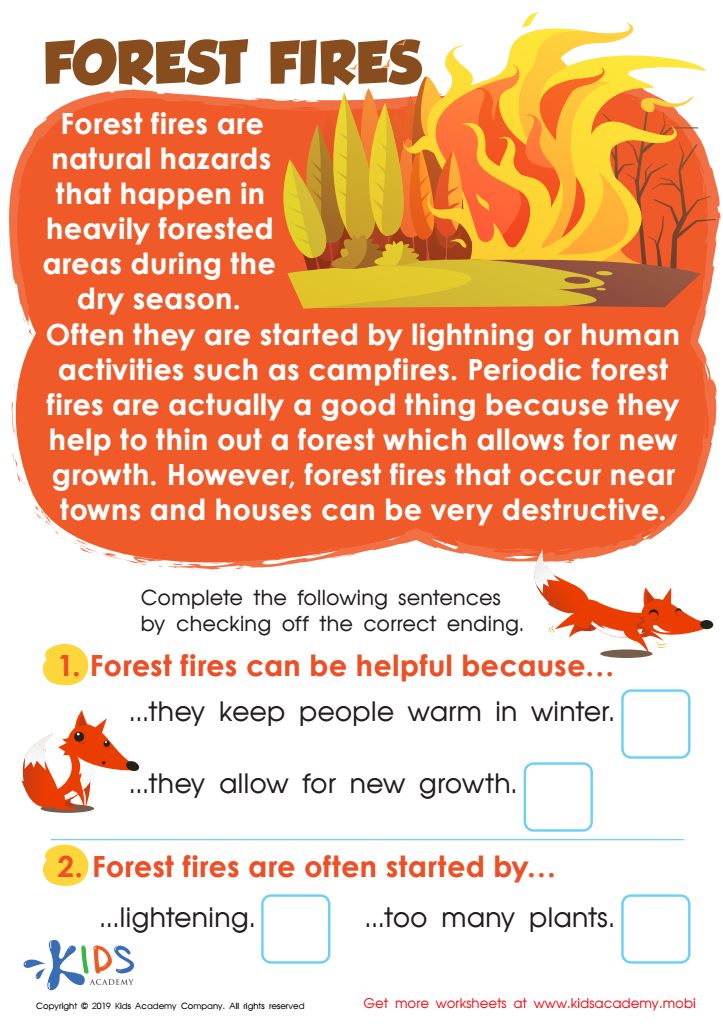
Forest Fires Worksheet
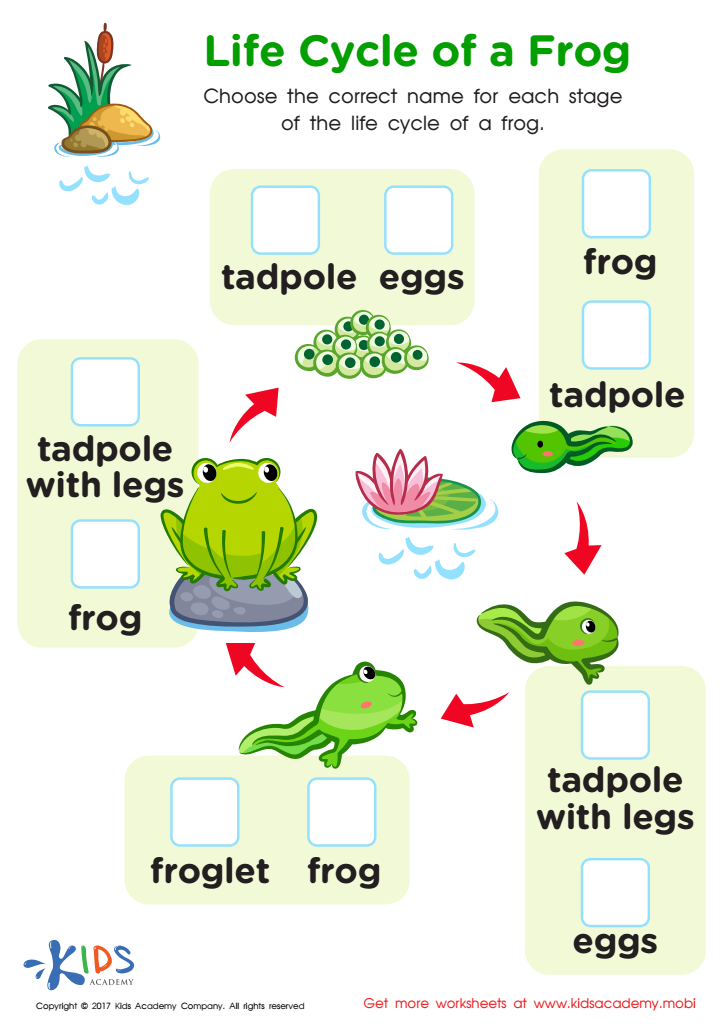
Life Cycle Frog Printable
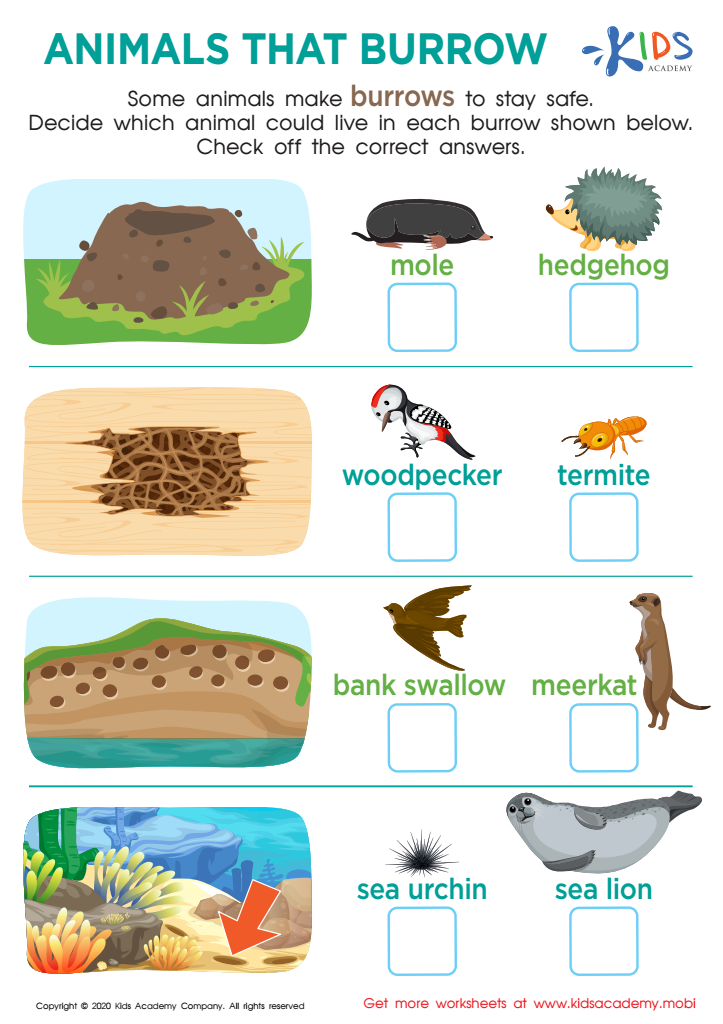
Animals That Burrow Worksheet
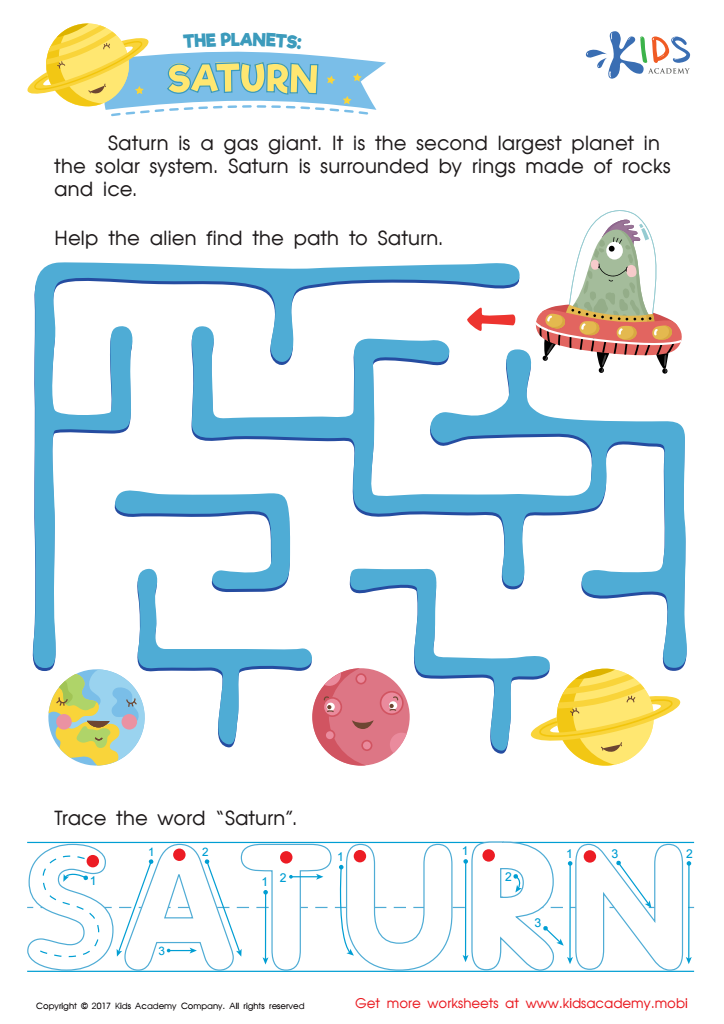
The Planets: Saturn Printable
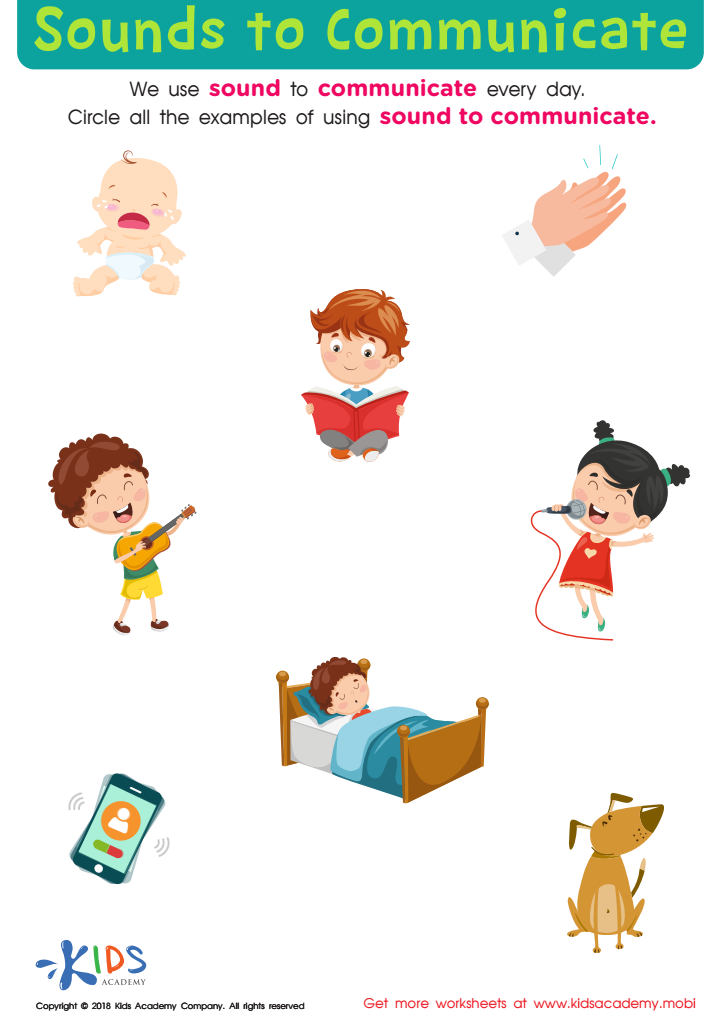
Sounds to Communicate Worksheet
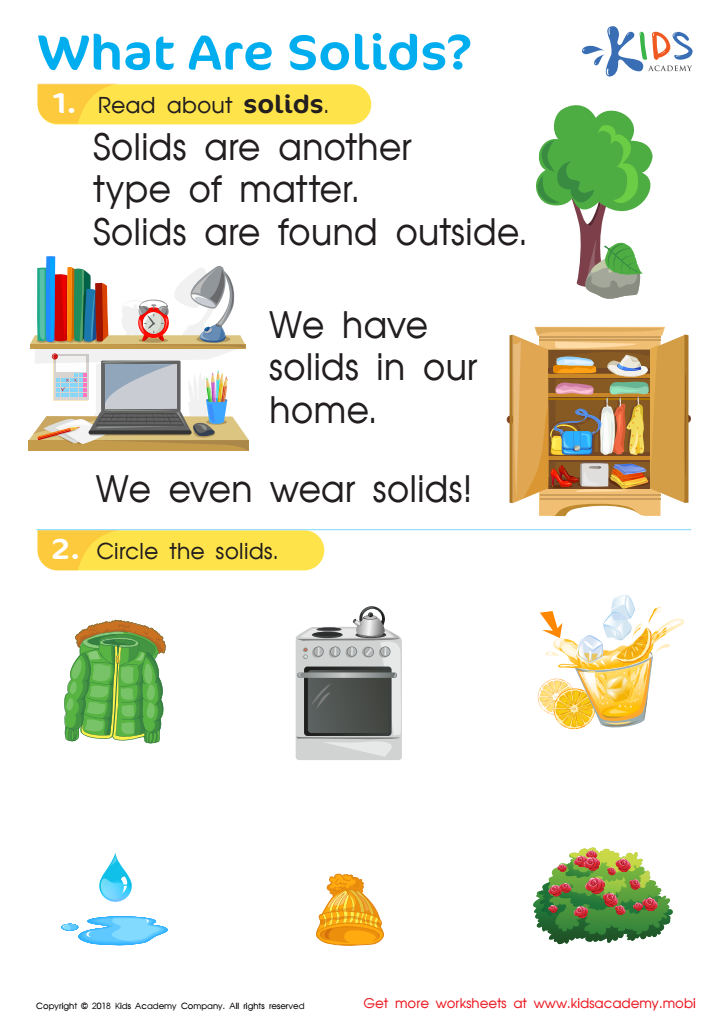
What Are Solids? Worksheet
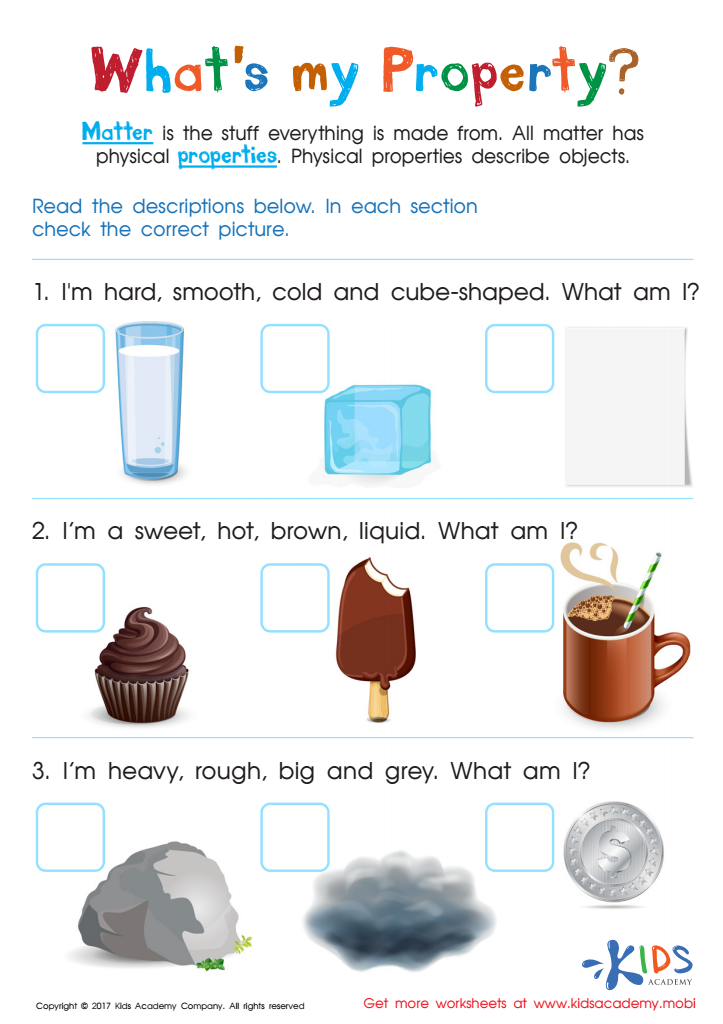
Physical Properties Of Matter Worksheet
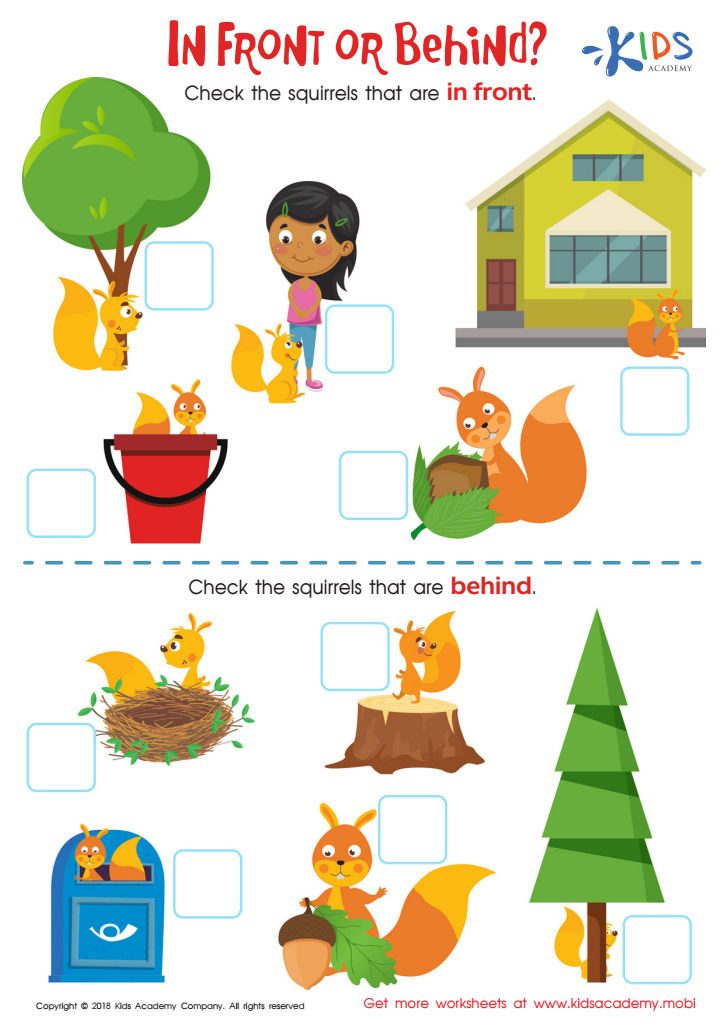
In Front or Behind: Part 2 Worksheet
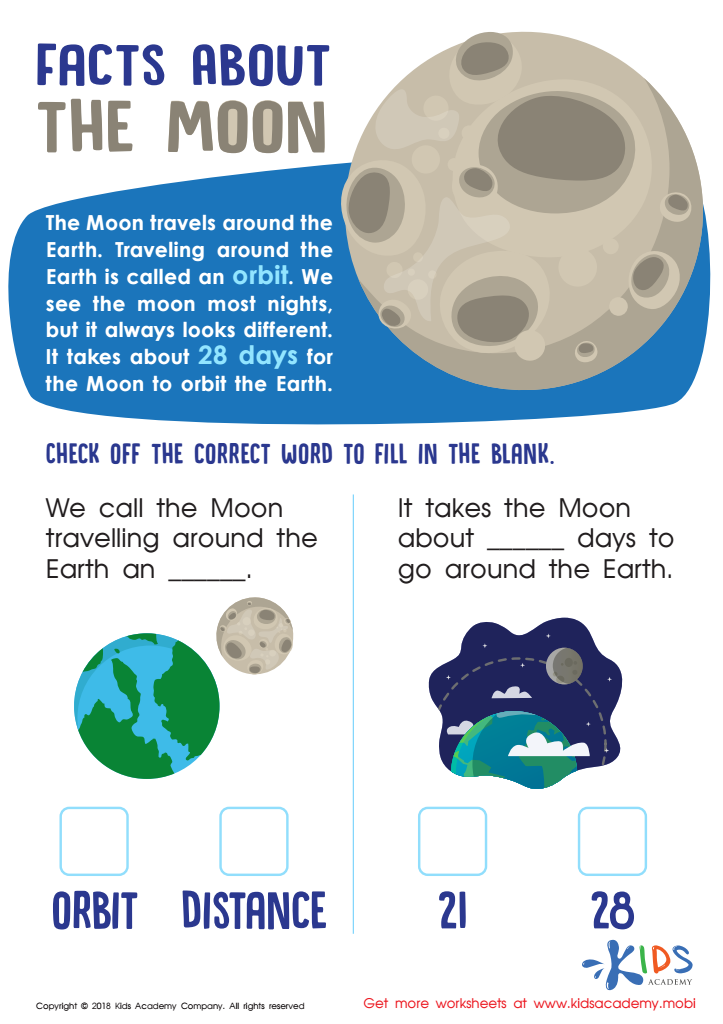
Facts About the Moon Worksheet
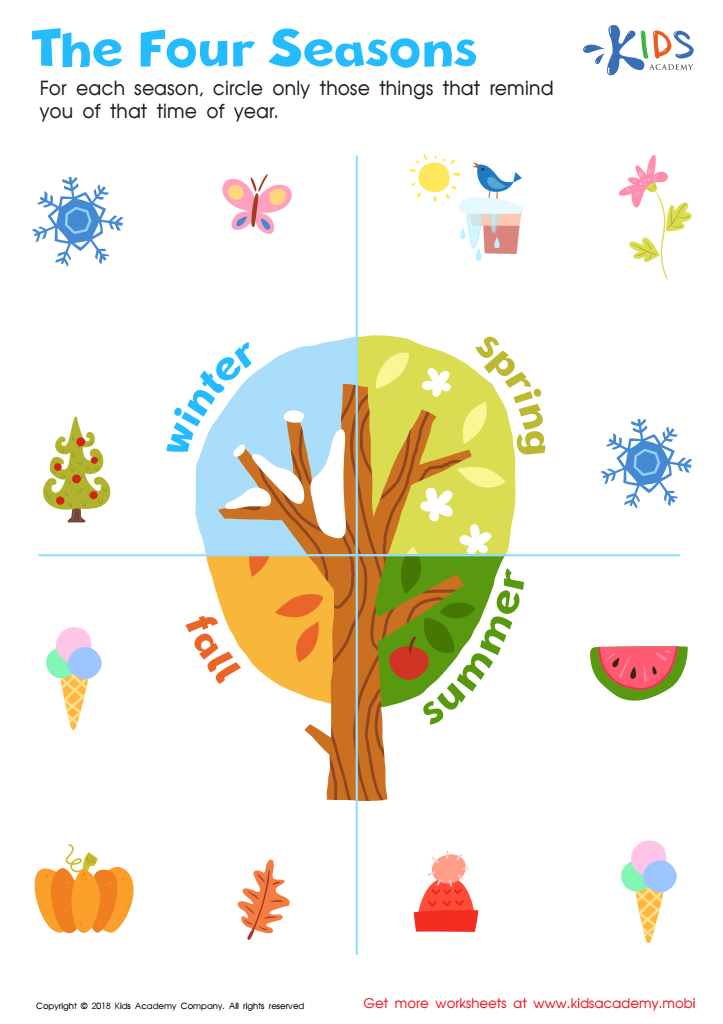
The Four Seasons Worksheet
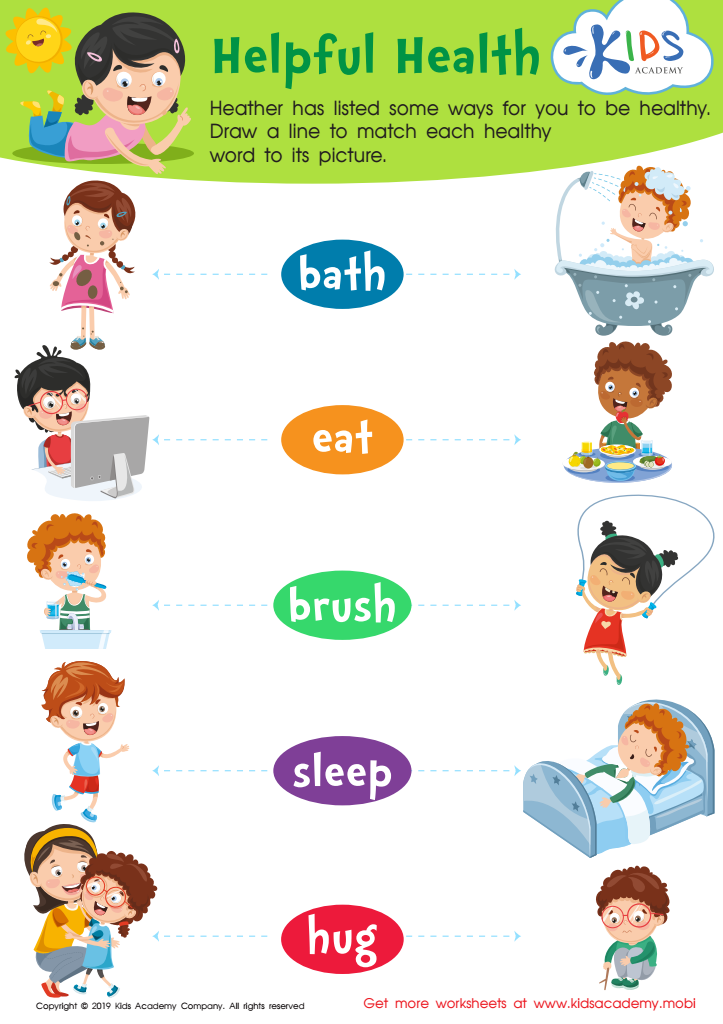
Helpful Health Worksheet
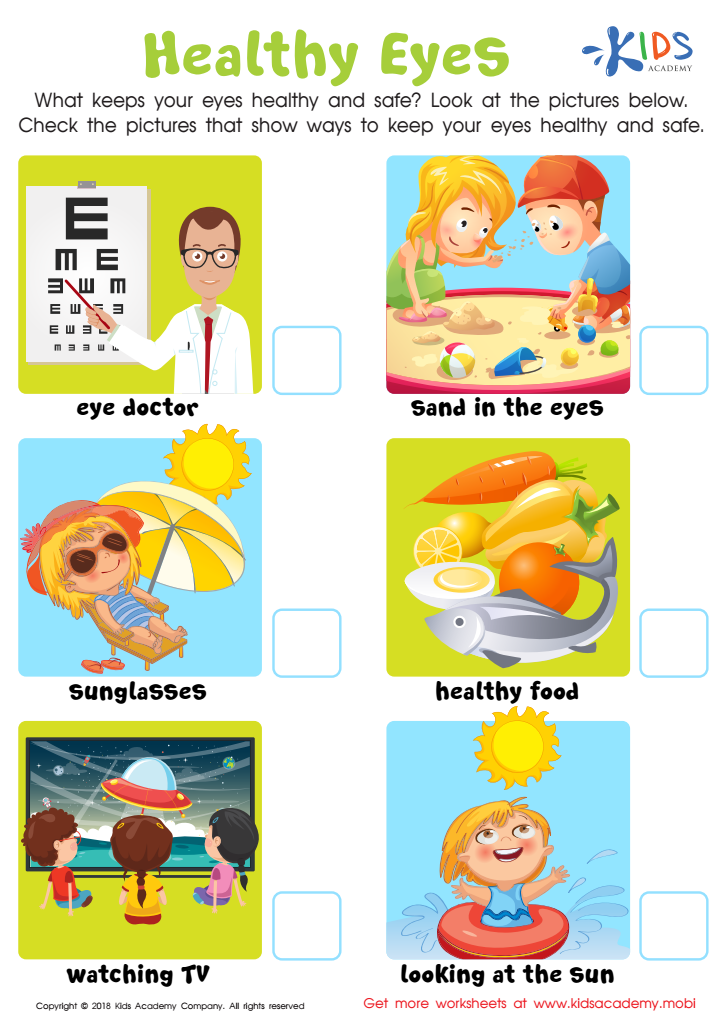
Healthy Eyes Worksheet






Vocabulary enhancement during early childhood (ages 3-9) is fundamental to a child's overall development, and it's essential for parents and teachers to prioritize this aspect of education. At this age, children's brains are particularly receptive to learning new words and concepts, making it an ideal period to build a robust vocabulary. A rich vocabulary provides a strong foundation for reading comprehension, critical thinking, and effective communication.
In the context of normal science, an enhanced vocabulary helps young children to better understand and engage with scientific concepts. Being familiar with terms related to the natural world, basic principles of physics, chemistry, and biology equips them to ask insightful questions and describe observations accurately. This foundational knowledge fosters curiosity and encourages a love of learning that can last a lifetime.
Moreover, having a rich vocabulary helps children to express their ideas more clearly and effectively, which is crucial for social interactions and academic success. It promotes confidence and participation in classroom discussions, enabling a deeper understanding of various subjects.
In summary, vocabulary enhancement during early childhood is not just about learning new words; it's about laying the groundwork for literacy, intellectual curiosity, and lifelong learning. Parents and teachers play a vital role in nurturing this growth, ultimately contributing to the child's future academic achievements and personal development.







