Critical Thinking Normal History Worksheets for Ages 3-9
15 filtered results
-
From - To
Enhance your child's critical thinking skills with our engaging Critical Thinking Normal History Worksheets, designed for ages 3-9. These worksheets foster curiosity and analytical skills through fun activities that explore historical concepts and events. Each worksheet is thoughtfully crafted to inspire young learners to ask questions, make connections, and develop a deeper understanding of the past. Perfect for home or classroom use, our printables encourage independent thinking while making history enjoyable. Equip your child with essential cognitive skills in a creative way—download these worksheets today to inspire a lifelong love for learning and discovery in history!
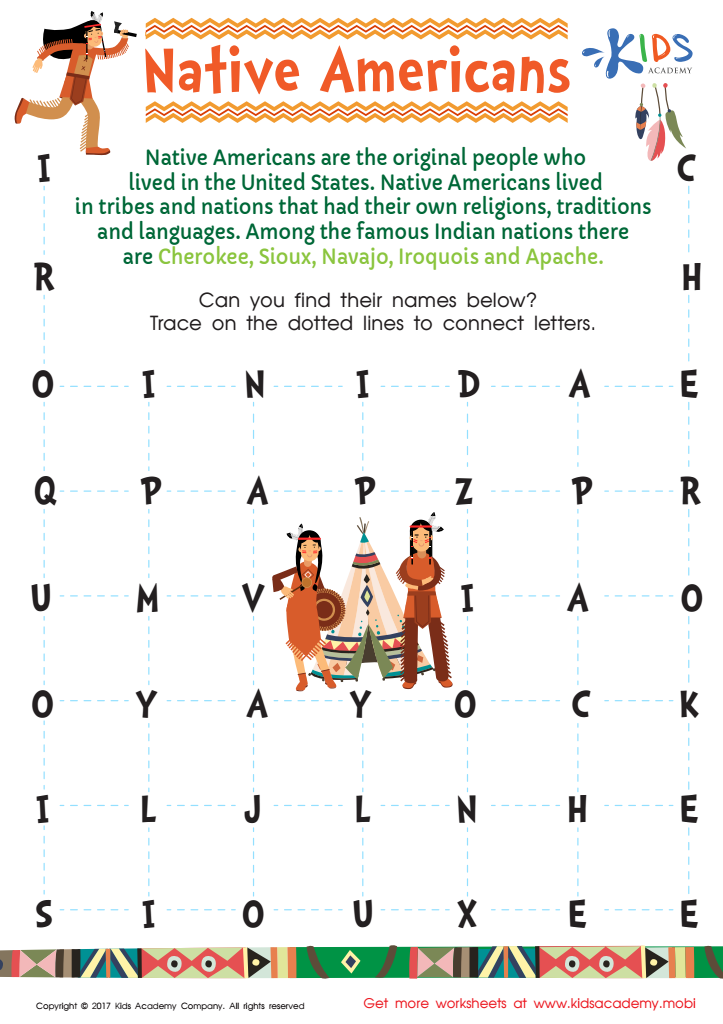
Native American Word Search Printable
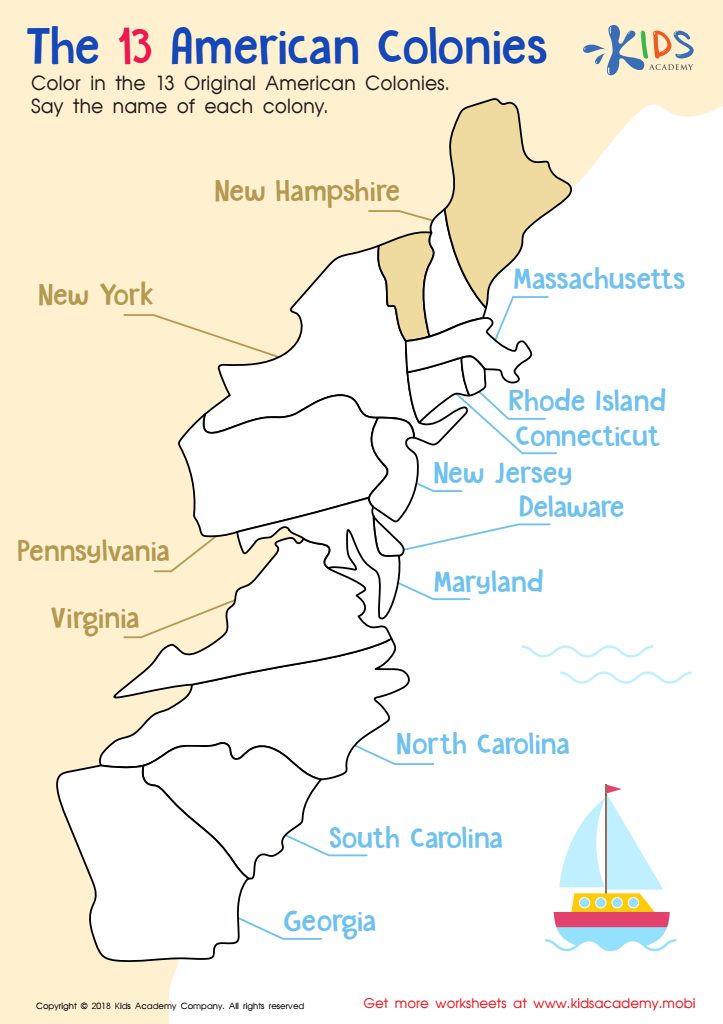
The 13 American Colonies Worksheet
 Assign to My Students
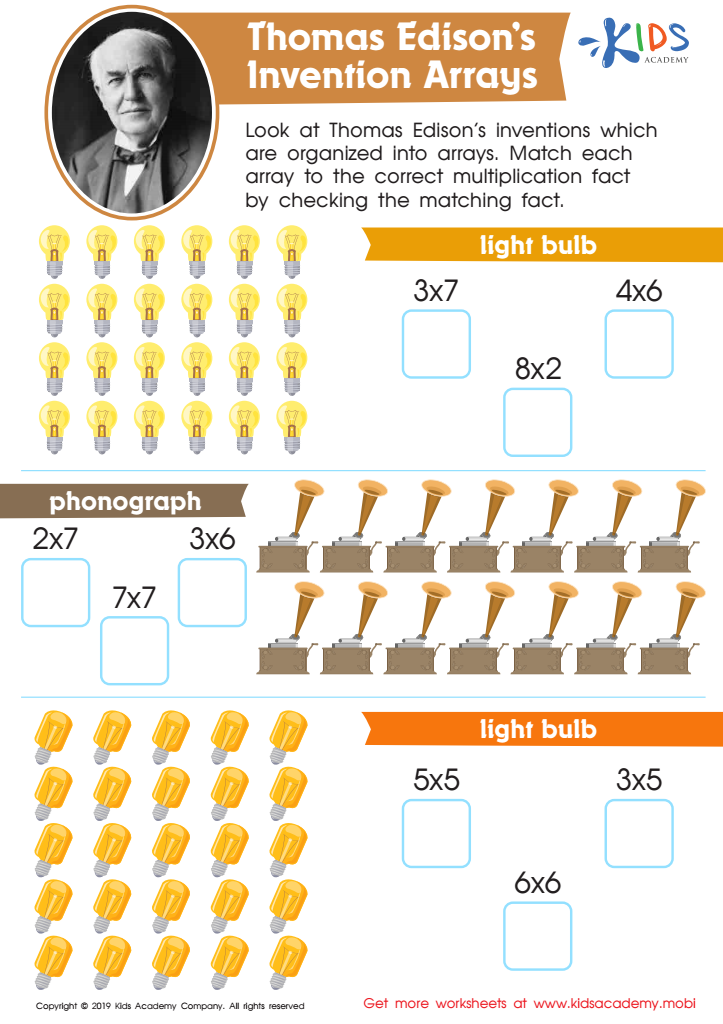
Thomas Edison’s Invention Arrays Worksheet
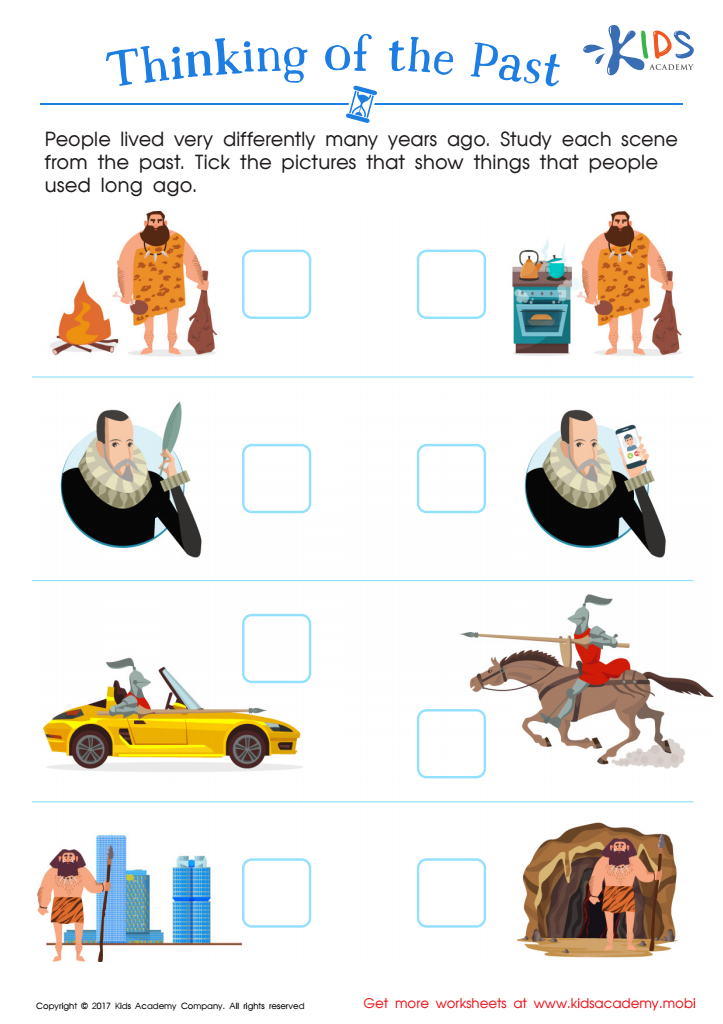
Thinking Past Printable

Thanksgiving Holiday Printable
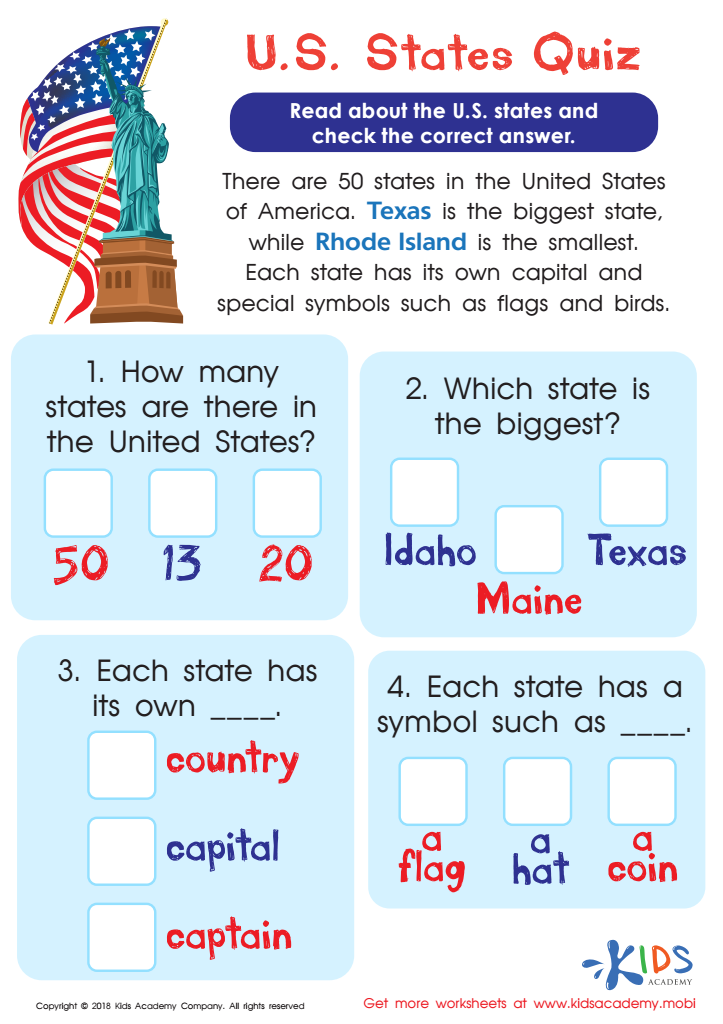
U.S. States Quiz Worksheet
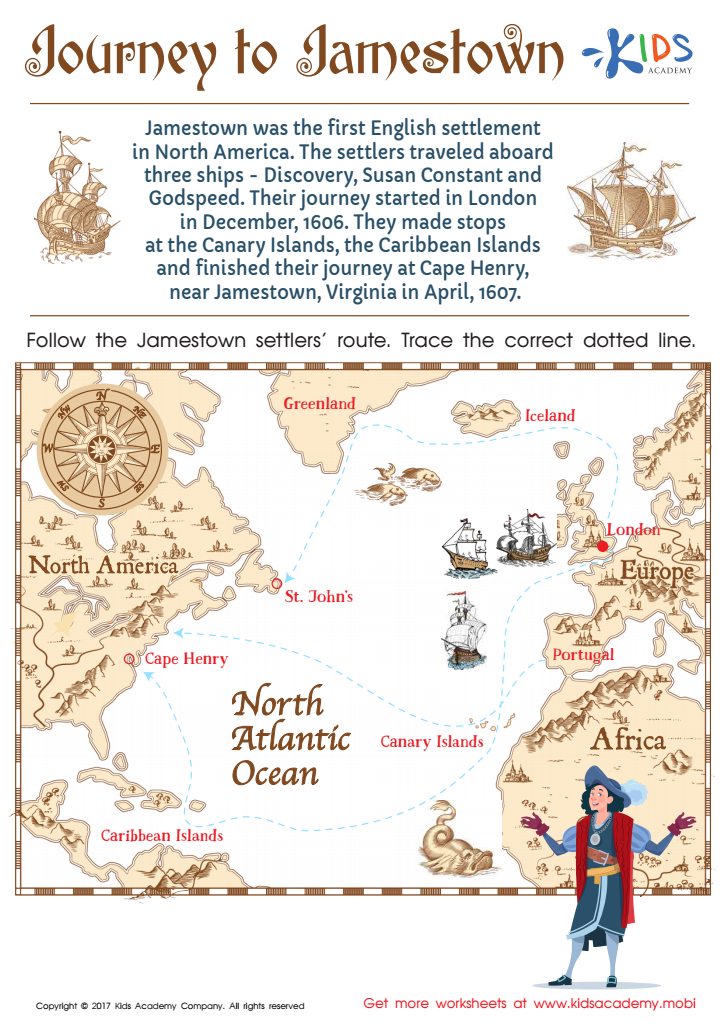
Journey to Jamestown Worksheet
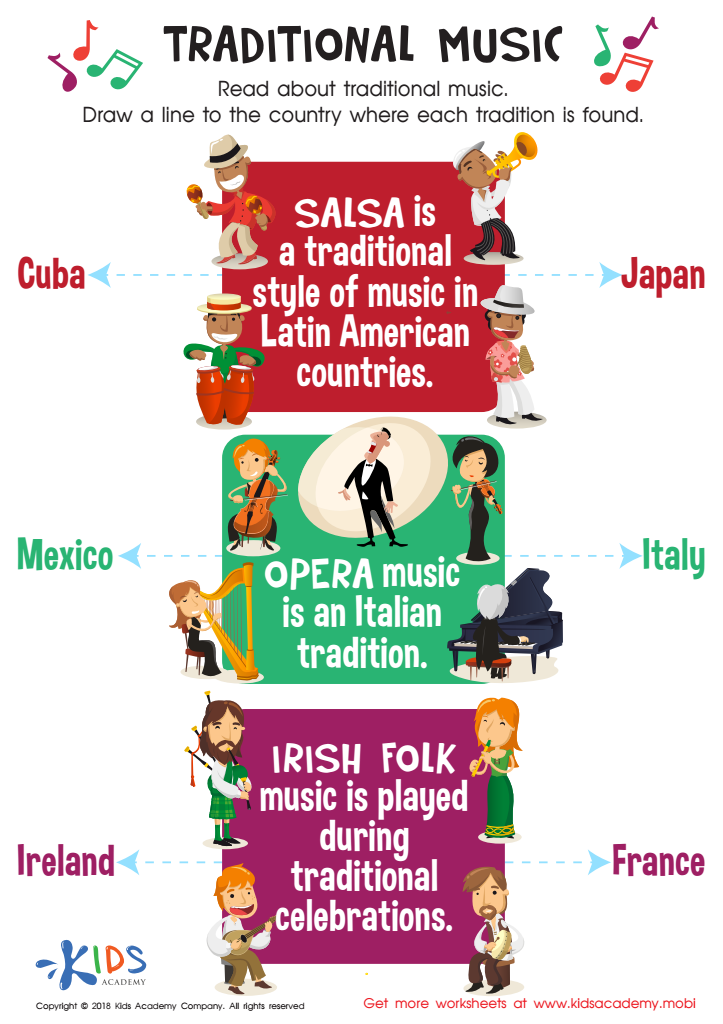
Traditional Music Worksheet
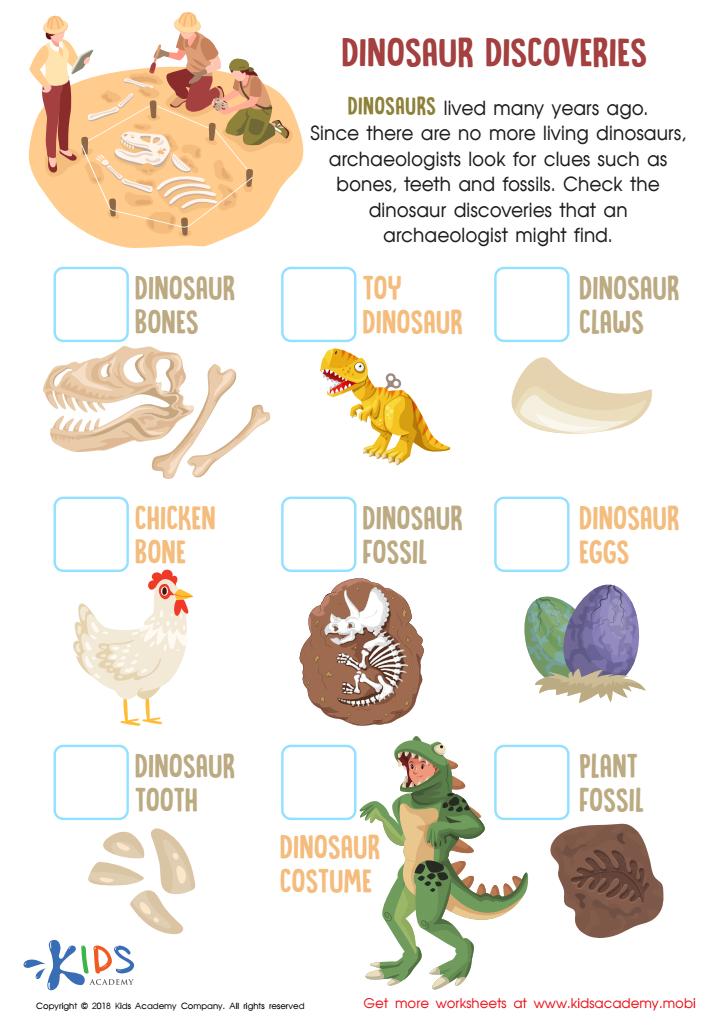
Dinosaur Discoveries Worksheet
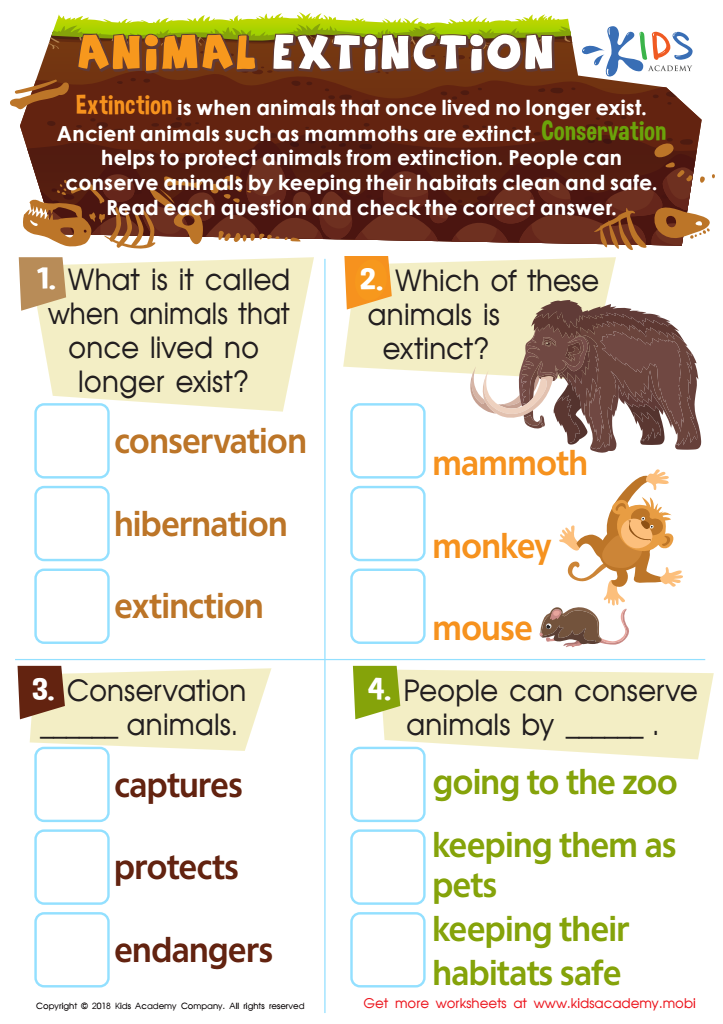
Animal Extinction Worksheet
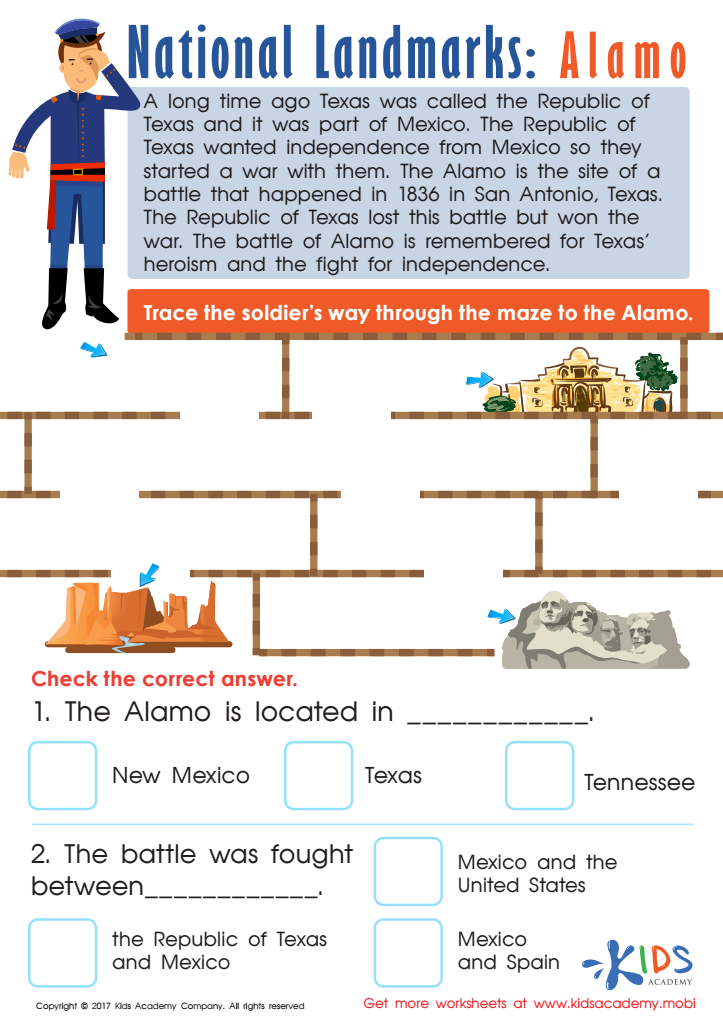
Alamo Printable Worksheet
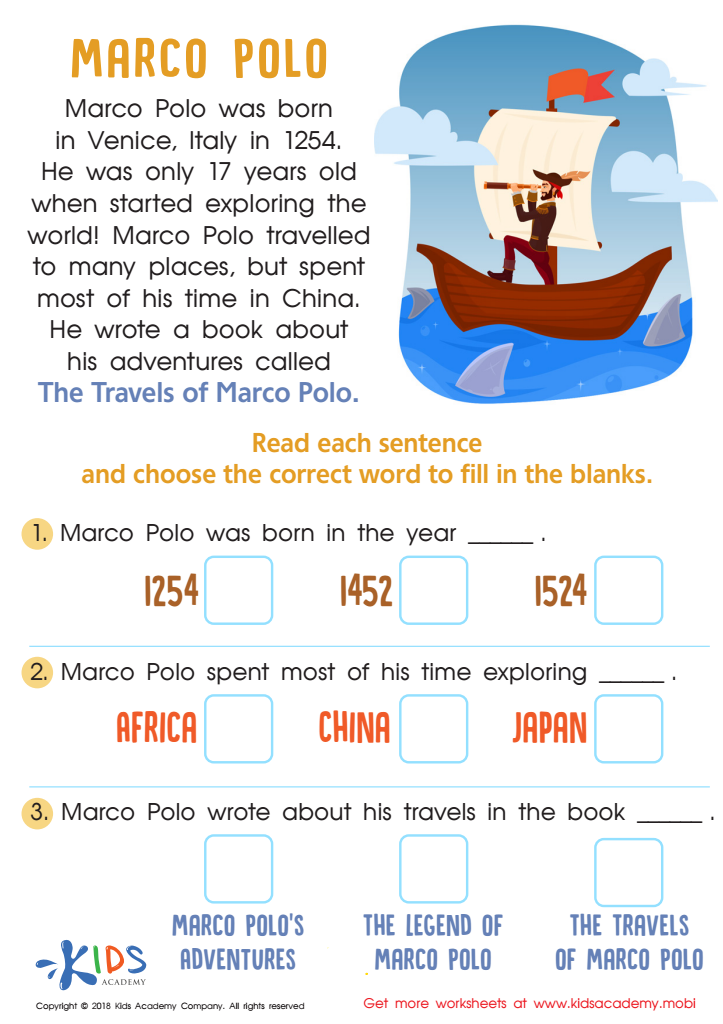
Marco Polo Worksheet
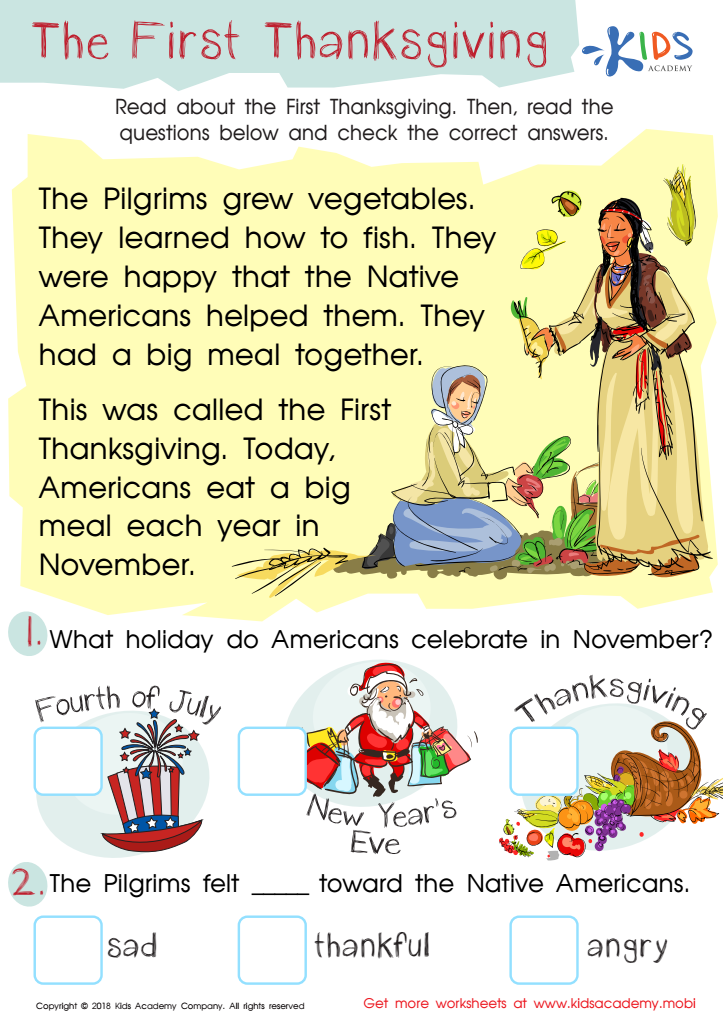
Assessment: First Thanksgiving Worksheet
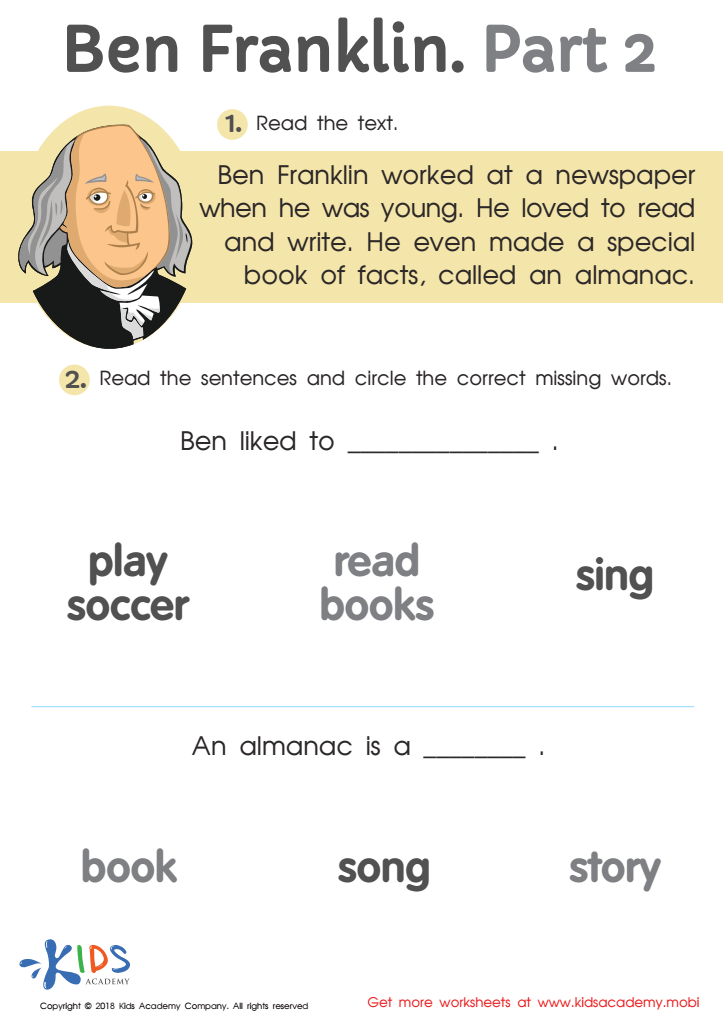
Ben Franklin Part 2 Worksheet
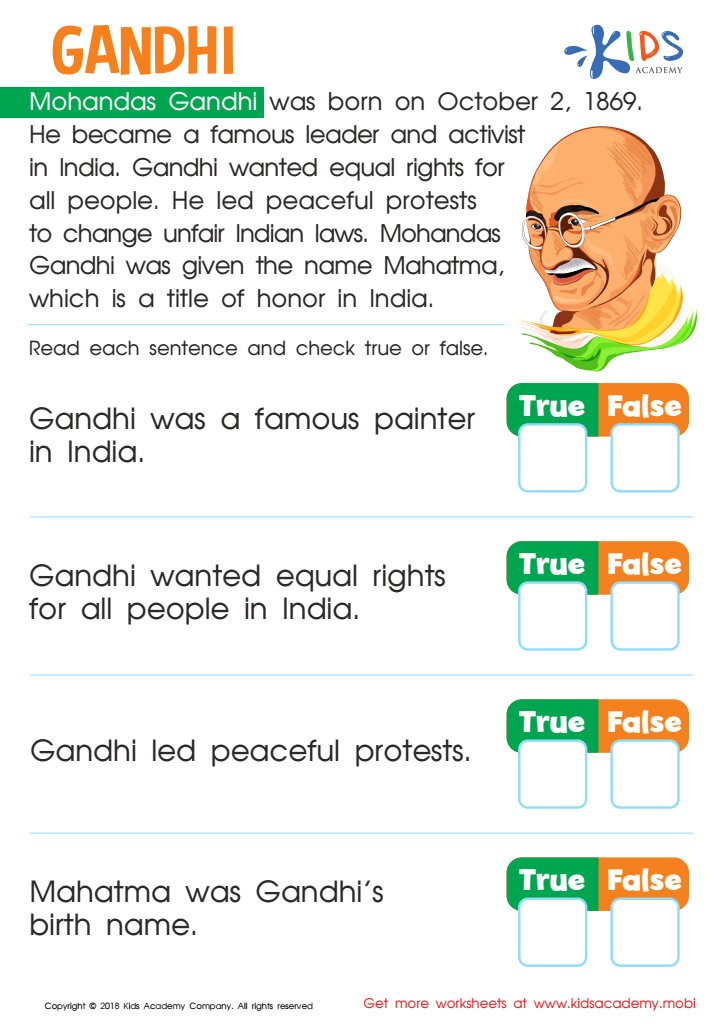
Gandhi Worksheet








Critical Thinking Normal History for Ages 3-9 is essential because it lays the foundation for children’s cognitive development and future learning. During these formative years, children are inherently curious and naturally seek to understand the world around them. By incorporating critical thinking skills into historical education, parents and teachers can encourage children to question, analyze, and make connections between past and present events.
Understanding history helps children develop a sense of identity and belonging, as they learn about their culture and heritage. However, merely memorizing facts is not enough; engaging children in critical thinking about historical narratives allows them to understand multiple perspectives, recognize biases, and develop empathy. This skill set is crucial in shaping informed and compassionate individuals who can contribute positively to society.
Additionally, fostering critical thinking enhances problem-solving abilities, encourages creativity, and promotes independent thought. These skills serve not only academic success but also equip children to navigate everyday challenges as they grow. Ultimately, prioritizing Critical Thinking Normal History in early education supports holistic development in children, empowering them to become thoughtful, engaged citizens who can rethink traditional narratives and advocate for a better future.