Vocabulary development Normal Social Studies Worksheets for Ages 3-9
8 filtered results
-
From - To
Cultivate your children's vocabulary and understanding of social studies concepts with our specialized worksheets designed for ages 3-9. At Kids Academy, our expertly crafted exercises focus on vocabulary development within a social studies context, boosting both verbal and cognitive skills. These engaging, age-appropriate activities will enhance your child's language proficiency and provide a fun exploration of historical, cultural, and societal themes. Provide your young learners with the tools they need for academic success and a lifelong love of learning. Dive into our collection today and watch their vocabulary and social knowledge flourish!
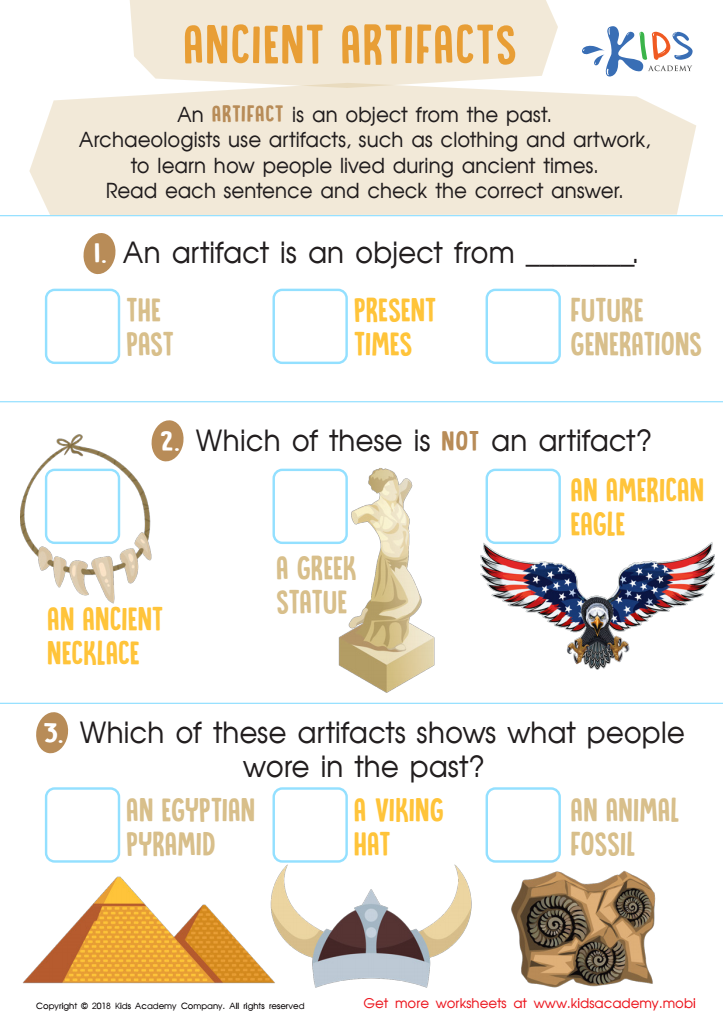
Ancient Artifacts Worksheet
 Assign to My Students

Let's Go to the Library! Worksheet
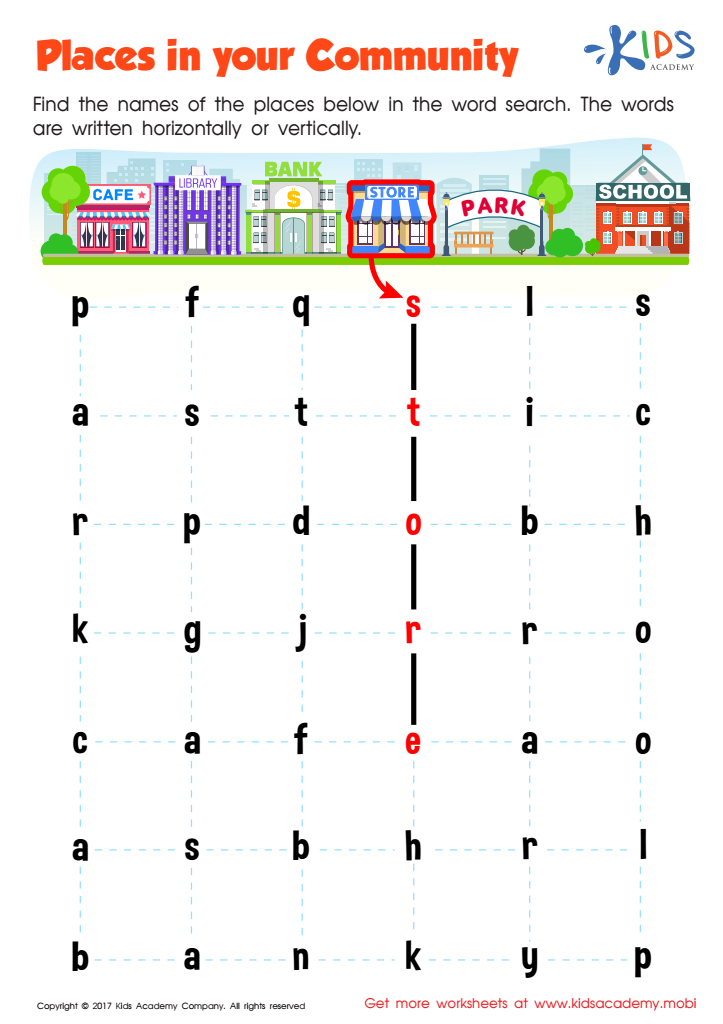
Places in Your Community Worksheet
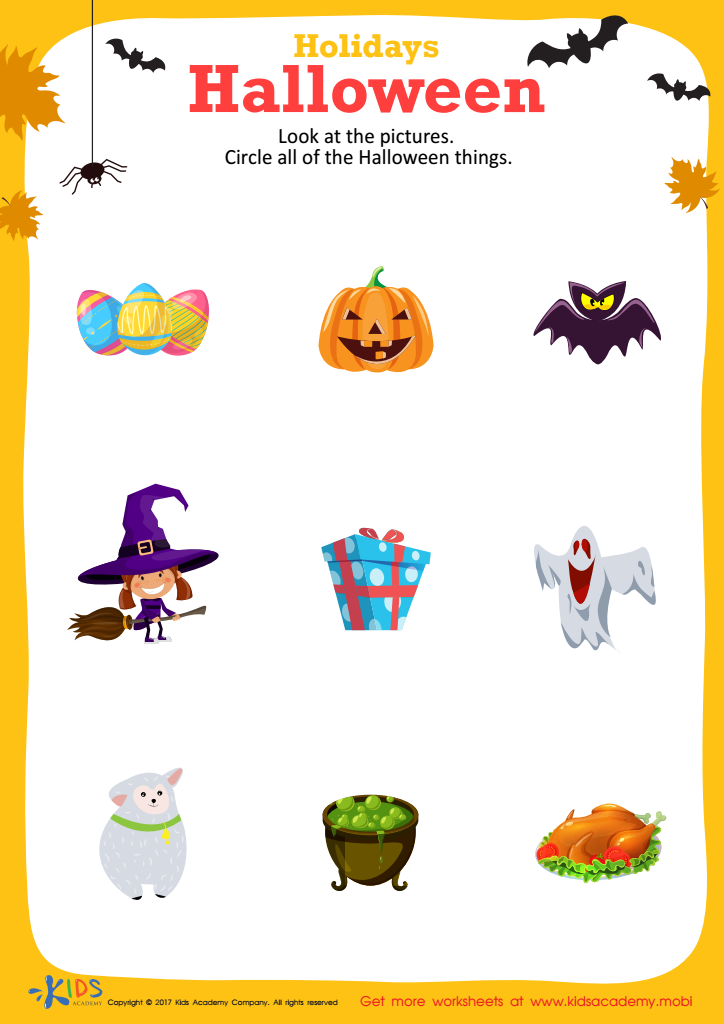
Halloween Holiday Worksheet
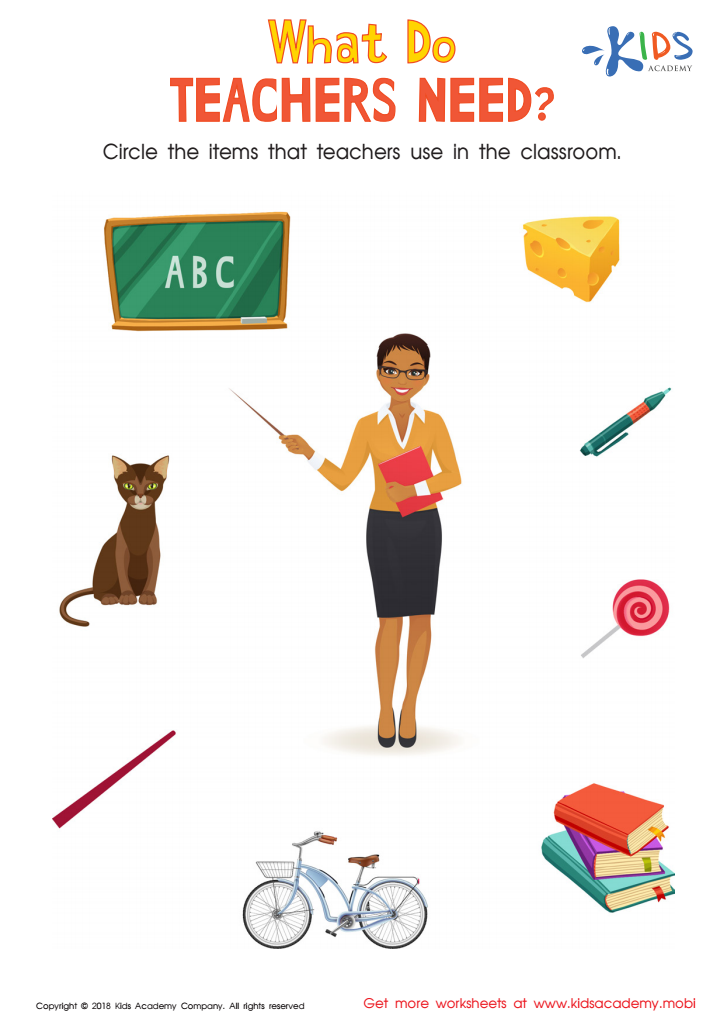
What Do Teachers Need Worksheet
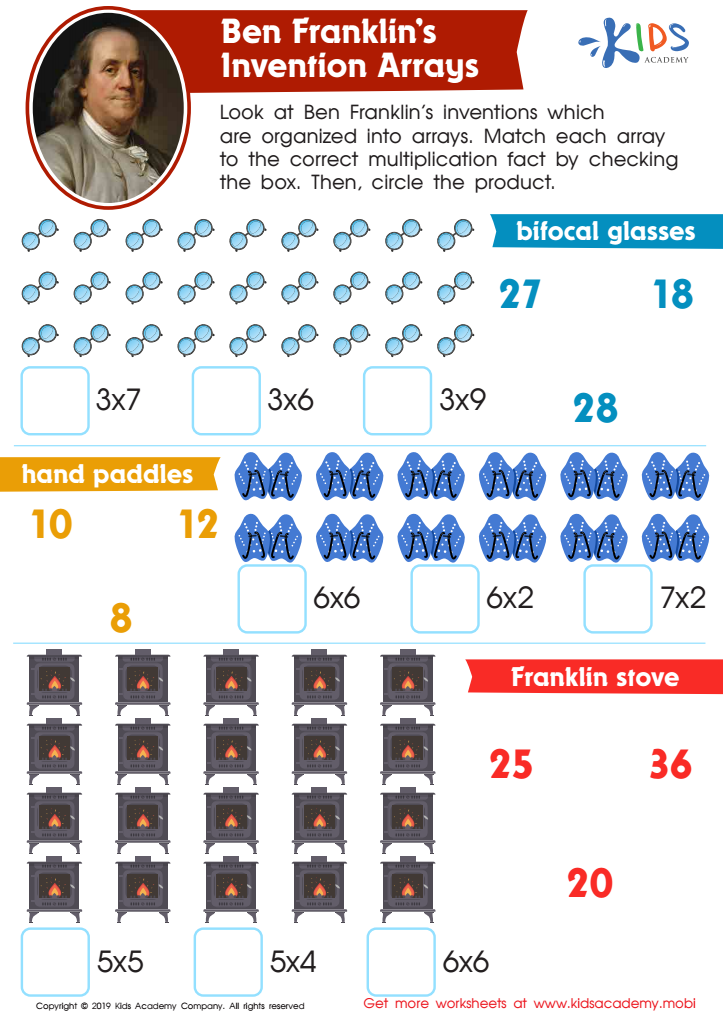
Ben Franklin’s Invention Arrays Worksheet
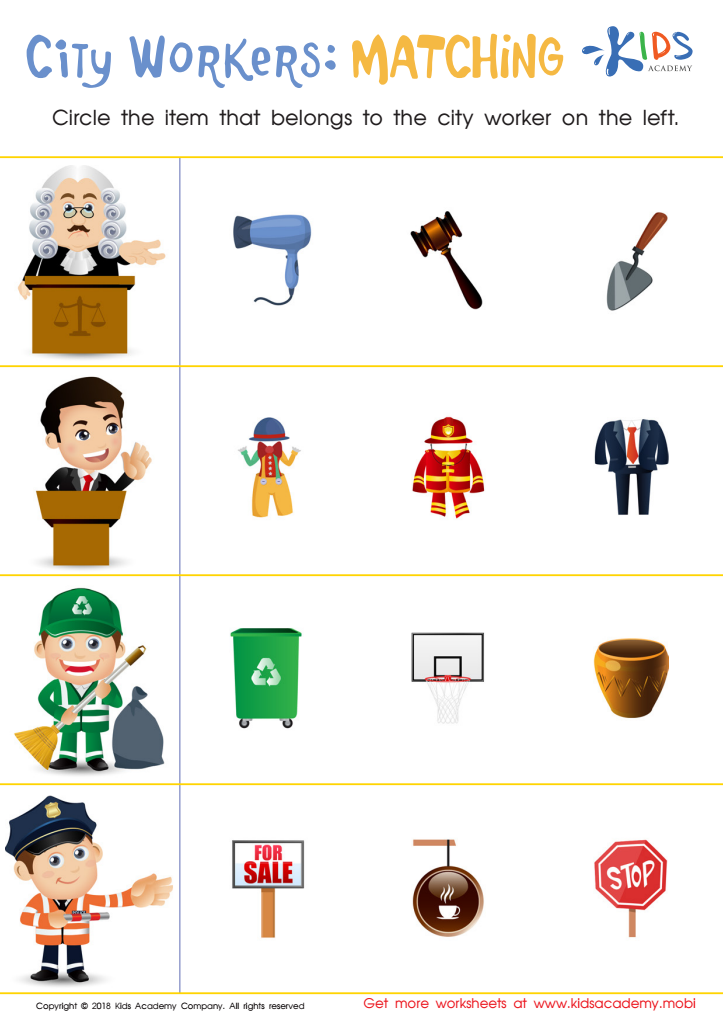
City Workers: Matching Worksheet
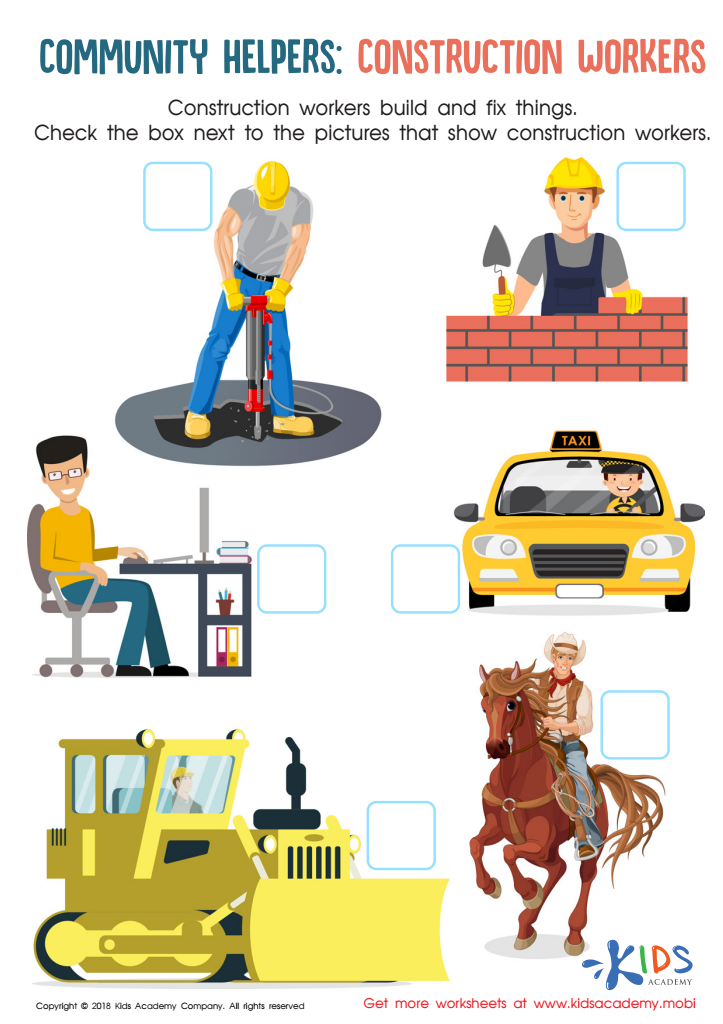
Construction Workers Community Helpers Worksheet







Vocabulary development is crucial for children ages 3-9 because it lays the foundation for their academic and social success. At this young age, children are like sponges, absorbing language and concepts rapidly. A strong vocabulary enables them to understand and communicate more effectively, which is essential for learning across all subjects, including social studies.
When discussing social studies, a robust vocabulary helps children grasp key terms and ideas about history, geography, culture, and community. For instance, understanding words like "community," "tradition," "government," or "citizen" can help children better comprehend lessons about how societies function. These concepts foster critical thinking and an awareness of the world around them.
Beyond academics, vocabulary development also plays a significant role in social interactions and emotional development. Having more words at their disposal allows children to express their thoughts and feelings more clearly, navigate social interactions constructively, and develop empathy by understanding others’ perspectives.
In scaffolding vocabulary development, parents and teachers can create rich, engaging, and supportive linguistic environments. Reading books, engaging in conversations, playing word games, and integrating vocabulary into everyday situations all help kids make meaningful connections with new words. Thus, fostering vocabulary growth not only supports children's academic achievements but also enriches their overall quality of life.








