Identification skills Normal Worksheets for 3-Year-Olds
3 filtered results
-
From - To
Enhance your 3-year-old's identification skills with our engaging Normal Worksheets! Designed specifically for young learners, these worksheets introduce essential concepts like shapes, colors, and objects, fostering cognitive development through interactive activities. Each worksheet features colorful illustrations that capture your child's attention and promote a love for learning. Whether at home or in a preschool setting, these resources provide a fun and productive way for little ones to practice identifying everyday items. Encourage exploration and build confidence as your child masters foundational skills essential for their educational journey. Discover the joy of learning through play with our thoughtfully crafted worksheets!
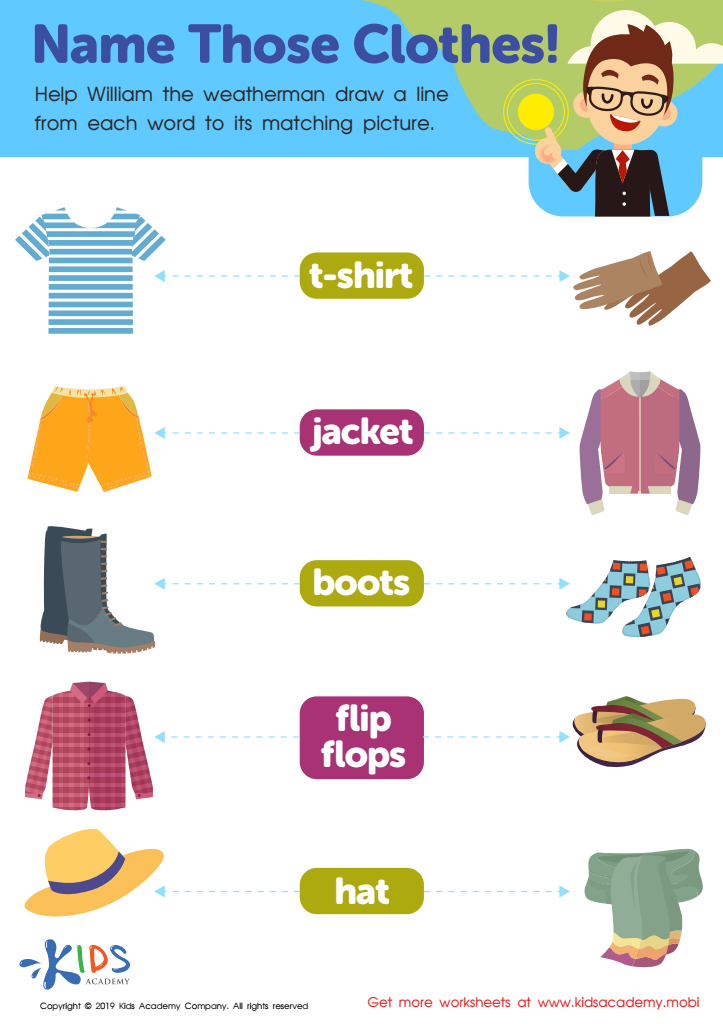
Name Those Clothes Worksheet
 Assign to My Students
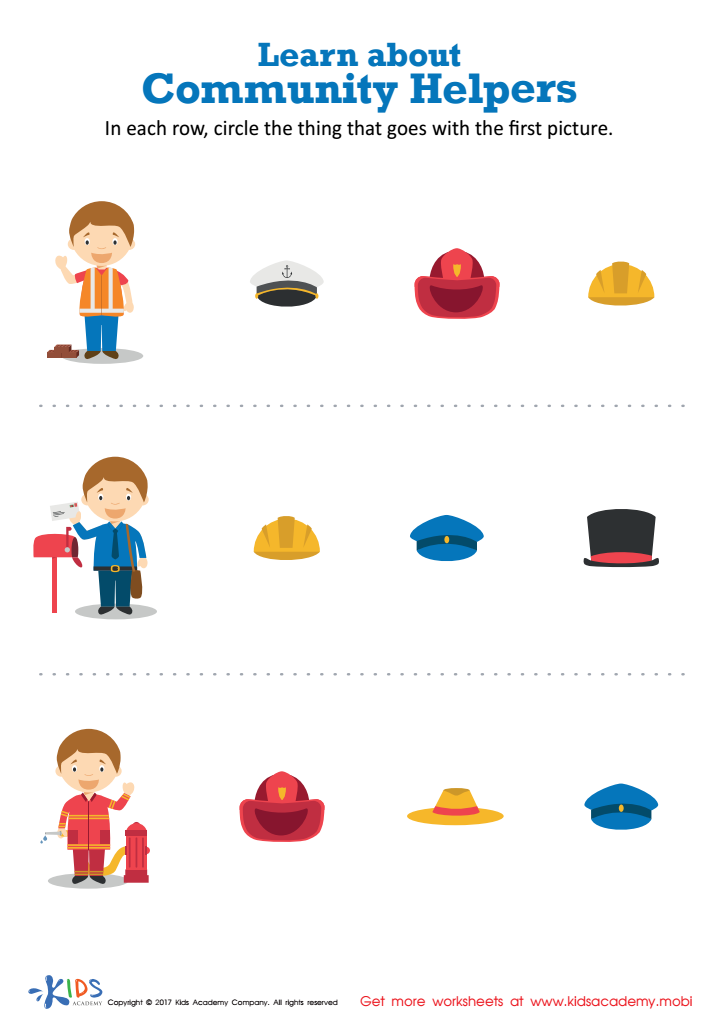
Learn about Community Helpers Printable




Identification skills are fundamental for 3-year-olds as they lay the groundwork for cognitive development and future learning. These skills involve recognizing and naming objects, colors, shapes, and even feelings, which are crucial for young children's understanding of the world around them.
When parents and teachers prioritize identification skills, they help enhance children's language abilities and expand their vocabulary, allowing for better communication and expression of thoughts and emotions. Furthermore, strong identification skills support critical thinking and problem-solving abilities. For instance, being able to distinguish between different shapes or colors helps children begin to categorize and make sense of their environments.
Additionally, identification skills foster social interactions as children engage with peers and adults, sharing knowledge and experiences. This interaction builds self-confidence and a sense of belonging. It's important for adults to create a nurturing and stimulating environment that encourages exploration and discovery. Activities like reading books, playing games, and discussing everyday objects can significantly enhance these skills.
Ultimately, when parents and teachers prioritize the development of identification skills, they are equipping children with essential tools for lifelong learning, promoting academic success, and supporting healthy emotional and social development.








